Photo credit: Schrade Knives/YouTube
Hunters keep certain fixed blades in the family for a reason. These knives aren’t trends, and they aren’t the kind you replace when something newer hits the market. They’ve earned their place through seasons of dressing deer, cutting rope, splitting kindling, and riding on belts through rain, snow, and heat.
When a knife survives decades of real hunting use, it proves something about its steel, its handle design, and the durability of its sheath. These are the blades hunters trust because they’ve already seen what they can do when nothing else is available. They stay relevant because they continue to work.
Buck 119 Special
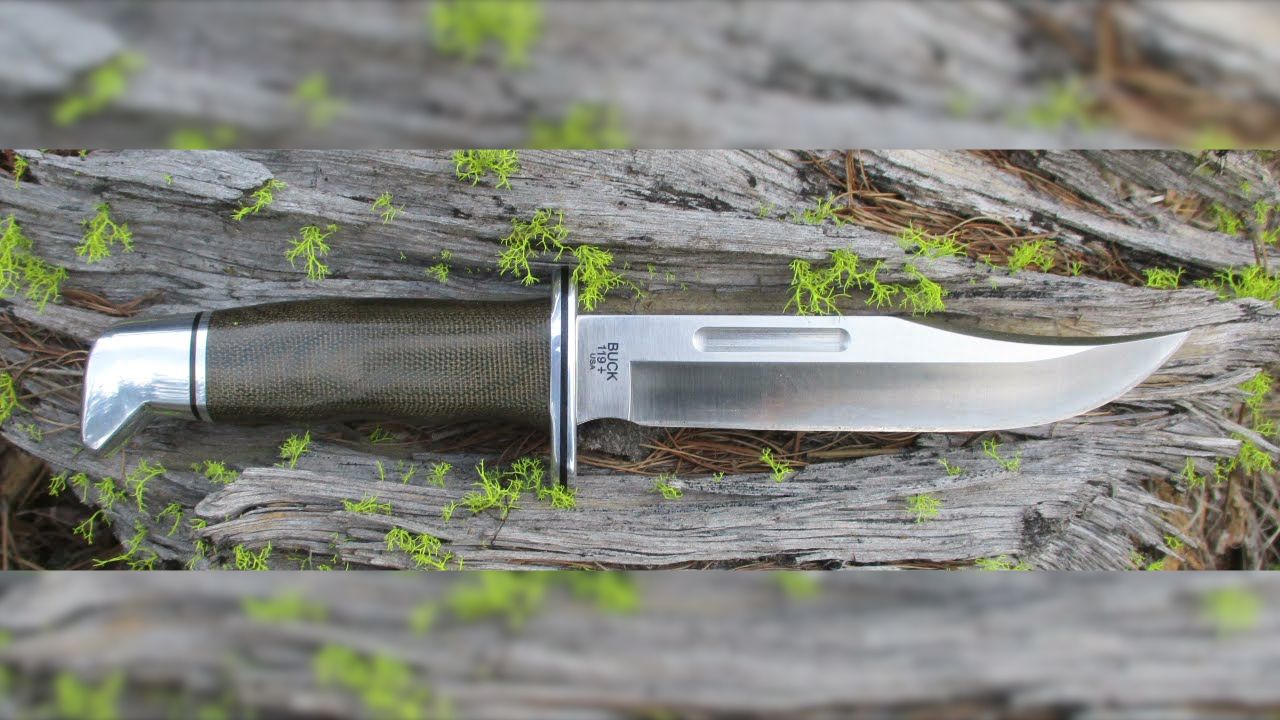
The Buck 119 has been around long enough to earn its reputation the hard way. Hunters hand it off because it’s a blade that can take field dressing, camp chores, and repeated sharpening without falling apart. Buck’s heat-treated 420HC steel holds better than many expect and resists corrosion well in the field.
The classic clip-point shape works for everything from quartering to carving. When you use it season after season, you start to understand why so many older hunters still swear by it. It’s simple, durable, and dependable enough to pass down.
Ka-Bar USMC Fighting/Utility Knife

The Ka-Bar wasn’t designed to be a hunting knife, but generations of hunters adopted it anyway. Its 1095 Cro-Van steel sharpens easily and handles heavy tasks like breaking down large game or preparing firewood. The stacked leather grip also molds to your hand over time and holds up surprisingly well with a little care.
It’s the kind of knife that lives in packs, trucks, and cabins and still turns up sharp and ready when deer season rolls around. That reliability is why hunters keep them around long enough to hand off to the next generation.
Buck 110 Fixed Hunter
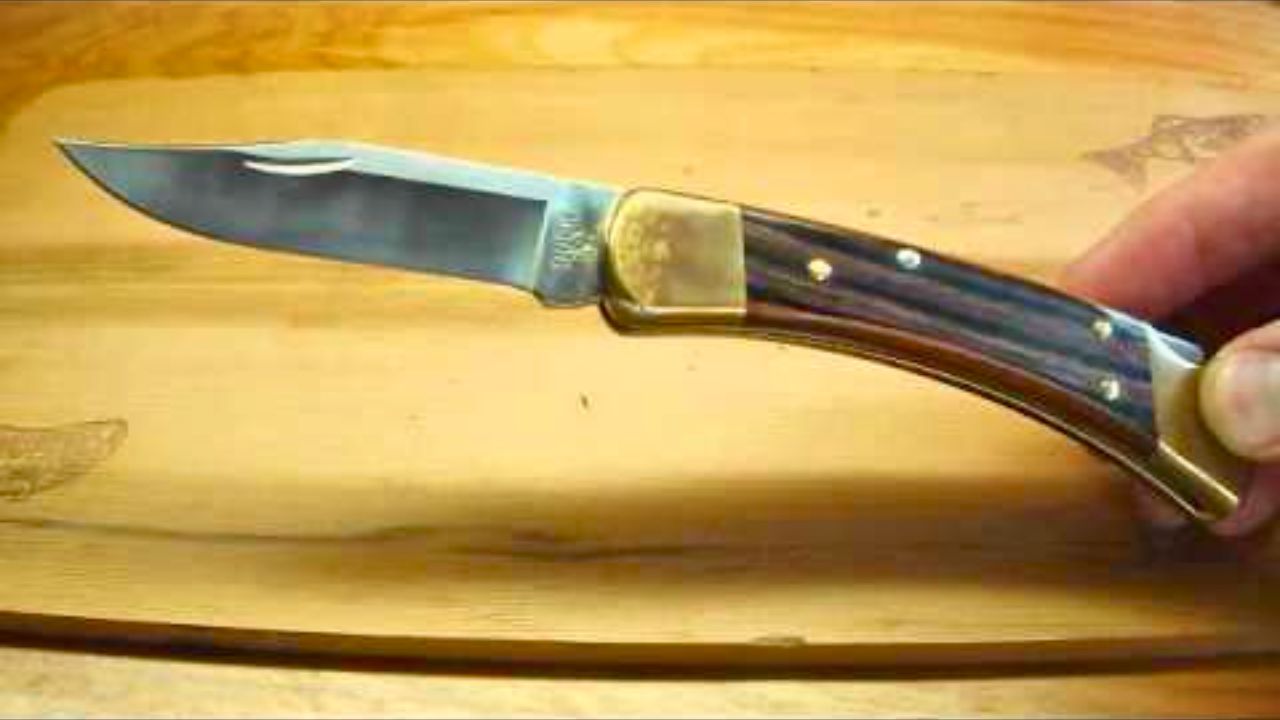
The fixed version of the Buck 110 brings the same trusted profile as the iconic folder but gives you more strength. It’s built for hunters who want a knife that doesn’t fold, fail, or loosen after years of use. The 420HC steel responds well to field sharpening and shrugs off blood and moisture when cleaned correctly.
It feels like a knife meant to stay with you throughout your hunting life. The design works across all types of game, which is a big reason it ends up passed down rather than replaced.
Helle Temagami
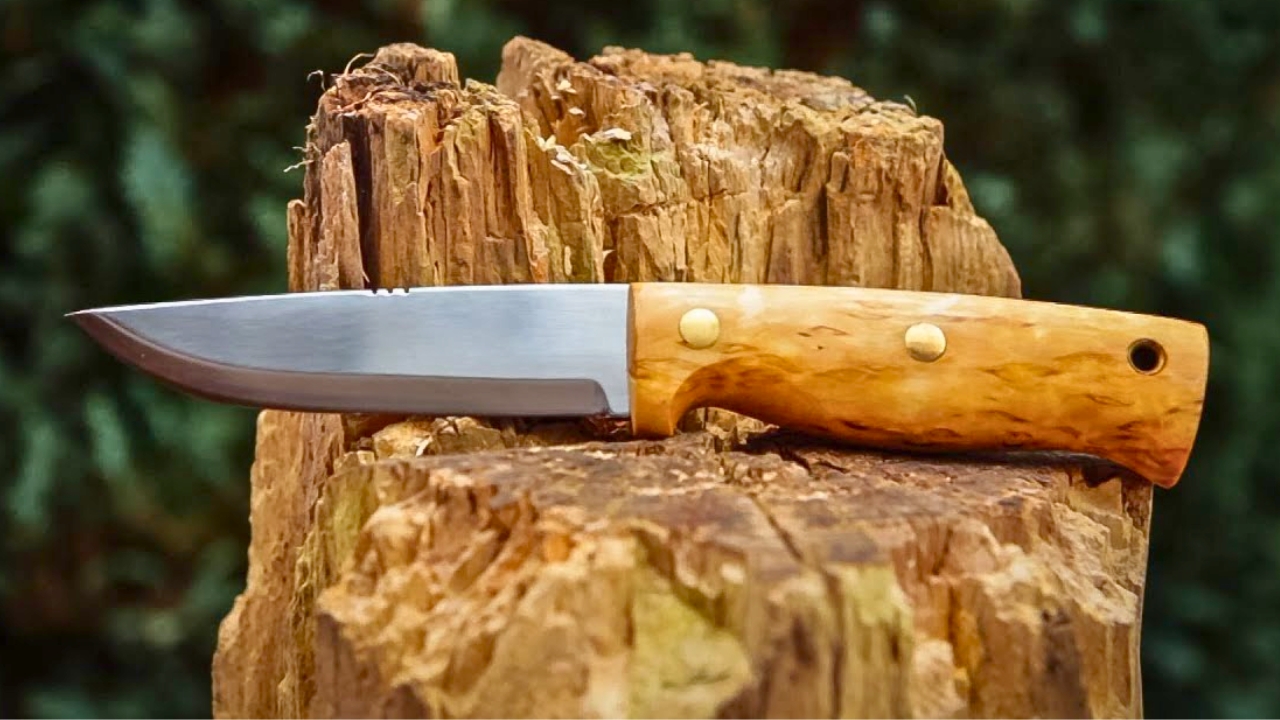
Helle’s laminated stainless steel makes the Temagami a blade that handles wet conditions without rusting or wearing thin. The birch handle ages beautifully, picking up character as it goes through seasons of butchering game and carving camp stakes.
It’s a knife with a traditional feel but modern durability, which makes it easy to understand why hunters hang onto them. A well-cared-for Temagami becomes a personal tool that feels better with every use, and that’s why they get handed down.
Morakniv Garberg

Unlike the lighter Mora models, the Garberg is built for real abuse. Its full-tang stainless construction survives baton work, prying, and butchering chores without loosening or cracking. The Scandi grind makes it easy to maintain, even if you’re sharpening on a pocket stone in camp.
Hunters appreciate how it holds up during long trips where gear takes a beating. Because it’s affordable and nearly indestructible, many hunters end up keeping their first Garberg for decades. It’s a simple tool that reliably gets the job done.
Buck 102 Woodsman
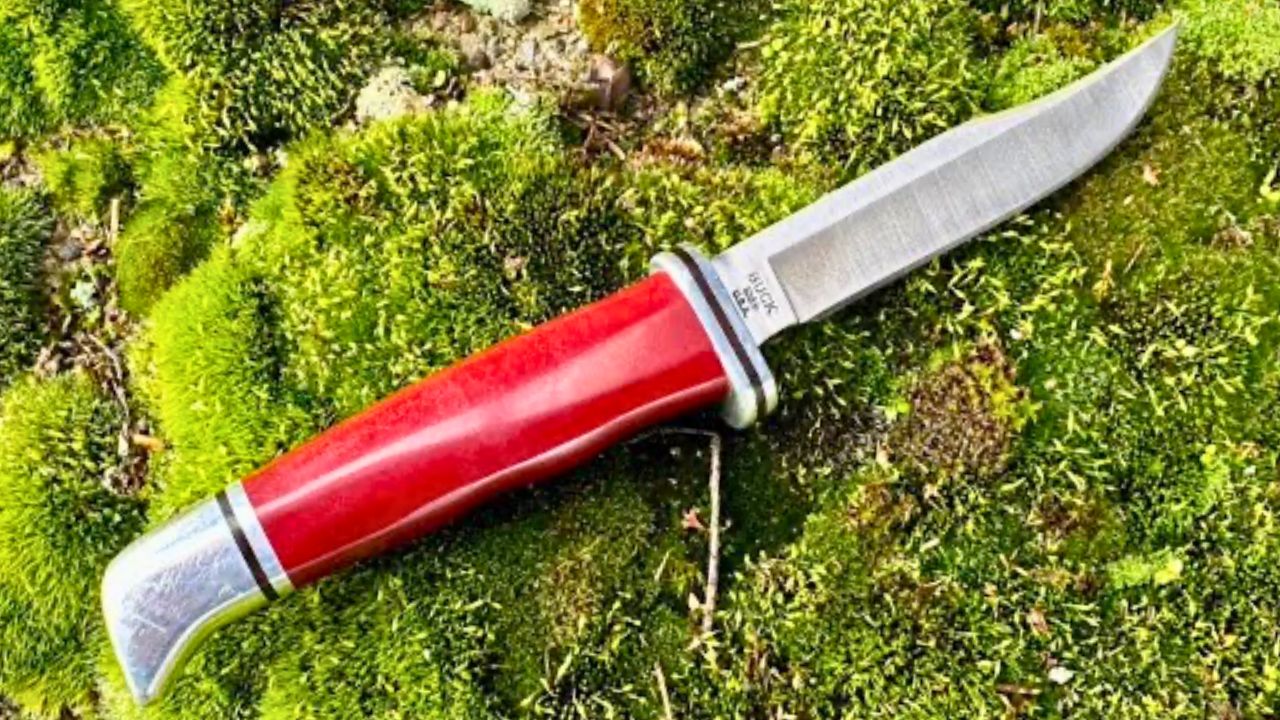
The Woodsman is one of Buck’s most iconic small-game and deer dressing knives, and it has been earned through decades of real use. The narrow clip-point blade excels at fine cuts while still handling light camp chores. The 420HC steel sharpens easily, which keeps it in rotation for years.
This knife tends to stay in families because it’s tied to memories—first deer, first hunts, and countless seasons in the woods. It lasts long enough to pass down and keeps proving its value along the way.
ESEE 4

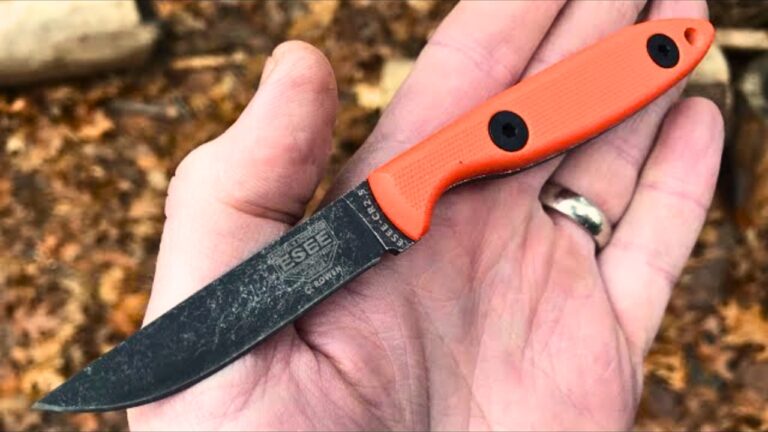
The ESEE 4 in 1095 carbon steel isn’t stainless, but its toughness is a big reason hunters hold onto it. It can baton wood, prep camp tools, and break down game without hesitation. With proper care, that carbon steel edge stays razor-sharp and dependable.
Because it’s built for serious field use, it doesn’t wear out quickly, even in rough environments. Many hunters pass theirs down because it remains fully functional after years of punishment—something not every fixed blade can claim.
Cold Steel Master Hunter (VG-1 or VG-10)
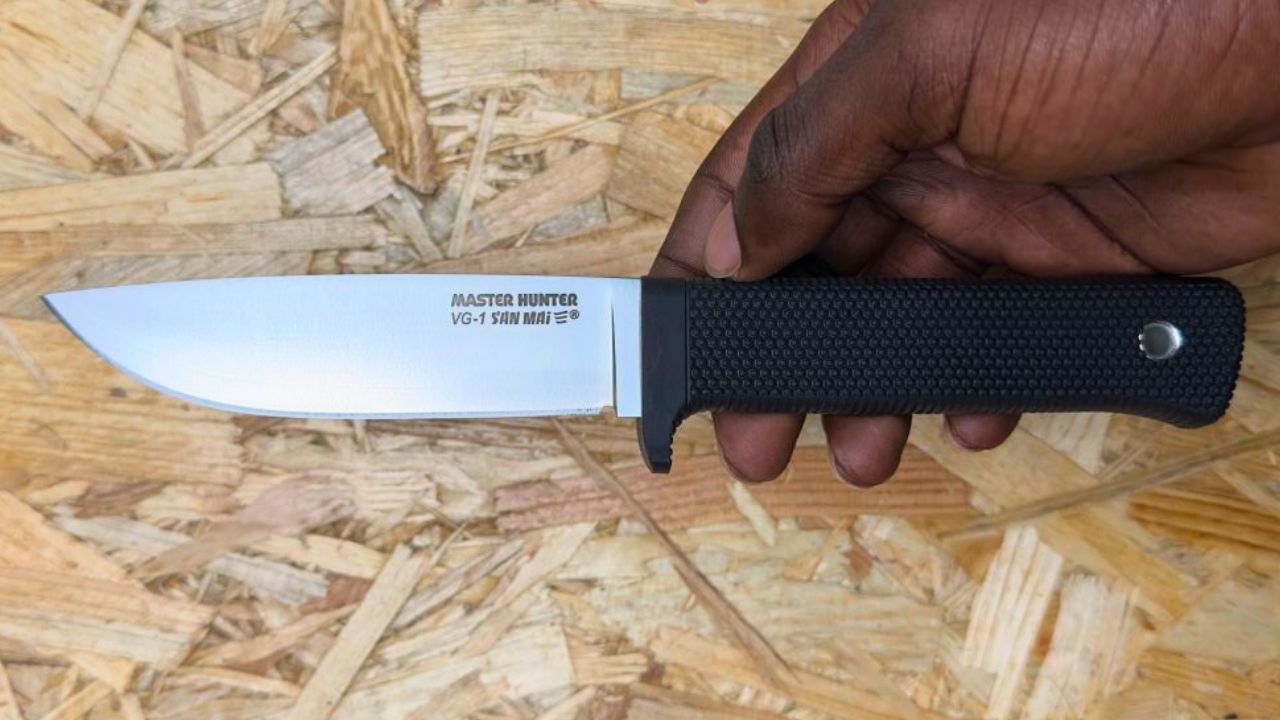
Cold Steel’s Master Hunter has developed a loyal following for good reason. The VG-series steels offer strong edge retention and real corrosion resistance in wet field conditions. The drop-point profile makes it a true hunting tool, easy to control when dressing deer or elk.
The handle gives you grip even in cold or bloody conditions, something many hunters appreciate after one long season. As a knife that stays reliable year after year, it naturally becomes a blade hunters hang onto instead of replacing.
Buck 120 General
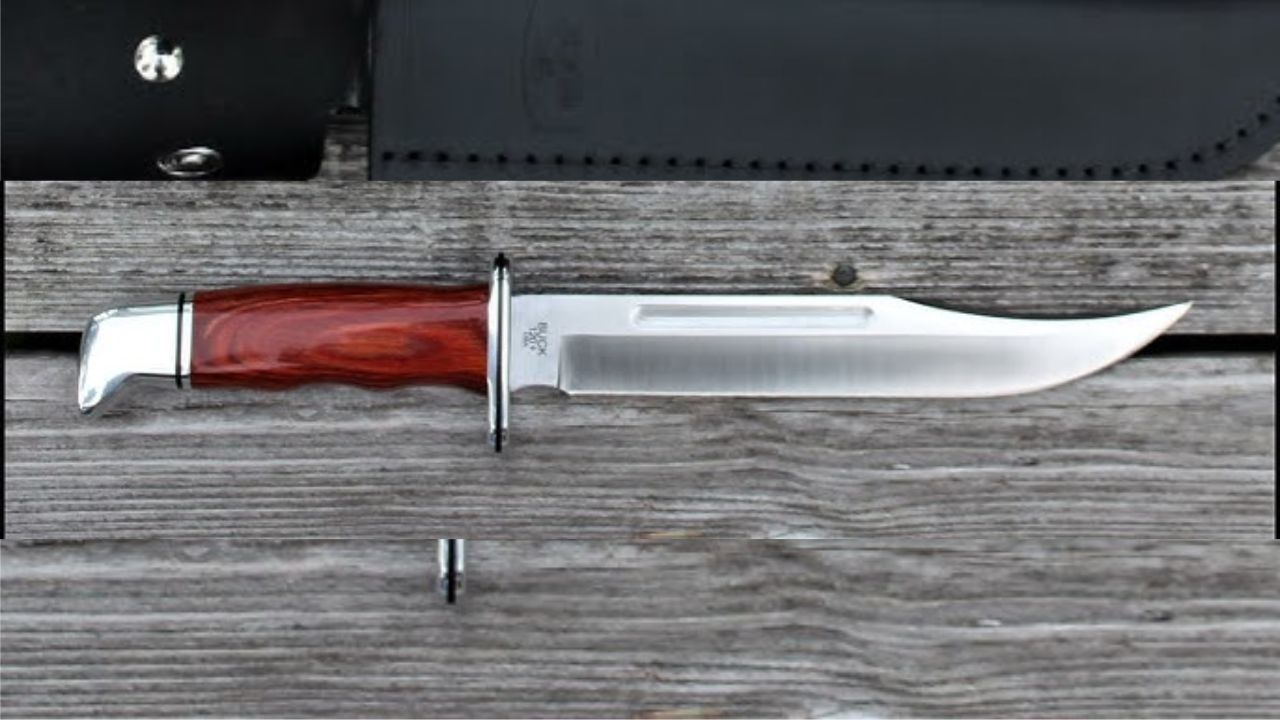
The Buck 120 brings a long blade that camp hunters love for its slicing performance. It handles big tasks—trim work, quartering larger game, camp prep—and keeps performing thanks to Buck’s proven heat treatment.
Because it has such a recognizable profile and decades of proven success, many hunters treat it as a legacy knife. With good upkeep, it stays sharp and functional across generations, making it an obvious candidate to pass down.
Bark River Bravo 1

The Bravo 1 is a modern classic built with premium steels like CPM-3V or A2, both known for durability. These steels handle heavy tasks and resist chipping, even under rough use. The ergonomic handle helps reduce hand fatigue during long processing sessions.
Hunters keep these knives because they age incredibly well. With basic maintenance, they remain reliable tools year after year, turning into heirlooms rather than disposable gear.
Fallkniven F1
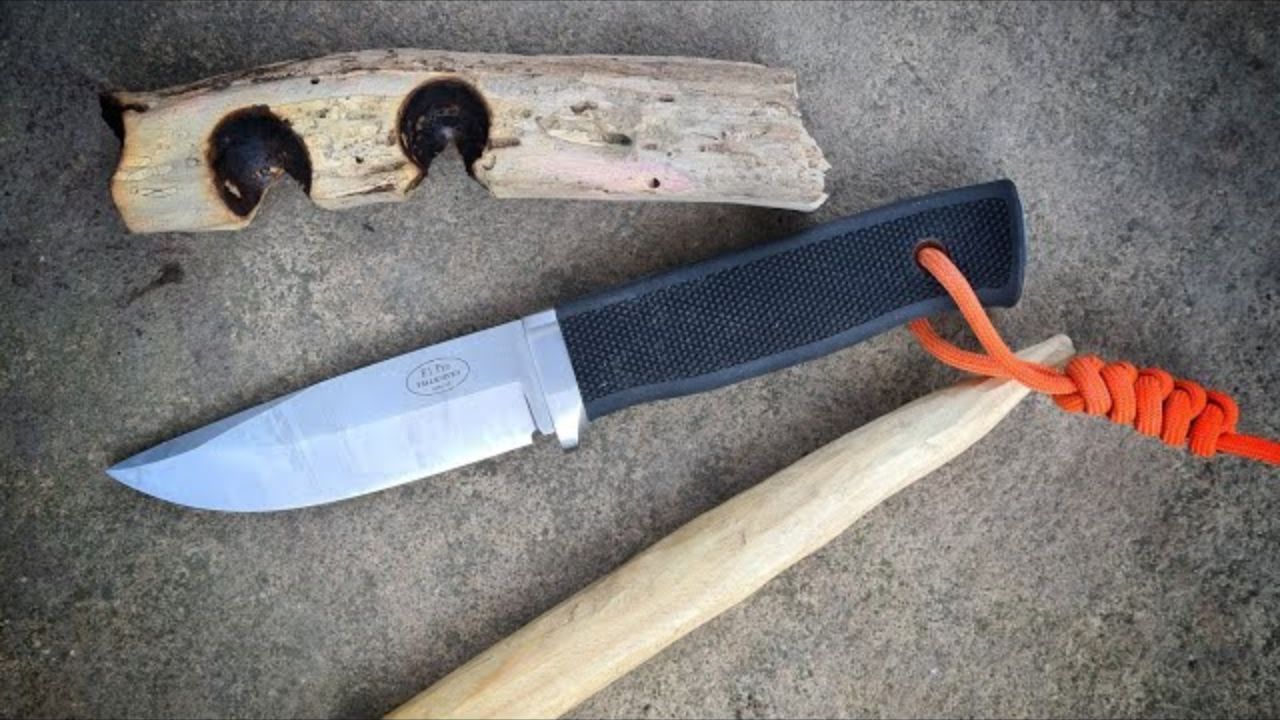
The laminated VG10 or CoS steel in the F1 gives it excellent corrosion resistance and edge stability. Hunters appreciate how it handles cold-weather field work without becoming brittle, and the convex edge holds up to hard use.
This knife doesn’t fade with time. Instead, it becomes more familiar and comfortable the more you carry it. That longevity makes it a knife hunters don’t just rely on—they pass it down with confidence.
Old Timer Sharpfinger
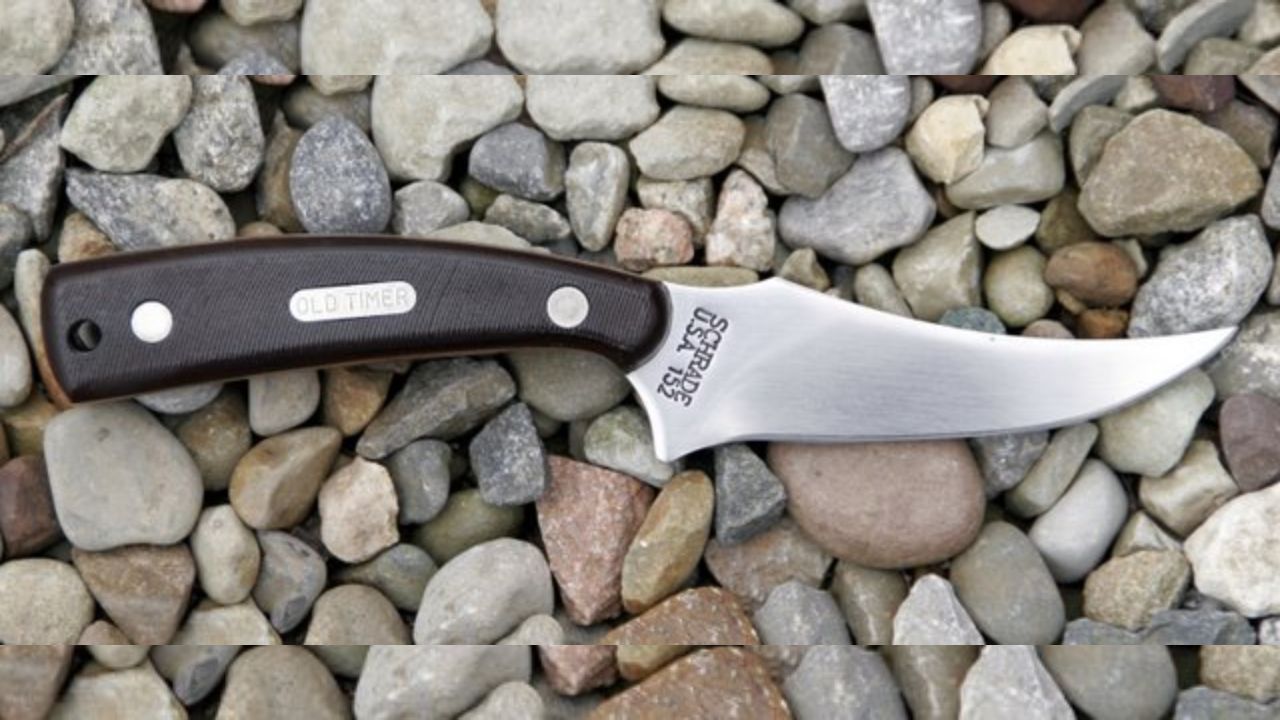
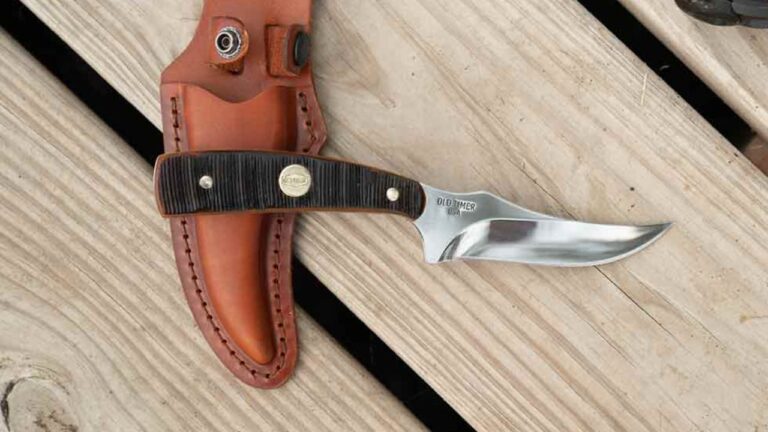
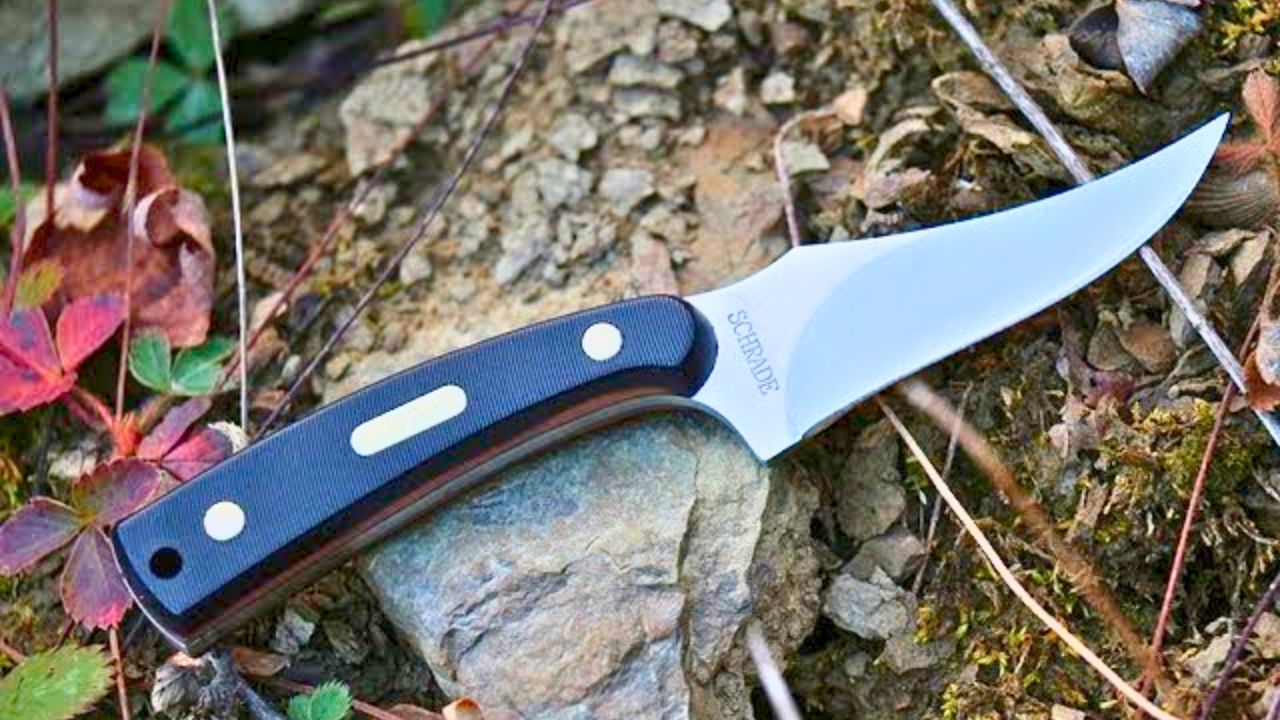
The Sharpfinger has been a working knife for hunters for decades. Its distinctive upswept profile handles skinning extremely well, and the older carbon-steel versions sharpen beautifully. Even the newer stainless versions hold up for years with basic care.
These knives stick around because they’re inexpensive, reliable, and easy to sharpen. Many hunters start with one, use it for years, and eventually hand it off. It’s the kind of fixed blade that earns its place through real work, not hype.
Like The Avid Outdoorsman’s content? Subscribe to our newsletter so you never miss an article.
Here’s more from us: