Photo credit: Warren Price Photography/Shutterstock.com
Some deer calibers come and go like trends. Others keep filling tags year after year because they’re easy to shoot well, easy to feed, and they perform across a wide range of rifles and bullet weights. When you’re picking a “forever” deer round, the real question isn’t what hits the hardest on paper. It’s what lets you practice more, place shots better, and handle real hunting angles without drama.
The calibers below have proven themselves over decades of whitetails and mule deer. They’re not perfect for every hunt, but they’ve stayed dependable because they work in the field, not in a brochure.
.30-06 Springfield

If you want one deer caliber that’s never out of place, the .30-06 is hard to beat. It runs well in everything from lightweight mountain rifles to heavier stand guns, and it gives you a huge range of bullet options without getting weird.
The reason it stays dependable is flexibility. You can shoot mild 150s for open woods and longer shots, then move up to 165s and 180s when you want more weight and penetration. Recoil is real but manageable for most hunters with a decent stock fit and a sane rifle weight.
It also wins on availability. When ammo shelves get thin, .30-06 is usually still there. That matters when you want to practice, confirm zero, and hunt without chasing a niche load all season.
.308 Winchester

The .308 has been putting venison in freezers for a long time, and it does it without requiring a long action or a long barrel. It’s efficient, accurate in a wide range of rifles, and it tends to shoot well even in shorter, handier setups.
What makes it dependable is how easy it is to live with. Recoil is usually softer than .30-06 in comparable rifles, and that can help you stay honest behind the trigger. You also get excellent bullet selection, with 150- to 180-grain loads that cover normal deer work with room to spare.
It’s also one of the easiest rounds to find in normal times. If you’re the hunter who actually practices and doesn’t want surprises, the .308 keeps your range time productive and your confidence high.
.270 Winchester

The .270 has a track record that doesn’t need defending. It shoots flat enough for open country, hits hard enough for deer at real hunting ranges, and it does it with recoil that most hunters can manage without developing bad habits.
Its dependable reputation comes from consistency. A quality 130- or 150-grain deer load will carry well, expand reliably, and still penetrate through the angles you actually see in the woods. It’s also a caliber that tends to shoot accurately in a lot of off-the-rack rifles.
The .270 is also practical. Ammo availability is generally strong, and you don’t need special gear or special loads to make it work. If you hunt mixed terrain and want one setup that stays relevant, this one keeps delivering.
.30-30 Winchester
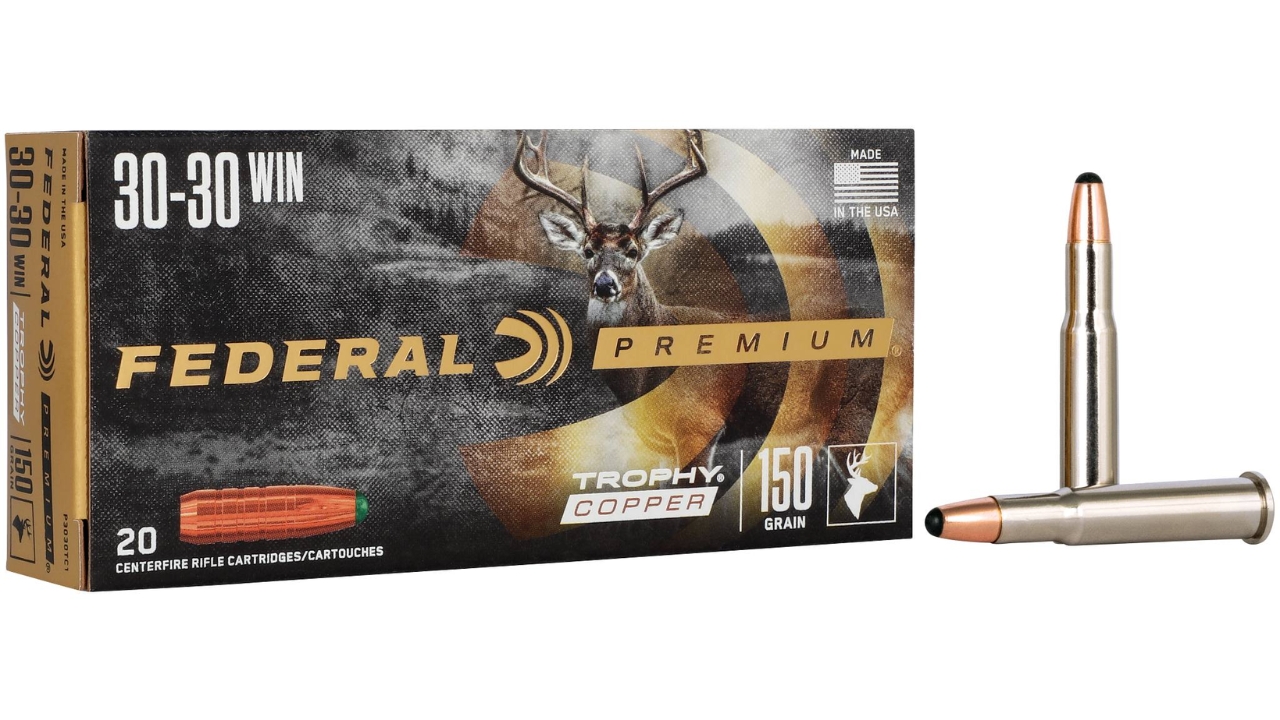
The .30-30 keeps showing up because it matches how a lot of deer are actually killed: inside normal woods ranges, offhand, from awkward angles, and in quick moments. It’s not a long-range round, but it’s dependable where it matters.
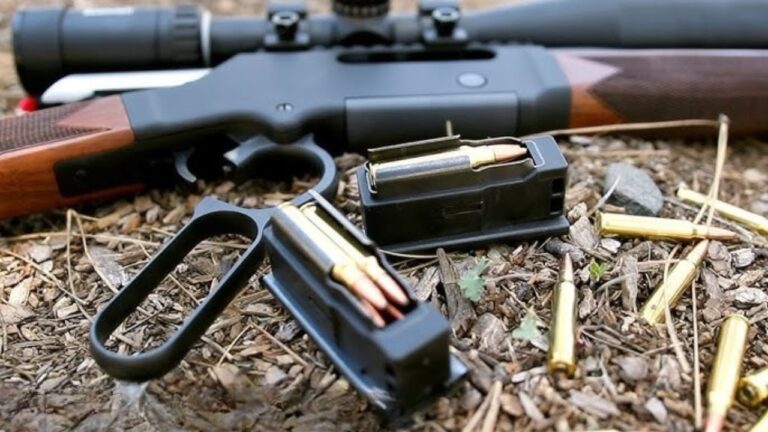
A good .30-30 lever gun carries easily, points fast, and doesn’t punish you at the bench. That leads to better practice and better hits. With modern loads, performance has improved, but even traditional bullets have filled tags for generations when you do your part.
The other advantage is realism. The .30-30 makes you hunt like a deer hunter, not like a ballistics nerd. Keep your shots sensible, pick a good bullet, and it does the job cleanly year after year.
7mm-08 Remington
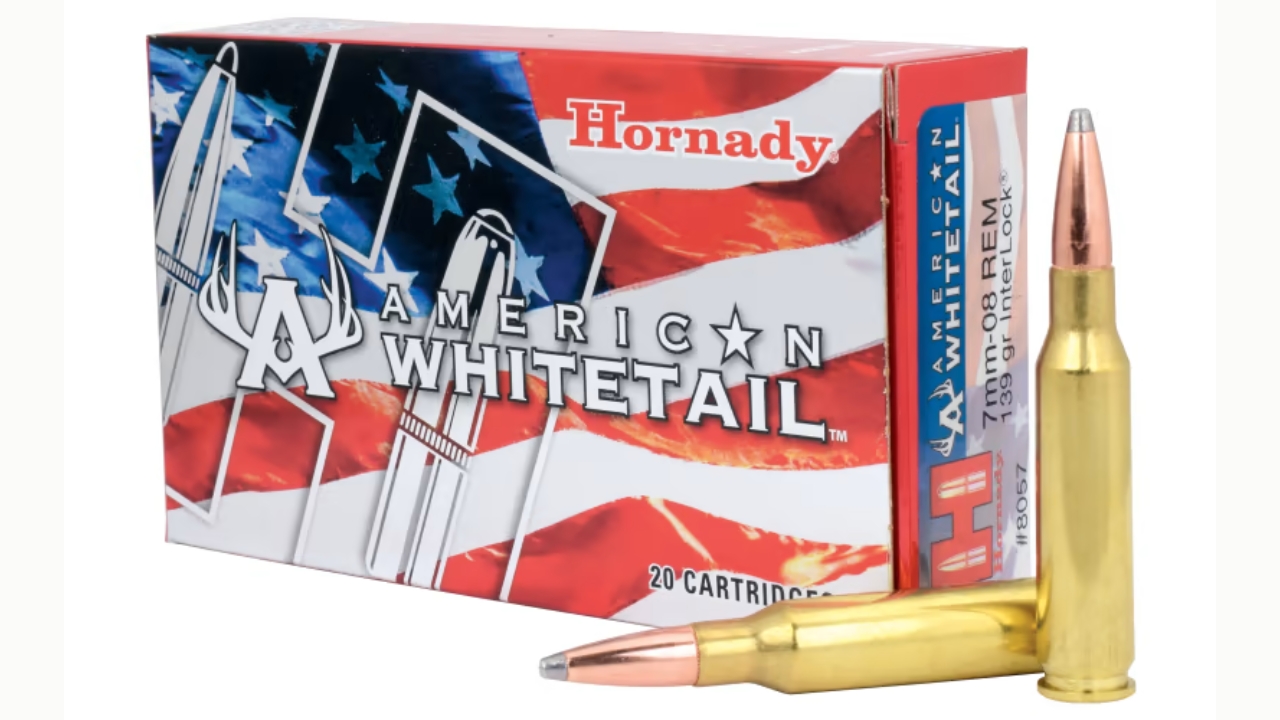
The 7mm-08 is one of the best “shoot it well, kill deer cleanly” calibers ever chambered in a standard hunting rifle. It’s mild enough that many hunters shoot it better than bigger rounds, but it still hits with authority when the bullet is placed right.
It stays dependable because it’s balanced. You get good sectional density and penetration with common hunting bullets, and you can run it in light rifles without turning the range session into a flinch factory. That matters when you’re trying to stay sharp for the one shot that counts.
Ammo isn’t as common as .308 or .30-06 everywhere, but it’s still mainstream. If you want a deer caliber that’s easy on you and hard on deer, the 7mm-08 keeps proving itself.
6.5 Creedmoor

The 6.5 Creedmoor didn’t earn its spot by accident. For deer, it works because it’s accurate, easy to shoot well, and supported by a ton of quality hunting bullets that hold together and penetrate the way you need them to.
Its dependable strength is shootability. Less recoil and good accuracy help you stay on target and call your shots honestly. That pays off in the field, especially when you’re shooting from field positions instead of a bench. With a proper deer bullet, it handles broadside and reasonable quartering shots very well.
The key is not treating it like a magic wand. Keep your distances realistic for your skill, choose a true hunting load, and it becomes one of the most repeatable deer setups you can run.
.243 Winchester

The .243 is dependable when you respect what it is: a lighter-recoiling deer round that rewards good bullets and good shot placement. It’s a favorite for new hunters and for experienced hunters who want to shoot more and flinch less.
Its advantage is confidence behind the trigger. When recoil is mild, you’re more likely to practice and more likely to place shots where they belong. With a tough, controlled-expansion deer bullet, the .243 can give excellent results on whitetails and smaller-bodied deer.
The caution is obvious: it’s not a caliber for sloppy angles or “send it through the shoulder” thinking. If you pick your shots and pick the right load, it’s been a dependable deer round for decades and it still earns its keep.
.25-06 Remington

The .25-06 is a classic for hunters who like flat trajectory and mild recoil without stepping down into the lighter .24-caliber world. It’s fast, accurate, and it tends to put deer down with quick, clean kills when you use a good bullet.
What keeps it dependable is how it handles typical deer distances. It shoots flat enough that small range errors don’t punish you as much, and it carries plenty of energy for deer without beating you up. That makes it easier to stay consistent over the course of a season.
It’s not the most common ammo on every shelf, but it’s far from rare. If you’re the type who likes a rifle that shoots “point and click” in open country, the .25-06 has been doing that job for a long time.
.280 Remington

The .280 Remington is one of those calibers that quietly works extremely well for deer. It offers excellent bullet options, strong performance, and a recoil level that most hunters find manageable in a normal hunting rifle.
Its dependable edge is versatility without drama. You can run 140s and 150s for deer and still have enough bullet weight and penetration for tougher shots when needed. Many .280 rifles also tend to shoot very well, and the cartridge carries well in wind compared to some lighter options.
The only downside is availability compared to the big three. You may not find it at every small-town store. But if you plan ahead and stick with a good hunting load, the .280 is the kind of caliber that makes you wonder why you ever needed anything else.
7mm Remington Magnum

The 7mm Rem Mag has stayed popular because it handles open country and longer shots with less holdover, while still carrying enough punch for clean kills. For deer hunters who cover big terrain, it remains a steady performer.
What keeps it dependable is reach with authority. A good 140- to 160-grain load gives you flat flight, solid energy, and reliable penetration. It’s also a cartridge that tends to do well in wind compared to lighter, slower options, which matters more than people admit.
The tradeoff is recoil and blast in lighter rifles. If you pick a rifle that fits you and you actually practice, it becomes a dependable tool. If you don’t, it can turn into a flinch generator. Shot well, it’s a deer caliber that keeps producing.
.300 Winchester Magnum
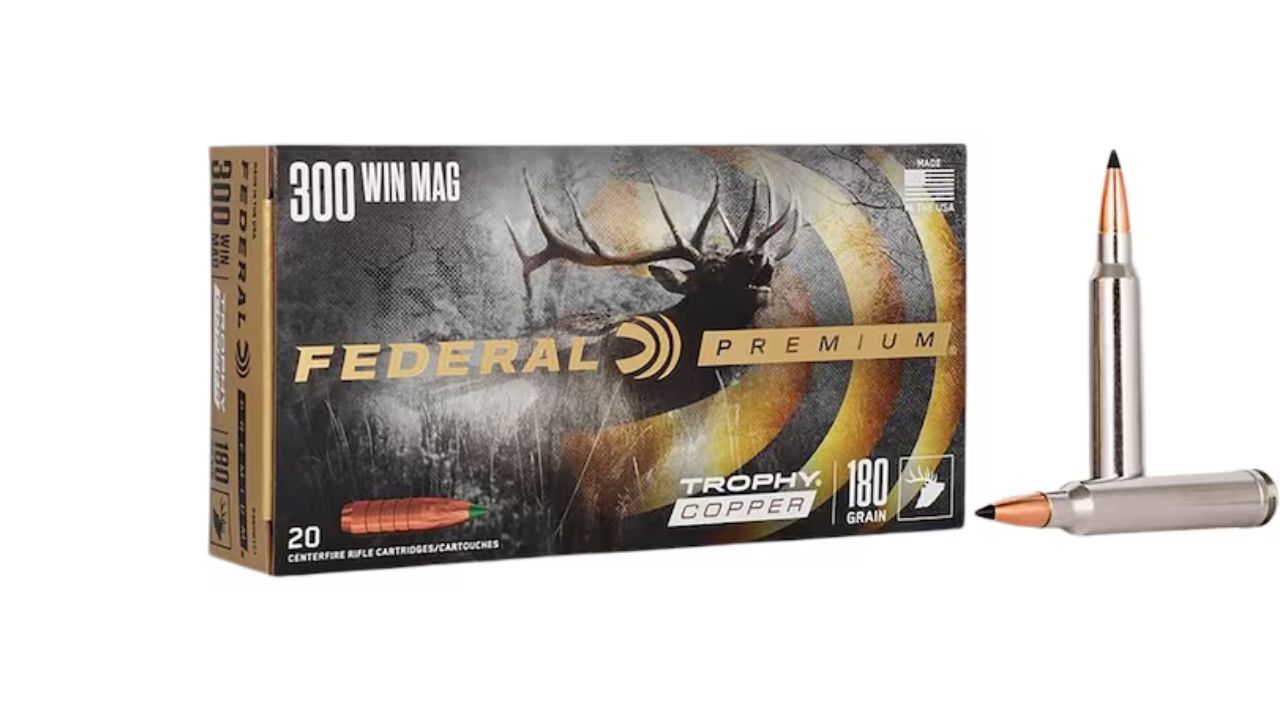
The .300 Win Mag is more than you need for deer, but it remains dependable because it’s hard to argue with good penetration and strong performance across angles. For larger-bodied deer or for hunters who also chase elk, it’s a common “one rifle” choice.
Its dependable strength is margin. When your shot isn’t a perfect broadside, heavier .30-caliber bullets can help you reach vitals reliably. It also carries energy well at distance, though distance only matters if you’re truly capable and conditions allow it.
The downside is recoil, especially in lighter rifles. If it makes you shoot less or shoot worse, you lose the advantage. But for hunters who handle it well and practice with it, the .300 Win Mag remains a steady performer year after year.
.35 Remington
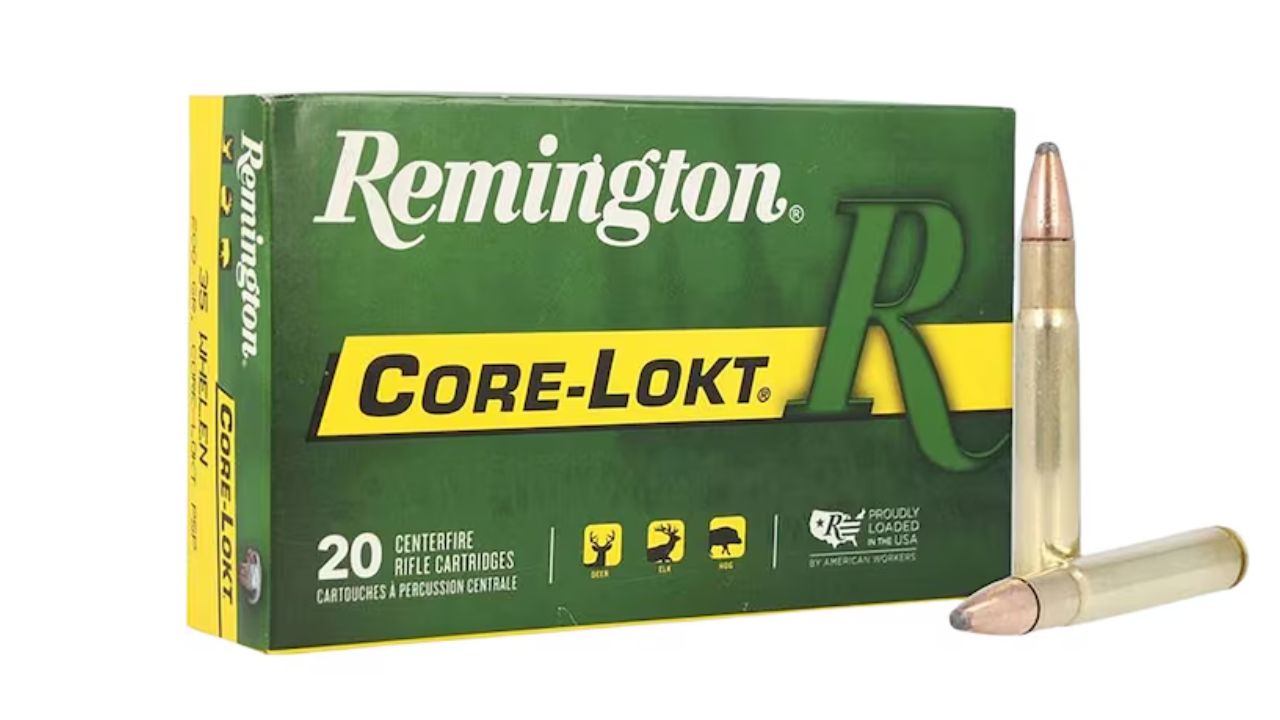
The .35 Remington is an old-school woods deer round that still makes sense where ranges are modest and shots come fast. In lever guns, it carries well and hits with a heavy, decisive thump that deer notice.
Its dependable trait is how it performs in thick cover. You’re usually shooting inside 150 yards, and the .35 Rem puts a larger bullet through the lungs with authority. It’s also generally easy to shoot well in classic hunting rifles, which helps when your shot is offhand and quick.
Ammo availability can be regional, but it’s still around. If you hunt timber, swamps, and brushy ridges, the .35 Rem is the kind of caliber that keeps stacking results even when trends shift toward faster and flatter.
.45-70 Government
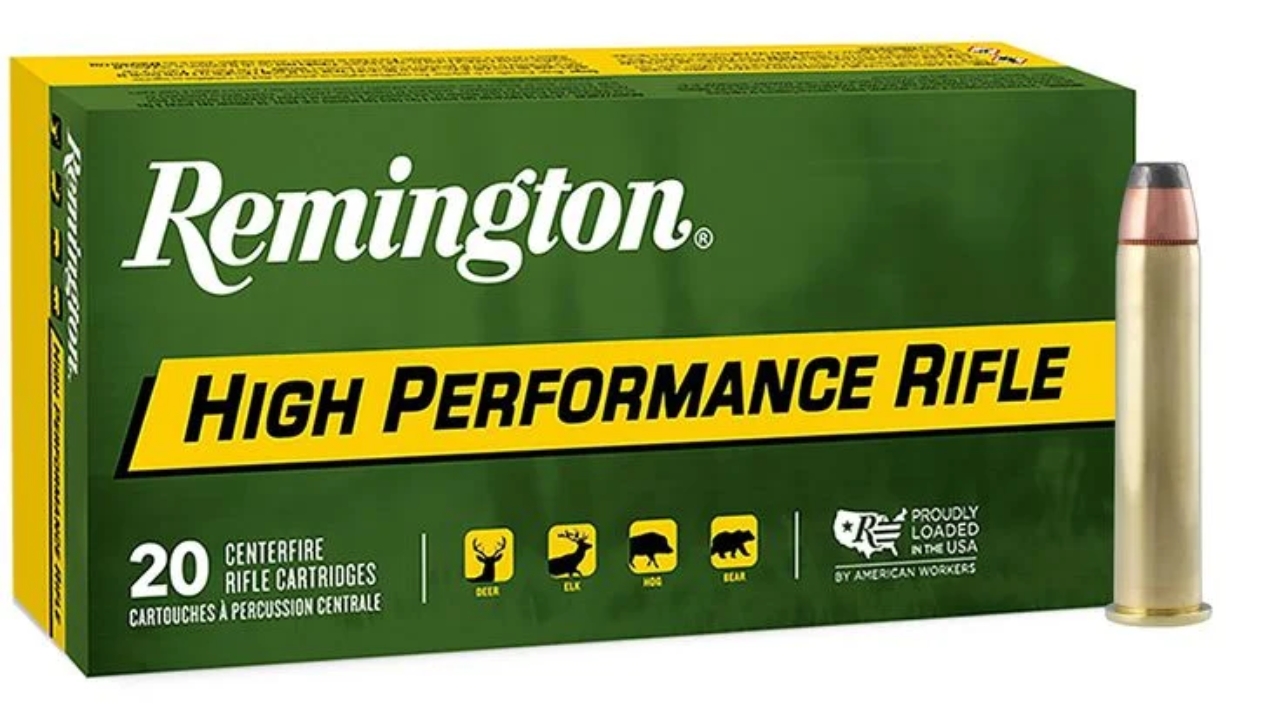
The .45-70 is dependable in the deer woods because it’s honest. It’s built around big bullets at moderate speed, and at typical lever-gun distances it hits hard and penetrates well. You’re not guessing what it does on impact.
It shines in thick cover and short-range hunting where you want a rifle that carries easily and delivers decisive results quickly. With the right load for your rifle, it can be very effective on deer without needing speed or high pressure.
The downside is trajectory and recoil, depending on the rifle and load. You have to know your range and respect your hold. If you do that, the .45-70 stays dependable because it keeps the job straightforward: put a big bullet through the chest and the deer doesn’t go far.
.350 Legend

Straight-wall rules pushed the .350 Legend into the spotlight, but it stuck around because it works. It’s mild to shoot, easy to handle in compact rifles, and it gives dependable deer performance inside the distances it was built for.
Its strength is practicality. Recoil is friendly, which helps newer hunters and anyone who wants more range time without fatigue. In many rifles it shoots accurately, and with a good deer bullet it delivers consistent penetration and expansion in the woods and on field edges.
The limitation is range compared to faster bottleneck cartridges. You’re not picking this for mountain basins or long cross-canyon shots. But for the Midwest-style hunting it was made for, the .350 Legend is dependable because it lets you shoot well and hunt within realistic distances.
.44 Magnum (especially in a carbine)

The .44 Magnum earns its deer reputation when it’s used the way it was meant to be used. In a lever-action carbine, it becomes easier to shoot well, picks up velocity, and delivers a hard-hitting bullet that performs reliably at woods ranges.
Its dependable advantage is quick handling and real-world effectiveness. A .44 carbine is compact, fast to shoulder, and comfortable enough that you’ll practice. With a quality hunting load, it penetrates well and leaves a clear blood trail when you do your part.
Range is the limiter. This isn’t a “stretch it out” caliber, and you need to keep shots sensible. Inside its window, it’s extremely consistent. That’s why it keeps coming back every season: it fits the kind of deer hunting most people actually do.
.260 Remington

The .260 Remington has always been a solid deer round, even if it never became as common as some of its relatives. It carries 6.5mm bullets with excellent sectional density, shoots accurately in many rifles, and does it with recoil that helps you stay sharp.
Its dependable trait is balance. You get good penetration and reliable performance on deer-sized game without needing heavy recoil or extreme speed. It’s a cartridge that rewards careful shooters, especially in lighter rifles where bigger calibers can get unpleasant over a long season of practice.
Availability isn’t as strong as 6.5 Creedmoor today, so planning ahead matters. But in the field, the .260 keeps doing what it’s always done: make it easy to place a good bullet through the vitals and get consistent results year after year.
Like The Avid Outdoorsman’s content? Subscribe to our newsletter so you never miss an article.
Here’s more from us: