Photo credit: Combatcamerauk/Shutterstock.com
Cavalry units have always needed rifles that balance firepower with speed and mobility. In fast-moving engagements, a long, heavy rifle slowed mounted troops down, which is why carbines became the weapon of choice. These shorter, lighter rifles were designed for riders who needed to shoot quickly without sacrificing too much range or accuracy. Many of these carbines have been forgotten over time, but they once played a major role in shaping battlefield tactics and cavalry strategy across multiple wars.
Spencer repeating carbine
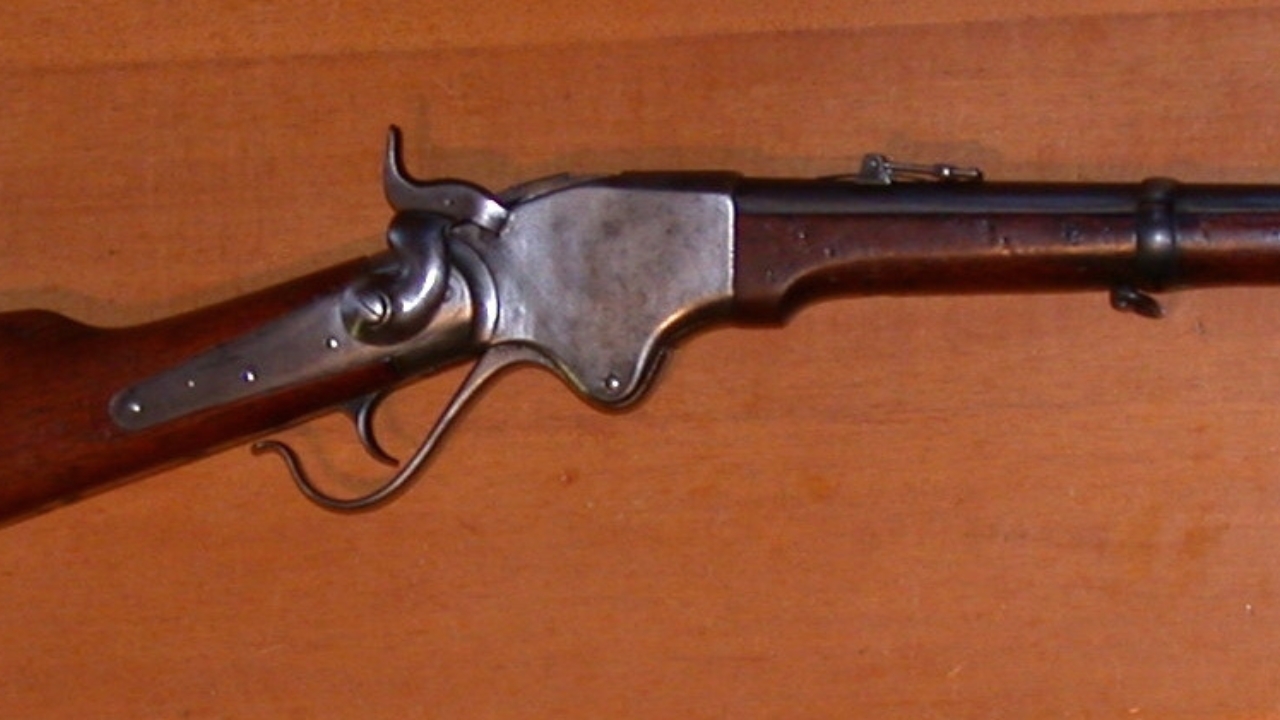
The Spencer carbine gave Union cavalry troops a massive advantage during the Civil War.
Its seven-round tube magazine and lever-action design allowed soldiers to fire multiple shots without reloading after each round—a game-changer compared to single-shot muskets. Cavalry units armed with the Spencer could maintain sustained fire while staying mobile. Though eventually replaced by newer designs, its success in mounted skirmishes proved just how valuable repeating carbines were for fast-moving troops.
Sharps carbine
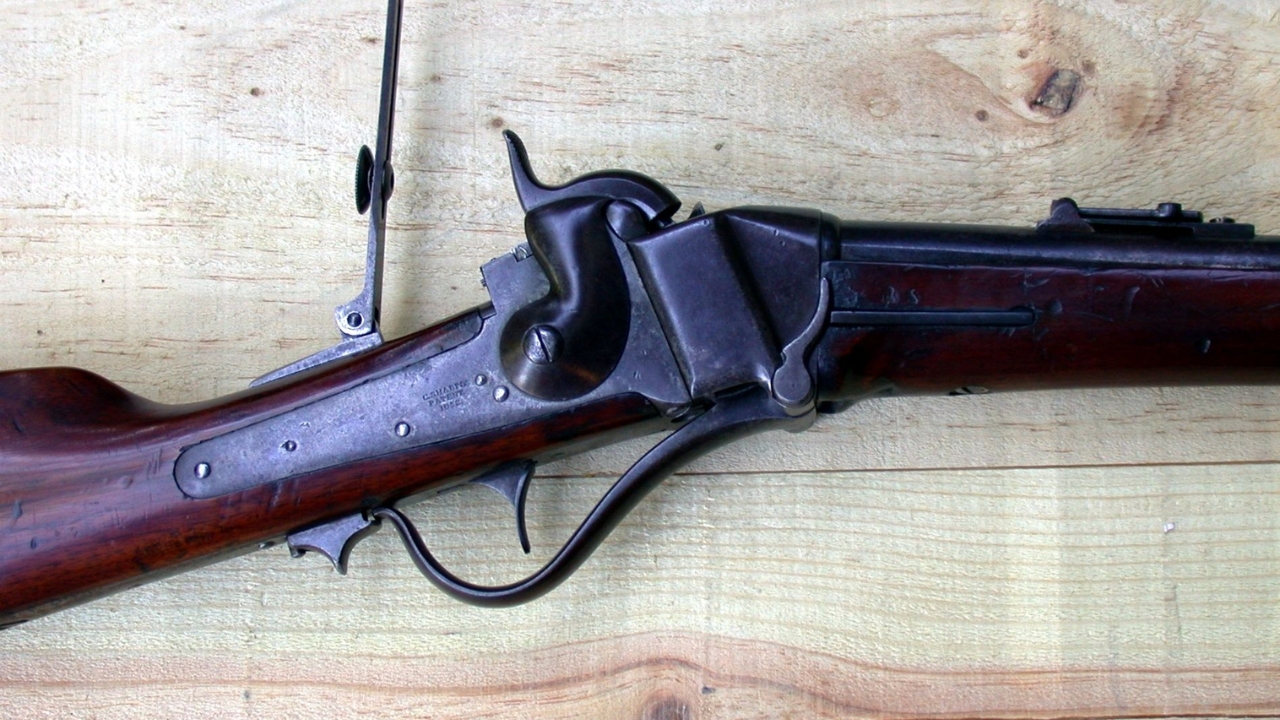
Sharps carbines became a favorite among Union cavalry for their accuracy and reliability under harsh conditions.
Using a falling-block action and paper cartridges, Sharps gave mounted shooters faster reload times compared to traditional muzzleloaders. Cavalrymen prized it for delivering consistent shots even in dusty, chaotic environments. Its design influenced later breechloaders and helped shape how mounted troops used firearms during the mid-19th century. Despite eventually being phased out, Sharps earned its reputation in the saddle.
Burnside carbine
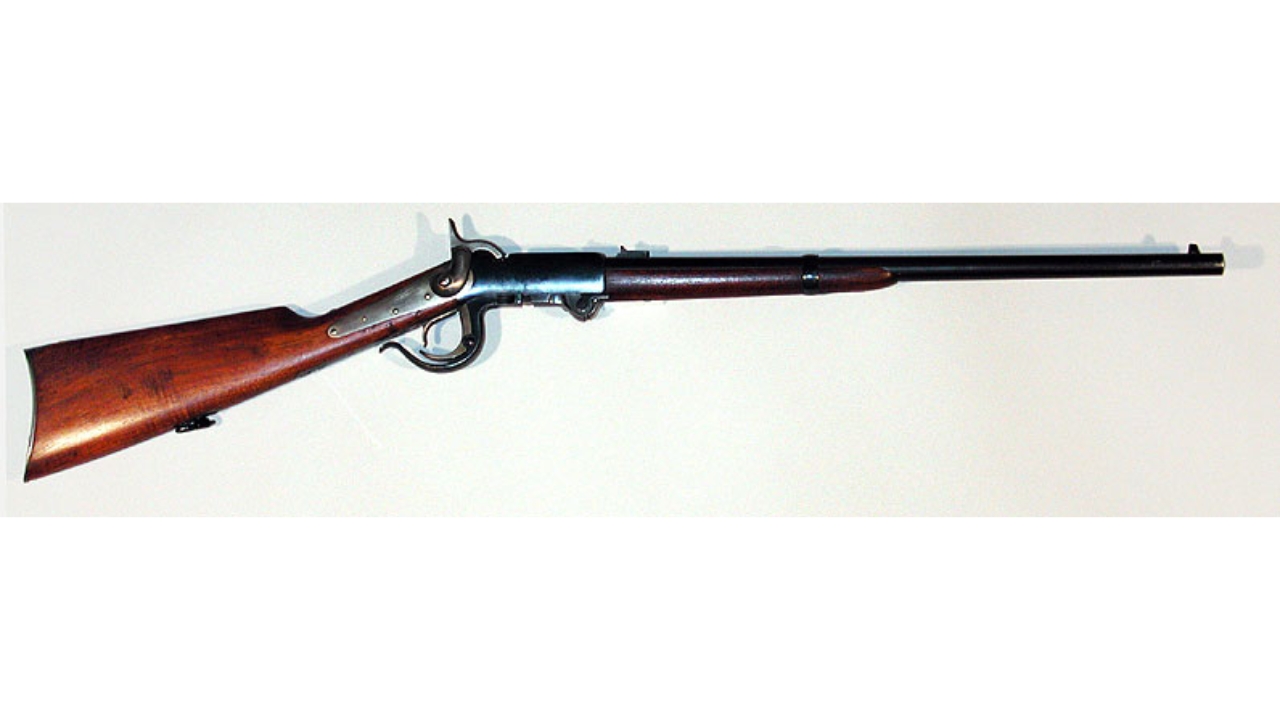
The Burnside carbine was widely issued to Union cavalry during the Civil War, known for its unique brass cartridge design.
It offered quicker loading than muzzleloaders and was well-liked for its reliability in wet conditions. Its .54 caliber rounds delivered solid stopping power for close-range cavalry skirmishes. While it wasn’t as fast as later repeaters, mounted soldiers appreciated its rugged build and ease of maintenance, making it one of the most practical carbines for fast-moving units at the time.
Springfield Model 1873 trapdoor carbine

The Springfield Model 1873 carbine became standard issue for U.S. cavalry after the Civil War.
Chambered in .45-70 Government, it provided much better range and power than earlier percussion carbines. Cavalry units used it extensively during the Indian Wars, where its lightweight design made it ideal for mounted patrols. While the single-shot trapdoor action limited rate of fire, its accuracy and reliability helped cement its place in U.S. cavalry history before repeating rifles eventually took over.
Winchester Model 1866 carbine
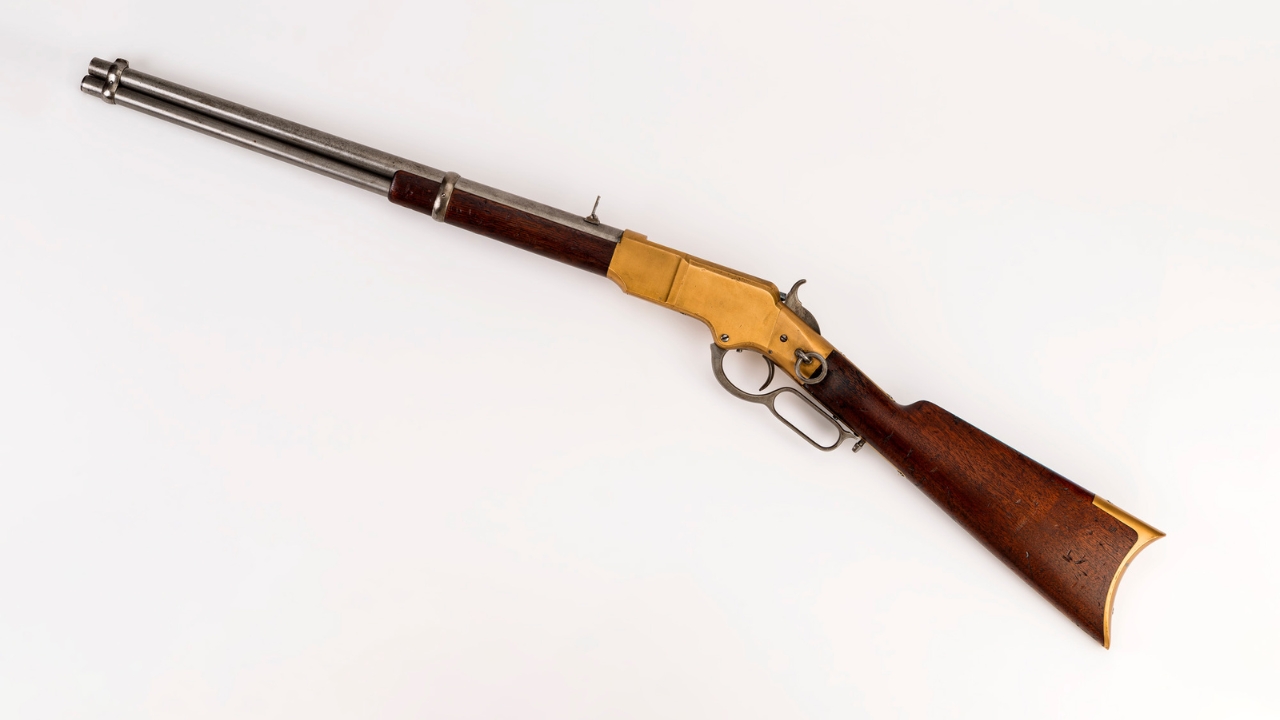
Known as the “Yellow Boy” for its brass receiver, the Winchester Model 1866 changed mounted combat forever.
Its 15-round magazine gave cavalry troops a huge edge in delivering sustained fire while on horseback. The lever-action design allowed soldiers to shoot faster than ever, making it a popular choice in skirmishes across the West. Elite cavalry units valued its balance of compact size, speed, and firepower, and it helped establish Winchester’s dominance in the repeating rifle market.
Enfield cavalry carbine
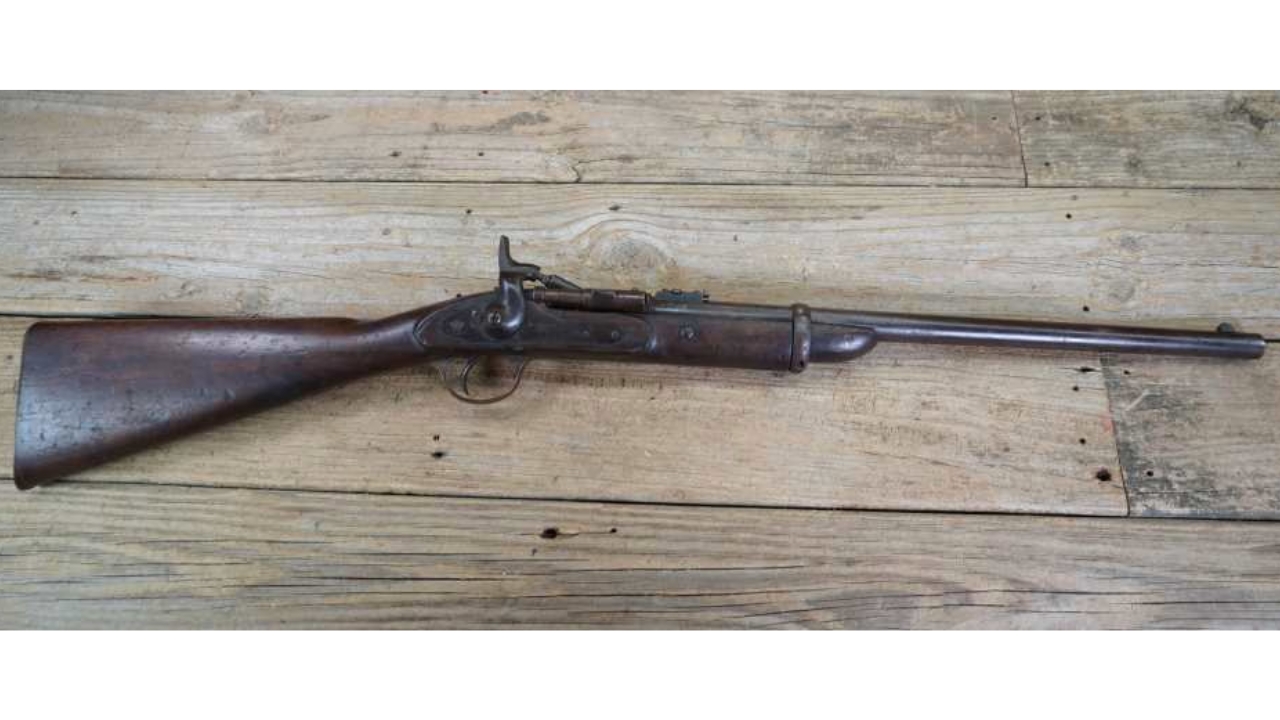
The British Enfield cavalry carbine served mounted units during the mid-19th century and was valued for its ruggedness.
This shorter version of the famous Enfield rifle-musket was easier to handle on horseback without sacrificing too much accuracy. Its percussion cap system made it faster to load than older flintlocks, and British cavalry used it effectively during colonial campaigns. Though later overshadowed by breechloaders, the Enfield carbine marked an important step toward modernizing mounted firepower.
Smith carbine
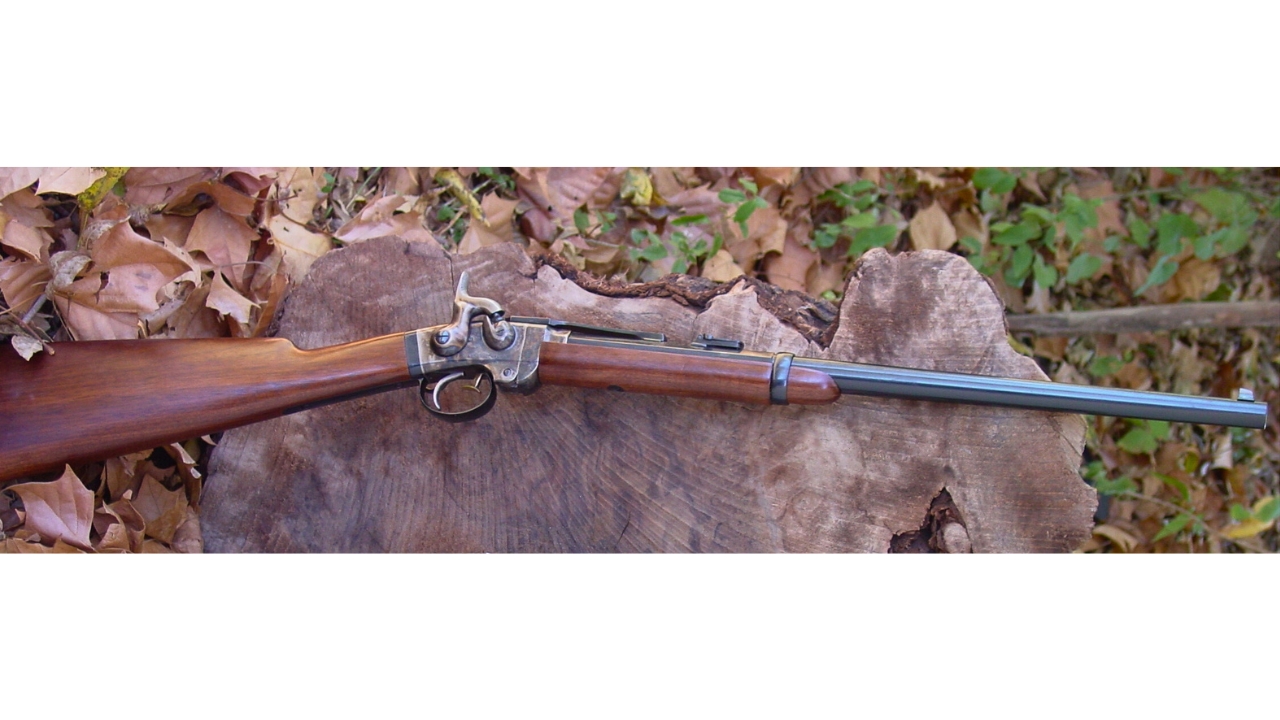
The Smith carbine was widely used by Union cavalry and recognized for its simple break-action design.
It used rubber cartridges, which sealed the breech well and reduced gas leakage, giving soldiers more consistent performance. Cavalry units liked its ease of cleaning and quick reloads in the chaos of mounted firefights. While production numbers were smaller than other models, its mechanical reliability and compact size made it a go-to choice for elite troops during the Civil War.
Krag-Jørgensen carbine

The Krag-Jørgensen carbine became standard issue for U.S. cavalry in the late 1890s.
Chambered in .30-40 Krag, it offered smooth cycling and better long-range performance than older carbines. Its side-loading magazine design made reloading faster and more intuitive for mounted troops. Cavalry units used it during the Spanish-American War and early Philippine campaigns, where its combination of lightweight handling and solid ballistics proved valuable in rapidly changing terrain and close encounters.
Mauser 1893 Spanish cavalry carbine

Spain issued the Mauser 1893 carbine to mounted units during the late 19th and early 20th centuries.
Shorter than the standard infantry rifle, it maintained the same 7x57mm chambering and excellent Mauser bolt-action reliability. Cavalry troops relied on its compact build and smooth cycling in rough terrain where speed mattered. The Mauser system’s durability made it one of the more respected cavalry carbines of its era and influenced bolt-action designs around the world for decades afterward.
Winchester Model 1895 carbine

The Winchester Model 1895 carbine gave elite cavalry forces modern firepower heading into the 20th century.
Its box magazine allowed it to handle spitzer cartridges, unlike traditional tubular magazines, making it a better match for modern ammo. Issued to U.S. cavalry units and even used by the Rough Riders, its fast lever-action cycling made it highly effective in close-range mounted engagements. The 1895 became one of the last lever-action carbines widely used before bolt-action rifles fully replaced them in cavalry service.
*This article was developed with AI-powered tools and has been carefully reviewed by our editors.