Photo credit: Diana Lange/Shutterstock.com
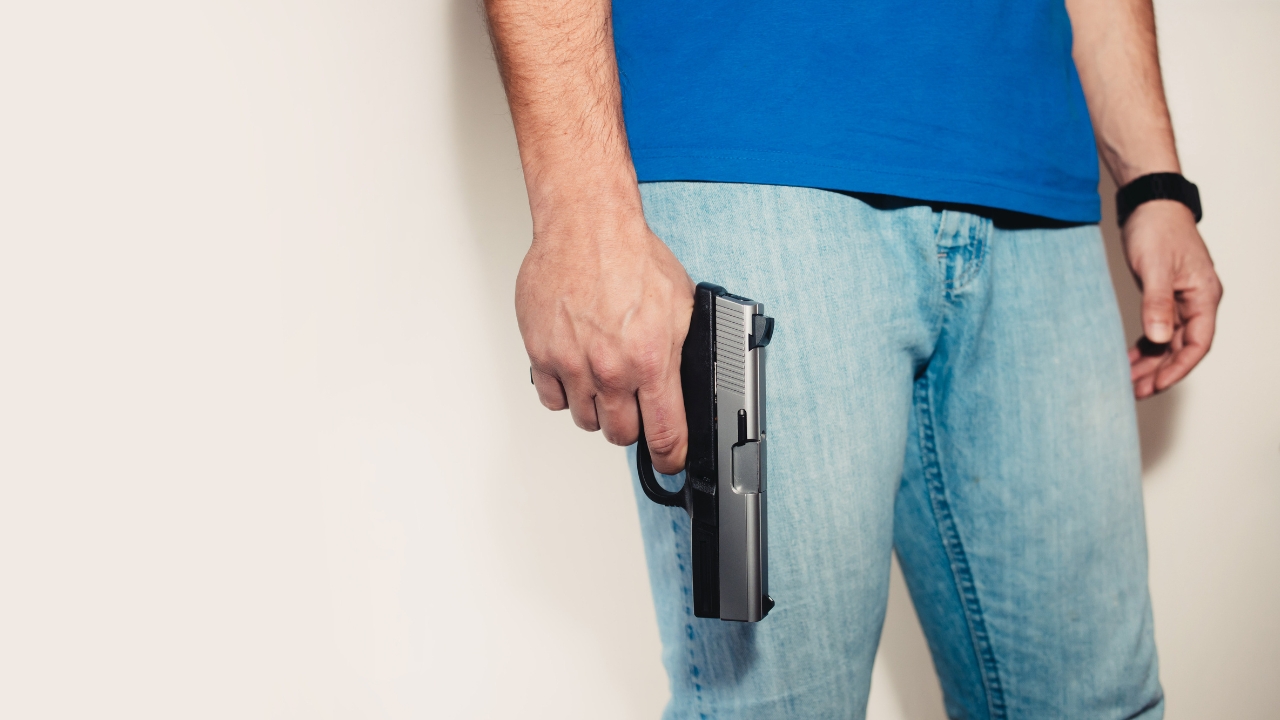
A Reddit poster in r/CCW described the kind of mistake that sticks with gun owners because it did not start with clown behavior or some wild stunt. He said he had just come home, was handling his carry gun the way he normally did, and then had a negligent discharge inside his house. In the post, he wrote that he had been carrying a Glock 19 and a Ruger LCP II depending on clothing, said he considered himself fairly competent, and admitted that the shot had shaken him badly enough that he immediately started asking for training advice and ways to make sure it never happened again.
What gave the story its edge was how painfully ordinary the lead-up felt. This was not some internet dare or drunken horseplay. It was a man doing the kind of handling a lot of people tell themselves they have done a hundred times without issue. That is exactly why threads like this get such strong reaction. The scary part is not only that the gun went off. It is that the shooter did not sound reckless in the cartoon sense. He sounded like someone who thought he was operating inside his normal routine right up until the instant he learned he was not.
The replies came back with the same hard truth from several directions. Commenters told him to slow down, build a stricter unloading process, and stop mixing administrative gun handling with casual comfort at home. One of the strongest themes in the thread was that familiarity is exactly what gets people in trouble. The more routine a task feels, the easier it is to skip one chamber check, one pause, or one moment of real attention. That is what made the story hit harder than the usual safety sermon. It was a reminder that a negligent discharge often does not come from panic. It comes from confidence drifting just far enough away from discipline.
A lot of commenters also pushed him toward formal training or at least more deliberate dry-fire structure, not because they thought he was hopeless, but because they thought he had fallen into the same trap plenty of carriers do. Once a gun becomes part of daily life, people start treating some handling steps like background noise. The poster himself seemed to understand that after the fact. He wrote that he wanted safety imprinted “down to my each cell” so something like that would never happen again. That line probably landed with readers because it sounded less like damage control and more like the kind of sick, replaying regret that follows a mistake you cannot take back.
There was also a bigger reason the thread felt so uncomfortable. A negligent discharge inside a house instantly makes people picture all the things that could have gone worse. The post did not need a dramatic injury report to make that clear. Anyone who carries or keeps a handgun nearby already understands what a round fired indoors by mistake can mean. That is why these stories get so much comment traffic. Readers are not only judging the mistake. They are imagining how close the same kind of routine handling could come to their own wall, floor, family member, or neighbor if they ever let themselves get a little too automatic.
What makes a story like this perform is that it does not let the audience hide behind the easy excuse that the guy was obviously an idiot from the start. The more unsettling version is the one where the person sounds basically normal, basically experienced, and basically like somebody who thought he was paying attention. That is when readers start seeing themselves in it just enough to hate it. And once that happens, the story stops being only about one gun owner’s bad moment. It becomes about how thin the line can get between routine and disaster when the gun in your hand starts feeling a little too familiar.
That is really why the post stuck. It was not only that a gun went off in the house. It was that the shooter’s own account made the mistake sound close enough to ordinary handling that plenty of other people could feel the warning in it too. The loud part lasts a second. The realization that it happened during what felt like a normal moment is the part that keeps echoing long after.