Photo credit: The Avid Outdoorsman
The gun owner trusted his carry gun because it had earned that trust the boring way.
Round after round. Range trip after range trip. No drama.
He said he had owned a Staccato C2 for four years and fired more than 2,000 rounds through it. Until this range session, the pistol had been completely reliable. That kind of track record matters. A carry gun does not need to be fancy, but it does need to run, and this one had run long enough that he clearly believed in it.
Then he changed his carry ammo.
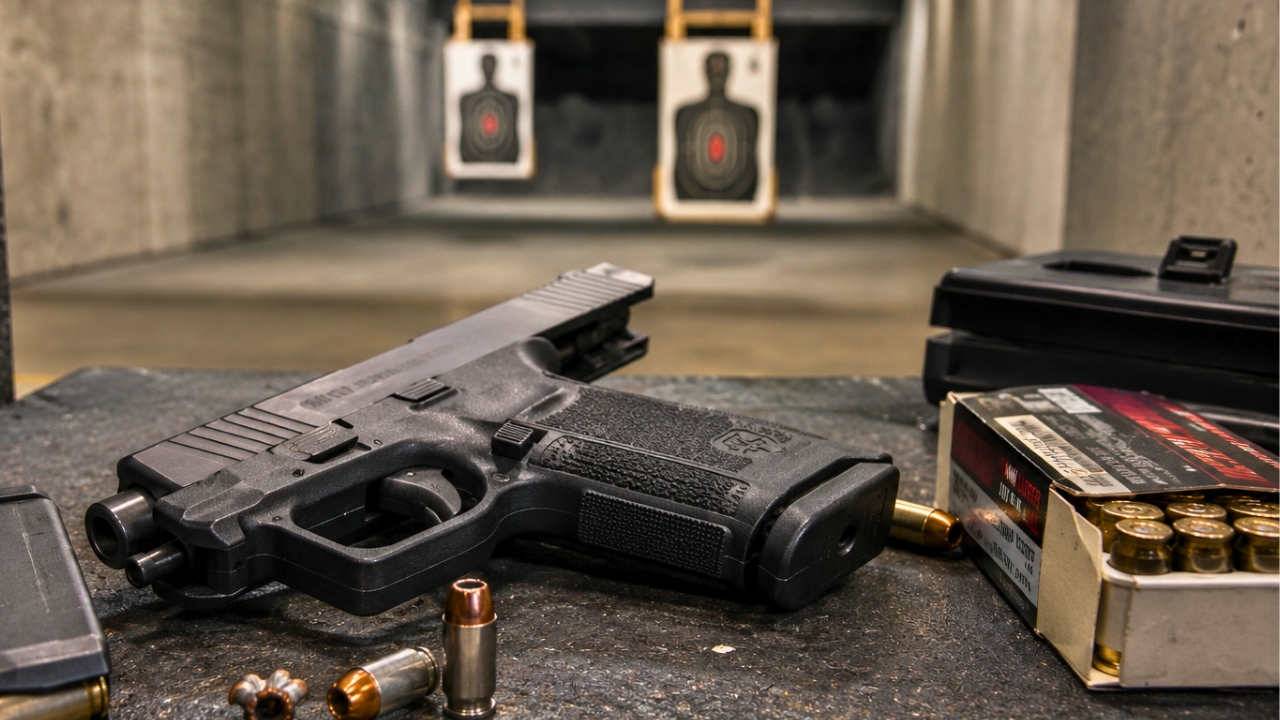
In a Reddit post, the gun owner said he went to the range because he wanted to switch from SIG V-Crown 124-grain defensive ammo to Federal HST 147-grain. That should have been a normal test. Shoot the old carry ammo, shoot the new carry ammo, make sure the gun likes it, and then decide whether to carry it.
Instead, the pistol started choking.
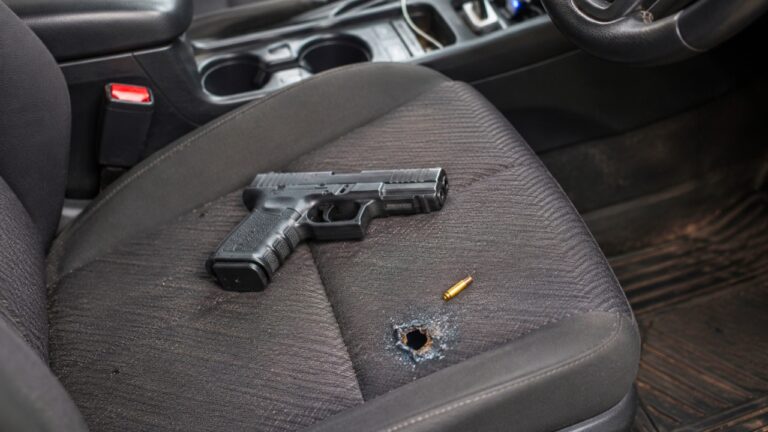
He fired 17 rounds of the V-Crown and had two failures to feed. The hollow point appeared to get stuck on the feed ramp. That is already enough to make a carry gun owner stop smiling. A failure to feed means the next round does not chamber properly. The gun is suddenly out of action until the shooter clears it.
At the range, it is annoying.
In a defensive moment, it can be the only thing that matters.
After those two failures, he shot 150 rounds of 147-grain Blazer full metal jacket without any issues. That probably made the situation more confusing, not less. The gun was not falling apart every few rounds. It was not choking on everything. With range ammo, it ran clean.
Then he fired 50 rounds of Federal HST and had another failure to feed, with the hollow point stuck on the feed ramp again.
That pattern is what made the whole thing feel serious. The gun had been reliable for thousands of rounds. It ran 150 rounds of FMJ fine that day. But with hollow-point defensive ammunition, he had repeated failures.
That is not the kind of thing you ignore in a carry gun.
A lot of people assume expensive defensive ammo is automatically more trustworthy than cheap range ammo. In one sense, premium defensive ammo is built for a serious purpose, and brands like Federal HST have strong reputations for good reason. But hollow points have a different shape than ball ammo. Some guns feed certain bullet profiles better than others. Feed ramp geometry, magazine condition, recoil spring life, extractor tension, overall cartridge length, and even how rounds sit in the magazine can all matter.
A gun can be excellent and still dislike a specific load.
The owner seemed to understand that the problem was bigger than one bad range trip. He said he was benching the gun until he understood what was going on. That was the right instinct. If a pistol has multiple feeding issues with the ammo you plan to trust for defense, the answer is not “close enough.”
The answer is stop carrying it until the cause is known.
That is a hard decision when the gun has been reliable for years. It is easy to think, “Maybe it was a fluke,” or “It’s probably fine with the old ammo,” or “It only happened a few times.” But carry confidence is not supposed to be built on bargaining with yourself. If the gun fails with the ammo in your magazine, you need a better answer than hope.
The comments gave him several paths to investigate.
Some people pointed toward magazines. A magazine problem can show up as a feeding issue, and magazines are wear items. Springs weaken, feed lips change, and a magazine that used to run fine may start causing trouble. Others pointed toward the extractor because the Staccato C2 is a 2011-style pistol, and extractor tension can affect controlled feeding. If the case rim does not slide under the extractor properly, the round can hang up instead of chambering smoothly.
Others mentioned the recoil spring. After four years and 2,000 rounds, the gun may have been due for maintenance even if it still looked and felt fine. Springs are consumable parts. They do not last forever, and a spring that is just weak enough can show problems when the gun is asked to feed a different load.
That is the part a lot of people forget. Reliability is not permanent just because the gun was reliable last year.
The shooter also said the gun was oiled before the range trip, so this did not sound like a dry-gun complaint. But lubrication alone does not fix a worn spring, dirty extractor channel, damaged feed ramp, bad magazine, or ammo shape the gun does not like.
The range session did what range sessions are supposed to do. It revealed the problem before the gun was needed for anything serious.
That does not make the discovery fun. Nobody wants their trusted carry pistol to fail with hollow points, especially after thousands of clean rounds. But finding out during a planned ammo test is far better than finding out during the one moment the gun absolutely has to work.
He went to the range to confirm a new defensive load.
Instead, the gun told him the setup had not earned carry status yet.
Commenters mostly told him to treat the failures as a real diagnostic problem, not a reason to panic immediately.
Several people said not to overlook the magazines. If a failure happens with a semi-auto, magazines are one of the first things to check. Commenters suggested testing newer or different magazines, marking any magazine involved in a stoppage, and watching whether the issue repeats with the same one.
Others focused on the extractor. Because the C2 is a 2011-style pistol, extractor tension can matter a lot. Commenters described checking whether an empty case is held properly against the breech face and whether a loaded round releases correctly. If the extractor is too tight, too loose, dirty, or damaged, feeding can suffer.
A lot of people suggested basic maintenance before trusting the gun again. Clean it thoroughly, inspect the feed ramp, check the extractor channel, consider the recoil spring, and contact Staccato if the problem continues.
Some commenters also pointed out that a change in ammo is a major variable. The gun ran FMJ fine, but hollow points created repeated problems. That does not mean every hollow point will fail, but it does mean that specific gun-and-ammo combination needs more testing.
The strongest advice was simple: do not carry it until it proves itself again. A carry gun can have a great history, but the ammo in it today still has to feed today.