Photo credit: The Avid Outdoorsman
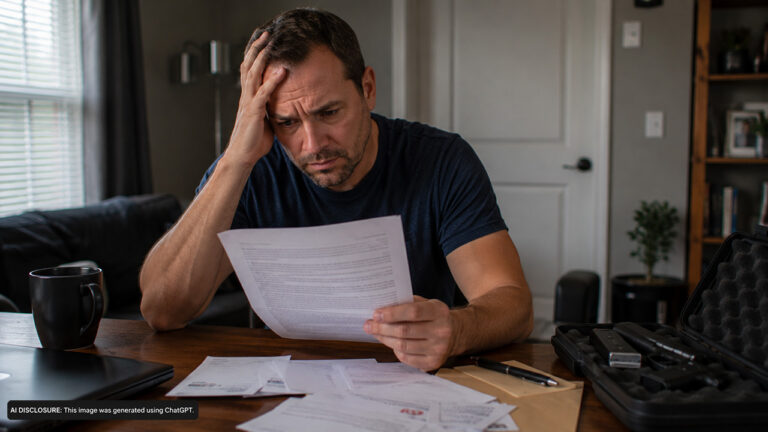
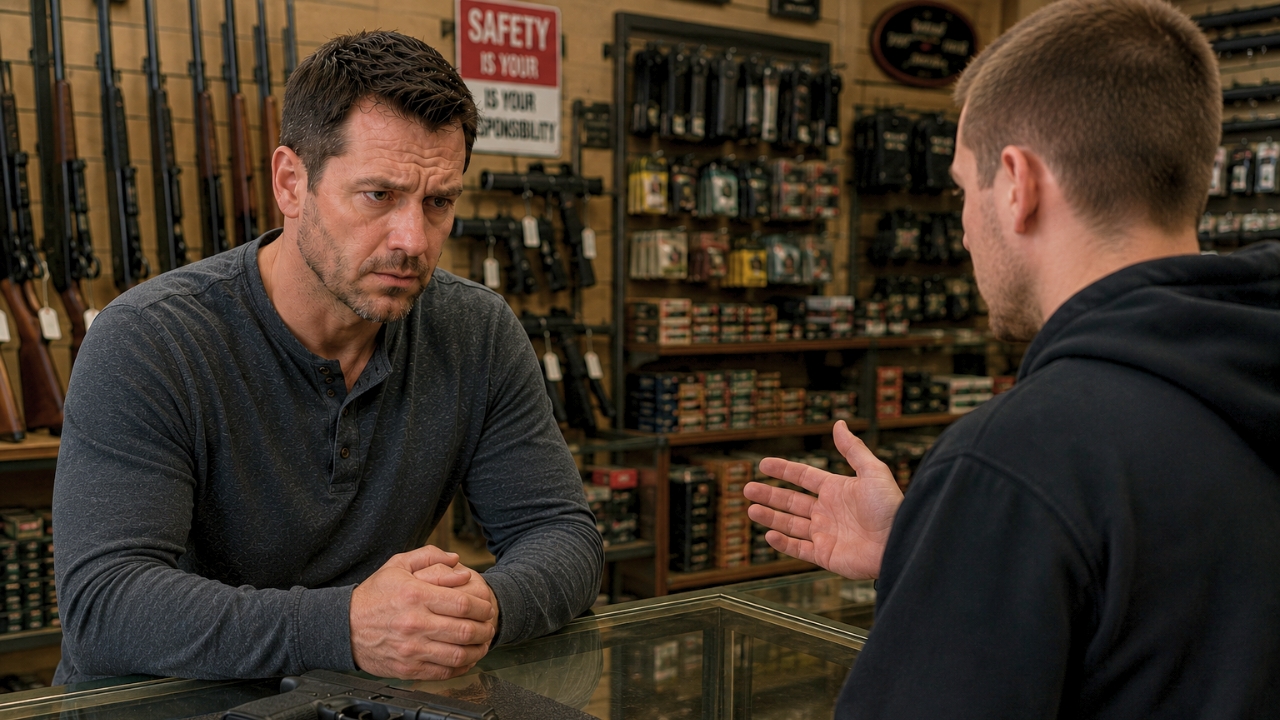
A gun seller in Reddit’s r/guns described a private-sale conversation that felt normal right up until the buyer asked for something so backward it stopped sounding paranoid and started sounding fake. He said he was trying to sell an extra gun locally in Utah after deciding to let one go, and at first the buyer seemed ordinary enough. They agreed on a meetup. The seller said he wanted a bill of sale, and the buyer agreed. Then the buyer made the request that changed the whole tone of the deal: he wanted the seller to provide a background check on himself before the sale moved forward. The original Reddit thread is here: https://www.reddit.com/r/guns/comments/1af8isf/ever_encountered_a_paranoid_buyer_or_seller_before/
The seller did not reject it out of hand immediately, which is part of what makes the story feel real instead of cartoonish. He actually looked into the request. According to his post, the specific website the buyer wanted him to use would have cost about $40, and the in-person option through the state was still inconvenient and cost money. That is the point where his suspicion started growing. A buyer asking questions is one thing. A buyer insisting the seller spend money on a specific third-party “background check” site before a local classified sale is another. It turns a private sale into something that feels less like due diligence and more like a setup.
The seller tried to meet him partway. He said he offered to run the serial number through the state database for free to show the gun was not stolen or tied to a crime, and he was willing to provide a bill of sale and even his driver’s license number. None of that satisfied the buyer. The buyer declined those alternatives and kept pressing for the exact same paid background-check site, insisting the seller pay the fee up front and promising to reimburse him later. That detail is what made the whole thing stop looking quirky and start looking predatory. Once someone keeps refusing every clean, reasonable alternative and only wants you on one specific paid site, the problem usually is not caution. The problem is the site.
The seller then offered another obvious solution: run the whole deal through an FFL and let the buyer pay the transfer fees there. That is usually where a truly cautious buyer should feel more comfortable, because an FFL adds real procedure, real paperwork, and a real business in the middle of the transaction. But the buyer declined that too and went right back to the same demand for the paid online background check. By then, the seller said he had reached an impasse and simply left the buyer on read. In the moment, he still framed it as maybe dealing with an unreasonably paranoid buyer. He even said he liked the gun well enough that keeping it felt easier than taking on the hassle and small financial risk of satisfying such a bizarre demand.
Then he added the update that changed the whole story: “Looks like this was a scammer. Apparently the ‘background check’ is a way for them to steal your identity.” That line at the top of the post recontextualized everything underneath it. What had first looked like one extra-demanding private buyer now looked like a familiar scam pattern wearing gun-culture clothing. The seller had not just dodged a weird buyer. He had likely sidestepped a scheme designed to get his money, his personal information, or both.
The comments moved fast, and most of them were far more certain than the original poster had been at first. One of the top replies called it a generic scam that had been running for years in car sales too, with fake “history” or verification sites designed to collect the fee and steal identity information. That commenter went even farther and said there probably never was a real buyer at all. The original poster replied that this explanation made a lot more sense and said he had already called two gun stores and the state BCIS office, all of which thought the buyer’s demand was completely unreasonable.
Another commenter gave the bluntest version of the advice: do not use any website that a “potential buyer” requires. Others agreed and said that if the buyer truly wants background-check certainty, the answer is simple — go through an FFL and let the buyer pay the fee there. One commenter said that a buyer demanding a background check on the seller made so little sense that it should have looked wrong from the start. Another pointed out that if anyone’s background should matter in a private stranger-to-stranger sale, it is the buyer’s, not the seller’s.
The thread got more useful once people started recognizing the exact pattern. Several Utah-based users said they had seen the same scam recently on Utah gun-exchange sites, sometimes with almost identical wording. One commenter said he had just run into what sounded like the same person and the same type of site. Another said he had actually fallen for a version of the scam months earlier and still felt stupid about it. That part of the discussion is what made the seller’s update feel more solid. This was not only a vague suspicion anymore. Multiple people in the same regional online market recognized the behavior, the wording, and the fake “background check” angle.
By the time the thread settled, the original seller’s confusion had turned into a much simpler conclusion. A buyer who refuses an FFL, refuses common-sense alternatives, and keeps demanding that you pay for a specific website is not being careful. He is steering you exactly where he wants you. The seller came in asking whether he had just met a paranoid buyer. He left with a much uglier answer: he had probably been talking to a scammer the whole time.
Like The Avid Outdoorsman’s content? Subscribe to our newsletter so you never miss an article.
Here’s more from us: