Photo credit: Buckeye Ballistics/Youtube
New rifles get attention fast. Better stock, lighter barrel, updated trigger, new finish, fresh chambering, cleaner magazine system. For a little while, everybody acts like the older rifle is done. Then the excitement settles down, hunters keep comparing what actually works, and the old favorite starts looking a lot harder to beat.
A replacement can be good and still not erase what came before it. Some rifles built their reputation through years of use, not launch-day buzz. These are the rifles that outlasted the excitement around their replacements.
Winchester Model 70 Classic

The Winchester Model 70 Classic brought back the controlled-round-feed feel many hunters missed, and that alone gave it staying power. Later rifles and special editions have come along, but the Classic still holds a serious place with hunters who care about feeding, extraction, and that old Model 70 confidence.
It outlasted replacement excitement because it feels like a real hunting rifle. The three-position safety is excellent, the claw extractor inspires trust, and the action has the kind of field reputation that doesn’t fade because a newer model gets a better stock color. A clean Model 70 Classic still makes a lot of modern rifles feel like they’re trying to recreate something Winchester already had right.
Remington Model 700 Mountain Rifle
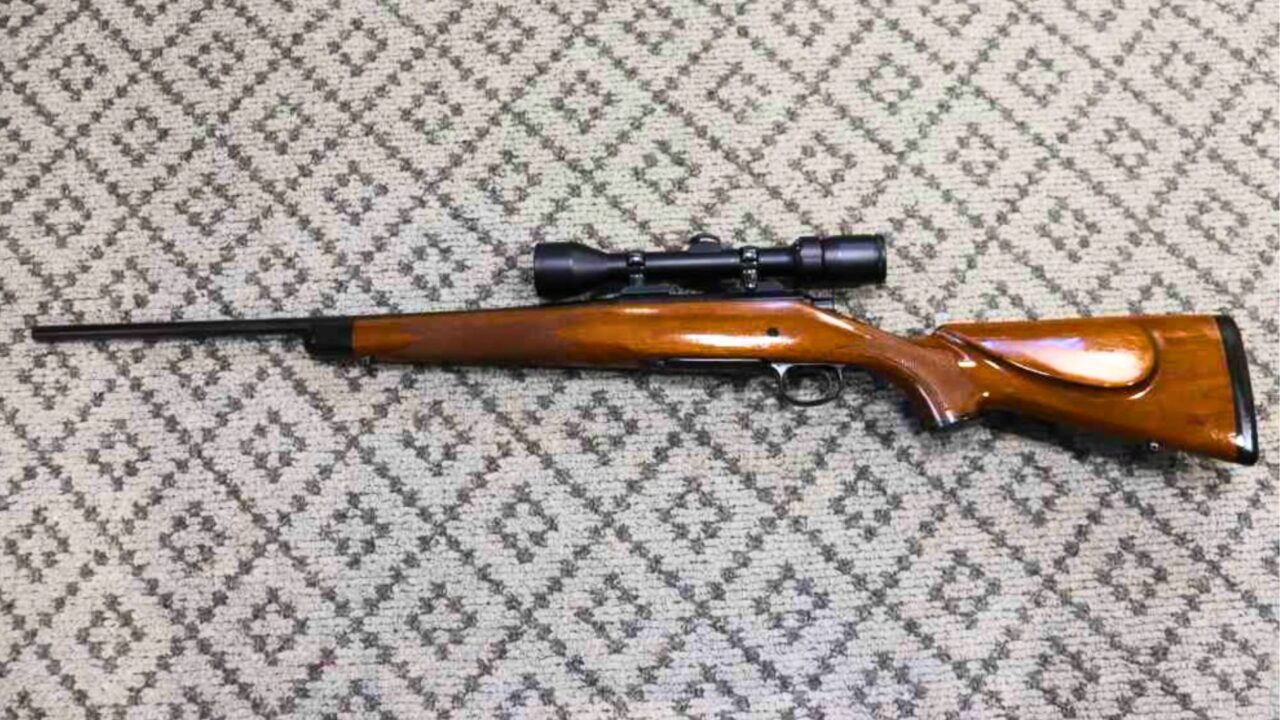
The Remington Model 700 Mountain Rifle has seen plenty of newer lightweight rifles come along trying to improve the formula. Some are lighter. Some are more weatherproof. Some shoot better out of the box. But the old Mountain Rifle still has a feel that hunters remember for good reason.
It was light without feeling silly, trim without feeling disposable, and familiar without being boring. The stock lines, balance, and carry weight made it genuinely useful in steep country or long walks to a stand. A lot of newer lightweight rifles feel either too whippy or too cheaply stocked. The Mountain Rifle had a cleaner, more traditional feel that still makes sense after the novelty of newer designs fades.
Browning A-Bolt Medallion
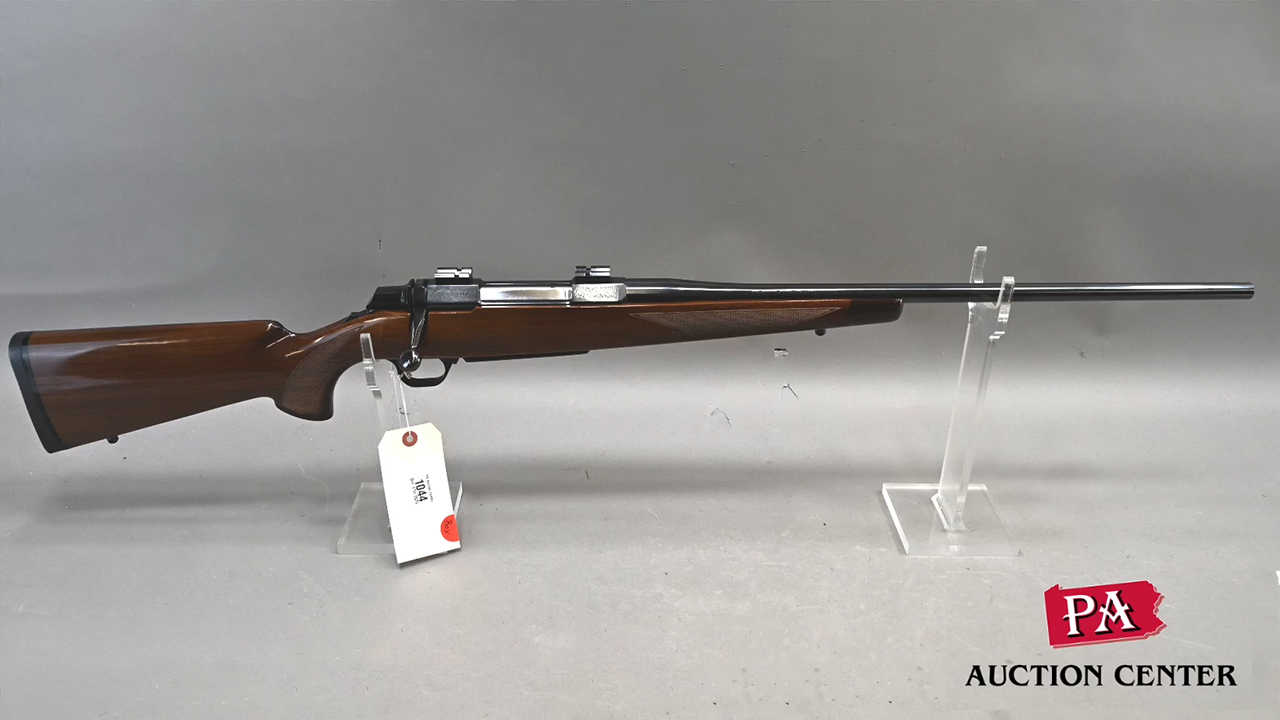
The Browning A-Bolt Medallion has been followed by newer Browning bolt guns with plenty of good features, especially the X-Bolt line. But the A-Bolt still has a loyal crowd because it brought together smooth handling, a short bolt lift, nice finish, and strong accuracy in a rifle that felt refined.
The Medallion version especially still looks and feels like a rifle built with pride. Gloss wood, polished metal, and clean lines may not be as weatherproof as synthetic setups, but they carry a kind of quality people miss. The newer rifles may be more modern, but a good A-Bolt Medallion still feels slick, elegant, and very usable. It outlasted the excitement because it was never just a placeholder.
Ruger M77 Mark II
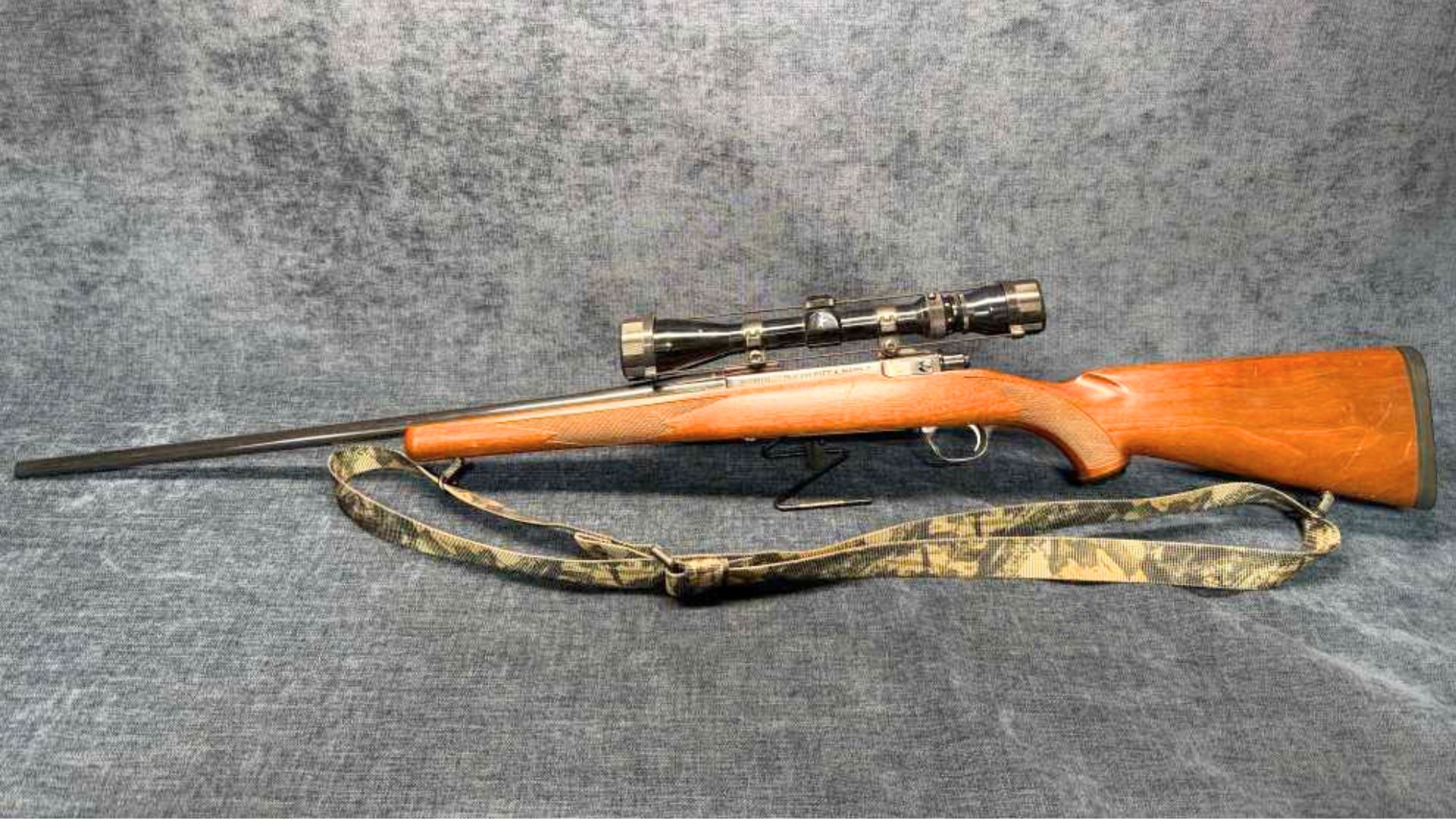
The Ruger M77 Mark II didn’t disappear from respect just because newer Ruger rifles and lighter bolt guns entered the market. It had controlled-round feed, a rugged build, and a field-ready feel that many hunters still trust. The triggers were not always loved, but the rifles themselves felt tough.
That toughness is why the Mark II still matters. It feels like a rifle you can carry in rough weather, lean against a tree, and not worry over every little mark. Newer rifles may shoot tighter or cost less, but many do not give the same sense of durability. The Mark II outlasted replacement excitement because hunters who used them hard remember how dependable they felt when conditions were not friendly.
Marlin 336 JM-stamped rifles
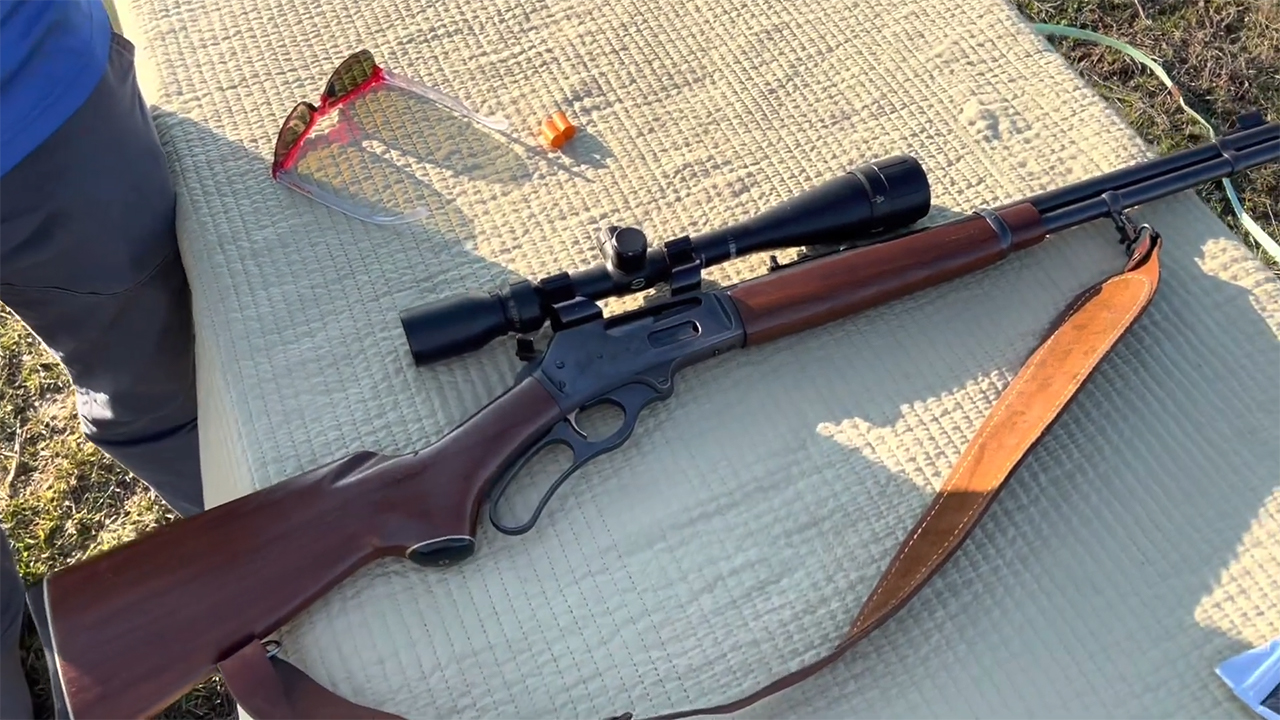
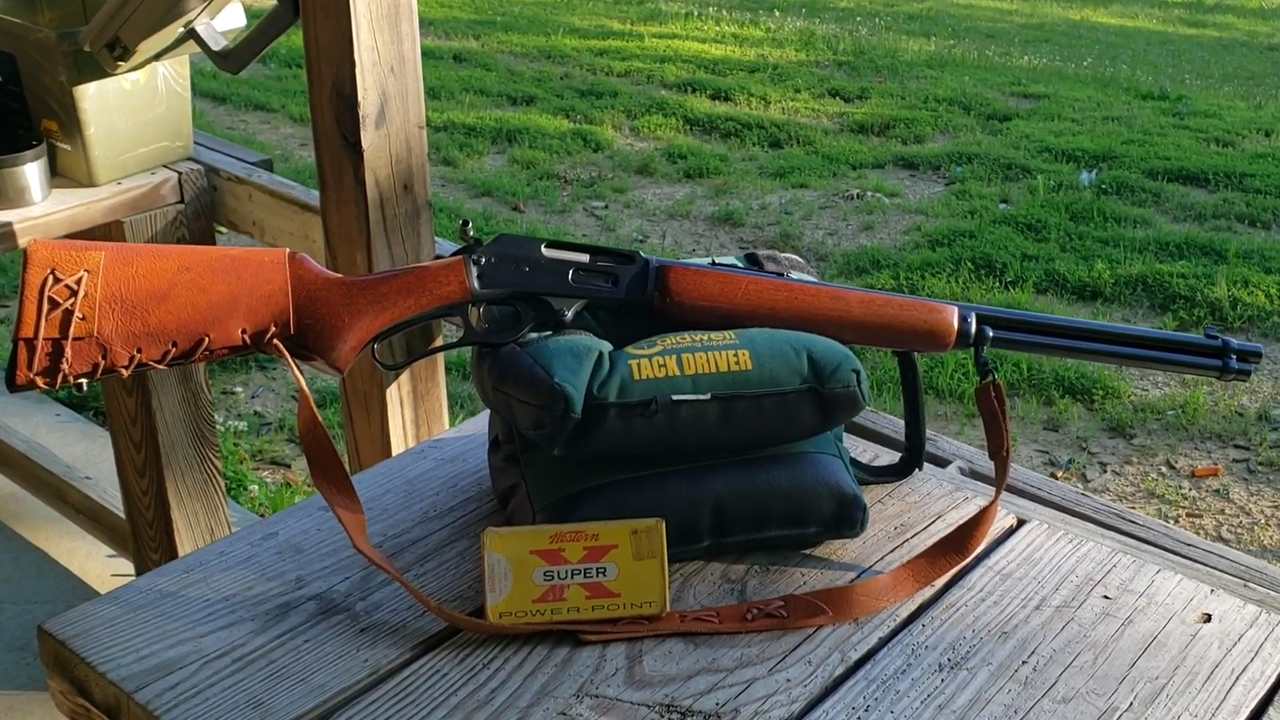
New Marlin 336 rifles have come back into the conversation, and plenty of shooters are glad to see that. Still, the older JM-stamped Marlins hold their own because they represent decades of real woods use. They were common, trusted, and built into the deer-camp memory of a lot of hunters.
The reason they outlasted the excitement around later versions is simple: the old ones already proved themselves. A good 336 in .30-30 Winchester is handy, scope-friendly, easy to carry, and deadly useful at normal woods distances. It doesn’t need a modern refresh to make sense. If the bore is clean and the action is sound, an older Marlin still feels like exactly what a lever-action deer rifle should be.
Savage 110 Pre-AccuTrigger
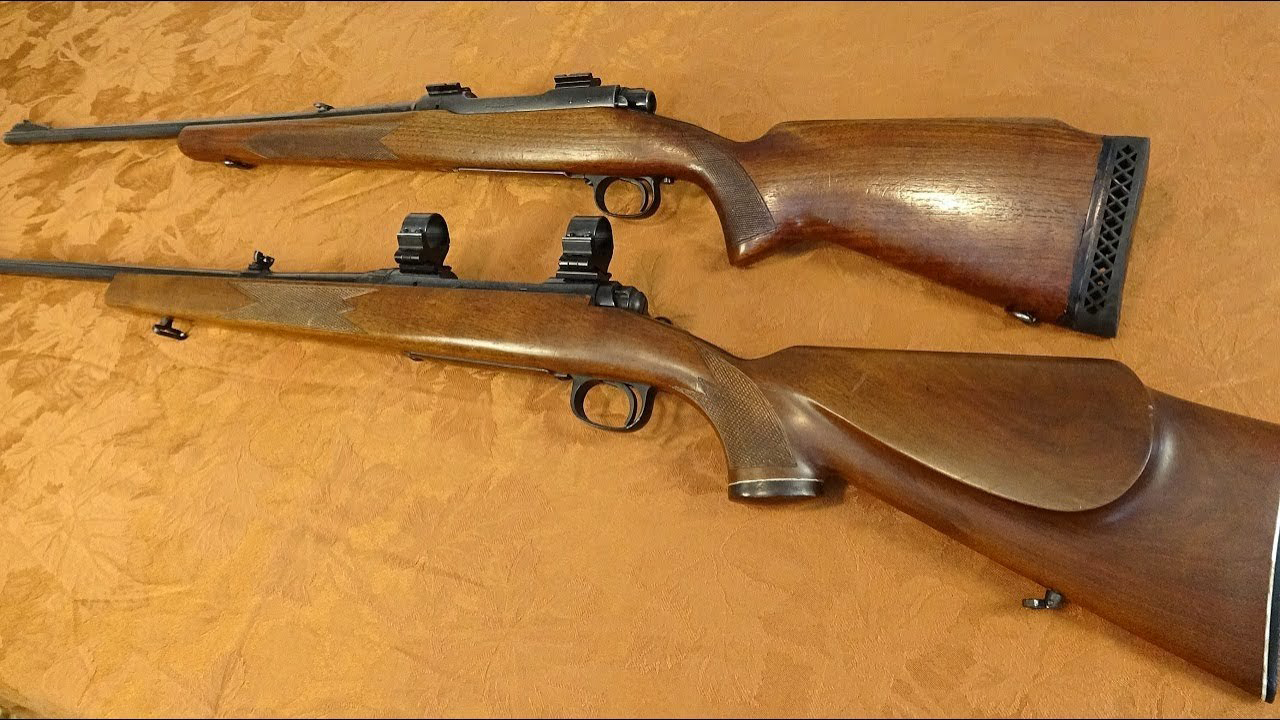
The pre-AccuTrigger Savage 110 rifles were plain, sometimes rough, and not as easy to brag about as later models. Then Savage introduced better triggers and more polished packages, and the older rifles looked like yesterday’s bargain guns. But many of them kept shooting too well to ignore.
That accuracy is why they still earn respect. The barrel nut system and basic action design helped Savage build rifles that often outshot their price. The old triggers could be improved, and the stocks were not always impressive, but the rifles had strong bones. Newer Savage rifles may be easier to shoot well out of the box, but an older 110 that groups tightly still reminds owners that performance was there long before the marketing improved.
Tikka T3
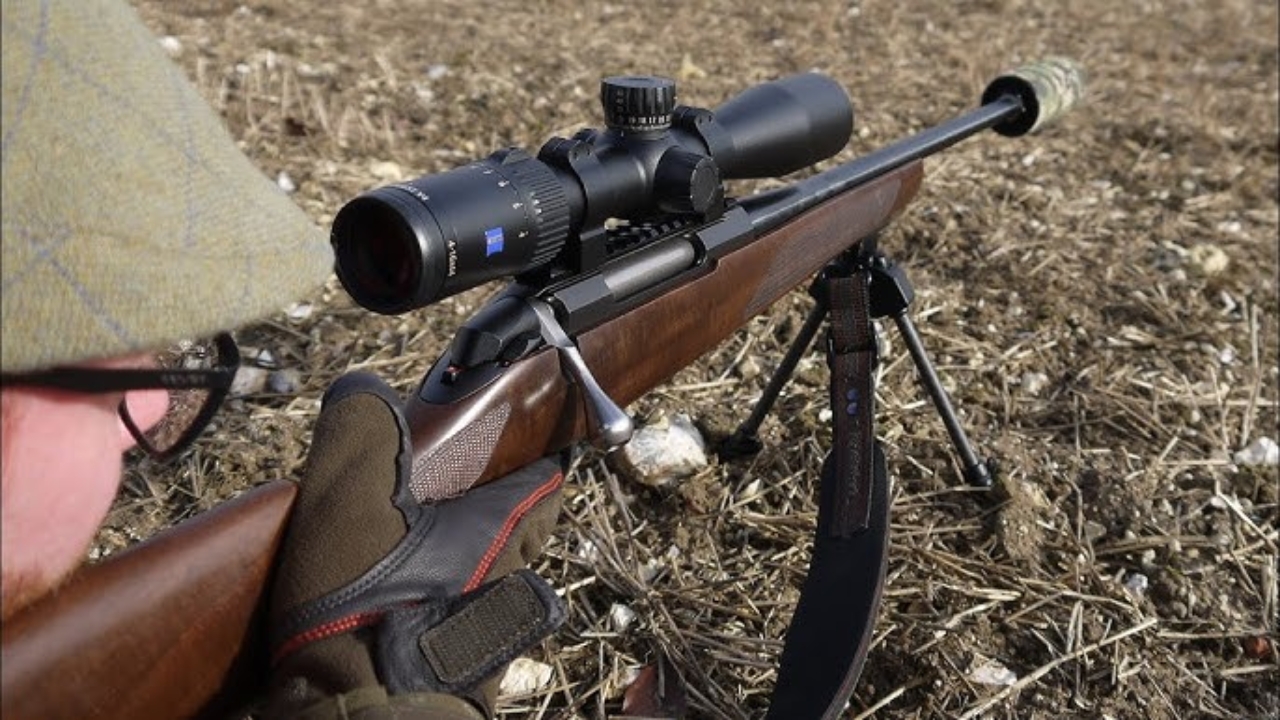
The Tikka T3 was eventually updated into the T3x, which brought useful improvements. Even so, the original T3 has not lost its appeal. It built Tikka’s modern reputation with American hunters because the rifles were smooth, accurate, and surprisingly refined for the money.
The original T3 outlasted the excitement around its replacement because the core strengths were already there. The bolt was slick, the trigger was good, and the rifles tended to shoot factory ammunition extremely well. The T3x may be better in certain details, but the older T3 is still a hunting rifle many owners have no reason to trade. A rifle that already shoots and carries well doesn’t become obsolete because the next version gets a nicer stock insert.
CZ 550

The CZ 557 replaced the CZ 550 in some parts of the lineup, and later CZ bolt rifles continued moving in different directions. But the 550 still carries serious respect because it had the Mauser-style controlled-round-feed action, strong extractor, and old-school feel many hunters wanted from CZ.
It outlasted replacement excitement because it filled a role newer rifles don’t always fill as confidently. In standard chamberings, it was a sturdy hunting rifle. In big-bore and Safari Magnum versions, it became a serious field tool. The set trigger on many models added character, and the rifle felt built for rougher use than most. The 550 may be heavier than modern rifles, but that heaviness feels like substance.
Weatherby Vanguard Series 1

The Weatherby Vanguard Series 2 brought trigger and stock improvements that got a lot of attention, and rightly so. But the Series 1 rifles still deserve respect because they gave hunters strong Howa-built actions, dependable accuracy, and Weatherby value before the update arrived.
A Series 1 Vanguard may not have the better factory trigger of the Series 2, but many rifles still shoot very well. They feel solid, handle recoil nicely, and carry a level of durability that budget rifles don’t always provide. The replacement was an improvement in several ways, but it didn’t make the old Vanguard useless. Owners who had one that shot well usually had no reason to move on just because the new version got better press.
Remington 788

The Remington 788 was technically the budget alternative in its day, and later Remington rifles were supposed to carry the brand forward more cleanly. But the 788 never fully faded because too many of them shot extremely well. That kind of reputation sticks.
It outlasted the excitement around newer budget rifles because accuracy has a way of ending arguments. The rear-locking bolt, detachable magazine, and plain styling were not glamorous, but the rifle performed. Today, magazines can be expensive and condition matters, but a good 788 still has a strong following. It embarrassed more expensive rifles when it was new, and it can still embarrass some newer rifles now.
Winchester Model 52
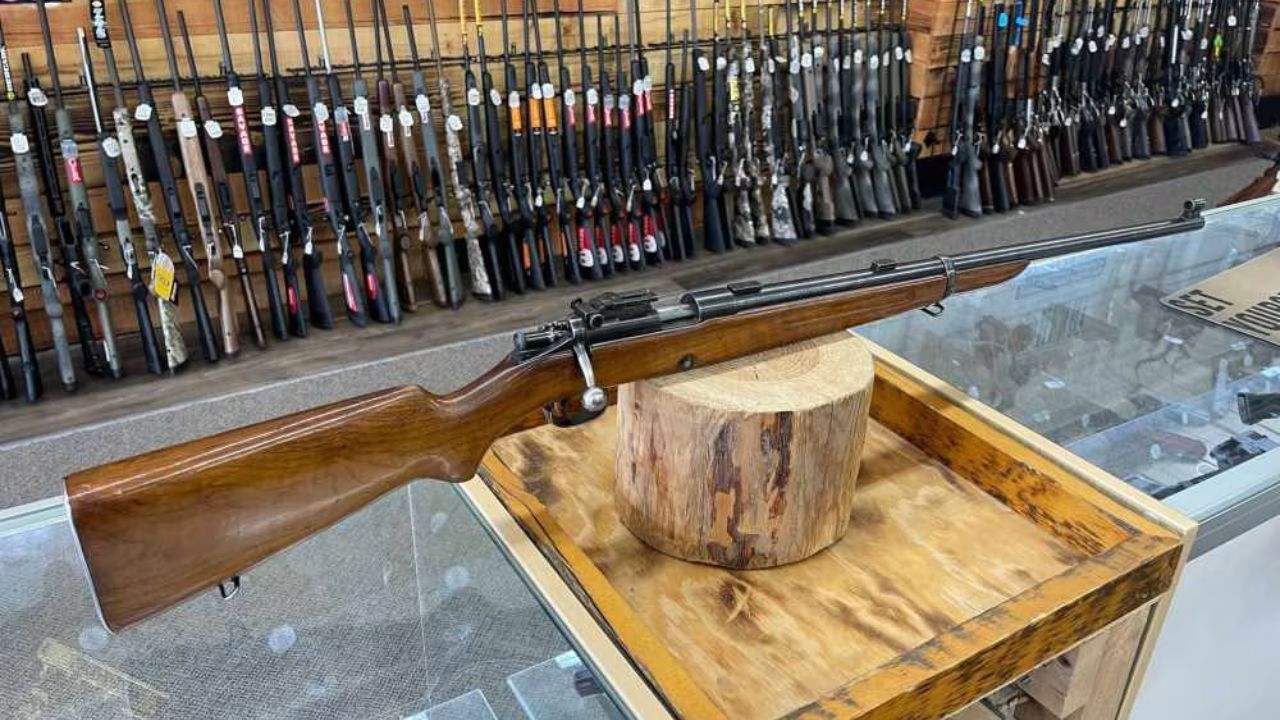
The Winchester Model 52 is a rimfire that newer .22 rifles have been trying to match for decades. Modern precision rimfires bring threaded barrels, chassis stocks, rails, and adjustable everything. Some are excellent. But the Model 52 still has a kind of quality that comes from being built as a serious target rifle in an era that cared deeply about fit and finish.
It outlasted replacement excitement because it was never a casual plinker. The trigger, barrel, action, and overall feel made it a rifle for shooters who cared about precision. New rifles may be easier to set up for optics and competition formats, but a good Model 52 still feels special. It reminds shooters that rimfire accuracy was taken seriously long before modern precision rimfire became popular.
Browning BAR Mark II
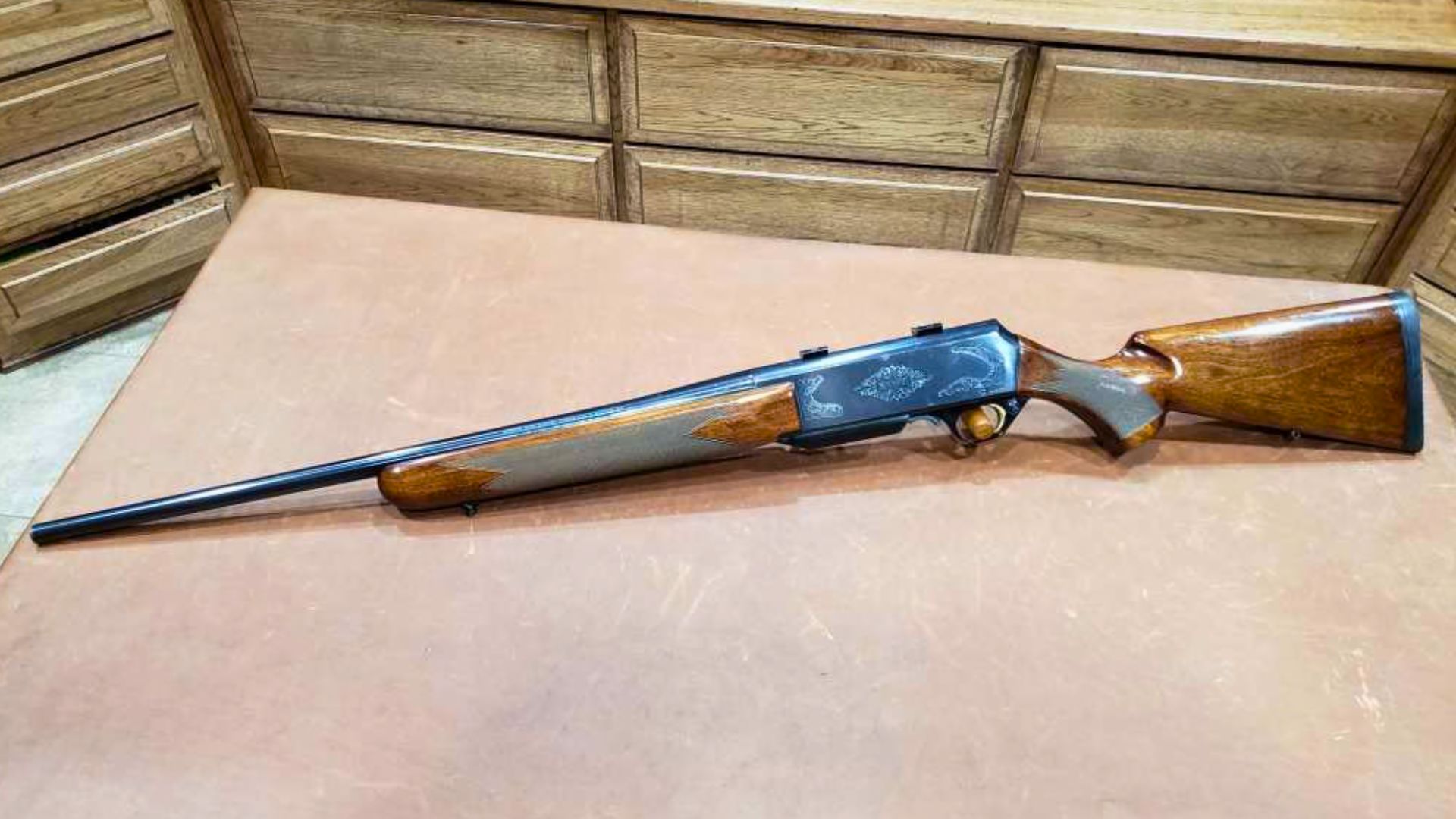
The Browning BAR Mark II had newer BAR versions follow it, including sleeker and lighter updates. But the Mark II still holds respect with hunters who trusted it for deer, hogs, and big-game hunting where fast follow-up shots matter. It felt like a real sporting semi-auto, not a tactical rifle wearing hunting clothes.
That’s why it stayed relevant. The Mark II has enough weight to shoot steadily, enough reliability to earn field trust, and enough traditional styling to feel at home in deer camp. Newer versions may have improvements, but they don’t erase the reputation older BARs built over years of hunting. A good Mark II still feels like a semi-auto hunting rifle with a clear reason to exist.
Ruger 77/44

The Ruger 77/44 came and went in different waves, and newer straight-wall and pistol-caliber rifles have gotten plenty of attention since. But the 77/44 remains interesting because it gave hunters a compact bolt-action .44 Magnum that made sense for short-range deer, hogs, and suppressed or handy-rifle setups depending on configuration.
It outlasted replacement excitement because it filled a simple, useful lane. It was light, quick, and fed from Ruger’s rotary-style magazine system. In thick woods or straight-wall-friendly areas where legal, it offered enough punch without the blast and recoil of bigger rifles. It was never meant to be a long-range answer. That clarity is part of why owners still appreciate it.
Sako L61R Finnbear
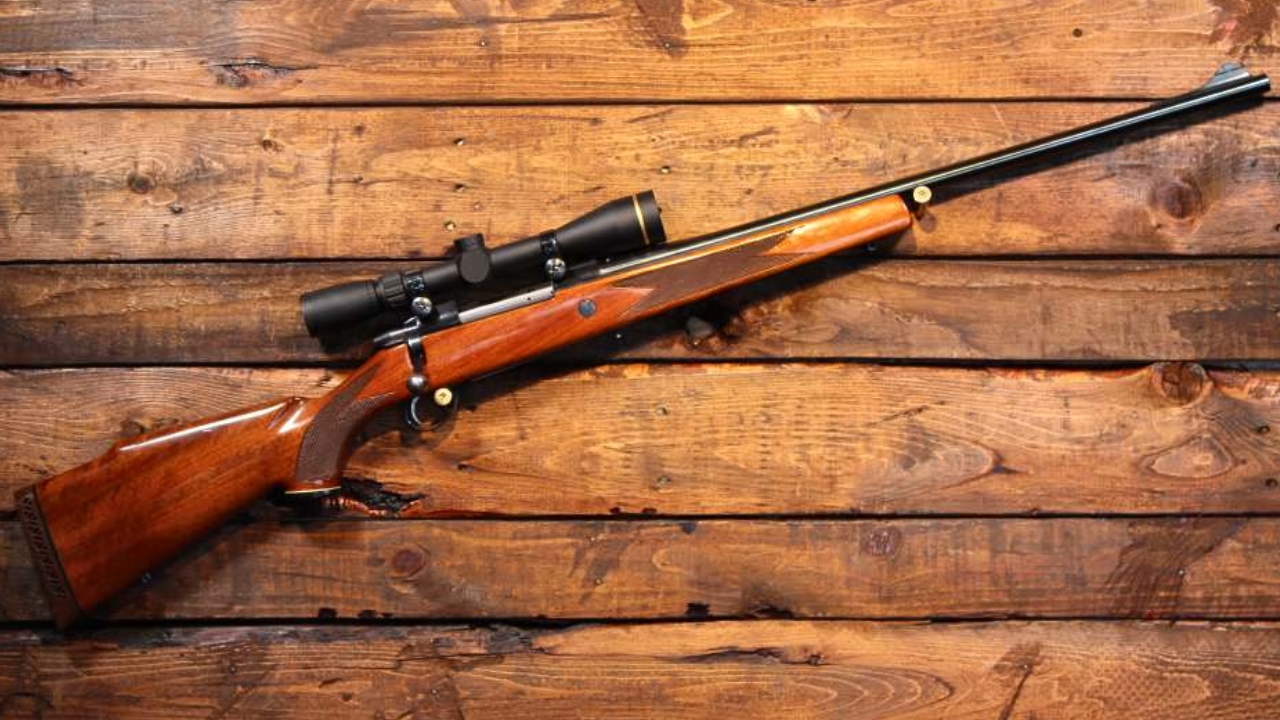
The Sako L61R Finnbear has watched plenty of later Sako models and modern hunting rifles arrive with updated materials and newer manufacturing. Still, the old Finnbear keeps its reputation because it feels beautifully made. The action is smooth, the rifles are accurate, and the overall quality is easy to feel.
Replacement excitement fades quickly when an older rifle still handles this well. The Finnbear has a classic hunting-rifle balance and a polished feel that many modern rifles do not match. It may be heavier than today’s lightweight mountain guns, but it also feels more substantial. Hunters and collectors still chase them because the rifle represents a level of production quality that is harder to find now.
Henry H001

The Henry H001 has not exactly been replaced in the traditional sense, but it has outlasted plenty of rimfire excitement around tactical .22s, precision trainers, and magazine-fed plinkers. Every few years, a new rimfire trend gets attention. The simple Henry lever-action .22 just keeps selling and keeps making people smile.
That staying power comes from usefulness and fun. It’s smooth, approachable, affordable to shoot, and good for nearly any skill level. It doesn’t need a scope rail, adjustable chassis, or match chamber to earn its keep. It gets used because people enjoy using it. That may be the best kind of outlasting there is. Newer rimfires can do more specialized things, but the H001 still does the basic thing better than most: it makes shooting enjoyable.
Like The Avid Outdoorsman’s content? Subscribe to our newsletter so you never miss an article.
Here’s more from us: