Photo credit: NRApubs/Youtube
Some pistols get judged before they ever get a real chance. Maybe the brand had baggage. Maybe the design looked strange. Maybe the controls were different, the price seemed too low, or the gun didn’t fit whatever trend shooters were chasing at the time.
Then people actually shot them. Not one magazine at the counter range. Not a quick opinion based on looks. Real range time, real carry time, real training time. That’s when a lot of these pistols started earning respect from shooters who had been ready to dismiss them.
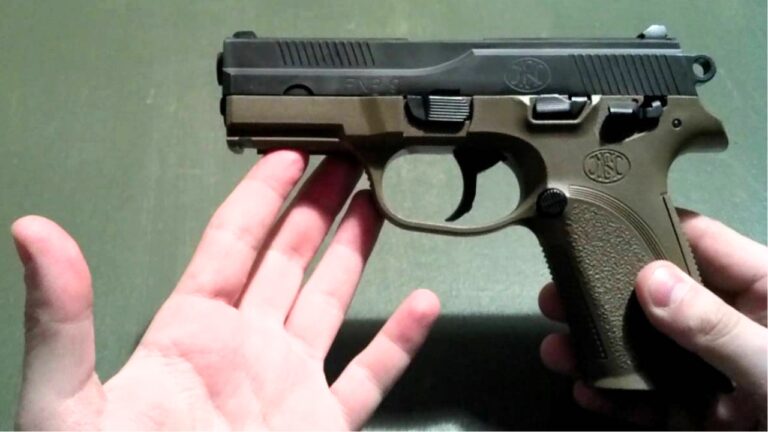
Beretta PX4 Storm

The Beretta PX4 Storm has always had to fight its own looks. The rounded slide, polymer frame, and rotating barrel system made it seem odd to shooters who expected Beretta pistols to look like the 92 series. Plenty of people wrote it off as strange before ever giving it a serious range session.
That changes once you shoot one well. The PX4 has a softer recoil impulse than many pistols in its class, and the rotating barrel system does more than look different on a diagram. It helps the gun track smoothly and settle back on target. The grip may not win everyone over instantly, but the pistol’s reliability and shootability are hard to ignore. Shooters who give it a fair chance often come away wondering why it never got more attention.
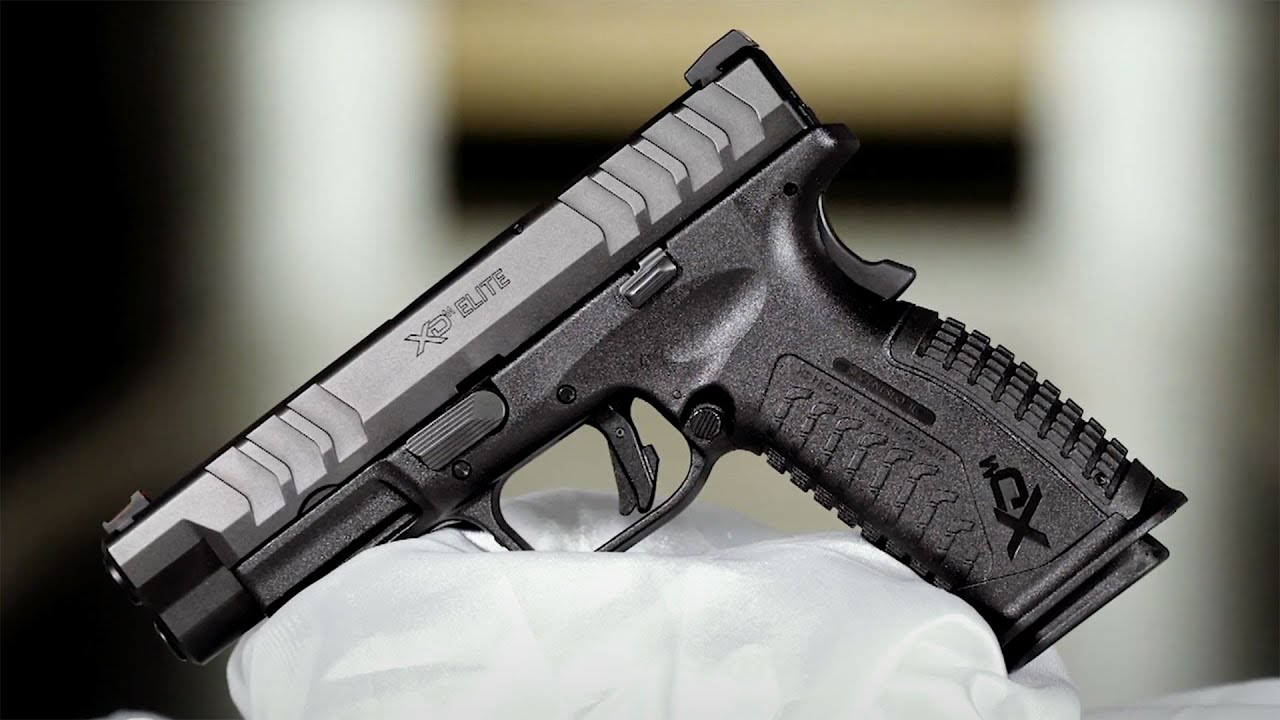
Springfield Armory XD-M Elite

The XD-M Elite had to deal with all the arguments people already had about the XD line. Some shooters disliked the grip safety. Others thought the platform looked bulky. Once the striker-fired market got crowded, it became easy to dismiss the XD-M Elite as just another polymer pistol trying to stay relevant.
But the pistol makes more sense after real range time. The Elite models brought improved triggers, better textures, strong capacity, and practical variants that actually fit different uses. They shoot flatter than some people expect, and the grip shape works well for a lot of hands. It may not have the same following as Glock or M&P, but shooters who spend time with one usually find a dependable pistol that does far more right than critics admit.
SAR9
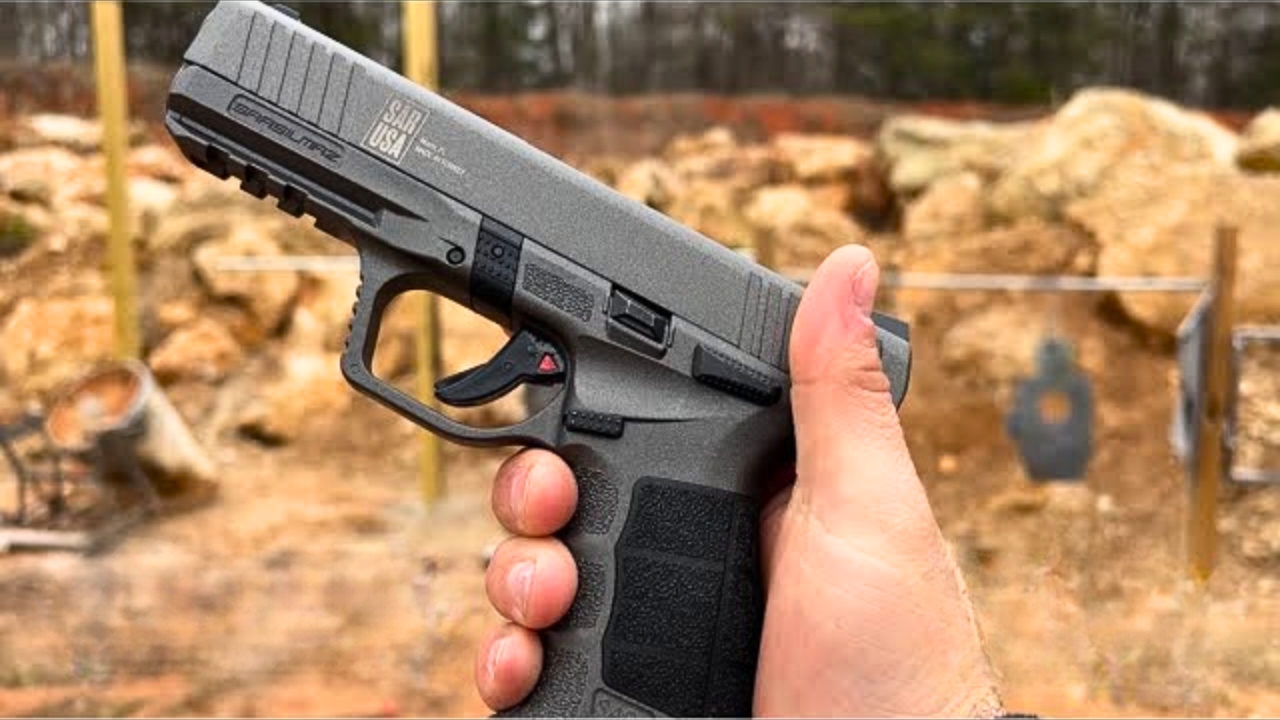
The SAR9 came into the U.S. market without the brand recognition that helps pistols get taken seriously right away. A lot of shooters saw it as another imported budget polymer gun and moved on. That was a mistake for people who never actually shot one.
The SAR9 has good ergonomics, a comfortable grip, and a surprisingly refined shooting feel for the price. The grip design borrows ideas from more established service pistols, and it shows when the gun is in the hand. It’s not as heavily supported by aftermarket parts as the big-name pistols, but as a basic defensive or range handgun, it earns respect quickly. Sometimes a pistol doesn’t need hype. It just needs a few magazines to change minds.
Grand Power K100
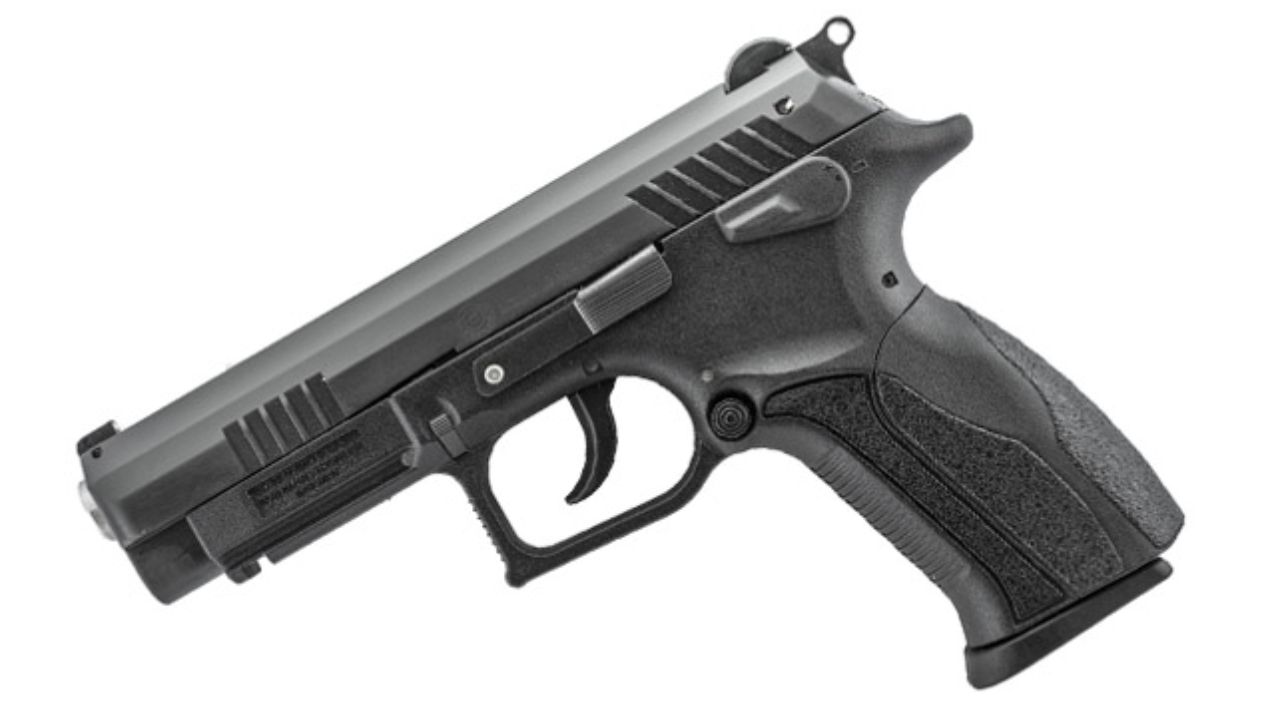
The Grand Power K100 is one of those pistols that looks like an oddball until shooters understand what it’s doing. The rotating barrel system sets it apart, and the brand still isn’t as familiar to many American buyers as SIG, Glock, or Smith & Wesson. That kept plenty of people from taking it seriously early on.
Once shooters run the K100, the respect usually grows. The recoil impulse is smooth, the trigger is better than many expect, and the pistol has a very natural feel during fast shooting. It isn’t the simplest gun to find holsters or parts for compared with mainstream options, but the design itself is solid. Shooters who like pistols with personality often realize the K100 isn’t weird for the sake of being weird. It shoots well.
Bersa TPR9
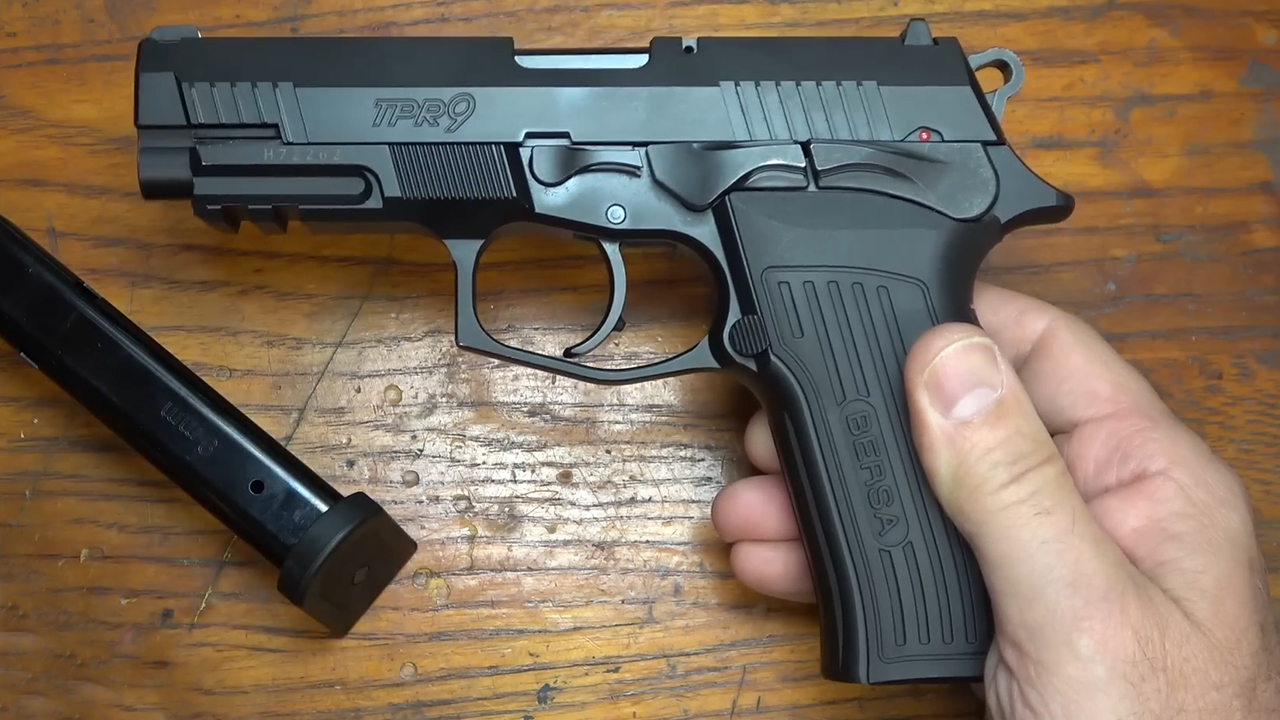
Bersa has always had to overcome the “budget brand” label, and the TPR9 is a good example of why that label doesn’t always tell the whole story. A lot of shooters skipped it because they assumed a lower-priced DA/SA pistol couldn’t be worth much attention.
The TPR9 proves otherwise once it gets a fair shot. It offers a metal frame, decent trigger, good capacity, and controls that make sense for shooters who like traditional hammer-fired pistols. It’s not as refined as a high-end SIG or Beretta, and nobody should pretend it is. But for the money, it gives owners a lot to work with. Shooters who actually spend time with one often find a practical, honest pistol that deserves more credit than it gets.
IWI Jericho Enhanced
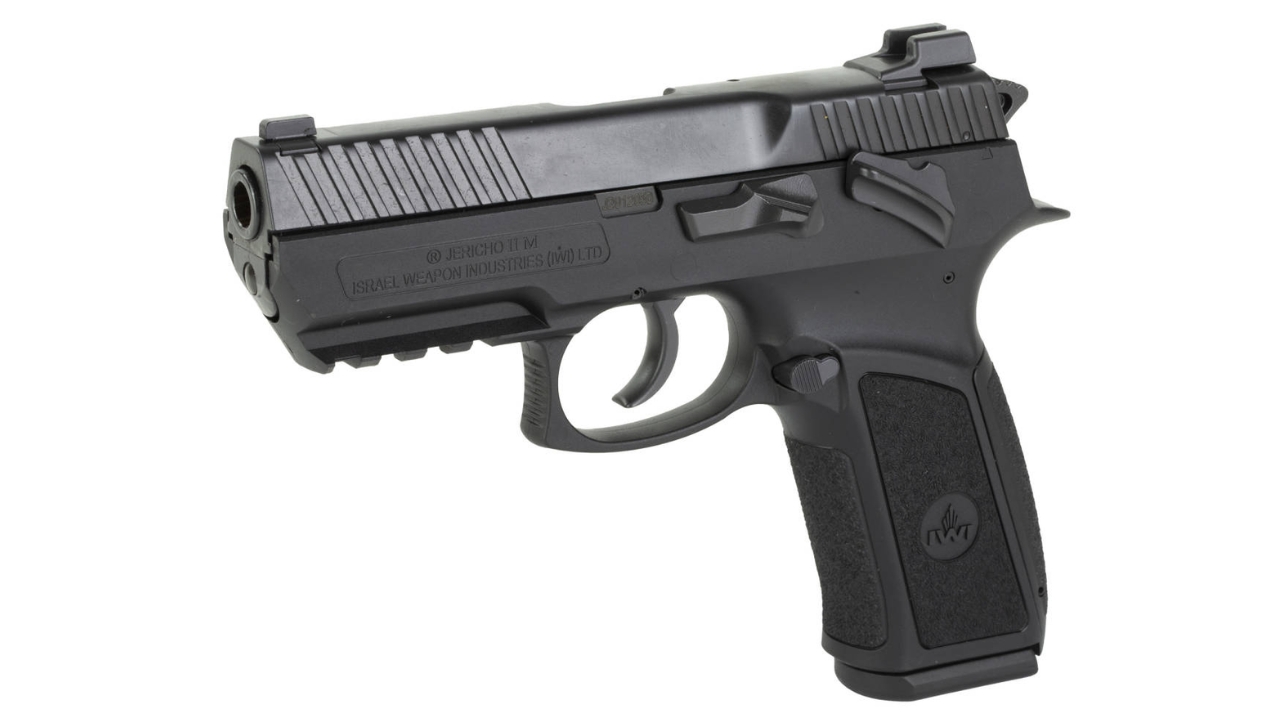
The IWI Jericho already had a following in its all-steel form, but the Enhanced models had a tougher road with traditional fans. Polymer-framed updates can make people suspicious, especially when they’re tied to a pistol known for its heavy, smooth-shooting metal feel. Some shooters assumed the newer version lost the whole point.
Then they gave it range time. The Jericho Enhanced keeps a lot of the platform’s natural pointing feel while cutting weight and adding more modern touches. It still has that CZ-inspired grip angle and a serious service-pistol personality. The trigger may not impress everyone out of the box, but the gun handles well and feels built for real use. It became respected by shooters who stopped comparing it only to the older steel version and judged it on its own.
Arex Rex Zero 1
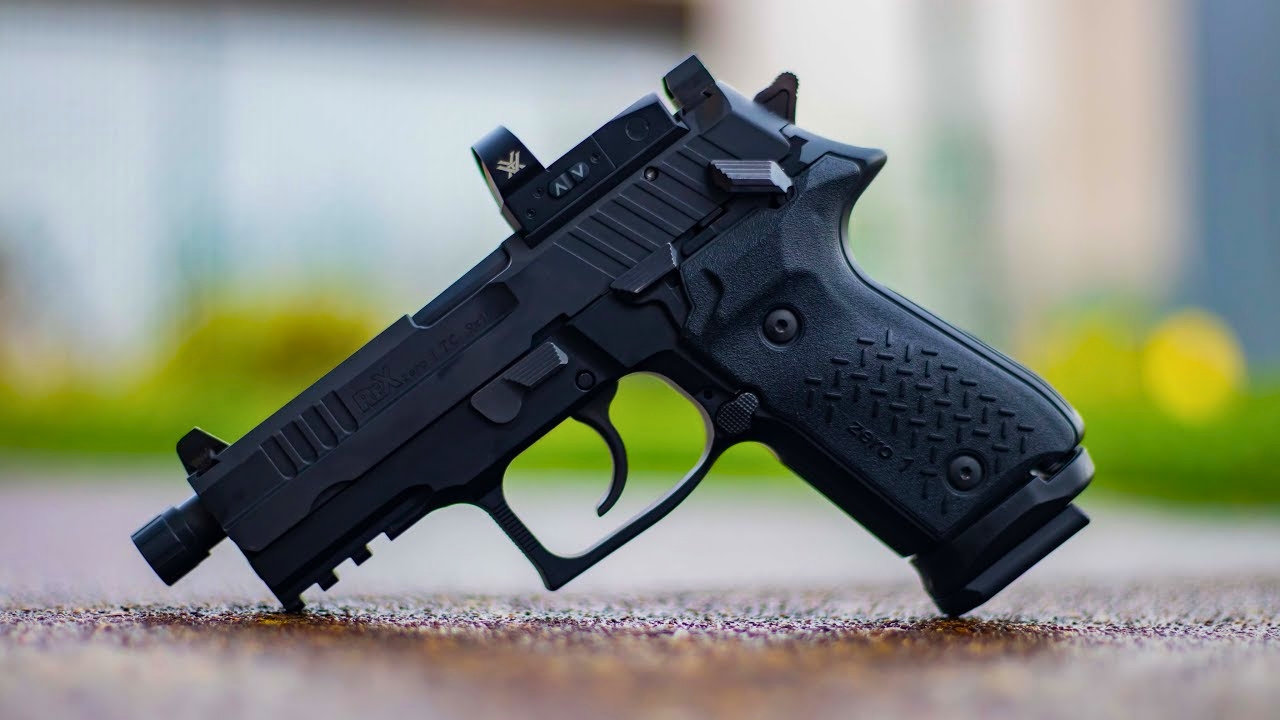
The Arex Rex Zero 1 looked a lot like a SIG-style pistol from a lesser-known brand, which made some shooters skeptical right away. It entered a market where people already had plenty of DA/SA options, and brand trust matters when someone is buying a defensive handgun.
But the Rex Zero 1 earned respect by being sturdier and better executed than many expected. The machining, controls, and overall build feel strong for the price. It shoots well, handles recoil predictably, and gives DA/SA fans an option that doesn’t feel cheap or half-finished. It may not replace a classic SIG in everyone’s mind, but after a fair range session, it becomes clear this is not just a knockoff-looking pistol. It’s a serious handgun.
Rock Island Armory MAPP
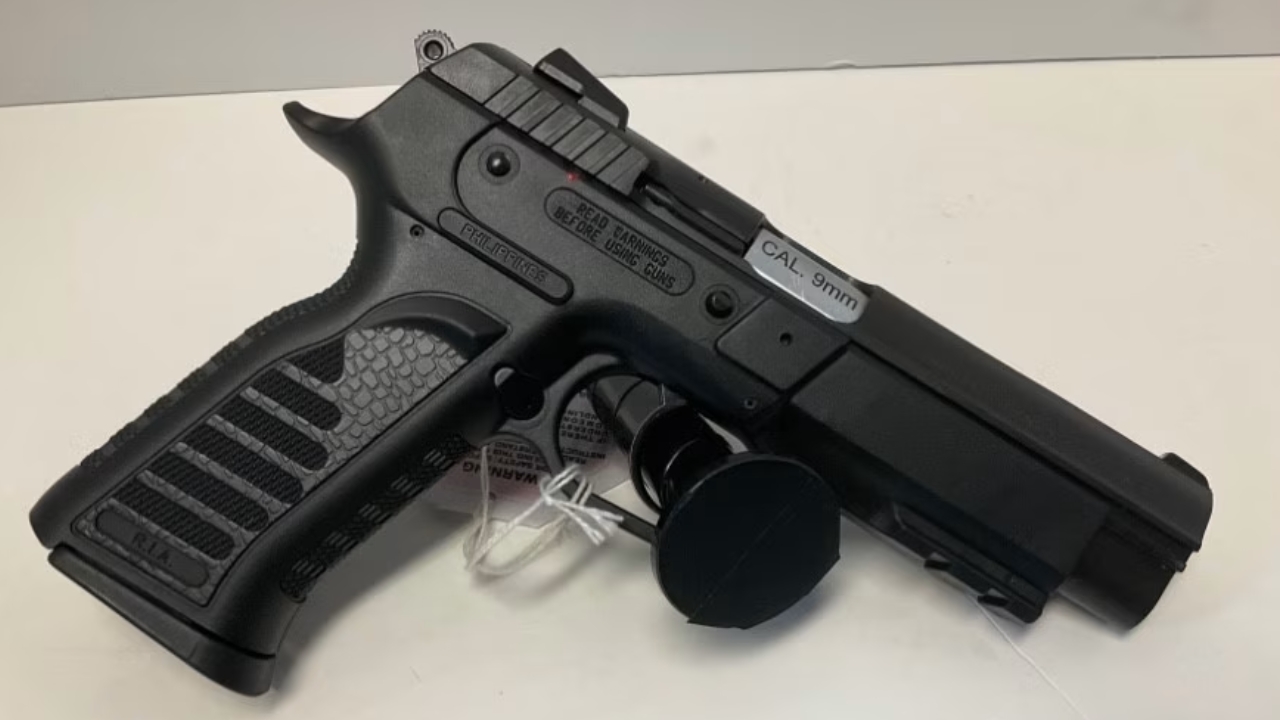
The Rock Island Armory MAPP doesn’t look like a pistol that would make shooters stop and stare. It’s a polymer-framed, CZ-pattern handgun with a practical price and very little flash. That combination makes it easy to overlook on a crowded shelf.
Shooters who give it a fair chance often find more value than expected. The CZ-style ergonomics help it point naturally, and the pistol tends to be comfortable during longer range sessions. It doesn’t have the same refinement as a higher-end CZ, but it delivers a familiar shooting feel at a much lower cost. For someone who wants a useful range or defensive pistol without spending big, the MAPP earns respect by simply doing its job.
Stoeger Cougar
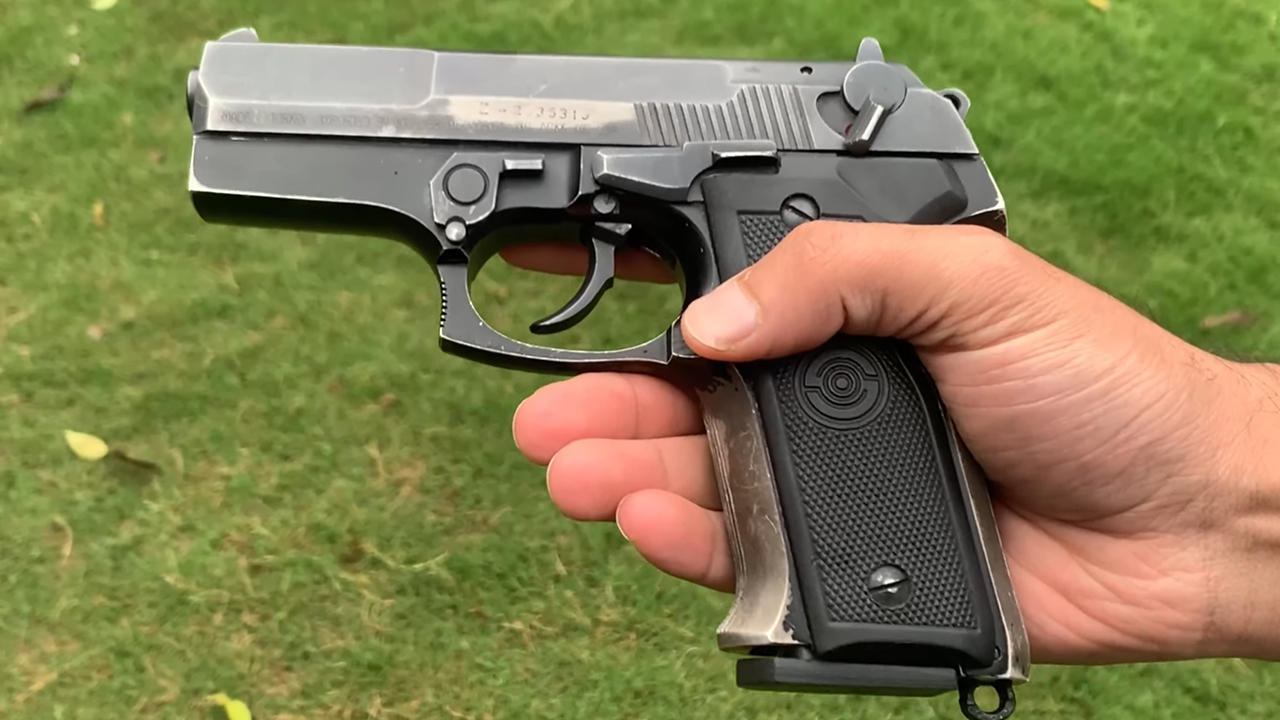
The Stoeger Cougar suffered from being misunderstood. It was essentially a continuation of the Beretta Cougar design after production moved under Stoeger, but some shooters saw the lower price and different rollmark and assumed quality had dropped too far. That kept it from getting the attention it deserved.
Once people actually shot it, the Cougar started winning them over. The rotating barrel system gives it a smooth recoil impulse, especially in 9mm and .40 S&W. The pistol feels solid, points well, and offers a traditional DA/SA setup at a price that used to be very reasonable. It’s heavier than modern carry guns, but that weight helps on the range. Shooters who dismissed it as a bargain-bin Beretta learned there was more there.
Ruger Security-380
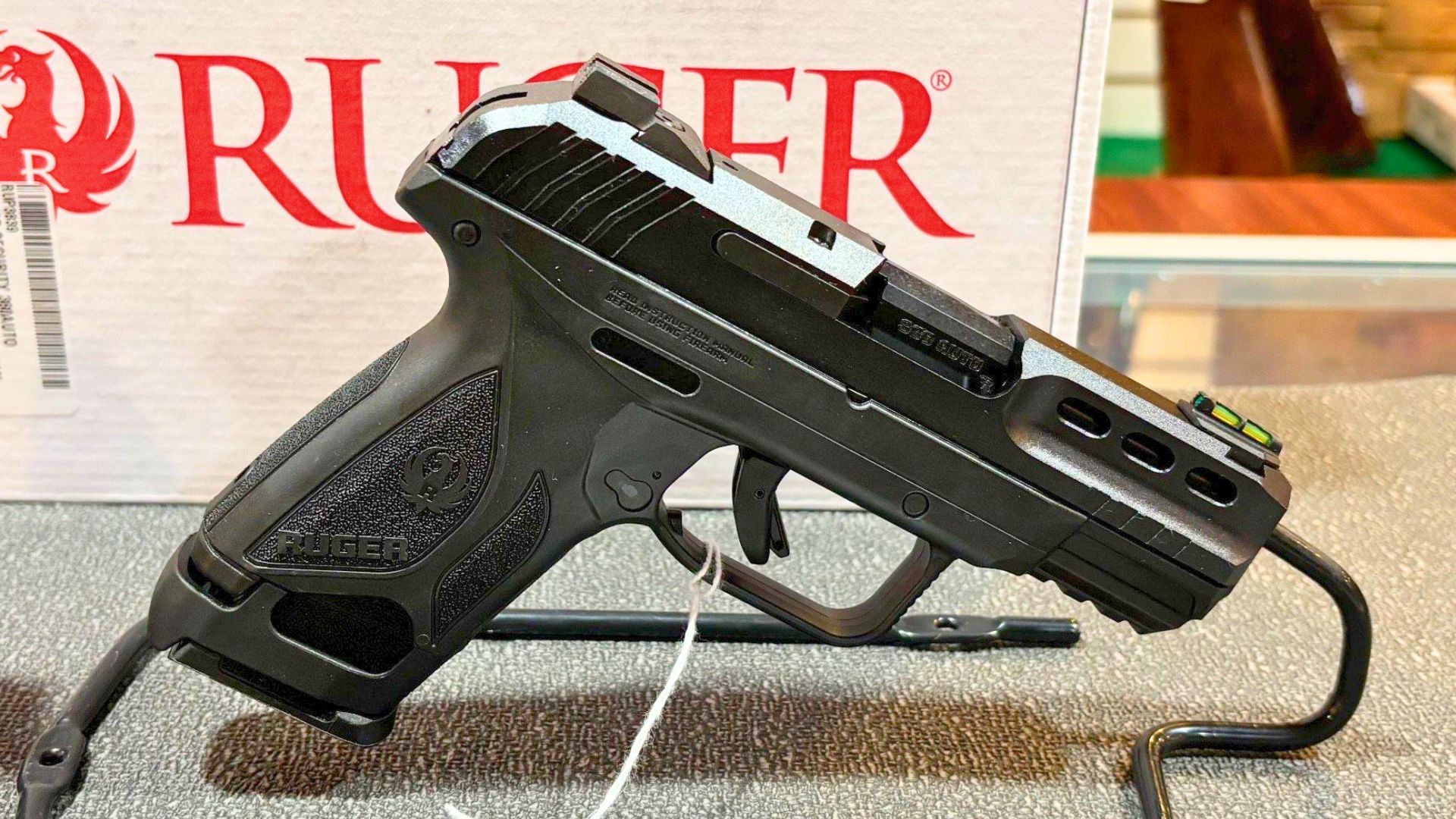
The Ruger Security-380 had to overcome the usual complaints about .380 pistols. Some shooters dismiss the caliber outright, while others assume .380s are either tiny pocket guns or soft options for people who don’t shoot much. The Security-380 gives that category a more practical shape.
After range time, it starts making sense. The Lite Rack system helps shooters who struggle with stiff slides, the size makes it easier to control than most pocket .380s, and the recoil is mild enough for real practice. It’s not a deep-concealment micro pistol, and it’s not trying to be a duty gun. It’s a manageable defensive pistol for people who value control, ease of use, and confidence. That deserves more respect than it gets.
Smith & Wesson CSX

The Smith & Wesson CSX confused people when it launched. It was a small aluminum-frame, hammer-fired 9mm in a market dominated by striker-fired micro-compacts. Some shooters didn’t like the trigger feel, and others weren’t sure what role it was supposed to fill.
But the CSX has earned respect from shooters who gave it more than a quick first impression. It offers strong capacity for its size, a metal frame, very compact dimensions, and controls that appeal to people who like manual safeties and hammer-fired operation. The trigger takes some getting used to, and it may not be for everyone. Still, for a shooter who wants something small but different from the usual polymer crowd, the CSX has more merit than early criticism suggested.
FN Reflex
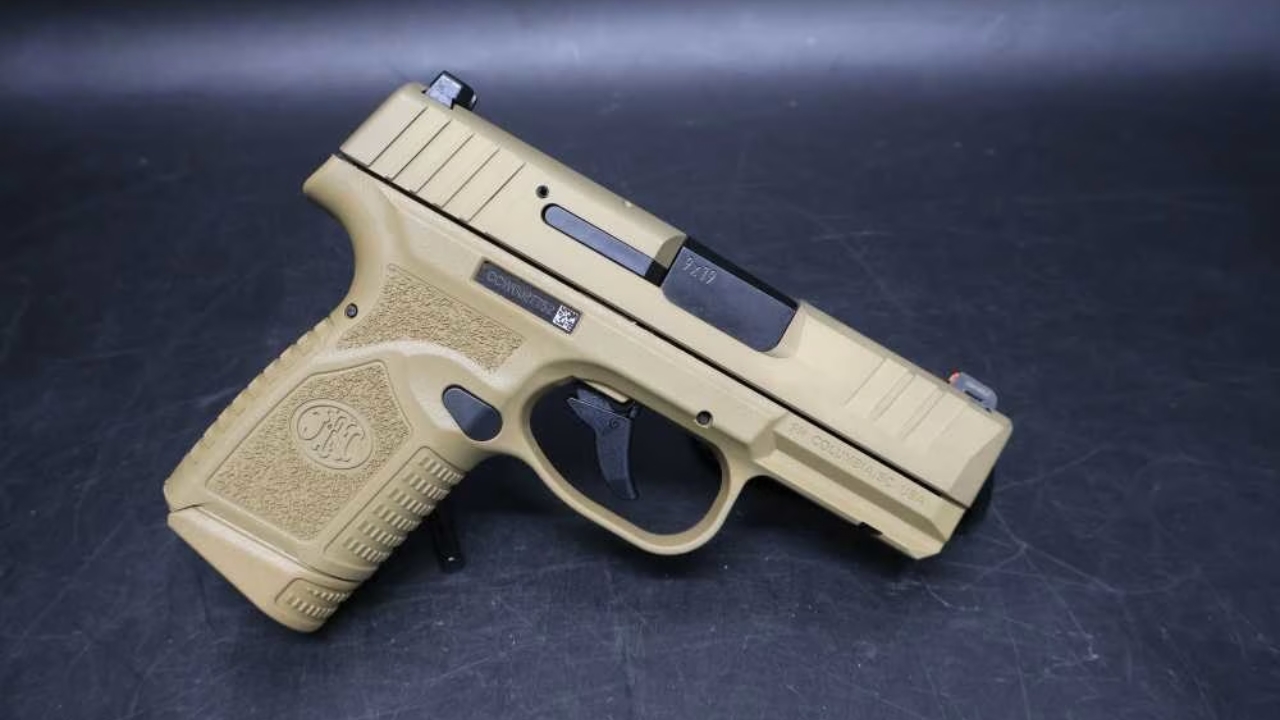
The FN Reflex entered a brutally crowded micro-compact market, so it had to prove itself fast. A lot of shooters already had their favorite small carry pistol, and FN’s pricing often makes people hesitate. It didn’t help that small guns get judged harshly after very little shooting.
Once given a fair chance, the Reflex starts to show its strengths. The internal hammer-fired system gives it a trigger feel that stands apart from many striker-fired competitors, and the grip shape helps it shoot better than its size suggests. It carries easily, offers useful capacity, and feels more refined than some tiny pistols. It’s not the cheapest option, but shooters who run it seriously often find that FN brought something worthwhile to the category.
EAA Witness
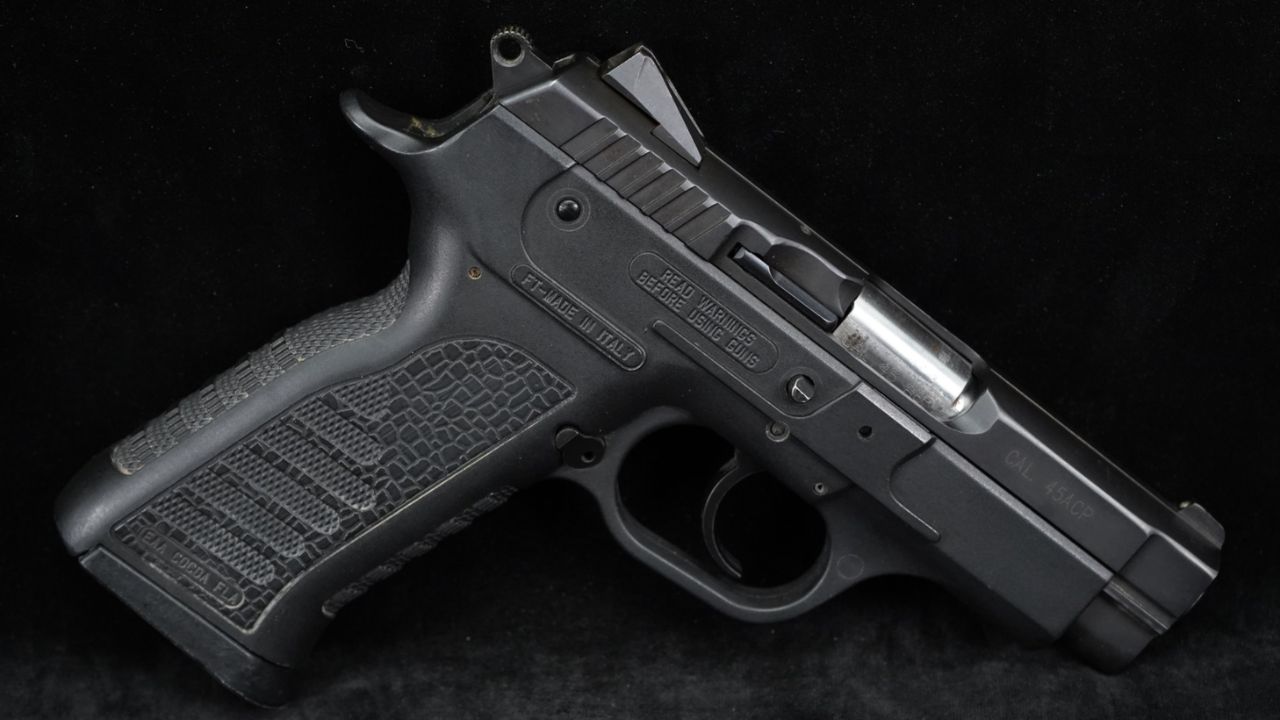
The EAA Witness has been overlooked for years because it sat outside the bigger-name pistol conversation. Built on the Tanfoglio/CZ-style pattern, it offered a lot of variants, calibers, and configurations, but many shooters ignored it because it didn’t have the same brand prestige as CZ itself.
That changed for people who actually shot one. A good Witness can feel excellent in the hand, shoot smoothly, and offer strong performance for the money. Steel-frame models especially have the weight and balance that make range time enjoyable. Some versions need careful magazine and parts awareness, so buyers should know what they’re getting. But the basic platform earned respect because it gave shooters a very capable pistol that too many people dismissed too quickly.
Mossberg MC2c
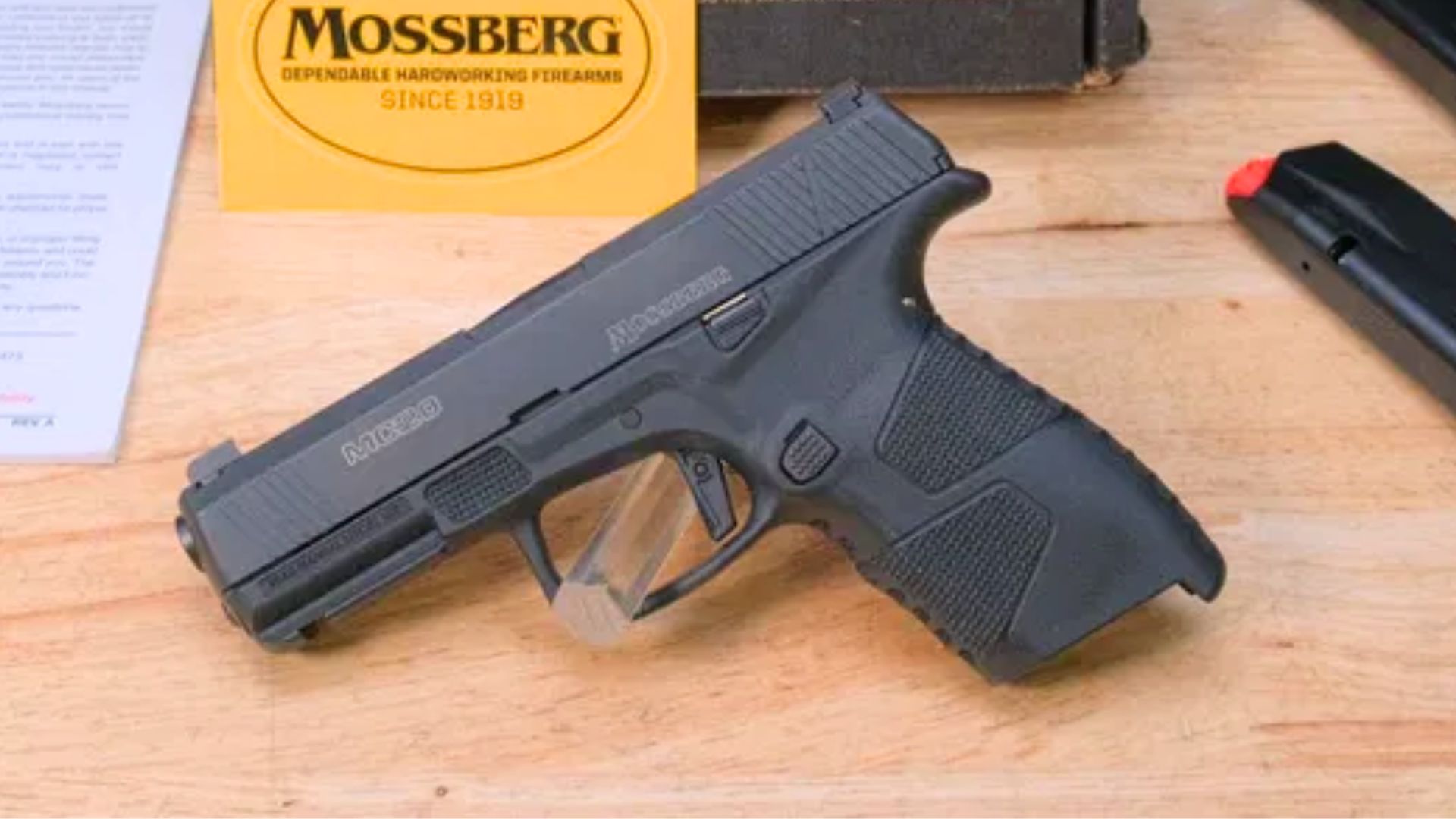
The Mossberg MC2c had to fight the simple fact that most people still think of Mossberg as a shotgun company. When Mossberg entered the compact pistol market, plenty of shooters shrugged. There were already too many compact 9mms to count, and brand habit is hard to break.
The MC2c deserves a fair shot because it’s a practical pistol with good capacity, a slim profile, and a surprisingly comfortable feel. It doesn’t try to reinvent the category, but it does the basics well. The trigger is usable, the grip works for many hands, and the pistol carries easier than some bulkier compacts. It may not pull Glock or SIG buyers away automatically, but range time proves Mossberg built something more serious than a side project.
Canik Mete SF

Canik had to earn respect the hard way, and the Mete SF is one of the pistols that shows how far the brand has come. Some shooters still remember when Canik was dismissed as a cheap import, but the company kept improving triggers, ergonomics, optics-ready systems, and overall features.
The Mete SF gives shooters a compact-ish duty-style pistol with excellent value. The trigger is strong, the grip feels good, and the included features make a lot of more expensive pistols look stingy. It is not as small as some carry guns, but it shoots well because of that extra size. Once shooters give it a serious range day instead of judging the logo, it becomes pretty clear why Canik stopped being a punchline.
Like The Avid Outdoorsman’s content? Subscribe to our newsletter so you never miss an article.
Here’s more from us: