Photo credit: GunBroker
There was a long stretch when a lot of solid guns got treated like background noise. They were the rifles on the second rack, the pistols people called “fine,” and the shotguns nobody bragged about unless they had actually spent time using them. That usually meant dependable, useful guns got passed over for flashier names, tactical trends, or whatever the internet was acting excited about that year.
Then the market did what it always does. Supply tightened, older production quality started looking better, and buyers realized too late that “plain” and “replaceable” are not the same thing. A bunch of these guns were never glamorous, but they worked, wore in well, and quietly built reputations that made a lot more sense once prices climbed and clean examples got harder to touch.
Smith & Wesson 5906
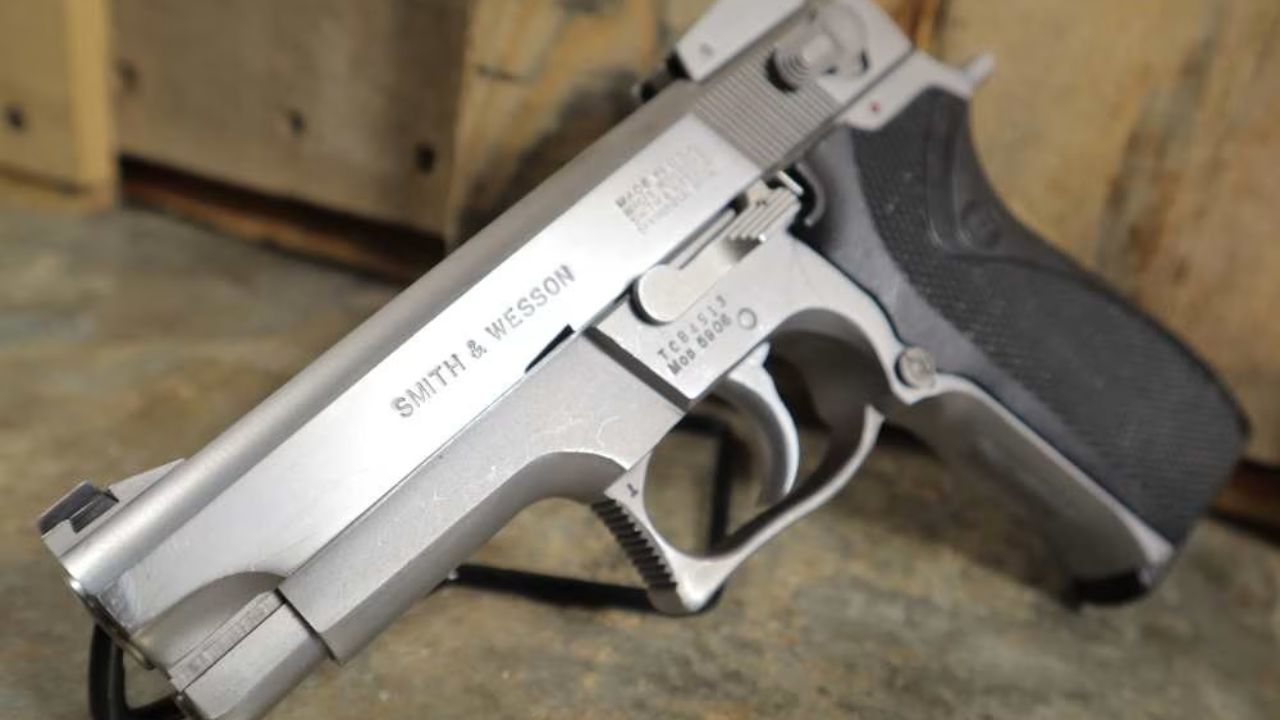
For years, the 5906 was the kind of pistol people respected without getting excited about. It was heavy, all stainless, and about as subtle as a brick in a lunchbox. A lot of buyers looked right past it because polymer guns were lighter, cheaper to carry, and easier to talk themselves into. Back then, the 5906 felt more like an old duty gun than something people needed to chase.
Now that same plainness looks a lot different. These things were built hard, fed well, and held up to real use in a way plenty of newer guns only promise. Once police trade-ins dried up and cleaner examples started disappearing, people realized they had ignored one of the sturdier 9mms of its era. The market punished that mistake fast, especially for buyers who wanted one in truly nice shape.
Ruger P89

The P89 never had much charm. It looked bulky, felt chunky, and had none of the sleek appeal people wanted once striker guns took over. Buyers used to treat it like a budget workaround instead of a gun worth owning on purpose. Plenty of people bought one, shot it a little, and then moved on without thinking twice about whether they should hang onto it.
That got expensive in hindsight. The P89 earned a reputation for taking abuse, running dirty, and keeping going long after prettier pistols started acting sensitive. It was never fashionable, but it was honest, and honest guns usually age well. Once older Ruger autos started getting harder to find in clean condition, the same pistol people once shrugged at suddenly looked like a smart buy they had underestimated.
Marlin 336 JM-stamped rifles

There was a time when the Marlin 336 felt too common to worry about. It was a straightforward deer rifle, especially in .30-30, and a lot of buyers assumed they would always be around. Because of that, people passed on clean older JM-stamped guns without much urgency. They were practical rifles, not safe queens, and that made them easy to take for granted.
Then the market reminded everybody that good lever guns do not stay cheap forever. Once production disruptions, brand transitions, and quality concerns entered the conversation, older Marlins started looking a whole lot better. Buyers who thought those plain working rifles would always be stacked on racks at reasonable prices suddenly found themselves chasing them. A basic old 336 with honest bluing and a smooth action became a much more expensive lesson than people expected.
Winchester 9422
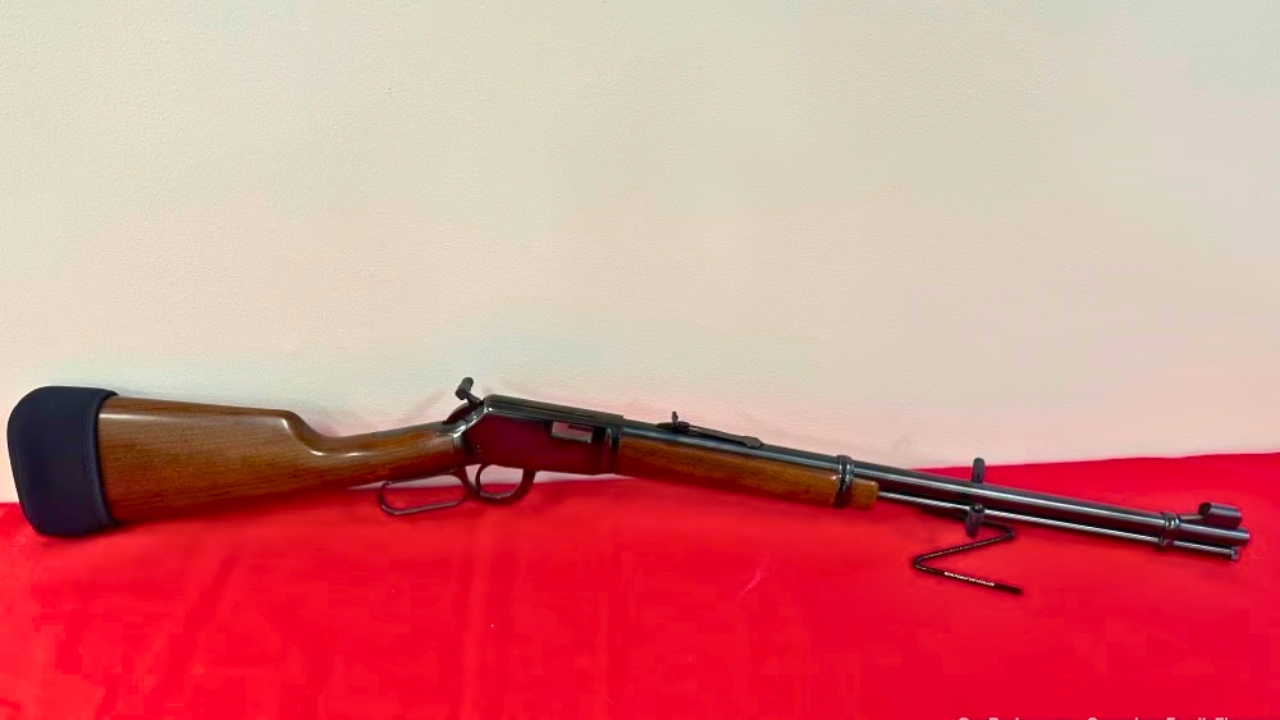
The 9422 used to be one of those rimfires people appreciated without really treating like a must-have. It was a slick little lever gun, but a lot of buyers saw it as a nice extra rather than something worth prioritizing. After all, it was “just” a .22, and people tend to say that right before they realize the gun in question was better made than most of what followed.
That shift hit hard once good lever-action rimfires became more expensive and less common. The 9422 has the kind of fit, feel, and cycling smoothness that turns casual interest into regret after prices move. Buyers who thought they could always grab one later learned that later comes with a premium. It is a perfect example of a gun that looked too ordinary to rush for until the market slapped that idea around.
Remington 700 ADL

The plain wood-stocked 700 ADL used to be the definition of a rifle people overlooked because it was too familiar. No detachable magazine, no flashy stock, no modern marketing angle. It was the kind of bolt gun that sat on racks for years while buyers convinced themselves they needed something more specialized. Back then, plain walnut and blued steel rarely created a sense of urgency.
That changed once older production quality started mattering more and buyers realized not all 700s would be viewed the same. The older ADL rifles had a simple, useful feel that made sense in deer camps across the country. People who once dismissed them as entry-level hunting rifles started hunting for them once replacement cost and scarcity set in. A plain ADL in clean condition now has a way of making procrastinators feel foolish.
Ruger Security-Six
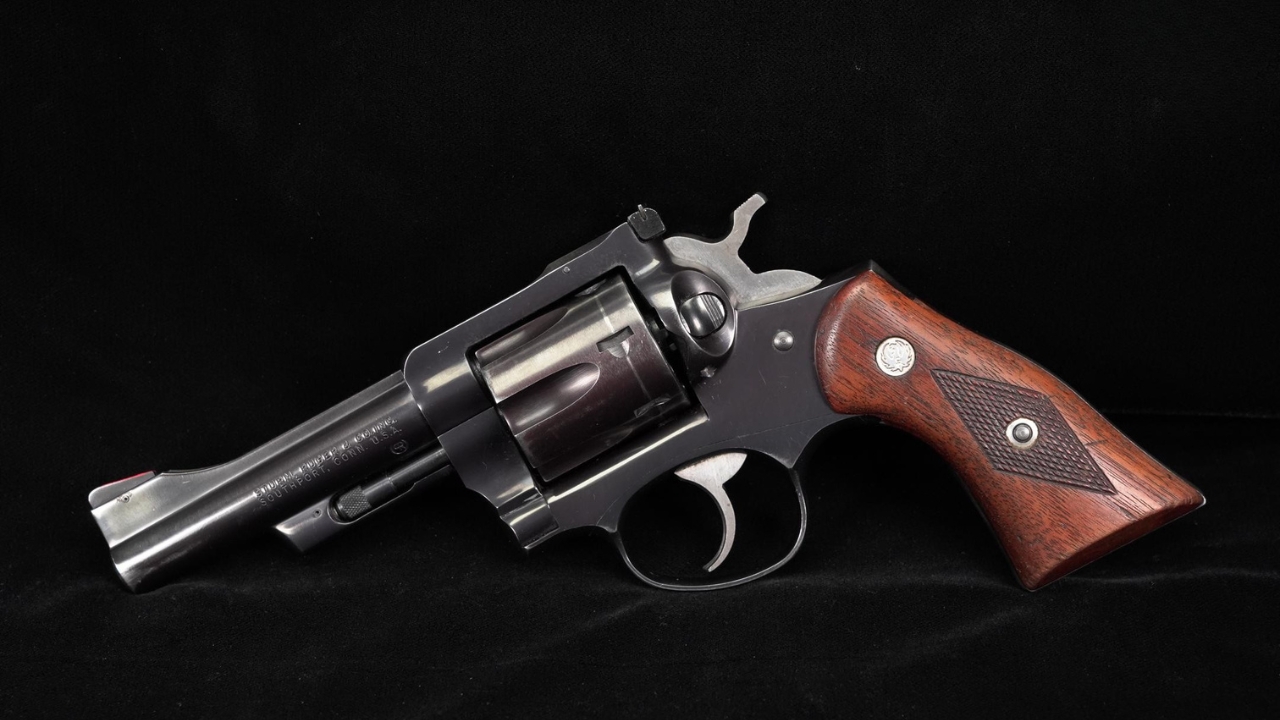
The Security-Six lived for years in the shadow of more glamorous revolvers. It did not have the Python mystique, the old Smith collector pull, or the same brag factor people wanted when they were shopping wheelguns for ego instead of use. That kept prices grounded for a long time, and plenty of buyers treated them like sturdy second-tier revolvers rather than something worth grabbing while they were still reasonable.
That thinking did not age well. The Security-Six is one of those revolvers that wins people over once they actually shoot and carry one. It is tough, practical, and usually simpler to live with than some of the shinier names people chased first. Once buyers started looking for durable older .357s without paying pure collector money, the Security-Six stopped feeling plain and started feeling like a missed opportunity.
Browning BPS Hunter
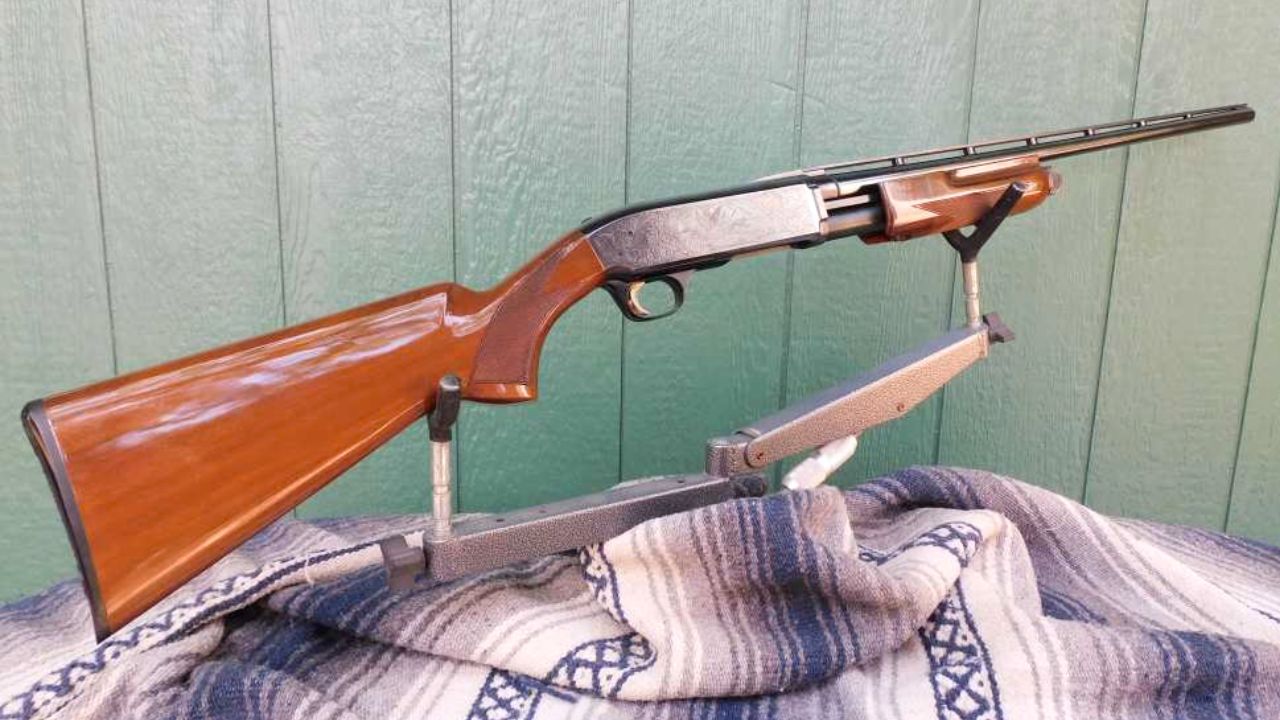
The BPS Hunter spent years being admired in a quiet way and ignored in a buying way. It was a solid pump gun, sure, but it did not get the same attention as the 870 or the 500 when people were making quick decisions. Bottom ejection and smooth handling were nice talking points, but for a long time they were not enough to make buyers feel like they needed to act now.
Then the used market tightened up and people started valuing older, well-made pumps a lot more seriously. The BPS suddenly looked like something more than a forgotten alternative. It had steel, walnut, good balance, and a reputation for being slick without acting fragile. Buyers who once thought it was too plain to matter found out that plain, dependable shotguns tend to become expensive when the broader market gets weird.
CZ 452 American
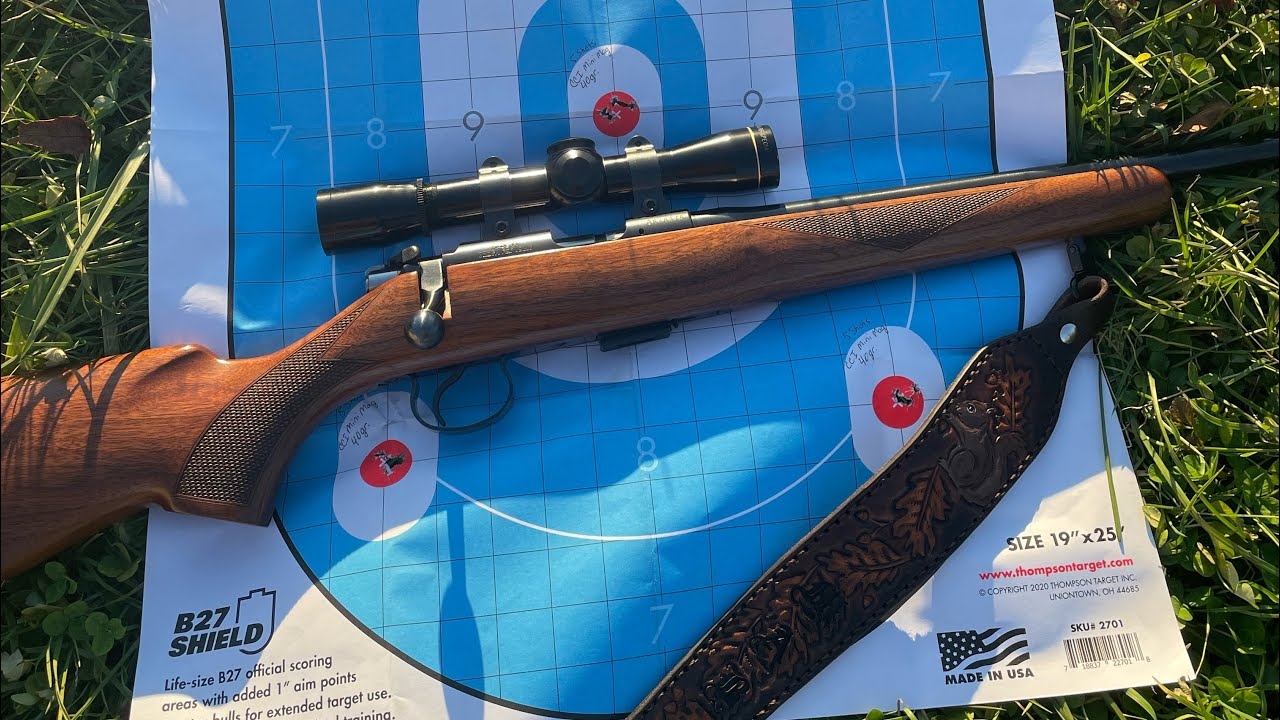
The CZ 452 was never loud enough to dominate conversations outside rimfire circles. It was accurate, well-made, and had real old-school charm, but a lot of buyers still treated it like a niche bolt .22 instead of a rifle worth locking down. Because it was not tacticool and did not ride hype cycles, people assumed there would always be another one available down the road.
That assumption got punished once the 452 disappeared and shooters started comparing it to what came after. A lot of people decided too late that they preferred the older trigger feel, the machining, and the overall character of the 452. It is one of those rifles that looked easy to replace until you tried replacing it with something that felt the same. That is usually when the market decides to teach a lesson.
Beretta 84FS Cheetah

For a long time, the 84FS sat in a weird spot. It was classy and well-made, but plenty of buyers saw it as an old .380 with no real urgency attached to it. It was not the cheapest carry option, not the highest-capacity modern pistol, and not the sort of gun most people bragged about owning. That made it easy to admire and just as easy to leave behind.
Then the market started rewarding quality metal-frame pistols that still offered real shootability, and the Cheetah looked smarter every year. People who once ignored it realized that smooth controls, solid construction, and easy shooting are not disposable traits. Older Berettas in good condition stopped feeling like background pieces and started feeling like guns you should have bought before everybody else remembered how nice they actually were.
Savage 99

There was a period when the Savage 99 felt more respected than desired. Hunters knew it had history, but a lot of buyers still treated it like a rifle their grandfather liked rather than one they needed to own. Because it was not a bolt gun and not a modern black rifle, it sat in that dangerous middle ground where people assume something will stay affordable forever.
That illusion collapsed once buyers started appreciating what the 99 actually offered. It is a beautifully balanced lever rifle with real hunting utility and far more character than a lot of rifles that used to outsell it. As cleaner examples got harder to find, especially in more desirable chamberings, the market stopped treating the 99 like old furniture and started pricing it like a rifle people were late to understand.
Ithaca Model 37
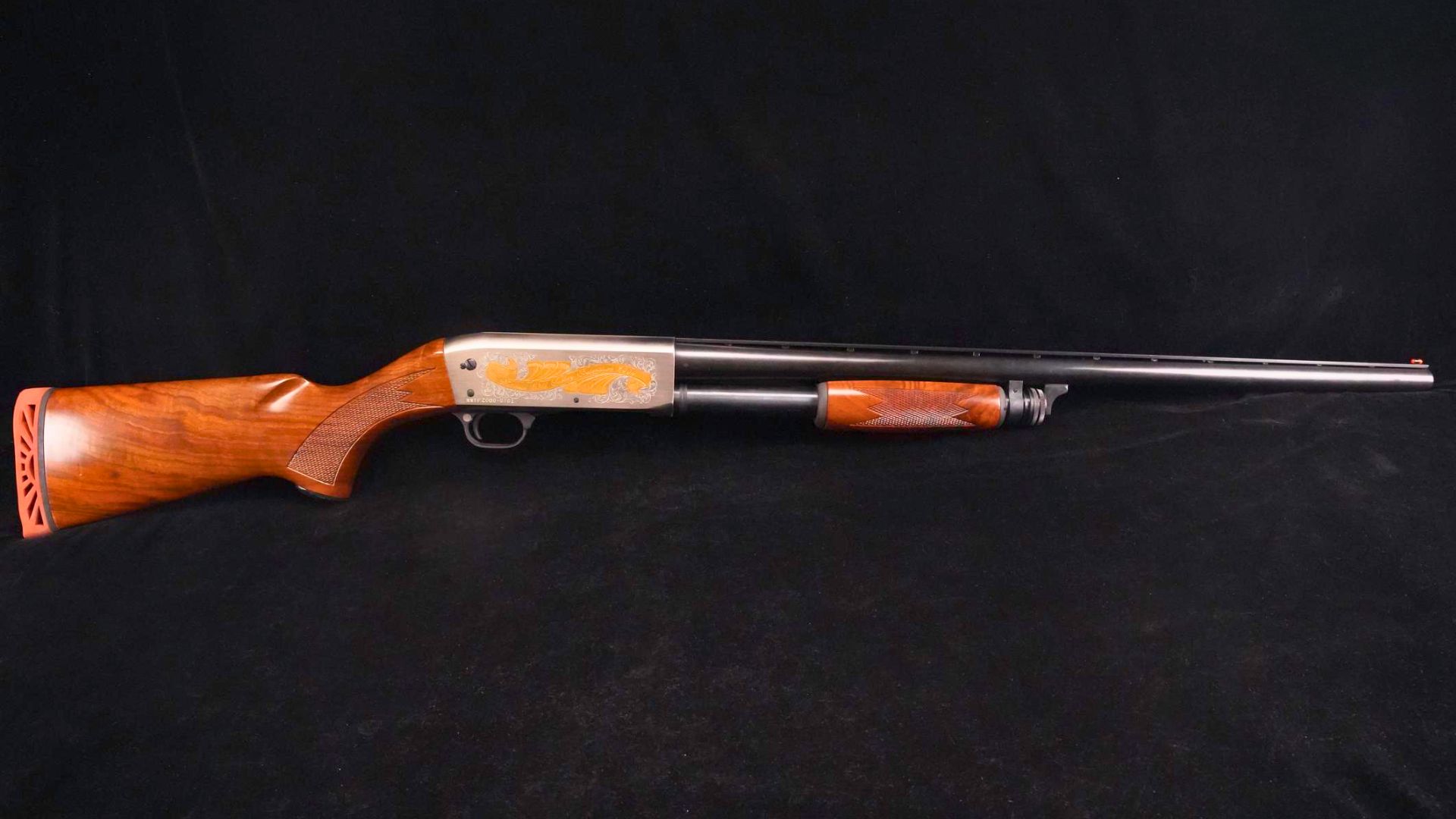
The Ithaca 37 is one of those pump shotguns that never begged for attention. It did its job, handled well, and built a loyal following among people who cared more about feel than noise. But for years, many buyers still put it behind more obvious names. It was too understated, too familiar, and too tied to practical use to trigger the same urgency that more talked-about shotguns did.
That changed when people started realizing just how good older pumps felt in the hand compared to a lot of later production guns across the industry. The Model 37’s balance, slickness, and long-earned reputation started standing out more as good examples became harder to find. Buyers who thought they could always grab one later learned that later tends to come with thinner supply and much less friendly price tags.
Ruger Mark II

The Mark II used to be one of those pistols people bought, shot for years, and never really praised in dramatic terms. It was a .22 pistol that simply worked, and that made it oddly easy to undervalue. Buyers often treated it like a utility gun rather than something worth collecting or specifically chasing. That is usually how market mistakes start with rimfires.
Once the Mark II gave way to later variants and older examples started drying up, people began noticing what they had missed. The gun had excellent durability, real-world accuracy, and a kind of no-drama reliability that made it more valuable than the casual market once admitted. Suddenly, the plain .22 pistol that used to feel easy to find started looking like a smarter purchase than half the trendy rimfire stuff around it.
Smith & Wesson Model 10

The Model 10 was so common for so long that buyers stopped seeing it clearly. It was the revolver equivalent of a work boot: useful, proven, and not flashy enough to turn into a brag piece. Because of that, a lot of people passed over solid examples thinking they were too ordinary to ever matter. Huge mistake. Ordinary is often just another word for time-tested.
As the revolver market kept heating up, that old logic stopped holding together. Clean Model 10s with good timing and nice bores became a lot more appealing once buyers priced other classic wheelguns. People also started remembering that a service revolver with real history, good balance, and honest shootability does not need to be rare to become desirable. It just needs enough buyers to realize they waited too long.
Marlin Model 60

The Model 60 spent decades being the rimfire almost everybody had seen and too many people underestimated. It was affordable, common, and rarely treated like anything special. Buyers looked at it as a starter gun, a truck gun, or something that would always be around in one form or another. That mindset kept a lot of people from noticing how many of them were actually worth hanging onto.
Over time, the older examples started telling a different story. Good wood-stock guns with nice fit and the kind of smooth, broken-in feel only years can create became much more appealing once buyers compared them to what cheap rimfires often feel like now. The market may not have made the Model 60 a rich man’s collectible, but it absolutely punished buyers who mistook “common once” for “common forever.”
Ruger Mini-14 Ranch Rifle

The Mini-14 spent years getting talked down by people who only looked at it through the lens of benchrest groups or internet arguments. That made it easy for buyers to dismiss older Ranch Rifles as plain ranch guns instead of useful, dependable carbines with real-world appeal. Because they lacked some of the flash and modularity of ARs, people assumed they would always be easy enough to pick up later.
Then politics, buying waves, and market swings changed the tone in a hurry. The Mini’s appeal as a simple, familiar semi-auto kept growing every time the broader rifle market got tense. Older blued-and-wood examples especially started feeling a lot less ordinary once people wanted one and could not find one at yesterday’s prices. That is how a plain rifle turns into a market lesson.
Remington 870 Wingmaster

The 870 Wingmaster used to be so common that buyers forgot to respect it. It was just there, season after season, sitting beside cheaper pumps and fancier autoloaders while people convinced themselves it was not urgent. A lot of folks assumed they could always grab a nice older Wingmaster later because, for years, it felt like there was no shortage of them anywhere worth looking.
That comfort disappeared once buyers started separating older Wingmasters from later production expectations and remembering how smooth the good ones really were. A clean Wingmaster with nice walnut and a slick action stopped being “just another 870” and started being the version people actually wanted. By the time that clicked for the market, plenty of buyers were already staring at higher prices and wishing they had bought plain when plain was cheap.
Like The Avid Outdoorsman’s content? Subscribe to our newsletter so you never miss an article.
Here’s more from us: