Photo credit: Mat Larson/YouTube
The pistols that disappear on your belt are often the same ones that punish you on the timer. That’s not a knock on the gun. It’s physics. Small frames give you less grip, less sight radius, and less mass to soak up recoil. Short slides cycle faster and can feel snappy. Tiny sights are harder to track. And a lot of pocket-sized triggers are built for safety and liability, not for making clean hits under stress.
When it matters, you’re not standing square on a clean range lane with all day to press the trigger. You’re drawing, moving, and trying to see enough of the sights to call the shot. If your carry gun is too small for your hands, too sharp in recoil, or too hard to run one-handed, it can turn a simple drill into a mess. These are easy-to-carry pistols that many shooters find hard to shoot well when it counts.
Ruger LCP

The LCP is a classic for a reason. It’s light, flat, and easy to carry when you don’t want to dress around a gun. The problem shows up the second you try to shoot it fast. The grip is short, the sights are small, and the pistol moves around in your hand like it’s trying to escape.
That means follow-up shots take more work than they should. Under stress, you can start slapping the trigger and losing the front sight. It’s not that the LCP can’t hit. It’s that it asks more from you in the exact moment you have less bandwidth. If you carry one, you need to practice with it more than you think. Otherwise you’re carrying convenience and hoping skill shows up on demand.
Ruger LCP Max

The LCP Max gives you more capacity and better sights than the older LCP, and that’s a real improvement. It’s still a tiny .380, though, and the fundamentals don’t change. The grip is still small, recoil is still sharp for the size, and the gun demands a firm, consistent hold to keep your shots from wandering.
When you run drills, you learn fast how hard it is to track the sights on a micro pistol. The trigger work has to be clean or you’ll yank shots low and sideways. The Max is easier to live with than many pocket guns, but it still punishes sloppy fundamentals. If you carry it because it’s effortless, you have to earn the performance side with reps. Small guns don’t give you free accuracy.
Smith & Wesson Bodyguard .380
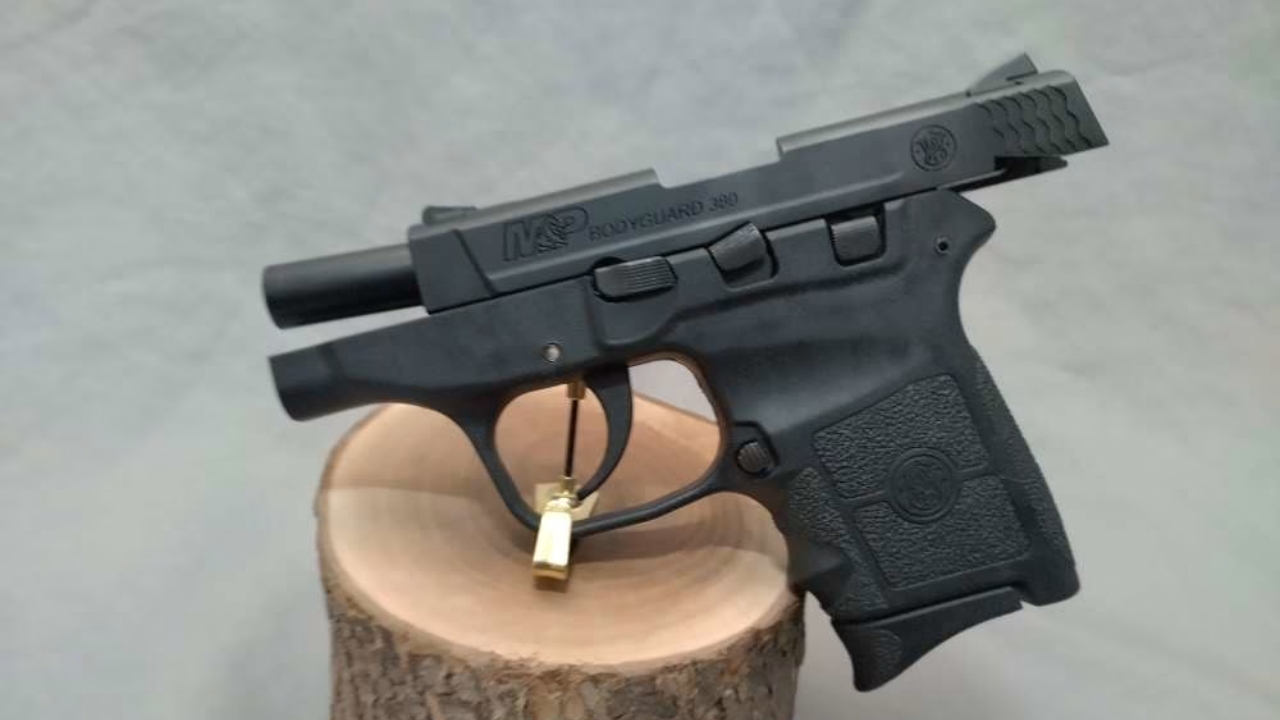
The Bodyguard is popular because it’s compact and easy to tuck away, even in light clothing. The downside is that it often feels like a compromise when you start shooting with urgency. The grip is small, recoil can feel snappy, and the trigger can be long and heavy compared to larger pistols.
That combo makes it easy to throw shots when your heart rate is up. You’ll see it in drills: your first shot might be fine, then the second one drifts because you’re trying to run the trigger faster than you can control it. It’s not a pistol that rewards sloppy mechanics. If you carry one, it’s worth spending time on grip pressure and trigger control, because you don’t have extra grip length or weight to save you.
Glock 43

The Glock 43 is thin and easy to carry, which is why so many people end up with one. The challenge is that thin, short grip. If your hands are average to large, you’re working with less contact, and the gun feels snappier than you’d expect for a 9mm.
That matters when you’re trying to shoot fast and clean. The 43 can be accurate, but it’s less forgiving of grip mistakes and less forgiving of rushed trigger presses than a bigger Glock. Under stress, you may start dipping the muzzle or riding the recoil too hard. The fix is not magic gear. It’s building a grip that doesn’t shift and practicing follow-up shots until they’re boring. The 43 carries easily, but it makes you work for speed.
Glock 43X
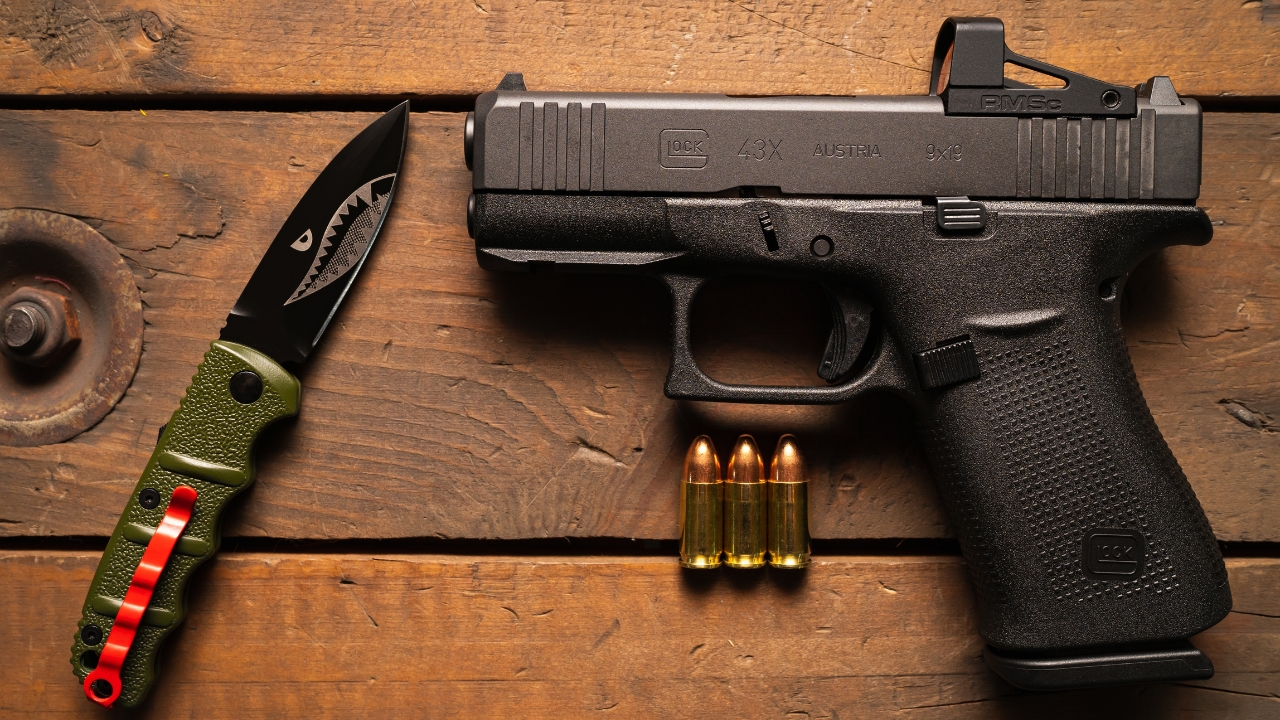
The 43X feels like the “easy button” version of the 43 because the grip is longer. It is easier to shoot well than the standard 43, but it can still be tricky when it matters. The slim frame and light weight keep recoil snappy, and the thin grip can still feel less stable than a thicker duty pistol.
The common issue shows up in speed work. You can shoot the first shot well, then the gun moves in your hand slightly and your second shot gets sloppy. If you don’t lock in your grip, you’ll chase the sights instead of tracking them. The 43X is a great carry pistol, but it’s still a small gun pretending to be a big one. You have to treat it like a carry gun in practice, not like a full-size range toy.
SIG Sauer P365

The P365 is one of the best examples of “easy to carry, harder to master.” It packs real capacity into a small frame, and it hides well. The tradeoff is how fast it moves under recoil. The gun is light, the grip is short, and the sights can be harder to track when you’re shooting quickly.
In calm range conditions, you can shoot it accurately and feel confident. Under stress, the little mistakes show up. A slightly weak grip can cause you to lose your sight picture between shots, and a rushed trigger press can throw shots off quicker than you expect. The P365 isn’t bad at all. It’s simply honest. It demands good fundamentals and it rewards practice. If you don’t train with it, it can feel like a different gun when the clock is running.
SIG Sauer P365 SAS

The SAS variant is built for snag-free carry, and it does that job. The problem is that its sighting system can be harder to use under pressure, especially at speed. If you don’t practice with it enough, you can end up hunting for that sight picture instead of seeing it instantly.
The gun is also small and light like the standard P365, so recoil management still takes work. When you add a sight system that’s different from what most shooters train with, you can slow yourself down at the moment you need speed. It’s not that the SAS can’t be used well. It’s that it requires specific practice to get fast and confident with it. A carry pistol should make your life easier, not demand a new learning curve you never commit to.
Springfield Hellcat
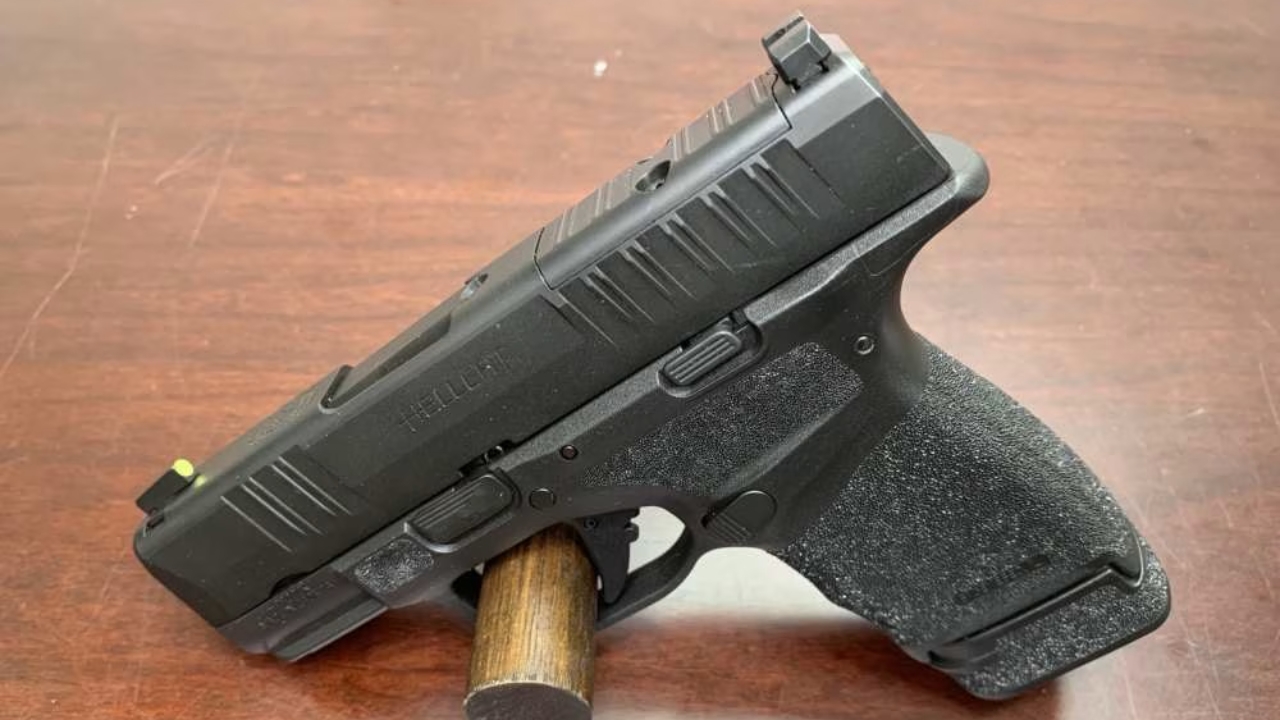
The Hellcat carries great and holds plenty of rounds for its size. It’s also snappy. That’s the reality of a small, light 9mm. The grip texture is aggressive, which helps control, but it can also make the gun feel sharp and jumpy in fast strings if your grip isn’t consistent.
Where people struggle is speed and precision together. You can shoot it slow and do fine. You start pushing cadence and your groups open up quickly because the gun is moving and the trigger work gets rushed. The Hellcat is capable, but it’s not forgiving. If you carry it, you want to spend time on recoil control and shot calling. Tiny pistols don’t give you the sight radius and weight that make mistakes disappear.
Kimber Micro 9

The Micro 9 is slim, attractive, and easy to carry, which is exactly how it hooks people. It also has the kind of small 9mm behavior that can surprise you—sharp recoil, a short grip, and a tendency to move around in your hand if you don’t lock it down.
The other challenge is that many shooters treat it like a “nice little 1911,” then realize it doesn’t shoot like a full-size steel gun. It’s lighter and less forgiving, and it demands clean trigger control when you’re trying to go fast. If you carry one, you can absolutely shoot it well, but it takes practice. The Micro 9 is great at being carried. Being shot fast and accurately under stress is a separate job, and it makes you earn it.
Kahr CM9

Kahr pistols are known for being thin and easy to carry. The CM9 fits that perfectly. The thing that trips people up is the long, smooth trigger. It’s not a bad trigger. It’s simply different, and it can be hard to run quickly without dragging shots off target.
When you’re stressed, a long trigger can tempt you to speed up the press instead of keeping it smooth. That’s how you get low hits and side pulls. The short grip also means you’re working harder to keep the gun stable in recoil. The CM9 can be accurate and dependable, but it’s a pistol that rewards deliberate practice. If you only shoot it occasionally, it can feel harder than it should when you’re trying to make fast, clean hits.
Taurus G3c
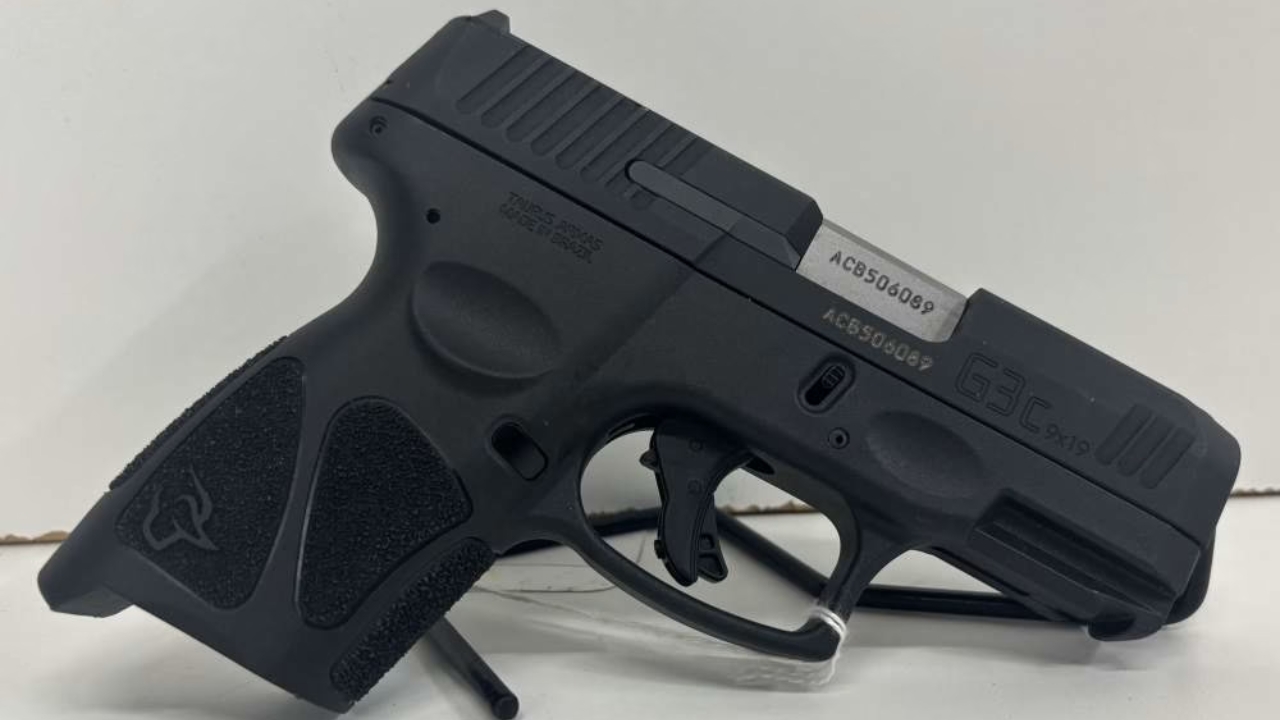
The G3c is easy to carry and affordable, which is why it’s everywhere. The challenge is that it can be harder to shoot well than people expect, especially at speed. The trigger and reset feel can vary, and the grip geometry doesn’t always help you lock in a consistent hold.
In drills, you’ll often see the same pattern: acceptable slow-fire accuracy, then scattered hits when you push cadence. That’s not always the gun’s fault. It’s the reality of compact pistols with less mass and less grip. The G3c can work, but it asks you to be honest about practice. If you carry one, you should verify that you can draw, hit, and run it clean under a timer. A bargain carry gun is only a bargain if you can actually run it.
Beretta Tomcat
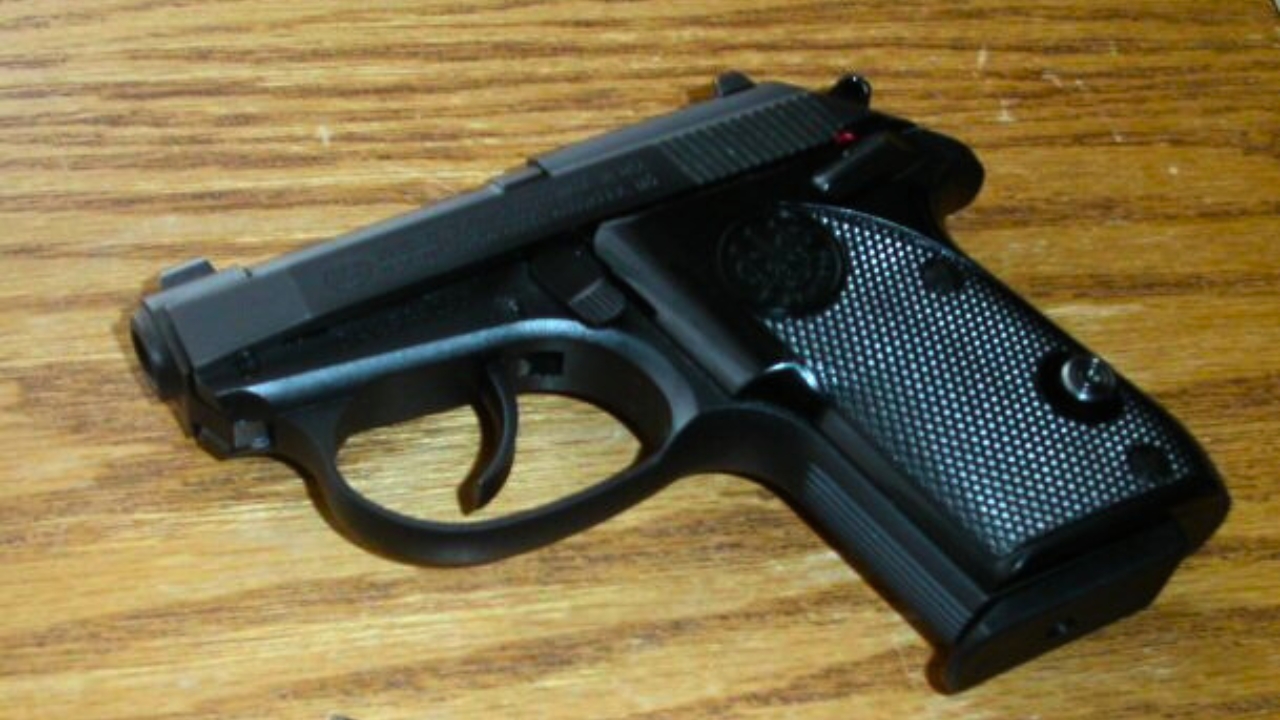
The Tomcat is small, convenient, and easy to stash. It also shoots a cartridge that many people underestimate, and it comes with the quirks of tiny pistols. The grip is short, the sights are minimal, and the gun can be harder to control quickly than you’d expect from a mild-caliber handgun.
The bigger problem is confidence. Tiny pistols make you feel under-gunned, so you rush shots trying to “make it count.” That’s how accuracy falls apart. The Tomcat can work in its lane, but it’s not a pistol that makes speed easy. If you carry it, you want to practice realistic distances and realistic cadence. It’s the kind of gun that gets carried a lot and shot a little, and that gap shows up when you need a clean hit quickly.
North American Arms mini revolvers

NAA mini revolvers are the definition of easy to carry. They’re also notoriously hard to shoot well under stress. Tiny grips, tiny sights, and a short barrel make precision work difficult even when you’re calm. Add adrenaline and it gets rough.
Reloading is slow, and handling is fussy. It’s a last-ditch tool, not a primary fighting pistol. The problem is that some people carry one because it disappears, then never train enough to understand its limits. These minis can be accurate in careful hands, but they demand time and patience. If you’re carrying one for “better than nothing,” that’s honest. Just don’t pretend it’s easy to shoot well when it matters. It’s hard, and it stays hard.
J-frame .357 Magnum snubs
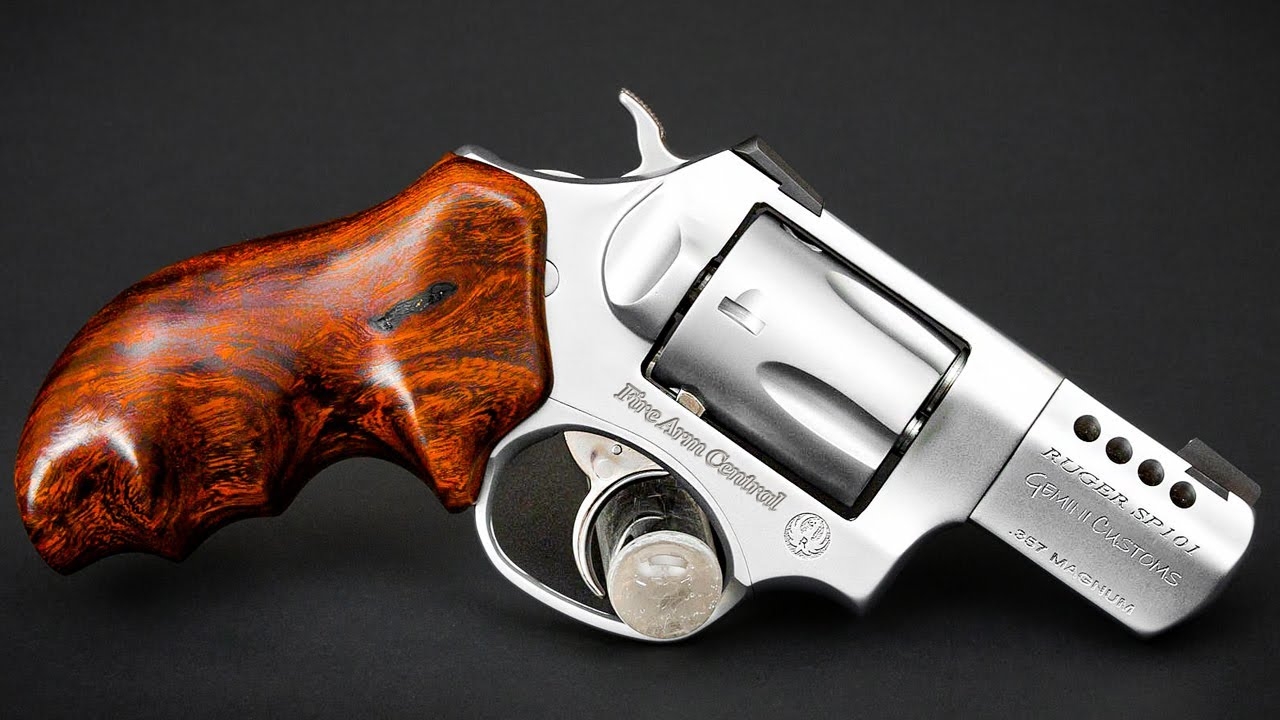
A small .357 revolver carries well and feels reassuring. Then you actually shoot it with real .357 loads. The recoil is sharp, muzzle blast is intense, and the gun can be difficult to control for fast follow-up shots. Even good shooters can get humbled by a light snub in full power.
The trap is believing that “more power” equals “more effective” in the real world. If the gun makes you hesitate or flinch, your hits suffer. In drills, you see it immediately. Your grip starts shifting, your trigger press gets sloppy, and your second shot takes forever. A snub can be an excellent carry option, but many people shoot them better with .38 +P. The gun is easy to carry. Shooting it well under stress is work.
Ruger LCR in .357 Magnum

The LCR is light and comfortable to carry, especially compared to heavier steel revolvers. That light weight is exactly why it can be hard to shoot well in .357. The recoil comes back fast, and the gun can feel like it’s jumping out of your hand in rapid fire.
The trigger is often good for a revolver, but that doesn’t change the recoil management problem. If you can’t keep the sights settled and your grip stable, speed and accuracy fall apart quickly. In drills, you often see shooters shoot one good shot and then lose tempo because they’re recovering from the blast. The LCR is a great carry revolver, but the .357 version makes you earn control. Many people end up training and carrying with .38 loads for a reason.
Smith & Wesson Airweight J-frames in .38 +P

Airweight J-frames are beloved because they disappear in a pocket or on an ankle and they’re simple to carry. The hard truth is that light revolvers are not easy to shoot well when speed matters. Even with .38 +P, recoil is snappy, the sights are small, and the short grip makes consistent control harder than it should be.
The other issue is trigger work. A double-action revolver trigger demands a smooth press, and under stress you can easily start yanking it and throwing shots. In drills, the Airweight teaches you quickly whether you actually have fundamentals or you’ve been coasting. It’s a practical carry gun, but it’s not forgiving. If you carry one, you want to practice the basics—draw, first-shot hit, and follow-up shots—until it feels boring. That’s the price of carrying something so easy.
Like The Avid Outdoorsman’s content? Subscribe to our newsletter so you never miss an article.
Here’s more from us: