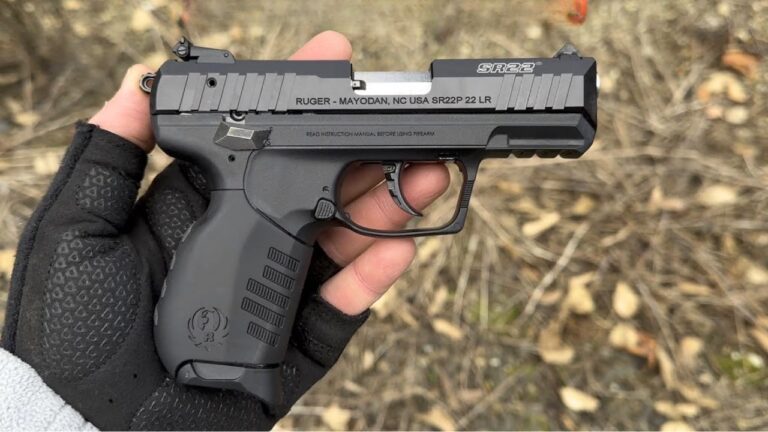
Backup guns mean different things to different people, but outdoor guides tend to treat them with a level of seriousness most folks never think about. When you’re deep in the backcountry with clients depending on your decisions, a sidearm that’s unproven or unpredictable isn’t worth the risk.
These guides want something that runs when it’s cold, dirty, wet, and shaken around in a pack for days. So there’s a whole category of guns they avoid—not because they’re unusable, but because they’ve shown enough issues over time that guides won’t gamble on them. These are the ones you won’t see carried by anyone who makes a living outdoors.
Taurus Raging Judge

The Raging Judge might look appealing because of its size and versatility, but guides rarely give it a second glance. The gun’s bulky frame makes it tough to carry as a true backup, especially when weight already adds up fast in the field. The complicated chambering adds another layer of concern when reliability matters more than novelty. Reports of heavy triggers and inconsistent performance with certain loads keep it sidelined. When you’re miles from the truck, you want something that handles predictably and draws clean. The Judge family tends to ride too close to the edge of being more interesting than dependable.
Kimber Solo

The Kimber Solo promised a compact, premium carry gun, but outdoor guides learned quickly that it didn’t live up to that role. Many models were finicky with ammunition, running best only with hotter loads that aren’t always practical as backups. Add to that a reputation for failures to feed and extract, and you end up with a gun that can’t be trusted in backcountry conditions. Guides who spend weeks outside need something that runs even when it’s dirty or neglected for a stretch. The Solo feels more like a range companion than a tool you’d trust when terrain and weather turn challenging.
Remington R51

The R51’s early production issues left a mark that never really faded in the guiding world. Even though later versions improved, the gun’s rough start made many professionals avoid it entirely. The hesitation comes from reports of uncomfortable recoil, stiff controls, and cycling issues when the gun isn’t perfectly clean. In the field, you don’t get perfect conditions. You get grit, cold mornings, and long days where a backup stays tucked against your belt or pack. Guides look for sidearms that forgive that kind of treatment, and the R51 never convinced them it could fill that role.
Desert Eagle .50 AE

There’s no denying the Desert Eagle’s presence, but it’s far from what guides want as a backup. Its weight makes it an anchor, and its tendency to struggle with dust and fouling turns it into a liability outdoors. The gun performs best when it’s clean and fed quality ammunition—conditions you rarely get in remote terrain. Guides need something they can draw and fire without thinking about whether the slide will cycle or the magazine will seat right under stress. The Desert Eagle may be fun at the range, but long seasons outside reveal its limits quickly.
Springfield XD-S Mod.2 9mm
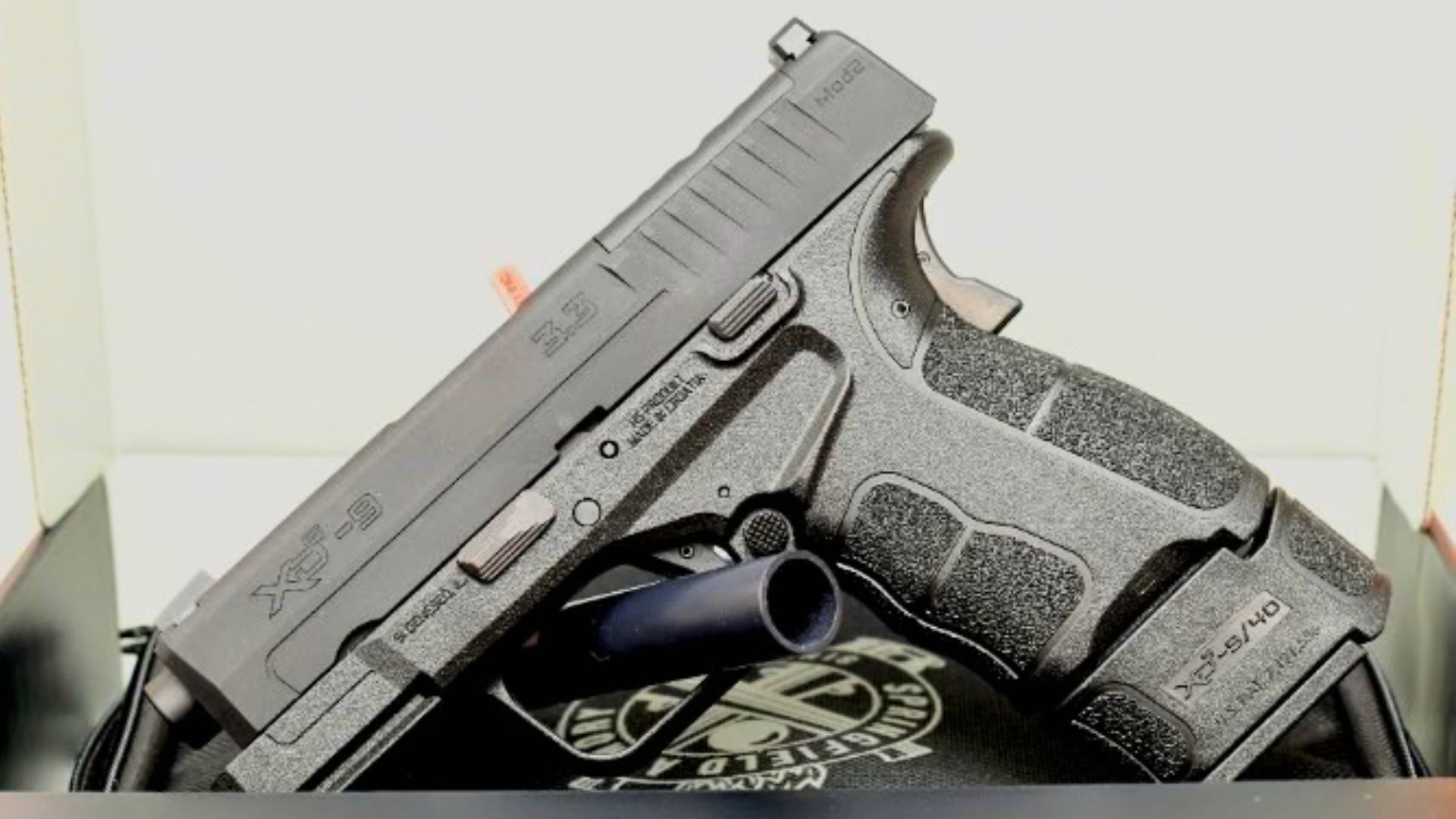
The XD-S Mod.2 is slim and comfortable, but guides have seen enough issues with grip safety sensitivity and occasional feeding hiccups that they steer clear. Backup guns need to work no matter how awkward the draw is, whether your hands are cold or wet, or whether debris has settled into the frame. The XD-S line requires a cleaner, more deliberate grip than some guides trust in rough weather. While plenty of shooters get good service from it, professionals don’t like adding variables. A backup should function even when the conditions force less-than-perfect mechanics.
Kahr PM45

The PM45 offers strong power for its size, but that same recoil and tight tolerance package is what guides tend to dislike. Heavy snap in a small frame makes repeat shots tough when adrenaline spikes, and the gun’s sensitivity to ammunition and grip variation shows up under pressure. Guides who rely on muscle memory want something that behaves consistently even when their hands are cold or they’re balancing uneven ground. The PM45 feels more specialized than practical in that role. Its compact design doesn’t offset the challenges it brings to fast, controlled shooting in real-world field conditions.
Walther CCP (original model)

The original CCP attracted interest because of its soft recoil system, but guides moved away from it after reports of tricky takedown procedures and reliability concerns. A backup gun needs to be serviceable in minutes, not something that requires tools or careful steps to keep running. Some models struggled when exposed to dust, grit, and fluctuating temperatures—conditions any outdoor crew expects daily. Even with improvements in later generations, the early issues lingered in the minds of professionals. Once guides see a pattern of finicky behavior, they stick with platforms proven across long seasons.
Colt Mustang Pocketlite

The Colt Mustang has an appealing size, but outdoor guides hesitate because of its small manual controls and single-action design. In rough weather, gloves, cold fingers, and awkward angles introduce too much risk when a safety is involved. The gun’s light frame can also make it less forgiving with hotter defensive loads, sometimes leading to cycling irregularities. While it’s a classic for casual carry, guides prefer something with a more intuitive firing sequence under stress. The Pocketlite feels more suited to everyday situations than remote country where handling conditions are unpredictable.
Glock 42

While the Glock 42 has plenty of fans, many guides feel the .380 ACP chambering doesn’t offer the margin they want in a backup. The gun is soft-shooting and reliable in clean environments, but deeper backcountry work brings mud, grit, and moisture that test small guns hard. Some guides have seen the 42 struggle when exposure ramps up compared to its larger siblings. When you’re dealing with wildlife and long distances from medical help, even a backup needs to hit harder and cycle with confidence in harsh conditions. The 42 doesn’t always check those boxes.
SIG Sauer P238

The P238 is smooth to shoot and carries well, but its controls and single-action system create hesitation among working guides. Small safeties and tight tolerances don’t mix well with gloves, rain, or fast movement. While the gun can be extremely reliable when maintained properly, it’s not built for constant exposure to dirt and moisture. Guides want something that shrugs off abuse, not something that requires steady attention to stay in top shape. The P238 belongs in urban or controlled environments more than in week-long trips through uneven terrain.
Ruger LC9s

The LC9s offers a thin profile and easy concealment, but many guides have seen them develop issues once exposed to dust or extended firing sessions. The long trigger, while manageable, isn’t ideal when your hands are frozen or you’re drawing from an awkward position. The lightweight frame also transfers more recoil than expected, slowing follow-up shots. Outdoors, reliability under messy conditions is the deciding factor. While the LC9s can serve well for everyday carry, guides avoid it because it hasn’t shown the same staying power as platforms known for enduring the worst weather.
Hi-Point C9

The C9 earns points for affordability, but it’s rarely trusted by anyone who guides professionally. Its bulk-to-performance ratio is one of the main drawbacks—too heavy for its limited capacity and not durable enough for constant abuse. Some shooters report reliable function under controlled conditions, but guides have seen enough failures linked to magazine fit, feeding, and environmental fouling to keep it off their belts. A backup gun is the last line of defense, and even a small chance of malfunction is too much. The C9 stays in the realm of budget practice guns, not field tools.
Like The Avid Outdoorsman’s content? Be sure to follow us.
Here’s more from us: