Photo credit: WHO_TEE_WHO/YouTube
When ammo disappears off the shelves, it usually tells you something. Either folks are buying it up because it works, or because some social media hype turned it into the next big thing—for about five minutes. You’ve seen it before. A flashy new cartridge rolls out, everyone wants a piece of it, and then six months later, you can’t find it anywhere… and nobody’s talking about it anymore.
The truth is, some calibers come and go without ever proving themselves in the field. Others do alright, but still fade because they were more trend than tool. If you’re stocking up for hunting, defense, or just the next ammo drought, there are a few cartridges that tend to disappear faster than they perform. And when they vanish, they don’t leave much behind except empty promises and some confused gun owners.
.30 Remington AR
The .30 Remington AR was supposed to bring .308 power to the AR-15 platform. That pitch got a lot of attention early on, especially from hunters who liked the idea of a harder-hitting round in a familiar rifle. But the problems piled up fast. Magazine compatibility was limited, performance didn’t quite match the marketing, and ammo wasn’t exactly cheap or common.
It wasn’t long before shooters started trading their uppers for something more proven. And once Remington went under, any hope of the cartridge making a comeback basically died with it. You can still find rifles chambered in .30 RAR floating around, but good luck finding ammo unless you’ve been hoarding it since 2010.
.17 Winchester Super Magnum

On paper, the .17 WSM looks like a laser beam. It’s fast—really fast—and for small game or varmint work, it offers some of the flattest trajectories in the rimfire world. But in real life, it never got the traction Winchester hoped for. Part of that was cost. Ammo prices were much higher than .17 HMR, and rifles were limited and sometimes finicky.
For most folks chasing prairie dogs or squirrels, .22 LR and .17 HMR already covered the bases. And the added velocity didn’t justify the jump in price or the headaches trying to find ammo. These days, the .17 WSM feels more like a footnote than a revolution.
.25 WSSM
The .25 Winchester Super Short Magnum was fast and flat, sure, but it never quite caught on. Winchester thought the WSSM lineup would be the future—more power in shorter actions with lighter rifles. And while some of the ideas made sense, the execution didn’t. The .25 WSSM burned barrels fast and didn’t deliver enough of an advantage over the .25-06 to make the trade worth it.
Once the novelty wore off, most hunters realized they were paying more for ammo that wasn’t any easier to find and didn’t offer much in return. These days, you’re more likely to see WSSM brass in a handloader’s oddball collection than on any shelves.
5.7x28mm
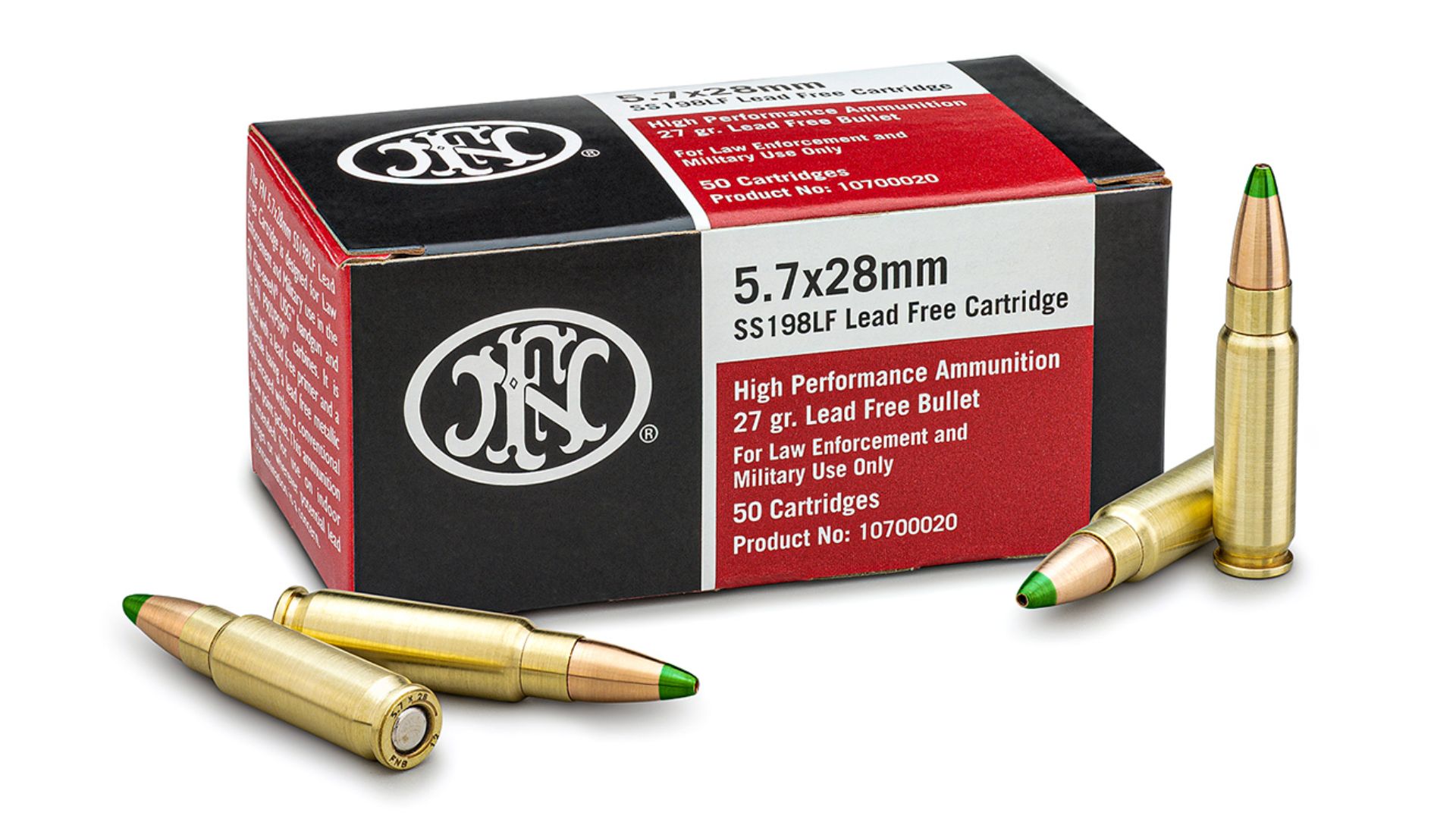
You’d think a cartridge that’s been around since the early ’90s would be more common. But 5.7x28mm has always lived in this weird middle ground. It’s not quite rifle, not quite pistol, and never really did either job exceptionally well. Sure, it’s flat-shooting and fast, and the guns that chamber it—like the FN Five-seveN or Ruger-57—have a loyal following.
But ammo availability has always been spotty, prices fluctuate wildly, and for most shooters, it’s hard to justify. Add in limited terminal performance compared to more common pistol rounds, and you’ve got a caliber that flares up in popularity every few years and then fades again just as fast.
.327 Federal Magnum
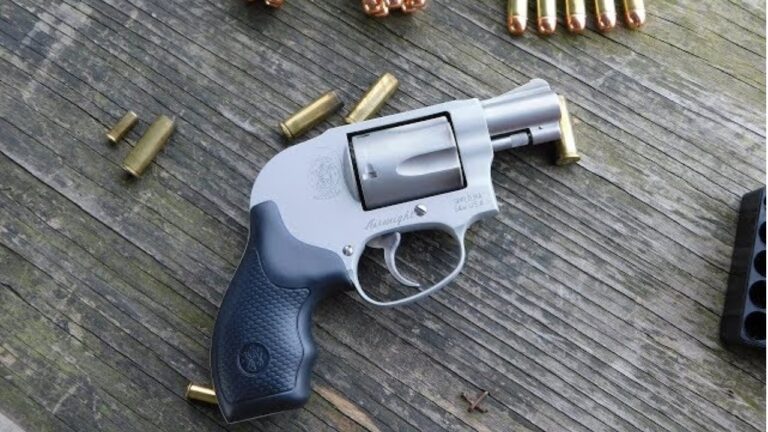
The .327 Federal Magnum promised magnum power in a small frame revolver. And for folks who like wheelguns, it seemed like a dream—six shots instead of five, decent velocity, manageable recoil. But outside a niche group of shooters, it never took off. Ammo options stayed limited, and most folks didn’t want to add another caliber to their lineup when .357 and .38 Special were already easy to find.
It’s still a capable round for certain uses, especially with handloaders who want variety. But in terms of factory support and mainstream popularity, the .327 came and went. Good luck finding more than one or two boxes at a local shop, if that.
.300 AAC Blackout Subsonic

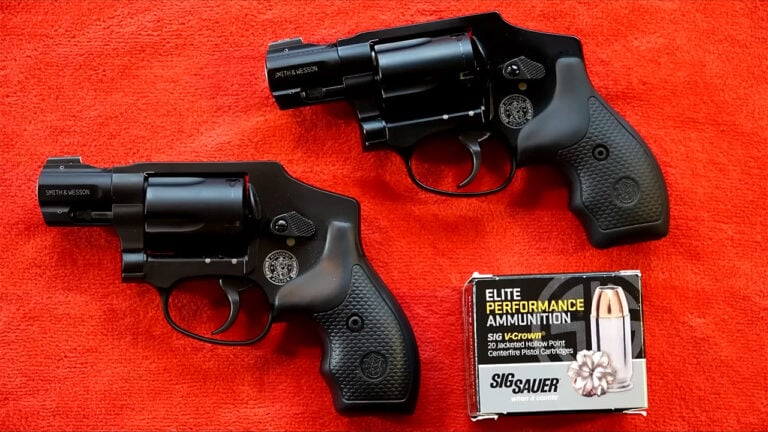
This one’s controversial, but it belongs here—at least the subsonic side of it. When suppressed ARs got trendy, .300 BLK subsonic became the go-to. Quiet, heavy, and fun to shoot, it checked a lot of boxes. But when supply chains got tight, subsonic loads were often the first to disappear. And they were usually the last to come back.
The high cost of the ammo, limited applications outside of suppressed guns, and lower terminal performance compared to supers made many folks re-think their setups. Unless you’re running a suppressor full time, subsonic .300 BLK doesn’t offer much. And when it vanishes, you’re left with an awkward rifle and not much to feed it.
.204 Ruger
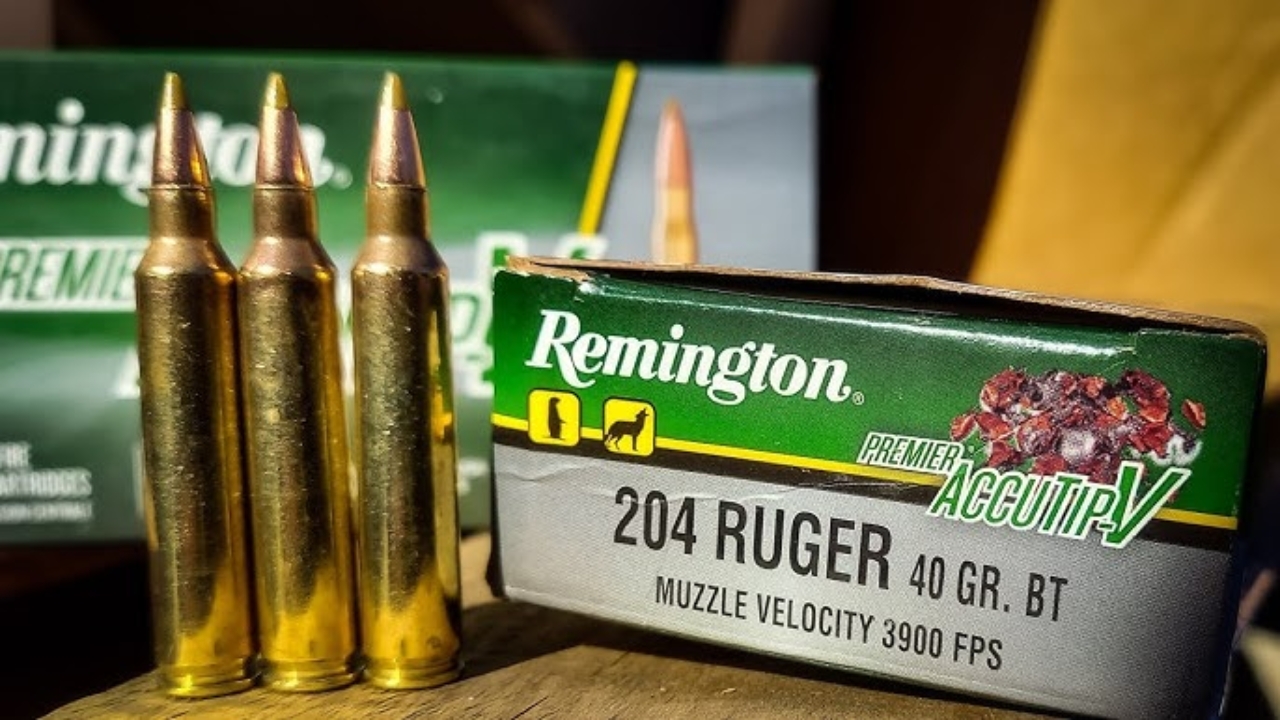
The .204 Ruger had a strong start. Flat-shooting, fast, and accurate, it was tailor-made for varmint hunters. And for a while, it looked like it might replace .22-250 and .223 in the prairie dog fields. But then ammo got scarce, factory rifles dried up, and even diehard fans started going back to more available calibers.
There’s nothing wrong with the .204 Ruger—it’s still a great round. But if you don’t reload, good luck keeping a steady supply. And with manufacturers focusing on calibers with broader appeal, this one keeps slipping further off the radar. One run on ammo is all it takes for it to disappear. Again.
Like The Avid Outdoorsman’s content? Be sure to follow us.
Here’s more from us:
The worst deer rifles money can buy
Sidearms That Belong in the Safe — Not Your Belt
*This article was developed with AI-powered tools and has been carefully reviewed by our editors.