Photo credit: Thomas Torget/Shutterstock.com
There’s no shortage of tips when it comes to chasing coyotes, but some of the most important lessons come from hard-earned screwups. Even experienced hunters fall into these same traps—busting setups, blowing stands, and wondering why nothing ever shows up. If coyotes are outsmarting you more often than you’d like to admit, chances are one (or a few) of these mistakes are to blame. Fix them, and your luck in the field might start turning around.
You’re Calling Way Too Often

It’s tempting to keep hammering that distress call, especially when nothing’s showing. But overcalling is a dead giveaway. Coyotes aren’t stupid—they’ll figure out it’s a setup if the sounds don’t match what they expect.
Let silence work in your favor. Hit the call, wait several minutes, and resist the urge to keep pushing buttons. A coyote might already be circling, waiting for a better look. Give it time to commit before switching sounds or calling again.
You Ignore the Wind (Until It’s Too Late)

Nothing blows a stand faster than your scent blowing right where the coyotes are coming from. They won’t bark or bolt—they’ll just disappear. You’ll never even know they were there.
Before you set up, make checking the wind a habit. You want it in your face or at least quartering away from where you’re calling. A few steps in the right direction can save the whole setup.
You’re Relying on the Same Old Sounds

If all you ever use is rabbit distress, you’re going to strike out more than you should. Coyotes hear that sound constantly, especially in high-pressure areas. They’ve learned not to fall for it.
Mix things up. Try coyote vocals, bird distress, pup yelps—anything that breaks the pattern. Changing sounds doesn’t just pique curiosity—it resets their expectations and keeps them guessing.
You’re Sitting Out in the Open
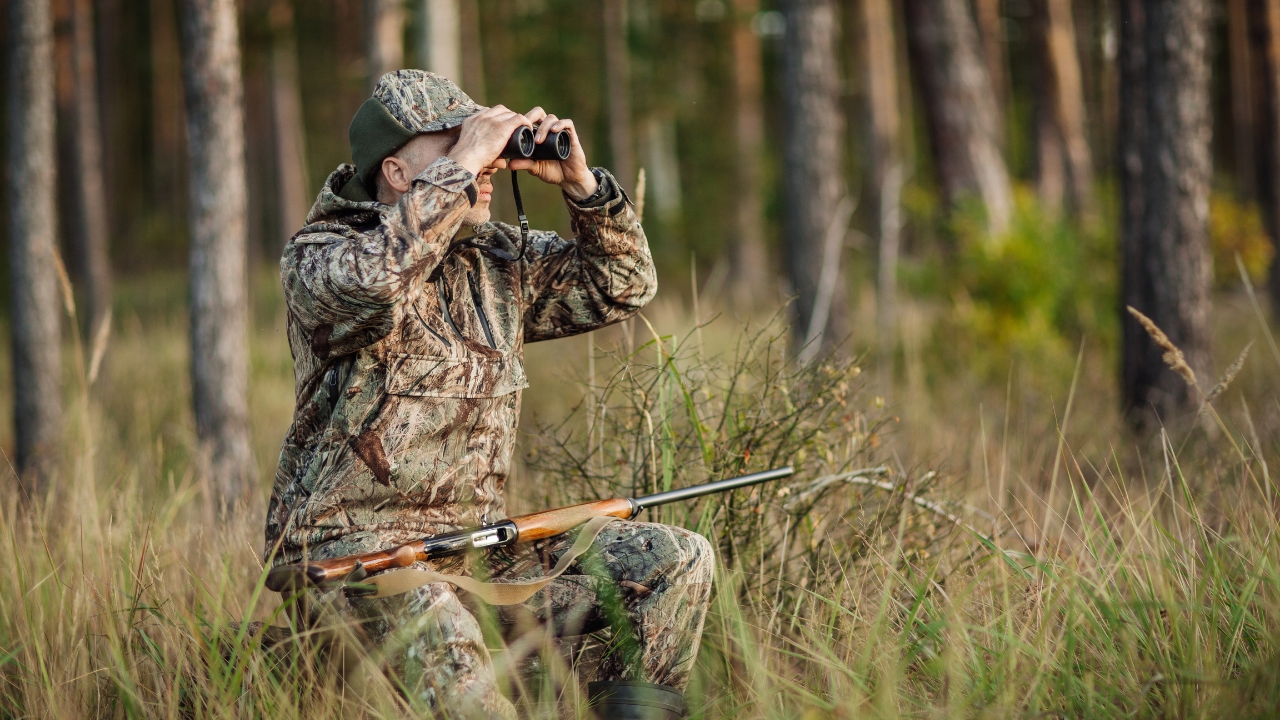
Skyline yourself on a ridge and you’re just asking to get busted. Coyotes notice shapes and movement faster than most hunters realize. If they can spot you, the game’s already over.
Blend into cover—sit in front of brush, tuck into a shadow, and stay low. Camouflage helps, but good natural concealment is better. The less you move, the more likely you’ll get that shot.
You’re Leaving Too Soon

Coyotes don’t always sprint in the second they hear a call. Some hang back and size things up. If you’re packing up ten minutes after you start, you’re likely missing your window.
Give each stand at least 20–30 minutes. Even if the action feels slow, that patience pays off. The best stands are often the ones you almost gave up on.
You’re Not Scanning Enough

Most hunters focus on where they expect coyotes to show up. Problem is, they don’t always play by the rules. Coyotes circle, come from behind, or show up on the fringe.
Keep your eyes moving. Slow, deliberate scans let you catch movement without tipping off your location. You’re not just watching one trail—you’re guarding the whole perimeter.
You Make Too Much Noise Walking In

Coyotes don’t just respond to your calls—they hear you long before that. Slam a truck door, crunch through leaves, or talk with your buddy, and they’ll be gone before the stand even starts.
Get quiet early. Close doors gently, walk slow, and whisper if you need to talk. Stealth matters more than most realize, especially within the last couple hundred yards.
You Didn’t Scout the Area First

Just dropping into a spot and hoping for the best might work once, but it’s not a real plan. Coyotes have patterns, travel routes, and bedding zones. If you don’t know them, you’re working blind.
Look for tracks, scat, trails, and ambush points. Game cameras and glassing can help too. If you understand how coyotes use the land, your odds of a good setup go way up.
You’re Shooting Too Soon

Coyotes often come in fast—but that doesn’t mean you have to shoot the second you see fur. A rushed shot usually means a miss or worse, a wounded animal.
Wait for them to stop or turn broadside. Let them get into your kill zone. A calm, well-placed shot beats a rushed one every time. Don’t waste all your setup effort by pulling the trigger too early.
You Haven’t Practiced Real-World Shots

Zeroing your rifle off a bench is fine for the range, but coyote hunting rarely gives you that kind of setup. You’ll be shooting off sticks, prone, kneeling, or with a jacked-up heart rate.
Practice how you’ll actually shoot in the field. Quick target acquisition, shooting from weird positions, and staying steady under pressure all matter. When the coyote shows, you’ll be ready—no excuses.
*This article was developed with AI-powered tools and has been carefully reviewed by our editors.