Photo credit: WHO_TEE_WHO/YouTube
A caliber can get a reputation the same way a local diner does—one guy has a great experience, tells five buddies, and suddenly it’s “the best” even when half the people who try it walk out disappointed. With cartridges, the gap usually isn’t the round itself. It’s the way people use it. Wrong bullet, wrong distance, wrong rifle setup, or a shooter who practices at a bench and hunts from awkward field positions. Then they blame the animal, the angle, the brush, or the moon.
What matters is what you see in real hunting: blood trails, pass-throughs, recovered bullets, tracking jobs, and how often a shot turns into an all-day ordeal. These calibers have plenty of fans, and they can work well. But a lot of hunters swear by them while their results show a different story.
6.5 Creedmoor
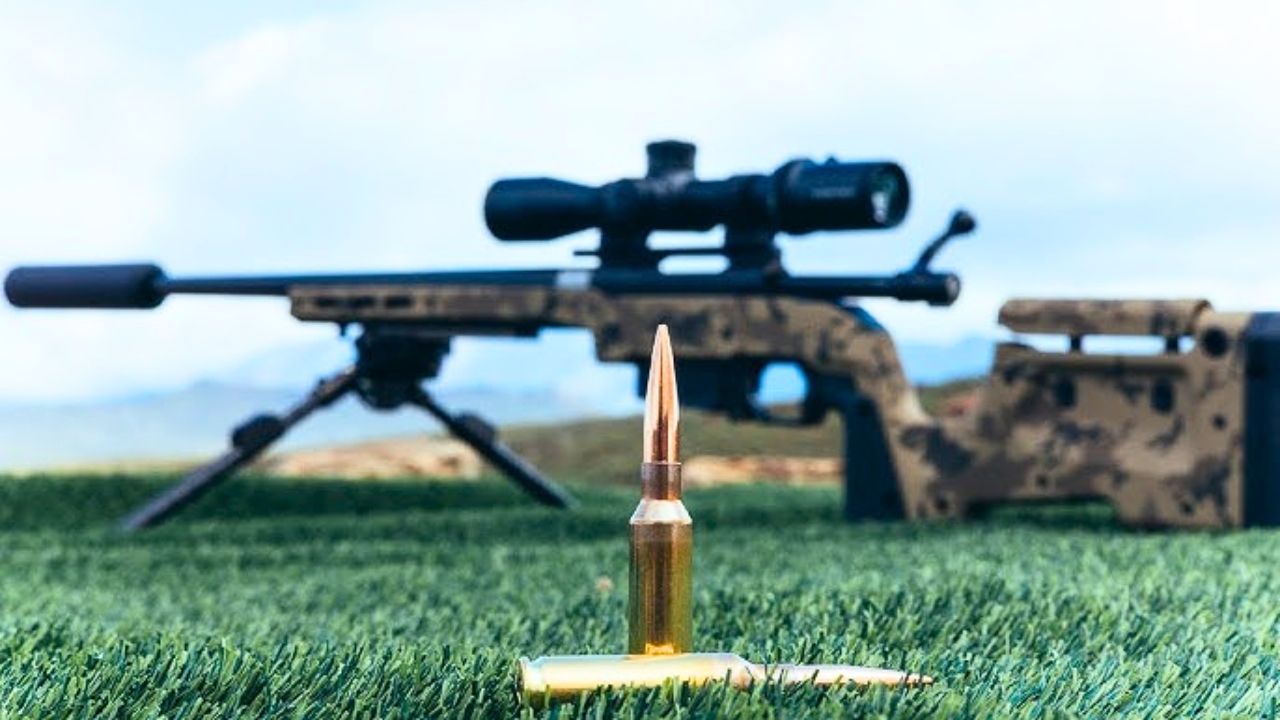
The 6.5 Creedmoor gets praised like it’s a magic wand for deer and elk, mostly because it’s easy to shoot well. That part is true—mild recoil helps you place shots, and good placement kills clean. The trouble comes when people treat it like a heavy-hitting hammer instead of a precision tool.
On larger game, especially elk, the results depend heavily on bullet choice and distance. If you run thin-jacketed deer bullets or push shots too far, you can get shallow penetration or long tracking jobs. The Creedmoor doesn’t fail because it’s weak. It fails because hunters ask it to do magnum work and then act surprised when it doesn’t. When you keep shots sensible and pick a tough bullet, it can perform. When you chase internet bragging distances, it can make you work.
.223 Remington

There’s always a crowd that swears .223 is all you’ll ever need for deer, and some of them have the photos to prove it. It can work, especially with proper bullets and close-to-moderate ranges. The problem is that it leaves very little margin for error on shot angle, bone, and imperfect placement.
In real hunting, people who swear by .223 often forget to mention the shots they passed up, the angles they refused, or the times they had to track farther than they like. Light bullets don’t forgive shoulder hits, and cheap varmint ammo can blow up and fail to penetrate. If you’re disciplined, you can make it work. If you hunt like most people actually hunt—quick shots, odd angles, brush, adrenaline—you’re more likely to see results that don’t match the confidence.
.300 Winchester Magnum

The .300 Win Mag has a reputation for solving problems, and on paper it does. It carries energy, it hits hard, and it can reach. The real-world mismatch comes from what it does to the shooter. A lot of hunters “swear by it” while quietly developing a flinch they refuse to admit.
You’ll see it at the range: groups that look fine slow, then open up the moment someone shoots faster or from field positions. In the woods, that becomes high shoulder hits, gut hits, and “I don’t know what happened” stories. The cartridge isn’t inaccurate. The rifle setup and recoil often make the shooter inaccurate. If you’re practiced and honest with yourself, it’s deadly. If you bought it for confidence and didn’t put in the work, the results often don’t match the talk.
7mm Remington Magnum

The 7mm Rem Mag is another one that gets praised as the do-it-all answer. It shoots flat, it hits hard enough for most big game, and it has a long history of success. The mismatch happens when people use it as a shortcut for range estimation and wind reading.
In real hunting, the “flat shooting” reputation tempts hunters to stretch shots without the skill to back it up. Then you get poor hits at distance and long tracking jobs that get blamed on everything but the decision-making. Another issue is recoil management. It’s not the worst magnum, but it’s enough to create bad habits in shooters who don’t practice. The 7mm Rem Mag works extremely well when you keep your head on straight and shoot within your ability. When you let the reputation make decisions for you, it can bite.
.270 Winchester

The .270 is a classic for a reason, and it has probably killed more deer than most modern trends ever will. The mismatch comes from how people treat it like it’s automatically effective no matter what bullet you stuff in it. A fast .270 with light, soft bullets can make messy wounds and inconsistent penetration when you hit bone.
Real-world results vary a lot by load. Some hunters swear by the cartridge while using bullets better suited for open-country deer and then taking quartering shots through shoulder. That’s when you see shallow penetration and tracking that doesn’t match the “laser beam” reputation. The .270 isn’t weak. It’s fast, and fast bullets behave differently. If you choose a controlled-expansion bullet and keep shots sensible, it performs exactly like it should. If you treat it like a hard-hitting .30 with any old bullet, you’ll see the gap.
.243 Winchester

The .243 gets called a “perfect deer round” by people who value mild recoil, and that’s fair. It’s easy to shoot well, and with good bullets it kills deer cleanly. The mismatch shows up when hunters use varmint-style bullets or take bad angles and expect the same results as a heavier caliber.
In real hunting, the .243 often exposes impatience. People rush shots because recoil is light and confidence is high, then they’re surprised by limited blood trails or a deer that runs farther than expected. It also doesn’t love heavy shoulder hits with fragile bullets. If you pick a tough deer bullet and place it well, it’s effective. But if you hunt like it’s a .308 and take every angle offered, your results can look a lot less impressive than your confidence sounded at camp.
.30-30 Winchester

The .30-30 has more fanboys than it gets credit for, and plenty of them have earned that confidence. It’s a great woods cartridge. The mismatch comes when people act like it’s a 200-yard laser because they’ve seen a few good stories or because their buddy dropped a deer at a long distance once.
Real-world results can get sloppy when people stretch it too far with traditional loads or take shots through brush expecting it to “plow through.” The .30-30 doesn’t cheat physics. At longer ranges, drop and wind matter more, and expansion can be less dramatic depending on the load. Modern ammo can extend capability, but it doesn’t turn it into a flat shooter. The .30-30 is at its best when you treat it like a woods hammer and keep shots reasonable. When you ask it to be something else, the results don’t match the stories.
.350 Legend

The .350 Legend gets praised as the perfect straight-wall deer cartridge, especially in states with straight-wall rules. It’s low recoil, affordable, and it can be very effective inside its comfort zone. The mismatch happens when people treat it like a do-everything rifle round and then take shots past where the cartridge shines.
At longer distances, you can see steep drop and reduced impact speed that affects expansion, especially with certain loads. The cartridge can also vary a lot by bullet selection. Some loads perform great, others feel underwhelming. Hunters swear by it because it’s convenient, then wonder why their results get inconsistent when they stretch the range or use bullets not built for their expected impact speeds. Keep it inside its lane, and it’s a smart deer tool. Treat it like a .308 substitute, and you’ll see the gap.
.45-70 Government

The .45-70 has a reputation for dropping anything that walks, and it can—under the right conditions. The mismatch is that not all .45-70 loads are created equal, and not all rifles handle the same. A mild trapdoor-style load isn’t the same animal as modern high-pressure hunting loads.
In real hunting, people swear by .45-70 and then take longer shots than they should because they assume “big bullet means big results.” Trajectory and wind matter a lot, and if you misjudge distance, you can miss clean or hit poorly. It’s also easy to shoot badly from field positions if you aren’t practiced, because recoil can be stout in lighter rifles. The .45-70 is deadly when you keep shots reasonable and choose the right load. When you let the legend drive the hunt, reality shows up fast.
6.5 PRC

The 6.5 PRC gets praised as the Creedmoor’s tougher, faster cousin, and it’s a legitimate performer. The mismatch comes when people buy it expecting instant long-range success without building long-range skill. Faster doesn’t mean forgiving, especially when wind is involved.
In real hunting, the PRC can tempt shooters into stretching shots because it shoots flat and carries energy well. Then the misses and poor hits show up when wind calls aren’t solid. It also burns barrels faster than mild cartridges, and it can encourage people to practice less because ammo costs more and recoil is sharper than they expected. The round itself is strong. The problem is the way it gets used—often as a shortcut. If you put in the reps and understand your dope, it works. If you rely on the name, results won’t match the confidence.
.28 Nosler

The .28 Nosler gets talked about like it’s the ultimate long-range hunting cartridge, and it’s definitely fast. The mismatch is that speed comes with cost—barrel life, recoil, and the kind of blast that makes practice less enjoyable for a lot of shooters. Then the shooter doesn’t practice enough to deserve the reach.
In real hunting, you’ll see guys swear by it while their groups tell a different story once the rifle heats up or the shooting position gets awkward. You’ll also see wind mistakes get punished hard at longer distances. The cartridge can do amazing things, but it doesn’t replace skill. It magnifies both good and bad shooting. If you’re disciplined, it’s a serious tool. If you bought it for bragging rights and shoot it twice before season, it often delivers results that don’t match the talk.
.30-06 Springfield
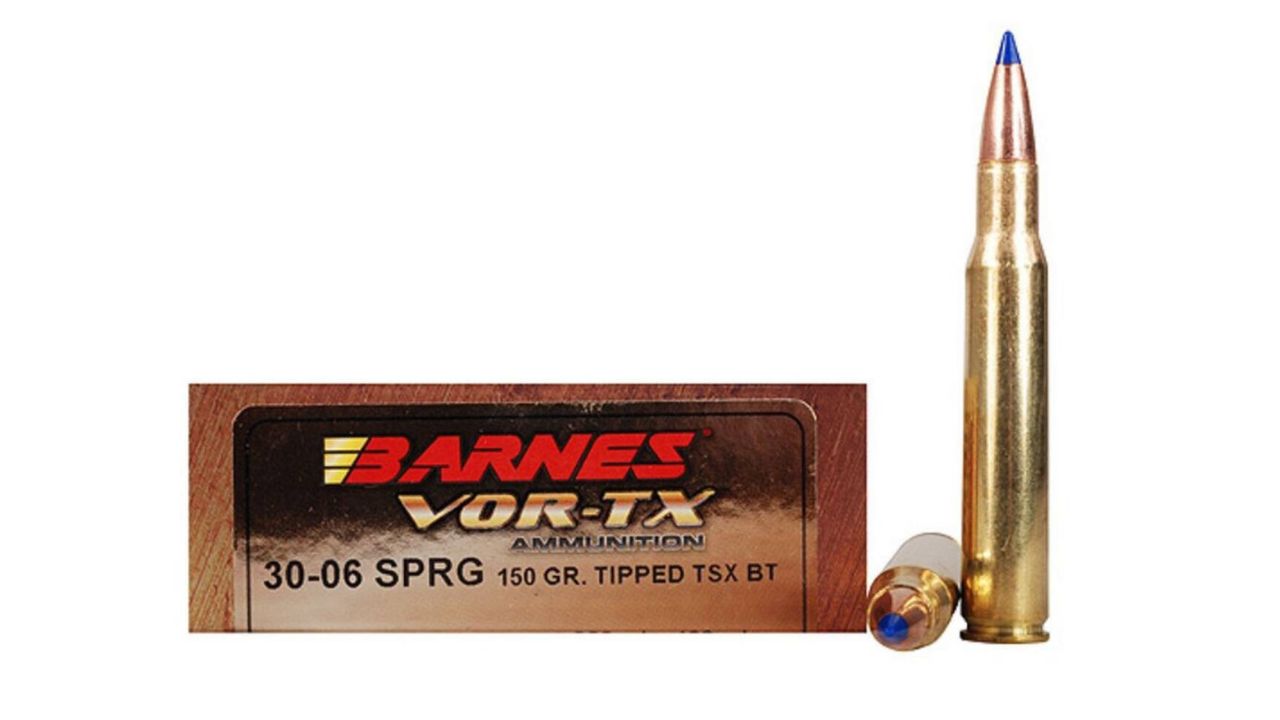
The .30-06 gets sworn by like it’s a family heirloom, and for many hunters it is. It’s versatile, it has huge load variety, and it works on almost anything in North America with the right bullet. The mismatch comes from hunters treating it like it has magical stopping power that makes placement less important.
In real hunting, the .30-06 doesn’t save bad hits any more than other cartridges do. If you’re hitting too far back, too high, or taking poor angles, you’ll still track. Another issue is that some shooters run loads that kick harder than they need and end up shooting worse than they would with a milder cartridge. The .30-06 is excellent, but it isn’t a substitute for practice and discipline. When results don’t match the faith, it’s often because the shooter relied on the reputation instead of fundamentals.
.308 Winchester

The .308 has a reputation for being steady and practical, and it is. It’s accurate, widely available, and easy to load for. The mismatch happens when people talk about it like it’s a long-range hammer, then take shots that stretch beyond what they’ve practiced.
In real hunting, .308 can deliver excellent results at normal distances. But when hunters try to push it far without solid dope and wind understanding, you see misses and marginal hits. The cartridge drops more than flatter options at longer range, and wind drift becomes a bigger player. Another mismatch is bullet choice. Some hunters use soft bullets at close range and get more meat damage than they wanted, then blame the cartridge. The .308 does what it does well, but it won’t cover for poor range discipline. It rewards realistic expectations and practice.
.22-250 Remington

There’s always someone who swears they’ve killed deer cleanly with .22-250, and it does happen. The mismatch is that it’s still a high-velocity .22 caliber cartridge with limited bullet weight, and results can swing wildly based on bullet construction and shot angle.
In real hunting, .22-250 is at its best on varmints and predators. On deer, it can work with the right bullets and careful placement, but it gives you very little margin. Shoulder hits can go badly, quartering shots can fail to penetrate enough, and blood trails can be thin when the wound channel is narrow. The people who swear by it tend to be disciplined shooters who pass up shots. Most hunters are not that disciplined when a buck finally steps out. That’s why the confidence often doesn’t match the average results.
.44 Magnum (rifle)

The .44 Mag out of a rifle gets praised as a deer slayer, and inside its comfort zone it is. It hits hard at close range, and it’s easy to handle in a handy carbine. The mismatch happens when people treat it like it carries rifle-range performance because it’s in a rifle.
In real hunting, range limitations show up fast. Drop becomes significant, impact speed falls off, and expansion can vary depending on the bullet. You can also get overly confident and take shots that are farther than you’ve practiced, because the rifle feels easy to shoot. When it’s used like a woods cartridge, it can perform beautifully. When hunters stretch it into open-field distances because “it’s a rifle,” the results often don’t match the confidence. The .44 Mag carbine is great at what it’s meant to do. It just isn’t meant to do everything.
10mm Auto (for hunting)

10mm gets sworn by as a do-it-all hunting handgun cartridge, especially for hogs and as a backup in bear country. It can work well with the right hard-cast or controlled-expansion loads, and it has real capability. The mismatch comes when people assume every 10mm load performs like a full-power hunting load.
In real use, a lot of 10mm on shelves is closer to “hot .40” than true full-power 10mm. If you don’t choose ammo carefully, you can end up with performance that doesn’t match the stories you’ve heard. Another issue is recoil and control. Some shooters talk big, then shoot poorly under pressure. A handgun cartridge already demands more precision than a rifle, and 10mm isn’t forgiving if you’re rushing shots. When you pick proper ammo and actually train with it, it can deliver. When you rely on reputation alone, results can be underwhelming.
Like The Avid Outdoorsman’s content? Be sure to follow us.
Here’s more from us: