Photo credit: PewPewDingers/YouTube
Gun culture in 2026 is split between two types of people: the ones who chase whatever looks new, and the ones who quietly adopt changes that actually make them more effective in the real world. The “trend” label makes it sound like fashion, but the stuff that sticks around usually survives because it solves problems that show up on a rainy range day, a dusty class, or a cold morning in a deer stand. The stuff that fades tends to be the gear equivalent of a sugar rush—cool for a month, annoying for the next three years, and almost always sold at a loss once the owner admits it didn’t make them shoot better or hunt cleaner.
The easiest way to sort lasting trends from dying ones is to ask one question: does it improve performance under real constraints—distance, time, weather, and human stress—without adding failure points that outweigh the benefit? If a “new thing” makes you faster at 7–15 yards, keeps hits tighter at 25, helps you see what you’re doing in low light, or makes a rifle easier to carry and shoot from awkward positions, it has a chance to stick. If it requires constant tinkering, turns basic maintenance into a science project, or only looks good on a clean bench while falling apart when carbon, dust, and sweat show up, it’s already halfway to the used shelf.
Pistol dots are here to stay because they solve a real problem in bad light and at speed
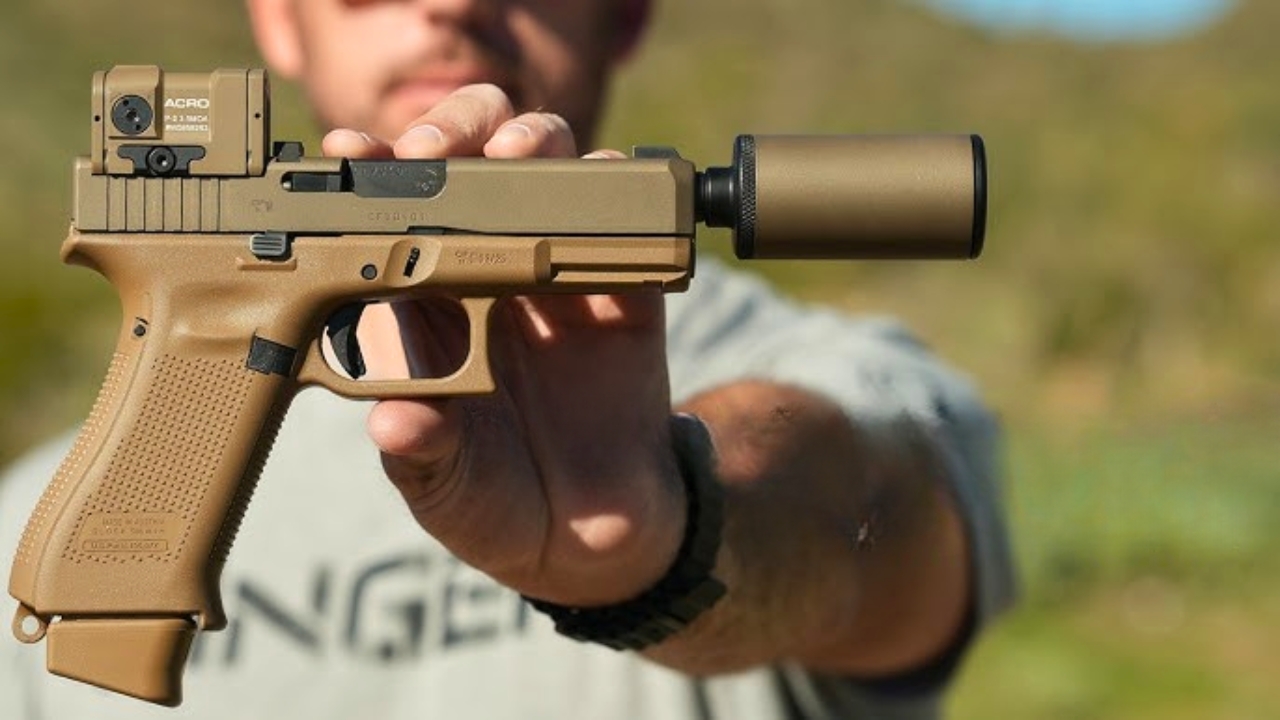
The red-dot-on-a-handgun wave is past the “early adopter” phase now, and the reason it’s sticking is simple: dots make it easier to shoot accurately when your vision, lighting, and pace aren’t ideal. In bright daylight at 7 yards, irons and dots both work if your fundamentals are decent, but that’s not where people struggle. People struggle at 15–25 yards when the target is smaller, the light is flat, and the pace forces you to make decisions quickly. A dot gives you a single focal plane to manage, and that can be the difference between a clean hit and a low-left yank when your eyes are trying to bounce between rear sight, front sight, and target while your heart rate is up.
The dot trend also sticks because it scales to real defensive and training problems. If you’ve ever shot in light rain with water on your glasses, or in cold wind where your eyes are watering, a dot can still be faster to confirm than irons that blur together. The downside is that dots add interfaces, and interfaces create failure points: plates can loosen, screws can back out if you don’t torque and thread-lock correctly, and cheap mounting setups can shift just enough to ruin confidence. The people who thrive with dots treat the optic like equipment, not decoration, and they build a habit of checking torque, confirming zero at 10 and 25, and keeping the lens clean without flooding it with oil or grit.
Suppressors are becoming normal gear, but the “set it and forget it” mindset is fading
Suppressors aren’t a novelty anymore, and they’re not just for guys trying to look cool on the internet. They stick because they reduce blast, protect hearing in the real situations where you won’t have muffs on, and they make it easier to spot impacts on a rifle when you’re shooting prone or off a pack. If you’ve hunted in a tight blind and touched off a .308 or .30-06 without protection, you already know why this matters. A suppressor doesn’t turn a rifle silent, but it takes the edge off enough that follow-up shots are calmer, communication is better, and you’re less likely to develop that subconscious flinch that comes from repeated blast exposure.
What’s fading fast is the belief that a suppressor automatically improves everything with no tradeoffs. In reality, you’re adding backpressure, heat, and carbon, and those change how a system runs. Semi-auto rifles can get dirtier faster, extractor and ejector behavior can change as fouling builds, and some loads that ran perfectly unsuppressed can start showing sluggish cycling once the gun is hot and dry. On bolt guns, point of impact shift can be real depending on barrel profile and mounting, and anyone who says “it doesn’t move at all” usually hasn’t confirmed it in cold weather, then again after a long string, then again after removal and reattachment. Suppressors are here to stay, but the grown-up approach—verified zero, realistic maintenance, and acceptance of heat and fouling—has replaced the old fantasy that it’s a free upgrade.
Micro-compacts aren’t going away, but the “tiny gun solves carry” trend is cooling off
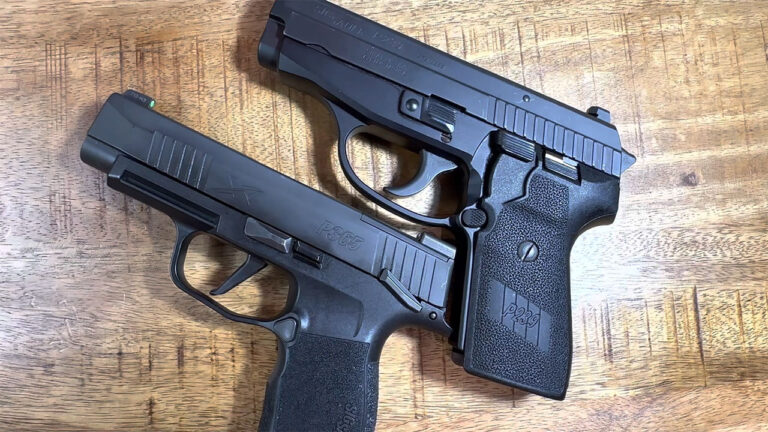
The micro-compact pistol boom is still alive because people genuinely want guns they’ll actually carry, and size and comfort matter. A pistol that disappears under a T-shirt in July is more likely to be on your belt than a full-size gun that prints, digs, and gets left at home. The reason this trend sticks is practical: smaller guns lowered the barrier to entry for daily carry, and that has changed the market permanently. For a lot of people, a reliable micro-compact with a quality holster and a disciplined routine is a better real-world solution than a larger pistol that never leaves the safe.
But the part that’s fading is the idea that smaller automatically equals better, because more shooters are learning the hard way that tiny guns are harder to shoot well. Short grips reduce leverage, light frames snap more in recoil, and a short sighting system punishes slop. That shows up when you run realistic drills: drawing from concealment, firing two accountable shots at 7, then transitioning to a 15-yard hit with pace. A micro-compact can do it, but it demands more consistency in grip and trigger press, and it is less forgiving when your hands are cold or sweaty. The trend isn’t reversing, it’s maturing, and you’re seeing more people land on “carryable but shootable” midsize options because they finally admitted that comfort means nothing if you can’t place hits when the target isn’t a big silhouette at five paces.
The aftermarket obsession is fading because tolerance stacking punishes people who actually shoot
There will always be tinkerers, and there will always be a market for parts, but the “mod it until it’s perfect” culture is losing steam among shooters who burn real ammo. The reason is mechanical, not philosophical. A semi-auto pistol or rifle is a timing machine, and when you start swapping parts—light striker springs, different recoil springs, reduced-power trigger springs, aftermarket barrels, comps—you’re stacking tolerances and changing slide or bolt velocity whether you meant to or not. It might run great for the first 200 rounds while it’s clean and cool, then start choking once carbon builds, lubrication thins, and heat changes friction. That’s when you see the classic problems: intermittent light primer strikes, failures to return to battery, erratic ejection, and feeding issues that only happen with certain magazines or certain ammo lots.
What’s sticking instead is a more disciplined “prove it before you trust it” mentality. Shooters are learning that reliability testing means shooting the gun hot, a little dirty, with the ammo you’ll actually use, and with the magazines you’ll actually carry. It means confirming that your extractor isn’t barely hanging on, that your mags aren’t weak, and that your lubrication isn’t either absent or excessive for the environment. If you live where it’s dusty, running a gun dry can turn grit into a grinding compound. If you’re hunting in freezing drizzle, drowning the action in heavy oil can slow things down and attract debris. The trend that survives is simplicity with verification, not complexity with vibes.
Ultra-light hunting rifles are still popular, but the backlash is real and justified
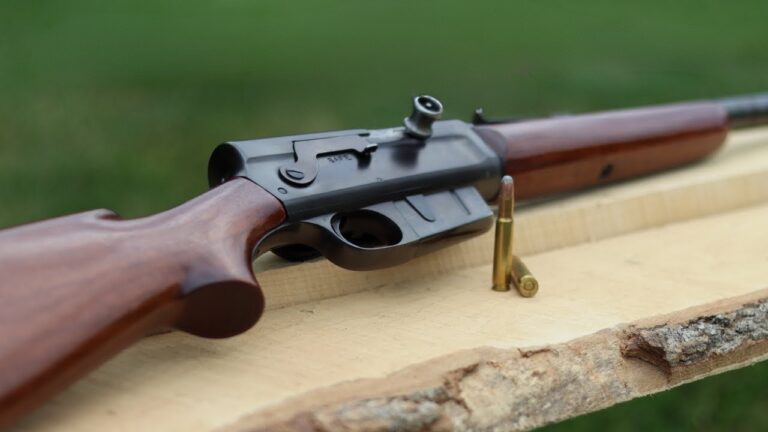
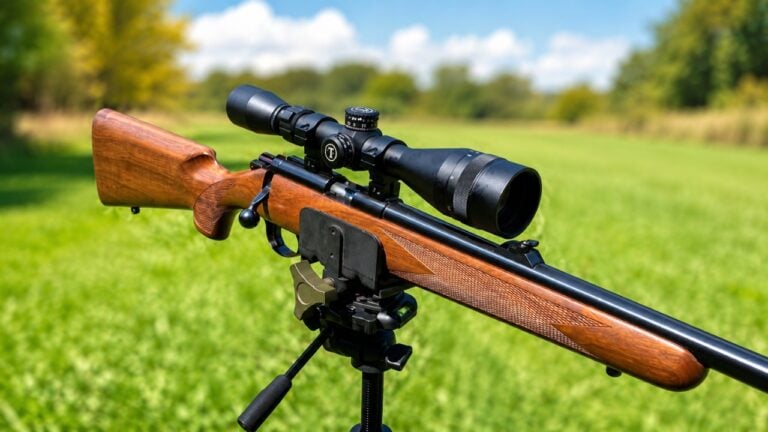
Light rifles sell because nobody wants to climb a ridge with a fence post, and I get it. If you’ve packed a rifle all day in steep country, ounces become pounds and pounds become a reason to stay home. The light rifle trend is here to stay because the carry benefit is real, and modern materials made it possible to build rifles that are both light and reasonably durable. For a hunter who shoots a couple rounds a year and stays inside 200 yards, a light rifle can be a perfectly practical tool, especially if the cartridge choice is sensible and the optic is mounted correctly.
The part that’s fading is pretending that ultra-light rifles don’t have consequences. They recoil harder, they’re less forgiving of poor form, and they can be more sensitive to how you support them, especially from field positions. That’s how you end up with the guy who can shoot a one-inch group off a bench in September, then misses a deer at 120 yards in November because he’s flinching, his shoulder pocket is different under heavy clothes, and the rifle is bouncing off a pack rest in the wind. Light rifles can also expose mounting issues faster, because sharper recoil and more movement can loosen screws that were never torqued correctly. The trend that survives is “light enough to carry, heavy enough to shoot,” and that’s a good thing for clean kills and honest practice.
The long-range hype is fading, but practical distance skills are becoming the new standard
The chest-thumping “I can shoot 800” era is cooling off, and that’s healthy. A lot of people learned that stretching distance isn’t only about having a fast cartridge and a turret; it’s about reading wind, building stable positions, and understanding what your bullet actually does at impact speeds that change with distance and temperature. Wind is the big one. A 10–15 mph crosswind can move a bullet enough at 400 to turn a clean lung hit into a gut hit, and that’s before you factor in the reality that most field rests aren’t as stable as a prone bipod on a flat range. The more hunters who tried long shots, the more hunters discovered how easy it is to convince yourself it was “fine” right up until the recovery turns into a long night.
What’s replacing the hype is a quieter, more useful trend: people actually learning their practical limits. They’re confirming holds at 200 and 300 from the same rests they hunt with. They’re shooting in bad light and in wind instead of only on calm sunny days. They’re paying attention to cold-bore impacts and how a rifle behaves after it’s been riding in a truck, then carried into a stand, then fired once. That’s the kind of “trend” that saves animals from being wounded and saves hunters from lying to themselves. Long-range as an identity is fading, but competent distance management is becoming normal, and that’s a win.
The “one do-it-all caliber” chase is fading as bullet choice and application take the lead
Cartridge trends come and go, but the big shift that’s sticking is that more hunters are finally separating cartridge from bullet, and bullet from application. The old thinking was that you pick a caliber and you’re done. The new reality is that bullet construction matters as much as the headstamp, especially when you’re dealing with different shot angles and different impact speeds. A fast, fragile bullet can explode on close-range shoulder and fail to reach the far lung, while a tougher controlled-expansion bullet can break bone and still drive deep. At longer ranges, some bullets won’t open reliably if impact velocity drops too low, and that’s how you end up with pencil-through hits and long tracks even when the shot “looked good.”
What’s fading is the simplistic idea that the newest cartridge automatically creates better kills. What’s sticking is the hunter who chooses a sane cartridge they can shoot well, then picks a bullet that matches the animal, the distance window, and the angles they’re willing to take. That hunter also understands maintenance and setup as part of performance: clean chamber, consistent torque on mounts, a confirmed zero in the weather they’ll actually hunt in, and enough practice from field positions that the shot doesn’t feel like a surprise. Trends come and go, but that mindset—practical performance over ego—has staying power because it works in the only place that matters: the field.
Like The Avid Outdoorsman’s content? Subscribe to our newsletter so you never miss an article.
Here’s more from us: