Photo credit: TheAvidOutdoorsman
Some guns sit around long enough that buyers stop really seeing them. They feel too familiar, too plain, or too available to create any urgency. They are the rifle on the rack you assume will still be there next month, the pistol in the case you figure you can circle back to later, or the revolver you admire without feeling any pressure to actually buy. That kind of comfort usually ends the same way.
Then supply tightens, prices rise, and the gun that once felt common suddenly looks a whole lot less replaceable. These are the guns that felt common until they were not.
Smith & Wesson 5906

For years, the Smith & Wesson 5906 felt like one of those big old service pistols that would always be floating around. Police trade-ins kept the market supplied, the gun looked too heavy to feel urgent, and plenty of buyers treated it like the practical choice they could always revisit later. It seemed too common to become something worth chasing.
Then people started remembering what it actually was. The 5906 is durable, steady, and much more satisfying to shoot than many of the lighter pistols that replaced it. Once buyers began appreciating older all-metal duty guns again, the easy supply of good examples started thinning. A pistol that once felt like background inventory turned into one buyers suddenly wished they had taken more seriously.
Winchester 9422
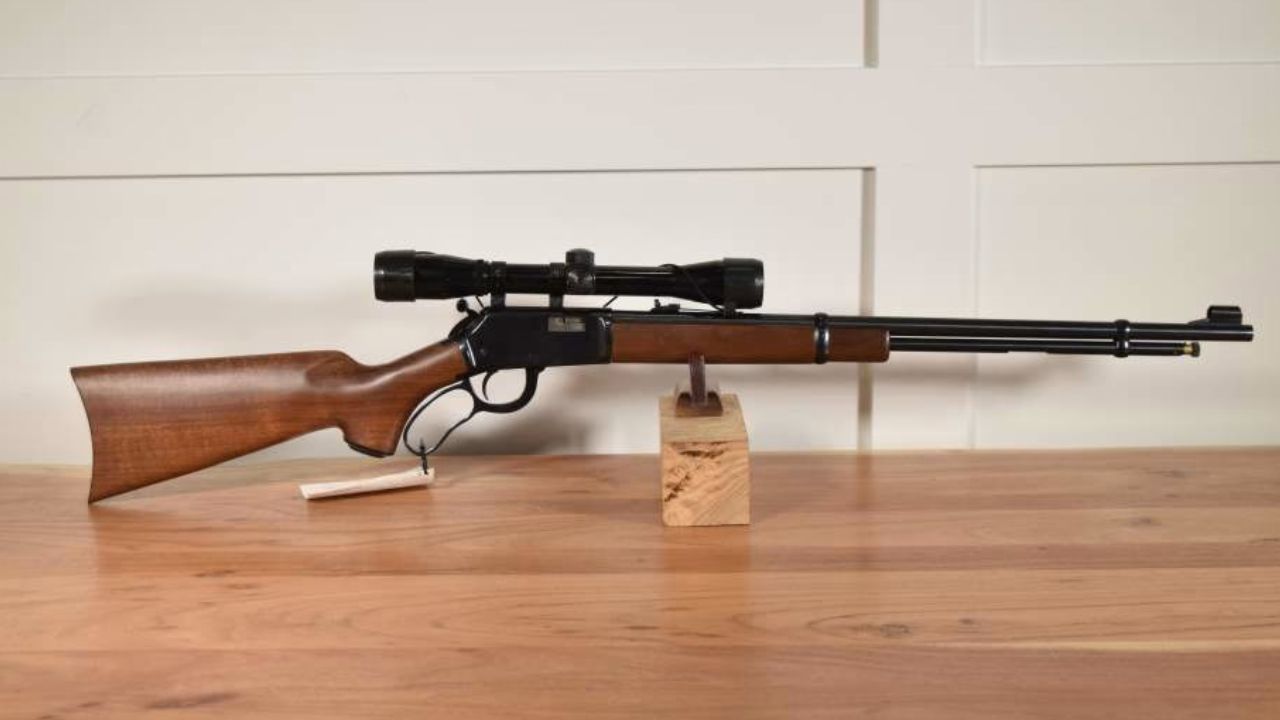
The Winchester 9422 used to sit in that comfortable space where it felt like a nice rimfire, but not one you had to rush toward. Plenty of buyers liked them, but they also assumed a quality lever-action .22 would always be around somewhere when the mood struck. That kept urgency low for a long time.
That attitude did not survive contact with the later market. The 9422 has real quality, real handling appeal, and the kind of smoothness buyers stopped finding in newer rimfires. Once people started realizing how much rifle they had been casually walking past, prices moved and availability tightened. The little Winchester had always been smart. It just took the shelves getting thinner for buyers to finally act like they knew it.
Ruger Security-Six

The Ruger Security-Six spent years being treated like the practical revolver you bought if you were sensible, not the one you bought if you wanted something special. That kept a lot of buyers calm around them. There would always be another Ruger .357 around later, so there was no need to move quickly.
Then the market got more honest. Shooters remembered that the Security-Six has excellent size, real toughness, and a useful balance between carry and shootability. Once people started valuing old service revolvers for more than just nostalgia, the easy examples got harder to replace. A wheelgun that once seemed ordinary turned into one of those “should’ve bought it when I saw it” guns.
Remington 552 Speedmaster

The Remington 552 Speedmaster always felt like one of those old semiauto .22s that would never really disappear. It was familiar, useful, and common enough that buyers assumed they had all the time in the world. That is usually how people talk themselves into passing on smart rimfires.
Later on, those same buyers started noticing how few clean Speedmasters were actually sitting around. The rifle had always offered smooth handling, practical versatility, and that easy old rimfire charm people only fully appreciate once it gets harder to buy. What looked like one more ordinary .22 turned into a rifle people realized they should have grabbed while the choice still felt casual.
Beretta 84FS Cheetah

The Beretta 84FS once looked like a classy little pistol you could admire without buying. It was too polished to seem urgent and too tied to the .380 lane for many buyers to treat it like a must-have. Plenty of people assumed nice compact Berettas would always stay affordable enough to revisit later.
That changed once buyers started valuing older metal-frame compacts more seriously. The 84FS feels refined, shoots softly, and carries a kind of quality many later carry pistols never matched. Once the market finally woke up to that, the days of seeing them as just another used-case Beretta ended fast. What felt common enough to ignore suddenly looked like a pistol buyers had underestimated for years.
Savage 99C
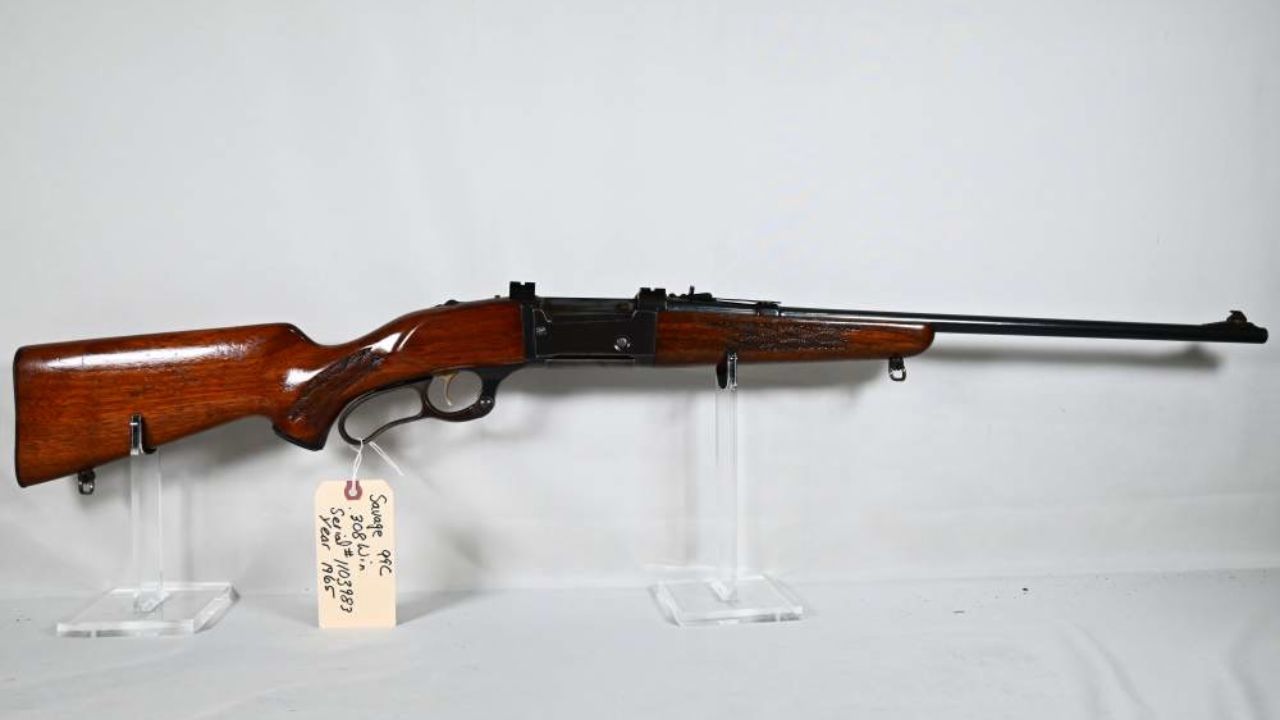
The Savage 99C was easy to overlook because it sat inside a rifle family many buyers thought they already understood. If someone wanted a Savage 99, he often imagined some other version first. That made the detachable-magazine models feel a little too ordinary within the broader 99 world, which kept urgency down.
Then the easy inventory started drying up, and people remembered that the 99C still carried all the field appeal that made the platform special to begin with. It balances well, hunts well, and feels much more alive in the hands than a lot of rifles that were supposed to replace it. Buyers eventually came around, but many of them did so after the “always around” phase was already over.
Colt Mustang

For a long time, the Colt Mustang felt like one of those neat little pistols buyers could always come back for later. It had Colt on the slide, sure, but it also sat in a lane many people treated casually. It seemed like a stylish side purchase, not the kind of handgun that would one day feel hard to replace.
That confidence faded once compact metal carry pistols started getting appreciated more seriously. The Mustang is handy, shootable, and much more than just a pocket novelty. Once buyers started recognizing that, the easy prices and easy availability went with it. A pistol people once treated like a nice extra became one of those guns they suddenly wished they had picked up years earlier.
Marlin 1894C
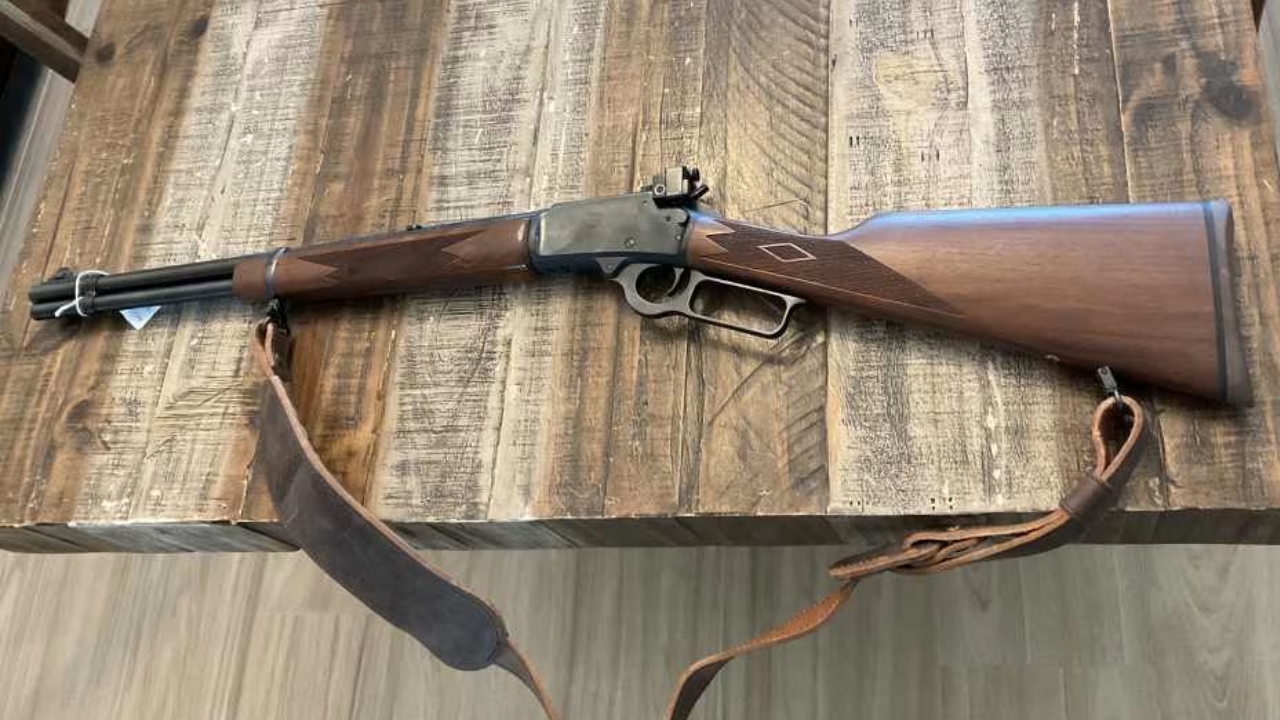
The Marlin 1894C used to look like one of those fun little lever guns that would always be around for anyone who decided to get serious later. It was not the biggest lever rifle, not the flashiest, and not the one buyers usually treated as most urgent. That kept it easy to ignore for too long.
Then pistol-caliber carbines got hot, lever-gun supply tightened, and buyers started realizing how handy and enjoyable the 1894C really was. It had always been a smart rifle for woods use, casual range time, and plain ownership satisfaction. Once the market noticed that too, the “I’ll grab one later” crowd found out later had become much more expensive.
Smith & Wesson Model 64

The Model 64 lived for years as the kind of revolver people respected without feeling much pressure to buy. It was a plain stainless service revolver, not a glamorous collector piece, and that made it feel permanently available. Buyers assumed there would always be another one leaning in a case somewhere at a fair price.
That assumption did not last. Once people started valuing older K-frames for what they actually offer, the Model 64 stopped feeling like one more old police revolver and started feeling like a very smart, very usable wheelgun with shrinking supply. It had always made sense. Buyers just got comfortable enough around it to forget that common does not mean permanent.
Browning BL-22

The Browning BL-22 was “just” a nice rimfire for years, and that phrasing did a lot of damage. Buyers saw the quality, loved the action, and still put it behind centerfires and carry guns because .22s always seemed like something you could buy later. That is how some of the best rimfires get missed.
Then buyers started paying closer attention to quality .22s again, and the BL-22 suddenly looked much harder to replace. It is smooth, lively, and more polished than many rifles people once treated as more important. The shelves did not have to empty completely for the lesson to land. They only had to get a little thinner before people realized how casually they had been walking past one of the better little rifles around.
SIG Sauer P225

The SIG Sauer P225 spent years in the shadow of larger, louder SIG pistols. That kept it from feeling especially urgent. Buyers liked it, but many still treated it like something they could revisit later if they ever decided they wanted a slim old-school SIG with real service roots. It seemed too sensible to become a problem.
Then the market got less forgiving. People remembered how well the P225 fits the hand, how well it shoots, and how complete it feels compared to many newer carry pistols. Once that appreciation spread, replacing one got harder and more expensive. What once looked like a common enough older SIG suddenly became one of those pistols buyers regretted not grabbing when they had the easy chance.
Remington 7600

The Remington 7600 always looked too plain to become urgent. It was a pump rifle, a deer gun, a practical woods tool. That kept it from being treated like something special even by people who knew exactly what it could do. If someone wanted one later, surely there would always be another 7600 somewhere nearby.
Then shelves started thinning out, and hunters remembered how much field sense these rifles still have. The 7600 points naturally, works beautifully in thick cover, and still solves real hunting problems better than a lot of trend-driven rifles. Once buyers realized that, the old “later” logic stopped holding up. A rifle they thought would always be there suddenly was not.
Ruger Mini-14

For years, the Mini-14 felt too familiar to become urgent. It had been around forever, and that made a lot of buyers treat it like a rifle they could always come back to after chasing whatever hotter semiauto had their attention first. It seemed too established to ever get hard to find or expensive enough to sting.
That turned out to be bad thinking. The Mini-14 had always offered practical handling, real utility, and a style of semiauto ownership that still makes plenty of sense. Once broader market conditions tightened and buyers started wanting handy rifles that were more than just range toys, the Mini stopped feeling like background inventory. Plenty of people came around only after the easy days had already passed.
Colt Official Police

The Colt Official Police lived in the shadow of more romantic old Colts for a long time. Buyers respected it, but often in a calm way that suggested it would always remain one of the easier old revolvers to pick up when the timing felt right. That kept people from moving very fast.
Then the market started seeing it differently. The Official Police still has real handling appeal, real service-gun seriousness, and more Colt character than buyers gave it credit for when it was just another old sixgun in the case. Once that appreciation spread, the easy examples started drying up. A revolver people treated like standard old inventory became much harder to touch without paying attention.
Winchester 190
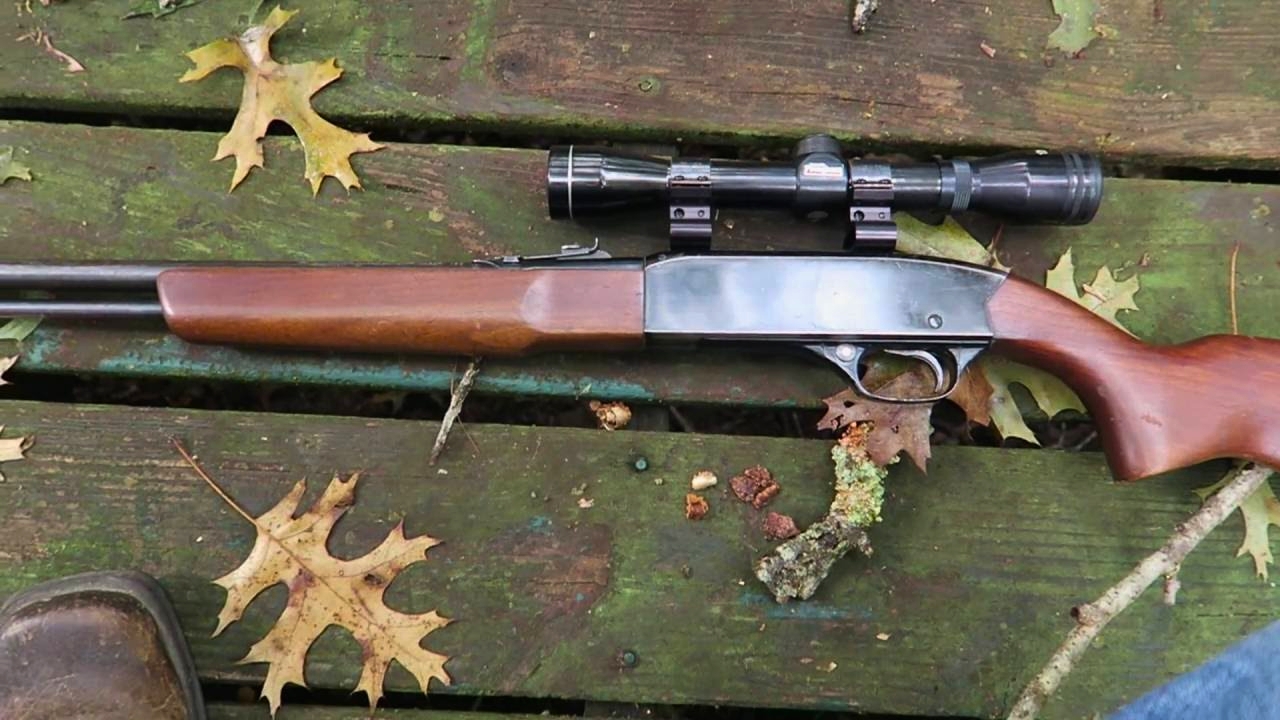
The Winchester 190 spent years as one more familiar old semiauto .22 that people assumed would never really stop being common. It was useful, sure, but so familiar that buyers stopped seeing it clearly. That is often how practical old rimfires get taken for granted until the supply starts thinning out.
Over time, buyers began looking at them with better eyes. The 190 had always been a solid little Winchester with real range and field utility. Once old utility rimfires stopped feeling endless, rifles like this suddenly stood out more. What had looked like easy background stock started feeling a lot more specific, and buyers realized they had waited too long to care.
Like The Avid Outdoorsman’s content? Be sure to follow us.
Here’s more from us: