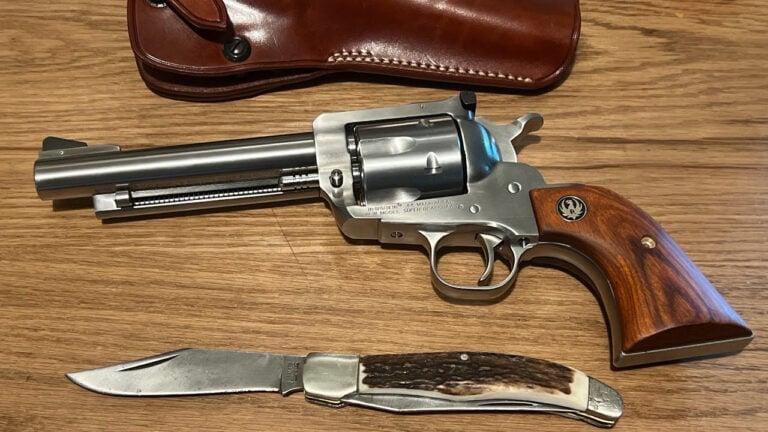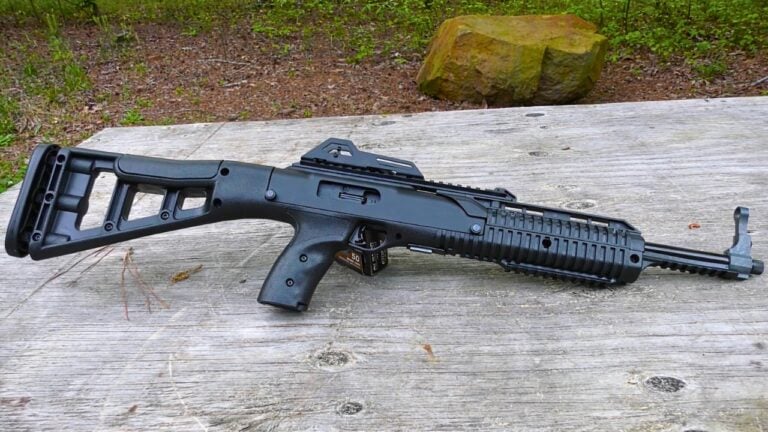
Photo credit: eans/Shutterstock.com
When a bullet tumbles in flight, it’s not some mysterious phenomenon — it’s physics punishing poor pairing. Twist rate, bullet length, and velocity all work together to stabilize a projectile. Get one wrong, and your round starts yawing, keyholing, or full-on flipping before it even reaches the target. Some cartridges are naturally more prone to instability because of outdated designs, poor velocity windows, or mismatched bullet weights. The problem isn’t always the gun — sometimes it’s the cartridge itself, doomed by its design. If you’ve ever seen a perfect sideways oval tear in paper instead of a round hole, you’ve met one of these troublemakers.
.22 WMR in Slow-Twist Barrels

The .22 Winchester Magnum Rimfire can be laser-accurate — or a circus act — depending on the barrel it’s fired through. Many older rifles chambered for .22 WMR used slow twist rates meant for lighter .22 LR bullets. When you fire the longer, heavier .22 WMR rounds through those same barrels, stability suffers fast.
You’ll start seeing keyholes at 25 yards, especially with 40-grain or heavier bullets. The round doesn’t have enough spin to maintain its axis, so it tumbles as it slows. Modern rifles with faster 1:14 or 1:16 twists solve most of this, but plenty of legacy guns still struggle. It’s a perfect example of a round that demands proper barrel match — otherwise, you’ll spend more time checking paper for sideways holes than tight groups.
5.45×39mm in Improper Barrels

The 5.45×39mm’s long, slender projectile is incredibly stable — but only with the right twist rate and bore diameter. When it’s fired through barrels not properly tuned to its specs, it can start yawing almost immediately. Some civilian conversions or mismatched aftermarket barrels are bored slightly wide or cut for 5.56 bullets, which ruins gyroscopic stability.
Even small inconsistencies in bullet diameter or barrel groove size can make the 5.45 tumble in flight. Once it starts to yaw, it never recovers. At 50 yards, it’s punching keyholes like a corkscrew. Russian mil-spec rifles don’t have this issue, but commercial variants or home builds often do. It’s one of those cartridges that proves how precision in twist and bore dimensions matter more than velocity alone.
.223 Remington with Heavy Bullets in 1:12 Twist
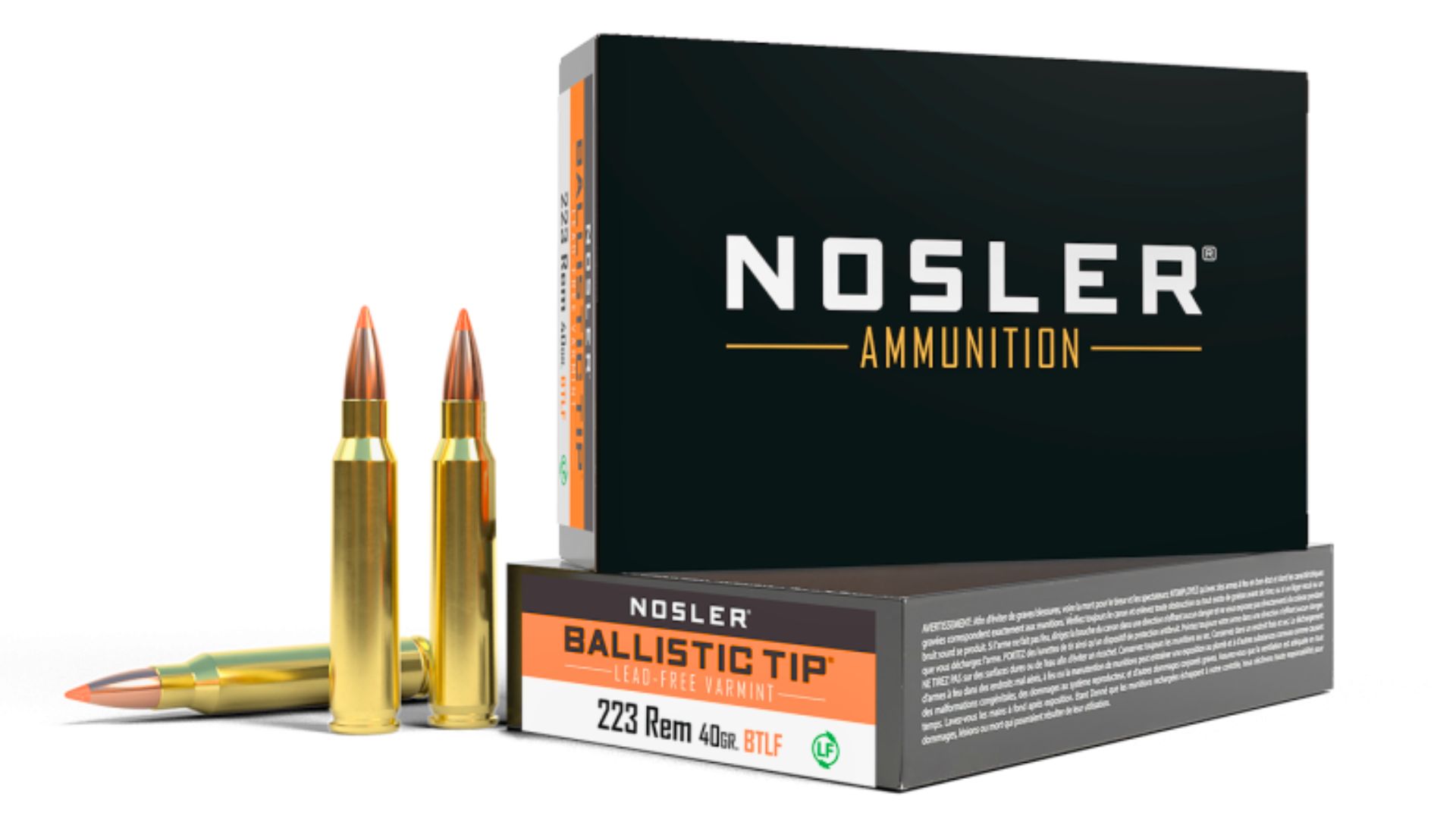
The .223 Remington is extremely versatile, but only when matched to the right barrel twist. If you shoot 69-grain or heavier bullets through an old 1:12 twist rifle, you’ll likely see tumbling before 50 yards. The twist simply isn’t fast enough to stabilize the longer projectile.
Back when 55-grain FMJ was standard, the 1:12 twist worked beautifully. Once heavier match bullets became popular, that setup turned unreliable. The result is classic keyholing and sideways impacts. The fix is simple — faster twist rates like 1:8 or 1:7 — but many shooters still push heavy rounds through slow-twist barrels and wonder why their groups look like shotgun patterns. It’s not the ammo quality; it’s the physics of spin.
6.5 Carcano

The 6.5×52 Carcano gained notoriety for more than one reason, but its instability issues are well-documented. The original Italian rifles often had inconsistent bore diameters — sometimes as wide as .268 when the bullets were made for .264 bores. That mismatch leads to poor engagement with rifling and unstable flight paths.
Even properly loaded ammunition can yaw or tumble when fired through these older barrels. The problem worsens with commercial ammo using undersized bullets. Without a snug bore fit and uniform twist, the bullet simply can’t maintain gyroscopic stability. It wobbles, drifts, and starts to keyhole within 100 yards. Reloaders who use correctly sized projectiles see much better results, but for off-the-shelf ammo, the 6.5 Carcano has a well-earned reputation for unpredictable flight.
5.56 NATO from 1:14 Twist Barrels

Early AR-15 rifles used 1:14 twist barrels that couldn’t stabilize standard 55-grain bullets in cold, dense air. The result was tumbling — bullets going sideways before even reaching the target. That’s why the military quickly switched to faster 1:12 and later 1:7 twists as bullet design evolved.
With those older slow-twist barrels, accuracy disappears as soon as the temperature drops or the bullet weight increases. You’ll see clean keyholes at 25 yards, even with quality ammo. It’s a perfect example of how ballistic science advanced faster than early rifle production. Today’s 5.56 rifles handle everything from 55 to 77 grains smoothly — but those old barrels are notorious for unpredictable flight paths.
7.62×25 Tokarev with Lightweight Loads

The 7.62×25 Tokarev is a hot little cartridge, but it relies on speed for stability. When shooters download it or run lighter, underpowered ammo, the bullet doesn’t spin fast enough to stay stable. Combine that with worn surplus barrels and wide tolerances, and you get rounds that start to tumble within a few yards.
This happens most often with commercial handloads or imported range ammo designed for older pistols. The long, narrow bullet shape was meant for blistering velocity — once that’s gone, the balance disappears too. At full power, it’s flat and accurate. Slow it down, and it turns into a sideways puncher. The Tokarev is one of those cartridges that demands proper pressure to perform right.
.300 Blackout Subsonic Loads in Supersonic Barrels

The .300 Blackout is versatile, but subsonic loads need the right twist rate to stay stable. When you fire 220-grain bullets through a barrel designed for supersonic 110–125 grain loads, instability sets in fast. The slower velocity doesn’t generate enough spin, and the long bullets begin to yaw.
You’ll see clean keyholes at short range, especially with longer projectiles and standard 1:10 or slower twists. That’s why .300 BLK rifles meant for subsonic use have 1:7 or 1:8 twist rates. The cartridge itself isn’t bad — it’s the pairing that causes chaos. Fire subsonic ammo through the wrong twist, and your paper target will look like it was hit by boomerangs.
8mm Lebel with Surplus Ammo

The 8mm Lebel was groundbreaking in its time but suffers badly with old or degraded ammunition. Many surplus loads have inconsistent powder charges or bullet seating depths, which leads to instability in flight. Add in worn barrels with shallow rifling, and you get visible keyholing even at short distances.
The round’s long bullet and moderate velocity make it sensitive to any variation in twist or balance. As the projectile leaves the muzzle, small deviations in spin cause it to wobble wildly. New production ammo fixes some of these issues, but vintage rifles shooting decades-old stock almost guarantee tumbling. It’s not a bad cartridge — it’s one that doesn’t age well.
.30 Carbine in Short Barrels

The .30 Carbine was designed for a specific barrel length — about 18 inches. When you chop that down to handgun length or short carbines, velocity drops so much that bullets lose stability. Without sufficient speed, the rifling spin can’t fully stabilize the 110-grain projectiles, and they start to yaw mid-flight.
Shooters often see this in pistols like the AMT AutoMag or short AR-style carbines chambered in .30 Carbine. At full rifle velocity, it’s accurate and flat. But cut the barrel, and you get an unpredictable round that drifts and sometimes tumbles before impact. It’s proof that velocity and barrel length go hand in hand with stability.
9×18 Makarov with Steel-Cased Ammo

The 9×18 Makarov performs well with proper ammunition, but some steel-cased surplus loads have inconsistent bullet seating and jacket thickness. That leads to poor alignment in the bore and uneven spin. When fired, the bullet exits slightly off-axis and immediately begins to yaw.
The effect isn’t catastrophic, but it’s noticeable. At 15 yards, you’ll start to see keyholing or elongated impacts. Combine that with worn or rough bores from surplus pistols, and accuracy falls apart. It’s less about design flaw and more about ammo inconsistency — the Makarov round is fine, but its bargain-bin variants ruin its reputation.
.32 ACP in Older Pocket Pistols

The .32 ACP has always been a marginal performer, and many vintage pocket pistols chambered for it suffer from loose tolerances and slow twist rates. The short, light bullet doesn’t get enough spin in those barrels, especially once rifling wears. As a result, stability drops and tumbling becomes common beyond short defensive distances.
You’ll see it most often in early European blowback designs that never expected modern bullet shapes. At seven yards, it’s fine. At fifteen, you can start seeing sideways holes. The cartridge itself isn’t inherently unstable — it’s the platform mismatch that ruins its flight. In newer barrels, the .32 ACP performs far better, but those old pistols are a keyhole factory waiting to happen.
*This article was developed with AI-powered tools and has been carefully reviewed by our editors.