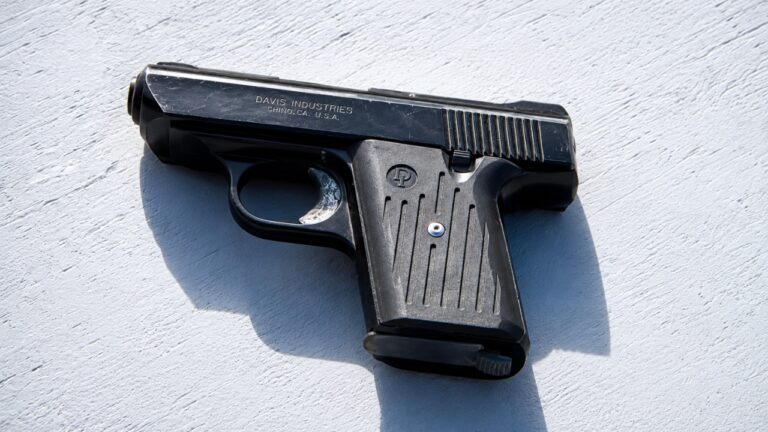
Photo credit: SigSauerShooter/YouTube
Before polymer pistols and high-capacity magazines ruled the market, revolvers were the trusted workhorses of shooters everywhere. They were built to last, ran clean under pressure, and rarely needed coddling. But over time, some truly great wheelguns got left behind—models that could still hold their own today if given another chance. These were reliable, accurate, and made for real use, not just nostalgia. Whether it was poor marketing, high production costs, or changing trends that killed them off, each of these revolvers earned respect the hard way. And if you’ve ever held one, you know exactly why it shouldn’t have disappeared from production.
Smith & Wesson Model 13
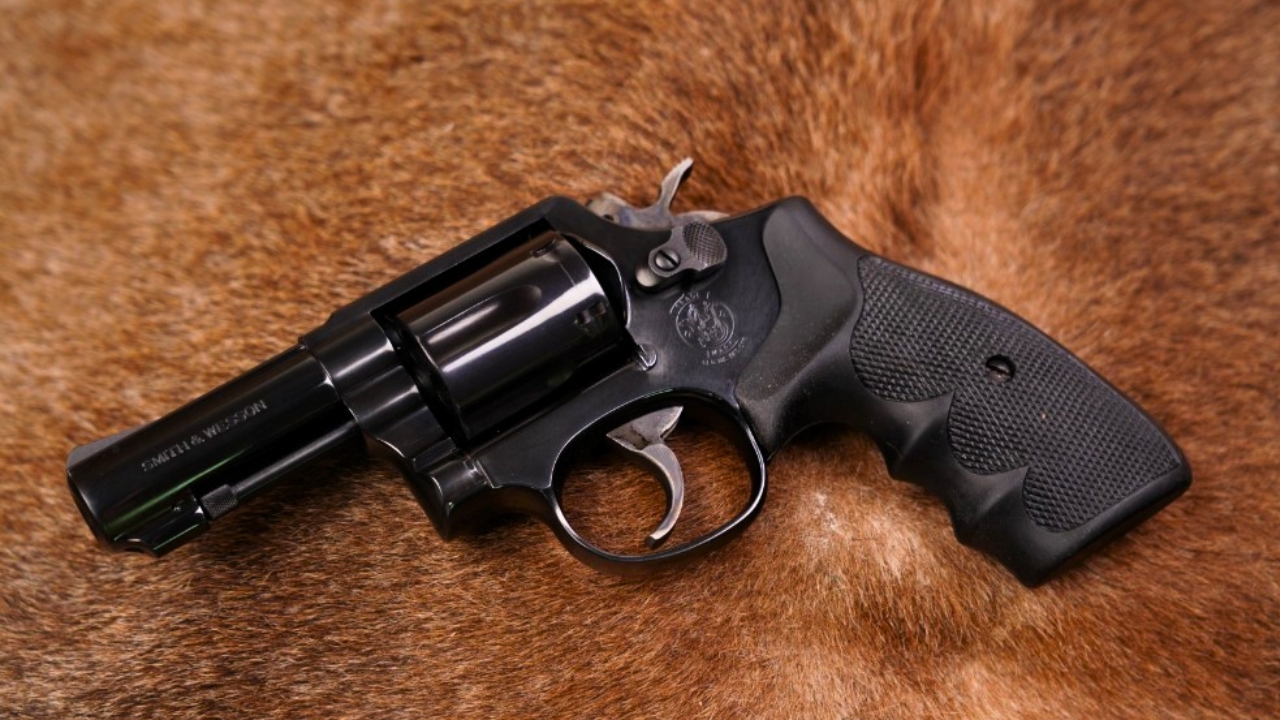
The Model 13 was everything a fighting revolver should be—simple, durable, and chambered in .357 Magnum. Built on the K-frame, it offered the perfect balance between power and portability. It became a favorite of the FBI and countless law enforcement agencies before semi-autos took over.
What made the Model 13 special was how naturally it handled recoil. It pointed well, shot straight, and didn’t beat you up after long sessions. If it had stayed in production, it’d still be a top choice for anyone wanting a serious defensive revolver. The market moved on, but shooters never forgot what it could do.
Ruger Security-Six

The Security-Six was Ruger’s first real answer to Smith & Wesson’s dominance—and it worked. Stronger than most revolvers in its class, it could handle heavy .357 Magnum loads for years without a hiccup. The design was overbuilt in all the right ways, yet still balanced and practical.
It became a favorite among police, outdoorsmen, and backcountry guides for its reliability. When Ruger replaced it with the GP100, fans were split. The GP100 was good, but the Security-Six had a certain rugged simplicity you can’t replace. It’s one of those guns that quietly earned a reputation for never quitting, and it deserved a longer run.
Colt Official Police
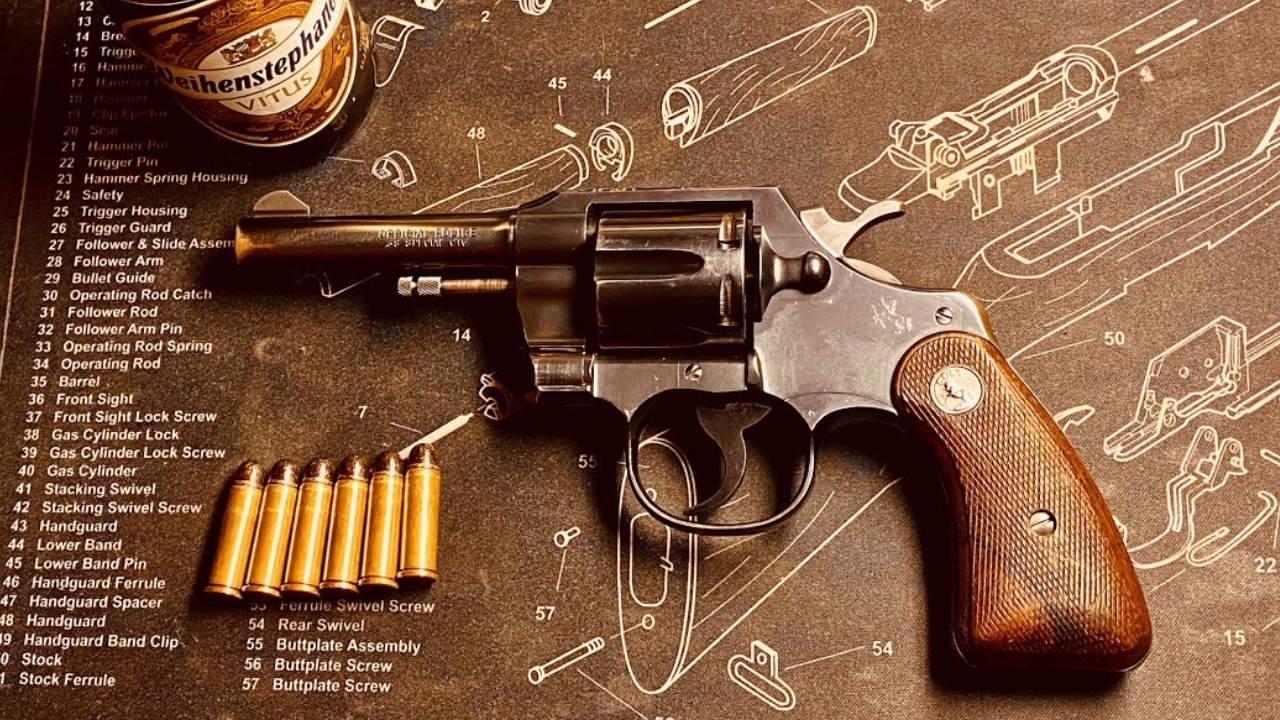
The Colt Official Police might not have been flashy, but it was one of the most trusted service revolvers in American history. Chambered in .38 Special, it served lawmen and civilians for decades. It had a smooth action, excellent trigger, and that unmistakable Colt craftsmanship.
It was built during a time when hand-fitting and attention to detail mattered. While the .38 eventually lost favor for more powerful rounds, the Official Police could still hold its own today. It’s the kind of revolver that feels alive in your hand—balanced, smooth, and built to last. It shouldn’t have been left behind.
Smith & Wesson Model 58

The Model 58 was built for power. Chambered in .41 Magnum, it was meant to be the perfect law enforcement sidearm—a step up from .357 without the overkill of .44 Magnum. Unfortunately, it never caught on, and production ended too soon.
For shooters who gave it a chance, it offered incredible stopping power in a controllable package. Its fixed sights and no-frills design made it a working gun through and through. The .41 Magnum might not have become mainstream, but in the right hands, the Model 58 was a beast. It’s one that never got the respect—or longevity—it earned.
Ruger Speed-Six
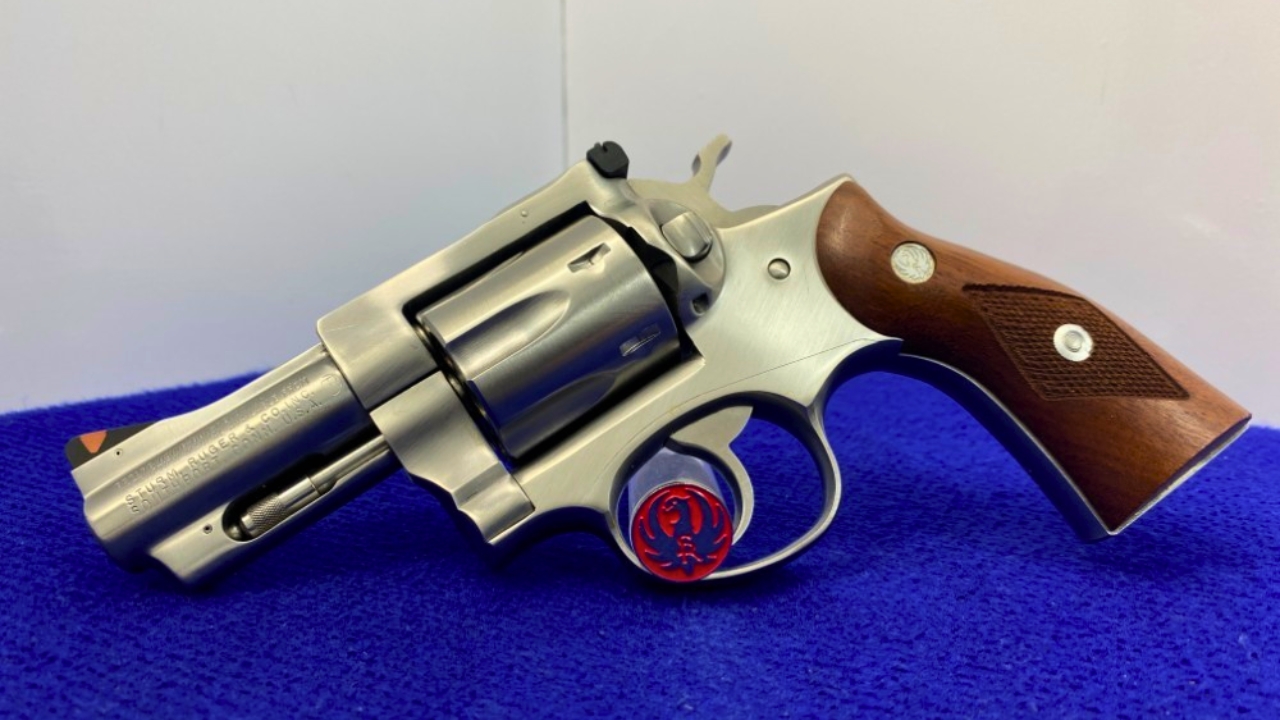
Compact, strong, and reliable—the Ruger Speed-Six was a revolver you could trust when things got rough. Its rounded grip frame made it easy to conceal, and its tank-like design handled .357 loads without complaint. It found favor among law enforcement, military, and civilian carriers alike.
When Ruger discontinued it in favor of newer models, many shooters felt the loss. It was everything a compact revolver should be—tough, simple, and accurate. If the Speed-Six were still around, it would sell fast to anyone who values reliability over gimmicks.
Colt Trooper Mk III
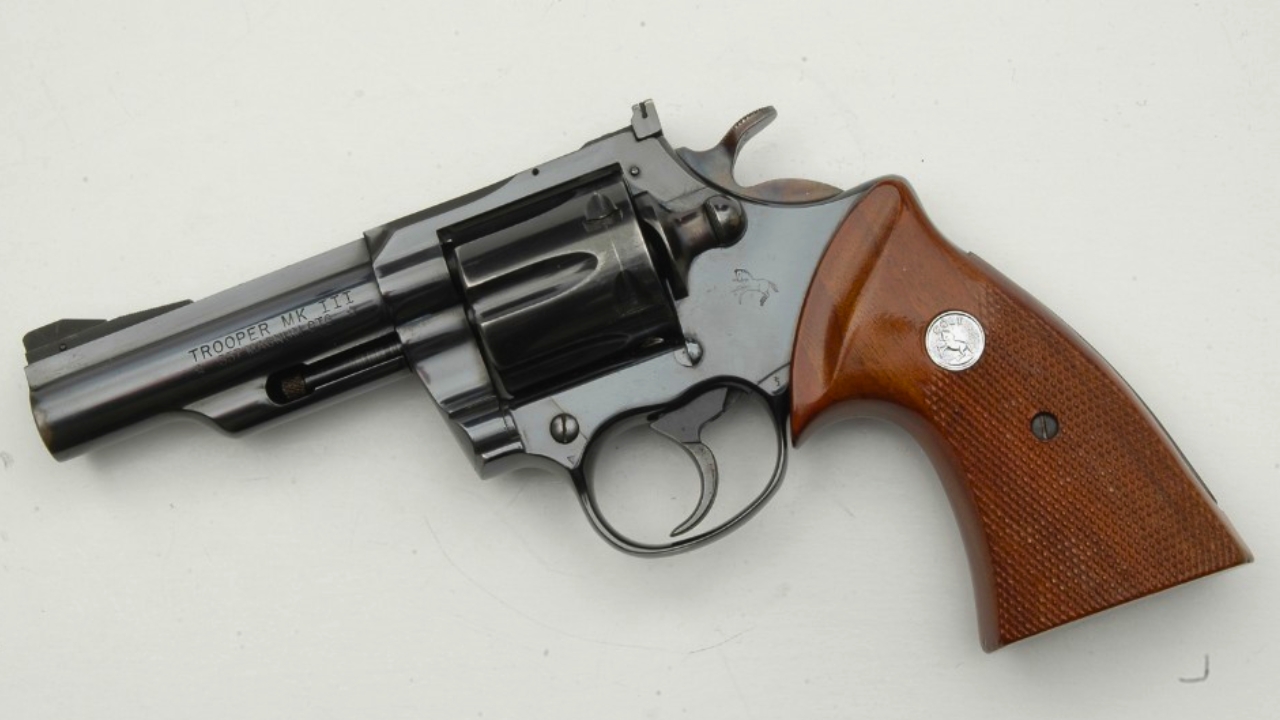
The Colt Trooper Mk III offered serious performance at a time when revolvers were still the standard. Built with a transfer-bar safety and modern metallurgy, it was one of the strongest .357s of its day. It didn’t get the glamour of the Python, but it could shoot right alongside it.
The Trooper was more affordable, built for hard use, and accurate enough for hunting or duty carry. When Colt moved away from double-action revolvers, this one vanished quietly, and that’s a shame. It had all the right ingredients to survive the modern market.
Smith & Wesson Model 28 Highway Patrolman

The Model 28 was the working man’s Model 27—same frame, same power, less polish. It was built for officers who needed the strength of an N-frame .357 without the fancy finish. The Highway Patrolman could handle anything you fed it, and it lasted generations.
Its no-nonsense durability made it a legend among lawmen and rural shooters alike. It may not have had the bright blue finish of its pricier twin, but it performed every bit as well. Discontinuing it was a mistake. It was a practical revolver that deserved to stick around.
Colt Detective Special

The Detective Special defined what a snub-nose revolver should be. It was compact, concealable, and still offered six rounds instead of five. Its smooth trigger and balance made it a favorite for plainclothes officers and concealed carriers for decades.
While smaller guns eventually replaced it, the Detective Special handled like a full-size revolver in a small frame. It pointed naturally and inspired confidence with every pull of the trigger. It’s one of the few snub-noses that truly earned its reputation—and one that never should’ve left Colt’s lineup.
Ruger Service-Six
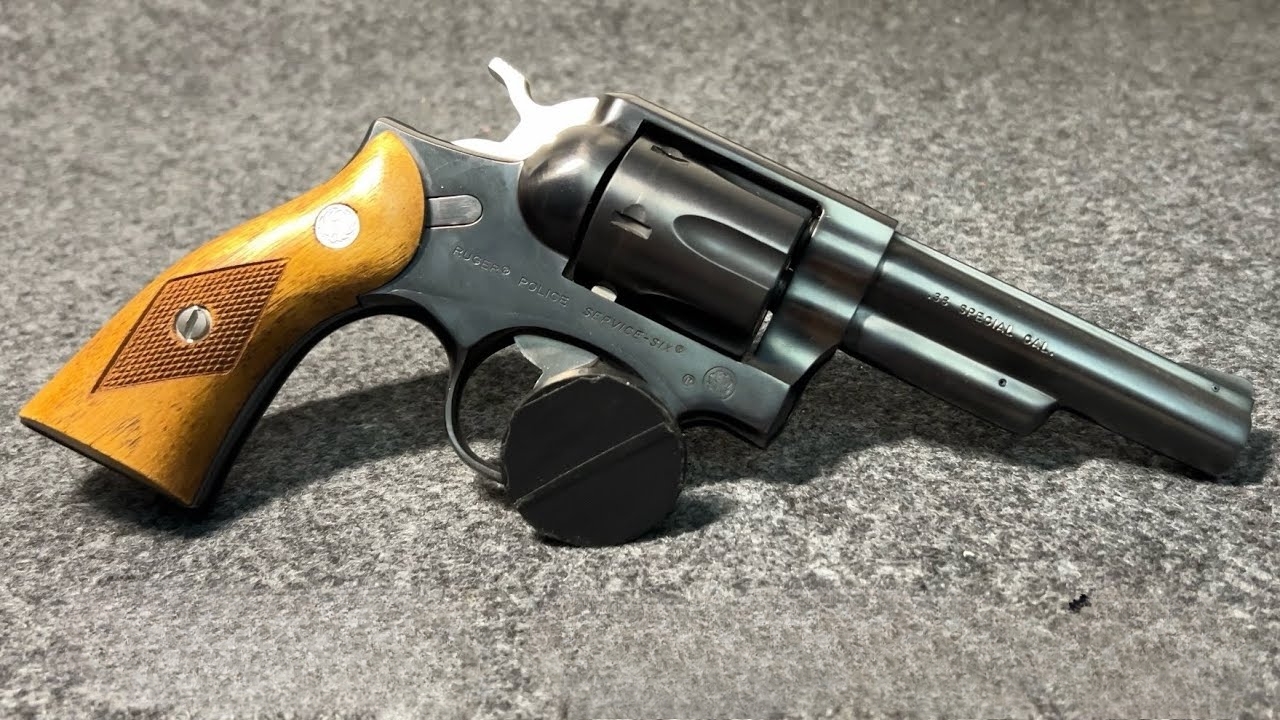
The Service-Six sat between the Security and Speed models—built tough and designed to last forever. It became standard issue for countless police departments and even saw use with military and security forces around the world.
It was one of the most dependable .357 revolvers ever made, simple in design but nearly indestructible. When Ruger replaced it, the newer models were heavier and bulkier without real improvement. The Service-Six was exactly what its name implied—a service revolver that delivered.
Smith & Wesson Model 19

The Model 19 was the ultimate balance of power and shootability. It gave you .357 Magnum performance in a K-frame size, making it ideal for duty carry or field work. Law enforcement loved it because it handled well and could take a beating.
Eventually, concerns about frame wear led S&W to favor larger models, but most shooters never noticed those limits in normal use. The Model 19 was accurate, quick, and dependable—a revolver that felt perfect in hand. Thankfully, it’s been reintroduced, but the originals still carry a certain magic that modern versions can’t quite match.
Colt Python (Pre-2005)
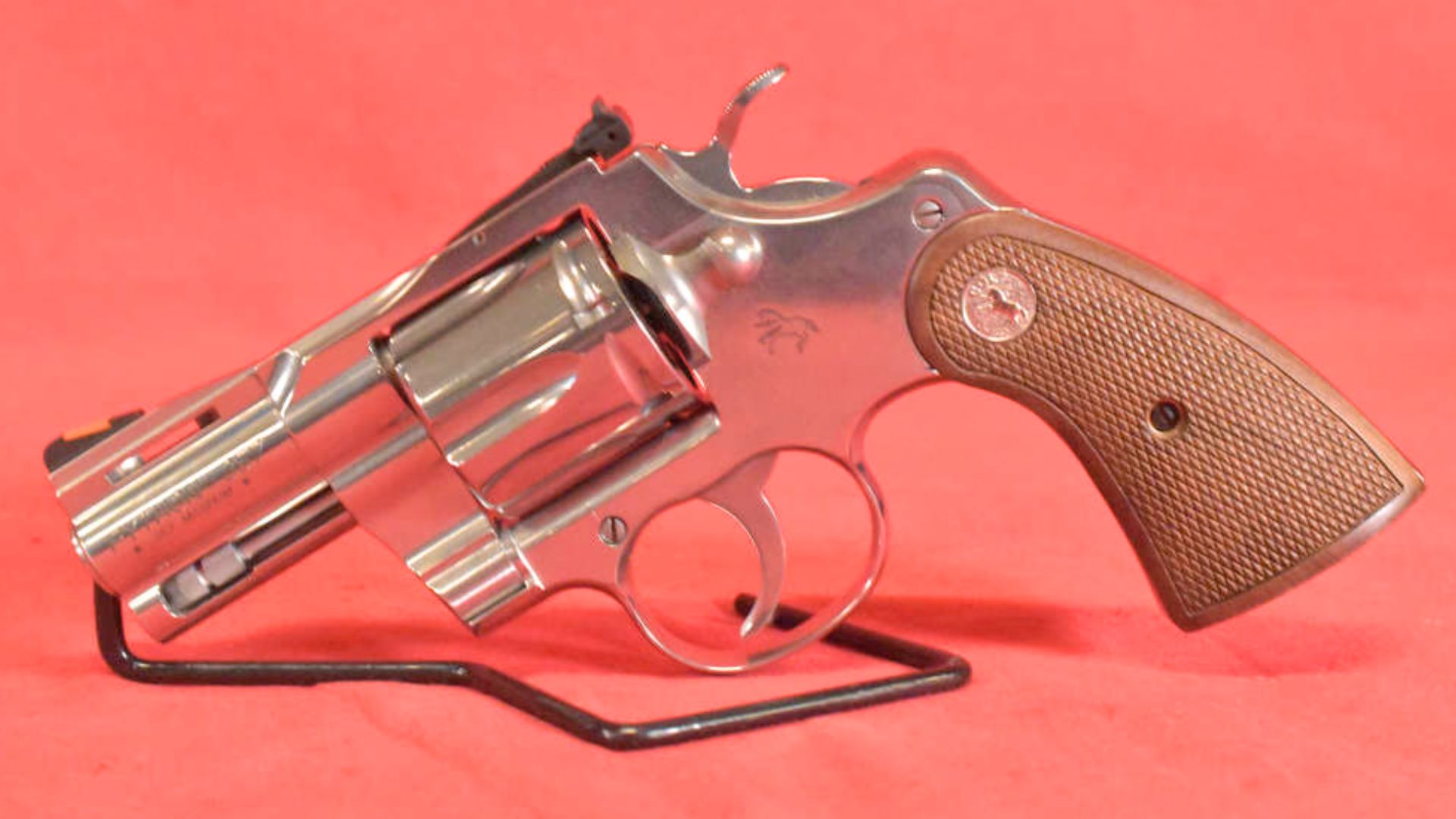
Before Colt brought it back, the original Python was a masterpiece. Built by craftsmen with unmatched precision, it set the standard for smooth triggers and mirror finishes. It wasn’t just pretty—it was one of the best-shooting revolvers ever made.
The older Pythons had hand-fit actions that made them feel alive in your grip. They locked up tight, shot straight, and had durability to spare. While the new models are solid, the originals have a level of refinement we may never see again. It’s a revolver that defined an era—and one that should never have left.
Smith & Wesson Model 24
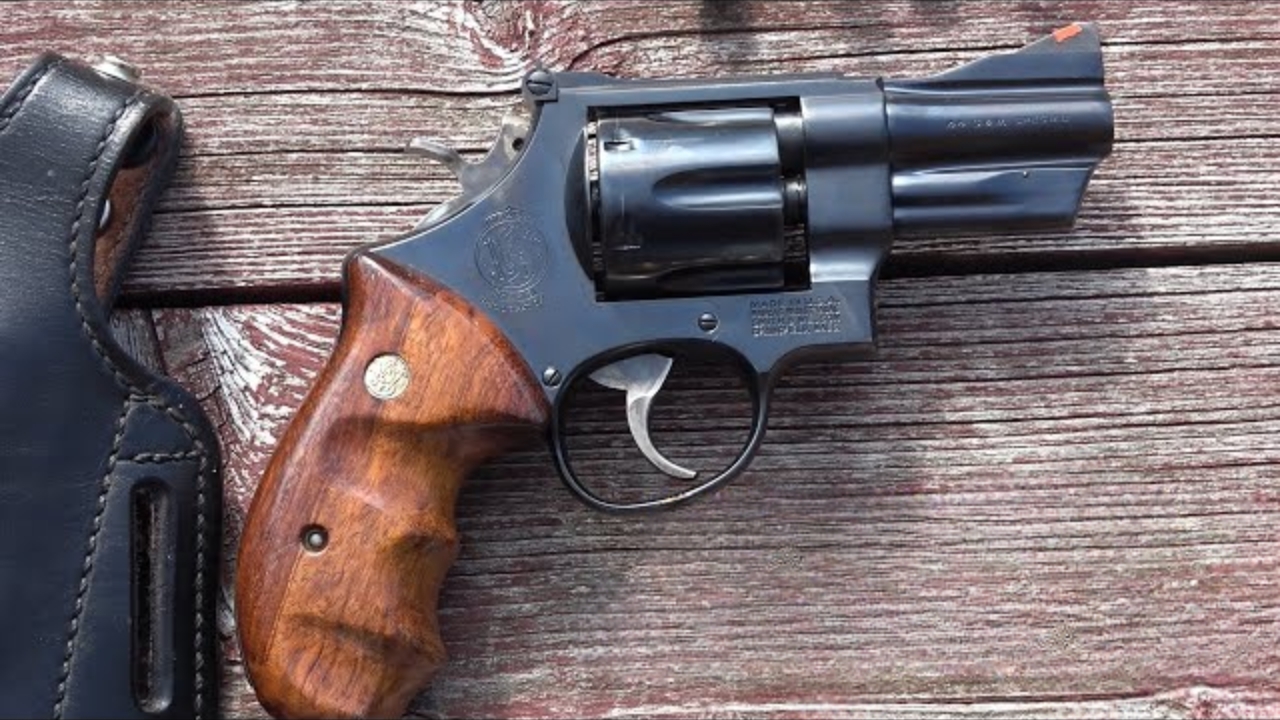
Chambered in .44 Special, the Model 24 was a classy, capable revolver with serious accuracy potential. It had a smooth trigger and ideal weight for controlled shooting. For those who didn’t need Magnum recoil, it offered everything in a more manageable package.
It’s a shame it didn’t stay in production longer, because the .44 Special remains one of the most accurate and pleasant cartridges to shoot. The Model 24 was proof that power and refinement could coexist—and it still outshoots many modern handguns.
Ruger Redhawk in .357 Magnum

The Redhawk was built like a tank, but chambering it in .357 Magnum made it almost too strong for its own good. It was heavy, overbuilt, and practically indestructible. Hunters and reloaders loved it because it could handle hot loads without complaint.
The only downside was its size—it was built for .44 Magnum, so in .357 it felt massive. Still, that strength made it one of the longest-lasting revolvers ever made. It could’ve remained a niche powerhouse for serious shooters, but Ruger moved on, leaving fans wishing it hadn’t.
Colt Diamondback
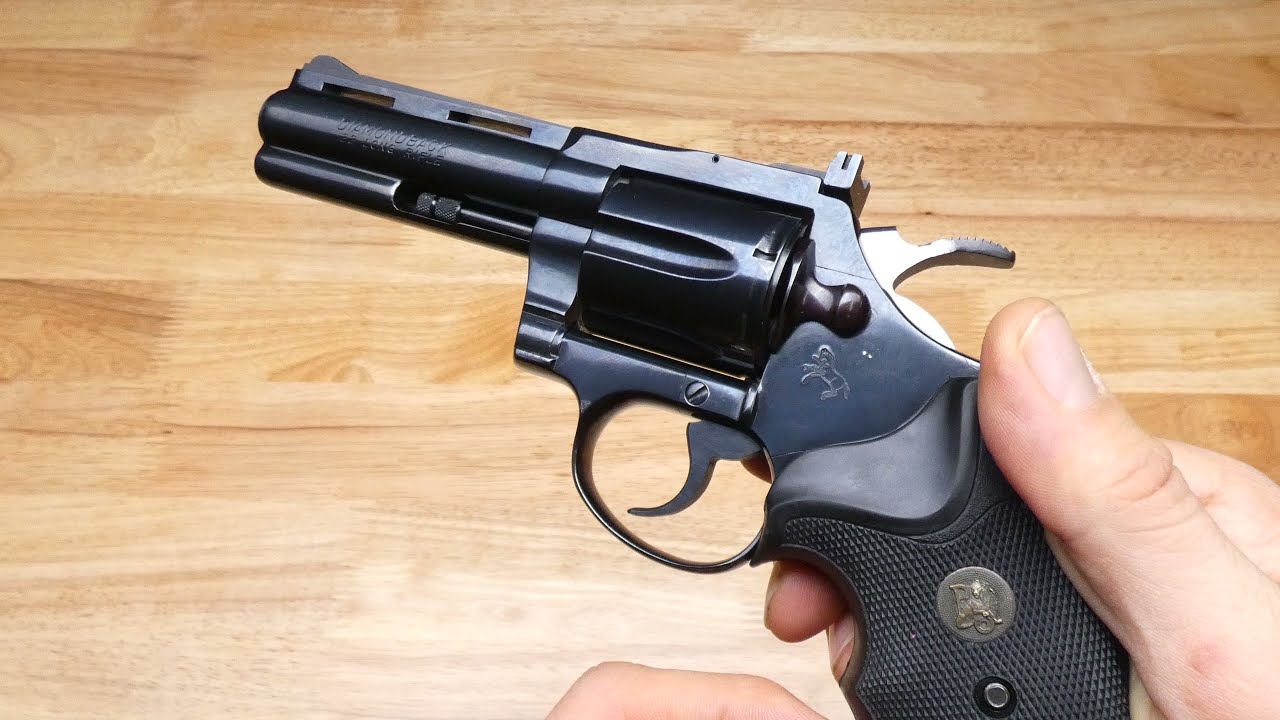
The Colt Diamondback was the little sibling of the Python—same style, smaller frame, and chambered in .38 Special or .22 LR. It offered precision and beauty in one package, and shooters loved how naturally it pointed.
Its accuracy was remarkable for its size, and it had that smooth Colt trigger everyone remembers. Unfortunately, it was expensive to make and fell victim to rising costs. Today, it’s one of the most sought-after discontinued revolvers. If Colt ever brought it back with the same craftsmanship, it would sell out instantly.
Smith & Wesson Model 25
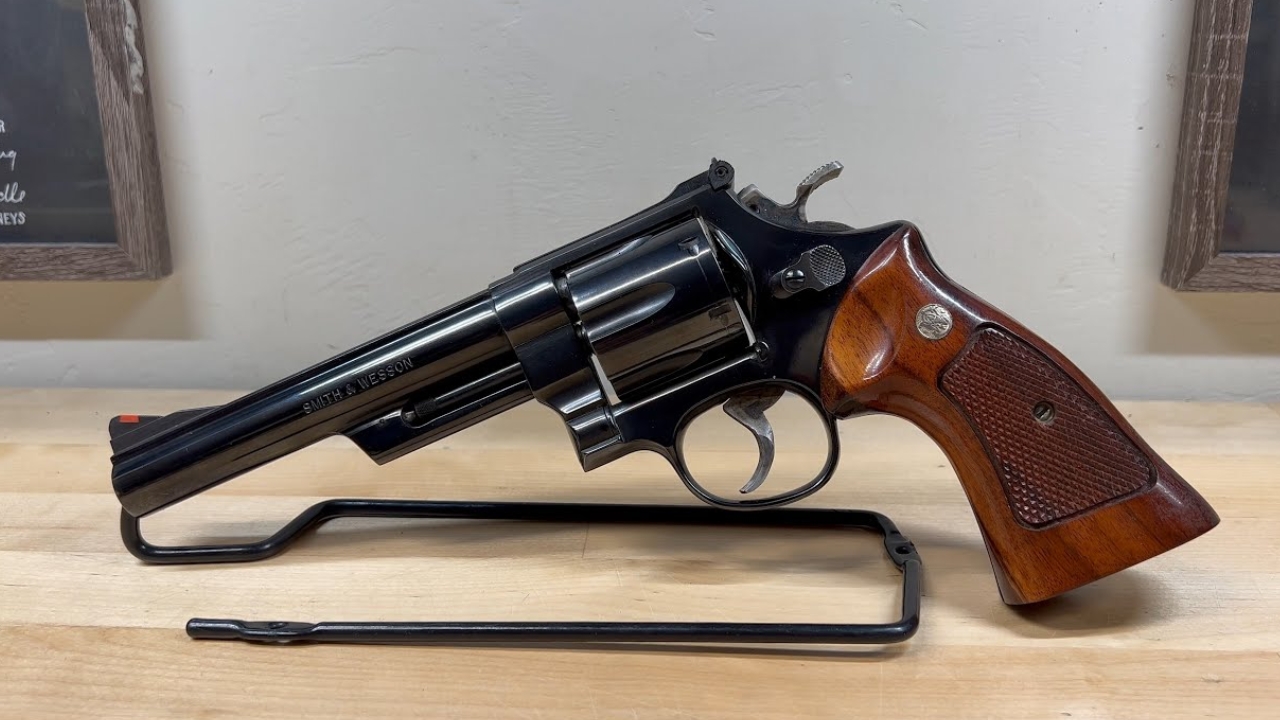
The Model 25 was chambered in .45 Colt—a cartridge steeped in history. It offered old-school punch with modern accuracy, and its N-frame build made it feel solid but balanced. For handloaders and traditionalists, it was nearly perfect.
The revolver shot softly for its caliber and was incredibly accurate. When S&W dropped it, shooters who appreciated big-bore revolvers felt the loss. It was a classic combination of heritage and performance that deserved to stick around. The Model 25 wasn’t flashy—but it was built right, and that’s what mattered.
Like The Avid Outdoorsman’s content? Be sure to follow us.
Here’s more from us:
The worst deer rifles money can buy
Sidearms That Belong in the Safe — Not Your Belt
*This article was developed with AI-powered tools and has been carefully reviewed by our editors.