Photo credit: Jordi Mora/Shutterstock.com
them to the range, the truth shows fast. Some rounds drift off target the second a breeze shows up. Others cost so much per box that you feel irritated before the first shot breaks. And plenty simply fail to deliver the accuracy or consistency the marketing promised.
If you’ve ever left the range thinking, “Well, I’ll never shoot that again,” these cartridges will feel very familiar.
.17 Remington
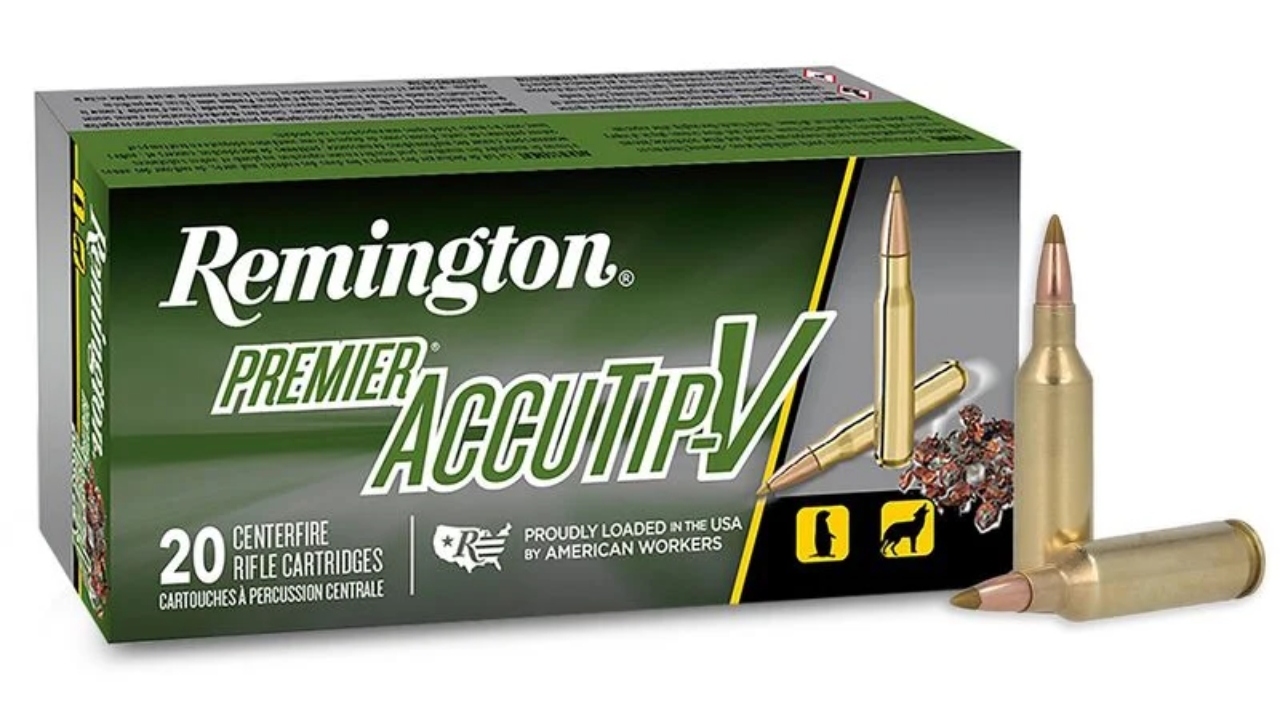
The .17 Remington has loyal fans, but it loses a lot of people on the first range day. The tiny bullets scream out of the barrel, but they’re also incredibly sensitive to wind. Even on a mild day, your groups widen just from a small gust. That makes it frustrating if you were expecting predictable results at longer ranges.
Add the barrel fouling issue, where accuracy drops off faster than many shooters expect, and enthusiasm fades quickly. The high ammo cost doesn’t help either. Most shooters fire a box or two, shrug, and go back to .223 or .204 Ruger.
.30 TC
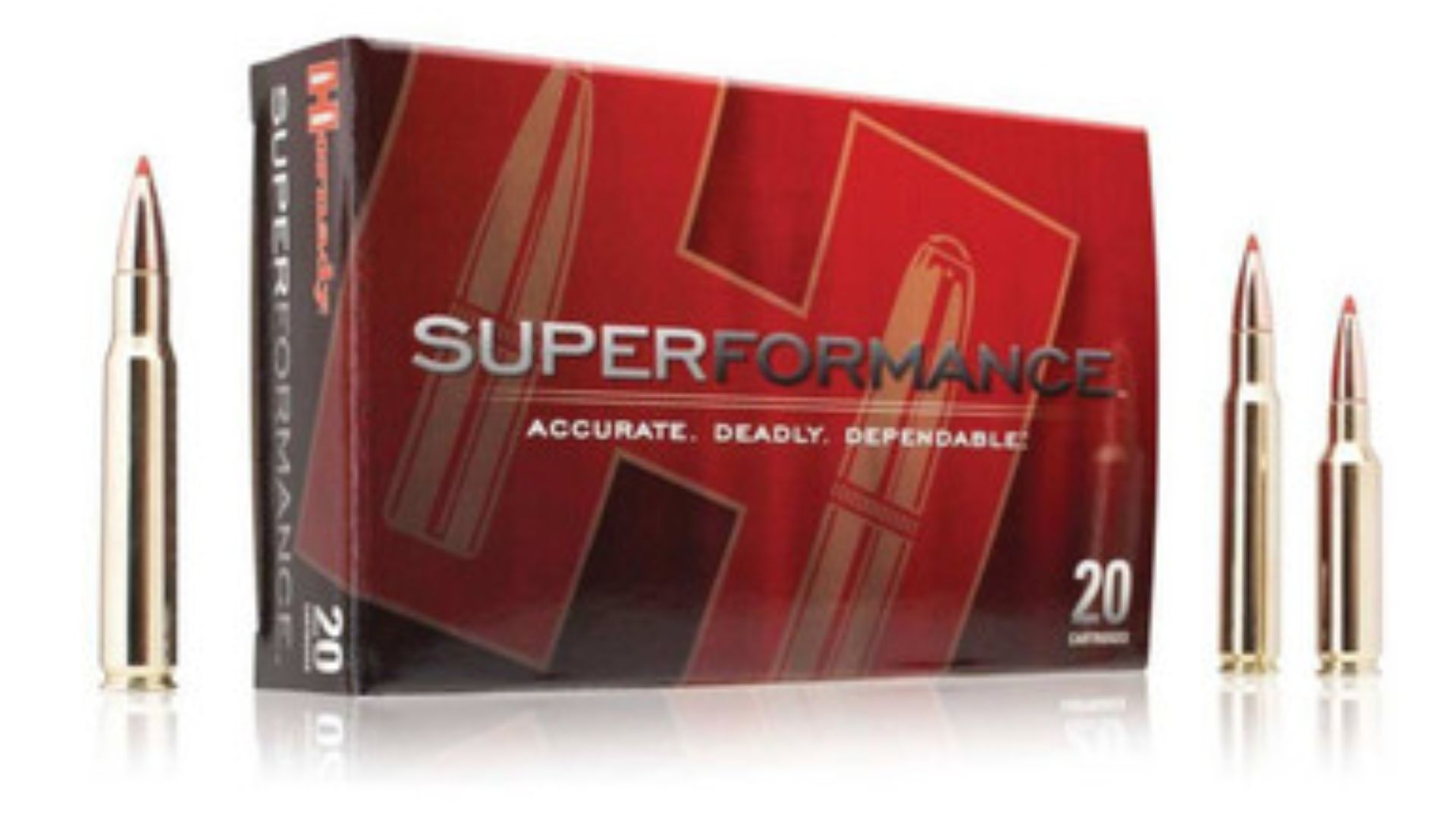
The .30 TC never found its place because it didn’t offer enough performance to justify its existence. On the range, it shoots fine, but you quickly realize you’re paying more for ammo while getting nearly identical velocity and accuracy to common .308 loads.
When even specialty shops struggle to carry ammunition consistently, sticking with it becomes a chore. The cartridge promised modern efficiency but delivered results most shooters described as “nothing special.” That’s why many run a single test session and move on to something easier and cheaper to feed.
.17 Hornady Hornet
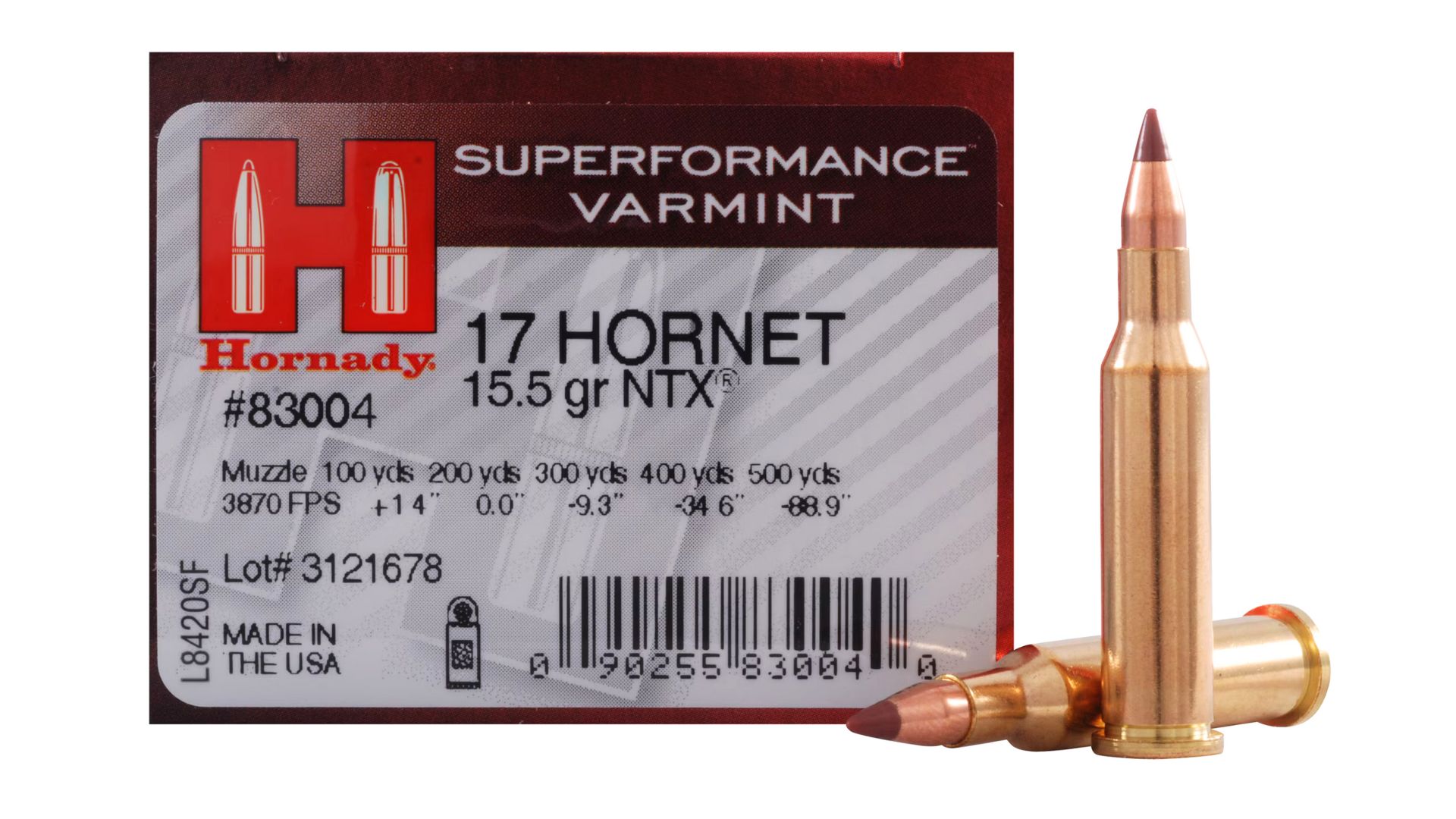
The .17 Hornady Hornet sounds perfect on paper—flat, fast, and mild—but the reality catches up fast. Light bullets mean unpredictable flight in wind, and your point of impact shifts more than you’d expect. For a cartridge marketed toward small-game accuracy, that’s disappointing.
The ammo also isn’t cheap, and once you see the inconsistency between different factory loads, the cost stings even more. Many shooters give it a fair shake, enjoy the first handful of groups, and then realize it isn’t practical enough to justify the ongoing expense.
.325 WSM
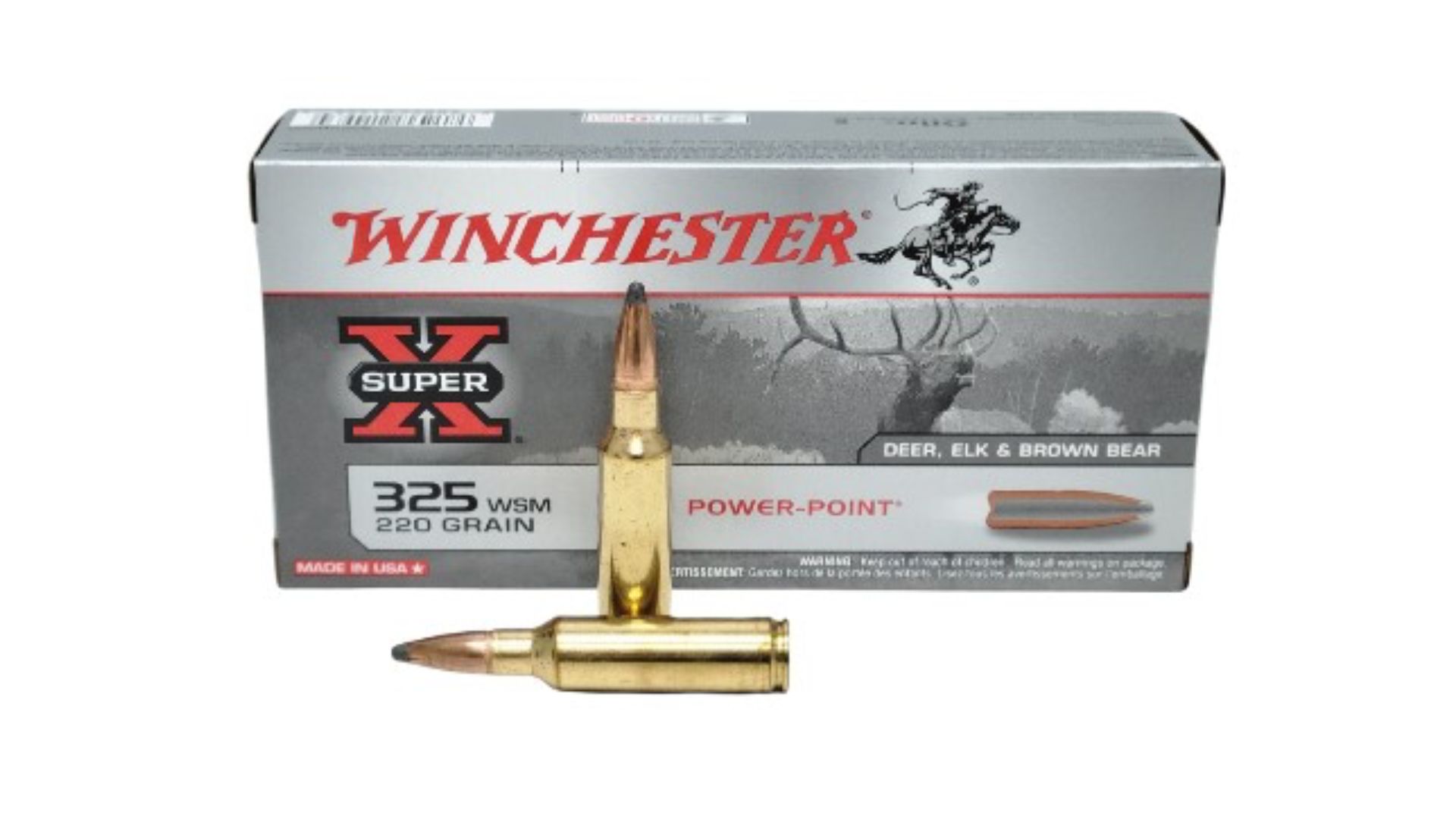
The .325 WSM was pitched as a powerhouse in a short action, but most shooters discover the recoil feels sharper than expected. And once you compare it to more established .300 magnums, the benefits get pretty hard to find. For the price of ammo, you don’t get noticeably better accuracy or practical performance.
Rifle availability is also limited, and many platforms never fully optimized the round. After a single range session, a lot of shooters conclude that the added kick and cost simply aren’t worth it, especially with .300 WSM sitting right beside it on the shelf.
.22 TCM
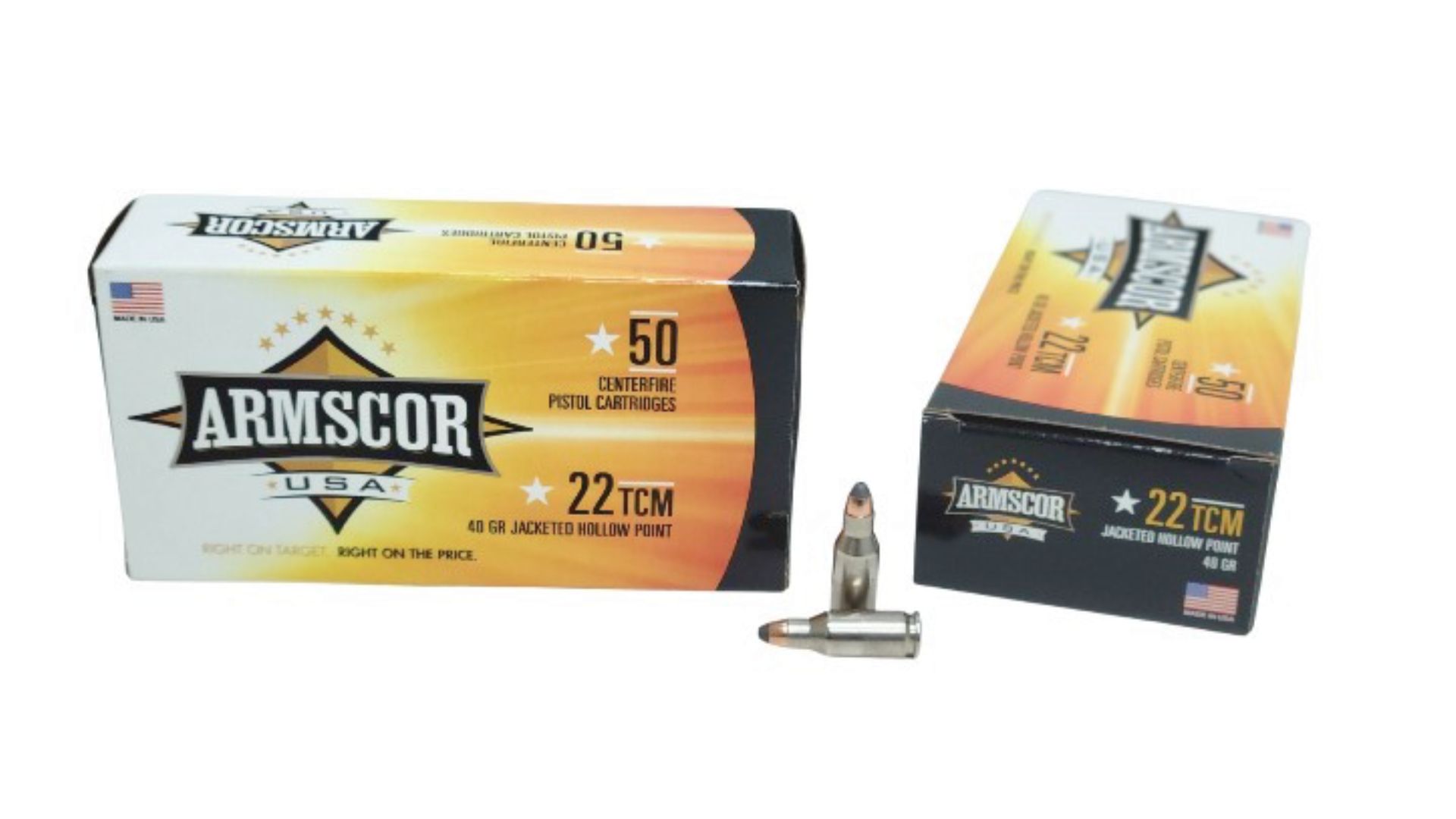
The .22 TCM is fun for a few magazines, but the novelty fades quickly. It produces a massive fireball, a sharp blast, and surprising muzzle flash, all of which make it tough to shoot well. And when you look at the price of ammo, it becomes even harder to justify plinking with it.
The limited number of firearms chambered for it doesn’t help. Once the excitement of the “wow factor” wears off, shooters often decide it doesn’t have a meaningful purpose and move on after a single range outing.
5mm Remington Rimfire Magnum

The 5mm RRM has an interesting history, but its modern usefulness is limited. When you finally take one to the range, you’re reminded how hard it is to even find ammunition—if you found any at all. The round shoots fine, but not fine enough to justify its rarity.
Accuracy varies more than you’d expect from a rimfire marketed for precision. Between the cost, scarcity, and inconsistent performance, many shooters fire their one precious box, nod politely, and never revisit the caliber.
.375 Ruger
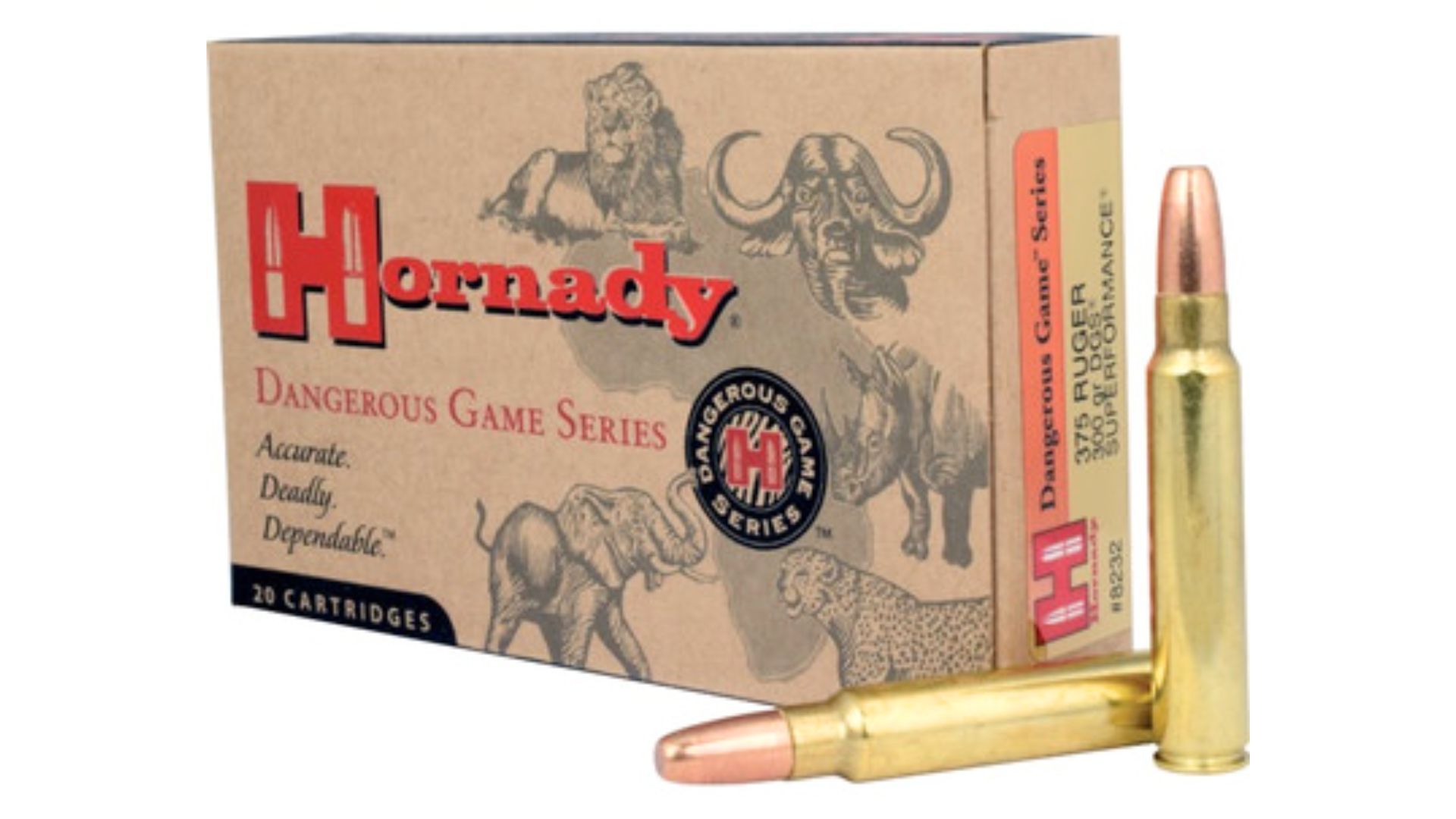
The .375 Ruger is impressive, but most shooters realize after five rounds that it’s too much gun for a casual day at the range. The recoil is stout enough to make your shoulder bark, and the muzzle rise takes genuine effort to control shot after shot.
Unless you’re preparing for big-game hunts far beyond the lower 48, there’s little reason to keep spending money on such heavy ammunition. Many shooters try it once, appreciate the power, and then shelve the idea permanently.
.41 Magnum
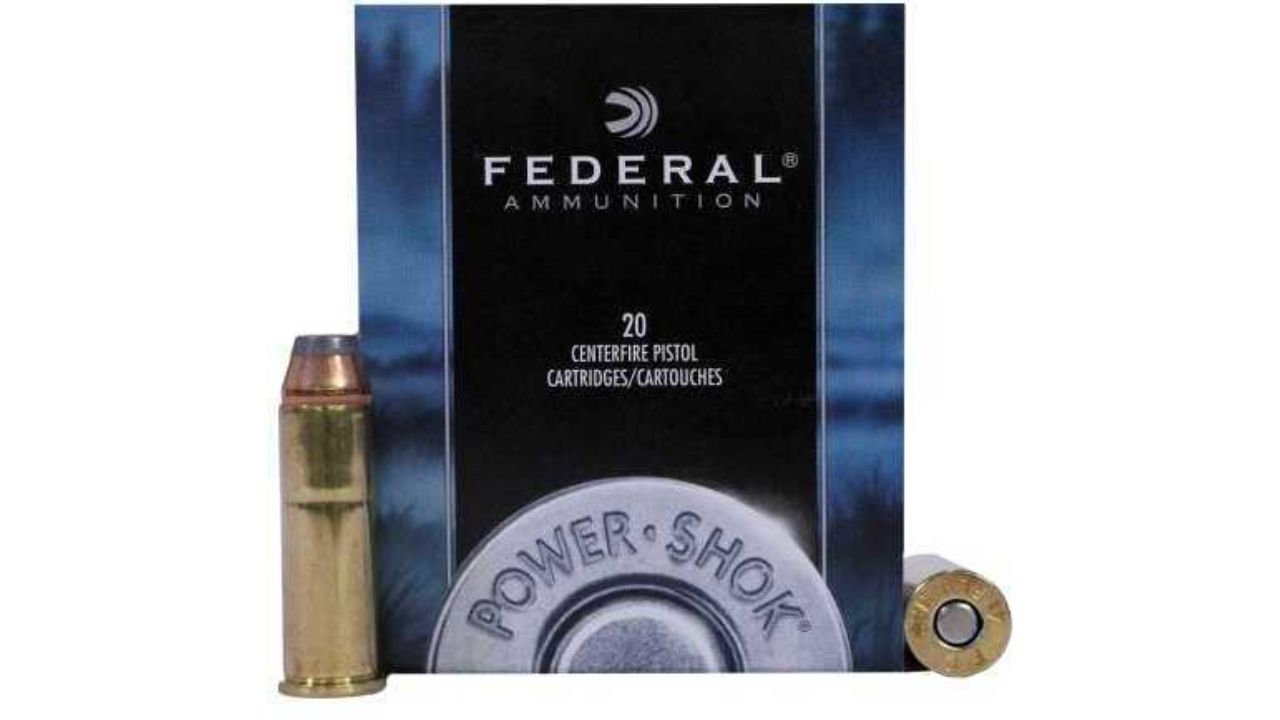
The .41 Magnum is a classic example of a cartridge that sounds perfect in theory but feels awkward in practice. Recoil sits in a strange middle ground—heavier than you expect but not powerful enough to justify the extra cost compared to .44 Magnum.
Ammo availability is another issue. Many stores simply don’t stock it regularly, and even when you find a box, the price pushes shooters away. After the first range trip, most folks decide it doesn’t offer anything they can’t get from more common revolver calibers.
.25 WSSM

The .25 WSSM looks appealing if you like velocity, but a trip to the range usually reveals serious barrel-heating issues. The cartridge burns powder aggressively, and accuracy can drop off quickly as the barrel warms. For a round marketed as efficient, that’s frustrating.
Ammo is expensive and not widely stocked, and handloaders often struggle to get consistent results. Many shooters walk away unimpressed and decide the traditional .25-06 or .257 Weatherby does the job with fewer headaches.
.338 Federal

The .338 Federal fills an odd niche that most shooters don’t actually need. Recoil feels heavier than expected for its size, and the trajectory isn’t flat enough to justify the punishment. When you finally compare groups side-by-side with .308 Winchester, the difference is barely noticeable.
And then you look at the cost of ammunition—if you can find it. Most shooters conclude it doesn’t offer enough improvement to justify the price tag after that first range trip.
.244 Remington
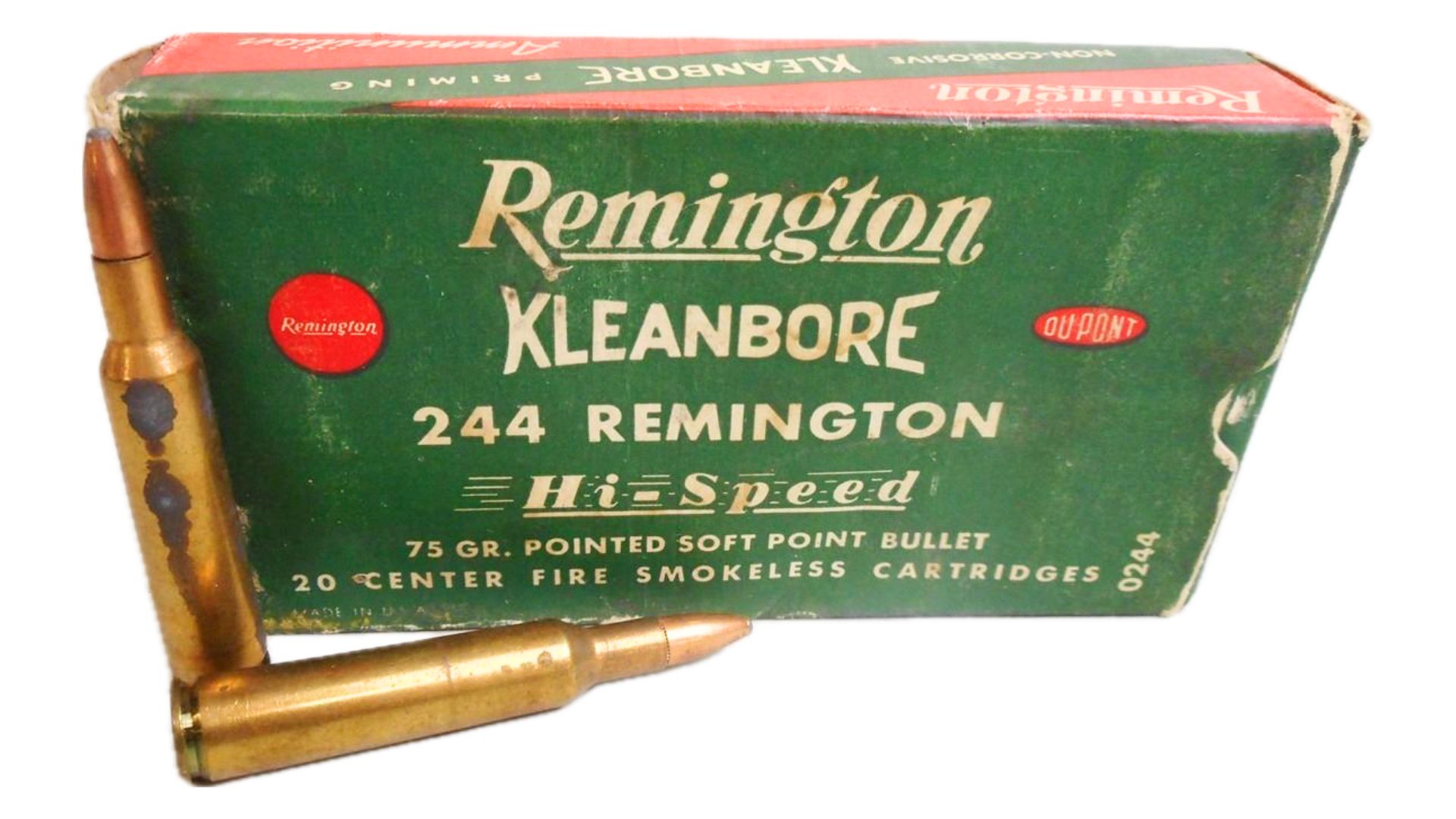
The .244 Remington is a relic of a confusing launch and mismatched twist rates. When shooters try it today, they often run into accuracy issues because rifles weren’t originally built to stabilize heavier bullets.
Even if you handload, you’re still dealing with inconsistent performance between rifles. Factory ammo isn’t common, and when you finally track down a box, the results rarely inspire confidence. Many shooters fire a few groups and wonder why they didn’t stick with the now-dominant 6mm Remington or .243.
7mm Remington Ultra Magnum
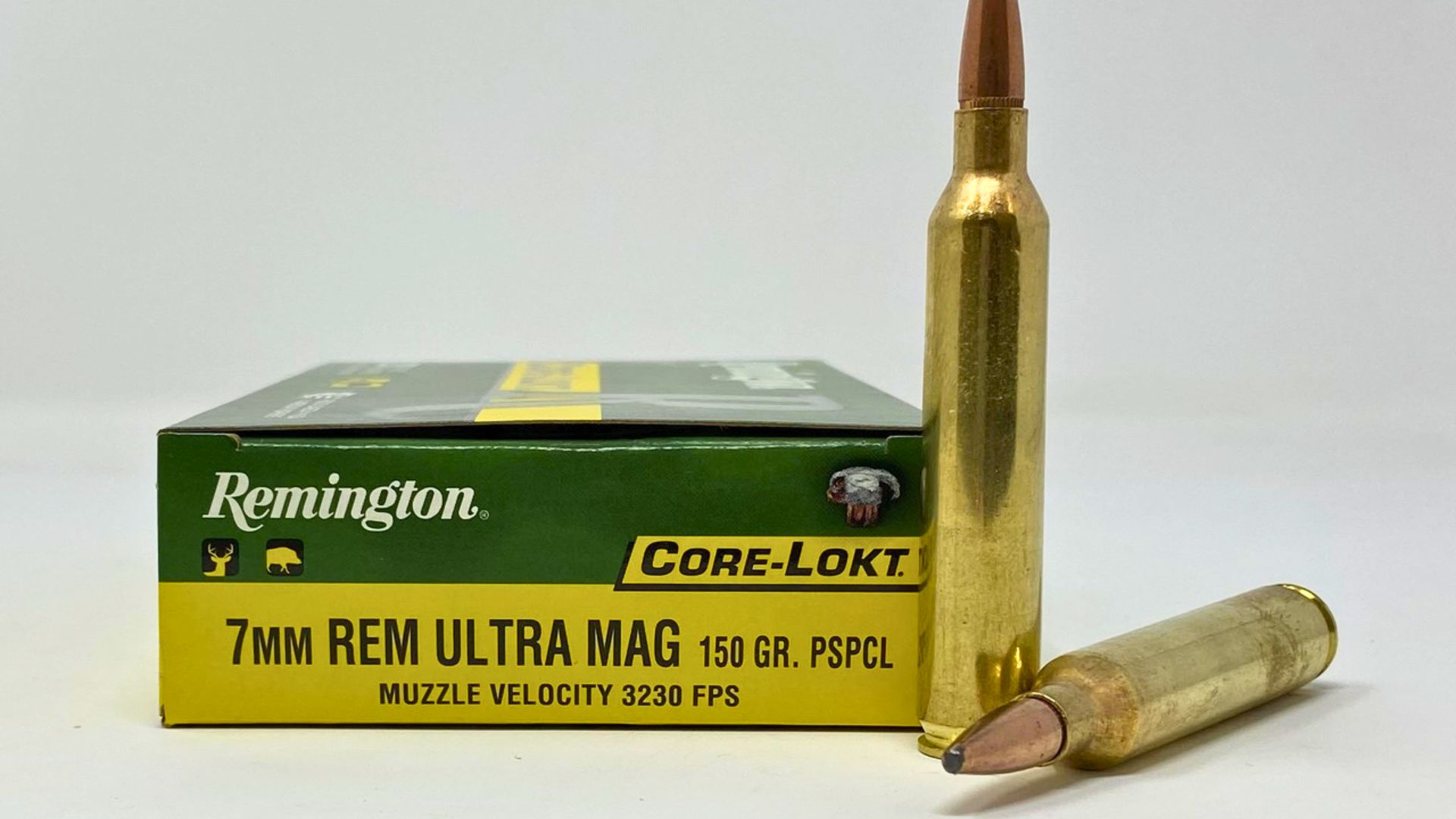
The 7mm RUM delivers huge velocity but also punishing recoil and rapid barrel wear. When you finally shoot a few strings, you notice how quickly the barrel heats and how groups widen. It’s impressive on paper but exhausting in practice.
Ammo cost and availability hit hard as well. Shooting it becomes a special occasion instead of a regular activity. Many shooters test one box, feel the recoil thump, and retire the rifle for something easier.
.45 GAP

The .45 GAP created plenty of conversation but never delivered enough advantage to replace .45 ACP. On the range, recoil feels similar, but ammo is harder to find and usually costs more. That alone pushes shooters away.
Performance doesn’t stand out, and the limited number of pistols chambered for it makes the cartridge feel even more restrictive. Most folks who try it once walk away thinking there’s no reason to adopt something so niche.
.480 Ruger

The .480 Ruger hits hard, but the recoil surprises even seasoned revolver shooters. When you sit at the bench and try to group it, the muzzle jump makes follow-up shots slow and fatiguing. Accuracy becomes work instead of fun.
Add the fact that ammo is expensive and rarely stocked, and enthusiasm fades fast. Many buyers fire a cylinder or two, appreciate the thump, and then quietly retire the revolver for something more manageable.
.30 Carbine (from revolvers)

The .30 Carbine behaves strangely when fired from a revolver. The muzzle blast is loud, the fireball is distracting, and the recoil impulse feels nothing like a normal handgun round. Most shooters struggle to shoot it accurately at first.
Even if you get used to it, the ammo isn’t cheap, and the cartridge doesn’t offer a real advantage over traditional revolver calibers. After the novelty wears off, most shooters decide they’d rather keep .30 Carbine confined to the M1 Carbine where it truly belongs.
Like The Avid Outdoorsman’s content? Subscribe to our newsletter so you never miss an article.
Here’s more from us: