Photo credit: abberley1/GunBroker
Guns are easy to talk yourself into when the story sounds right. Limited run, military connection, discontinued model, oddball chambering, big-name brand, or “they’ll never make another one like it again” — all of that can make a gun feel like money parked in steel.
The problem is that gun values do not always move the way owners expect. Some models get buried by newer versions, weak demand, bad reputations, expensive ammo, poor parts support, or plain old buyer fatigue. You may still like some of these guns as shooters, but as “investments,” plenty of owners learned the hard way that the market can be pretty cold.
SIG Sauer P320
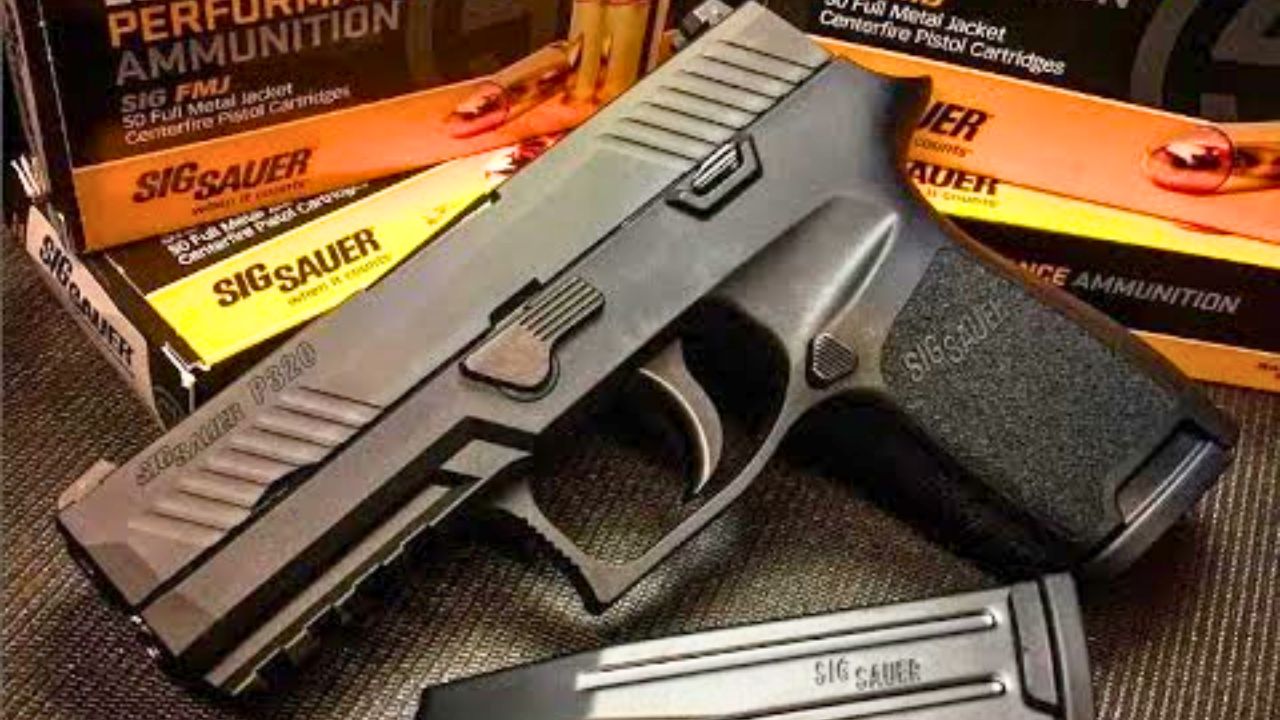
The SIG P320 had every reason to feel like a safe buy. It had modularity, military adoption, strong brand recognition, and a pile of factory variants. For a while, a lot of buyers treated nicer P320 models like they would hold strong.
Then the used market got crowded fast. Between endless configurations, police trade-ins, consumer upgrades, and controversy around the platform, many standard P320s became easier to buy than to sell. Current pricing guides show used P320 values sitting far below many new retail prices, which is rough if you bought one expecting collector-style strength.
FN Five-seveN

The FN Five-seveN always had that futuristic appeal. It was expensive, unusual, tied to the 5.7x28mm cartridge, and different enough that plenty of people assumed it would become more collectible with time.
The problem is that novelty does not always equal value growth. The ammo stayed pricey, newer 5.7 pistols entered the market, and the Five-seveN became less untouchable than it once felt. It still has fans, but used examples often trade well below the cost of buying new, depending on generation and condition. That makes it a fun oddball for some shooters, but not the easy money many expected.
Remington R51

The Remington R51 had a story people wanted to believe. It was a revived design from a famous name, chambered in 9mm, and marketed as a sleek carry pistol with old-school roots. On paper, that sounded like the kind of gun collectors might chase later.
Instead, the R51 became tied to reliability complaints, recalls, and disappointment. Even though discontinued guns can sometimes rise later, the R51 has never fully shaken its reputation. Some used examples can still move, but that is very different from becoming a strong investment piece. For many buyers, it became a lesson in not confusing “discontinued” with “desirable.”
Colt All American 2000
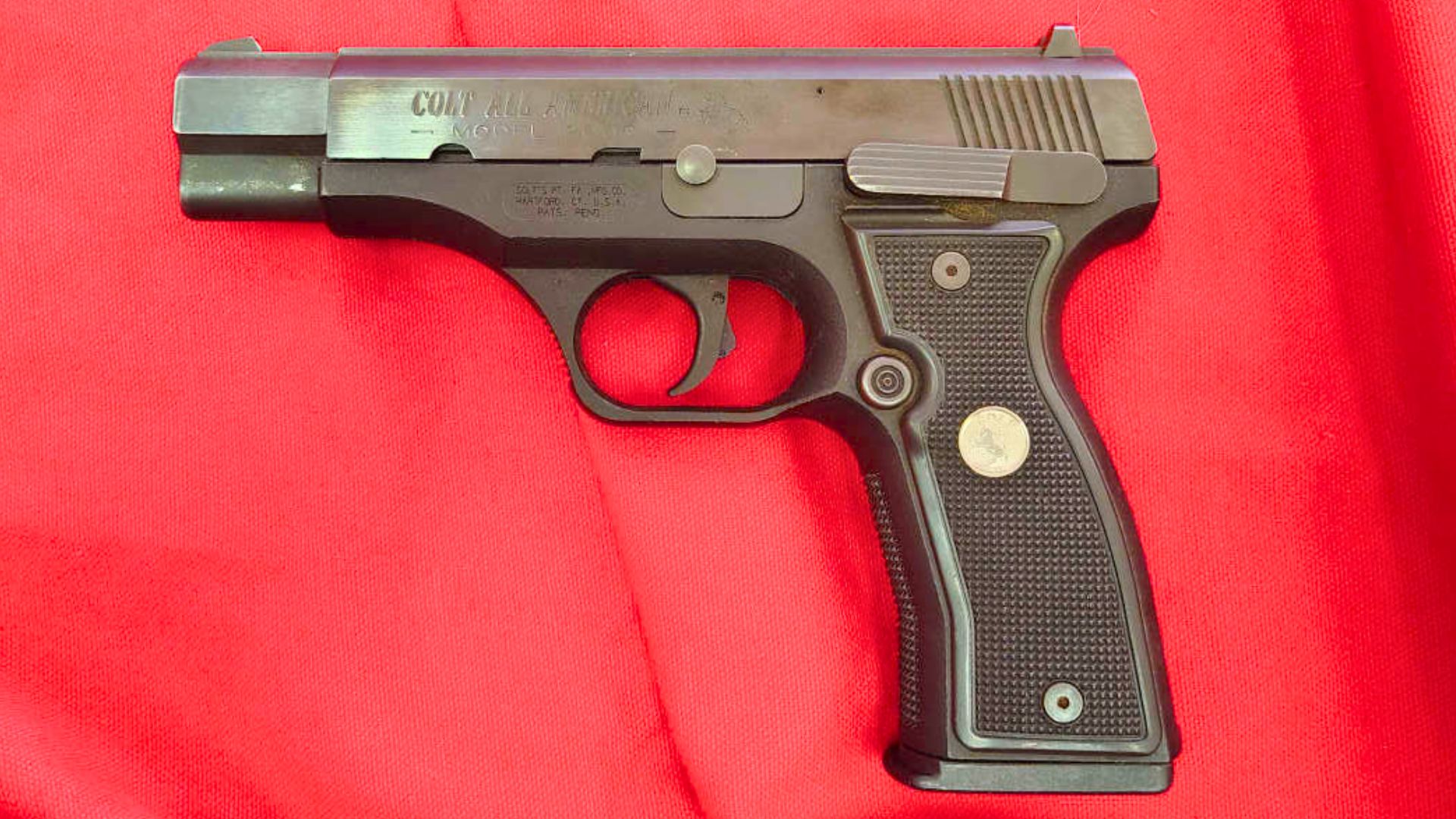
A discontinued Colt pistol sounds like it should be money in the bank, right? That is what made the All American 2000 tempting to some buyers. It had the Colt name, an unusual design, and a short production life.
The market never really treated it like a hidden treasure. The pistol’s awkward reputation followed it for decades, and collector demand stayed limited compared with classic Colt revolvers and 1911s. Used-value guides still put it in fairly modest territory for a discontinued Colt handgun, which tells you a lot. The name on the slide helps, but it does not fix a gun most shooters never loved.
Kimber Solo
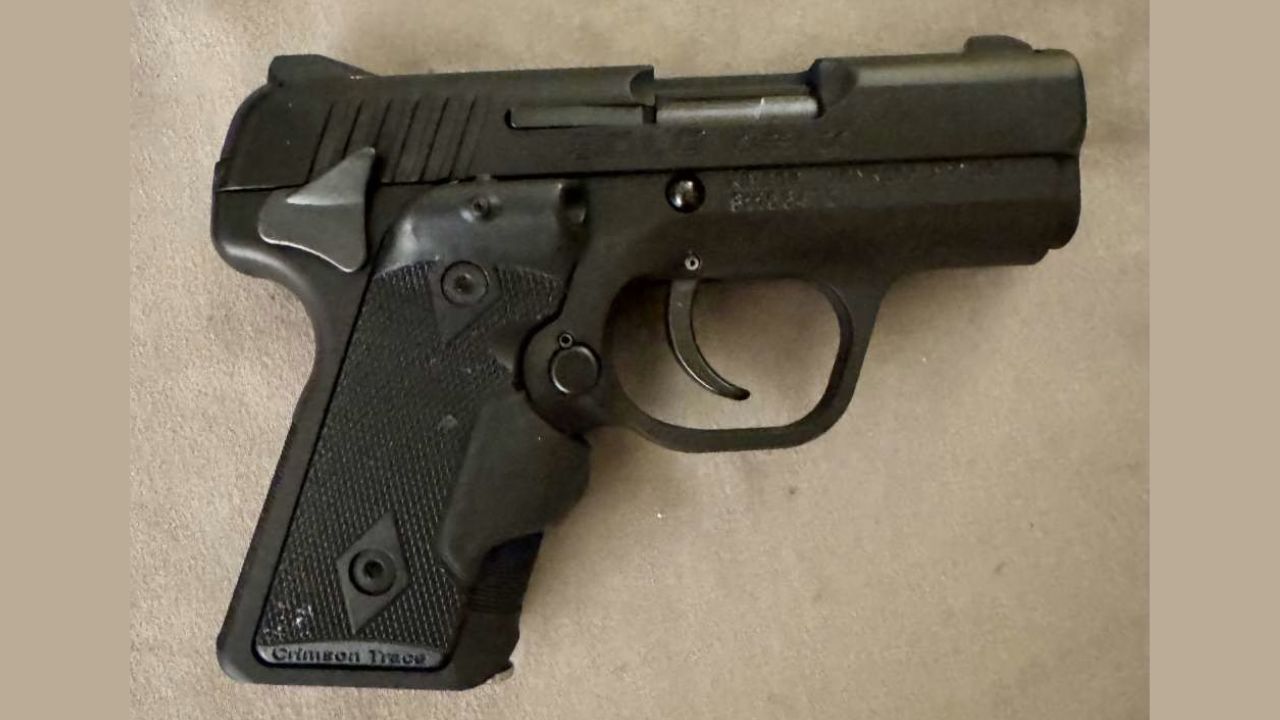
The Kimber Solo looked like it belonged in a glass case. It was small, sleek, nicely finished, and carried the Kimber name at a time when many buyers still associated the brand with higher-end 1911s.
But carry guns live or die by trust, and the Solo picked up a reputation for being picky. It often wanted certain defensive loads, and that is a tough sell when competitors were becoming cheaper, simpler, and more forgiving. Once the small 9mm market exploded, the Solo lost its shine fast. Owners who bought one thinking it would age into a sought-after compact Kimber often found a much thinner buyer pool than expected.
Taurus Curve

The Taurus Curve was one of those guns that got attention the second people saw it. A curved .380 with built-in aiming aids and a pocket-carry concept sounded different enough that some buyers figured it might become a future collectible.
Different did not mean desirable. The Curve was too strange for many serious carry users and not charming enough for most collectors. It became more of a conversation piece than a gun people were hunting down with open wallets. That is the trap with oddball firearms: weirdness can create attention, but long-term value usually needs real demand behind it.
Springfield Armory XD-S Mod.2

The XD-S Mod.2 made sense when single-stack carry pistols were still hot. It was thin, practical, and came from a brand with a strong following. Plenty of buyers thought these compact defensive pistols would hold value because everyone wanted small carry guns.
Then the market moved hard toward higher-capacity micro-compacts. Pistols like the SIG P365, Springfield Hellcat, and similar designs changed what buyers expected from a small gun. The XD-S did not become useless, but it became less exciting on the used shelf. When newer guns give buyers more rounds in a similar footprint, older single-stacks can lose value fast.
Beretta Nano

The Beretta Nano had a respected name behind it and came out during the early rush for slim 9mm carry pistols. It looked like a smart long-term buy because Beretta had history, and concealed carry demand was climbing.
The Nano never built the same loyalty as Beretta’s classic metal-frame pistols. The trigger, shape, and overall feel turned off enough shooters that it got overshadowed. Later micro-compacts made it feel dated, and the used market has not treated it like a must-have Beretta. It is not a bad gun for everyone, but it did not become the sleeper investment some expected.
Remington RP9

The Remington RP9 arrived when everyone wanted affordable striker-fired 9mm pistols. It had capacity, a recognizable brand, and a price that made people wonder if it might become a smart buy before Remington’s future got shakier.
Instead, the RP9 landed in a crowded field and never gave buyers a strong reason to chase it. The trigger, size, styling, and reputation did not help it stand out against Glock, Smith & Wesson, SIG, Walther, and others. Once Remington’s handgun lineup faded, the RP9 did not become a hot collector item. It mostly became another budget pistol people pass over unless the price is low.
Ruger SR9
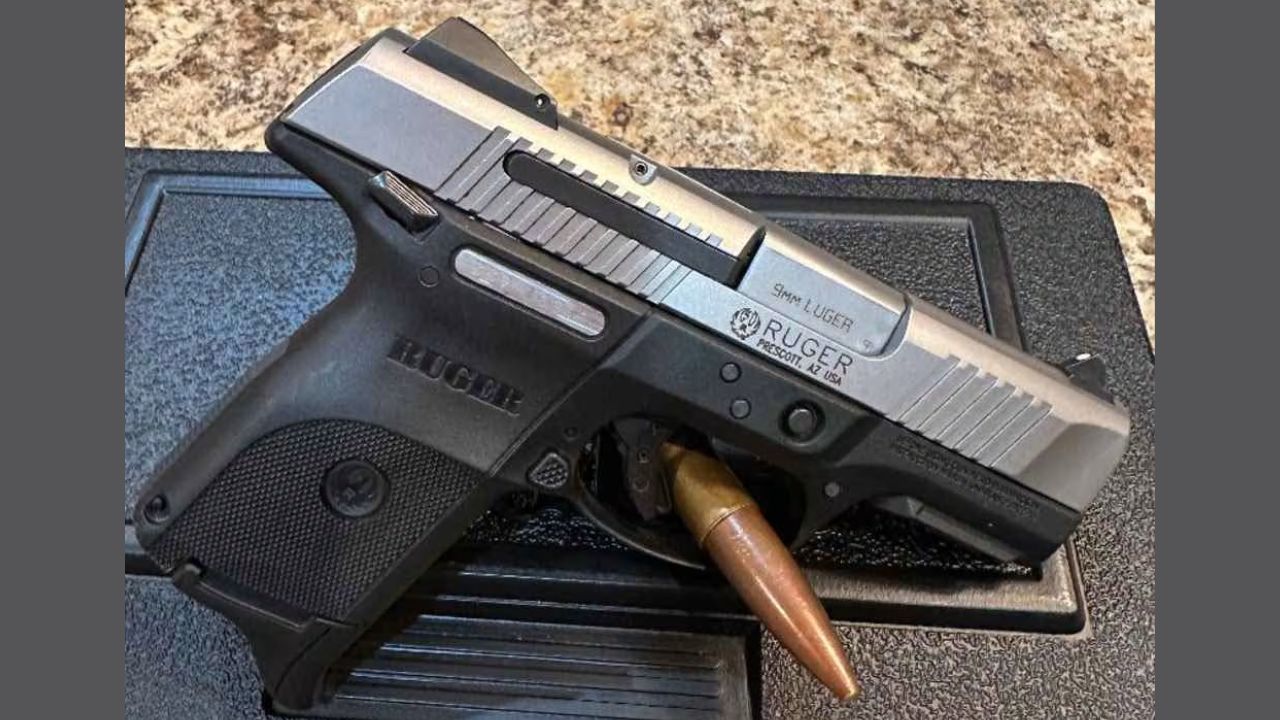
The Ruger SR9 was a solid pistol in its day. It gave buyers a thin, affordable, striker-fired 9mm from a company people trusted. Some owners figured an early Ruger polymer pistol would eventually gain more respect.
The issue is that Ruger later moved on, and the market moved with it. The American Pistol, Security-9, and newer carry-focused models pushed attention elsewhere. The SR9 still works fine for a lot of shooters, but it does not have the collector pull of older Ruger revolvers, .22 pistols, or discontinued carbines. As an investment, it was too common and too easily replaced.
Walther CCP
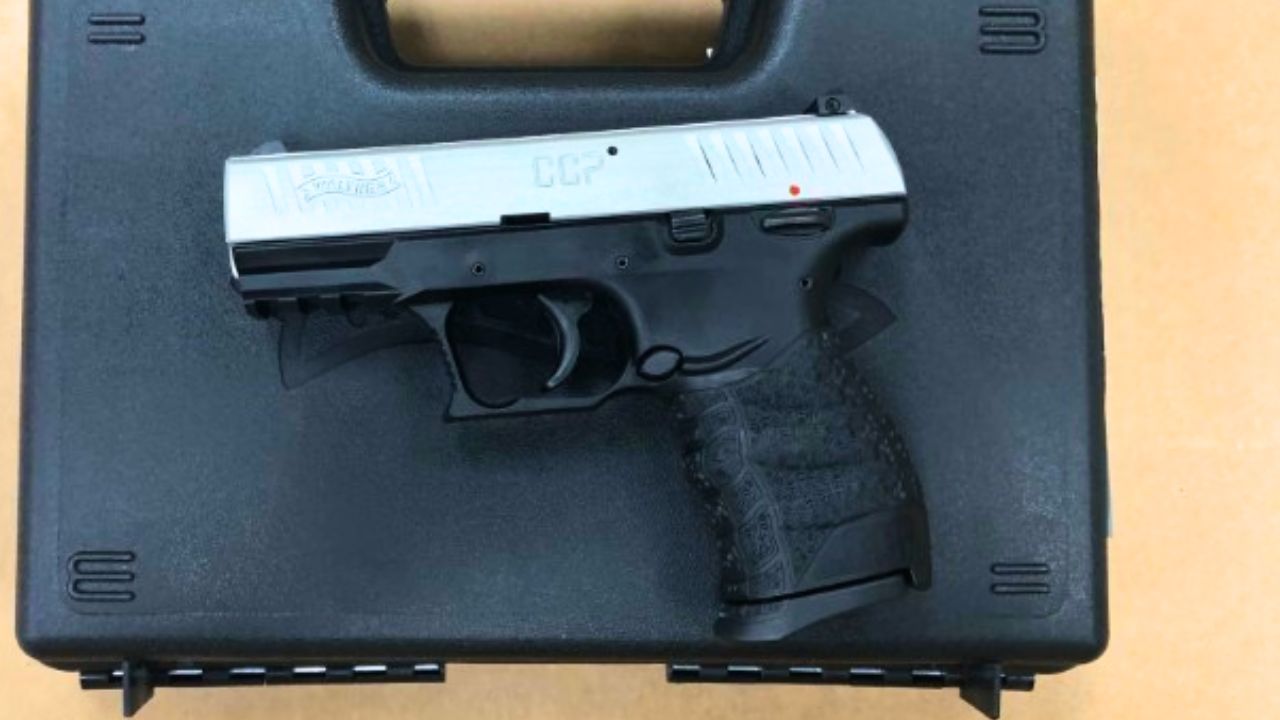
The Walther CCP had a soft-shooting concept and the Walther name, which made it feel more special than another basic carry pistol. Some buyers liked the idea that it was different from the usual striker-fired crowd.
But the CCP never became the Walther people bragged about owning. The takedown system, heat, size, and mixed reputation kept it from catching fire with serious carry buyers. Meanwhile, Walther’s PPQ, PDP, and classic PPK-style pistols pulled more attention from the brand’s fan base. The CCP may fit certain shooters, but it never turned into the kind of used-market winner people hoped for.
Colt Mustang Pocketlite

The Colt Mustang Pocketlite had all the right ingredients at first glance. It was small, metal-framed, tied to Colt, and had that mini-1911 feel that makes people stop and look twice. That sounds like collector fuel.
The problem is that the .380 pocket pistol market changed quickly. Polymer guns got lighter, cheaper, and easier to carry, while serious collectors often stayed focused on older Colts with deeper history. The Mustang still has appeal, but many buyers who paid strong prices expected more long-term heat than the market gave them. It is cool, but cool does not always mean profitable.
Smith & Wesson SW9VE

The SW9VE was cheap, common, and durable enough that plenty of owners bought one and tucked it away. Some figured that discontinued Smith & Wesson pistols eventually get respect once people stop seeing them everywhere.
That has not really happened here. The heavy trigger and budget reputation kept the SW9VE from becoming a gun people chase. Smith & Wesson’s M&P line also made it feel old fast. A clean one can still serve as a basic range or home-defense pistol, but as an investment, it never had much room to climb. Too many were made, and too few buyers feel nostalgic enough yet.
KelTec PMR-30
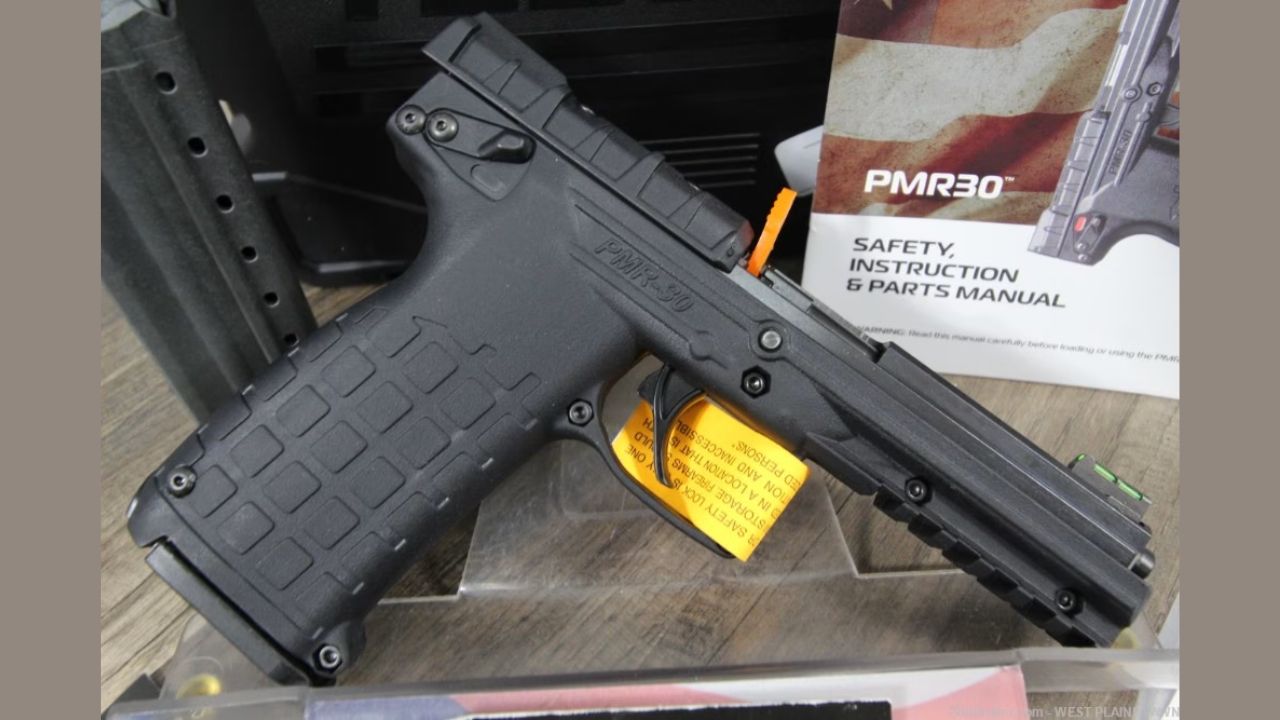
The KelTec PMR-30 got attention immediately. Thirty rounds of .22 Magnum in a lightweight pistol sounds like the kind of oddball that might age into something special. Add in periods of spotty availability, and some buyers expected values to stay hot.
The demand never disappeared, but the PMR-30 also never became a sure investment piece. It is too dependent on the buyer wanting that exact strange package. Ammo cost, rimfire quirks, and mixed real-world opinions keep some people away. It is fun, loud, and easy to notice, but that does not automatically make it a strong place to park money.
Desert Eagle Mark XIX

The Desert Eagle is one of the most recognizable pistols ever made. Movies, video games, huge cartridges, and the sheer size of the thing make it feel like it should be collectible forever. Some buyers paid big money thinking it would only become more desirable.
The catch is that Desert Eagles are expensive to feed, heavy to handle, and not practical for much outside range entertainment or collecting. They do hold attention, but attention is not the same as easy resale at a profit. Unless you bought the right version at the right price, a Desert Eagle can sit longer than expected when it is time to sell.
Winchester SXP
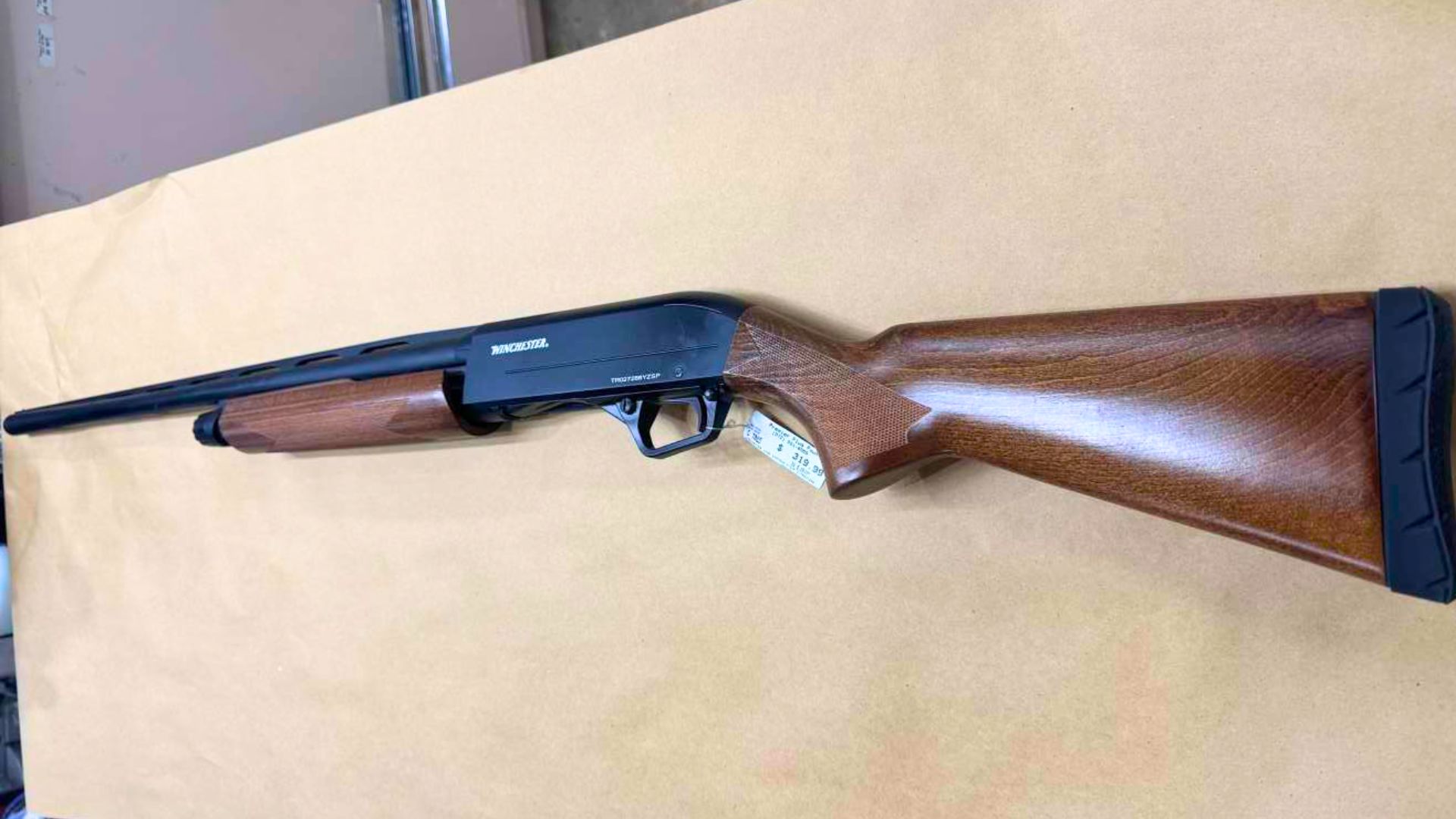
The Winchester SXP carries a famous name, and that alone can make buyers think it will age well. Winchester shotguns have history, and some folks assume almost anything with that rollmark has future value baked in.
The SXP is not that kind of Winchester. It is a modern pump shotgun in a market packed with used Mossberg 500s, Remington 870s, older Winchesters, and budget Turkish imports. It can be a useful shotgun, but it does not have the same collector pull as the older Model 12 or certain classic Winchester hunting guns. As an investment, it is too ordinary to do much work.
Like The Avid Outdoorsman’s content? Be sure to follow us.
Here’s more from us: