Photo credit: Nigel Housden/Shutterstock.com
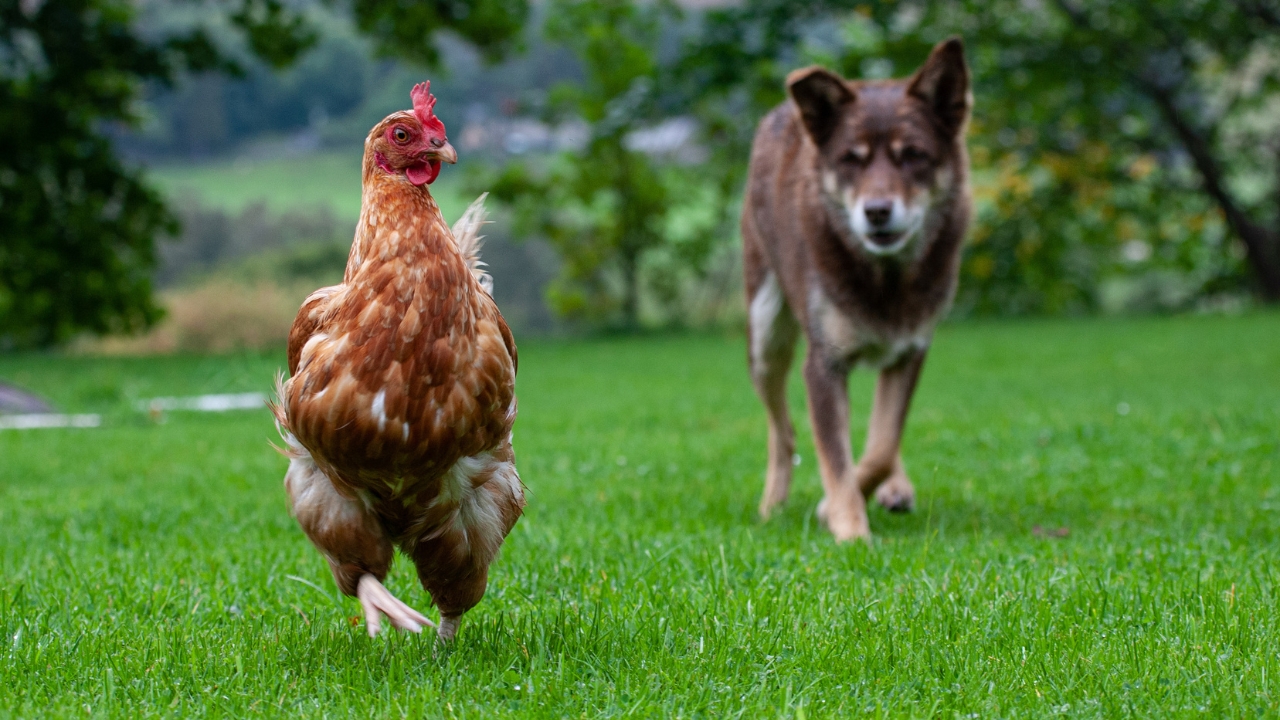
An Indiana woman said the first time the hunting dogs came onto her property and killed her chickens, the owner at least showed up and admitted what happened.
A few weeks before she posted about it on Reddit, a man knocked on her door and told her he had been hunting across the street when one of his dogs ran off. The dog had crossed onto her property and killed two of her chickens. He apologized and offered to pay for the loss.
That was bad enough, but she accepted the apology and compensation. At that point, it sounded like a hunting dog had gotten away from its owner, crossed the wrong boundary, and done what loose dogs will do around chickens.
Then it happened again, but this time it looked a lot more intentional.
In a Reddit post, the woman said that after her husband left the house one day, the same hunters came out of the woods across the street. Instead of calling their dogs back or staying on their side, she said they appeared to send the dogs into her yard.
She noticed what was happening, slipped on her boots, and headed outside. The hunters must have seen her coming, because she said they quickly started disappearing back into the woods with their dogs.
That detail changed everything for her. This no longer felt like one dog slipping away during a hunt. She had no-trespassing signs posted. She had electric fencing up. She also had livestock and children on the property. From her point of view, the men seemed to wait until the only vehicle left the driveway before letting the dogs come over again.
The chicken loss was not the only problem she had dealt with from that wooded property across the road. She said there had been past issues with hunters shooting into her property, and she had already had to get “pretty ugly” to make that stop. With animals and kids on her side of the line, that kind of shooting was not something she could brush off as neighborly inconvenience.
After the second dog incident, she wanted to know what she could legally do if the dogs came back and went after her livestock again. Specifically, she asked whether she could shoot them if they messed with her chickens again.
That is an ugly spot for any landowner to be in. Nobody wants to shoot someone’s dog. But when the same dogs have already killed chickens once, and their owners appear to be letting them push onto the property again, the landowner is left weighing the animal in front of them against the livestock they are responsible for protecting.
She had already made her position clear to the owner of the wooded property. She said she told that owner she would take action the next time it happened and asked them to pass that message along to the hunters.
The post had all the ingredients that make rural property disputes go sideways fast: hunters using nearby woods, dogs crossing onto private property, livestock getting killed, no-trespassing signs being ignored, and a landowner worried that the people involved might be waiting until her husband was gone before letting it happen again.
The bigger problem was that the dogs were not acting alone in the way a stray might. The hunters were nearby. They were aware of where the dogs were. They knew there had already been an issue. And according to the woman, when she came outside, they got the dogs and disappeared back into the woods.
That made the question less about one loose dog and more about whether the hunters were controlling their animals at all.
She later said in the comments that she worked with rescues, helped transport dogs from high-kill shelters to no-kill shelters, and fostered pit bulls. She was not eager to kill anyone’s dog. She said she hoped they would simply stay away from her property.
But she also said she was almost always armed, like many people in her area, and if the dogs came back after her chickens again, she was prepared to protect her animals. At one point, she mentioned considering a flat-tipped pellet gun, hoping the look of it from a distance would send a message to the hunters without pointing it anywhere near the people.
That comment set off its own warning from others, because now the situation was drifting into even more dangerous territory: a landowner stepping outside with something that could look like a firearm while armed hunters were across the road.
She clarified that she would not be threatening the hunters or pointing anything at them. Her focus was the dogs in her yard, roughly 200 yards in from the road. But the concern from other users was obvious. Even if she had a legal right to protect her chickens, doing it while armed hunters watched could turn a property dispute into a much worse confrontation.
Commenters generally agreed that Indiana law gave livestock owners strong protection when dogs were attacking or harassing livestock. One commenter cited an Indiana case involving dogs worrying chickens and said dogs known to have worried livestock or fowl could be lawfully killed under those circumstances.
But several people warned her to be careful about timing. They said there is a big difference between shooting dogs actively attacking chickens and shooting dogs that are only in the yard or already running back toward their owners. A few commenters said she should talk to a local lawyer before relying on Reddit advice in a situation involving firearms, animals, and hunters.
The practical warnings were just as strong as the legal ones. One commenter told her that even if it was legal, she needed to think hard about what could happen if she shot an armed hunter’s dog right in front of him. Another suggested trail cameras and calling law enforcement would probably be safer and cheaper than a direct confrontation.
Others shared farm experience. One commenter said their family lost chickens and ducks to hunting hounds and eventually used trail cameras to prove what was happening. They said paintball guns worked better than warning shots because the dogs were used to gunfire, though they also noted that they did not want to kill the dogs.
A few people suggested livestock guardian options, including a guard donkey, which led to a whole side conversation about how effective donkeys can be at protecting animals.
The strongest advice was not that she should rush outside and start shooting. It was to document everything, use cameras, involve local authorities when possible, and only use force if the dogs were actively threatening the livestock. The hunters may have been the ones causing the problem, but the danger was that the dogs would be the ones paying for it.