Photo credit: Jordi Mora/Shutterstock.com
If you’ve tracked enough game or lost a few that didn’t drop like they should’ve, you know the pain of using the wrong caliber. Not every bullet carries the energy needed to make a clean kill, especially when the shot placement isn’t perfect. Some calibers are fine on paper—fast, flat, or light recoil—but when they meet bone or muscle, they fail to break down animals the way a proper hunting round should. You end up with wounded game, long tracking jobs, or worse, nothing but blood spots and regret. Whether you’re hunting deer, hogs, or varmints that size up more like small pigs, the round you use needs to do more than poke holes—it needs to put animals down. These are the calibers that tend to come up short when it matters.
.17 HMR

The .17 HMR is fun to shoot and deadly on small varmints, but once you push it beyond that, it loses steam. It’s a tiny, fast-moving bullet with minimal recoil, which makes it attractive for young or recoil-sensitive shooters. But when it comes to energy on target, it doesn’t have much to offer past rabbits and ground squirrels.
If you try it on larger critters—say, raccoons, foxes, or even small hogs—it tends to zip right through without enough disruption. And forget about it for deer. The round lacks both mass and expansion, so if you don’t hit something vital dead-on, the animal’s likely to run. It’s a flat shooter with impressive velocity, but that doesn’t make up for its lack of stopping power on anything much bigger than a prairie dog. You might hit your mark, but odds are you’ll spend more time tracking than recovering.
.22 LR
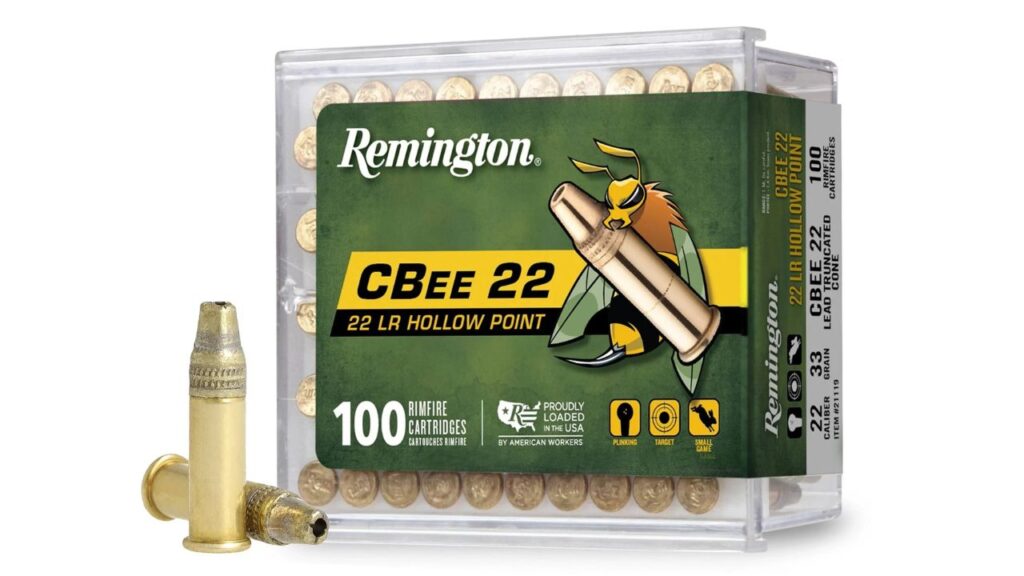
The .22 LR has probably taken more animals than any other round out there, but that doesn’t mean it’s always effective. It’s fine for squirrels, rabbits, and maybe a raccoon at close range, but it simply doesn’t have the energy to guarantee a quick kill on anything larger. The slow velocity and small projectile don’t allow for reliable penetration or expansion.
Some folks have used it to take down deer in survival situations or under sketchy legal conditions, but that doesn’t make it a good idea. If you don’t hit the brain or spine directly, animals are going to run—sometimes for a long way. Even with high-velocity loads, it’s still a rimfire with limited reach and inconsistent terminal performance. It’s great for practice, dispatching trapped animals, or shooting cans, but it has no place in a big game hunt if you’re trying to keep it ethical and efficient.
.204 Ruger
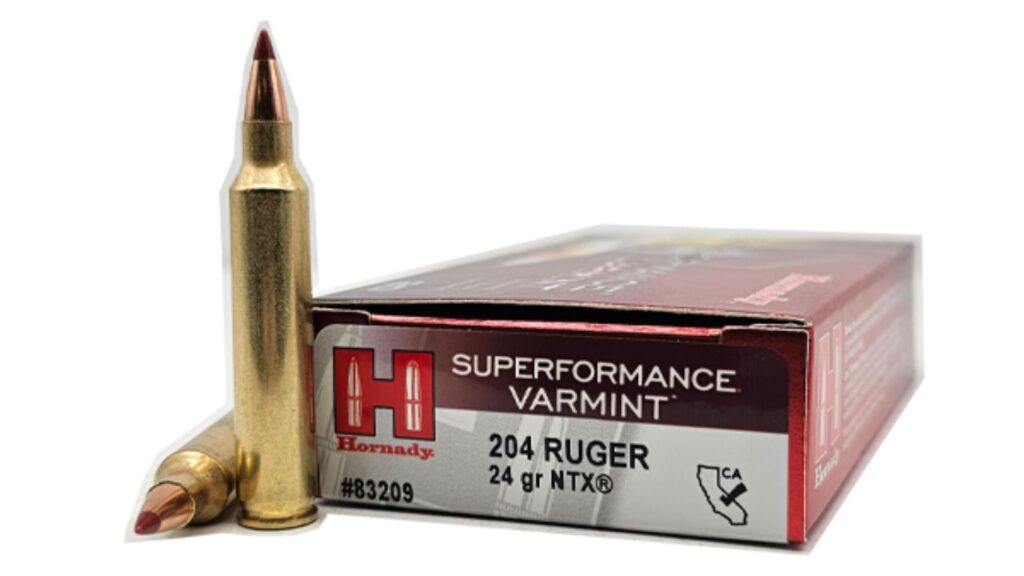
The .204 Ruger is a blisteringly fast little round, but that speed doesn’t always translate into killing power. It’s great for prairie dogs and coyotes in open country where you can see the splash and track the hit. But when used on anything thicker-skinned or heavier-boned, it runs into trouble. It doesn’t carry enough mass to break down tough animals reliably.
Because of the lightweight bullet, it tends to fragment on impact. That can work well on thin-skinned varmints, but it won’t do you any favors on a hog or a larger predator. You’ll get a surface wound, maybe some blood, and a long, frustrating tracking job. The caliber’s best feature—its speed—also becomes a weakness when it meets resistance. Use it where it shines, but don’t expect it to handle jobs that should be left to heavier cartridges with more punch and better penetration.
5.7x28mm
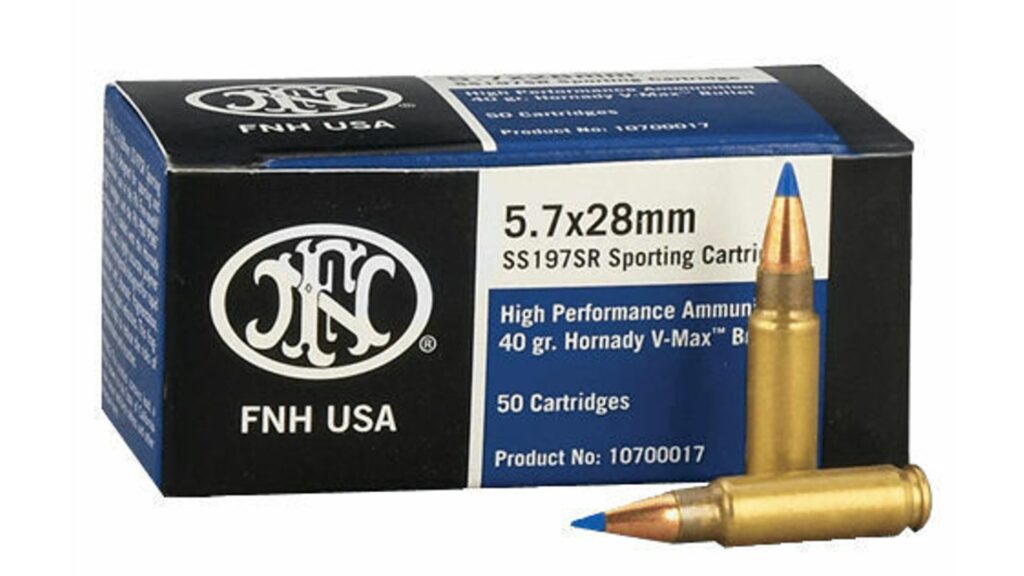
The 5.7x28mm has gained some popularity thanks to the FN Five-seveN and the Ruger-57, and it does have impressive velocity for a pistol round. But when it comes to terminal performance on animals, it falls short. It’s designed more for penetration through armor than for tissue disruption, and that shows when you’re using it on live targets.
On paper, the numbers might look good. But in the field, those light bullets tend to zip through animals without dumping enough energy to anchor them. The result is often a wounded critter that runs off before you can make a follow-up shot. It’s not ideal for anything larger than a rabbit unless you’re absolutely sure of your shot placement. And even then, performance is inconsistent. It’s a high-speed round in a small package, but when it comes to stopping power in the field, it often leaves animals running and you empty-handed.
.30 Carbine
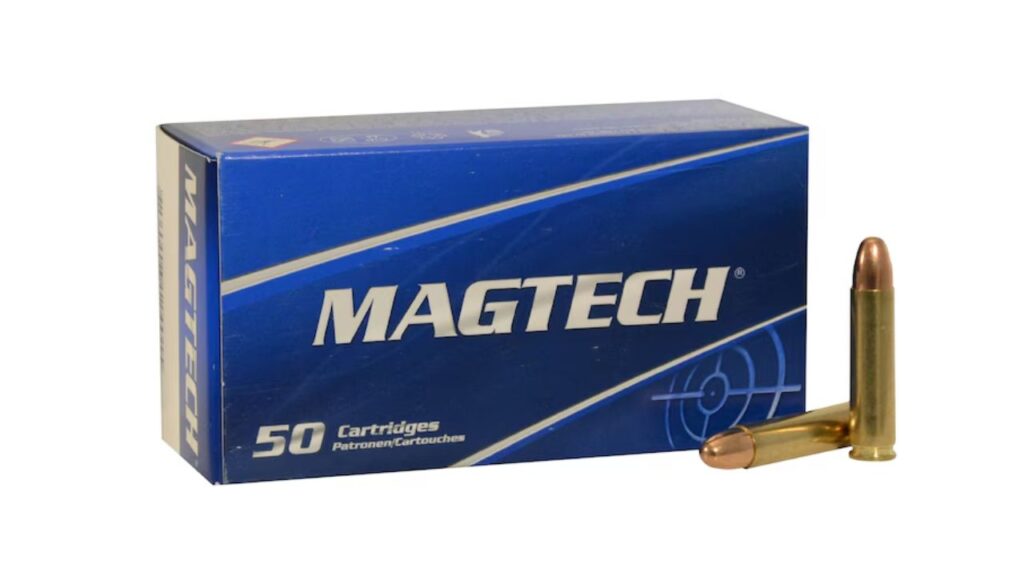
The .30 Carbine has military roots and a nostalgic following, but it doesn’t translate well to hunting medium game. It’s essentially a souped-up pistol round, and while it looks like a rifle cartridge, it performs more like a .357 Magnum. On paper, it seems like it should work fine for deer-sized game, but field results tell a different story.
The round lacks the mass and energy needed to reliably penetrate thick muscle or bone. It doesn’t have much shock value, either, so unless you hit vitals dead center, the animal’s going to take off. Hunters who’ve tried it often report long blood trails and animals that didn’t go down until hundreds of yards later—if they were recovered at all. It’s okay for small hogs or coyotes in close quarters, but don’t rely on it for clean kills on anything bigger. There are better options out there for ethical shots.
.223 Remington (with varmint loads)

Now, the .223 Remington isn’t a bad round overall—but it heavily depends on the load. Varmint-style bullets like 40- to 55-grain hollow points are built for explosive impact on small targets. When you use those same rounds on deer or hogs, you run into problems. They tend to fragment or fail to penetrate deep enough, especially on angled shots.
Plenty of folks hunt successfully with .223, but they’re using heavier bullets like bonded soft points or mono-metal options designed for deeper penetration. If you go in with the wrong load, you’ll end up with a hit that looks good but doesn’t drop the animal. That leads to blood trails, long tracking jobs, and often, lost game. The caliber can work, but it’s highly load-sensitive. If you’re planning on using .223 for anything beyond varmints, pick your ammo carefully—or expect to watch tails disappear into the brush more than once.
7.62x39mm (FMJ loads)
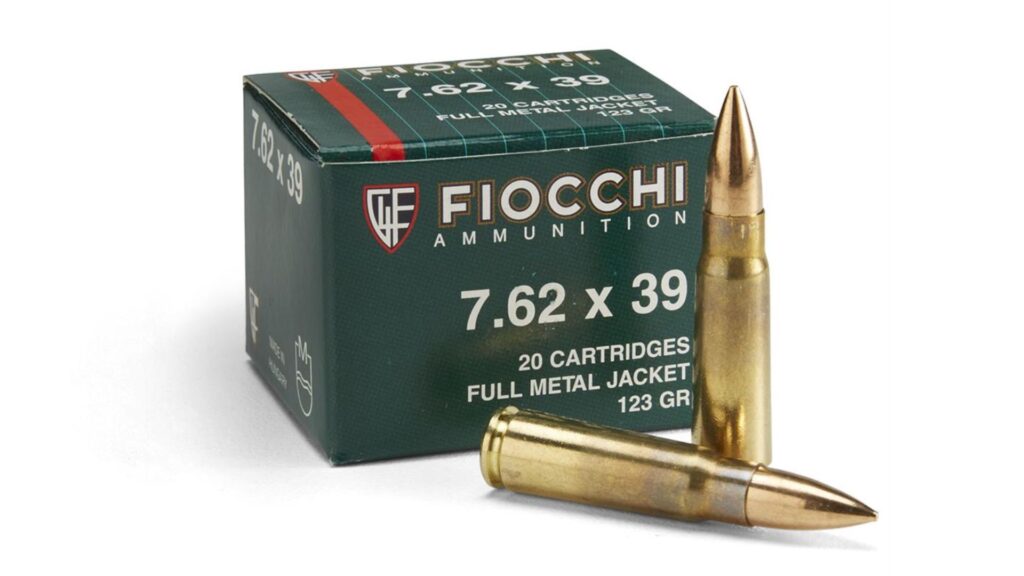
The 7.62x39mm is often compared to the .30-30, but when you’re using full metal jacket ammo, the results are nowhere near as effective. FMJs punch clean holes with minimal energy transfer. That’s fine for range use or combat applications, but it’s a poor choice for hunting. You’ll hit your target, sure—but it won’t do enough internal damage to stop the animal quickly.
You end up with pass-through wounds and animals that keep moving like they weren’t even hit. Hunters who’ve tried using FMJs on deer or hogs often report lackluster blood trails and long recoveries. Soft points or hunting-specific ammo change the equation, but too many folks assume any 7.62×39 will do the job. It won’t. The caliber has enough potential, but the bullet type matters. Stick with expanding bullets, or be ready to put in the tracking miles when your shot doesn’t deliver.
9mm Luger
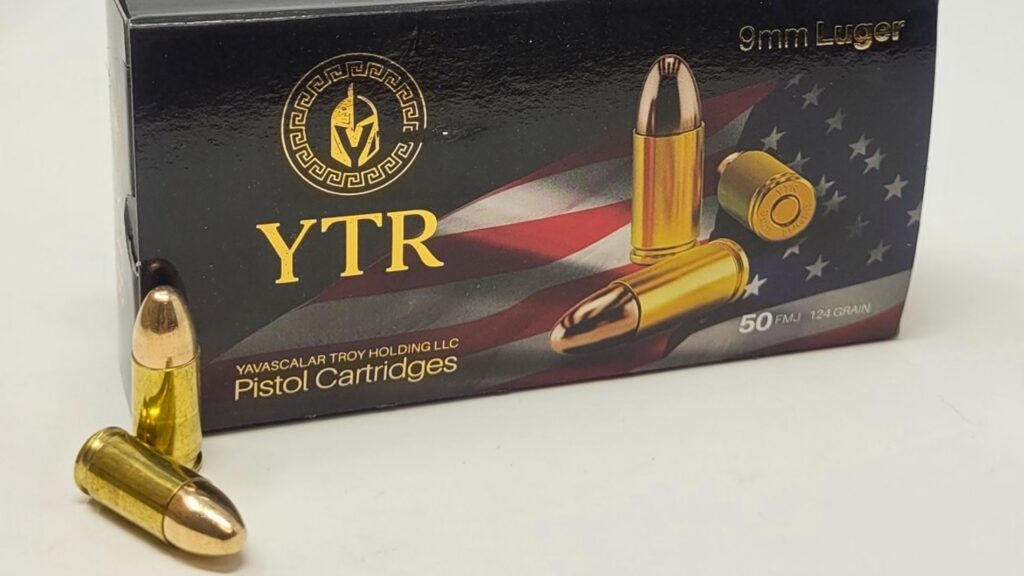
The 9mm Luger is a proven self-defense round, but that doesn’t make it ideal for hunting. It’s got decent energy for close-range threats in a defensive setting, but in the field, it struggles with penetration and expansion—especially when used from compact pistols. On deer or hogs, it often hits and keeps going without causing enough internal trauma to bring the animal down fast.
Some people use it for close-range hogs or wounded game follow-ups, and it can work in very controlled situations. But as a primary hunting round? It’s not reliable. You’ll see runners, sparse blood trails, and long hours spent trying to finish the job. It’s another one of those “because I had it with me” calibers that gets stretched beyond its real-world limits. There are better options, even in other pistol calibers, if you’re serious about putting game down efficiently and ethically.
10mm Auto (with FMJ)
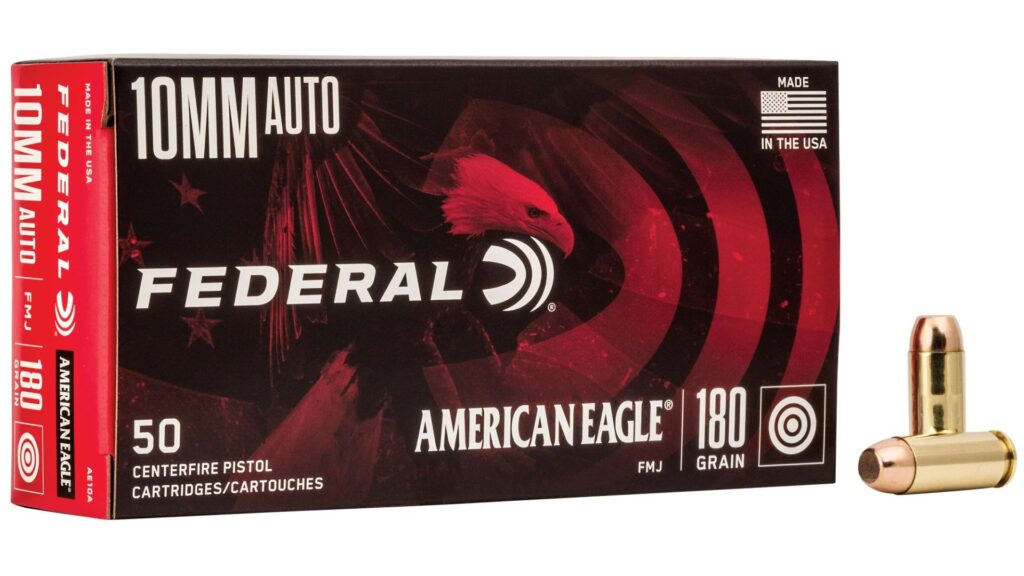
The 10mm Auto is a powerhouse when loaded properly, but it can fall flat when you’re shooting full metal jackets. FMJs are great for range practice and penetration through barriers, but they don’t expand—and that’s where the problem comes in. On animals like hogs or deer, an FMJ will often zip right through without dumping enough energy.
Hunters using 10mm need to load the right bullet—hard cast for deep penetration or expanding soft points for tissue disruption. But too many folks stick with target loads that were never intended for hunting. That leads to less-than-ideal outcomes. You might hit the vitals, and the animal still runs off because the wound channel is too narrow. The caliber itself is capable, but bullet choice matters more than anything. Use it wrong, and it acts more like a hard-hitting .40 S&W with the same shortcomings—fast exits, poor blood trails, and long nights in the brush.
.410 Bore with Slugs
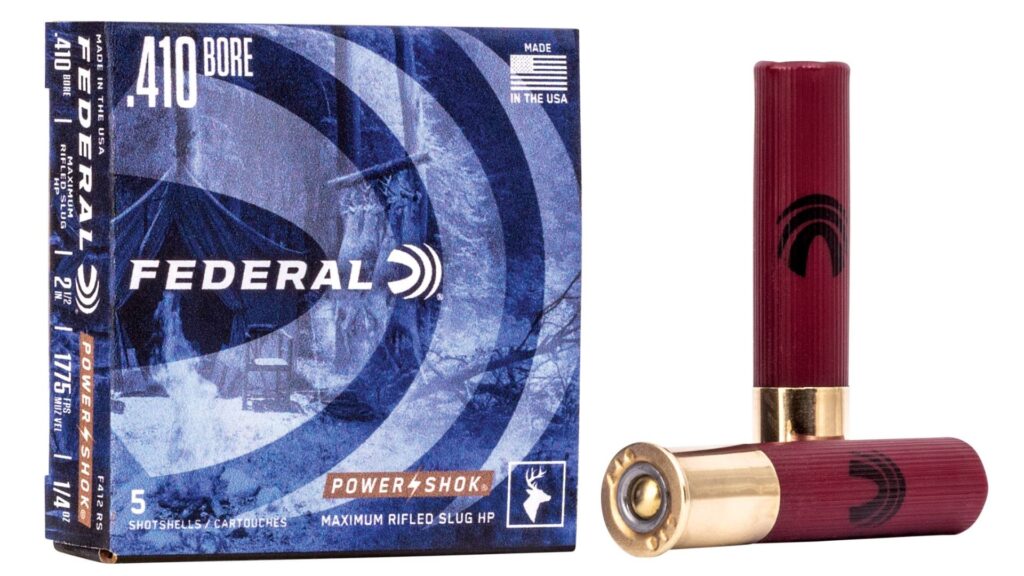
The .410 shotgun loaded with slugs gets brought up as a “kid’s deer gun” more often than it should. While it can work under ideal conditions, its margin for error is razor thin. Slugs from a .410 carry limited energy, and unless shot placement is perfect, you’re looking at wounded game and long tracking jobs.
It’s lightweight and has manageable recoil, which makes it appealing, but the performance doesn’t inspire confidence. The projectile is small and moves slower than what you’d want for reliable penetration through bone or muscle. If the animal is quartering away or if you hit a rib, the slug may not do enough damage to anchor it. That’s especially true with older guns or ones with shorter barrels. There are better options out there for young or recoil-sensitive hunters. The .410 isn’t useless, but it’s underpowered for most big game scenarios and often results in frustrating outcomes.
*This article was developed with AI-powered tools and has been carefully reviewed by our editors.