Photo credit: SUNDAY GUNDAY/YouTube
Some guns grab attention at the counter with rails, muzzle brakes, and fancy coatings—but all that flash doesn’t mean they’ll hold up in the real world. Plenty of “tactical” rifles and pistols get sold on looks alone, only to leave folks frustrated after a few range trips. Whether it’s poor parts fitment, constant malfunctions, or broken components, these guns teach a lesson: looks don’t equal performance. Here are thirteen examples of firearms that may turn heads in the store but can’t be trusted once the shooting starts.
ATI Omni Hybrid AR-15
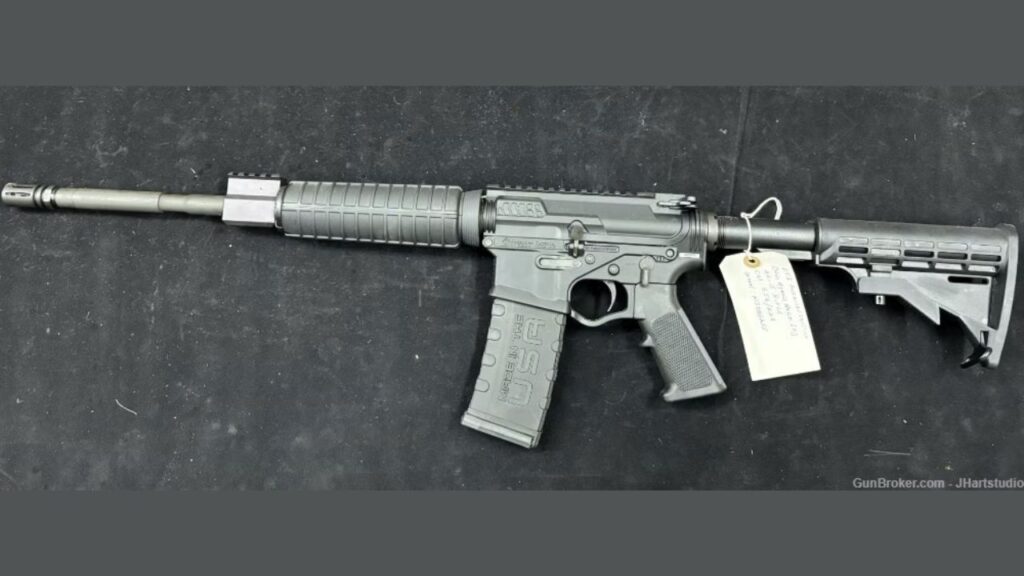
On paper, the ATI Omni Hybrid looks like a budget-friendly tactical rifle. It’s got polymer receivers and enough rail space to load up accessories. But the issues show up fast. The polymer lower has a reputation for cracking, and the internal parts wear quickly under moderate use. Reliability drops off after a few hundred rounds, especially with steel-case ammo. While it saves money upfront, this AR often struggles to hold up through normal range sessions, let alone any serious training or field use.
Taurus PT845
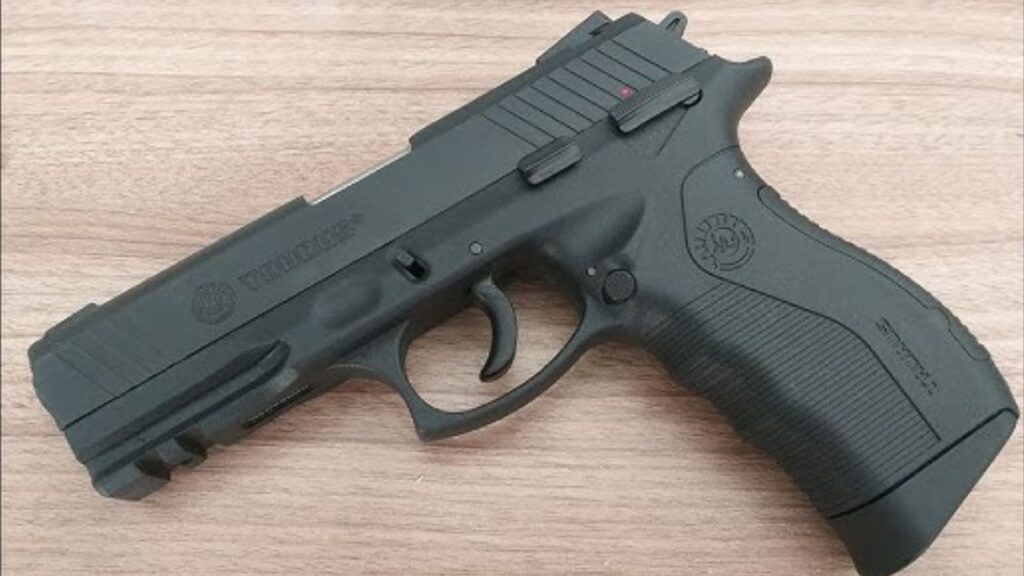
The PT845 comes packed with tactical features, from the accessory rail to ambidextrous controls. It’s a full-size .45 ACP that promises duty-level performance at a lower price point. The problem is, it rarely delivers. Many users report constant feeding problems, sloppy triggers, and slide lock failures. Even with basic ball ammo, the PT845’s inconsistency can make range time frustrating. Despite the tactical appearance, it’s a handgun that often requires tinkering just to run decently.
DPMS Oracle AR-15
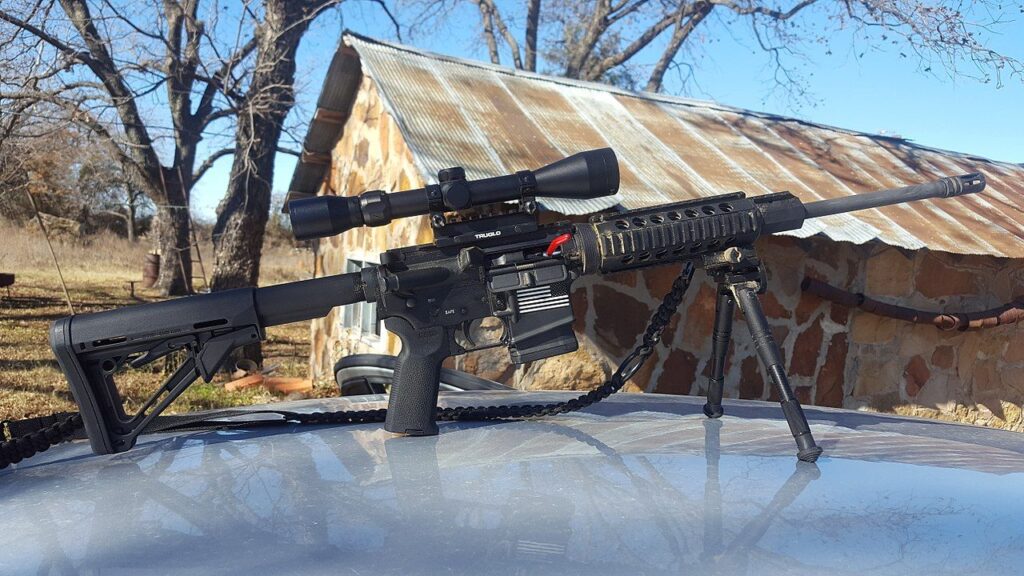
The DPMS Oracle has sold in huge numbers, offering the “tactical” AR look at a rock-bottom price. Unfortunately, corners get cut to hit that price. Many users experience cycling problems right out of the box, and quality control issues lead to misaligned gas blocks or poor accuracy. The barrel finish also wears quickly. While it might be fine for the occasional plinker, the Oracle isn’t a rifle you want to depend on for hard use.
Remington R51
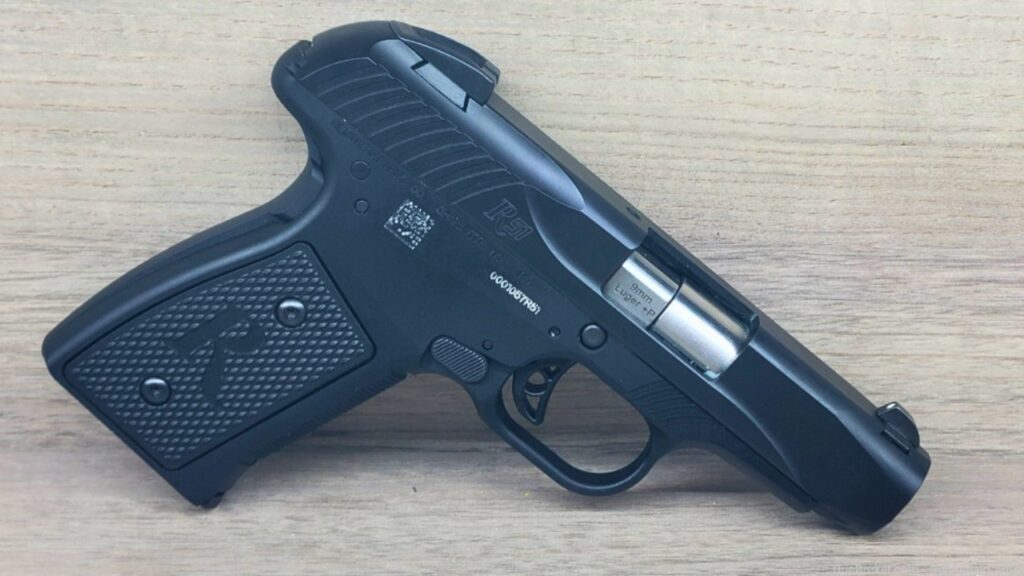
The Remington R51 showed up with slick lines, a pseudo-tactical design, and modern materials. Remington promised low recoil and quick follow-up shots, but early adopters learned otherwise. The first release was plagued with malfunctions and serious safety issues. Even after the recall, complaints about reliability and odd ergonomics continued. The R51 ended up looking sharp on the shelf but failing to perform anywhere else, earning it a lasting reputation for frustration.
Mossberg Tactical 702 Plinkster
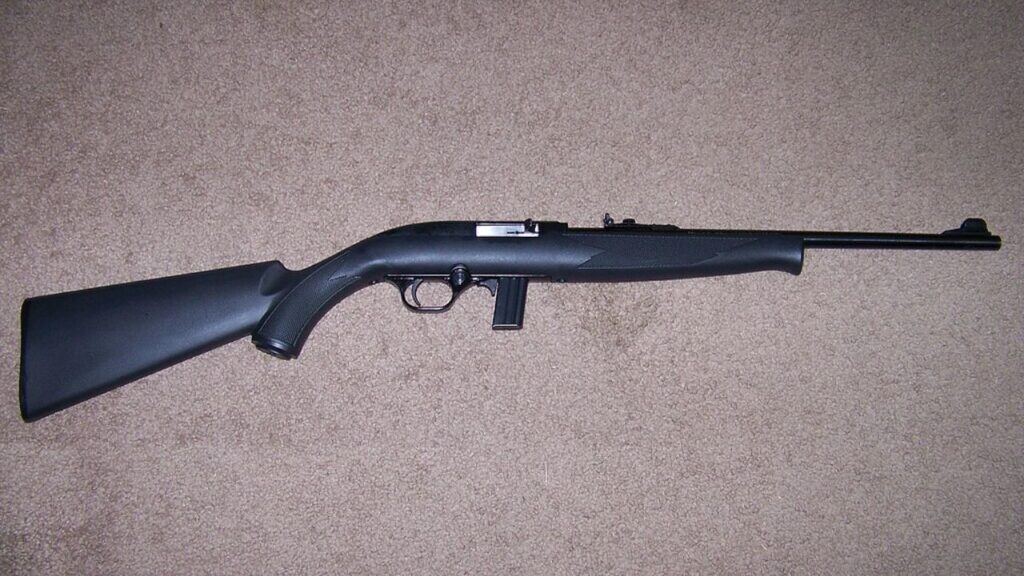
Mossberg’s 702 Plinkster is a decent little .22 rifle in its basic form, but the “tactical” version with the adjustable stock and rails doesn’t add much besides weight. Reliability takes a hit when extra accessories are added, and the lightweight build can’t handle abuse. The action gums up quickly after a few hundred rounds. While it mimics the tactical look, it’s still a basic plinker that shouldn’t be mistaken for a serious training tool.
KelTec Sub2000 Gen 1
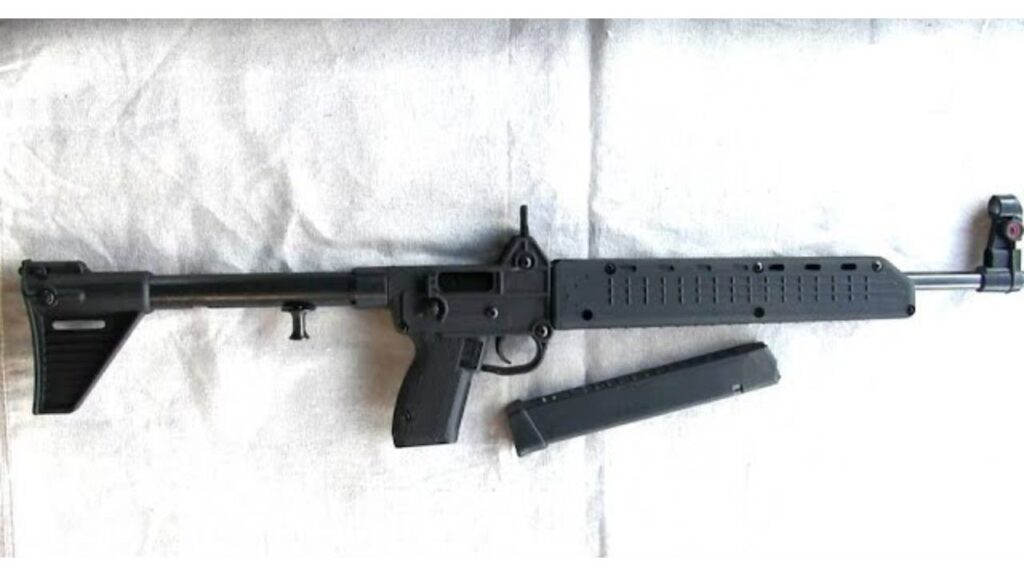
The KelTec Sub2000 Gen 1 made waves with its compact folding design and rail options. It seemed like a tactical dream for backpackers or bug-out kits. Reality proved different. Early models had fragile front sights, sharp edges, and a tendency to malfunction with certain magazines. Even light range use revealed weak points in the design. While KelTec improved things with later versions, the Gen 1 struggled to live up to its “tactical” appeal.
Century Arms C308

The Century Arms C308 looks like a tactical classic with its roller-delayed action, optic rail, and battle-ready profile. But underneath, it’s a slapped-together parts kit with some serious flaws. Many shooters report poor accuracy, harsh recoil, and magazines that don’t seat properly. Weld quality varies wildly between rifles. While it mimics the iconic G3, the C308 often feels loose and unreliable when pushed beyond casual shooting.
Springfield XD Mod.2 Tactical
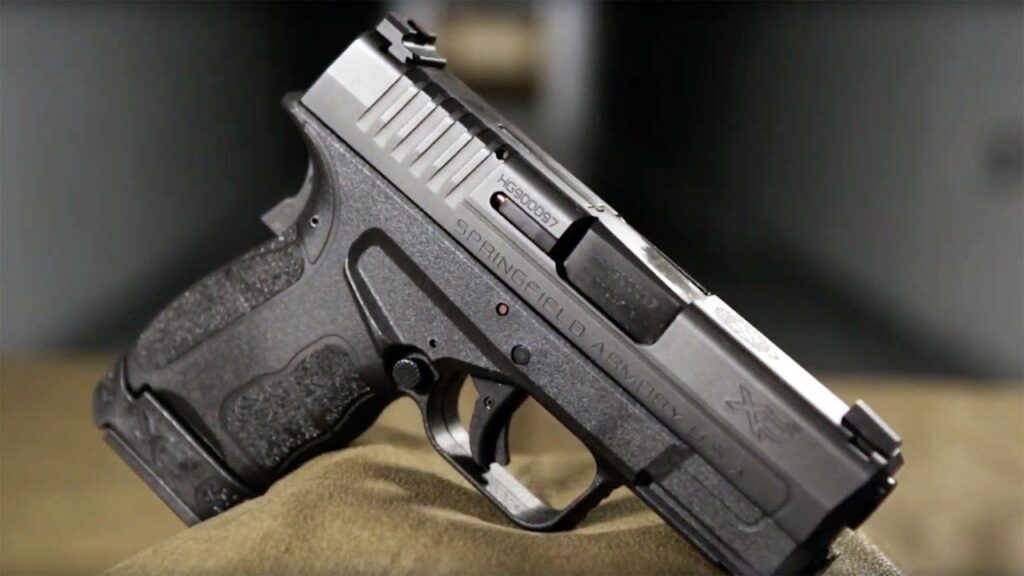
Springfield’s XD Mod.2 Tactical offers a full-sized frame, fiber optic front sight, and aggressive grip texturing, promising modern defensive performance. But users often complain about a squishy trigger, inconsistent reset, and premature slide lock failures. For a pistol marketed as tactical-ready, the lack of reliability in classes and competitions is disappointing. It can run fine in short bursts, but many owners report issues when it’s put through extended drills or rough handling.
IWI Tavor X95 with Aftermarket Triggers
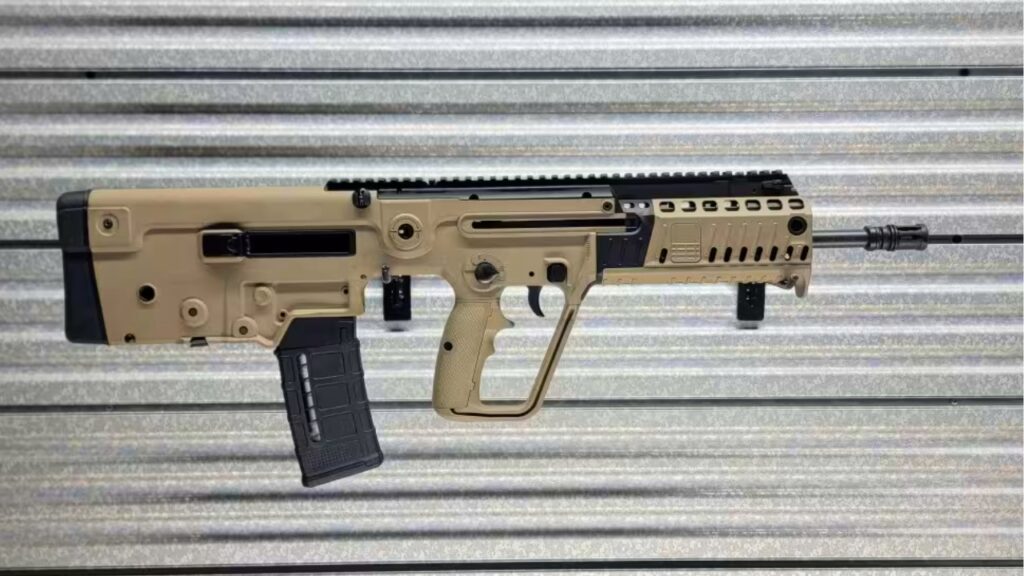
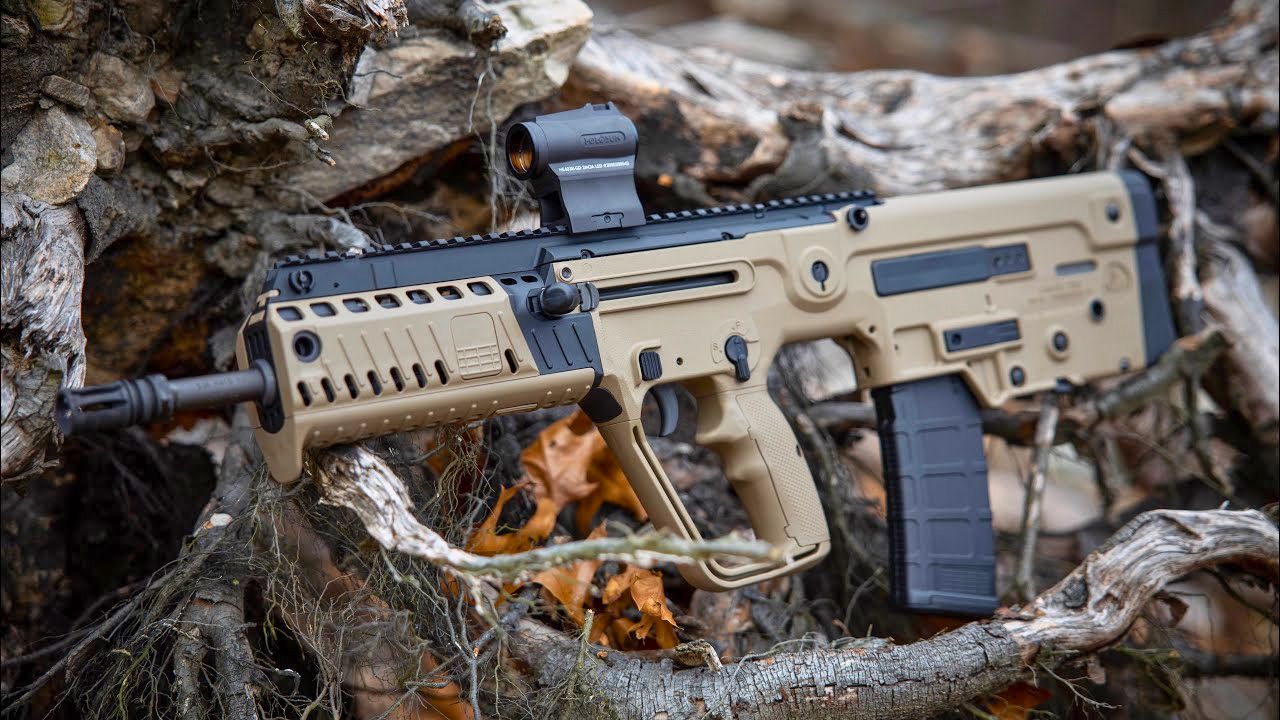
The Tavor X95 is a tough bullpup design, but the problems start when folks chase a lighter trigger with cheap aftermarket parts. Some “drop-in” trigger packs compromise reliability, leading to light primer strikes or doubling issues. With a factory trigger, the X95 is built for combat conditions. Once modified for the “tactical upgrade,” malfunctions become common. It’s a good reminder that some guns are better left stock if you want them to run properly.
PSA KS-47
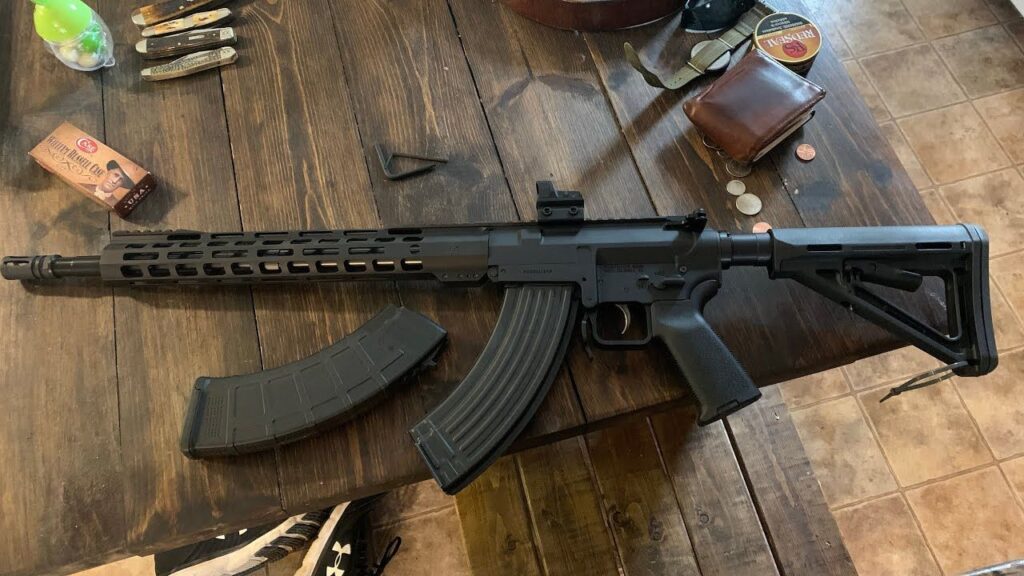
The PSA KS-47 caught interest with its promise of blending the AR platform with AK mags. It looks tactical and seems like a best-of-both-worlds rifle. In practice, it’s been plagued with magazine fitment problems, feeding issues, and tolerance stacking. Some shooters make it work after modifications, but many experience out-of-the-box failures. Even after several generations, the KS-47 struggles to deliver dependable performance beyond the cool-factor of AK mags in an AR body.
Rock Island VR80
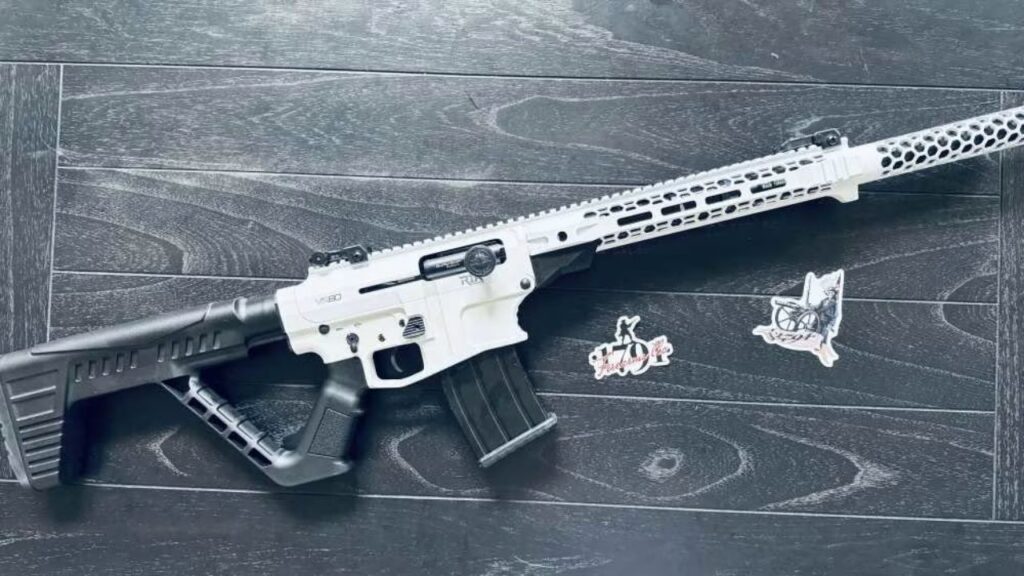
The Rock Island VR80 comes dressed in AR-style furniture with lots of rail space, but reliability remains a sticking point. It’s a semi-auto shotgun that cycles well with heavy loads but chokes on lighter ammo. The gas system can foul quickly, and aftermarket parts are hit-or-miss for fitment. While it looks like a tactical beast, many owners deal with constant adjustments to keep it running properly—making it a poor option for those who want grab-and-go performance.
Diamondback DB15 Tactical Series
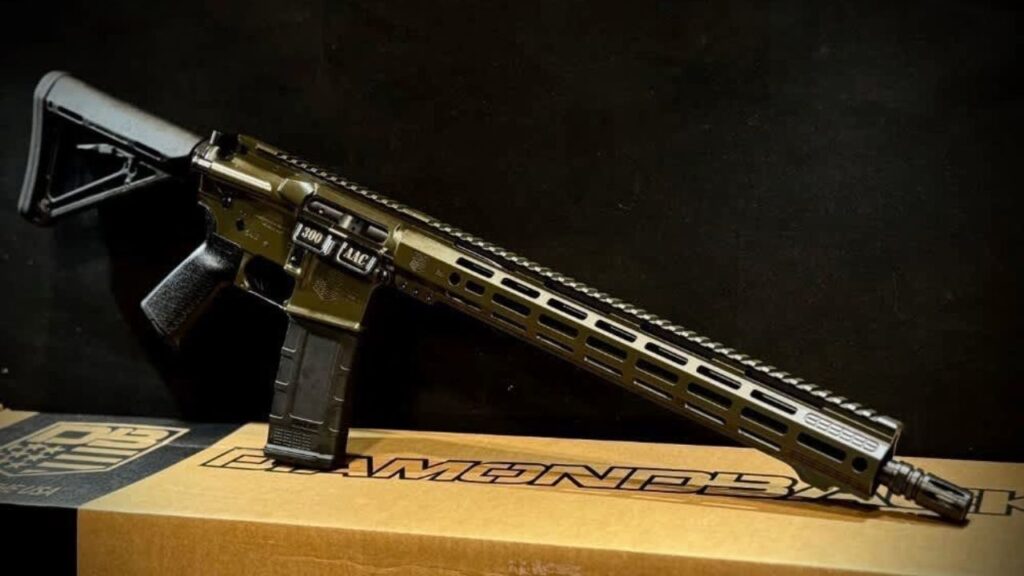
The Diamondback DB15 Tactical looks ready for duty with its free-float handguard and aggressive styling. But user reports of bolt carrier group failures, buffer tube issues, and gas system problems are common. Finish wear also shows up quicker than expected. While the DB15 may be tempting for those looking for a budget tactical rifle, it often requires more maintenance and replacement parts than it’s worth for long-term use.
Ruger SR-556
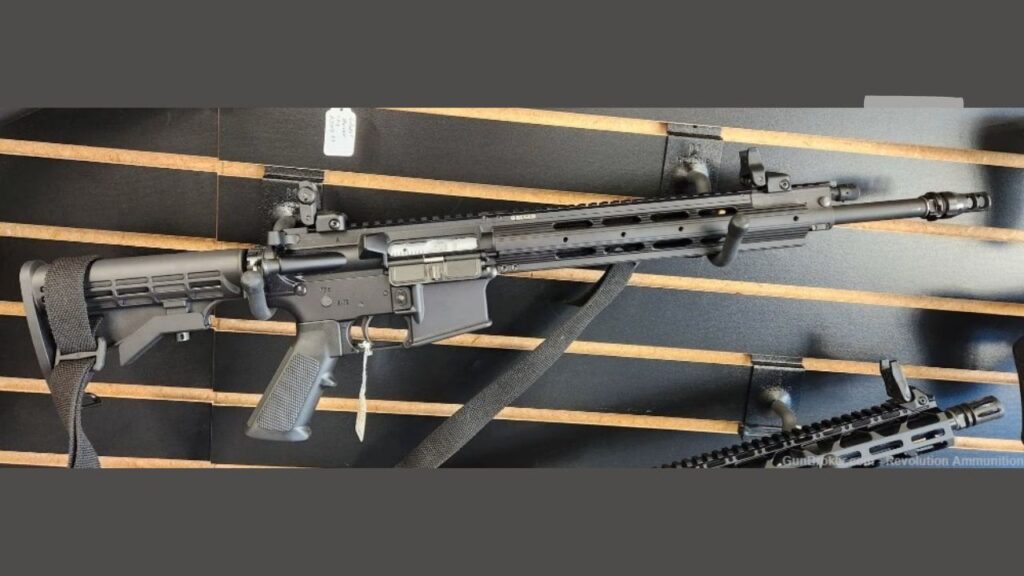
Ruger’s SR-556 entered the market as a piston-driven AR with tactical upgrades, but it brought hefty weight and mixed reliability. Many users found it front-heavy, with inconsistent accuracy compared to other ARs in its price range. Some encountered gas regulator issues that caused cycling malfunctions. Despite the premium look, the SR-556 eventually disappeared from shelves after struggling to justify its cost. It’s a reminder that “tactical” features don’t always equal lasting performance.
*This article was developed with AI-powered tools and has been carefully reviewed by our editors.