Photo credit: GetZone/YouTube
A good snub-nose revolver is a lot like a good pocketknife: it’s not fancy, it’s not fragile, and it’s there when you actually need it. The best ones carry without drama, draw clean, and keep working even when they’ve been riding in a holster through sweat, lint, and real life. They also force you to be honest with yourself. Short barrels and small grips don’t forgive sloppy trigger work, and lightweight frames can make recoil feel sharp in a hurry.
For self defense, you’re looking for a balance: a trigger you can run smoothly, sights you can see under stress, and a setup you’ll actually carry. That usually means .38 Special +P in a five-shot, or .357 Magnum in a heavier gun that you’ll still practice with.
These are the snub-nose revolvers that earn their keep because they’re practical, proven, and easy to live with.
Smith & Wesson Model 642 Airweight

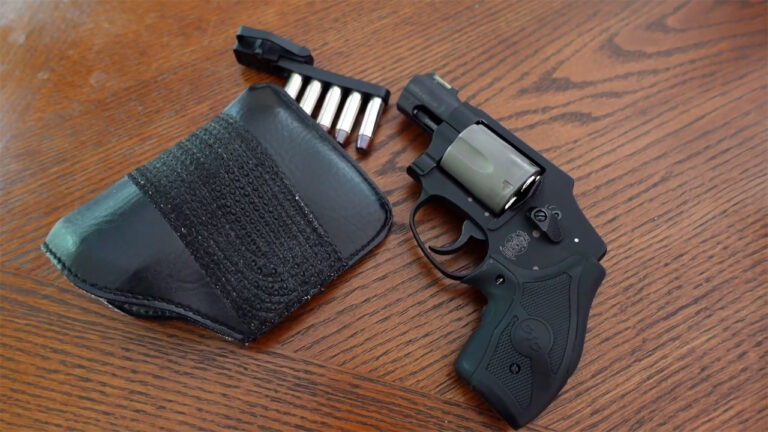
The 642 is the classic hammerless J-frame for a reason. It disappears in a pocket holster, rides light on the belt, and the enclosed hammer means it draws without snagging. In .38 Special +P, it gives you a proven defensive chambering without the bulk of a bigger revolver.
Where the 642 shines is carry consistency. You’re far more likely to have it on you when you’re running errands or stepping outside at night. The tradeoff is recoil and trigger work. It’s light, and the double-action pull takes practice to run well. Put in the time and it rewards you with a gun that’s boringly dependable, easy to maintain, and easy to conceal.
Smith & Wesson Model 442 Airweight

The 442 is the 642’s darker twin, and it’s equally suited to real-world carry. Same basic Airweight J-frame layout, same snag-free enclosed hammer, and the same .38 Special +P capability. The appeal is straightforward: it’s a serious revolver that carries like a much smaller gun.
The 442 is also a great “always” option when you don’t want to overthink your wardrobe. Pocket, ankle, inside-the-waistband—it works across a lot of roles. Like all light snubs, it can be brisk with +P loads, and the trigger pull isn’t a shortcut-friendly situation. If you’ll dry-fire and practice for real, the 442 becomes one of the most sensible defensive revolvers ever made.
Smith & Wesson Model 640 (Centennial)

If you want a snub that’s still compact but easier to shoot, the all-steel Model 640 is a smart answer. It’s a Centennial-style J-frame with an enclosed hammer, so it stays snag-free, but the extra weight takes the edge off recoil. Many 640 variants are chambered in .357 Magnum, though plenty of folks carry .38 +P for control.
The 640’s strength is shootability. You can run it harder in practice without feeling punished, and that usually means you’ll actually train more. It also tends to feel steadier during the trigger press, which helps accuracy at realistic distances. The downside is weight in the pocket. On the belt it’s easy. In a pocket, you notice it. If you can live with that, it’s one of the best “serious” snubs made.
Smith & Wesson Model 60 (Chief’s Special)

The Model 60 is a stainless J-frame that gives you a little more refinement than the ultra-light options. Many versions are .357 Magnum, and the steel frame helps control recoil compared to Airweights. It’s also a revolver you won’t baby—stainless holds up well to sweat and daily carry.
The key with the Model 60 is picking the right variant. Some have exposed hammers, some are more carry-friendly, and some have better sights than others. In defensive use, most people still end up carrying .38 +P for speed and control, even if the cylinder says .357. The Model 60 is a great choice if you want a snub that feels like a “real revolver” in the hand and you plan to practice enough to earn that double-action trigger.
Smith & Wesson Model 340PD

If you want maximum carry comfort with real capability, the 340PD is hard to ignore. It’s a scandium/titanium-style J-frame that’s incredibly light, often chambered in .357 Magnum, and built for deep concealment. You can carry it in places where heavier snubs start getting left at home.
The honest truth is that the 340PD demands discipline. Recoil with magnum loads can be brutal, and even .38 +P can feel sharp in such a light gun. That doesn’t make it “bad.” It makes it specialized. This is the revolver for the person who prioritizes carry above all, then practices enough to run it well. If you can handle the recoil realities and you want a gun that you’ll truly have on you, it’s a top-tier option.
Ruger LCR .38 Special +P

The Ruger LCR earned its place by being lightweight without feeling flimsy. The polymer/aluminum frame concept is proven, the gun carries easily, and the trigger is often smoother than many people expect out of the box. In .38 Special +P, it’s a very practical defensive package.
The LCR’s biggest advantage is how manageable it can be for its weight. Ruger did a good job shaping the grip area, and that helps control recoil in a small gun. The downside is that the sighting system is basic, and the gun is still small enough that you’ll need to practice to shoot it well. If you want a pocketable revolver that feels modern and shoots better than most lightweight snubs, the LCR is one of the strongest picks.
Ruger LCR .357 Magnum

The .357 LCR gives you a little more weight than the .38 version, and that’s not a drawback. In a snub, extra ounces can make practice more realistic and follow-up shots more controllable. You still get the LCR’s generally friendly trigger and easy carry profile, with the option to run .357 or .38 +P.
Most people who carry this model end up settling into .38 +P for speed and control, and keep magnums as an occasional practice tool. That’s a smart approach in a short barrel. The .357 LCR is a good fit if you want flexibility without committing to a heavy all-steel revolver. It’s also a solid choice for folks who want a snub that rides comfortably on the belt but still feels stable enough to train with regularly.
Ruger SP101

The Ruger SP101 is the snub you buy when you want durability and shootability more than featherweight carry. In a 2.25-inch .357 Magnum configuration, it’s built like a little tank, and it handles recoil far better than the ultralight revolvers. If you plan to train a lot, that matters.
The SP101 does carry heavier, but it carries well in a strong belt holster. The extra weight also tends to steady the gun during the trigger press, which helps under stress. Many shooters improve quickly on an SP101 because it’s not trying to slap them in the hand every range session. If you’re okay with belt carry and you want a snub that feels confident in the hand, the SP101 is one of the best “workhorse” defensive revolvers available.
Kimber K6s (2-inch)
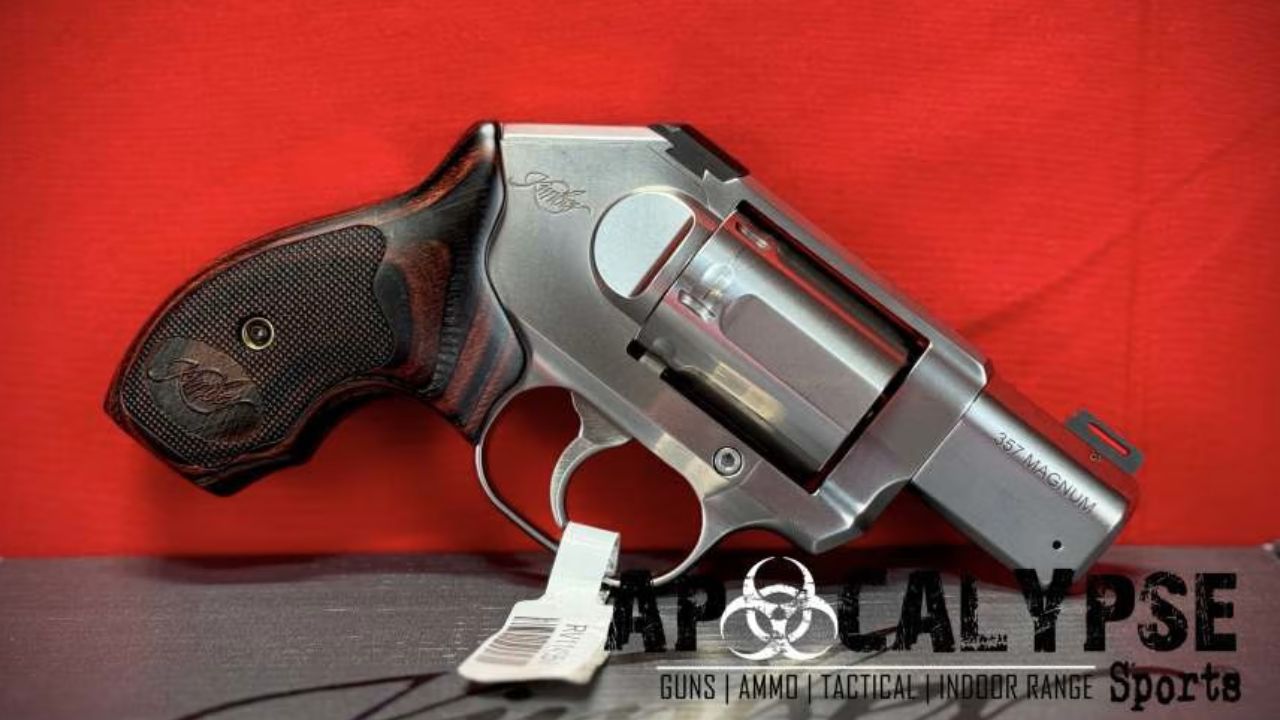
The Kimber K6s is a standout because it gives you six rounds in a compact snub footprint. That extra round matters, and it does it without turning the gun into a brick. The K6s line also tends to have good sights for a snub, which is a big deal when your sight radius is short and your target might not be standing still.
The K6s is often easier to shoot well than many small-frame revolvers because it feels solid and the trigger can be very respectable. It’s also a revolver that rewards quality holster carry rather than pocket carry, though it can do both depending on the setup. If you want a snub that feels a little more “refined” while still being a serious defensive tool, the K6s is one worth owning.
Colt King Cobra Carry (2-inch)

The King Cobra Carry brings Colt’s modern double-action feel into a compact .357 Magnum revolver with real-world heft. It’s not a pocket featherweight. It’s a belt gun that gives you a steady grip, a strong frame, and recoil control that makes practice far more pleasant than the ultra-light options.
Where it shines is confidence. The gun points naturally, the sights are usually more usable than many snubs, and the extra weight helps you stay on the trigger without flinching. In a short barrel, plenty of people still choose .38 +P for speed, but the King Cobra Carry gives you the option to step into .357 if you can run it. If you want a defensive snub that feels like a serious revolver instead of a compromise, this one earns a spot.
Colt Cobra (2-inch)

The Colt Cobra is a modern six-shot .38 Special revolver in a carry-friendly package. That six-round capacity is a big reason it’s on the list, and the Cobra tends to carry flatter than many people expect for a revolver. It’s a strong choice for someone who wants a snub but doesn’t want to give up that extra round.
The Cobra is also a revolver that fits a lot of hands well. The grip and frame size can feel more forgiving than a tiny J-frame, and that can help your shooting under stress. You’re still dealing with snub limitations—short sight radius, heavy trigger work, and the need for practice—but the platform gives you a little more margin. If you want a defensive .38 snub with six shots and modern build quality, the Cobra is a very practical option.
Smith & Wesson Model 638 Bodyguard

The Model 638 gives you a useful compromise: a shrouded hammer that can still be thumb-cocked if you truly want that option, while staying far less snag-prone than an exposed-hammer revolver. It’s an Airweight .38 Special +P J-frame, so it carries easily, but it offers more flexibility than the fully enclosed designs.
In real defensive use, you’ll live in double-action anyway, and the 638 does that well if you practice. The shroud helps keep the draw clean from pockets and cover garments, which is the whole point of a defensive snub. Recoil is still snappy with +P loads because it’s light, so you’ll want grips that fit your hand and ammo you can control. If you like having the option of single-action without giving up carry practicality, the 638 makes sense.
Smith & Wesson Model 649 Bodyguard

The 649 is the steel, .357-capable cousin to the 638 concept. You get the shrouded hammer format for a cleaner draw, but you also get weight that makes the gun more shootable. That weight is your friend during long practice sessions, and it usually means you’ll build skill faster than you would on a featherweight snub.
Many shooters carry .38 +P in it for control and consistency, and keep .357 as an option rather than a lifestyle. The 649 also tends to feel steadier in recoil and during the trigger press, which helps when you’re trying to make accurate hits with a short sight radius. If you want a snub that’s still compact but feels more controllable and durable, the 649 is a strong pick—especially if you prefer belt carry over pocket carry.
Taurus 856 Defender (2-inch)

The Taurus 856 Defender is popular because it offers six rounds of .38 Special in a snub format at a price many people can handle. The “Defender” versions also tend to bring better sights and small carry upgrades that matter on a defensive revolver. When you get a good one, it can be a very practical carry gun.
The key with Taurus is confirming function with your ammo and practicing enough to trust it. The 856 platform can carry well, shoot comfortably for its size, and give you that sixth round that many five-shots can’t. The trigger feel varies, and the fit can vary, so you don’t buy it blind and assume perfection. If you want an affordable six-shot snub that can serve as a real defensive tool, the 856 Defender is one of the better entries in that lane.
Taurus 605 (2-inch)

The Taurus 605 is a small-frame .357 Magnum snub that many people choose because it offers magnum capability in a compact package. In practice, a lot of owners carry it with .38 +P and treat .357 as an occasional choice, because recoil in a small gun can be a handful. Still, the platform gives you flexibility and a reasonable footprint for concealment.
The 605 can be a good belt-carry revolver, and some folks make it work in pockets with the right holster. Like other budget revolvers, you want to validate reliability, cylinder lockup, and trigger behavior with the ammo you’ll carry. If you’re looking for an entry point into snub revolvers and you want the option of magnum power without buying a heavier, more expensive gun, the 605 remains a common and workable choice.
Charter Arms Undercover (2-inch)

The Charter Arms Undercover is a straightforward .38 Special snub that’s been around a long time for a reason. It’s compact, it’s typically lighter than an all-steel J-frame, and it fills the role of a defensive revolver without a lot of extra baggage. For someone who wants a simple revolver that carries easily, the Undercover often fits.
The tradeoffs are what you’d expect: the trigger feel and finish won’t match higher-priced revolvers, and you’ll want to test your carry ammo carefully. Still, the Undercover can be a practical tool when you keep your expectations realistic and put in the reps. A snub is already a skill gun. You don’t want surprises layered on top of that. If you find a good example and you confirm function, it can serve well as a lightweight defensive revolver that doesn’t drain your wallet.
Charter Arms Undercover Lite

The Undercover Lite leans into carry comfort. It’s lighter, easier to keep on you, and tends to work well as a belt or pocket option when weight is the deciding factor. In .38 Special, it offers a proven defensive chambering in a package that’s easy to conceal across different seasons and clothing choices.
Lightweight snubs come with the same honest warning every time: recoil can get sharp, and practice can feel less enjoyable. That’s not a reason to avoid it. It’s a reason to be intentional with training and load choice. The Undercover Lite is best for the person who values carry consistency and is willing to dry-fire and practice enough to run a small revolver smoothly. If you do your part, it can be a very practical “always there” defensive option.
Rossi RP63 (3-inch)
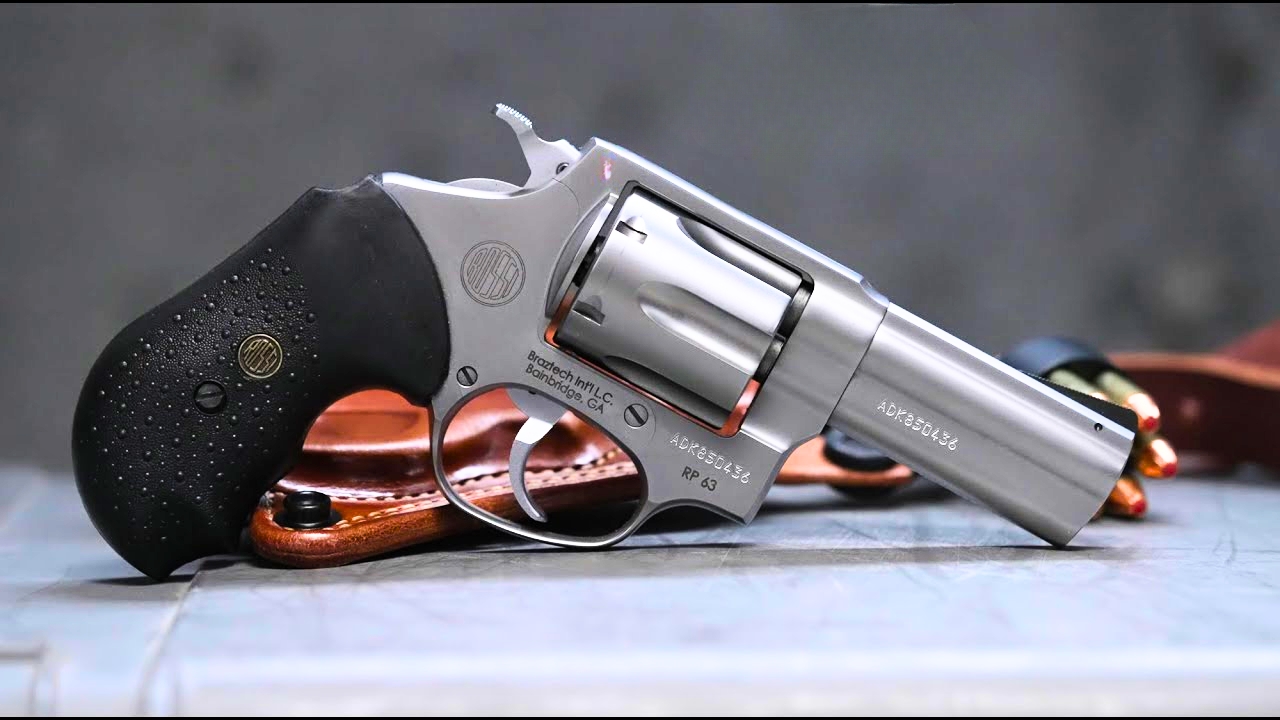
A 3-inch “snub-ish” revolver is often the sweet spot for people who want better control without giving up concealment, and the Rossi RP63 fits that idea. The extra barrel length helps sight picture, balance, and velocity, and you still get a compact revolver that carries well on the belt. Many shooters find they shoot 3-inch revolvers noticeably better than true 2-inch guns.
The RP63 is also a realistic budget option if you want a defensive revolver without paying premium pricing. As with other value revolvers, you validate function and you don’t assume perfection. The payoff is that the 3-inch format makes practice more productive, and practice is what makes a revolver shine. If you want a carry revolver that’s easier to run well than a tiny snub, the RP63-style 3-inch setup deserves real consideration.
Smith & Wesson Model 36 (Chief’s Special)

The Model 36 is a classic snub with a long history as a carry revolver. In steel, it feels steady and controllable, and that matters when you’re trying to run a double-action trigger cleanly. Many Model 36 revolvers are older guns, and a well-kept example can still be a fantastic defensive revolver with the right maintenance and ammo.
The exposed hammer is the main consideration. It can snag in pocket carry if you’re not careful, so it often shines as a belt gun. The steel frame also makes it more pleasant to practice with than Airweights, which helps you build real skill. If you find one in good condition, the Model 36 gives you that traditional revolver feel with practical carry dimensions. It’s old-school in the best way: steady, dependable, and easy to understand.
Like The Avid Outdoorsman’s content? Subscribe to our newsletter so you never miss an article.
Here’s more from us: