Photo credit: Backfire/YouTube
On a calm range day, a lot of cartridges feel like laser beams. You dial your zero, hold center, and you start believing the hype. Then you get a real hunting day with a steady 10–15 mph crosswind, uneven terrain, and a rushed shot window, and the whole “flat shooting” thing turns into guessing. Wind doesn’t care about your muzzle velocity. Wind cares about time of flight and bullet shape/BC—and most guys don’t build their setup around that until they miss.
Here are 15 calibers that get sold as flat and easy, but will humble you fast once the wind starts playing games.
.223 Remington

.223 feels easy because recoil is mild, the rifle stays on target, and on calm days it stacks tight groups. But wind will push a .223 around fast, especially if you’re shooting common 55gr loads out of a basic twist barrel. Guys see “flat enough” inside 200 and think it’ll behave at 300 in the field the same way it behaved on paper. It won’t if the wind is crossing.
If you insist on stretching .223, bullet choice matters more than bravado. Heavier, higher-BC bullets help, but you still have a small diameter projectile that’s going to drift. In the field, your miss often won’t look like “barely missed.” It’ll look like “how did I miss by that much?” That’s wind and time of flight doing what they do.
.224 Valkyrie

Valkyrie got popular because it promised easy distance with low recoil, and it can absolutely perform when it’s set up right. The wind reality comes from guys buying it for “flat shooting” and then running whatever ammo they can find, or expecting the cartridge to make wind calls irrelevant. It won’t. Wind drift is still wind drift—you just get a little more forgiveness when the bullet is sleek and consistent.
The other issue is that Valkyrie rifles and ammo can vary more than people expect. When consistency isn’t perfect, the wind “feels worse” because you can’t separate drift from variability. If you want Valkyrie to shine, run quality ammo with high-BC bullets and confirm your dope in real wind—not just calm-day fantasies.
.204 Ruger

.204 Ruger is the classic calm-day hero. It’s fast, flat, and fun. Then the wind shows up and you realize light bullets at high speed still get pushed around. Guys see the trajectory chart and forget that a 32–40gr pill doesn’t have the same wind manners as a heavier, higher-BC bullet—especially once you’re past the easy distances.
In the field, .204 can be frustrating on small targets because “close enough” isn’t close enough. A couple inches of drift on a prairie dog or a crow is the difference between a hit and a clean miss. If you want to run .204 seriously, you need to actually practice in wind and learn what a 10 mph full value wind does at your real distances. Otherwise it’ll feel random.
.22-250 Remington

.22-250 is another one that makes people overconfident. It’s flat and fast, and it hits varmints hard. But a lot of .22-250 loads are built around lighter bullets that don’t hold up in wind as well as people expect. You can absolutely run heavier bullets and tighten it up, but the cartridge’s reputation is built on speed and flatness, not wind performance.
What happens in the field is guys keep holding dead-on because the drop is minimal, and they forget wind is the real boss. They miss sideways, not low. If you shoot .22-250 on windy days, your results improve the moment you stop thinking “flat” and start thinking “flight time + BC.” The cartridge isn’t the problem—your expectations are.
.243 Winchester

.243 is a great deer/varmint crossover, and it’s easy to shoot well. On calm days it feels like you can’t miss. Wind is where .243 exposes lazy bullet selection. Plenty of guys shoot light, thin-jacketed bullets for varmints and then expect that same setup to behave on windy days or on tougher targets. Those light bullets can drift more than you’d think for how “flat” the trajectory looks.
If you’re hunting with .243, step up to a bullet that carries itself better and holds together. If you’re ringing steel, run a higher-BC option and confirm your wind holds. .243 can be very capable in wind—with the right projectile. With the wrong one, you’ll feel like the wind is “worse than usual,” when really you’re just launching a low-BC bullet and hoping.
6mm Creedmoor
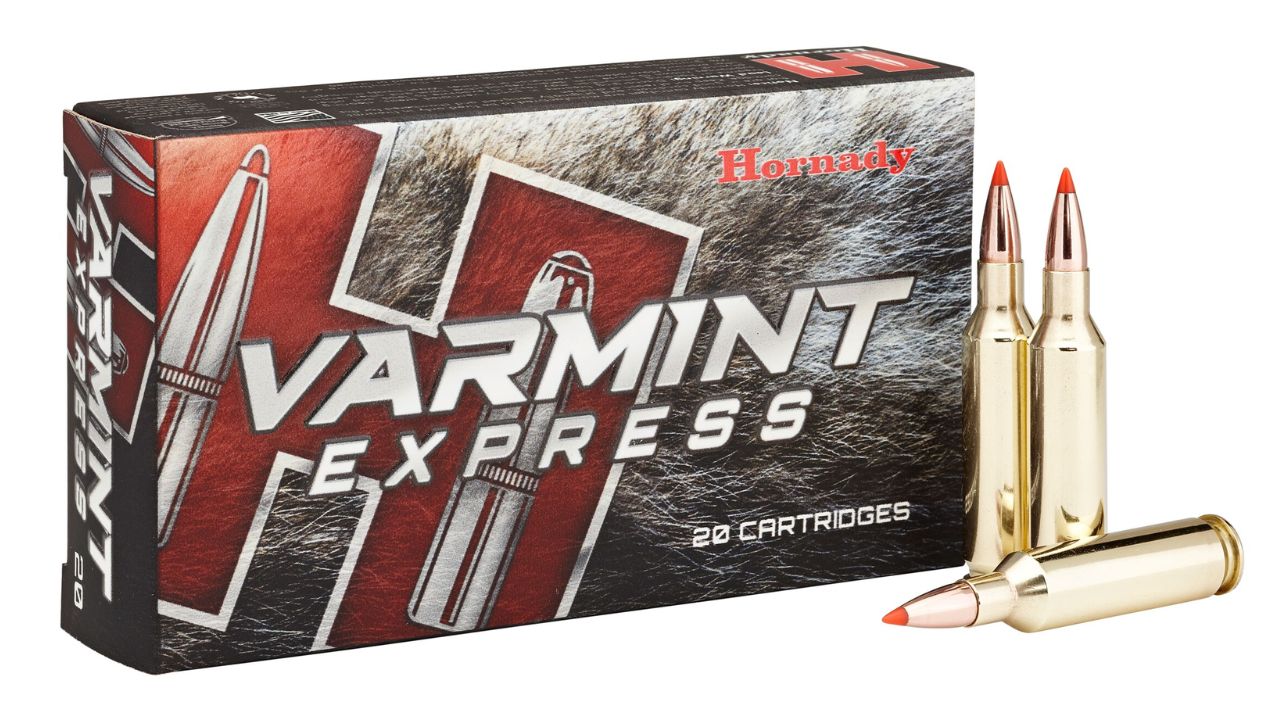
6mm Creedmoor is a bench favorite because it shoots flat, recoils light, and makes you feel like a better shooter than you are. Wind reality shows up when guys run match bullets that print tiny groups and then assume they’re set for field use. A sleek bullet helps in wind, but only if the load is consistent and the shooter is actually reading conditions.
Another thing: the 6mm Creedmoor crowd tends to shoot at distances where wind matters more. That’s when you learn the difference between “I know my dope” and “I can call wind.” The cartridge can absolutely perform. The frustration comes from people expecting a 6mm to erase wind instead of just reducing it. It’s still on you to make the call.
6mm ARC

6 ARC is loved because it gives AR shooters a flatter, more capable option than .223. On calm days it’s impressive. Wind shows up and you realize it’s still a 6mm launched from an AR platform, often from shorter barrels than a bolt gun setup. Shorter barrels can mean less velocity, and less velocity means more time in the wind. The cartridge doesn’t magically dodge physics.
If you’re building a 6 ARC to stretch, you need to actually chronograph it and confirm real-world drift. Don’t rely on internet charts built around optimistic velocities. With good bullets, ARC can hold its own, but it’s not a cheat code. It’s a better tool than .223 for some jobs—and wind will still make you pay attention.
.25-06 Remington
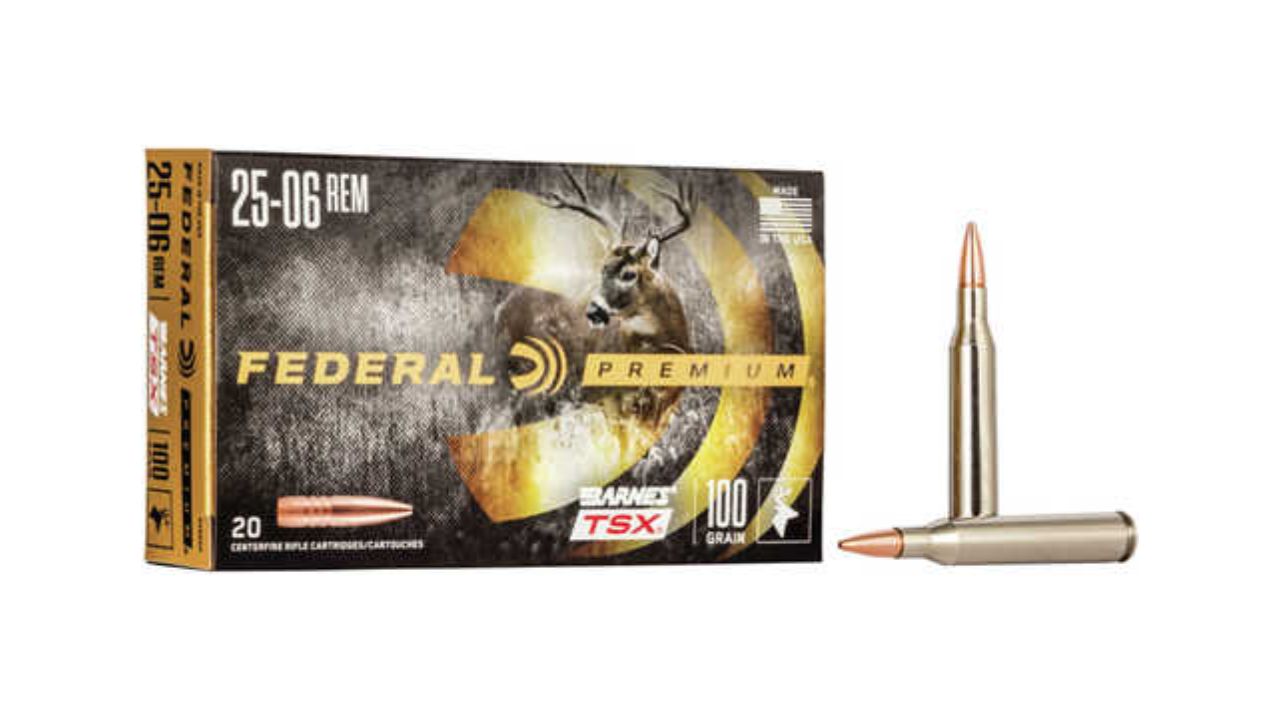
.25-06 is one of those cartridges that feels like it should be unstoppable: flat trajectory, solid energy, and manageable recoil. Wind is where it becomes more “normal” than people expect, especially with the common hunting bullets many guys actually use. If you’re shooting lower-BC soft points because that’s what’s available, wind drift can surprise you at longer distances.
In the field, the .25-06 also tempts people to stretch shots because the drop doesn’t scare them. Wind should. If you want .25-06 to behave in wind, choose a bullet that carries well, confirm your velocity, and practice holds. It’s not that .25-06 is bad in wind—it’s that people treat “flat” like it means “easy,” and it doesn’t.
.257 Weatherby Magnum

.257 Weatherby is flat and fast, and it sells confidence. Wind reality hits when guys realize speed alone doesn’t guarantee calm drift, especially with lighter bullets that don’t carry a high BC. You can have a screaming fast load that still gets shoved around because it’s light and spends more time being pushed than you think once you’re out there.
The other frustration is that a lot of guys don’t practice enough with it. Ammo cost and barrel wear conversations cause people to shoot it less, not more. Then they hunt with it like it’s a magic wand. A .257 Weatherby can absolutely perform, but you still need real wind reps. If you don’t have them, you’ll end up blaming the wind like it’s unfair—when it’s just doing its job.
6.5 Creedmoor

6.5 Creedmoor has better wind manners than a lot of common hunting rounds, and that’s why it got so popular. The wind frustration comes from guys assuming it’s immune. It isn’t. At the distances where people love to brag about Creedmoor, wind still decides hits. You’ll get more forgiveness than .243 or .223, sure—but you still need a real wind hold, especially in gusty conditions.
Also, not all 6.5 Creedmoor ammo is equal. Some loads are consistent and track well; some are “fine” on calm days and start showing weirdness when conditions get rough. Don’t let a good calm-day group convince you you’re ready for wind. Confirm drift with your actual rifle, your actual ammo, and your actual distances.
6.5 PRC

6.5 PRC sells the idea of “Creedmoor but better,” and in a lot of ways it is. Wind reality shows up when people buy PRC expecting it to turn wind calls into an afterthought. The PRC can reduce drift compared to slower setups, but if you’re shooting in real wind, you still have to read it and hold it. The cartridge just gives you a little more margin.
PRC also tends to live in lighter hunting rifles with brakes, and that changes how people practice. Some guys don’t shoot it enough because it’s loud and sharp. Then they take it hunting and rely on the cartridge to do the thinking. That’s backwards. If you want PRC to shine, shoot it in wind, learn your holds, and don’t treat it like a cure-all.
.270 Winchester

.270 Win has been called “flat shooting” for generations, and it can be. Wind is where the old-school, common bullet choices can get you. Many .270 loads use bullets that are perfectly fine for hunting but not exactly wind champions compared to modern high-BC options. On a calm day, you don’t notice. In a stiff crosswind, you do.
A lot of guys also shoot .270 with older scopes and simpler reticles, which makes precise wind holds harder. That’s not a caliber problem, but it becomes a practical problem. If you want .270 to behave, modernize your bullet choice and don’t pretend wind is something you only deal with past 500. Wind can ruin your day at 250 if it’s pushing hard enough.
7mm-08 Remington

7mm-08 is a great real-world hunting round, and it’s easy to shoot well. Wind frustration comes when people run basic hunting bullets with average BC and then expect the cartridge’s reputation to cover for their wind call. Compared to some lighter help-it-yourself calibers, 7mm-08 can be forgiving—but it still drifts, and it still requires honest holds in field wind.
The other issue is that 7mm-08 often lives in lightweight rifles. Lightweight rifles are great to carry, but they can make consistent shooting harder in awkward field positions. Combine that with wind and you get misses that feel like “the rifle just did that.” Usually it didn’t. Usually the wind and position did that, and the cartridge didn’t save you.
7mm Remington Magnum

7mm Rem Mag is fast and effective, and it’s been flattening trajectories forever. Wind reality shows up because the cartridge encourages long shots, and long shots magnify wind mistakes. You can have a sleek 7mm bullet that holds wind well and still miss badly if your call is wrong by just a few mph. The cartridge doesn’t eliminate wind—it just reduces how much it punishes you for small errors.
Also, guys who don’t practice much because the rifle kicks and barks will struggle more in wind. Wind shooting is reps. You need confidence in your holds and your ability to break clean shots under pressure. The 7mm Rem Mag gives you performance. It doesn’t give you skill.
7mm PRC

7 PRC is built around modern, high-BC bullets, and that helps in wind. The frustration comes when people buy it expecting it to “hold wind for them.” It won’t. What it does is give you better tools, better consistency potential, and less drift than many older setups—if you run the right ammo and actually confirm your data.
A lot of 7 PRC rifles are sold as lightweight hunting rigs, and that’s where real-world wind issues show up: awkward positions, rushing shots, and shooters who haven’t built the reps because the rifle is loud with a brake. If you want to get the benefit of the PRC, you need to shoot it in conditions that actually resemble hunting wind, not just calm bench days.
Like The Avid Outdoorsman’s content? Be sure to follow us.
Here’s more from us: