Photo credit: Joel7687 – CC BY-SA 3.0/Wiki Commons
Some firearms are built like tanks—throw them in the mud, run them dry, and they’ll still fire. Others are more like high-maintenance machines that demand constant attention. With these guns, you can’t just clean them occasionally and expect everything to work. They require tuning, adjusting, polishing, or replacing parts on a regular basis. Sometimes it’s the design itself that’s fussy, other times it’s poor manufacturing or weak components. Either way, if you own one, you quickly learn that reliability doesn’t come free—you’ve got to tinker. These are the guns that’ll run only if you’re willing to babysit them.
Remington R51

The Remington R51 was plagued with issues from the start. Its unique locking system made it sensitive to dirt and fouling, and early models were notorious for failures to feed and go into battery. To keep one running, you often had to polish feed ramps, replace springs, and carefully manage ammo choice. Even after those tweaks, many shooters reported it still needed frequent adjustments.
During longer shooting sessions, reliability dropped fast. A gun that can’t make it through a few hundred rounds without a hiccup forces constant tinkering. That’s exactly why the R51 never caught on, even after Remington released a revised version. The fixes helped, but they didn’t erase the reputation. If you want a carry gun that requires you to constantly tweak and fine-tune to keep it alive, the R51 is a textbook example. It’s a pistol that taught shooters patience—but not in a good way.
Kimber Solo Carry

The Kimber Solo Carry had the looks of a high-end micro 9mm, but it was infamous for being ammo picky. The company even recommended specific premium loads, which says a lot. If you didn’t stick to that narrow list, failures were almost guaranteed. To keep one running, owners constantly swapped recoil springs and polished internal surfaces.
Endurance testing often showed the Solo breaking down after just a few boxes of ammo. The slide stop, trigger bar, and recoil assembly were all weak points. Even when cleaned meticulously, it still needed ongoing attention. Shooters often ended up trying different lubrication methods or aftermarket fixes, just to get it to cycle reliably. For a gun marketed as a carry piece, it was the exact opposite of confidence-inspiring. The Solo Carry became less about shooting and more about tinkering—proof that premium looks don’t always translate into dependable performance.
Taurus PT140 Millennium Pro

The PT140 Millennium Pro was affordable, but it wasn’t the kind of gun you could shoot hard without babysitting. The trigger components wore quickly, and many owners reported cracked frames or magazine issues. Keeping one reliable meant regularly checking for loose pins and replacing worn-out springs before they caused failures.
Magazines were especially problematic. Feeding was inconsistent, and some shooters ended up bending feed lips or swapping followers to make them work. The gun could run okay when treated gently, but long sessions almost always exposed weaknesses. Cleaning and lubing alone weren’t enough—you had to actively tweak it to prevent malfunctions. It’s one of those pistols that showed the difference between budget-friendly and field-ready. While it appealed to first-time buyers, experienced shooters quickly realized it needed more attention than it was worth.
Beretta U22 Neos

The Beretta U22 Neos looked futuristic and handled well, but under the hood, it was fussy. The chamber would foul quickly, leading to extraction failures after just a couple hundred rounds of bulk .22 LR. To keep it alive, you often had to polish chambers, adjust springs, and clean far more often than with other rimfire pistols.
The sights had a tendency to loosen under repeated firing, which meant you had to check screws constantly. Some shooters even resorted to thread-locking compound just to keep things steady. The trigger group also suffered from weak springs that lost tension fast. While it could be a fun plinker, it demanded constant fiddling. Compared to a Ruger Mark series or Browning Buck Mark, the Neos felt like a needy range toy. If you weren’t willing to put in extra work, it would remind you of its quirks in the middle of every shooting session.
CZ 100

The CZ 100 was CZ’s first polymer pistol, and it showed. Its DAO trigger was clunky and often inconsistent, requiring some shooters to polish or modify parts just to make it bearable. On top of that, the internal components tended to wear faster than expected. Endurance runs revealed striker drag, reset issues, and loosening slide fit.
Keeping one running often meant tinkering with springs and making adjustments to restore reliability. The frame flexed more than most polymer designs, and over time, accuracy degraded. It wasn’t uncommon to hear about pins walking or minor parts shifting after heavy use. For a company known for rock-solid steel pistols, the CZ 100 was an outlier. It became a platform where you spent more time trying to make it work than actually enjoying it. Owning one was less about shooting and more about constant fine-tuning.
SIG P250

The SIG P250 seemed like a good idea—modularity and versatility in one package. But it struggled in practice. Its long DAO trigger was a problem for many shooters, and under sustained use, reliability slipped. Springs weakened, and pins inside the fire control unit had a tendency to walk loose.
Owners often had to swap springs early, polish internals, and check for parts that shifted out of place. Cleaning alone wasn’t enough—you had to actively manage wear to keep the P250 functioning smoothly. It could run well when babied, but endurance testing proved it couldn’t match competitors in consistency. Many shooters moved on to the P320, which fixed most of those issues. The P250 became known as a gun that worked only if you were willing to keep tinkering with it—hardly ideal for something meant to be a dependable sidearm.
Remington 597

The Remington 597 was designed to compete with the Ruger 10/22, but it needed constant attention to stay alive. The magazines were notorious for feeding issues, often requiring filing or replacement to function. The guide rods and bolt assembly wore unevenly, which led to sluggish cycling.
Owners quickly learned they had to tighten screws, polish internals, and replace small parts regularly. Even with careful cleaning, the 597 tended to choke after extended shooting sessions. Compared to other rimfire rifles, it simply demanded more maintenance. Some shooters enjoyed tinkering with it and managed to keep theirs running, but most grew frustrated. For a rimfire meant to be fun and easy, the 597 felt like work. If you didn’t like adjusting and fine-tuning, this rifle quickly reminded you why the 10/22 still dominates.
GSG FireFly (SIG Mosquito)

The GSG FireFly, formerly the SIG Mosquito, is infamous for being ammo picky. Unless you fed it specific high-velocity loads, it would constantly choke. Keeping one running meant experimenting with springs, polishing chambers, and adjusting lubrication after nearly every range trip.
Even when you dialed in the right ammo, parts wore quickly. The recoil spring and trigger components often needed replacement, and the slide finish showed premature wear. Disassembly wasn’t exactly user-friendly, which added to the frustration. While it could be fun in small doses, it never became the reliable rimfire pistol many hoped for. Most owners spent more time tinkering than shooting, and even then, malfunctions were common. It’s the kind of gun that tests your patience—perfect for tinkerers, miserable for those who expect a range gun to run without constant adjustment.
KelTec PF-9

The KelTec PF-9 offered lightweight concealment at a budget price, but reliability wasn’t its strong suit. Owners often found themselves replacing or modifying parts to keep it running. The takedown pin was especially prone to loosening or breaking, and recoil springs wore out fast.
During extended use, cracked frames and peened slides weren’t uncommon. To keep one alive, you had to watch for wear, replace springs early, and clean it meticulously. Even then, malfunctions were frequent with some ammo types. The PF-9 could serve as a carry gun in a pinch, but only if you were willing to constantly monitor its health. It’s an example of a pistol that gave you lightweight carry at the cost of high maintenance. You couldn’t just buy it, load it, and trust it—you had to stay on top of it at all times.
Jimenez JA Nine

The Jimenez JA Nine was a budget pistol that came with budget performance. To get it running at all, you often had to polish feed ramps, tweak magazines, and replace springs. Even after that, it wasn’t uncommon for pins to walk out, parts to crack, or slides to deform under use.
Endurance testing exposed how fragile the internals really were. Owners who stuck with them became tinkerers by necessity, not by choice. The JA Nine might cycle for a while, but keeping it alive meant constantly fiddling with something. For those who bought it as an affordable entry into handguns, it often turned into a lesson in why reliability matters more than price. It’s not that you couldn’t make it run—it’s that you had to keep tinkering with it just to do so.
Desert Eagle in .50 AE
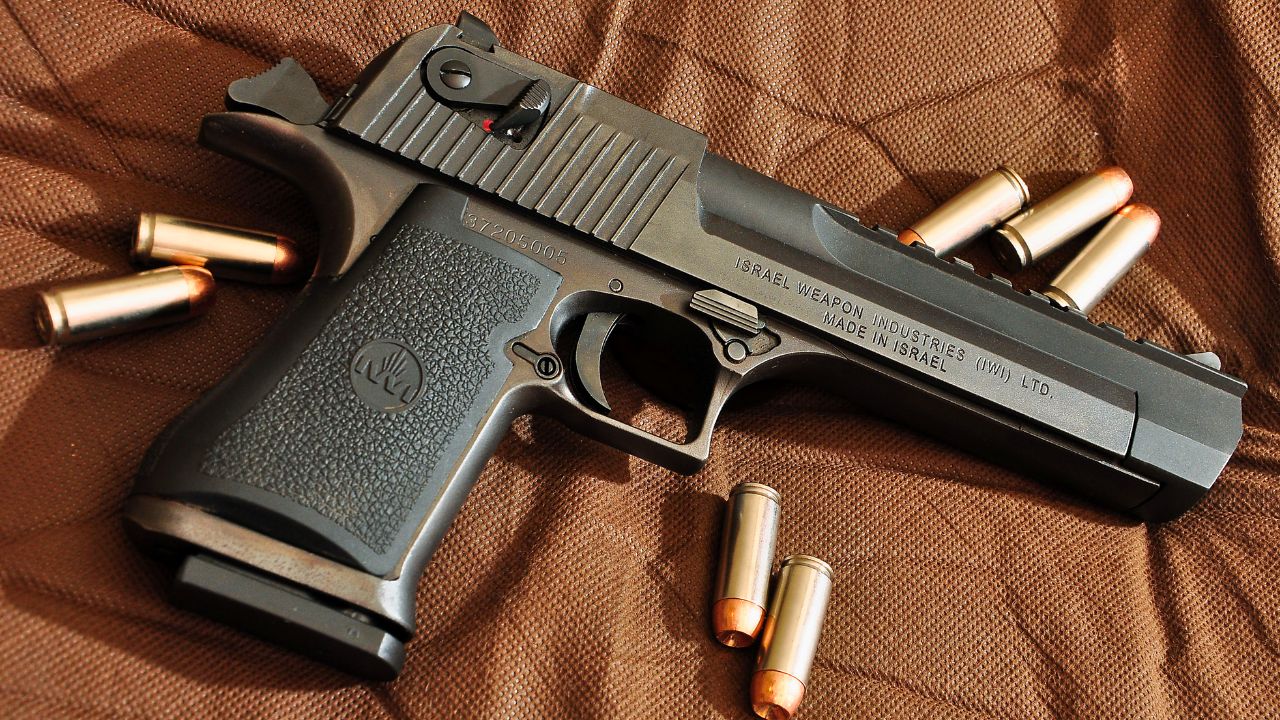
The Desert Eagle in .50 AE is iconic, but it’s not a gun that runs smoothly without effort. It’s gas-operated and highly sensitive to ammunition. If your loads aren’t hot enough, it fails to cycle. Keeping it alive during long range sessions means adjusting recoil springs, carefully selecting ammo, and cleaning often.
The gas system fouls quickly, and accuracy suffers when tolerances get dirty. Many owners polish feed ramps and tune magazines to improve reliability. While it’s a powerful handgun, it’s one that demands constant tinkering to stay consistent. The Desert Eagle is fun when it’s running right, but it doesn’t forgive neglect. You’ll either spend time shooting it or time tinkering with it—there’s not much middle ground.
Colt All American 2000

The Colt All American 2000 had high expectations but quickly developed a reputation for unreliability. Its rotary bolt system was complex and often led to malfunctions. To keep one running, you had to clean and lube obsessively, polish components, and hope tolerances stayed in check.
Parts wear was another issue. Springs lost tension quickly, and many owners found themselves replacing components often. The trigger system also suffered from inconsistency, which tinkering couldn’t always fix. While the design was ambitious, it required far more attention than most shooters wanted to give. Instead of being a dependable service pistol, it became a tinkerer’s project. Its short lifespan on the market reflects how impractical it was for anyone who wanted a gun that simply worked.
Intratec TEC-9

The TEC-9 is one of the most recognizable guns out there, but reliable it is not. These pistols are known for frequent failures, weak magazines, and questionable durability. Owners often find themselves polishing feed ramps, adjusting magazine springs, and tinkering with extractors just to make them run.
Endurance runs usually reveal cracks in the frame or deformation in the bolt assembly. While it’s an eye-catching gun, it’s never been praised for consistency. To keep one functional, you have to constantly adjust and repair it. That makes it more of a novelty than a reliable shooter. For those who like tinkering, it can be fun. But for anyone who expects a dependable firearm, the TEC-9 is nothing but headaches.
Armalite AR-7

The Armalite AR-7 survival rifle has a neat design, but functionally, it often demands more attention than it should. Feeding issues are common thanks to rough magazine fit and a sensitive chamber. Owners often end up polishing feed ramps, adjusting extractors, and swapping magazines until they find ones that work.
Even when it runs, it’s not built for endurance. Extended shooting sessions lead to fouling and reliability drops. To keep it consistent, you have to clean it often and make small tweaks. Some owners have managed to tune theirs into decent little rifles, but many have learned the hard way that it’s more of a project gun than a grab-and-go survival tool. While lightweight and portable, it’s never been known as a rifle you can count on without extra tinkering.
Walther CCP (first generation)

The first-generation Walther CCP used a gas-delayed blowback system that made for soft recoil but a maintenance headache. The gas piston fouled quickly, and the gun needed frequent disassembly and cleaning to keep running. Problem was, disassembly was complicated, and reassembly often required a special tool.
Even when clean, some owners reported feeding and ejection issues unless the gun was meticulously lubed. The design had potential, but it forced shooters to tinker constantly. Walther improved the M2 version, but the first-gen CCP earned its place as a pistol that required more attention than most were willing to give. If you wanted to run it reliably, you had to be willing to treat every range session like an armorer’s course.
Charter Arms Explorer II

The Charter Arms Explorer II was a pistol version of their AR-7 survival rifle, and it inherited all the same problems. Feeding was inconsistent, magazines were unreliable, and the chamber fouled easily. Owners often had to file parts, polish surfaces, and swap components to get it working right.
It was marketed as a fun plinker, but it rarely ran well out of the box. To keep it alive, constant tinkering was required. Accuracy degraded quickly, and reliability was never guaranteed. Like its rifle counterpart, it became a project gun rather than a dependable shooter. For tinkerers, it offered plenty of challenges. For hunters and casual shooters, it was an exercise in frustration.
AMT Automag II (.22 WMR)

The AMT Automag II was chambered in .22 Magnum, and while it was ambitious, it never ran well without constant tweaking. Extraction issues were common due to the high pressure of .22 WMR, and owners often had to polish chambers and experiment with different loads to keep it cycling.
Parts availability was another problem, as many components wore prematurely. The gun was sensitive to fouling, and extended shooting sessions almost always ended in malfunctions. While it looked great and sounded exciting on paper, in practice it was a pistol you spent more time tinkering with than actually enjoying. The Automag II gained a reputation as a cool concept that demanded constant maintenance to function.
Iver Johnson TP22

The Iver Johnson TP22 is a pocket pistol that’s surprisingly finicky for a .22. Feeding issues were common due to poorly fitted magazines and rough chambers. Owners frequently polished feed ramps and swapped springs to coax them into working.
The slide was known to wear quickly, and internal parts often needed attention to maintain reliability. While it was small and concealable, it wasn’t trustworthy without a lot of tinkering. Compared to other pocket pistols, the TP22 stood out more for its problems than its performance. Many shooters who picked one up ended up spending more time fixing it than firing it.
Norinco 1911 Clones

Norinco made affordable 1911 clones that had potential, but they required serious tuning to run reliably. Out of the box, feed ramps were rough, extractors weren’t tuned, and springs were often underpowered. Owners who knew their way around a 1911 could make them solid, but it meant polishing, swapping parts, and constant tweaking.
While durable in terms of steel, they weren’t refined. To get consistent reliability, you had to work on them. Shooters who expected plug-and-play performance were often disappointed. The Norinco 1911s could be made into good guns, but only if you were willing to constantly tinker. They became known as budget platforms that demanded more time on the workbench than on the range until you dialed them in.
*This article was developed with AI-powered tools and has been carefully reviewed by our editors.