Photo credit: topgunrangetx/GunBroker
Every hunter has seen a rifle show up in camp one year and never again. These are the rifles that look great in the store, promise all the performance in the world, but fall apart in the real field test. Sometimes it’s weight, other times it’s recoil, and often it’s disappointing accuracy that sends them straight to the pawn shop. Hunters don’t like carrying rifles that fight them every step of the way. If a gun doesn’t shoulder well, doesn’t shoot straight, or makes the trip miserable, it usually ends up traded off before the next season rolls around. These are the rifles that hunters pawn after one trip into the woods—guns that sound good in theory, but reality proves otherwise.
Remington 770

The Remington 770 drew in plenty of first-time hunters with its low price and packaged optics, but it didn’t take long for most to regret the buy. The action feels rough, the magazine design is clunky, and accuracy is inconsistent at best. After a day in the field, most hunters realize it’s not worth keeping around.
Recoil feels sharper than it should, partly due to the cheap stock and poor ergonomics. The bolt handle has a reputation for breaking, and the trigger doesn’t do it any favors. Sure, it might work for someone who shoots one box of ammo a year, but anyone expecting dependable performance will be disappointed. The 770 shows up in pawn shops all over the country because it’s the definition of a one-season rifle. It’s cheap enough to lure buyers, but not good enough to stay in the safe.
Mossberg Blaze

The Mossberg Blaze was marketed as a lightweight .22 LR rifle, but in practice, most hunters found it flimsy and awkward. It’s all polymer, which makes it feel more like a toy than a hunting tool. While it can plink cans, it doesn’t stand up well to the demands of actual field use.
Accuracy isn’t terrible at short range, but the lack of durability and poor fit make it frustrating to carry. The magazine design is finicky, and feeding issues are common. Many hunters who bought one quickly learned that a Ruger 10/22 or even a Marlin 60 is a much better choice for a small-game rifle. The Blaze ends up on pawn shelves because it doesn’t inspire confidence or long-term use. Hunters want a rifle they can rely on in the woods, not one that feels disposable after the first trip.
Savage Axis (First Generation)

The Savage Axis has improved over time, but the early models earned a bad reputation. The stock was flimsy, the trigger was heavy, and accuracy was inconsistent. Many hunters bought them as budget rifles and discovered the limitations in the field. The lightweight stock flexed enough to throw off shots, and recoil felt harsher than it should.
While Savage barrels are generally good, the Axis struggled to deliver consistent groups out of the box. The included scope packages didn’t help, often losing zero after a rough trip. Plenty of hunters tried one season and quickly traded them in for something with a sturdier build. Later versions with better triggers and stock designs fixed a lot of the problems, but those early Axis rifles still sit in pawn shops as a reminder that budget guns can be a gamble.
Ruger American Ranch in 7.62×39 (Early Models)

The Ruger American Ranch has become popular, but the early 7.62×39 models had real issues. Feeding problems were common, thanks to magazines that didn’t line up right. Hunters expecting reliable performance out of the box often found themselves fighting jams in the field. Nothing kills confidence in a hunting rifle faster than watching it fail when a shot counts.
Accuracy varied too. Some rifles grouped well, while others scattered shots more than expected. For a lot of hunters, that inconsistency was enough to give up on the platform after one trip. Ruger has since improved the design with better magazines, but those first runs left a bad taste. Many of them ended up traded or pawned off by hunters who wanted something they could trust in the deer woods without constant tinkering.
Winchester 770
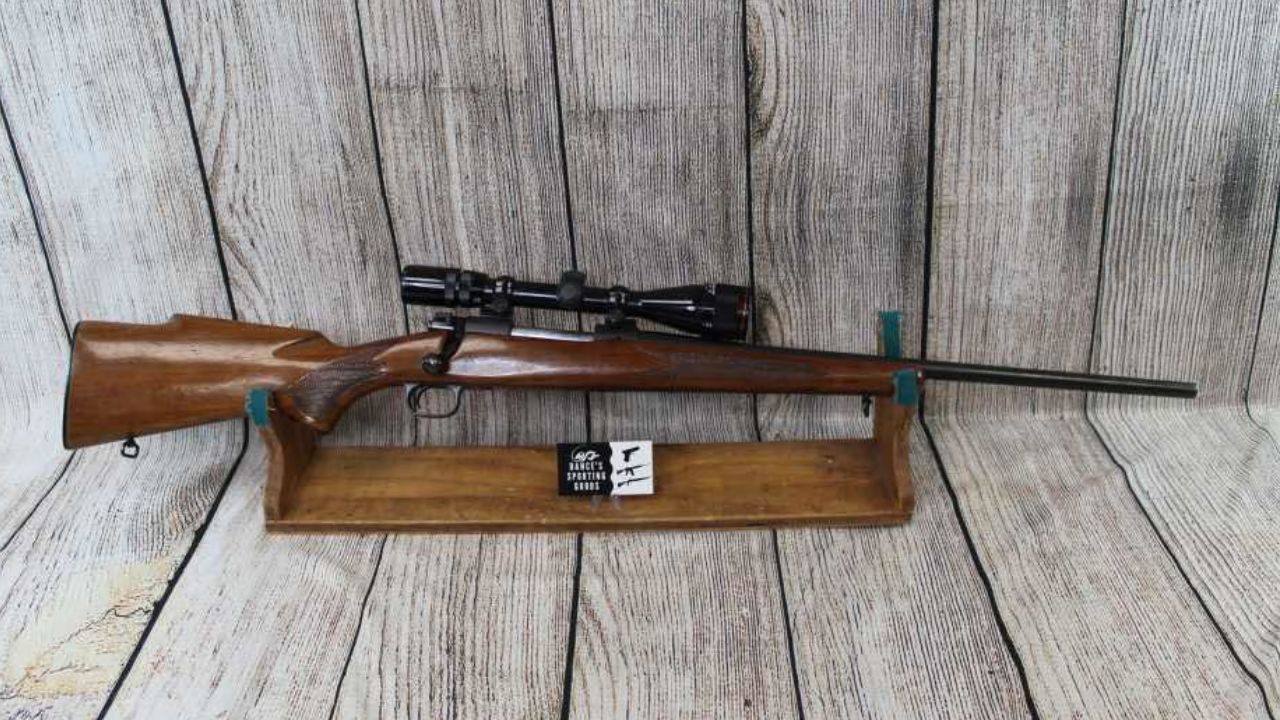
The Winchester 770 never gained much traction, and for good reason. It was a budget rifle with uninspired performance, often compared poorly to competitors in the same price bracket. The action was rough, and feeding wasn’t always smooth. Triggers were heavy, and accuracy left plenty to be desired.
Hunters who carried one into the field quickly noticed how awkward it felt. The cheap stock and poor balance made it less than enjoyable on long hikes. A rifle can’t survive on brand name alone, and this model proved it. Most hunters who tried one didn’t hold onto it long. Pawn shops see them often, sitting on racks while other Winchester models move quickly. It’s a rifle remembered less for what it did right and more for how fast hunters gave up on it.
Marlin Model 995
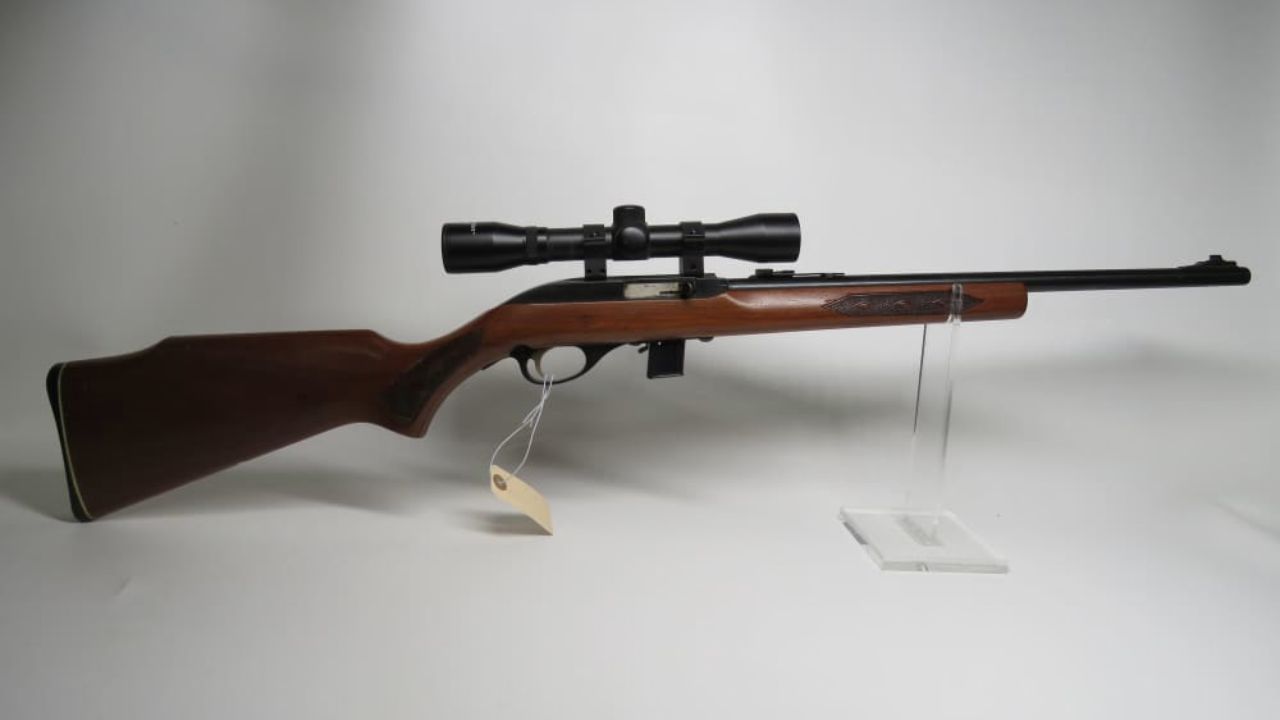
The Marlin 995 was a budget .22 that seemed like a good buy for small-game hunters, but it disappointed more than it impressed. Feeding issues were common, and the overall build quality wasn’t up to par with Marlin’s reputation. Many hunters found themselves clearing jams more than shooting squirrels.
The lightweight design also made it feel flimsy, and accuracy wasn’t as strong as other Marlin rimfires. Compared to the reliable Model 60, the 995 didn’t measure up. It might have been fine for plinking, but serious hunters needed something more dependable. After a single frustrating trip, many 995s ended up traded off or left behind at pawn shops. It’s an example of how a brand can miss the mark, even in a caliber it usually excels at.
Remington 742 Woodsmaster

The Remington 742 was popular for a time, but by the end of its run, it earned a reputation for jamming. Worn feed rails caused malfunctions that couldn’t be easily repaired. Hunters who took one into the field often found themselves dealing with stovepipes and failures to cycle at the worst possible time.
While it had a good look and decent handling, reliability was its downfall. Even when meticulously cleaned, the rifle would eventually wear to the point of being untrustworthy. Plenty of hunters gave up after one frustrating season and pawned them off rather than sinking money into repairs. You’ll still see them sitting in racks, but anyone who knows their history will steer clear. They’re rifles with a reputation that keeps them from ever regaining trust.
Mossberg 100 ATR

The Mossberg 100 ATR was Mossberg’s attempt at a budget bolt-action, and it never really impressed. The action was gritty, the stock felt cheap, and accuracy was inconsistent. Hunters who bought it for the price soon realized it wasn’t worth carrying into the woods.
Triggers were another weak spot, with heavy pulls that made precise shots difficult. Recoil felt harsher than comparable rifles because of the poor stock design. While it looked fine on the shelf, once in the field it exposed its flaws quickly. Hunters who wanted reliability and accuracy were left disappointed, and many pawned them off after only one season. It’s a rifle remembered more for its shortcomings than its successes.
Remington 710

The Remington 710 is notorious for being one of the company’s worst efforts. Made with cheap materials, it suffered from rough actions, poor triggers, and fragile components. Hunters often experienced failures in the field, with bolts binding or plastic parts breaking under use.
Even the factory scope packages were subpar, often losing zero quickly. Hunters who gave it a chance usually didn’t make it through more than a season before trading it off. The 710 was replaced by the 770, which wasn’t much better, but the damage to Remington’s reputation was already done. Pawn shops are full of these rifles, a reminder of how cutting corners on quality rarely pays off.
Browning BAR Mark II Lightweight
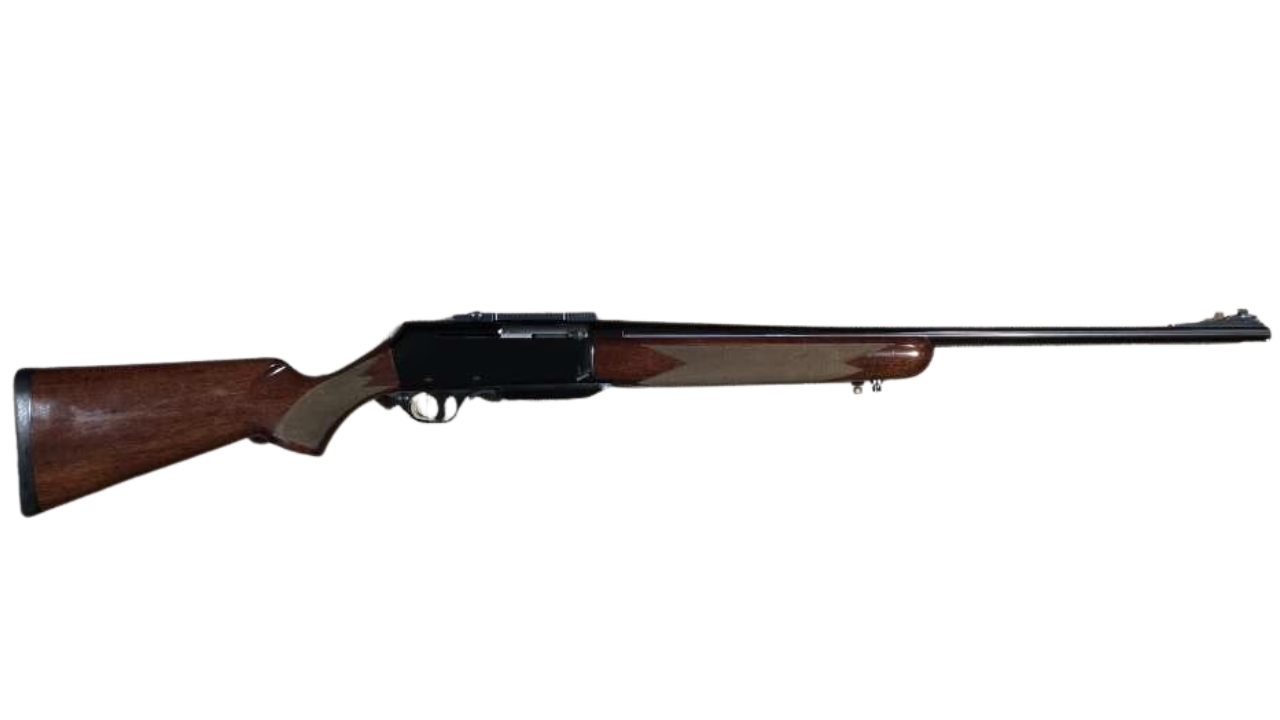
The Browning BAR is a respected rifle line, but the Lightweight versions in harder-recoiling calibers left many hunters unhappy. The reduced weight meant increased felt recoil, and accuracy often suffered as a result. Hunters expecting a comfortable semi-auto experience were surprised by how punishing it felt.
Reliability was also inconsistent in certain calibers, with some rifles struggling to cycle different loads. While the standard BAR models have a solid following, the Lightweight versions often ended up pawned after one frustrating hunt. Hunters realized quickly that shaving off a pound or two came with trade-offs they weren’t willing to live with. It’s a rifle that looked good on paper but didn’t deliver the experience hunters expected.
Rossi Wizard
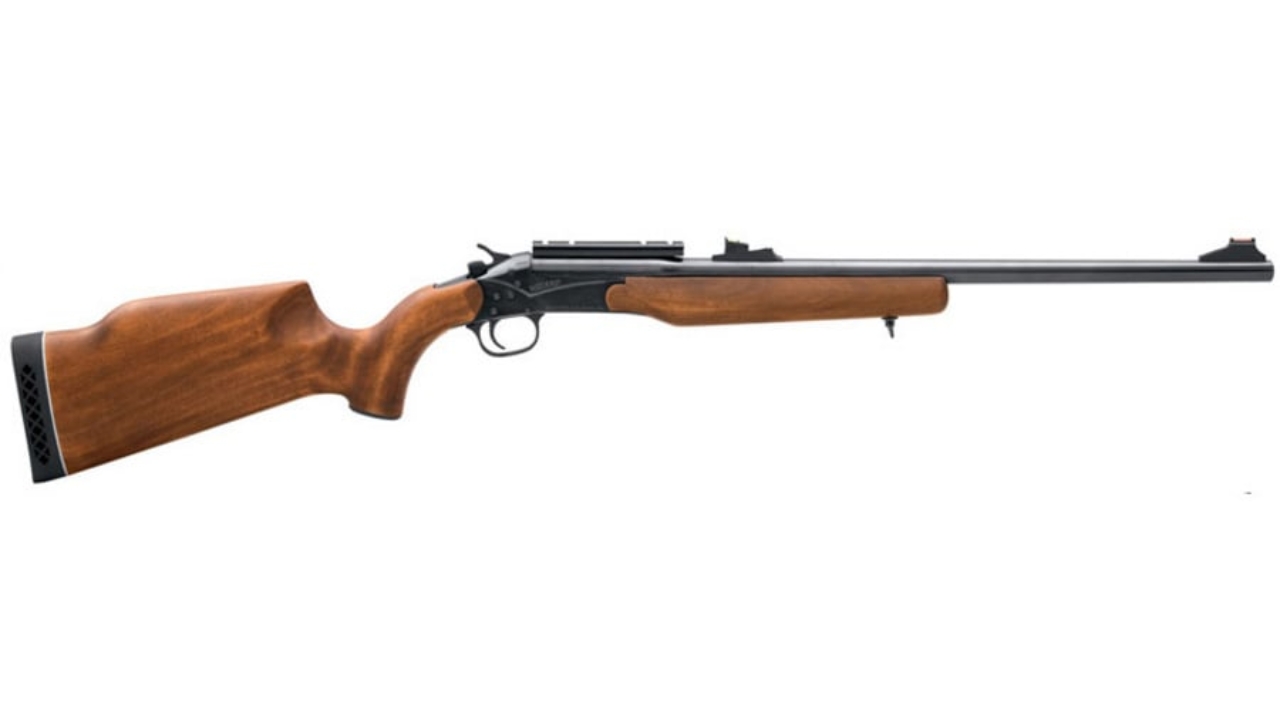
The Rossi Wizard looked like an interesting concept—one rifle with interchangeable barrels for multiple calibers. In practice, it was clunky, heavy, and inaccurate in more than a few chamberings. The barrel swaps weren’t as seamless as advertised, and reliability varied too much between setups.
Hunters who thought they were getting versatility often ended up with frustration. Instead of one gun that could do everything, they got a rifle that struggled to do anything well. Many Wizard owners pawned them off after a single season of disappointment. The concept sounded appealing, but in the woods, hunters want rifles that shoot consistently without fuss. The Wizard fell short of that promise, leaving a lot of them sitting unwanted on pawn shop racks.
Weatherby Vanguard Synthetic (Early Models)

The Weatherby Vanguard is solid today, but some of the early synthetic-stock models weren’t well received. The stocks were hollow and flexed badly, leading to accuracy problems. Hunters who carried them into the field often noticed groups opening up after just a few shots.
Triggers on early models were also heavier than most preferred. While the rifle had Weatherby’s name, it didn’t carry the quality hunters expected. Many first-time buyers who took them hunting quickly lost confidence. They ended up pawned or traded off in favor of sturdier options. Weatherby corrected these issues in later Vanguards, but those early synthetic versions remain rifles that disappointed more hunters than they pleased.
Savage 340

The Savage 340 was an affordable bolt-action offered in calibers like .30-30, but it never impressed serious hunters. The accuracy was mediocre, the magazines were flimsy, and the overall build felt cheap. While it worked for budget-conscious buyers, it didn’t hold up well in the field.
Hunters often found feeding issues creeping up, and the rifle wasn’t durable enough for repeated use in rough conditions. Plenty of 340s ended up in pawn shops, often well-worn and neglected. They served their purpose for a short time, but few hunters held onto them for long. It’s one of those rifles remembered as a stepping stone, not a keeper.
Remington 7400

The Remington 7400 was supposed to be the modern upgrade to the 742, but it inherited many of the same problems. Feeding and cycling issues plagued the design, especially once the rifles saw heavy use. Hunters who took them out often dealt with jams in the middle of hunts.
While they looked sleek and balanced well, reliability was always questionable. Even when well-maintained, they didn’t inspire confidence. Many hunters who tried them quickly went back to bolt-actions or other semi-autos. As a result, the 7400 is another rifle that fills pawn shop racks. Its reputation for unreliability outweighs any of its positives.
Marlin MR-7
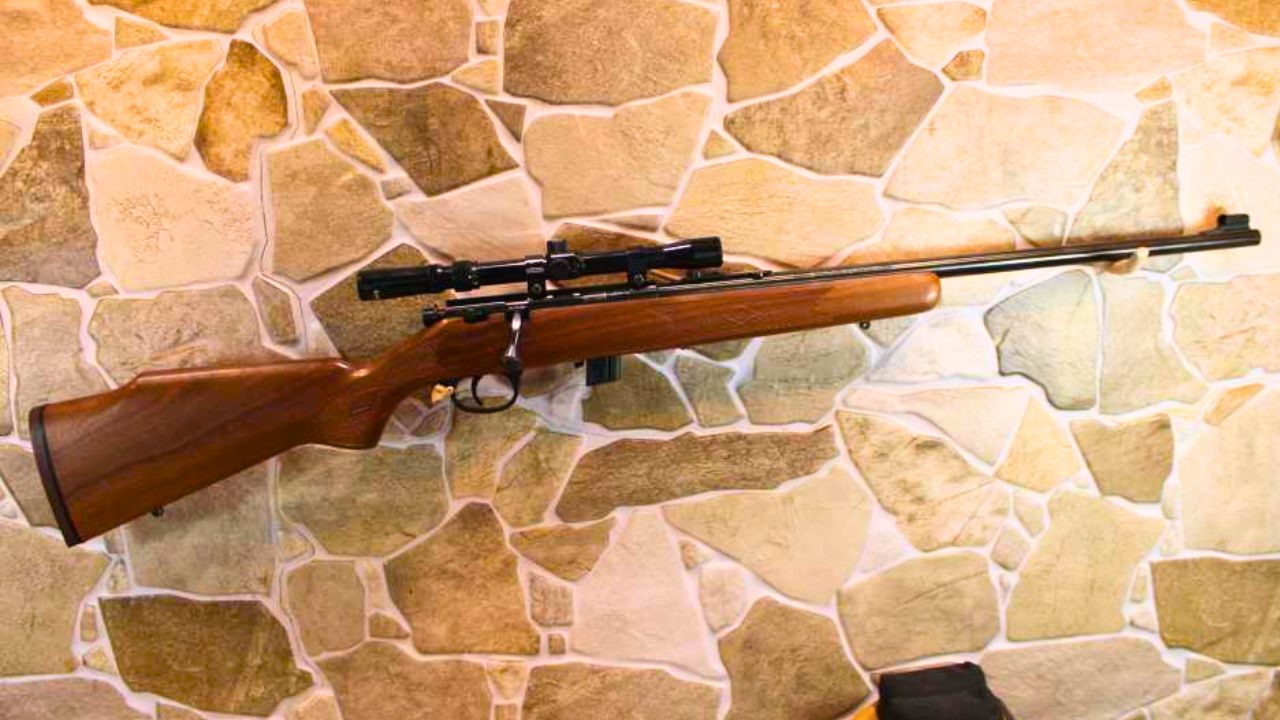
The Marlin MR-7 was Marlin’s attempt to enter the centerfire bolt-action market, but it never gained traction. Accuracy was inconsistent, and the rifle didn’t stand out against competitors like Remington or Winchester. Many hunters gave it a try, but it didn’t inspire loyalty.
The design borrowed from other rifles but didn’t refine them, leaving it feeling like a copy rather than a contender. Hunters who carried them into the woods often traded them off after a single season. The MR-7 remains a rifle more often found in pawn shops than in active use. Marlin eventually abandoned the line, and most hunters never looked back.
Mossberg 464 Lever Action

The Mossberg 464 tried to offer a budget-friendly lever action, but it didn’t win many fans. The action was rough, accuracy wasn’t great, and quality control was hit or miss. Lever-action fans quickly noticed it lacked the smoothness of Marlin or Winchester rifles.
Hunters who bought one for deer season often traded it off after discovering its flaws. The heavy trigger and awkward handling made it less enjoyable than other lever rifles. The 464 ends up pawned often, proof that hunters want their lever actions to feel solid and dependable. It wasn’t terrible, but it wasn’t good enough to stick around after one trip.
Stevens Model 62
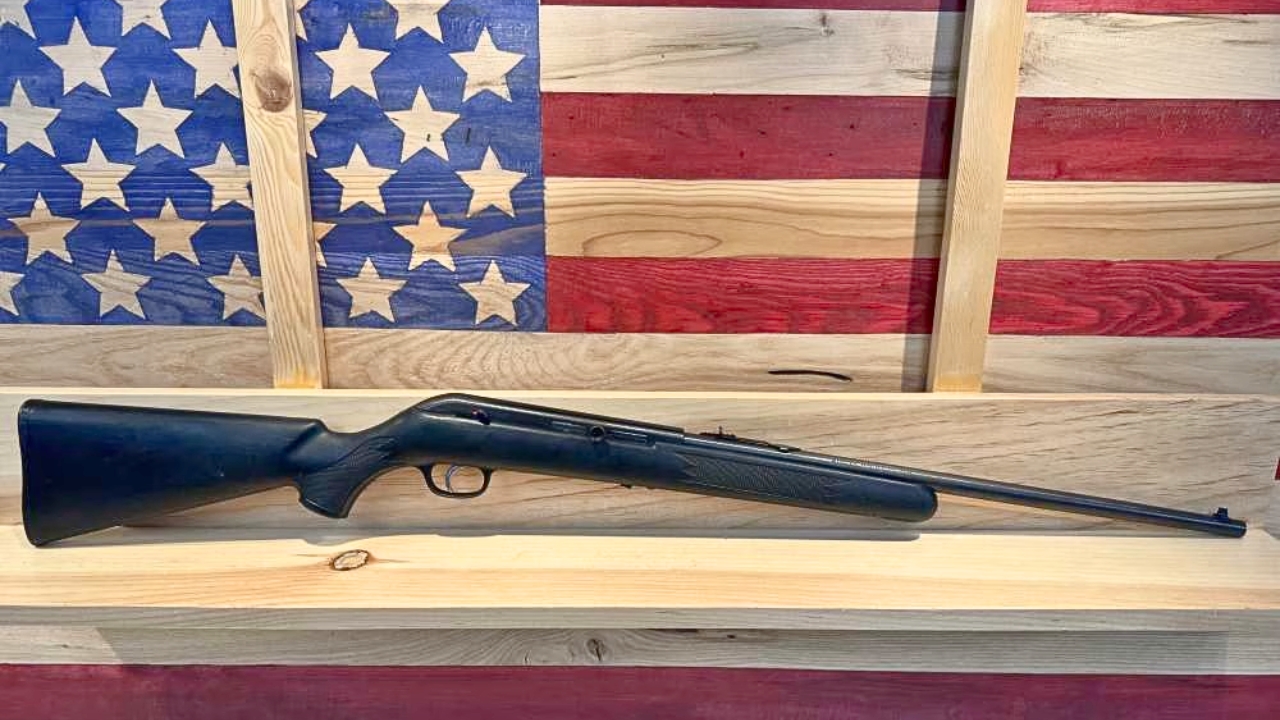
The Stevens Model 62 is a budget .22 that looks like a good deal at first, but it’s plagued by feeding and ejection issues. The magazines are inconsistent, and the overall build feels flimsy. Hunters who took one out for squirrels or rabbits often found themselves clearing jams instead of shooting.
Accuracy is mediocre compared to other rimfire rifles, and the design doesn’t hold up well over time. After one frustrating trip, many hunters cut their losses and pawned them off. It’s another example of a rifle that looks appealing because of its low price but doesn’t deliver where it counts.
*This article was developed with AI-powered tools and has been carefully reviewed by our editors.