Photo credit: DaleFlying/YouTube
Recoil can be worth it when it buys you something real—better penetration, cleaner kills, wider margins on bad angles, or more authority in the wind. The problem is a lot of cartridges and loads punish your shoulder without giving you much back. They kick hard, they slow down your follow-up shots, and they turn practice into a chore. Then you look at what they actually do on game or steel and realize you didn’t gain much over milder options.
Some of this comes from marketing. Some comes from people trying to solve a marksmanship problem with horsepower. And some comes from stuffing too much powder into too little barrel and acting surprised when the recoil is ugly and the performance isn’t.
If you’ve ever gone home sore and still felt underwhelmed by results, these are the calibers and loads that tend to cause that exact kind of regret.
7mm Remington Magnum (with the wrong bullet)

The 7mm Rem Mag can be a great cartridge, but it’s a shoulder-punisher when you run it like a speed boat—fast, light bullets and a whole lot of noise. In many rifles, that setup buys you recoil, muzzle blast, and a flinch that shows up right when you need a clean trigger press.
The “without results” part happens when bullet choice doesn’t match the job. Light, rapid-expanding bullets can act dramatic on thin-skinned deer at close range but fail to penetrate well on tougher angles or heavier animals. You end up with meat damage, inconsistent exits, and a cartridge that’s harder to shoot well than it needed to be. A heavier, tougher 7mm bullet can fix a lot—until then, you’re paying in recoil for performance you aren’t actually getting.
.300 Winchester Magnum (for typical whitetail ranges)

The .300 Win Mag is a hammer, and that’s exactly why people overuse it. If most of your shooting is inside normal deer ranges, the extra recoil often costs you more accuracy than it gains you lethality. The muzzle blast is sharp, the rifle tends to be heavier or louder, and a lot of shooters start anticipating the shot even if they won’t admit it.
The “results” problem is simple: you rarely need magnum energy to kill a whitetail cleanly, but you do need to put the bullet where it belongs. A mild .308 or .30-06 you can shoot confidently will usually out-perform a .300 mag you dread practicing with. If you’re not consistently shooting well from field positions, the .300 Win Mag becomes an expensive way to make your own shooting worse.
.338 Winchester Magnum (when you don’t actually need it)

The .338 Win Mag is built for real work, but it’s overkill for a lot of hunters who buy it because they like the idea of “more.” In a standard-weight rifle, it kicks hard enough that many people don’t shoot it much. That turns into shaky confidence, rushed trigger presses, and poor follow-through.
The “without results” part shows up when the game and distances don’t justify the recoil. On deer-sized animals, you’re not gaining anything meaningful besides extra recoil and often extra meat damage. Even on elk, the .338 can be a great choice, but only if you shoot it well. If the cartridge makes you flinch, your results will look worse than they should. A cartridge you can practice with regularly beats a cannon you avoid.
.375 H&H Magnum (outside its intended role)
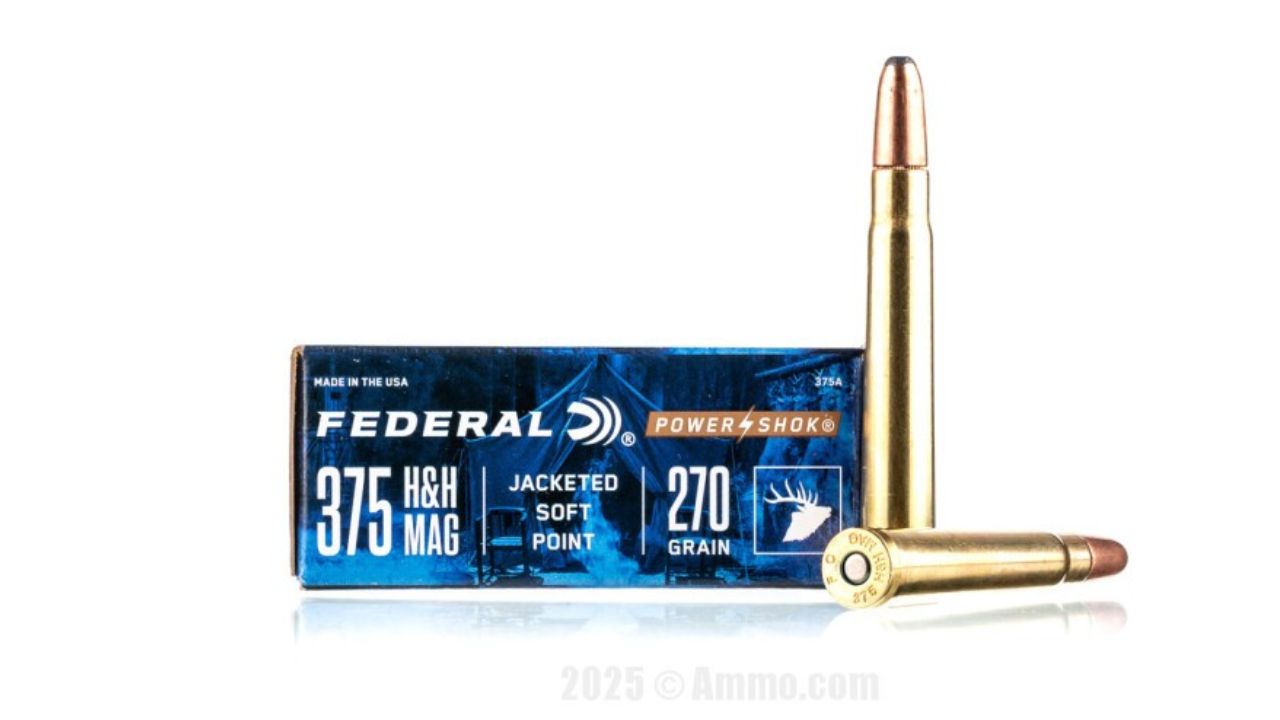
The .375 H&H has a legendary history, but it’s a specialty tool. When you buy it for general hunting and run it on everyday game, you’re carrying recoil you rarely get to cash in. It’s not a cartridge that encourages casual range sessions, especially in lighter rifles.
The results problem is that most animals you hunt in North America don’t require that much bullet. You can kill them just as cleanly with less recoil and far more practical practice. The .375 shines when you need deep penetration, heavy bullets, and decisive performance on large, tough animals. If you’re not hunting that kind of game, you’re basically paying in shoulder pain for bragging rights—and your real-world accuracy often takes the hit.
.45-70 Government (in hot loads)

The .45-70 is a classic, but the modern “hot” loads can turn it into a shoulder-thumper fast. In lighter lever guns, the recoil is more of a shove that snaps you off target and makes you blink at the shot. That’s not a problem if you shoot it occasionally and keep ranges reasonable. It becomes a problem when people treat it like a 200-yard laser beam.
The “without results” part shows up when you push it beyond what it’s best at. Past reasonable distances, drop and wind drift become a real issue, and the recoil doesn’t buy you better precision. If you’re beating yourself up with hot loads but still missing or making poor hits, the cartridge isn’t the issue—the setup is. Keep it in its lane and it’s great. Push it too hard and it punishes you for little gain.
3-inch 12-gauge magnum buckshot

A 3-inch 12-gauge buckshot load can feel like getting punched, especially in lighter pump guns. People buy it thinking “more pellets equals more stopping power,” but recoil that heavy often slows your follow-up shots and makes you shoot worse. That matters because buckshot performance is still all about pattern and placement.
The results problem is that many guns don’t pattern 3-inch buckshot better than quality 2 ¾-inch loads. You can end up with wider patterns, worse control, and a lot more punishment for no real improvement. If your goal is defensive reliability or practical field use, a controllable load that patterns tight is usually the smarter answer. The best buckshot load is the one you can run fast, keep on target, and pattern confidently.
3 ½-inch 12-gauge (when you’re not set up for it)

The 3 ½-inch 12-gauge exists for specific jobs, but it’s commonly used by people who think bigger shells automatically mean more birds in the bag. In many shotguns, that shell length brings brutal recoil and a nasty blast. It can turn a fun morning hunt into flinching and rushing shots.
The “without results” part is that extra payload doesn’t always translate to cleaner kills, especially if recoil ruins your swing and timing. You miss behind, you stop the gun, and you start lifting your head. That’s not a shell problem—it’s a recoil problem. If you’re not shooting a heavier gun that fits you well, and if you’re not truly needing that extra payload, you’re paying for punishment while your hit rate quietly drops.
.300 WSM (in ultralight rifles)

The .300 WSM can perform well, but it becomes a shoulder-ruiner when paired with ultralight mountain rifles. A powerful cartridge in a seven-pound rifle doesn’t feel “snappy”—it feels violent. The recoil is quick, the muzzle blast is sharp, and it’s hard to stay disciplined behind the gun.
The results problem is predictable: people stop practicing. Or they practice in short, miserable sessions that build flinch instead of skill. Then they take it into the field and wonder why their confidence is shaky. If you want a short magnum, you need a rifle setup that makes it shootable—good stock geometry, enough weight, and a brake if you can tolerate it. Otherwise, you’re carrying recoil you can’t cash in.
7mm WSM (when you chase speed over control)

The 7mm WSM can be flat-shooting, but many shooters run it in lighter rifles and chase top-end velocity like it’s a trophy. That’s when it starts punishing you. The recoil and blast can be harsh enough that you lose the ability to call your shots and stay calm through the trigger press.
The “without results” part shows up when speed doesn’t fix the real issue—field accuracy. A cartridge that makes you flinch or rush will cost you more in missed opportunities than it gains in trajectory. At normal hunting distances, the difference between a well-shot standard cartridge and a hard-kicking short mag is often meaningless. If you can’t shoot it with confidence from real positions, you’re paying recoil for paper-ballistics you don’t actually use.
.338 Lapua Magnum (for anything other than its niche)

The .338 Lapua is impressive, but it’s not a practical choice for most shooters. It’s heavy recoil, heavy rifle, expensive ammo, and a lot of noise. When people buy it for the wrong reasons, it turns into a shoulder tax that keeps them from practicing. That defeats the entire point of a precision cartridge.
The results problem is simple: if you’re not shooting far enough to need it, you’re not gaining anything. At closer distances, it doesn’t magically make you more accurate, and it doesn’t solve bad wind calls or poor fundamentals. It often does the opposite by making shooters tense up and chase recoil management instead of focusing on the shot. If you don’t truly live in that long-range world, it’s a lot of punishment for bragging rights.
.340 Weatherby Magnum (more recoil than most people can use)
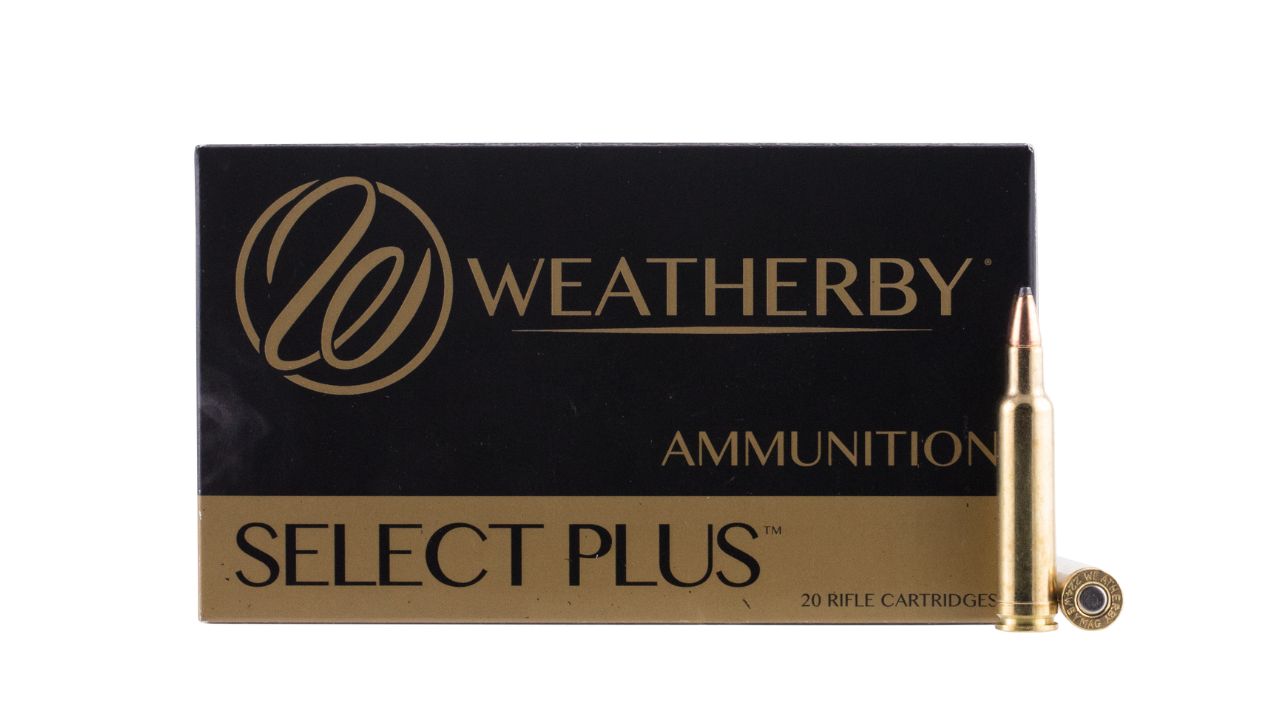
The .340 Weatherby brings serious recoil, and that makes it a cartridge most hunters don’t shoot enough to master. It’s powerful, but power only helps if you can place the bullet precisely. In many rifles, the recoil is enough to create bad habits quickly, especially if you don’t have a solid stock fit and a disciplined shooting routine.
The “without results” part happens when you’re using it for game that doesn’t require it. On deer-sized animals, it’s overkill. On elk, it can be effective
.264 Winchester Magnum
The .264 Win Mag looks great on paper—fast, flat, and “laser-like” in the ballistic charts. In the real world, it tends to punish you with sharp recoil and loud muzzle blast for results that don’t always show up on game the way you’d expect. A lot of rifles chambered for it are also older designs with stocks that don’t do you any favors.
Where it falls into the “without results” category is bullet behavior and practicality. Light, fast 6.5mm bullets can make a mess up close, and they don’t always give you the penetration margin you think you’re buying when angles get weird. Add in that it’s not a common chambering anymore, and you end up practicing less because ammo isn’t always easy to grab. A modern 6.5 that you actually shoot well will usually do more for you.
.30-378 Weatherby Magnum
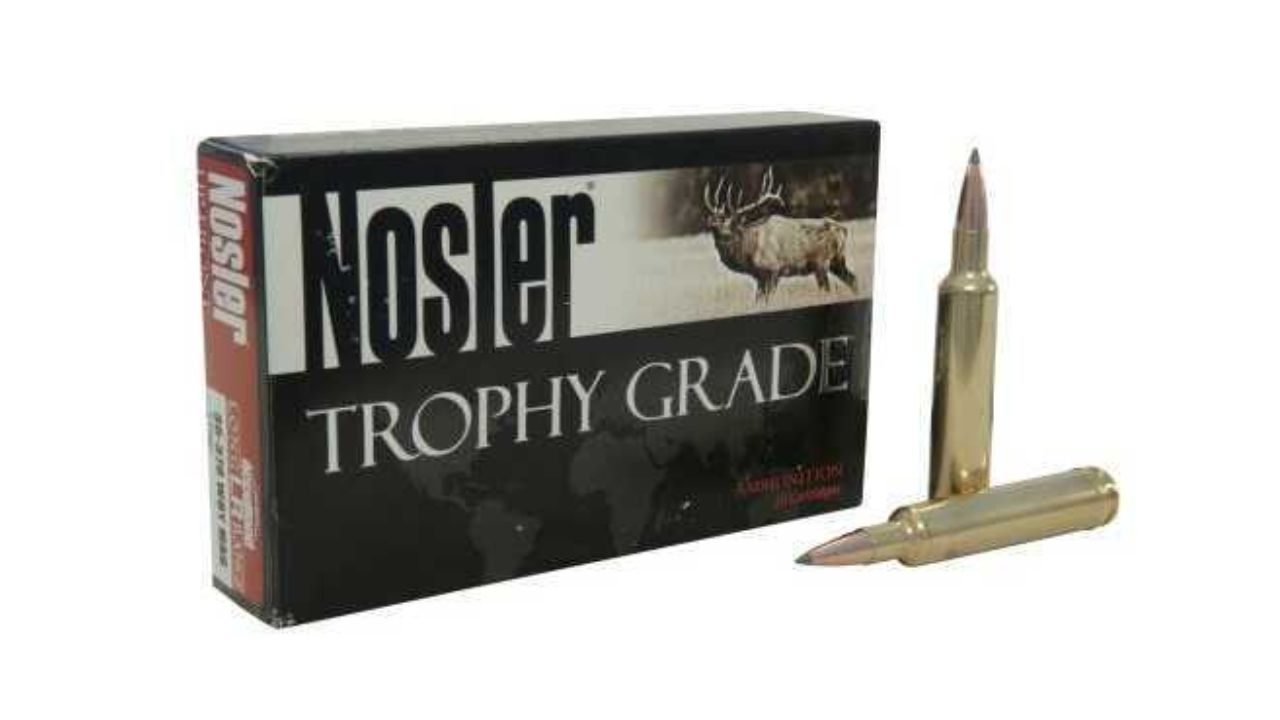
The .30-378 is the definition of “because I can,” and that’s fine—until you realize what it costs you in recoil, blast, and shooter fatigue. It hits hard, and it does it loudly. Even experienced shooters can start getting sloppy behind it after a few rounds, and that’s the exact opposite of what you want when precision matters.
The results problem is that very few people actually need what it offers. If you’re not shooting at distances where that extra speed and energy truly matter, you’re paying for punishment that doesn’t show up on target. It can also be harder on barrels, and it’s the kind of cartridge that encourages people to shoot less because every trigger pull feels like an event. If you don’t live in its niche, it’s recoil you can’t really cash in.
.458 Winchester Magnum (outside dangerous game)
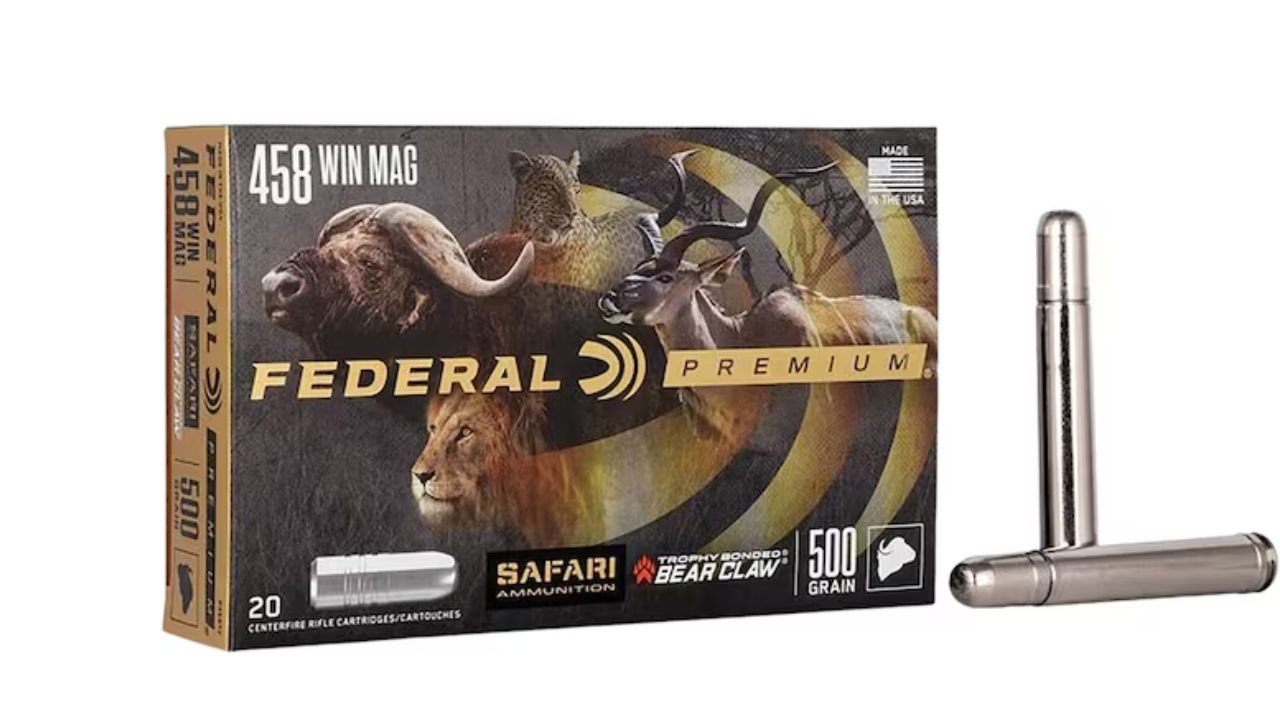
The .458 Win Mag exists to solve a very specific problem, and it does that job well. The issue is when people buy it for general hunting or “fun” and then wonder why it feels like getting hit with a bat. Recoil is heavy, and in many rifles it’s the kind of recoil that makes you brace before the shot whether you mean to or not.
Without the right application, the results don’t justify the pain. On most North American game, it’s far more cartridge than you need, and it doesn’t magically make up for poor shot placement. It also limits practice because the recoil wears you down fast. If you’re not hunting animals that demand deep, heavy-bullet penetration as a safety margin, you’re better served by something you can shoot accurately and often.
10-gauge (when a 12-gauge already does it)
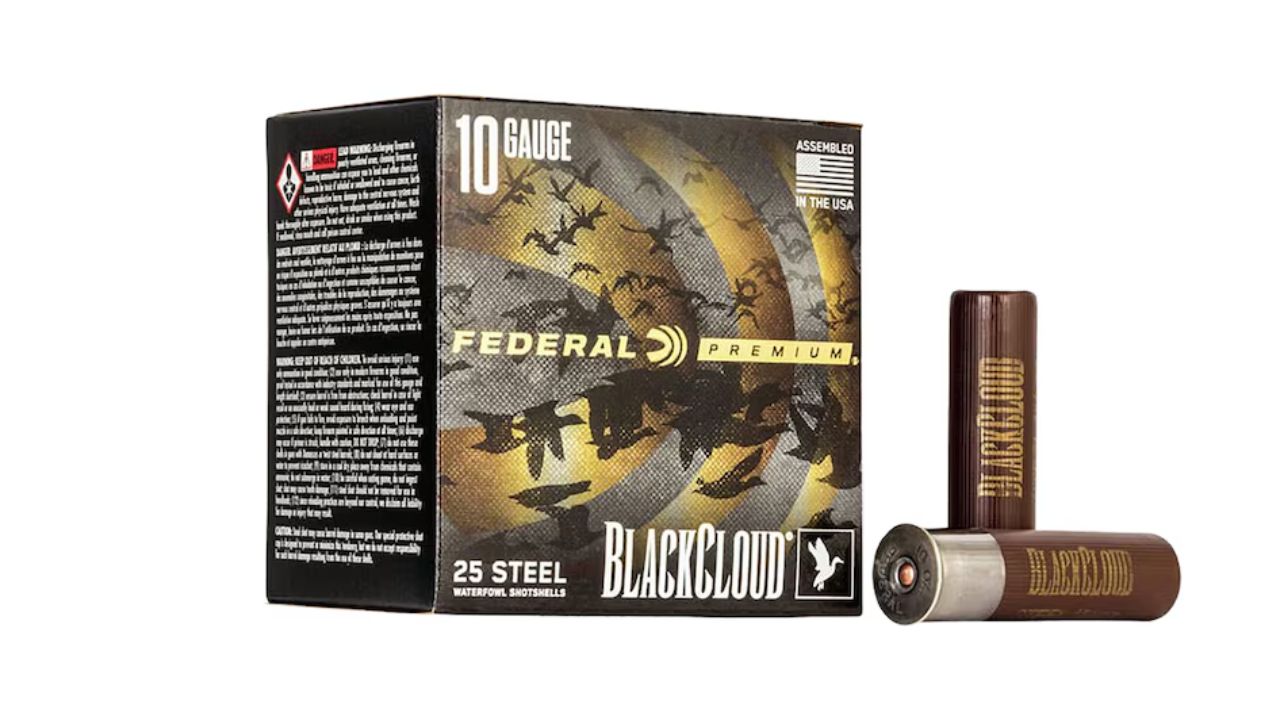
The 10-gauge can be effective, but it often ends up in this category because many people shoot it expecting miracles. Yes, it can throw heavy payloads, but the recoil is substantial, and the guns themselves can be awkward to handle if you’re not used to them. If the shotgun doesn’t fit you well, you’ll feel it in your shoulder and see it in your misses.
The “without results” part is that modern 12-gauge loads cover an enormous range of real hunting needs. If you’re not doing a very specific job where a 10-gauge truly shines, you’re taking on extra recoil and weight for little practical gain. Worse, the recoil can mess with your follow-through and timing, especially on fast birds. A well-chosen 12-gauge load you shoot confidently will usually outperform a bigger gun you dread.
Like The Avid Outdoorsman’s content? Subscribe to our newsletter so you never miss an article.
Here’s more from us: