Photo credit: James Case – CC BY 2.0, /Wikimedia Commons
You’ve handled guns that felt like design compromises from the start — awkward balance, unreliable internal parts, tolerances that made feeding a gamble. Some of those made it to market because someone chased a trend or cut a corner. Others launched with fanfare and fell apart once real shooters used them. That gap between marketing and reality is where regret lives. You don’t want a firearm that asks you to forgive its flaws; you want one that does what it promises, every time you shoulder it. This list calls out models across eras and platforms that, by common experience and user reports, should have been pulled back for redesign. You’ll find early-production handguns that had safety or feeding failures, shotguns with baffling ergonomics, and rifles whose barrels or actions were mismatched to their advertised role. Read this like a veteran swapping stories over a workbench: the names sting because people trusted these guns, and the failures were costly. Now let’s get into them.
Remington Model 700 ADL

You expect the Model 700 lineage to be dependable; that reputation carried a lot of trust into cheap ADL variants. Some early ADL rifles shipped with loose headspace or rushed bedding that produced inconsistent groups and occasional extraction problems. When a rifle leaves the factory without tight tolerances, you feel it on the paper and in the field. That’s not acceptable when accuracy and repeatable function are the product’s selling points.
Beyond groups, feeding and ejecting problems cropped up on some runs, often tied to production shortcuts. The fix usually required a gunsmith—shimming, glass-bedding, or recontouring the chamber. That work eats into the value of a “budget” rifle and frustrates shooters who assumed a modern big-brand bolt gun would work out of the box. If a production rifle needs a lot of aftermarket surgery to behave, you’re holding one that should have stayed on the line until quality control sorted it.
Winchester 1907
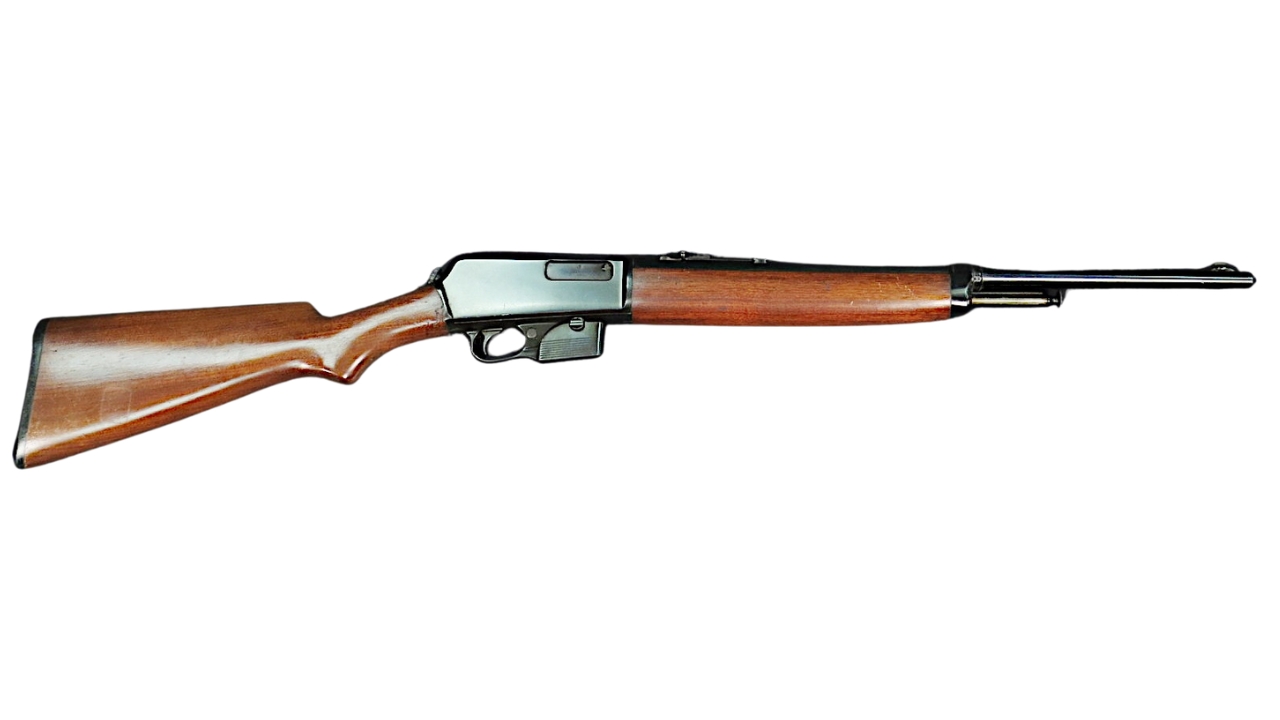
The Winchester 1907 was ambitious: a centerfire autoloader at a time when bolt actions dominated. In practice, timing and extraction problems dogged early examples. If the action doesn’t cycle perfectly under field conditions, you get failures to extract or stovepipe jams—issues that break your confidence fast. That’s no place for experimentation when hunting or defending yourself.
Collectors admire the 1907 for its historic value, but the design required tighter manufacturing than available back then. Springs, feed ramps, and extraction surfaces needed better refinement. Guns sent to market with those problems gave shooters unreliable hardware and taught a lesson manufacturers still remember: novelty cannot trump function if you intend to put a firearm to real use.
Colt All American 2000
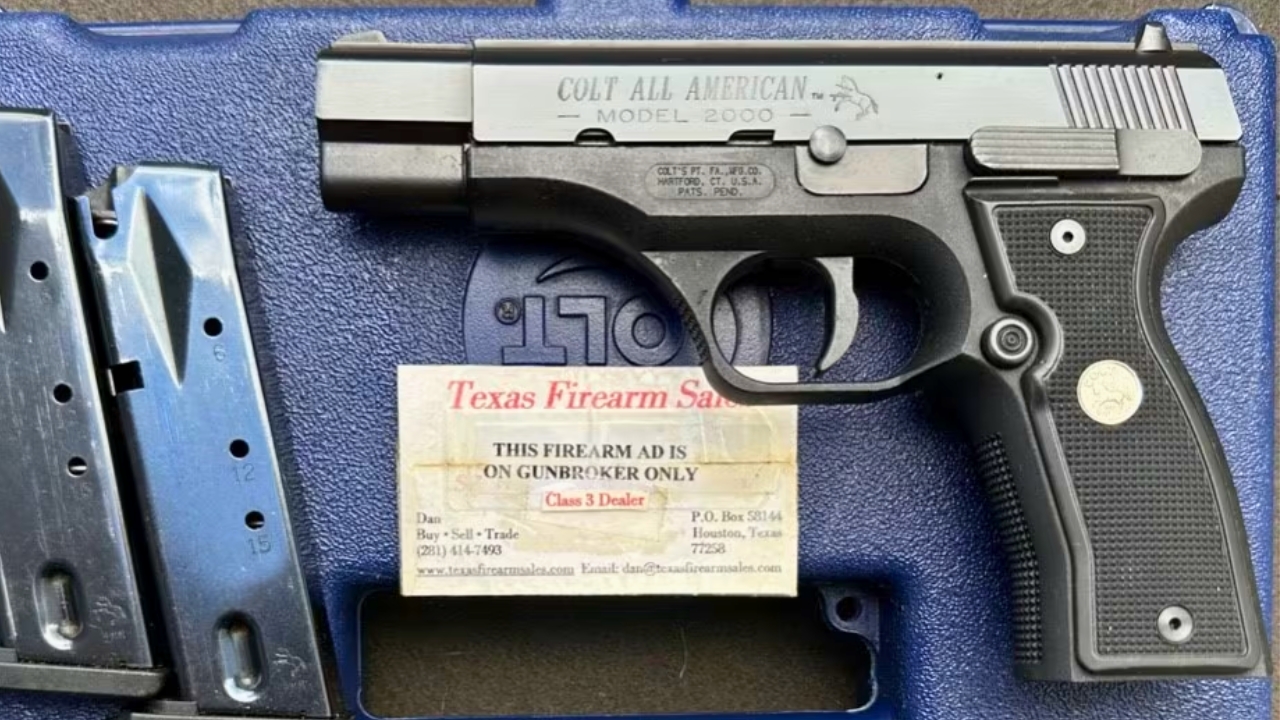
The All American 2000 was a curious attempt by Colt to reinvent the polymer service pistol. The concept had merit, but production rushed a platform laden with trigger quirks, feeding misalignments, and ergonomics that forced awkward manual manipulation. You can forgive prototypes some flaws, but a commercial model must be out-of-the-box safe and reliable.
Folks who carried or trained on early AA2000 samples found inconsistent trigger pulls and an uncertain reset. That unpredictability is unacceptable in a handgun intended for duty use. Rather than fixing the core problems, the model limped along into obsolescence. It’s a reminder that radical designs need rigorous testing before production—otherwise you place shooters into unnecessary risk.
Savage Axis
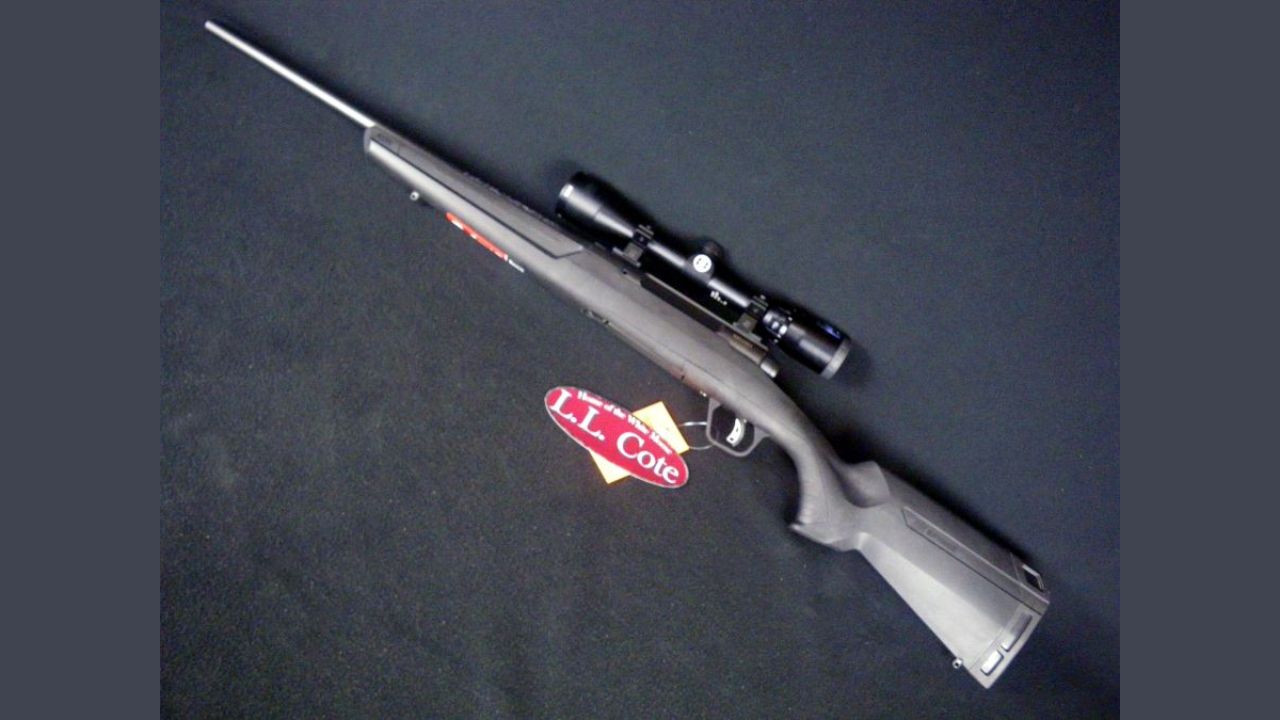
The Savage Axis offered attractive value, but the initial production saw big swings in accuracy from rifle to rifle. Some Axis rifles shot better than expected, while others had barrels or crowns out of spec. When a new hunting rifle fits that inconsistent pattern, you’re gambling on getting a good one from the lot, instead of buying a product that consistently meets a standard.
Accuracy inconsistent at the factory means handloaders or gunsmiths must chase tolerances—barrel relines, bedding jobs—to coax match performance. That hidden cost undermines the “budget” pitch and leaves buyers with rifles that ended production when they should have returned to the line for correction.
Remington Model 870 Express

The Model 870 is a proven platform overall, but certain Express production runs showed rough out-of-the-box triggers, sloppy magazine tubes, and inconsistent heat treatment on internal parts. A shotgun that binds or has an unpredictable trigger pull is a danger when you need follow-up shots or quick handling in the field.
Remington’s assembly speed sometimes prioritized throughput over inspection, and those Express variants required refinishing or internal polishing to reach reliable duty standards. You shouldn’t need to disassemble a new shotgun to make it safe and smooth. Models that shipped with those lapses should have been held back until the problems were resolved.
Smith & Wesson M&P15-22

The AR-style M&P15-22 is fun and useful in training, but early batches suffered from unreliable polymer magazines and feeding geometry that produced nose-dives and failures to chamber. For a rimfire trainer meant to mimic centerfire ergonomics, feeding consistency is everything—you want a drop-in replacement for practice, not a platform that forces workarounds.
Those issues were often fixable with different magazines or minor tweaks, but a production rifle that needs workaround parts to be functional didn’t earn its place on the rack. That’s a lesson in quality control: products intended for high-volume training must be as reliable as what they simulate.
Taurus PT-92
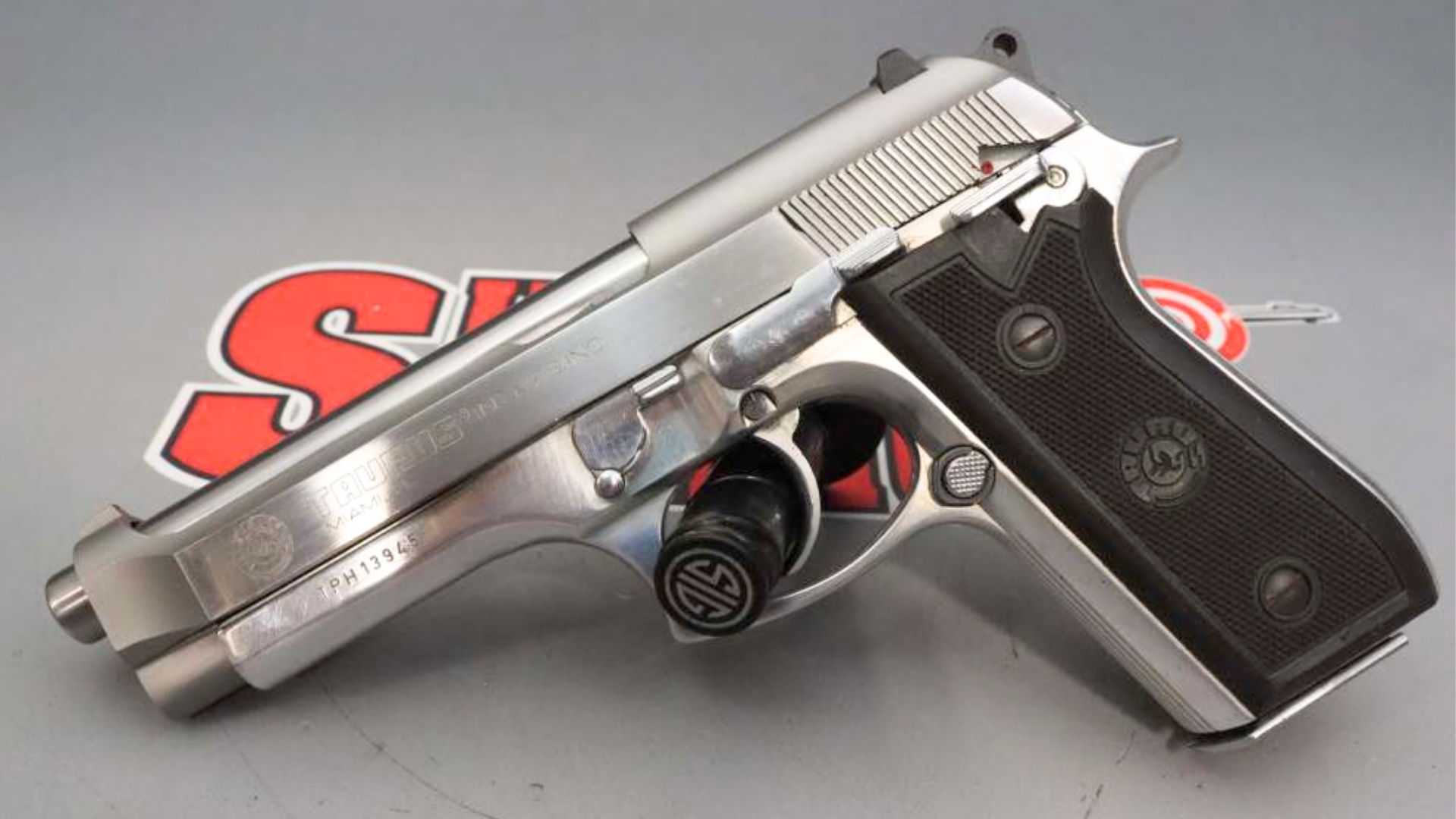
The Taurus PT-92 is an affordable clone of a classic design, but some early production examples had finish defects, inconsistent slides, and in rare cases, safety lever tolerances that left shooters uneasy. A handgun must present a consistent manual of arms and solid controls—anything else is a liability. When users reported jamming or safety engagement issues, the model’s confidence eroded quickly.
The fix often required in-field tuning or return for repair, undermining Taurus’s value pitch. Pre-release teardown and functional testing should have caught problems; letting those units leave the factory led to reputational damage and shooters left with guns that needed extra work to be safe and reliable.
Ruger LCP

The LCP earned a place as an ultra-compact carry pistol, but initial production runs were criticized for stiff triggers, weak slides, and feeding quirks with some hollowpoints. Concealable pistols demand perfect reliability and predictable triggers at short distances—you don’t get a second chance in a defensive moment.
Early LCPs often worked after break-in, but users shouldn’t have to run hundreds of rounds to reach acceptable function. Compacts must meet minimal standards out of the box. Models that didn’t were rightly held to account because carry guns are a job for performance, not potential.
Browning BPS Lightweight
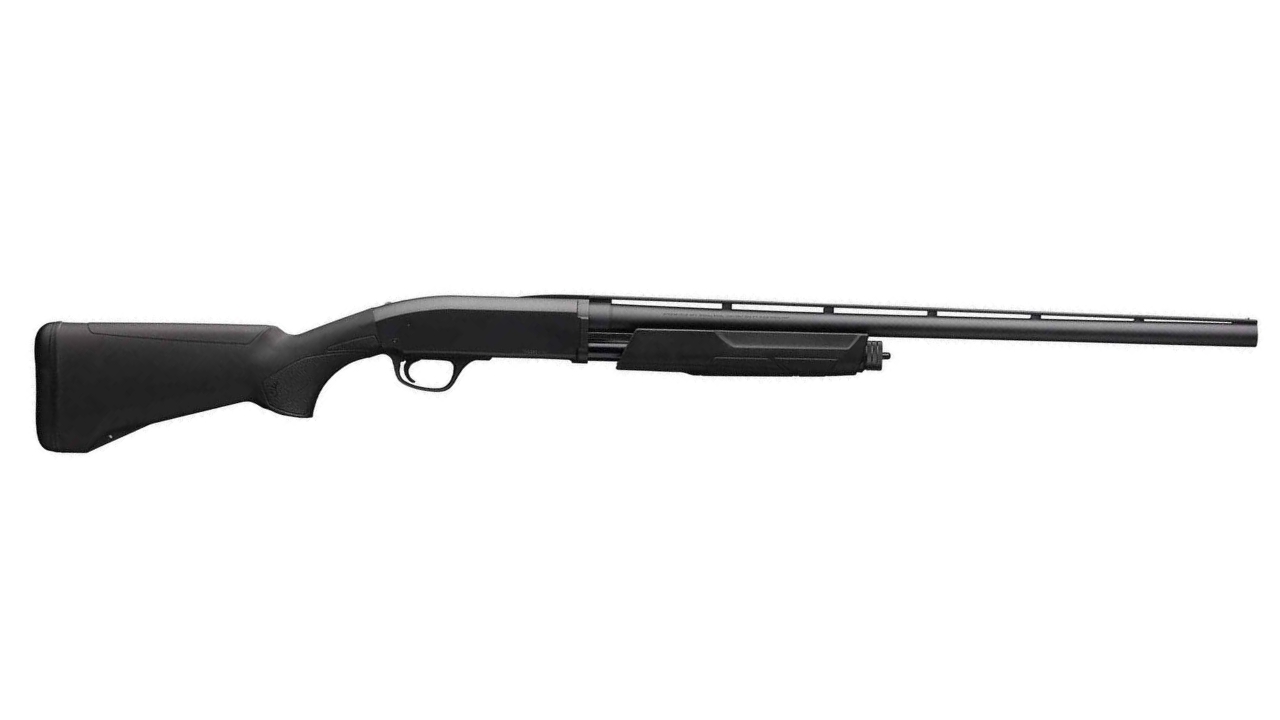
The BPS shotgun’s bottom-eject design is clever, but some lightweight configurations compromised the recoil system and lug alignments, leading to accelerated wear and occasional headspace drift. A shotgun that begins to loosen under magnum loads becomes a reliability hazard and can degrade patterns unpredictably.
That’s a manufacturing shortcut that should have been caught. If engineering for weight compromises the action’s longevity with common hunting loads, it needs rework before release. Lightweight innovation is useful—but not when it undercuts structural integrity.
Beretta 90two
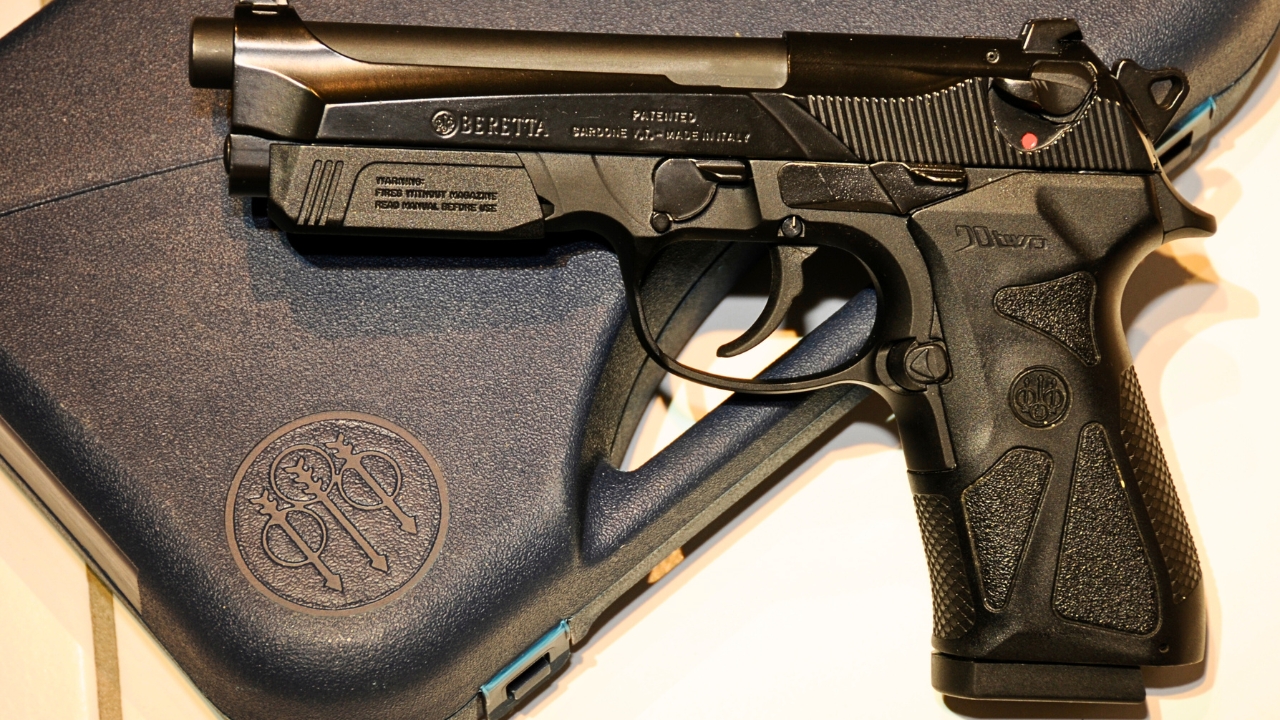
The Beretta 90two tried to merge modern ergonomics with traditional controls, but its overcomplicated frame and ambidextrous bits introduced tolerance stacking and wear points that affected long-term reliability. Guns with too many moving ergonomic pieces can accumulate slop, and slop is never your friend in a fighting pistol.
Collectors admire the 90two’s ambition, but practical shooters ran into problems with maintained accuracy and control after heavy use. When a modern handgun’s complexity increases points of failure, the design should be simplified before mass production. The 90two taught that refinement beats feature lists when durability matters.
Steyr Scout
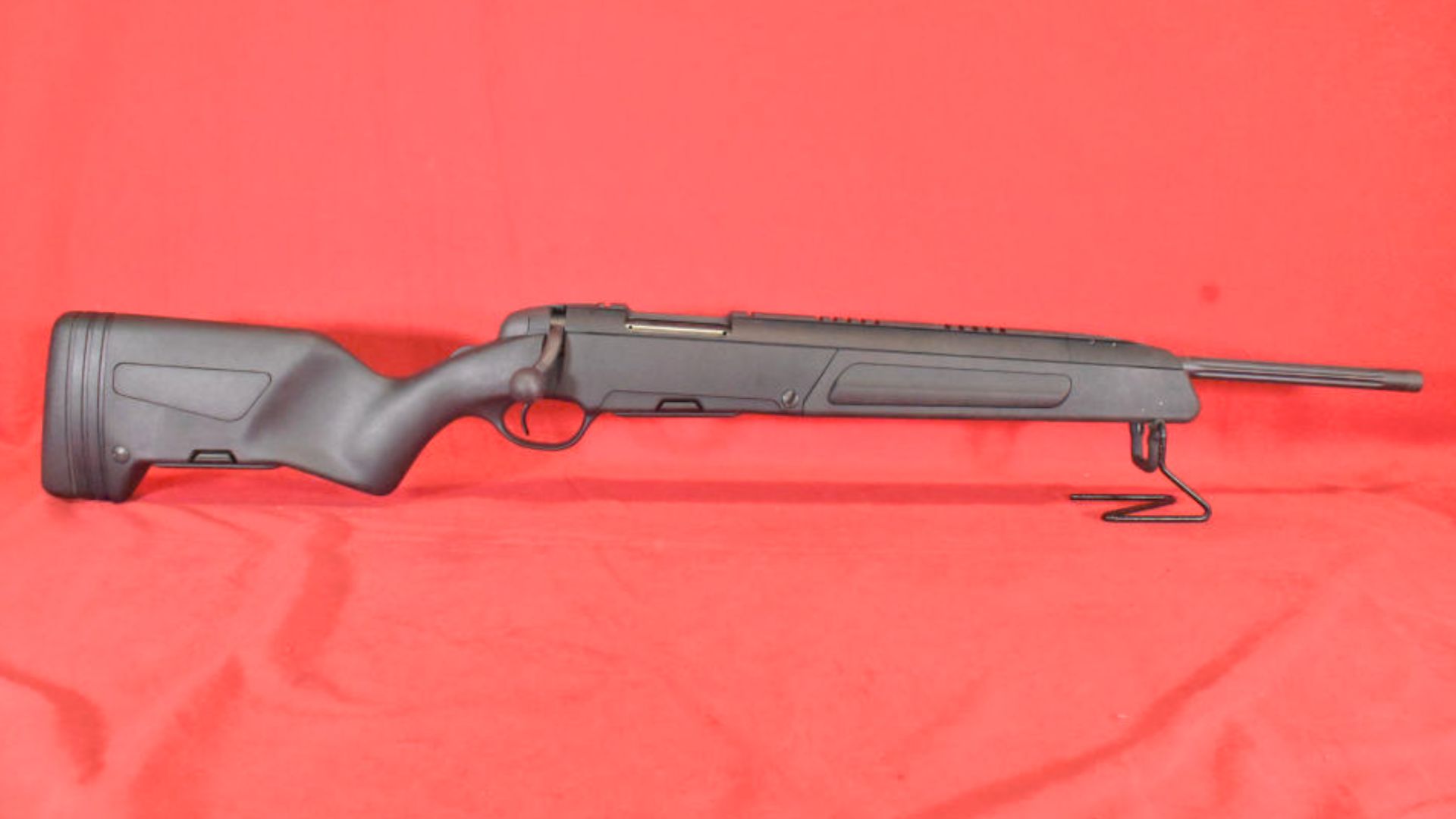
The Steyr Scout wanted to be a do-everything lightweight rifle, but poor stock fit and odd optic mounting choices left accuracy and repeatable zero compromised on several early-production rifles. For a tactical/hunting hybrid, predictable POI after stress or recoil is vital. When the mounting system and stock fail to deliver it, the rifle underperforms its concept.
You can make the Scout work with aftermarket bedding and a different optic rail, but a production gun should be right out of the box. Those examples that required upgrades should have been held for correction—the concept was neat, but the execution left shooters fixing what should have been solved at the factory.
SIG P320
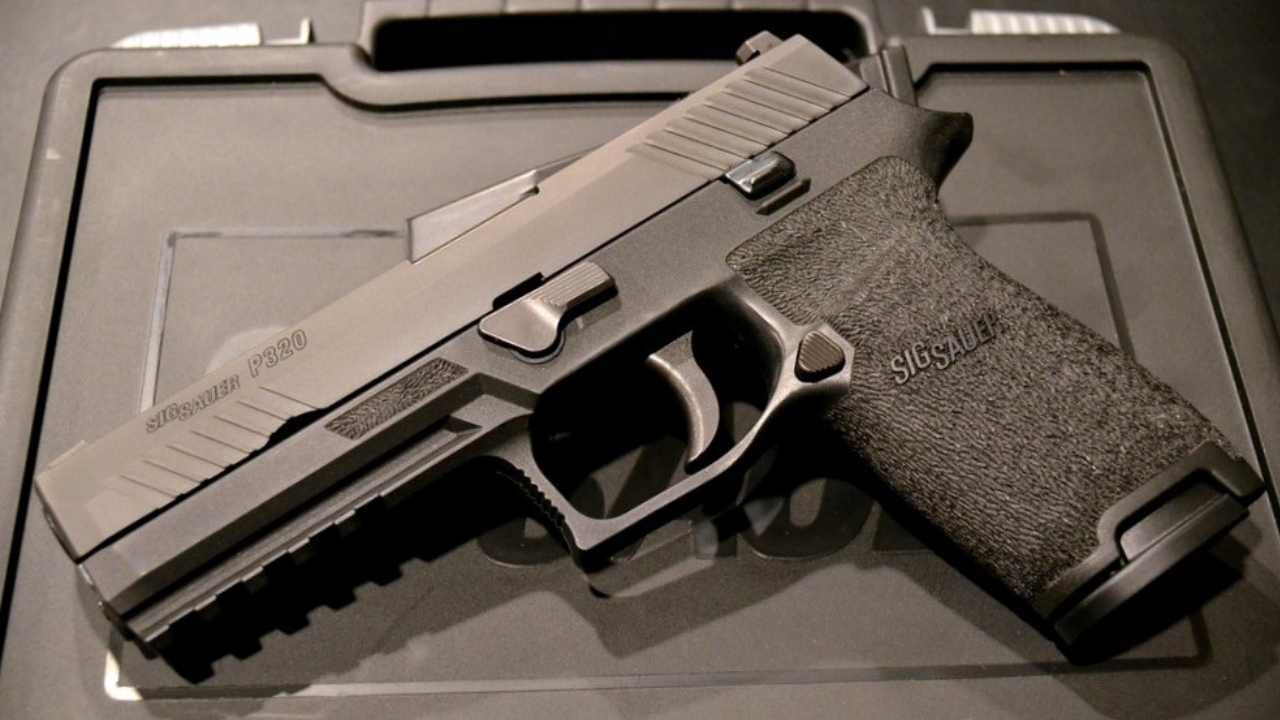
The P320 introduced modularity into striker-fired pistols, but early concerns about drop safety and unintentional discharge hit hard. Firearms intended for duty or carry must be proven safe under drop tests and real-world handling. When reports surfaced of discharges after impact, SIG had to redesign elements to restore trust.
That’s a stark reminder: a modern handgun must pass both laboratory safety standards and field scrutiny before leaving the production line. Units that exhibited unsafe behavior needed a production hold until engineering fixes removed the risk. Anything less is unacceptable.
Winchester Super X2
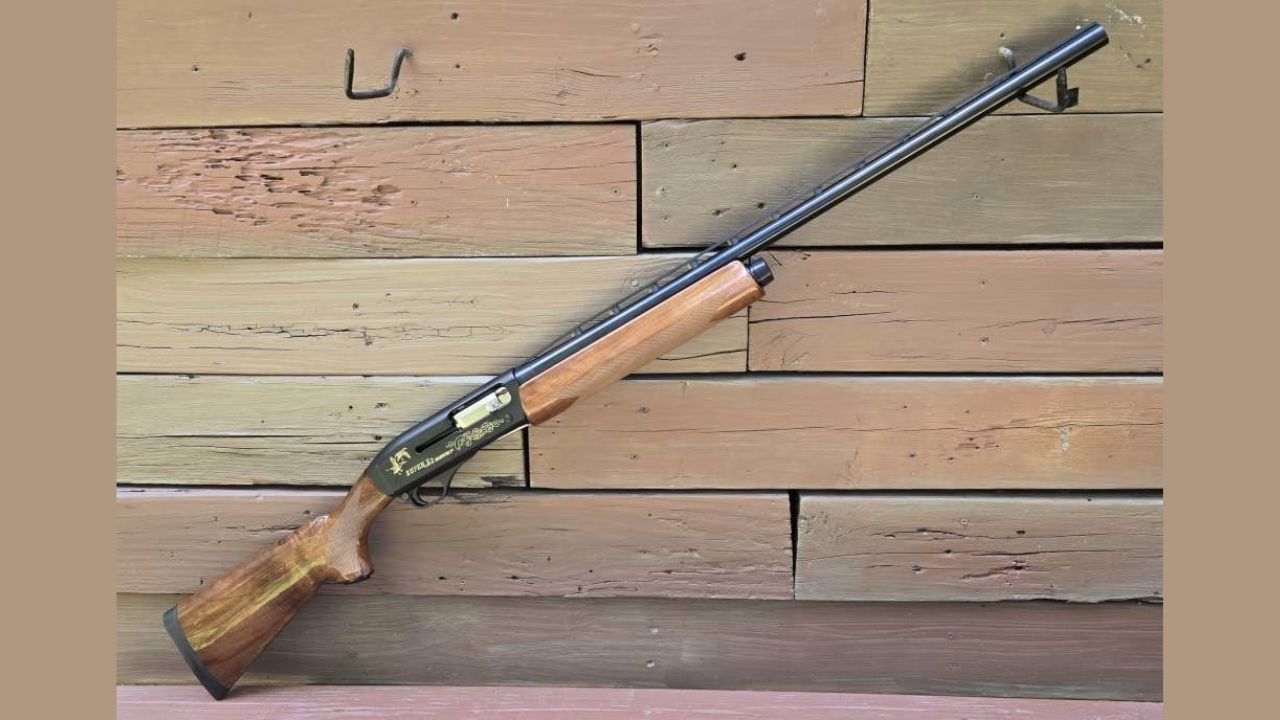
The Super X2 aimed to modernize Winchester’s semi-auto shotguns, but a run of early units showed weak magazine springs and feeding issues with mixed shell types. A hunting shotgun should run whatever shells the field demands without picky behavior. Early feeding trouble undermined its practicality for waterfowl and upland duties.
Those models needed immediate factory attention: stronger magazine springs and refined feed ramps. Letting consumer units leave without that correction meant hunters experienced failures in the blind—situations where reliability is more important than styling.
FN FAL

The FAL has legendary heritage, but post-war production across different factories sometimes produced rifles with vague headspace tolerances or inconsistent gas systems. In combat or hunting, a rifle must digest various loads without becoming a maintenance nightmare. When some FALs required constant adjustment to stay reliable, they failed to meet the platform’s promise.
It’s a caution: legacy designs survive only when production maintains strict standards. A rifle that needs constant blacksmithing to be serviceable never should have shipped in the state some did.
Mossberg 500

The Mossberg 500 is a workhorse, yet certain early production models had rough action rails and improperly staked sights, which caused inconsistent shot patterns and feed issues under stress. A shotgun used in home defense and hunting must be rugged without extensive post-purchase tuning.
Those units were an embarrassment in production runs: something that should have been sorted during assembly. A reliable pump shotgun can’t leave the factory with sloppy rails or loose sights. When that happens, the gun should be held for correction, not distributed.
Remington R51

The R51 was intended to be a modern concealed-carry pistol, but the initial design had striker and slide interface issues that led to failures to fire and cracked slides in extreme cases. For a carry gun, that falls on the unacceptable side of the ledger. You carry it because you trust it to work, not because it’s a neat engineering experiment.
Remington’s recall and rework were costly and necessary. The model hit market with problems that required a structural redesign, which is proof that prototypes and rigorous testing must be exhaustive before a public launch. The R51’s early units should have stayed on the bench until they behaved.
Savage 110BA
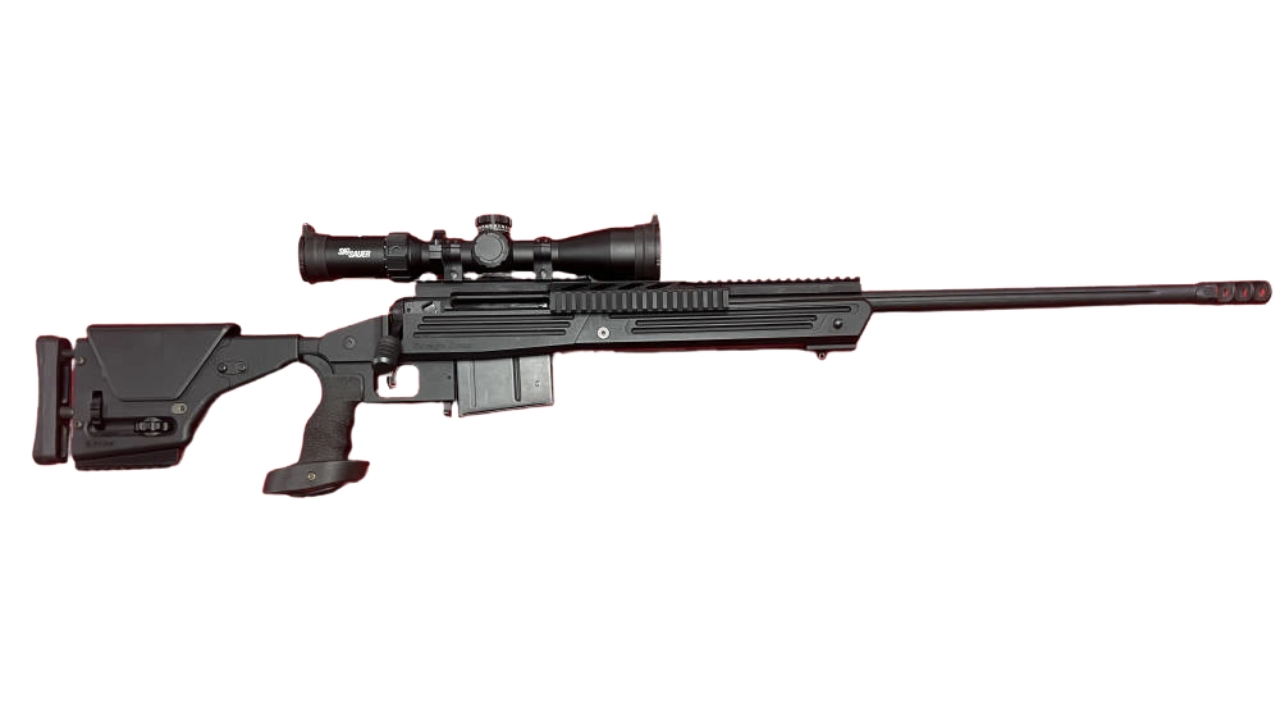
The 110BA promised tactical-grade precision, but some batches left the factory with triggers that varied widely and actions that lacked consistent headspacing. A precision rifle needs consistent internals to deliver repeatable groups—anything else forces owners to spend on gunsmithing.
Customers expect out-of-box performance in this price tier. When tolerance variability introduces group dispersion, the rifle’s purpose—precision shooting—fails. Those units should have been corrected on the assembly line, not passed to shooters to fix.
Remington 870 Tac-14

The short Tac-14 variant promised compact firepower, but some examples shipped with improperly cut magazine tubes and weak fore-end retention, causing feeding and handling problems under stress. Tactical platforms that suffer from design oversight cost lives in high-stress situations.
The remedy was simple: better assembly controls and QC checks. That those units left the factory without them indicates a rush-to-market that compromised basic function. Tactical shotguns must be brutally simple and reliable, not fashion statements trimmed by speed-to-shelf.
Colt New Agent
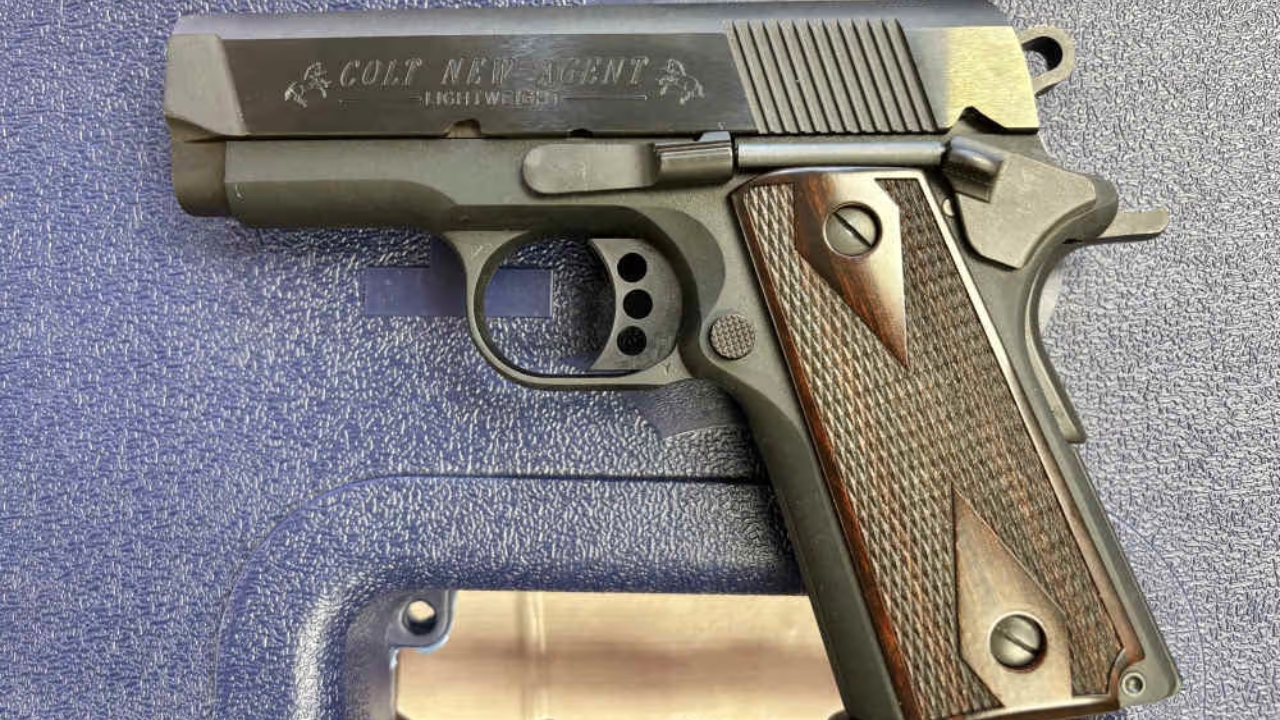
The New Agent’s polymer frame and tiny profile were appealing for concealed carry, but early runs showed brittle slide stops and inconsistent trigger geometry. A carry pistol must be built to withstand real-world wear; when components break under normal use, you have a safety issue.
Those design and material choices needed re-evaluation. When metallurgy fails in small parts, a pistol is unsafe. Such problems should have been caught and corrected before customer deliveries.
Ithaca Mag-10
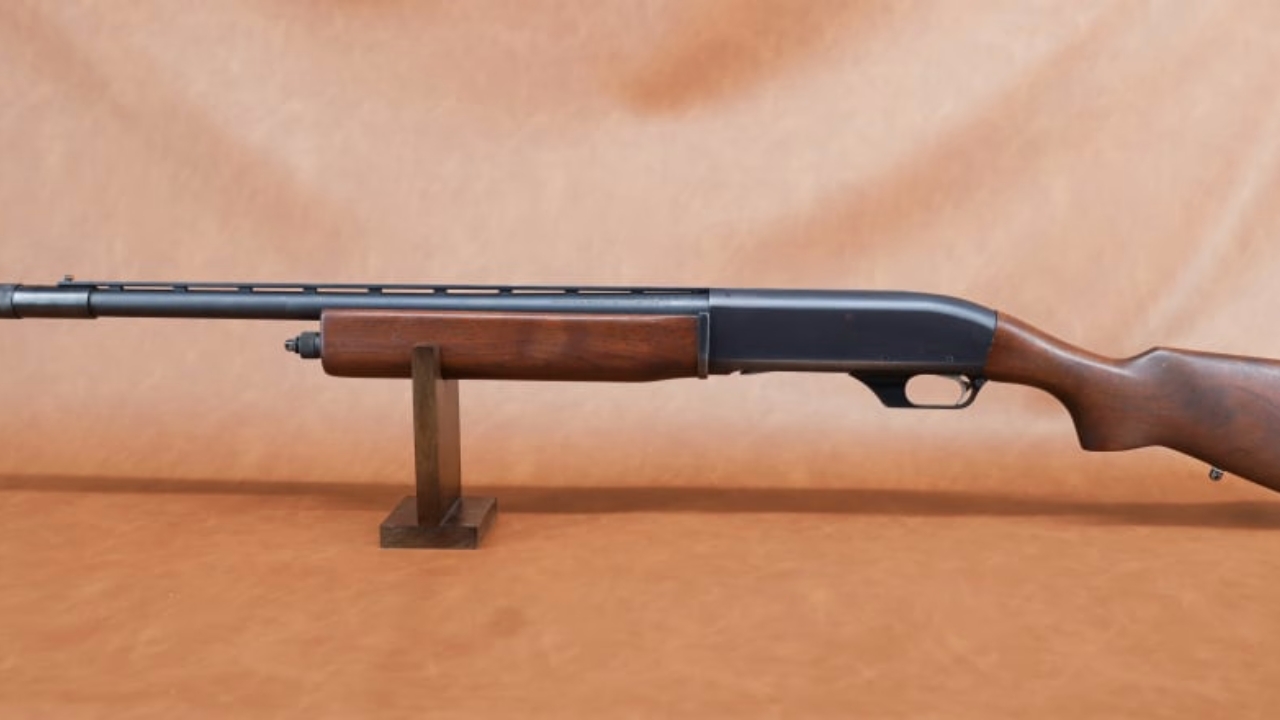
The Mag-10 autoloading shotgun was powerful but some initial gas systems were over-stressed by heavy loads, accelerating wear and cracking components. Shotguns that can’t survive the pressures of appropriate hunting shots are liabilities in the field. Robust gas systems are non-negotiable.
Tuning the gas system for longevity and diverse shells should have been part of the release testing. Units that showed premature failure needed a redesign rather than distribution.
Charter Arms Pitbull

The Pitbull was an interesting mini-revolver, but some early production examples had cylinder timing and headspace concerns. Revolvers must keep perfect timing to prevent cylinder gap issues and ensure safe ignition. When timing slips, smoke and unpredictability follow.
That one-year production should have included more timing checks. A pocket revolver has to be able to go into a pocket and work without a gunsmith’s attention. Those that didn’t should have been withheld.
Kel-Tec SUB-2000
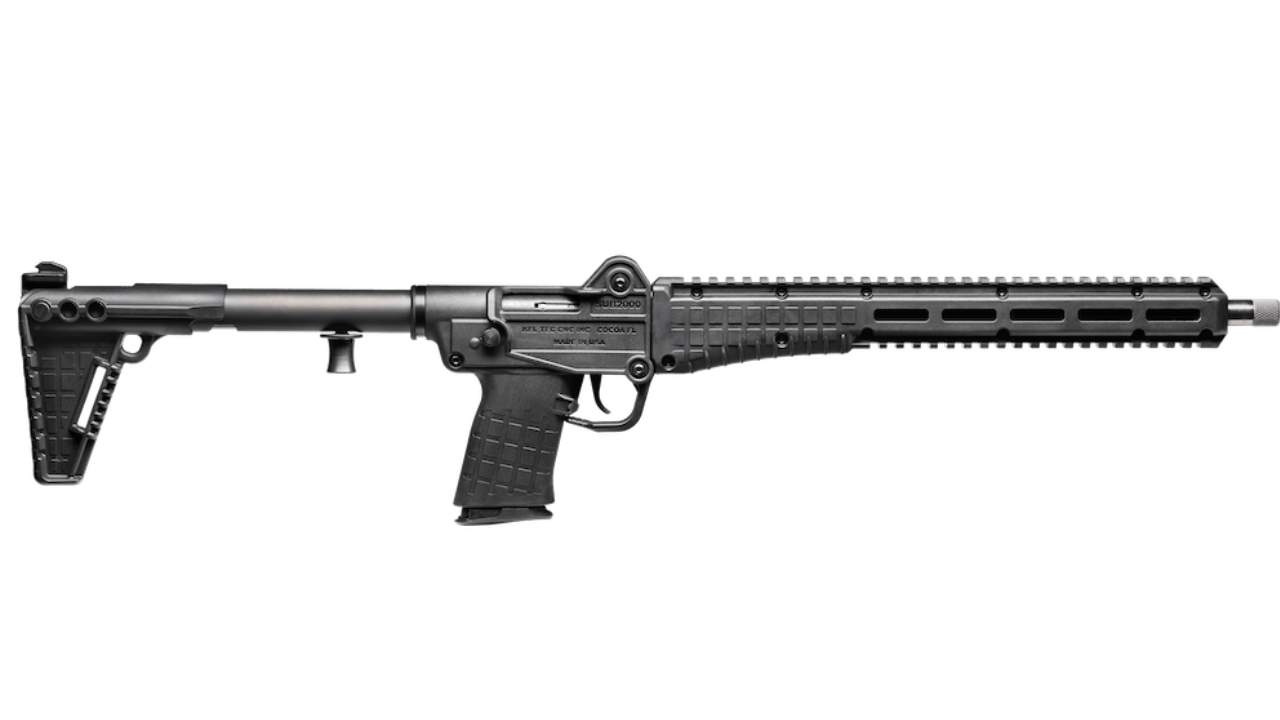
Kel-Tec’s SUB-2000 is a clever folding carbine, but some early builds exhibited weak feed ramp polishing and barrel harmonics that upset accuracy. A rifle that’s supposed to be a compact trainer needs to feed and print groups consistently. When that fails, the design needs refinement.
Several shooters fixed the issues with aftermarket polishing or replacement parts, but a production unit should not require that level of tinkering to perform acceptably.
H&R Handi-Rifle

The Handi-Rifle’s break-action simplicity appealed to varminters, but some early units left the factory with loose lockup and marginal headspace, causing poor grouping and extraction problems. Break actions must lock solidly to preserve alignment—if they don’t, accuracy and safety suffer.
That’s an assembly oversight that’s cheap to fix in production, yet costly for the owner. Guns with loose lockups should have been rejected on the line.
Browning Silver/BLR Lightweight

The BLR and other lightweight Browning variants sometimes shipped with stocks that didn’t interface tightly with the receiver, leading to shifting points of impact when temperatures changed or after a few rounds. Hunting rifles need stability; anything that moves under recoil or heat compromises accuracy.
Producers should’ve enforced tighter assembly specs. When a rifle’s POI wanders because of poor stock bedding at the factory, it undermines both the owner’s trust and the model’s reputation.
*This article was developed with AI-powered tools and has been carefully reviewed by our editors.