Photo credit: BuffaloGapOutfitters/GunBroker
This isn’t about “bad guns.” It’s about guns that make you hesitate because the trigger feel, reset, break, or consistency keeps changing on you. When you start questioning the pull, your accuracy suffers and your speed falls apart, because you’re mentally waiting for the gun to do something weird. Sometimes it’s the design. Sometimes it’s tolerance stacking. Sometimes it’s a trigger system that’s fine for slow fire but feels unpredictable when you’re pushing the pace. If a gun makes you second-guess the pull, you’ll see it first on drills and under time.
Ruger LCP (original LCP trigger feel)
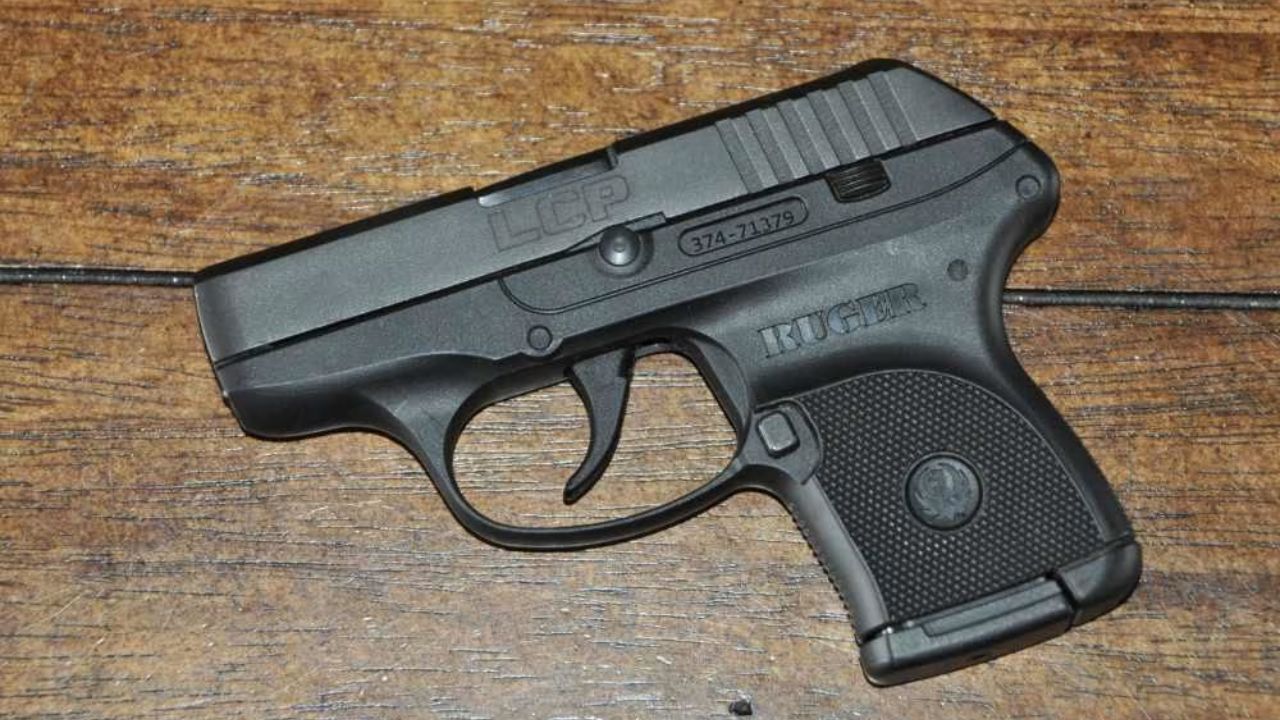
The original LCP class guns earned their place because they’re small and easy to carry, but a lot of shooters second-guess the pull because the trigger is long, the break can feel mushy, and the feedback is minimal. On a timer, that long pull makes people over-confirm the sight picture, then slap through the break, and the result is low hits or sideways misses. It’s not that the gun “can’t shoot.” It’s that the trigger doesn’t give you a clean, predictable wall that builds confidence when you’re trying to run faster than slow-fire pace. If you carry one, you usually end up learning its trigger by repetition, not by loving it.
Taurus G3C (sample-to-sample trigger inconsistency)
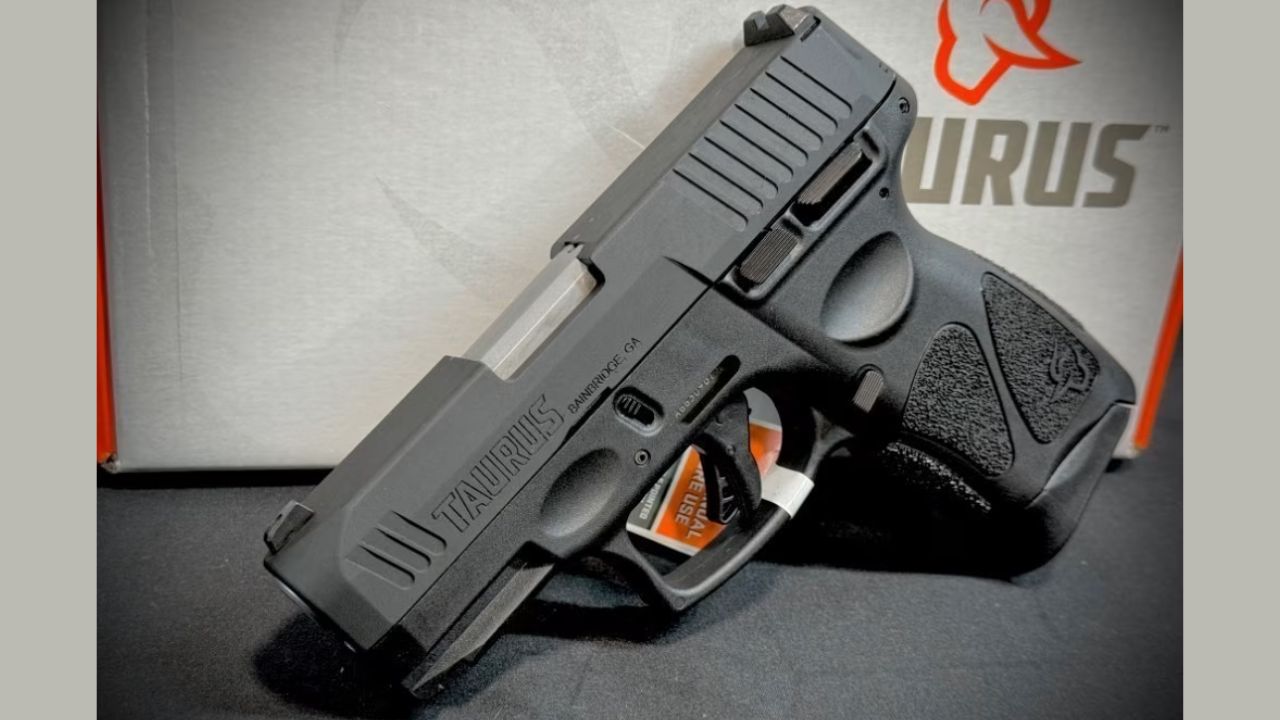
The G3C can be a solid budget pistol, but one reason it gets mentioned in this category is that triggers can vary a lot between samples and over time. Some feel surprisingly decent. Some feel gritty or stacky, and that variation makes you second-guess because your brain never fully trusts what you’re about to get. Under pressure, consistency matters more than “good” in isolation. A consistent mediocre trigger can be trained. A trigger that feels different depending on lubrication, round count, or minor grit can mess with your cadence. If you’re running drills, you’ll notice it when your splits get hesitant and your hits drift.
SIG Sauer P320 (trigger feel that confuses new shooters)

The P320’s trigger isn’t horrible, but it has a feel that throws some shooters—especially newer shooters—because it can feel a bit vague through the takeup and then break in a way that’s not always obvious to people used to crisp 1911-style triggers. That “where’s the wall?” feeling is exactly what creates second-guessing. On drills, you’ll see shooters slow down right before the break, then over-press, then over-correct with the sights. Plenty of people shoot P320s very well, but if you’re sensitive to wall definition and reset feedback, it can take more work to build trust compared to pistols with a more obvious wall.
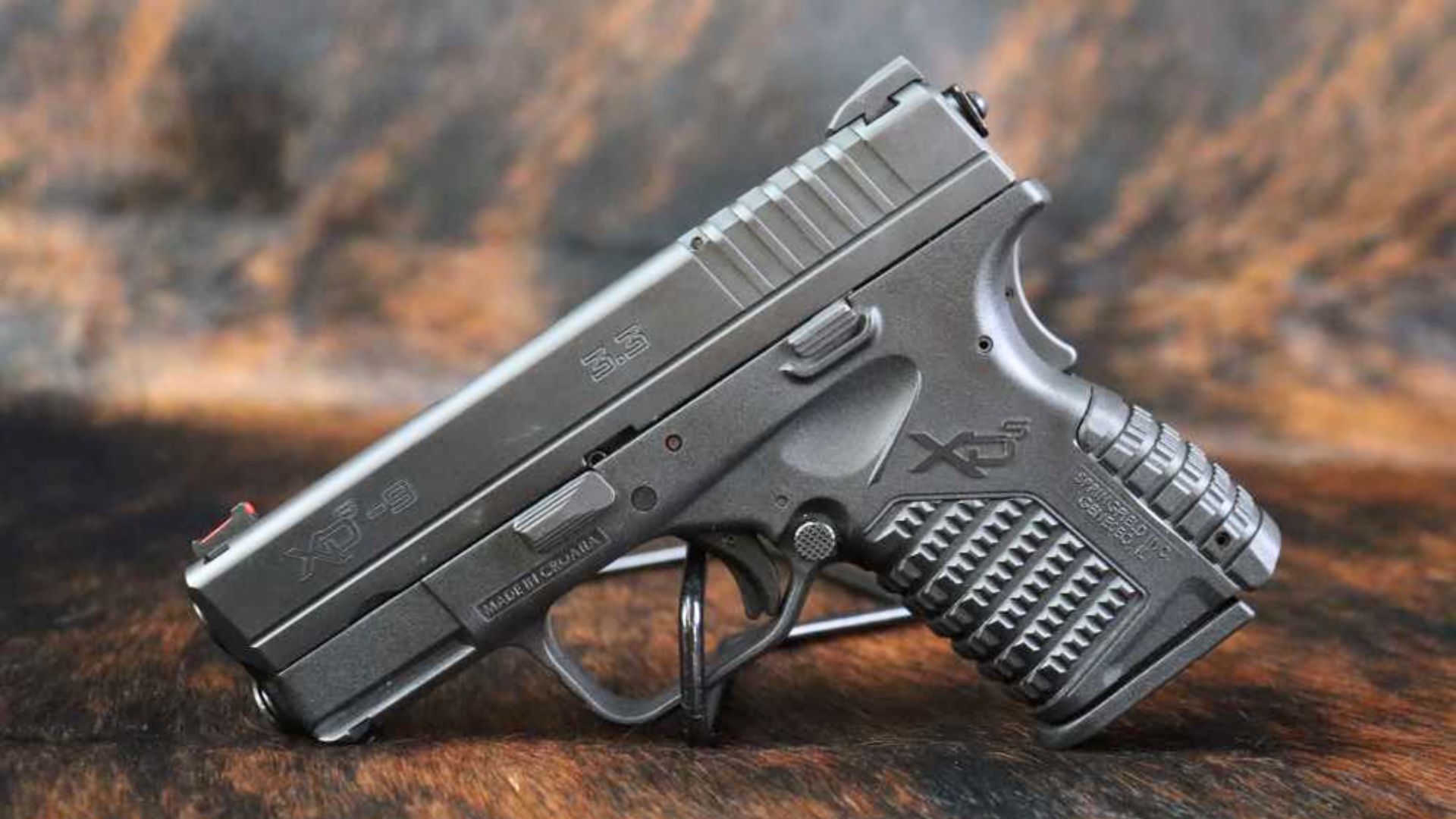
Springfield XD-S (heavier feeling pull on small gun)

The XD-S class guns get carried because they’re slim, but the trigger feel can make some shooters second-guess when they try to run it fast. A small gun already gives you less to hang onto and more movement under recoil, so if the trigger feels heavier or less defined, your brain starts “checking” the pull instead of running it. That hesitation shows up past 10–15 yards and in faster strings when you’re trying to keep the sights honest. The gun can be accurate, but the combination of slim grip and trigger feel can make people shoot it worse than they shoot larger pistols with more predictable trigger feedback.
Beretta APX (trigger feel that can feel dead to some hands)

APXs are reliable pistols, but some shooters don’t love the trigger feel because it can feel a little dead or plasticky in the break and reset, especially compared to striker guns that have more pronounced feedback. That lack of feedback is what triggers the second-guessing problem: you’re pressing and waiting instead of pressing with confidence. On a drill, you’ll see shooters “hover” at the wall, then snatch the shot, then chase the sights back. If you train with it, you can run it, but if you’re picky about tactile reset and a clean wall, it can take longer to trust under speed than some other striker options.
Walther PPS M2 (small gun + trigger cadence issues)

The PPS M2 is a serious carry pistol, and the trigger can be fine, but the overall package can still make people second-guess. With slim carry guns, your grip and finger placement are more sensitive, and if your trigger press is even slightly inconsistent, the gun punishes you faster than a larger pistol would. That can make you feel like the trigger is the problem when part of it is the platform size. The end result is the same: hesitation right before the break, and shots that don’t land where they should when you speed up. If you shoot it enough, it settles down, but it’s a gun that demands reps to feel automatic.
Classic double-action revolvers (heavy DA pull under stress)
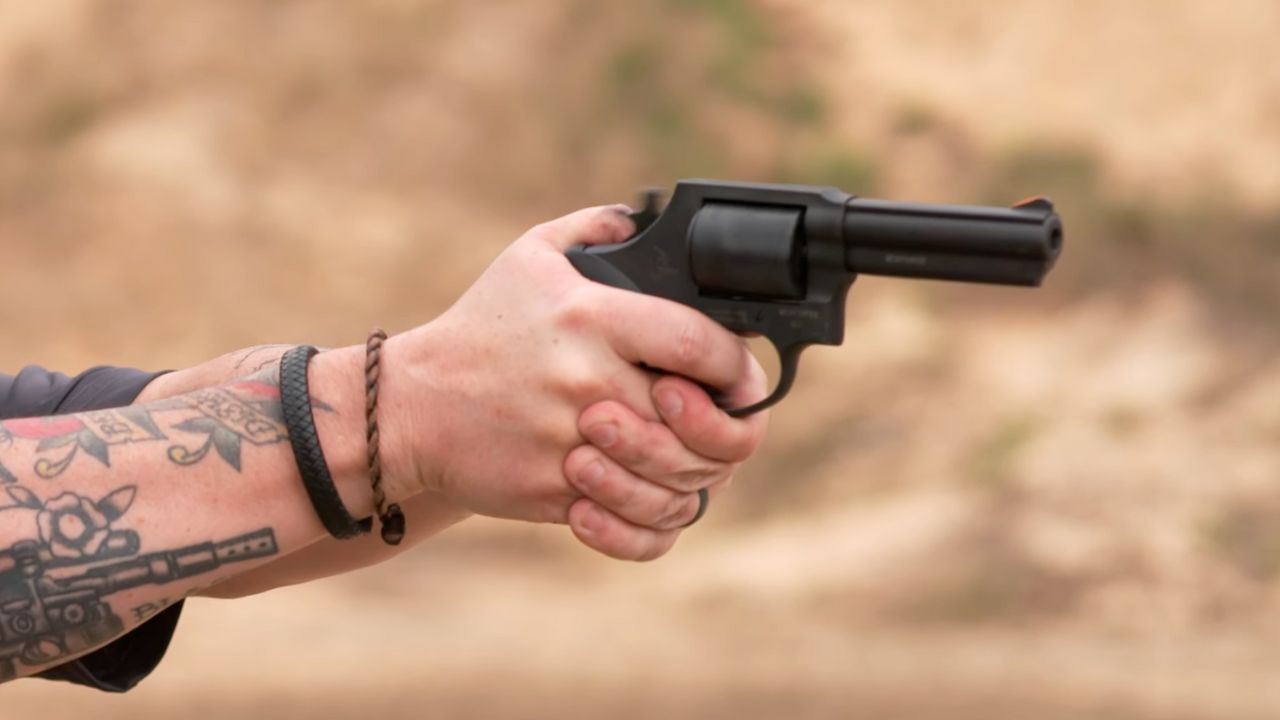
A DA revolver trigger can be smooth and still make people second-guess because it’s long and heavy compared to what most shooters run today. Under stress, that long stroke can cause people to stage it, pause, and then yank through the last part. That’s where your sight picture collapses and your hits fall apart. Revolver guys who live on the DA press can run them fast and clean, but if you don’t train that stroke, the gun will make you hesitate every time you feel the weight building. Second-guessing a revolver pull usually shows up as low-left hits and inconsistent cadence, especially when you’re trying to shoot fast at 15–25 yards.
S&W Bodyguard .380 (long pull + minimal feedback)

Bodyguard-style .380s get bought for the same reason as other micro guns: easy carry. The trigger feel is one of the biggest reasons they get sold after a week. A long, heavier pull with minimal feedback forces you to decide whether you’re going to commit or hesitate. Most people hesitate. The gun doesn’t feel like it rewards good trigger control because the press is so long that your sight picture has time to wander. When you don’t trust the pull, you start “punching” through the break just to get it over with, which makes accuracy worse. It’s a carry solution, not a confidence builder.
Ruger Security-9 (stacking feel that surprises some shooters)

The Security-9 can be a decent value pistol, but some shooters experience a stacking feel or a break that isn’t as clean as they expected. That creates second-guessing because your press doesn’t feel linear. On drills, a linear press helps you build rhythm. A press that stacks can interrupt rhythm because your brain senses the change in resistance and starts bracing for it. That bracing shows up as a flinchy press and inconsistent hits. Some samples feel better than others, and some shooters adapt fast, but if you’ve ever watched someone shoot a Security-9 and pause right before the break every single time, you’re seeing exactly what this headline is about.
Glock with a worn connector / gritty internals (any model)

This one isn’t a “model issue,” it’s a reality issue. A Glock with a gritty connector, a rough striker channel, or a trigger that’s been “improved” badly can make you second-guess every pull because the press becomes inconsistent. It’ll feel smooth for a few presses, then rough, then you’ll get a slightly different break weight, and now you’re anticipating the weirdness. The Glock trigger is already something most people learn to run through repetition. When you add inconsistency, it gets harder, not easier. The fix is usually simple—cleaning, replacing wear parts with quality parts, and undoing bad aftermarket work—but when it’s off, it absolutely creates hesitation.
1911s with questionable sear/hammer work (cheap or poorly tuned)

A good 1911 trigger is confidence. A poorly done 1911 trigger is doubt. If the sear/hammer engagement is rough, inconsistent, or set too light without being safe and stable, the shooter starts to feel like the gun is unpredictable. That’s second-guessing city. You’ll see guys “ride” the trigger like they’re afraid it’s going to surprise them, or they’ll slap it because they don’t trust the break. A clean 1911 is easy to shoot. A sketchy one makes you pause, and pausing is where you miss. If a 1911’s trigger feel changes with temperature, lube, or round count, it’s not doing you any favors.
Beretta 92 (DA first shot pressure for untrained shooters)

The 92 is a proven gun, but the DA/SA transition is a real reason people second-guess the first pull. That first shot is heavier and longer, and if you don’t train it, you’ll hesitate and over-confirm. Then the gun flips into a lighter SA pull and now your timing changes. None of that is “bad,” but it does punish inconsistent training. A lot of shooters feel great on the SA pulls and then dread the DA first shot because they don’t trust what they’re about to do under speed. If you train the DA press, it becomes a non-issue. If you don’t, it shows up every time you start a drill from the holster.
SIG P365 (small gun sensitivity makes the pull feel harsher)

The P365 is a standout carry pistol, but small guns amplify everything: grip errors, trigger errors, and timing errors. That makes some shooters feel like the trigger is unpredictable when the real issue is that the platform is less forgiving. The “second-guess” effect shows up when you start running drills and your cadence doesn’t match your sight recovery. You end up pausing right before the break because the gun is moving more in your hands. The P365 can be shot very well, but it demands honest fundamentals. If your grip isn’t consistent, you’ll hesitate on the press because you’re trying to fix the gun mid-string.
Tiny .357 snubs (pull + recoil anticipation combo)

A snub-nose .357 can have a perfectly fine trigger and still make you second-guess because the recoil and blast train your brain to hesitate. You start thinking about the hit you’re about to take, and that ruins the press. The trigger becomes a mental hurdle instead of a mechanical action. You’ll see guys stage the DA pull, pause, then yank, then blink and lose the front sight. That’s not a toughness issue; it’s a training and platform mismatch issue. If you want confidence, most people shoot snubs better in .38, and they shoot longer-barreled revolvers better in .357. The “second-guess” feeling is your brain protecting your hands.
Like The Avid Outdoorsman’s content? Be sure to follow us.
Here’s more from us: