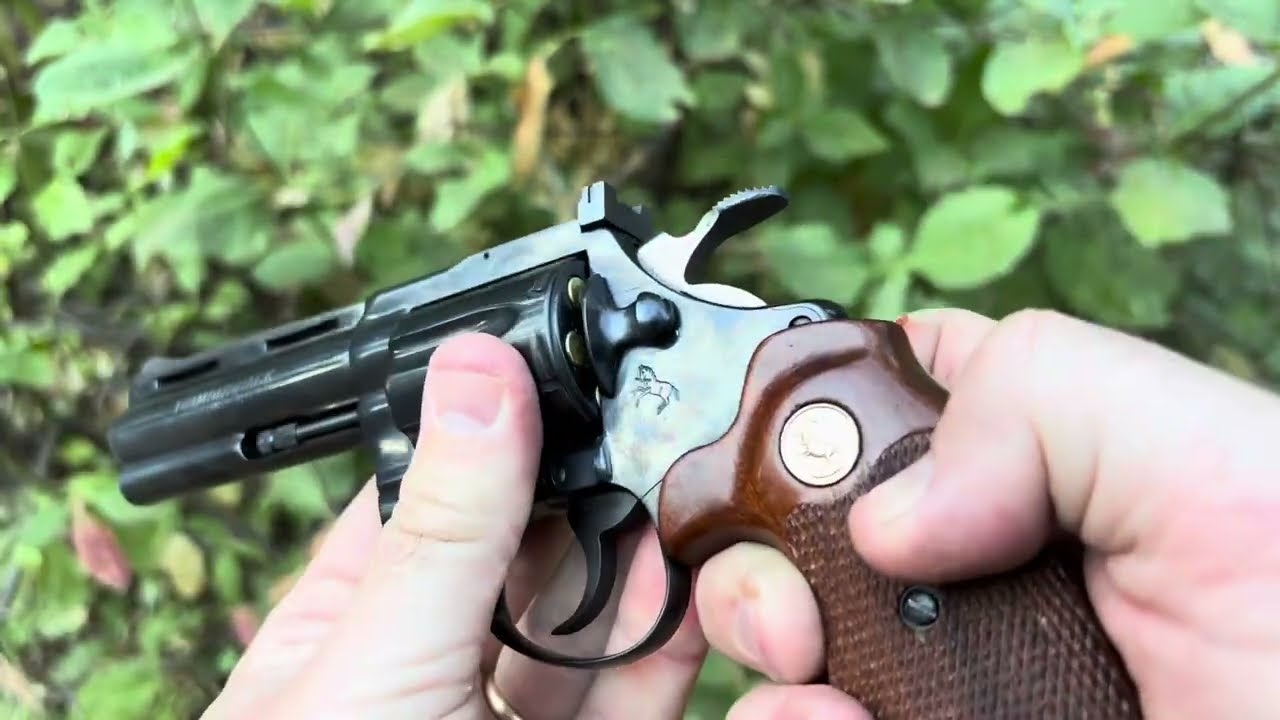
Photo credit: Let's Shoot It/YouTube
Some guns climb in value slowly enough that nobody really notices until years have gone by. Others seem to jump from “maybe I’ll grab one later” to “why is that thing suddenly so expensive?” almost overnight. That is usually what catches people off guard. It is not just that the prices go up. It is how fast the window closes once collectors, shooters, and regular buyers all start chasing the same firearm at the same time.
A lot of these guns were not treated like future prizes when they were easy to find. Some sat on racks. Some got passed over because something newer had the spotlight. Then production stopped, nostalgia kicked in, or people finally realized how good they really were. These are the gun values that got out of hand faster than almost anyone expected.
Marlin 1895 Guide Gun
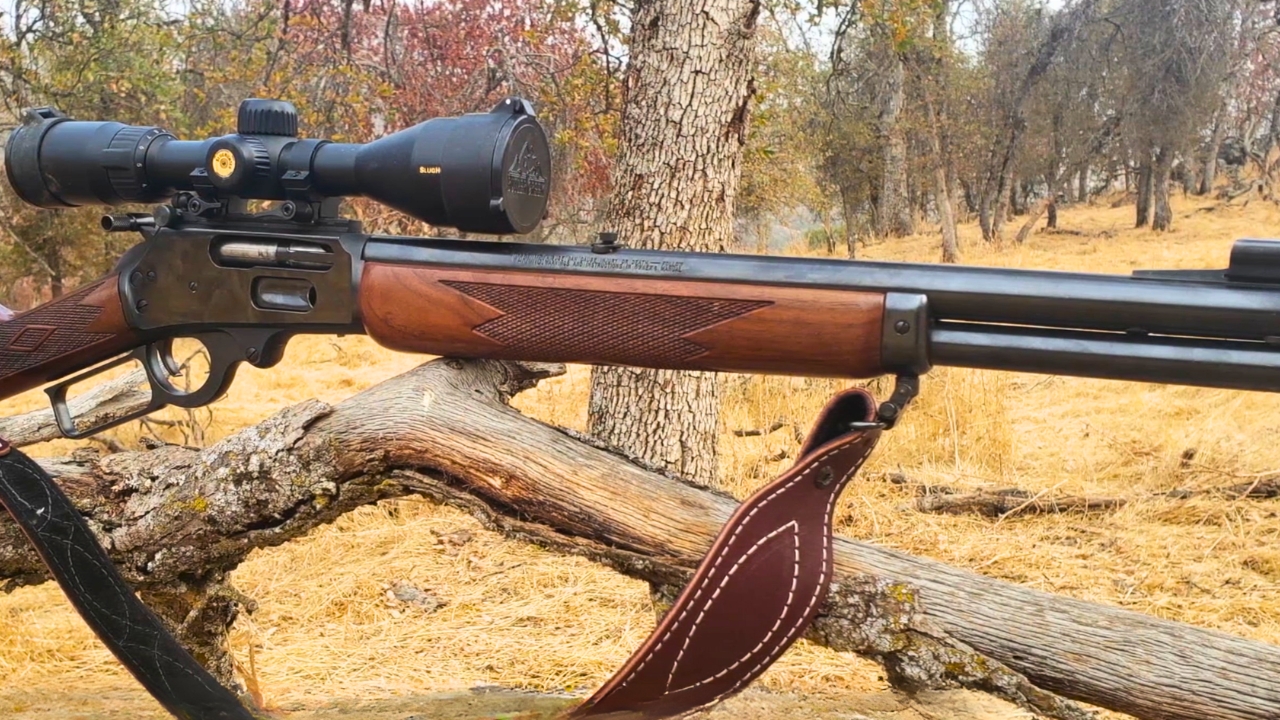
The Marlin 1895 Guide Gun was always respected, but for a long time it still felt like one of those rifles you could get when you were ready. It had a loyal following, sure, but it was not treated like some impossible-to-find trophy. Then demand for lever guns started climbing, Marlin production got messy for a while, and people suddenly realized these rifles were not just sitting around waiting anymore.
That is when the value took off in a hurry. Hunters wanted them, collectors wanted them, and regular buyers who had put it off started panicking. The Guide Gun had real field usefulness on top of its reputation, which only made things worse for anyone hoping prices would settle down quickly. A rifle that once felt attainable started looking like something you should have bought the minute you first thought about it.
Colt Python

The Colt Python is one of the clearest examples of a handgun that left the realm of “expensive” and moved straight into “you have got to be kidding me” territory fast. Yes, it always had a name. Yes, it always had status. But there was a period when plenty of shooters still thought they could circle back later and buy one once they felt like spending the money.
That later turned into a much uglier number than they expected. The Python got hit by collector demand, Colt mystique, and the usual panic that happens when people realize a revolver is becoming more symbol than sidearm. Suddenly even examples that were once just “nice used Pythons” started pulling serious money. A lot of people kept waiting for sanity to return, and the market kept doing the exact opposite.
Winchester Model 70 Pre-64
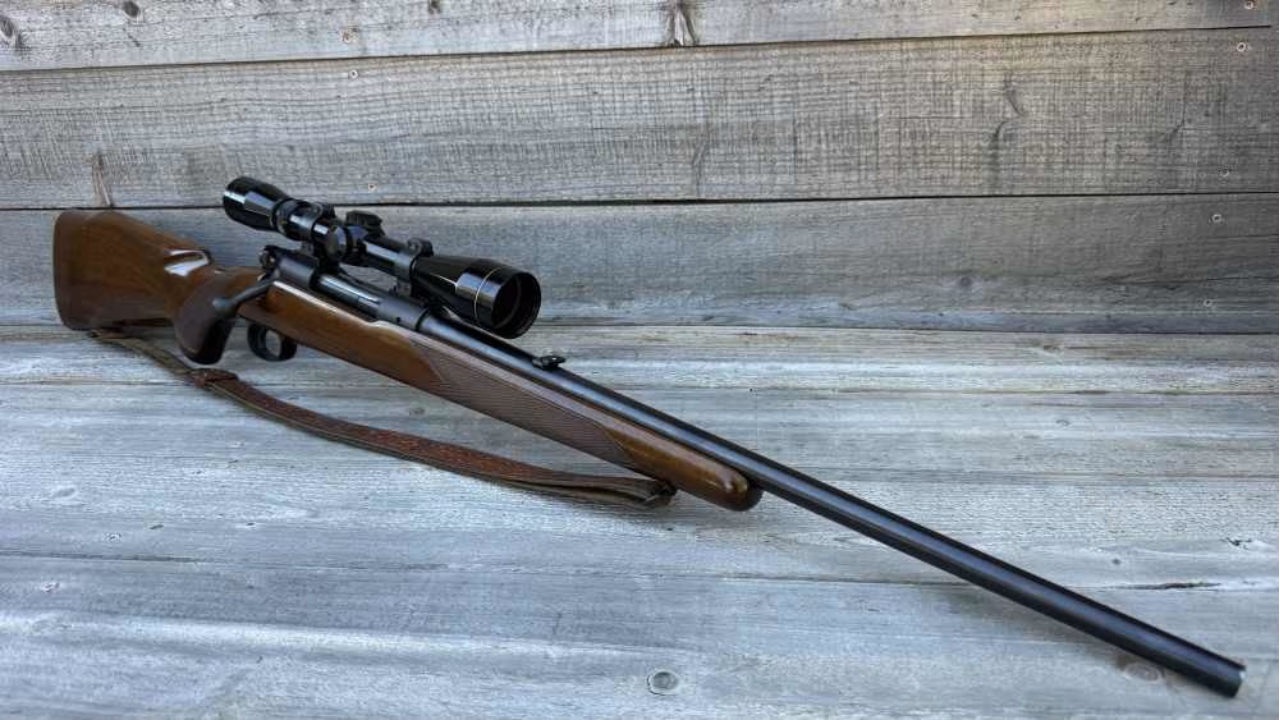
The Winchester Model 70 Pre-64 had the kind of reputation that made price increases feel inevitable, but even then, a lot of people underestimated how quickly nice rifles would move out of normal-buyer territory. For years, they were seen as classic rifles with real appeal, but not necessarily as something that would become painful to buy unless you acted early.
Then collectors and hunters started colliding in the same part of the market. That is always bad news for pricing. A Pre-64 is not just a collector piece. It is still a rifle people genuinely want to use, which gave it a broader pull than many old bolt guns ever get. That combination pushed values up fast, and once condition, chambering, and originality started mattering more, the numbers got even uglier.
HK P7M8

The HK P7M8 used to be one of those pistols people talked about like a weird, clever, slightly expensive curiosity. It had fans, but there was a time when a lot of shooters still treated it like something they might buy one day if they felt like getting into something a little different. Then supply dried up, interest kept growing, and those casual thoughts got punished hard.
The P7M8 became one of those handguns people suddenly spoke about with regret in their voice. Prices climbed fast because the pistol had real quality, a unique design, and a reputation for being unlike almost anything else. Once enough buyers decided they needed one instead of merely appreciating one, values shot up. A lot of people went from “I should probably get one” to “I guess that ship has sailed” in a surprisingly short stretch.
Browning Hi-Power Belgian-made models

Belgian-made Browning Hi-Powers were never ignored, but they were underappreciated by a lot of regular buyers for longer than you might think. Plenty of shooters respected them without urgently chasing them. That is usually the sweet spot where a gun can still be found at sane money right before the market suddenly wakes up and ruins everything.
Once people started treating those older Hi-Powers as both historical and deeply shootable, the price curve got steep fast. They were not just old pistols anymore. They were classic steel-frame handguns from a revered lineage, and there were not going to be more Belgian originals coming along. That shifted the tone quickly. A pistol plenty of people once thought of as a someday purchase turned into one of those guns they wish they had bought two price jumps ago.
Marlin 39A

The Marlin 39A spent years being respected without being fully chased. It was a beautifully made lever-action .22 with a long reputation, but rimfires do not always trigger the same buying panic as centerfire rifles and handguns. That helped keep it in the category of guns people admired but often delayed buying because it felt like there would always be another one around.
Then the market remembered what quality looks like. The 39A had craftsmanship, history, and the kind of old-school build that people suddenly started valuing a lot more once it was gone. Prices moved faster than many expected because the rifle appealed to collectors, small-game hunters, and plain old lovers of good rimfires all at once. That broad appeal is usually what lights the fuse, and in this case it absolutely did.
Colt Diamondback
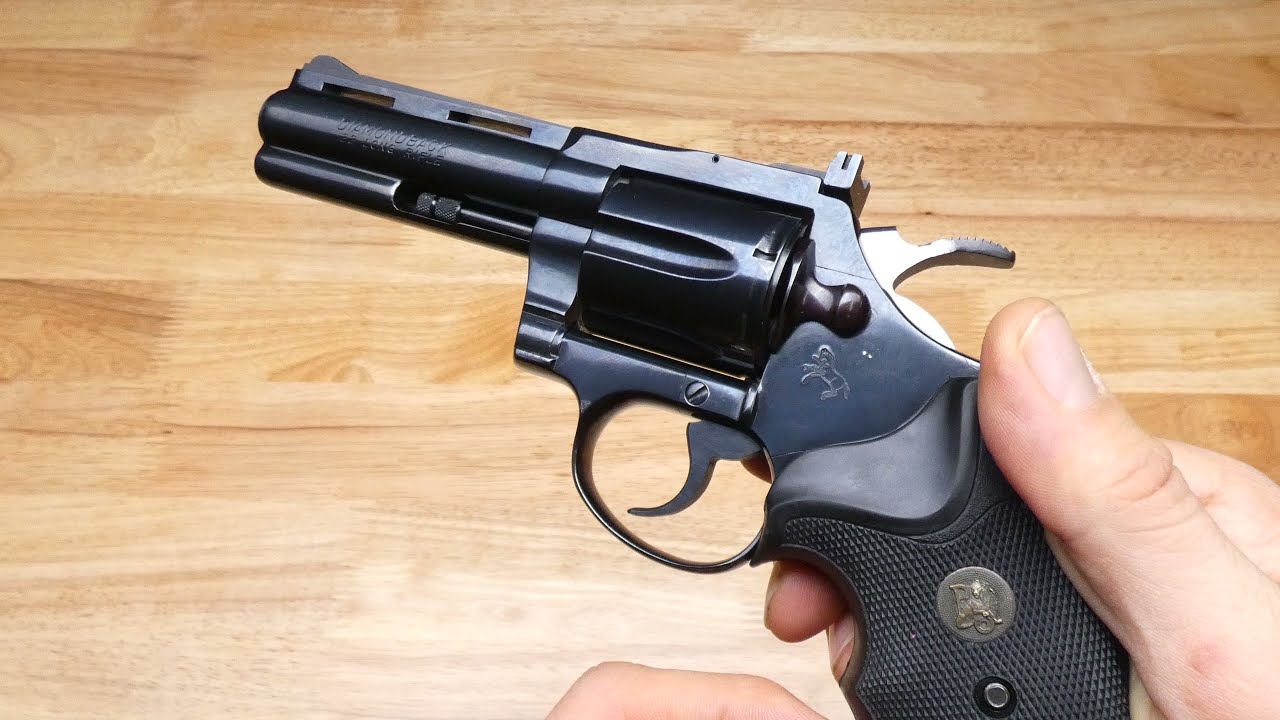
The Colt Diamondback used to live in the shadow of the Python, which kept some buyers from taking it as seriously as they should have. It had style, it had Colt on the frame, and it had obvious charm, but plenty of people still saw it as the “other” snake gun. That attitude kept some decent examples available at numbers that now look almost laughable.
Then people started looking harder at what they had missed. Once the Diamondback began getting proper attention as a classic Colt revolver in its own right, values moved in a hurry. The Python connection helped, of course, but so did the simple fact that it was not making more of them. The market finally decided it was more than a side note, and once that happened, regular buyers got priced out a lot faster than they expected.
Remington 700 BDL early production rifles
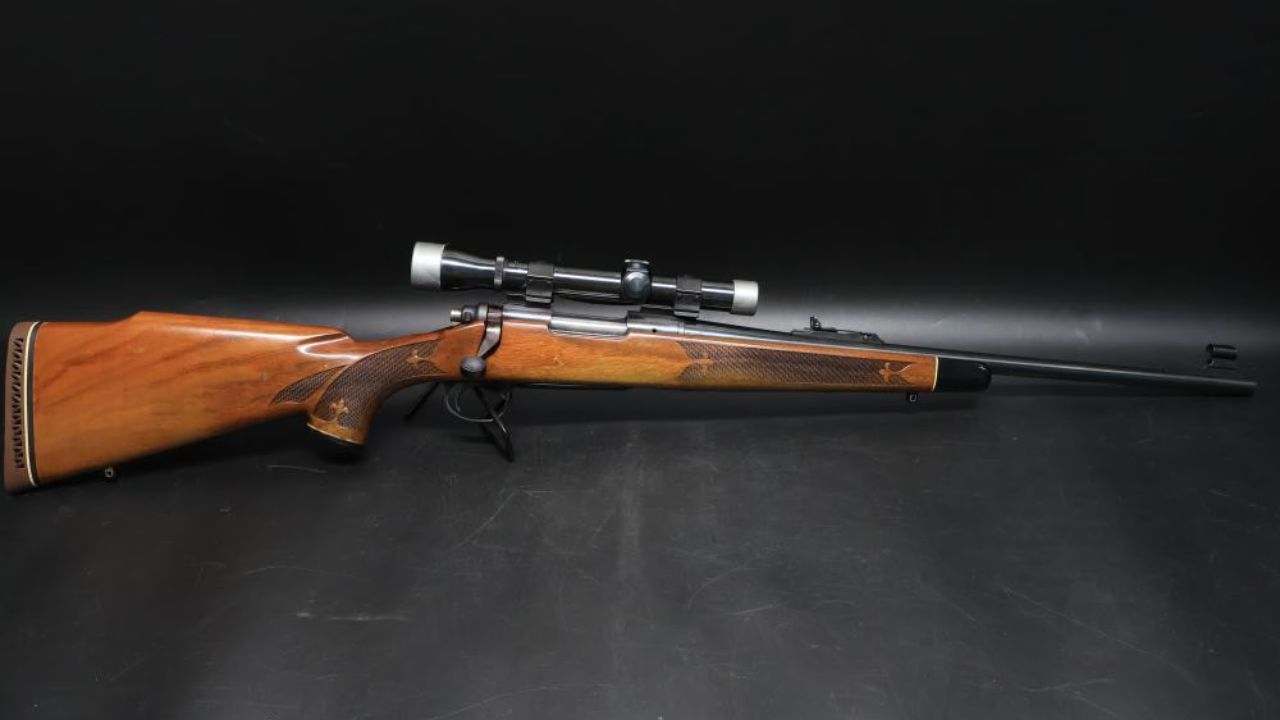
Early Remington 700 BDL rifles used to be the kind of rifles people appreciated without necessarily hoarding. They were fine rifles from a strong era, but for a long time, they still felt obtainable. Plenty of hunters figured they would always be around because so many existed, and that false comfort kept people from noticing what was starting to happen with nice original examples.
Condition and era started mattering more. Then nostalgia showed up. Then buyers who were tired of newer rifles started deciding they wanted older, better-finished guns with real walnut and blued steel. That is when the value gap opened up. The plain truth is that not every old 700 turned into gold, but the right BDLs moved sharply enough to leave a lot of people wondering why they waited so long on a rifle they used to walk past without much thought.
Smith & Wesson Model 19 pinned and recessed examples

Pinned and recessed Smith & Wesson Model 19 revolvers were once appreciated mostly by revolver guys and people who paid close attention to old S&W details. Regular buyers often just saw them as handsome older wheelguns. They were respected, but not always treated like something that needed to be bought right now before the market got stupid.
Then the older Smith & Wesson revolver market tightened up hard. Once buyers started caring more about classic features, original condition, and pre-lock appeal, Model 19 values jumped faster than plenty of people saw coming. These revolvers hit a sweet spot of shootability, nostalgia, and old-school quality that modern buyers increasingly wanted. When that happens, prices stop acting reasonable. A lot of owners got pleasantly surprised. A lot of shoppers got burned.
Ruger Mini-14 GB and older law-enforcement style variants
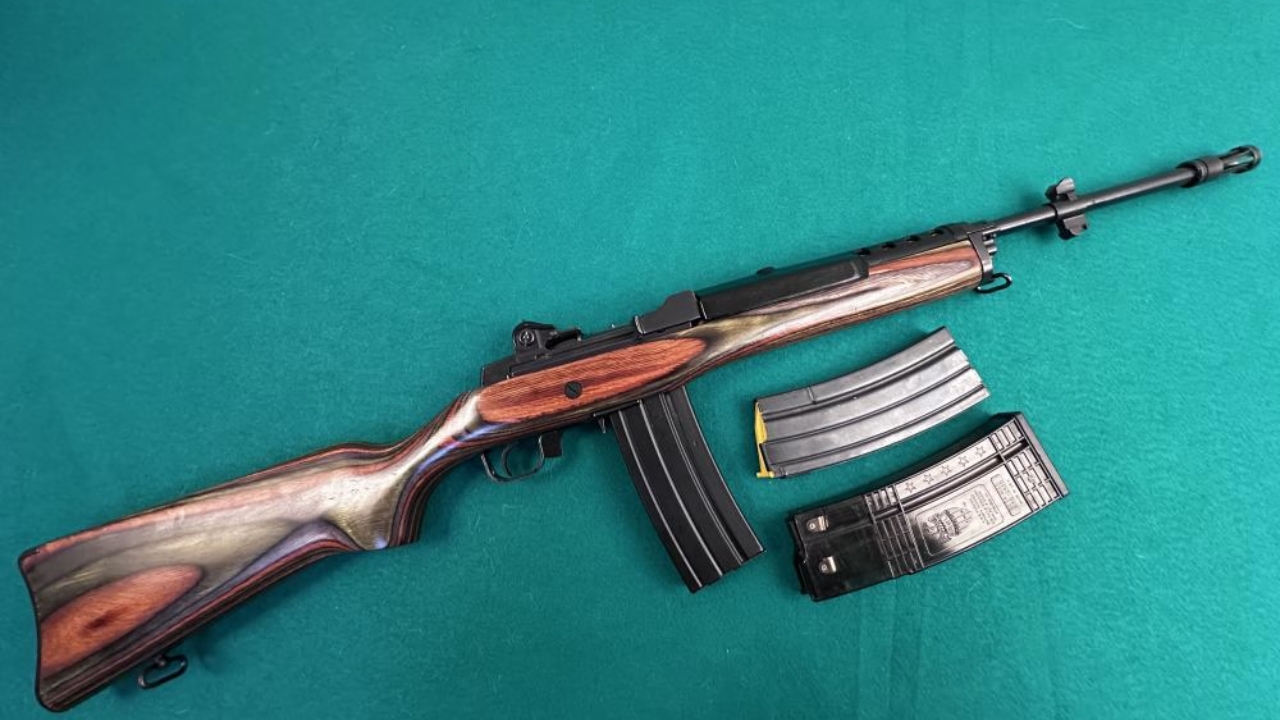
The Ruger Mini-14 spent years in a weird place where it was familiar but not always treated like a must-buy collectible. Standard rifles had their fans, but some of the more desirable older variants still floated around without getting the sort of aggressive attention they get now. That made it easy for buyers to assume they had time.
Then the market started getting more specific. Suddenly people were not just looking for any Mini-14. They wanted certain configurations, older features, folding-stock variants, or law-enforcement flavored models that had a very different pull from a plain ranch rifle. Once that collector energy kicked in, values moved faster than a lot of casual buyers were ready for. A rifle many people saw as common enough became a very different story once the right versions started drying up.
Colt Anaconda

For years, the Colt Anaconda felt like the snake gun people talked about after the Python. It had fans, but it did not always dominate the conversation the same way. That helped keep it in a more reachable category for longer than some other Colt revolvers. Buyers who liked big-bore wheelguns could still talk themselves into waiting, thinking the Anaconda would stay merely expensive rather than ridiculous.
That turned out to be wishful thinking. Once Colt snake fever spread wider and collectors started treating the Anaconda as part of the same larger prestige story, prices climbed fast. It did not hurt that the gun had real appeal beyond collecting. Big .44 Magnum revolvers with that Colt name were never going to stay under the radar forever. Still, the speed of the jump caught plenty of people flat-footed.
Winchester Model 9422
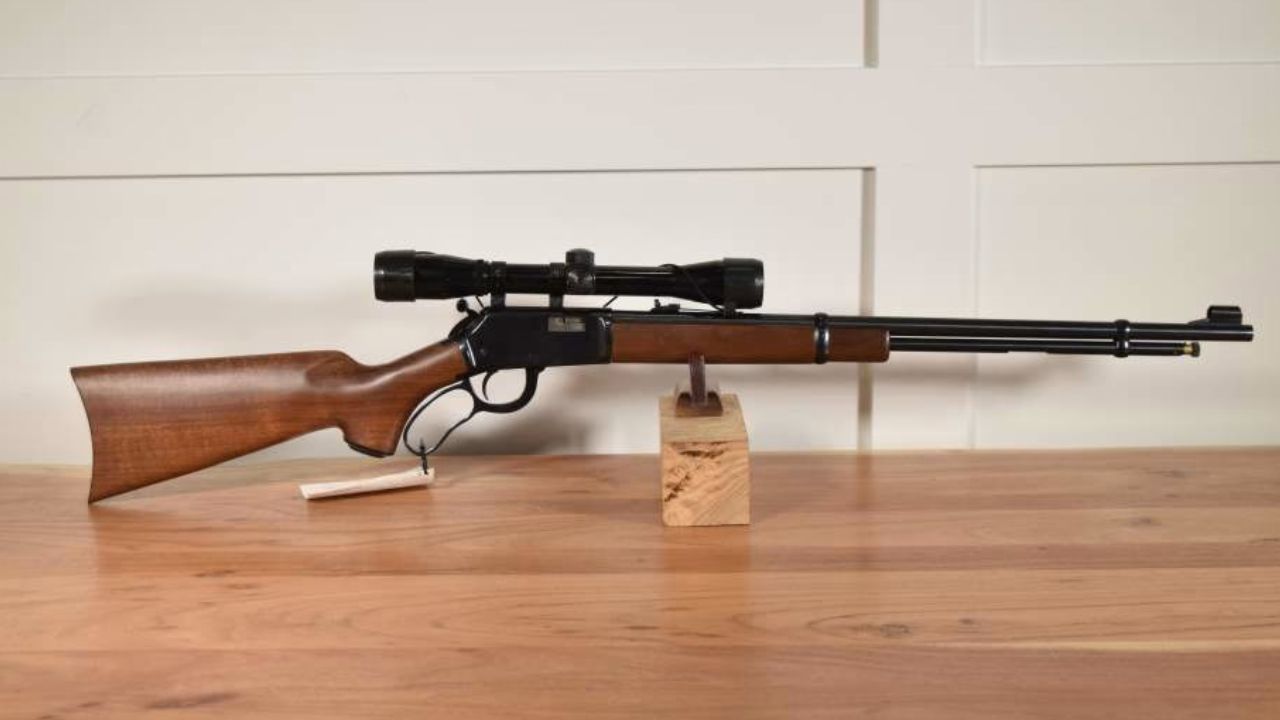
The Winchester Model 9422 used to be the kind of rifle people smiled at more than lunged for. It was a really nice rimfire lever gun with a good reputation, but it was still a .22, and that kept some urgency out of the market for a while. Plenty of buyers told themselves they would grab one eventually when the timing felt right.
Then the combination of Winchester nostalgia, rimfire quality, and discontinued status started pushing harder than expected. People realized the 9422 was not just a fun little lever gun. It was a genuinely well-made rifle from a company and era that already carried weight. Once enough buyers came to the same conclusion, values ran upward fast. A lot of shooters who once thought of it as a nice extra suddenly found themselves priced out of even average examples.
SIG Sauer P210 older Swiss and German production

The SIG Sauer P210 has always been admired, but admiration and full-blown market madness are not always the same thing. For a while, a lot of shooters looked at older Swiss and German production guns as elite pistols they could appreciate from a distance without feeling like they were about to vanish behind absurd price tags. That quiet confidence aged badly.
As more buyers started understanding what those pistols represented in terms of precision, history, and sheer quality, values took off. The P210 stopped being just a connoisseur’s favorite and became the kind of handgun people chased aggressively the second they realized examples were not getting easier to find. When a pistol moves from respected niche item to must-have grail piece, the price gets ugly in a hurry. That happened here in a big way.
Marlin 336 JM-stamped rifles
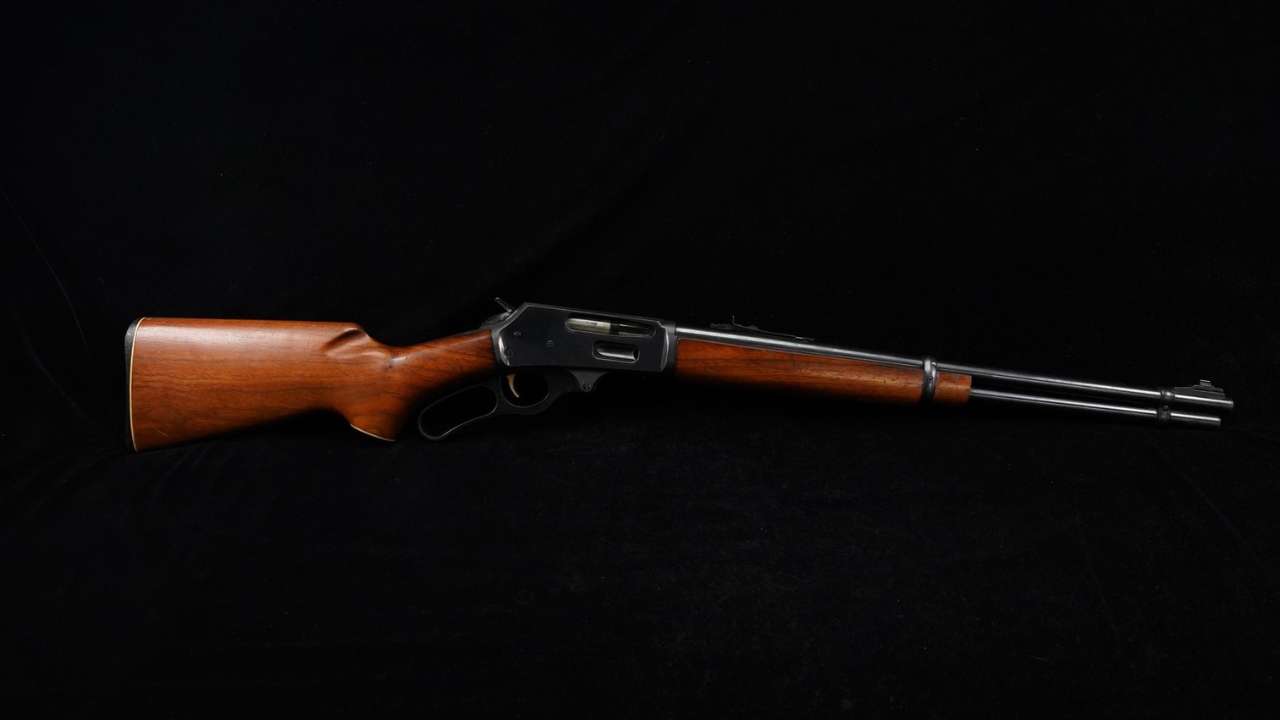
The Marlin 336 was long treated like a plain working lever gun, and that is part of why the market jump caught so many people. Hunters liked them, woodsmen trusted them, and they had the kind of practical reputation that made them feel permanent. A lot of buyers assumed they would always be able to find a good one without much trouble, especially if they were not chasing some rare configuration.
Then JM-stamped rifles became a category people actually cared about. Once buyers started drawing hard lines between older Marlins and later production concerns, the tone changed fast. What had looked like a common deer rifle suddenly carried a quality marker that people were willing to pay for. Prices moved up quickly because the 336 was not just collectible. It was still something people actually wanted to hunt with.
Colt Woodsman

The Colt Woodsman used to be one of those pistols older shooters respected deeply while younger buyers sometimes overlooked it as just another vintage .22. That sort of split attention can keep a gun underpriced for a while. Plenty of people liked them, but not everybody treated them like a pistol that might get expensive enough to make you wince later.
Then people started paying closer attention to classic rimfires with real quality and real names attached. The Woodsman had both. Once collectors and shooters started meeting in the same market lane, the values moved harder than many expected. It stopped being a neat old Colt and started becoming one of those pieces people kicked themselves for not buying when they first had the chance. That is usually when you know the market has gotten out of hand.
Like The Avid Outdoorsman’s content? Subscribe to our newsletter so you never miss an article.
Here’s more from us: