Photo credit: Nebraska78/GunBroker
Some cartridges stick around out of nostalgia, not practicality. They were fine in their day—maybe even ahead of their time—but ballistic progress passed them by decades ago. You’ll still see them on ammo shelves or chambered in rifles at pawn shops, clinging to life through stubborn loyalty and old stories. Truth is, many of these rounds are inefficient, underpowered, or completely redundant compared to modern options. They cost more, shoot worse, and don’t bring anything new to the table except sentimental value. Hunters might defend them with phrases like “it still kills deer,” but so will nearly any modern cartridge with half the recoil and twice the accuracy. If you’ve ever wondered why your granddad’s favorite round hasn’t disappeared yet, you’re not alone. Here are the cartridges that probably should’ve stayed buried in the last century.
.30-40 Krag
The .30-40 Krag had its moment—back in the 1890s. It served the U.S. military briefly before being outclassed by the .30-06, and it’s been coasting on nostalgia ever since. The Krag’s old-school rimmed design makes feeding awkward in most bolt actions, and its modest velocities don’t justify modern use.
Sure, it’ll still drop a deer at moderate ranges, but so will a dozen better rounds. The .30-40 struggles to find ammo, brass, or even rifles built for it today. Its slow twist rates limit bullet options, and performance-wise, it can’t keep up with anything from the 7mm-08 to the .308 Winchester. For handloaders, it’s a novelty; for hunters, it’s an outdated relic. The Krag belongs in history books and collector racks—not the deer woods of 2025.
.32 Winchester Special
The .32 Winchester Special is one of those cartridges that refuses to die because of nostalgia, not merit. Designed to offer better ballistics than the .30-30, it never really lived up to the hype. In practice, it doesn’t shoot flatter, hit harder, or expand better—and ammo availability has all but vanished.
Lever-action fans sometimes keep one around for tradition’s sake, but most quickly realize the .30-30 does everything better with cheaper and more consistent factory loads. The .32 Special’s limited bullet selection and oddball bore diameter make reloading more hassle than it’s worth. Unless you already own one and like tinkering, there’s no reason to hang onto this antique. It’s one of those cartridges that faded for a reason, and modern lever-gun rounds have long since taken its place.
.35 Remington

The .35 Remington has a small but loyal fan base, especially among Marlin lever-gun owners—but let’s be honest, it’s on life support. Its ballistics are underwhelming by today’s standards, and factory ammo is expensive when you can find it. It’s often described as “adequate” for deer or black bear, but in the hunting world, “adequate” isn’t exactly praise.
Modern cartridges like the .350 Legend and .360 Buckhammer have completely eclipsed it, offering better range, cleaner ballistics, and easier ammo access. Even handloaders are starting to move on because component supply keeps drying up. The .35 Remington served its purpose in the first half of the 20th century, but it’s now more nostalgia than necessity. You’ll see it on forums and gun racks, sure—but mostly from folks who inherited one, not because it still earns its keep.
.300 Savage
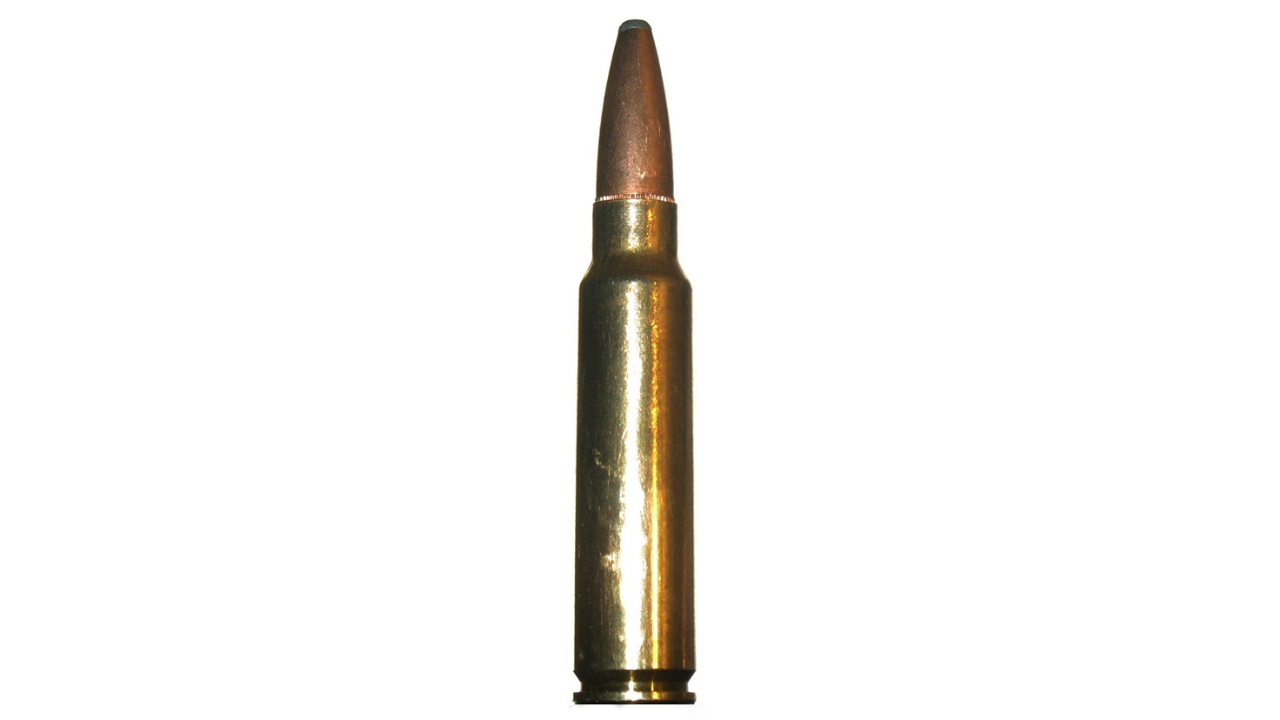
Before the .308 Winchester came along, the .300 Savage was a hot ticket. It offered strong performance in compact rifles like the Savage 99, and it filled the gap between .30-30 and .30-06 beautifully. But once the .308 arrived, the .300 Savage became obsolete overnight. Its velocity ceiling and pressure limits simply can’t compete with modern loads.
Factory ammo still exists, but it’s pricey and underpowered compared to what hunters expect today. It’s accurate, yes—but not enough to justify keeping it alive when the .308 and 7mm-08 do everything better. The .300 Savage’s time has passed, and while collectors keep it relevant, the cartridge itself doesn’t bring much to modern hunting. It’s a classic that deserves respect, but respect doesn’t make it practical.
.257 Roberts

The .257 Roberts used to be a darling among deer and antelope hunters, but it’s become little more than a reloader’s curiosity today. It sits awkwardly between the .243 Winchester and the 6.5 Creedmoor, offering neither’s efficiency nor convenience. It’s capable, sure, but you’ll struggle to find factory rifles or affordable ammo.
What really hurt the Roberts was the lack of standardization in early loads—some rifles were built to handle higher pressures, others weren’t. That confusion scared off new shooters, and the cartridge never recovered. You can make it sing with handloads, but if you’re starting from scratch, there’s no reason to bother. It’s sentimental, not sensible, and it’s hard to justify when every sporting goods store stocks better options.
.300 H&H Magnum

The .300 H&H was once the magnum benchmark, but its long, tapered case and belt design feel ancient now. It requires long actions, has awkward feeding geometry, and delivers ballistics that modern short magnums easily surpass. The .300 Winchester Magnum took everything good about it and improved on every front.
Today, the .300 H&H’s only real appeal is nostalgia—and maybe the smooth recoil impulse. Factory ammo is rare, expensive, and underloaded for safety in older rifles. Handloaders can get it moving again, but why bother when .300 Win Mag and .300 WSM are cheaper, faster, and easier to find? The H&H name still carries weight with traditionalists, but functionally, this cartridge belongs to another era.
.220 Swift
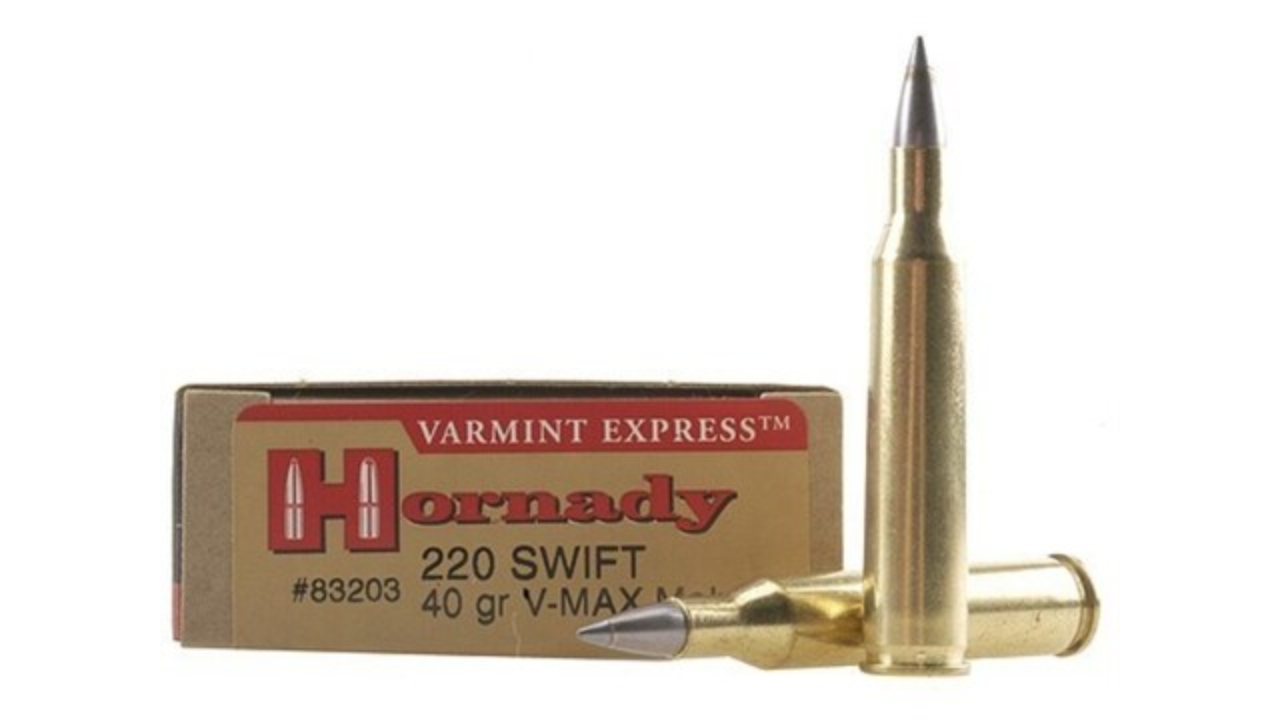
The .220 Swift was revolutionary when it debuted in the 1930s—it was the first commercial cartridge to break 4,000 fps. But that speed came with drawbacks: rapid barrel wear, inconsistent accuracy, and excessive meat damage on small game. It’s a handloader’s headache and a varmint hunter’s overkill.
Modern cartridges like the .22-250 Remington deliver nearly identical performance without the headaches. The Swift’s semi-rimmed case and finicky pressure sensitivity make it more trouble than it’s worth today. It’s still impressive on paper, but in the field, it’s a relic that’s been replaced by better-balanced rounds. It’s fast, sure—but we’ve learned that speed alone doesn’t make a cartridge worth keeping alive.
6mm Remington

The 6mm Remington was supposed to outperform the .243 Winchester—but Remington’s slow twist barrels doomed it from the start. It couldn’t stabilize long bullets, which limited its versatility. By the time Remington fixed the issue, the .243 had already dominated the market.
Ballistically, the 6mm Rem is excellent, but ammo scarcity and rifle availability killed its appeal. It’s a great round on paper that never found its place in reality. Handloaders keep it going out of loyalty, but everyone else has moved on. It’s another example of good engineering ruined by poor marketing. The 6mm Remington could have been a star, but now it’s little more than a historical footnote.
.264 Winchester Magnum

The .264 Win Mag was Winchester’s early attempt at a flat-shooting long-range round, but it burned out barrels faster than shooters could enjoy it. Its overbore design made it flashy but impractical, and by the time the 7mm Rem Mag hit shelves, the .264 was finished.
While it still looks good on paper, real-world performance isn’t enough to justify its quirks. Barrel life is short, recoil is sharp, and ammo availability is poor. It’s one of those cartridges that attracted attention for a few years before quietly fading away. In today’s world of efficient 6.5s, it’s redundant. The .264 was ahead of its time, sure—but time caught up fast and left it in the dust.
.35 Whelen

The .35 Whelen has fans who swear by it, but it’s an answer to a question nobody’s asking anymore. Originally meant to give .30-06 rifles more punch, it’s been outclassed by modern magnums and short-action thumpers. Ammo selection is thin, and recoil is higher than it needs to be for the performance it delivers.
It’s still effective on big game, but there’s no practical reason to choose it over something like a .300 Win Mag or .338 Federal. Unless you handload and appreciate obscure calibers, the .35 Whelen is little more than a nostalgic experiment from another time. It’ll kill cleanly, but so will rounds that don’t leave you chasing ammo online.
.25-06 Remington

The .25-06 Remington has been quietly slipping into obscurity. It was once praised for its flat trajectory and long reach, but modern 6mm and 6.5mm cartridges do everything better with less recoil and better efficiency. It’s not that the .25-06 doesn’t work—it’s that there’s no reason to pick it anymore.
Ammo can be hard to find, and most manufacturers have shifted focus to the Creedmoors, PRCs, and other efficient rounds. The .25-06 still works well for pronghorn and deer, but it’s a cartridge without an identity. It’s not fast enough to be exciting or efficient enough to be practical. It hangs on mainly because hunters don’t like change—but this one’s overdue for retirement.
.44-40 Winchester

The .44-40 was revolutionary when it launched with the Winchester 1873, but that was nearly 150 years ago. Its low pressure, limited velocity, and soft brass make it unsuitable for modern hunting or defensive use. It’s still fun in cowboy-action shooting, but that’s about it.
It’s weak by today’s standards, and factory loads are watered down for antique guns. Accuracy varies wildly, and finding consistent ammo is hit-or-miss. For practical use, it’s long past its expiration date. The .44-40’s legacy belongs in museums and re-enactments, not in the field. It served its time well—but it’s time has definitely come and gone.
.280 Remington

The .280 Remington had all the right ingredients to succeed but failed thanks to poor timing and marketing. It was supposed to bridge the gap between the .270 and .30-06, but it never did either job better. Despite being perfectly capable, it’s been overshadowed by the 7mm-08 and the .280 Ackley Improved.
Hunters who still use it swear it’s underrated—and maybe it is—but “underrated” doesn’t pay the ammo bills. The .280’s slow sales and lack of factory support have turned it into a niche round. It’ll keep limping along in handloading circles, but in the broader market, it’s a relic of missed opportunity.
.22 Hornet
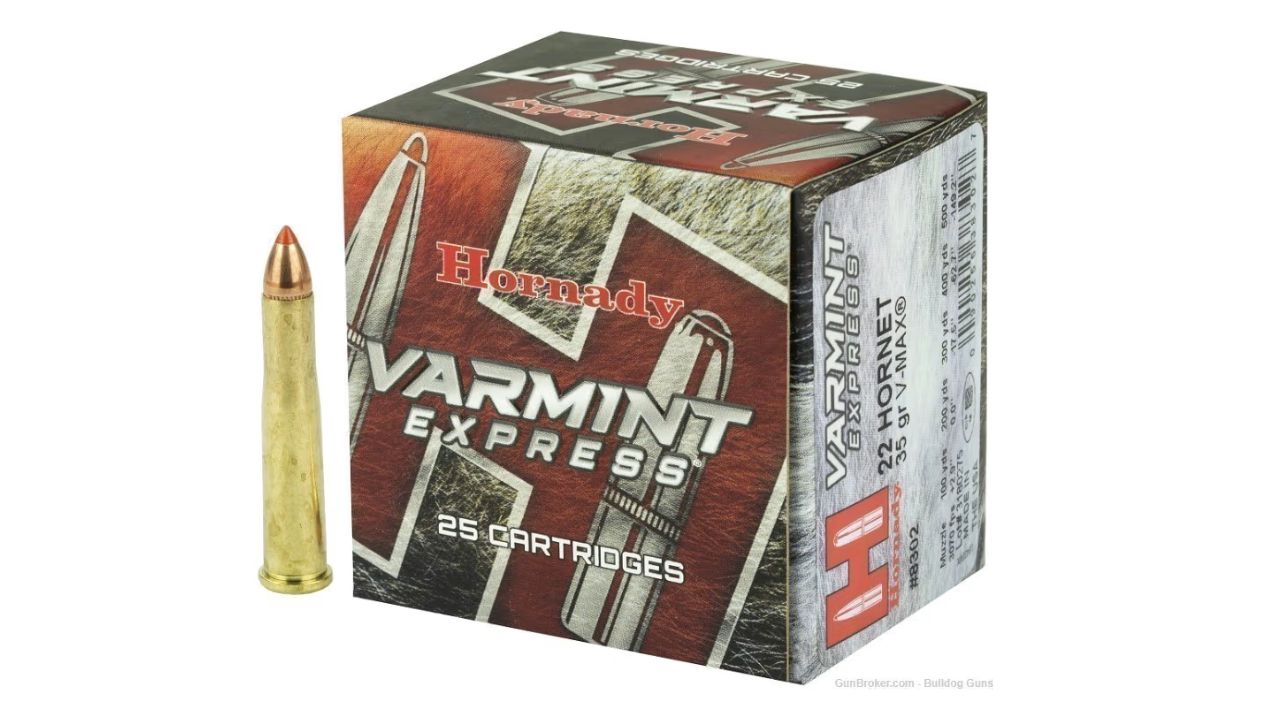
The .22 Hornet is a charming little cartridge, but its time has clearly passed. It offered mild recoil and quiet performance, but modern .223 and .22-250 loads completely outclass it. It’s too underpowered for medium game and too finicky for consistent varmint work.
Its rimmed case and low pressures make it hard to reload efficiently, and accuracy often varies from rifle to rifle. For shooters who want a light-recoiling small-game round, there are simply better options now. The .22 Hornet might still win nostalgia points, but performance-wise, it’s a century out of date.
.303 British

The .303 British served soldiers for half a century, but in today’s world, it’s outdated and underwhelming. Its rimmed case design, slow velocity, and limited bullet options make it impractical for modern hunting. It’s ballistically inferior to almost every .30-caliber round still in production.
While it can still take game, it’s more historical curiosity than capable cartridge. Ammo availability is hit or miss, and reloading can be finicky due to its soft brass and odd dimensions. The .303’s glory days ended long ago, but collectors keep it alive for sentimental reasons—not because it’s still relevant in the field.
.30-03 Springfield
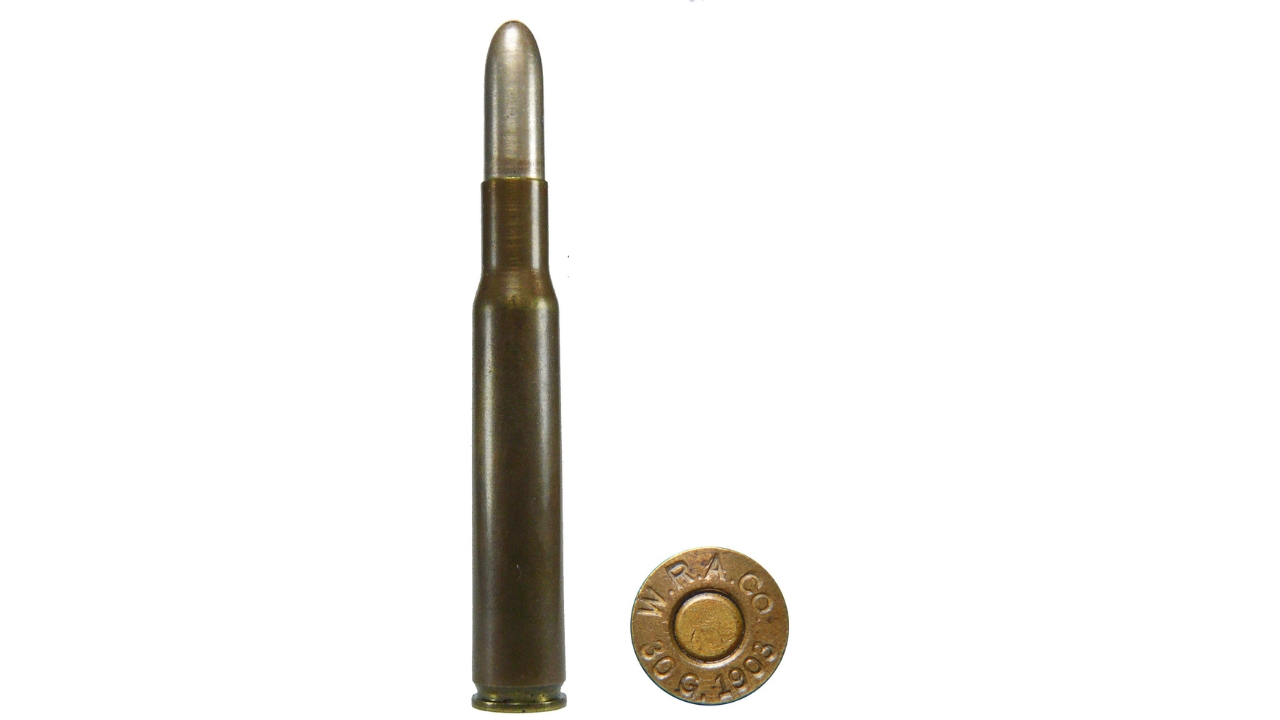
The .30-03 Springfield is basically the prototype that led to the .30-06—and that’s exactly why it should’ve disappeared a hundred years ago. The cartridge offers nothing the .30-06 doesn’t do better. Its longer neck and outdated case design make it incompatible with most modern rifles.
No manufacturer chambers it, and ammo is nearly nonexistent. It’s strictly a collector’s round, and even then, it’s a stretch. It’s historically significant, but functionally useless today. The .30-03 is the definition of a cartridge that overstayed its welcome the moment its successor was born.
8x57mm Mauser
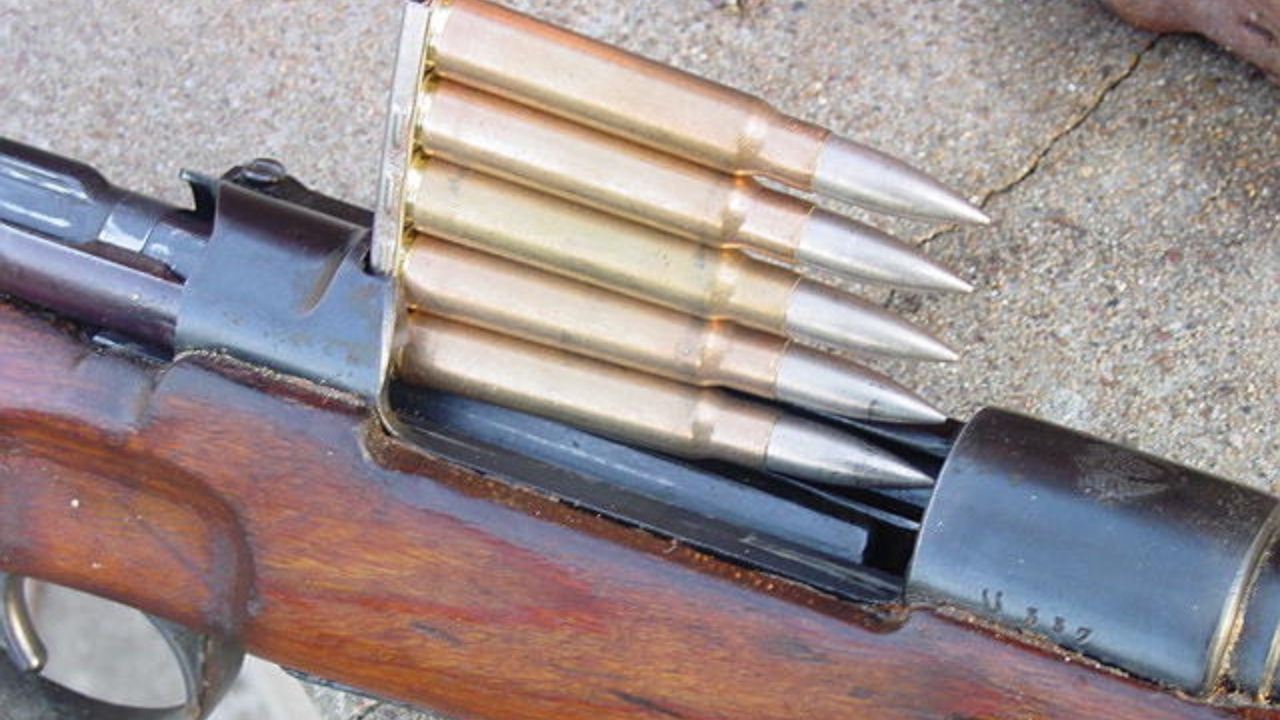
The 8×57 Mauser was once Europe’s workhorse, but time hasn’t been kind to it. Ballistics are decent, but factory ammo is loaded so mildly for safety in old rifles that it can’t compete with modern hunting rounds. It’s neither powerful enough to be magnum-like nor efficient enough to be practical.
Handloaders can unlock its potential, but for everyone else, it’s an aging relic. Rifle options are limited, and ammo availability in the U.S. is poor. It’s a cartridge caught between centuries—too strong for antiques, too weak for modern expectations. Unless you’re restoring a war-era rifle, there’s no reason to keep this one alive.
.38-55 Winchester
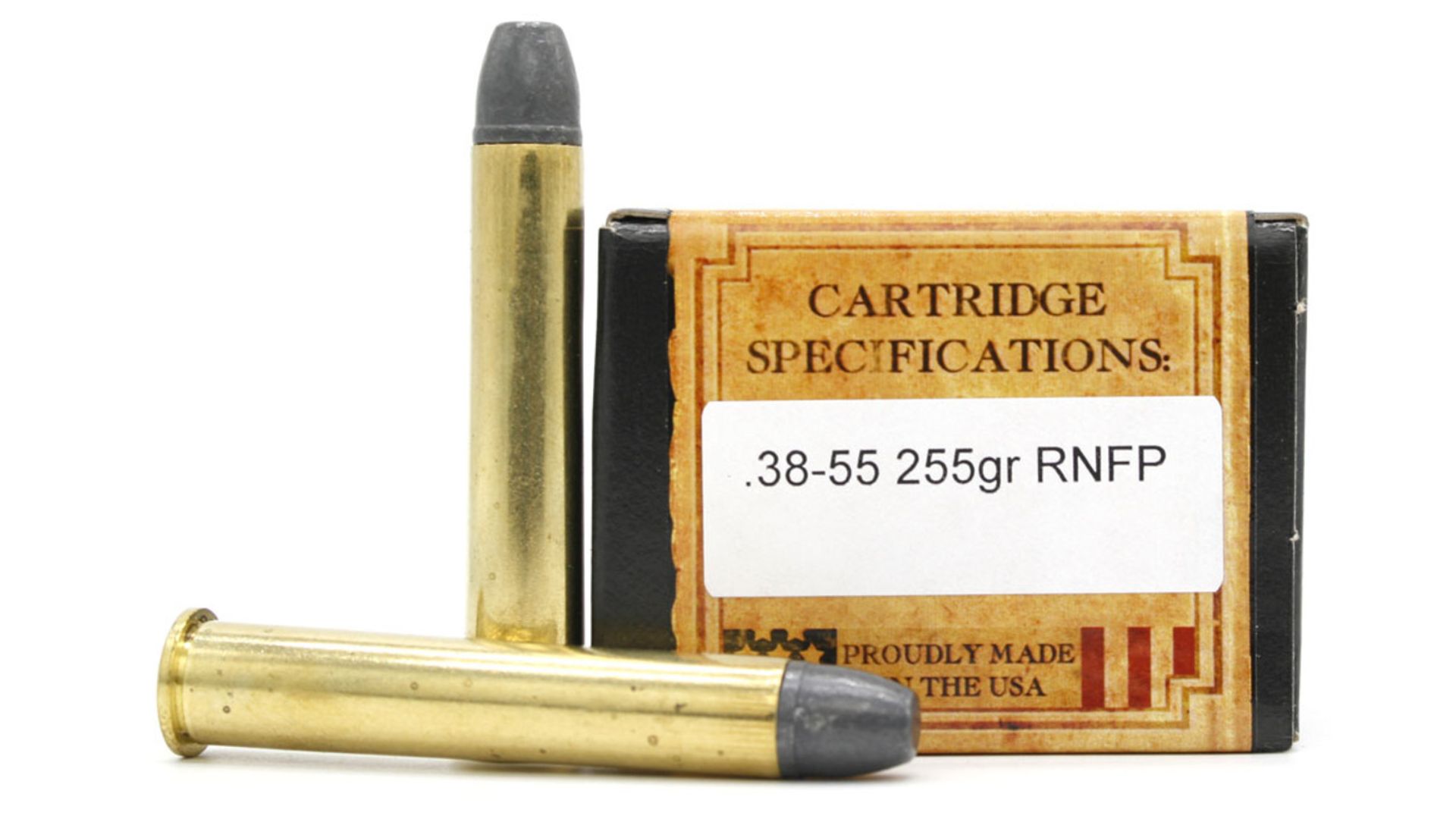
The .38-55 Winchester was once a respected black powder cartridge, but it’s hopelessly outdated for modern use. It lumbers along at low velocities and relies on big, slow-moving bullets that drop like bricks past 150 yards. It might charm lever-gun fans, but it’s a nostalgic choice, not a practical one.
For hunters who want that old-school performance, the .30-30 already does it better. The .38-55 survives mostly as a cowboy-action round, not a field cartridge. If you’re still loading it for hunting, you’re doing it for sentiment—not because it’s the best tool for the job.
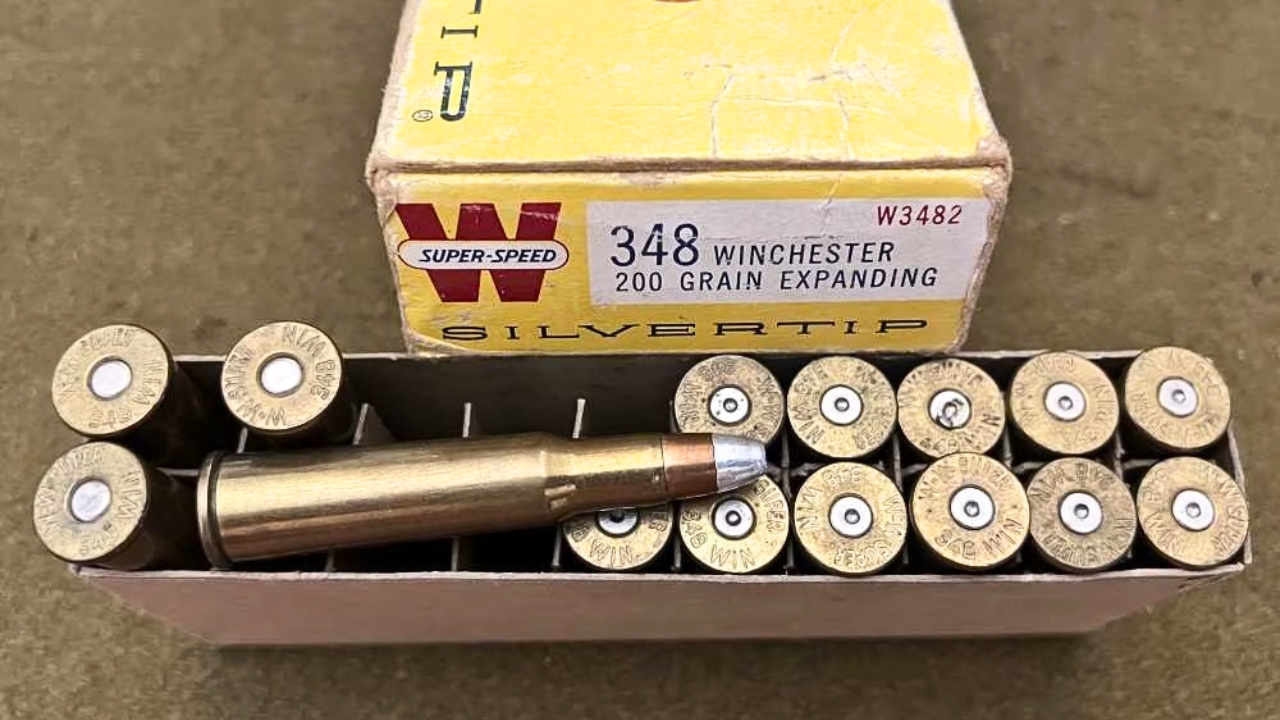
.348 Winchester

The .348 Winchester was a powerhouse in its day, but it never found mass appeal. Designed for the Model 71 lever-action, it fired heavy bullets with authority—but at the cost of brutal recoil and limited ammo availability. When the rifle disappeared, so did the cartridge’s purpose.
Ammo is nearly impossible to find, and brass is a reloader’s nightmare. Ballistically, it’s been eclipsed by nearly every modern medium-bore cartridge. The .348 is a collector’s piece now, not a hunting round. It had its time in the spotlight, but that time ended somewhere in the 1950s.
.405 Winchester
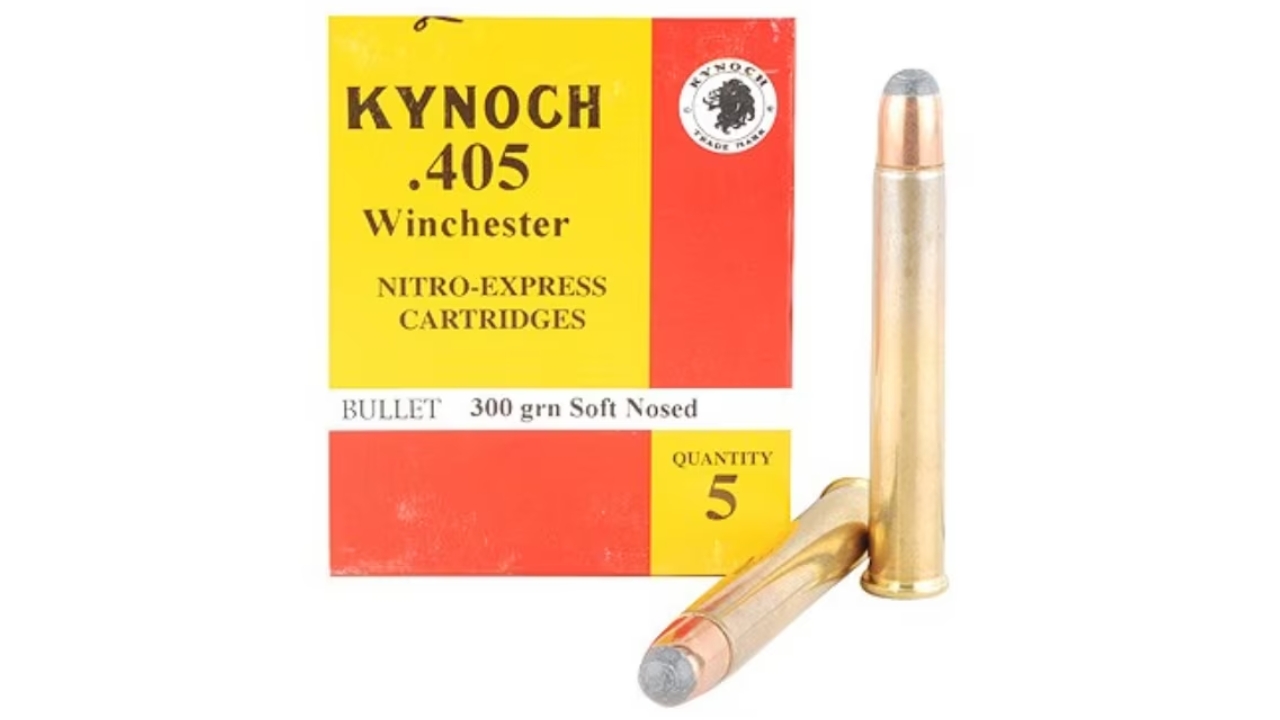
Teddy Roosevelt called the .405 Winchester his “medicine for lions,” and that’s about the only reason it’s still remembered. It was impressive in its day, but its heavy recoil and rainbow trajectory make it obsolete now. Modern .375s and .416s outperform it in every way.
Ammo availability is poor, rifles are rare, and performance simply doesn’t justify the punishment. The .405 is a nostalgic relic, and while it’ll still take game, it’s long past the point of practicality. It belongs in a display case, not a rifle scabbard.
.300 RCM (Ruger Compact Magnum)

The .300 RCM was a neat idea that arrived too late. Ruger and Hornady tried to give shooters magnum performance in a short action, but it never gained traction. It offered little advantage over the .300 WSM, and ammo never caught on.
Rifle options were scarce, and without factory support, the cartridge quickly faded into obscurity. The .300 RCM performs fine—but “fine” doesn’t keep a cartridge alive in a crowded market. It’s already rare enough that most shooters have forgotten it existed.
.45-90 Winchester
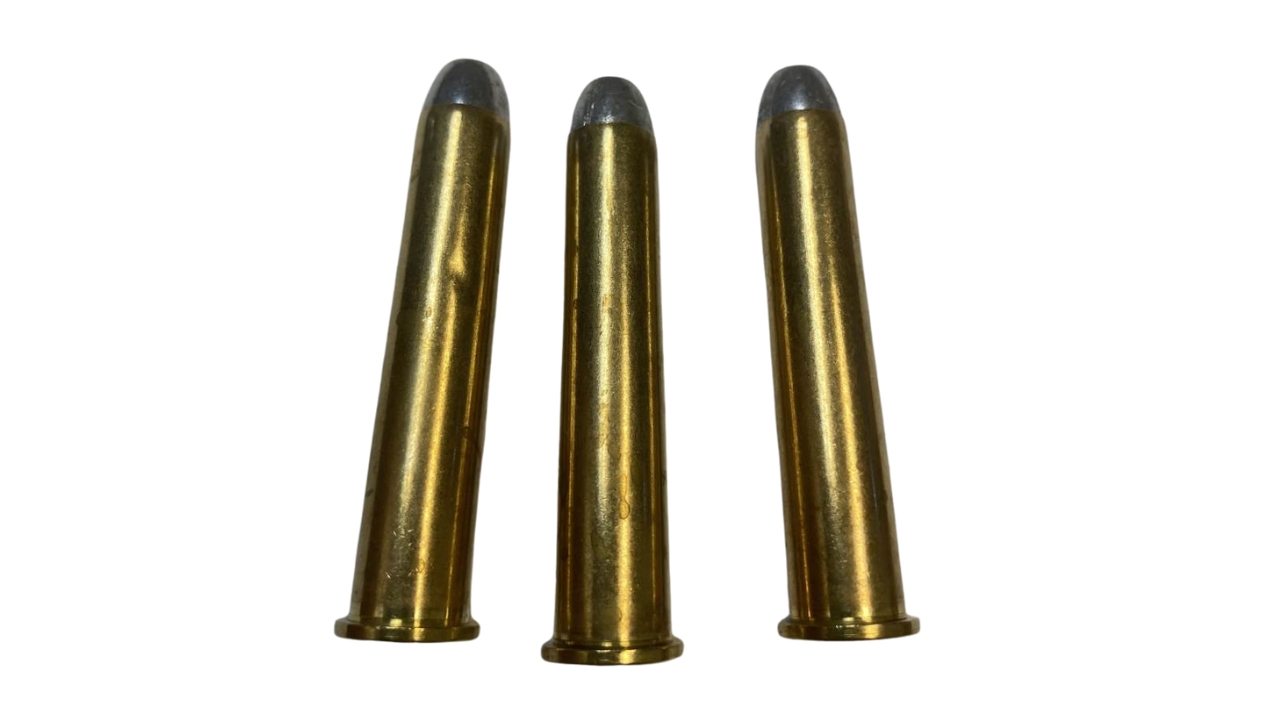
The .45-90 was an absolute powerhouse in the black powder era, but it has no real-world use today. It fires massive bullets at low velocities, resulting in steep trajectories and punishing recoil. It’s impractical for hunting and too niche for target shooting.
While it still shows up in historical reenactments and cowboy matches, it’s otherwise extinct for good reason. The .45-70 covers its niche with better performance and easier availability. The .45-90 belongs in display cases and old lever guns—not in the modern hunting camp.
.33 Winchester
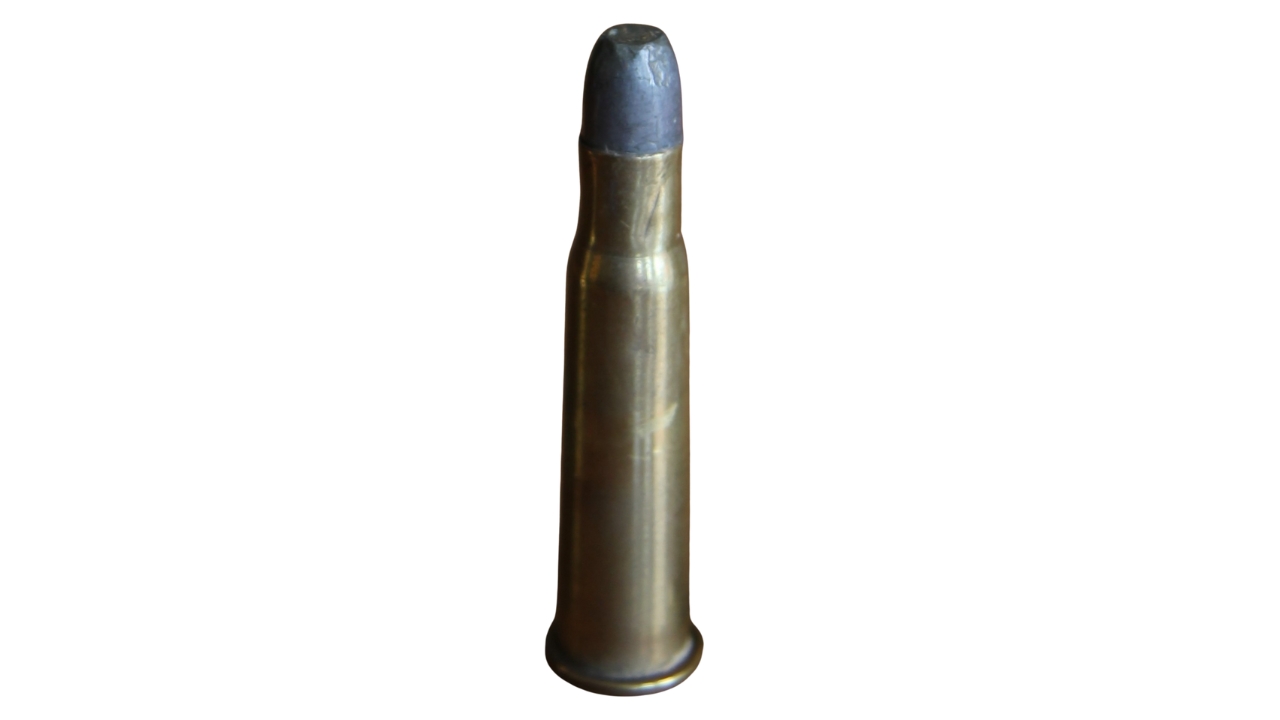
The .33 Winchester was Winchester’s early attempt at a big-game lever-gun cartridge, but it fizzled fast. It shot flat-nosed bullets that lost steam quickly and offered mediocre penetration compared to today’s controlled-expansion designs.
Factory ammo disappeared decades ago, and rifles chambered for it are mostly wall-hangers now. For all its historical charm, the .33 never offered enough to compete. It’s the kind of cartridge collectors admire—but practical hunters forgot about generations ago.
*This article was developed with AI-powered tools and has been carefully reviewed by our editors.