Photo credit: The Avid Outdoorsman
Some guns don’t win people over at the counter. They don’t have wild finishes, dramatic launch videos, futuristic controls, or the kind of specs that make everyone argue online. They just sit there looking normal, almost too plain to get excited about.
Then years go by, and those boring choices start looking smarter. They keep running, parts are easy to find, holsters exist, magazines are everywhere, and owners aren’t stuck explaining why their “better” gun needs special treatment. These are the guns that proved boring was often the smarter choice.
Glock 19

The Glock 19 has been called boring so many times that it almost feels like part of the name. It is not pretty, it does not feel custom, and it rarely gives anyone that new-gun excitement after the first range trip. It is simply a compact 9mm that does most things well.
That is exactly why owners keep coming back to it. The Glock 19 carries well, shoots well enough, feeds almost anything, and has more support than nearly any handgun around. Holsters, magazines, sights, lights, and spare parts are everywhere. It may not make you feel clever when you buy it, but it makes you look smart when everything else turns into a project.
Remington 870 Express

The Remington 870 Express was never the fancy 870. It had a rougher finish, plain furniture, and a working-gun feel that made it easy to overlook next to polished Wingmasters or newer tactical shotguns. For a lot of owners, it was just the shotgun they bought because it was affordable and available.
That plain choice aged better than people expected. A good 870 Express could hunt birds, guard the house, ride in a truck, and take years of use without needing much attention. It was easy to find barrels, stocks, magazine extensions, and small parts. It didn’t need to be special. It needed to work, and for a lot of owners, that was the smarter buy.
Ruger American Rifle

The Ruger American Rifle looked almost too basic when it hit the rack. Lightweight synthetic stock, simple bolt action, budget price, and no traditional hunting-rifle romance. It did not have the polished look of older walnut rifles or the high-end feel of premium mountain guns.
Then people started shooting them. A lot of Ruger Americans delivered solid accuracy for far less money than hunters expected. They carried easily, came in useful chamberings, and gave regular hunters a rifle they didn’t have to baby in bad weather. The stock may feel cheap, and the rifle may not impress anyone at camp, but when it prints good groups and fills tags, boring starts looking pretty smart.
Smith & Wesson M&P Shield

The original M&P Shield was not flashy when it became popular. It was a slim single-stack 9mm with modest capacity, simple controls, and a practical shape. Nothing about it felt exotic. It was just a carry pistol built around the idea that people might actually wear it every day.
That was the smart part. The Shield carried flat, ran well, and was affordable enough for normal shooters. Holsters were easy to find, magazines were not a headache, and the gun did not require a lifestyle change to conceal. Higher-capacity micro-compacts eventually made it look outdated on paper, but plenty of owners still respect how easy the Shield was to live with.
Savage 110
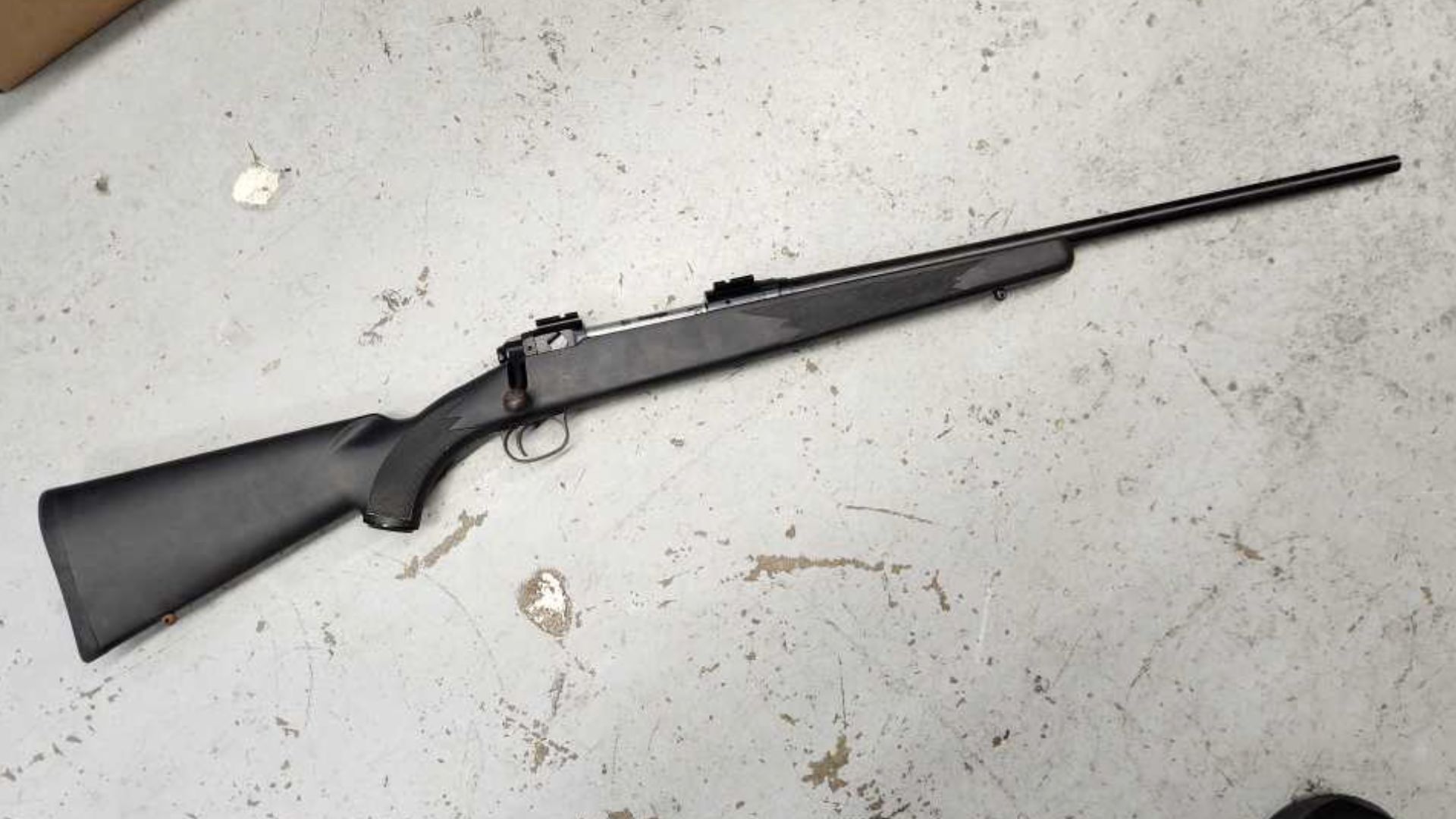
The Savage 110 has spent decades being the practical rifle people buy when they care more about groups than glamour. It has never had the same classic shine as some older hunting rifles, and the barrel nut design was once treated like a budget shortcut by shooters who cared too much about appearances.
The results made people rethink that. The 110 has built a long reputation for accuracy, useful chamberings, and real-world value. It is easy to tune, easy to rebarrel, and easy to trust as a hunting or range rifle. It may not be the prettiest bolt gun, but it has made a lot of owners look smart by doing the main job well: putting bullets where they belong.
Glock 17

The Glock 17 is about as plain as a full-size service pistol gets. It does not have the charm of a metal-frame pistol, the trigger of a tuned 1911, or the styling that makes buyers stop and stare. For years, people dismissed it as plastic, blocky, and boring.
That criticism never mattered much to the people who used them hard. The Glock 17 is simple, reliable, easy to maintain, and forgiving enough for serious training. It has enough sight radius and grip to shoot well, but not so much weight that it feels clumsy. Owners who chose it over more interesting pistols usually ended up with a handgun that stayed useful long after the novelty wore off.
Mossberg 500

The Mossberg 500 has always had a plain working-gun personality. It is not as polished as some pump shotguns, and it does not carry the same old-school prestige as certain competitors. For a lot of shooters, it was simply the affordable pump shotgun that showed up everywhere.
That availability became one of its strengths. The 500 is easy to run, easy to configure, and simple to maintain. The tang safety works well for many hunters, barrels are easy to swap, and the gun can move between hunting, home defense, and general utility without much fuss. It proved that a shotgun does not have to feel fancy to be one of the smartest guns you can own.
Tikka T3x Lite

The Tikka T3x Lite can seem almost too plain for the praise it gets. The stock is simple, the rifle is not flashy, and it does not come dressed up like a premium custom hunting rig. If you only judged it by looks, you might wonder why owners are so loyal.
Then you work the bolt and shoot it. The action is smooth, the trigger is clean, and accuracy is usually strong without much drama. It carries well, handles real hunting weather, and does exactly what a modern bolt-action rifle should do. The T3x Lite proves that a smart hunting rifle does not need to look expensive. It needs to make the shot easier when it matters.
Smith & Wesson M&P 2.0
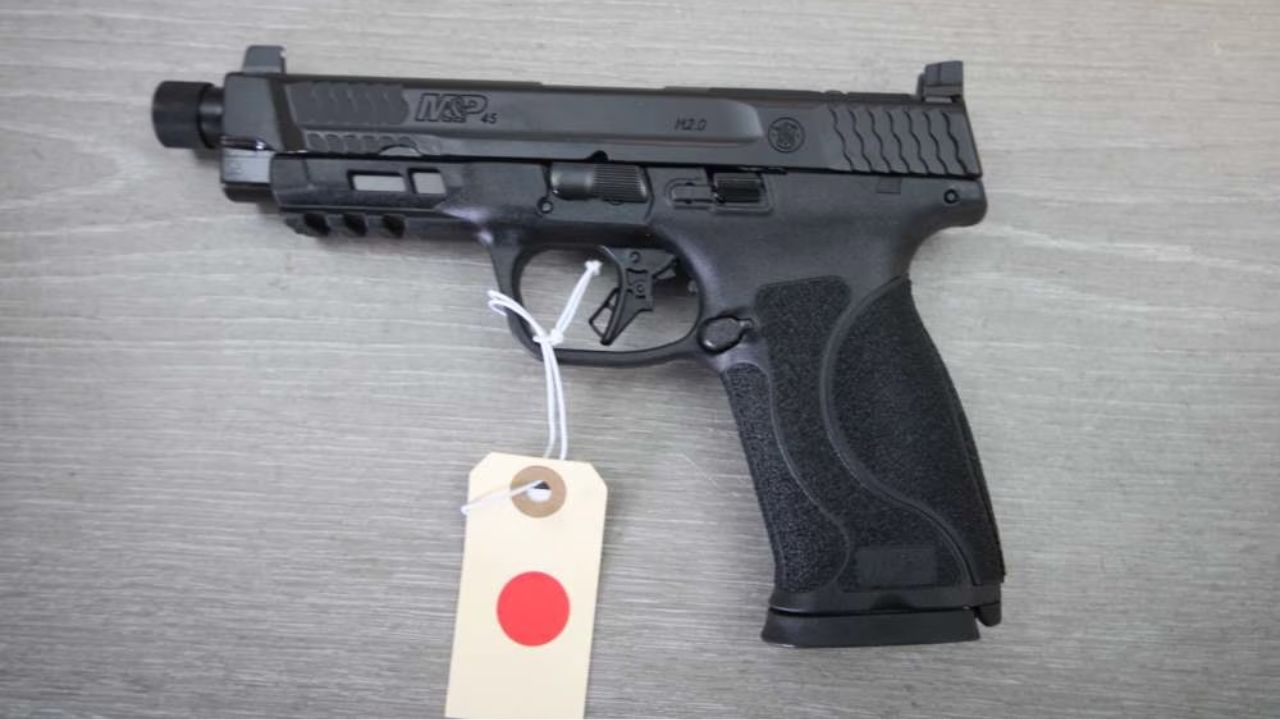
The M&P 2.0 never had the same cult energy as some rival pistols. It was a polymer striker-fired handgun in a world full of polymer striker-fired handguns. To casual buyers, it could look like just another black pistol with a familiar logo on the slide.
Owners knew better. The 2.0 grip texture, improved trigger feel, solid reliability, and natural handling made it a strong practical choice. It worked for carry, duty use, home defense, and range training without asking the shooter to adapt to anything strange. It was not the loudest pistol in the room, but it quietly became one of the smarter alternatives to the default choices.
Marlin 795
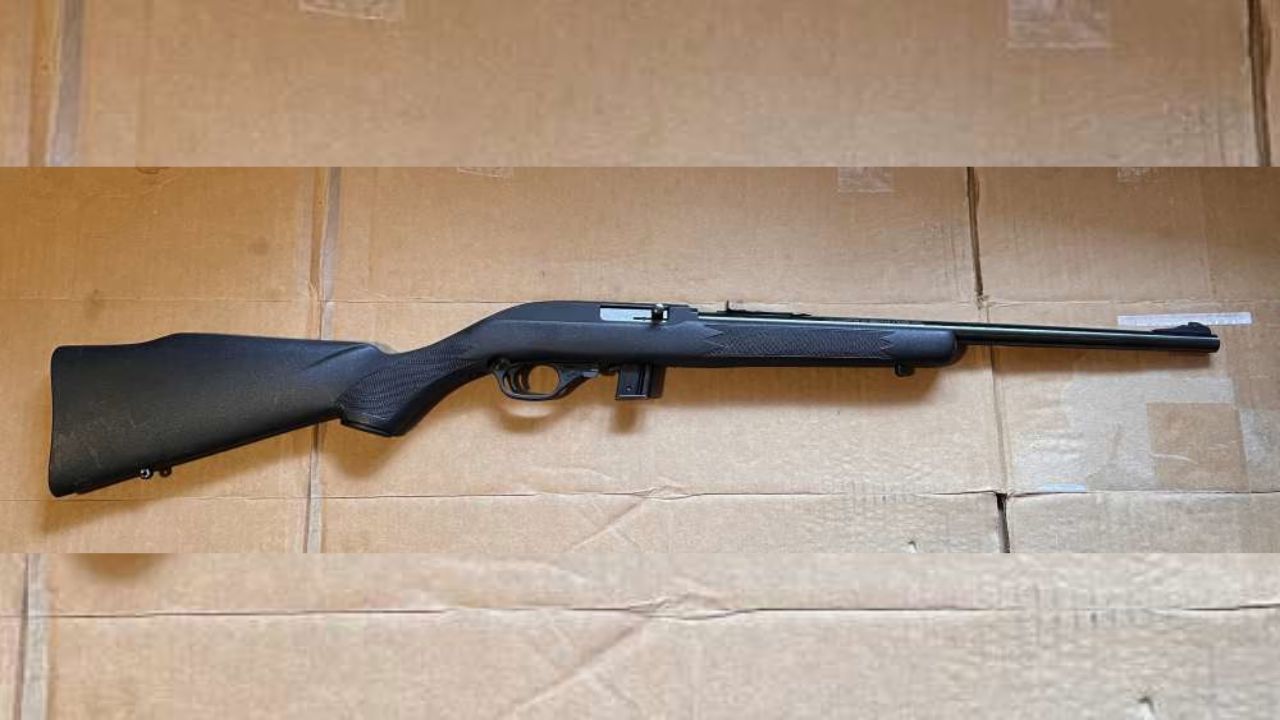
The Marlin 795 was never treated like a premium rimfire. It was inexpensive, lightweight, and plain enough that many people bought one as a starter rifle or cheap plinker. It did not have the same aftermarket reputation as the Ruger 10/22, so some shooters overlooked it.
That was their mistake. The 795 often shot very well, carried easily, and gave new shooters a dependable semi-auto .22 without costing much. It was simple, useful, and more accurate than its price suggested. For small game, backyard plinking, and teaching new shooters, it did exactly what a rimfire should do. Owners who bought one instead of chasing something fancier often made the smarter call.
Ruger GP100
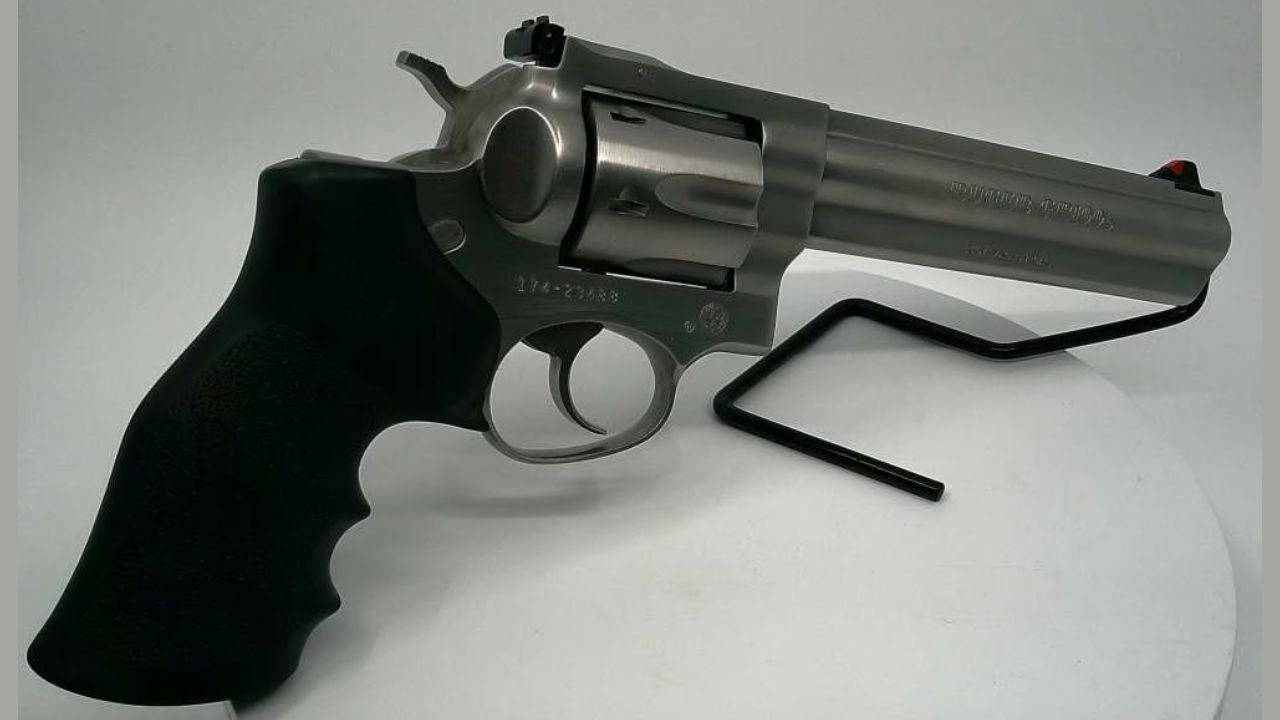
The Ruger GP100 is not the sleekest .357 revolver, and that is part of its appeal. It is sturdy, a little chunky, and built with a practical mindset. Some shooters prefer the elegance of a Smith & Wesson or the old-school pull of a Colt, but the GP100 was never trying to be delicate.
It was trying to last. The GP100 handles heavy .357 loads, works well as a range revolver, and makes sense for woods carry or home defense. It is easy to trust because it feels like it can take abuse without complaint. That kind of boring toughness ages well. Owners who picked one for use instead of status usually had the right idea.
Winchester XPR

The Winchester XPR does not have the same emotional pull as older Model 70s, and it does not pretend otherwise. It is a modern budget hunting rifle with a synthetic stock, detachable magazine, and practical features. Some hunters see that and move on without getting excited.
But the XPR has made sense for a lot of people who simply needed a reliable hunting rifle. It is accurate enough for real field use, handles bad weather better than pretty walnut, and comes in chamberings hunters actually use. It may not be the rifle you brag about around camp, but it can be the rifle that just keeps doing its job. That is the whole point.
SIG Sauer P320

The SIG P320 became so common that some shooters started treating it like boring institutional equipment. It is everywhere now, and that can make it feel less interesting than newer pistols with sharper marketing or more unusual features. Familiarity can make people forget why a gun caught on.
The P320’s modularity, shootability, and broad support made it a smart choice for many owners. Grip modules, slides, barrels, triggers, sights, and holsters are easy to find. It can be configured for carry, duty, competition, or range use without starting over completely. It has had controversy, and owners should understand the platform, but the basic idea remains useful. Boring became smart because the gun could adapt.
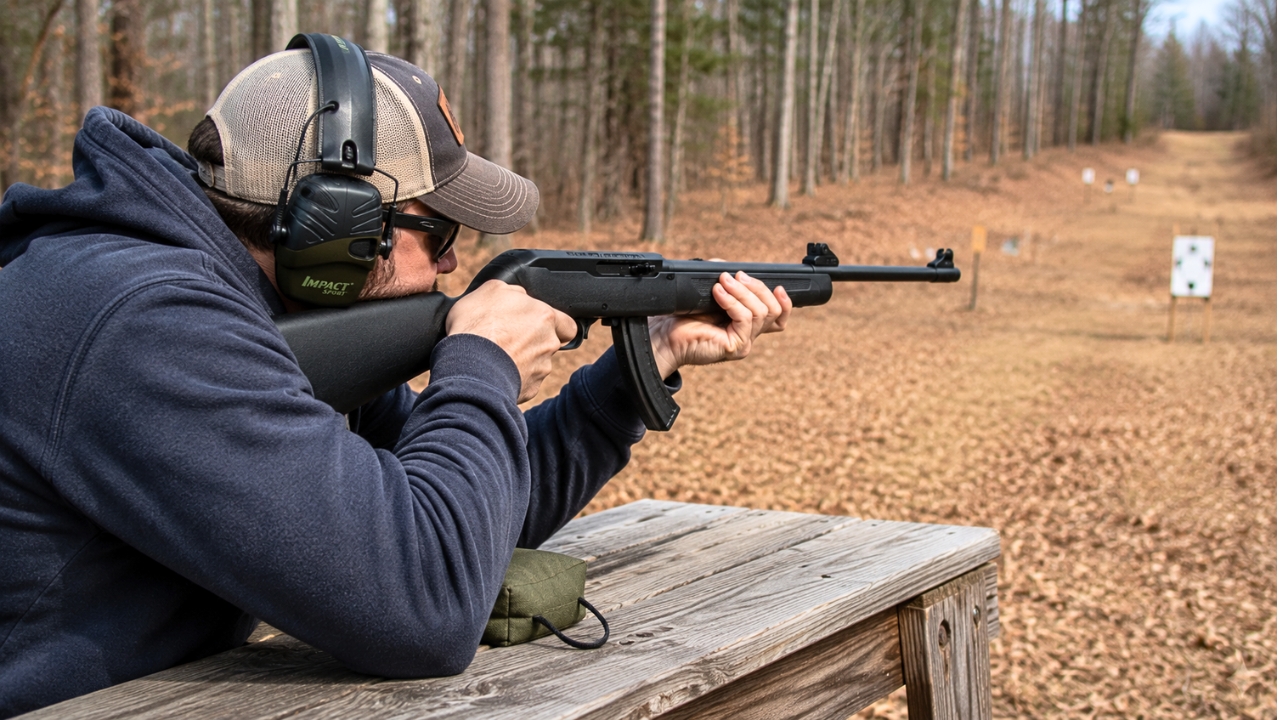
Ruger 10/22

The Ruger 10/22 is one of the easiest guns to take for granted. It is so common that people forget how good the basic idea is. A simple semi-auto .22 with rotary magazines, endless support, and enough accuracy for normal rimfire work does not sound exciting because everyone already knows it.
That is exactly why it was the smart buy. The 10/22 can be a kid’s first rifle, a small-game gun, a backyard plinker, or a full custom project. Magazines and parts are everywhere, and almost every shooter understands the platform. It is not rare, dramatic, or mysterious. It is just one of the most useful firearms a person can own.
Beretta 92FS

The Beretta 92FS can look boring because it has been around forever. It is big, familiar, and tied to decades of military and police use. Some shooters walk past it because it feels old compared to optics-ready striker-fired pistols with smaller frames and simpler controls.
But the 92FS still makes owners look smart when they shoot it well. It is smooth, soft-recoiling, accurate, and built with a level of refinement that many newer pistols do not match. It may not be the easiest pistol to conceal, but for range use, home defense, and general shooting, it remains excellent. Sometimes the old full-size pistol everyone knows is still the right answer.
Like The Avid Outdoorsman’s content? Subscribe to our newsletter so you never miss an article.
Here’s more from us: