Photo credit: The Even Steven Channel/Youtube
Every time I walk past the “new arrivals” rack, I see the same pattern: lighter materials, more features, more marketing, and somehow less soul. Don’t get me wrong—there are excellent modern guns out there. But the 1980s produced a bunch of workhorses that still hold their own for hunters, truck-gun types, homeowners, and range regulars who care more about function than flash.
These aren’t all collectibles. Some are ugly, some are heavy, and a few are downright dated. Still, they’ve got something a lot of today’s shelf guns are missing: proven designs, real steel where it matters, and triggers/actions that feel like they were made to be used hard instead of photographed.
1. Glock 17 (Gen 1/Gen 2)
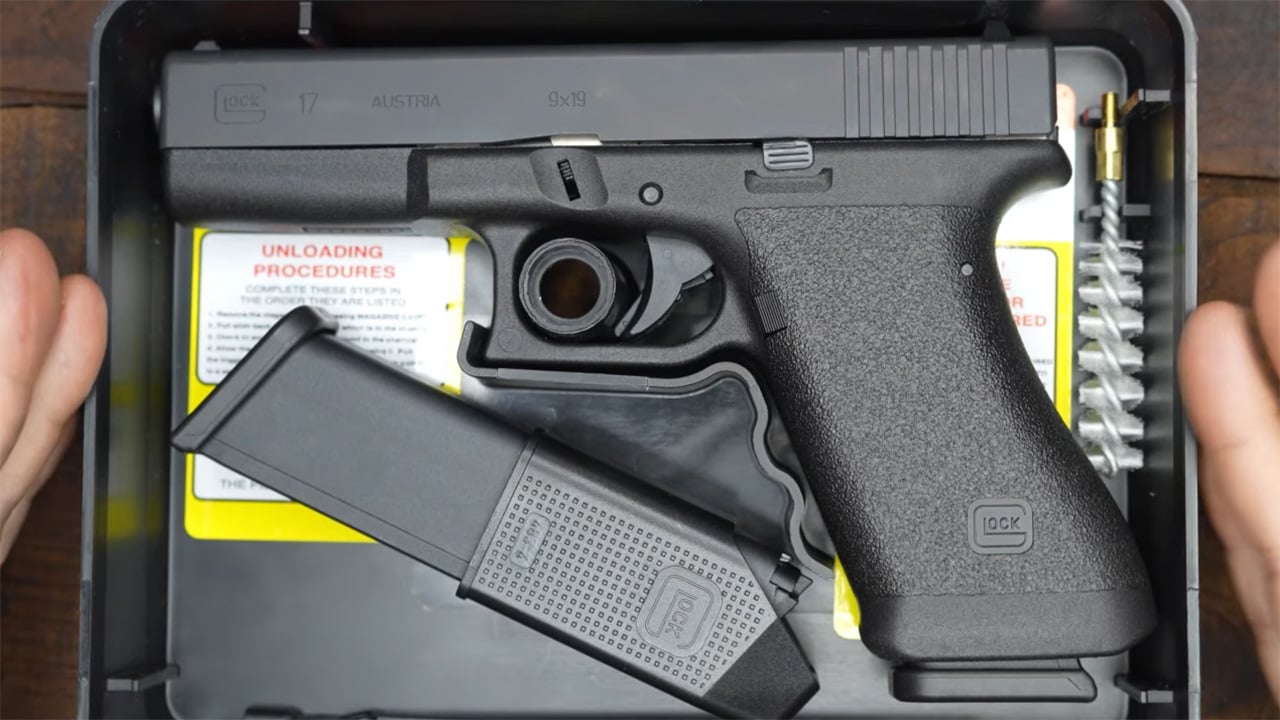
The early Glock 17s weren’t trying to win a beauty contest. They were trying to run. And they did—dirty, dry, neglected, and still punching holes where you pointed them.
Even now, a plain Glock 17 from that era can outlast a lot of “upgraded” pistols that look slick on the counter but get picky once the round count climbs. Magazines are everywhere, parts support is endless, and it’s hard to beat for a simple, do-your-job 9mm.
2. SIG Sauer P226 (West German)

Pick up an older P226 and rack it slowly. You can feel the difference in how the slide rides and locks up. It’s not magic, it’s just good machining and a design that had to earn its reputation the hard way.
They’re not light, and the double-action/single-action system isn’t for everyone. But for a duty-style 9mm that points naturally and eats ammo without drama, the old P226 still embarrasses a lot of today’s “value” pistols.
3. Beretta 92F/92FS
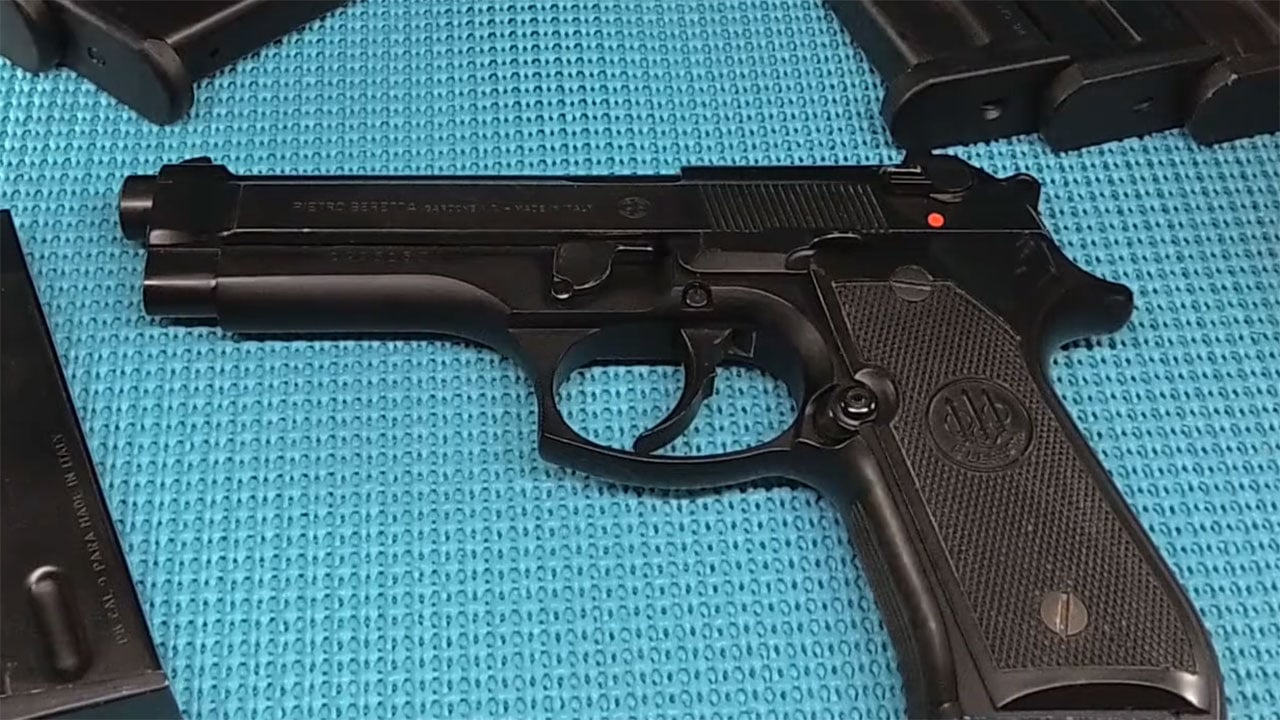
This is one of those guns that people love to complain about until they actually shoot it. The Beretta 92’s weight and open-top slide make it soft and steady, especially with hot range ammo that feels snappy in polymer guns.
Yes, it’s big. Yes, the grip is a handful for some. But reliability is the point here, and the 92 earned its place by running in conditions that chew up fussier designs.
4. HK P7 (PSP/P7M8)
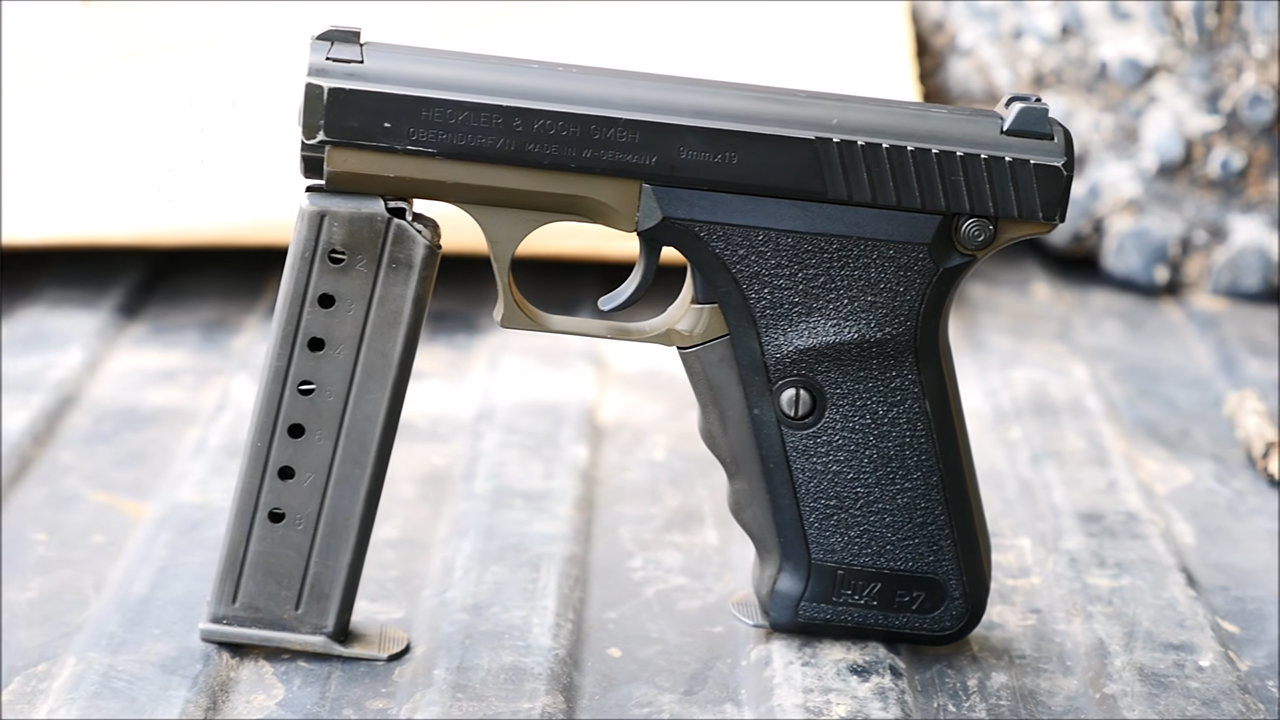
The P7 is weird, and I mean that as a compliment. The squeeze-cocker system isn’t a gimmick when you shoot it—this thing is flat, accurate, and fast to run well, with a trigger feel that still surprises folks.
Downsides are real: it heats up, it’s expensive, and it’s not a “beginner” pistol. Still, the build quality and practical accuracy are on another level compared to most compact carry guns that get pushed today.
5. Smith & Wesson Model 686

A good 686 is what you buy when you’re tired of excuses. It’s a .357 that can live on a nightstand, ride in a chest holster in bear country, or spend a Saturday ringing steel without shaking itself loose.
Modern revolvers can be fine, but older 686s are known for solid lockup and consistent timing when cared for. Put decent grips on it and it will do more jobs than most “specialized” handguns ever will.
6. Ruger GP100

The GP100 has never been dainty, and that’s why it’s still relevant. It’s a tank of a revolver that shrugs off steady .357 use, where some lighter guns start feeling loose after a lot of full-power rounds.
The trigger may not be as sweet as a tuned Smith, but it’s serviceable and it gets better with use. If you want a revolver to actually shoot, not just admire, the GP100 remains a smart pick.
7. Colt Python (1980s production)

Here’s the thing: the Python is not the best “working” revolver for most folks. It’s more like a classic pickup you don’t want to park at the grocery store. But the accuracy and smoothness on a good 1980s Python are hard to ignore.
What it outperforms is the average modern wheelgun trigger feel. If you’ve only shot newer revolvers and you get behind a well-kept Python, you’ll understand why people talk about them the way they do.
8. Browning Hi-Power (Mk II/Mk III era)

The Hi-Power carries like a real pistol should—thin, balanced, and natural. You can argue capacity all day, but 13 rounds of 9mm in a gun that actually points well still works in the real world.
Some have a gritty trigger because of the magazine disconnect. Still, as a field sidearm or everyday carry if you like steel guns, it holds up. And the design has fed reliably for decades with good magazines.
9. Ruger Mark II
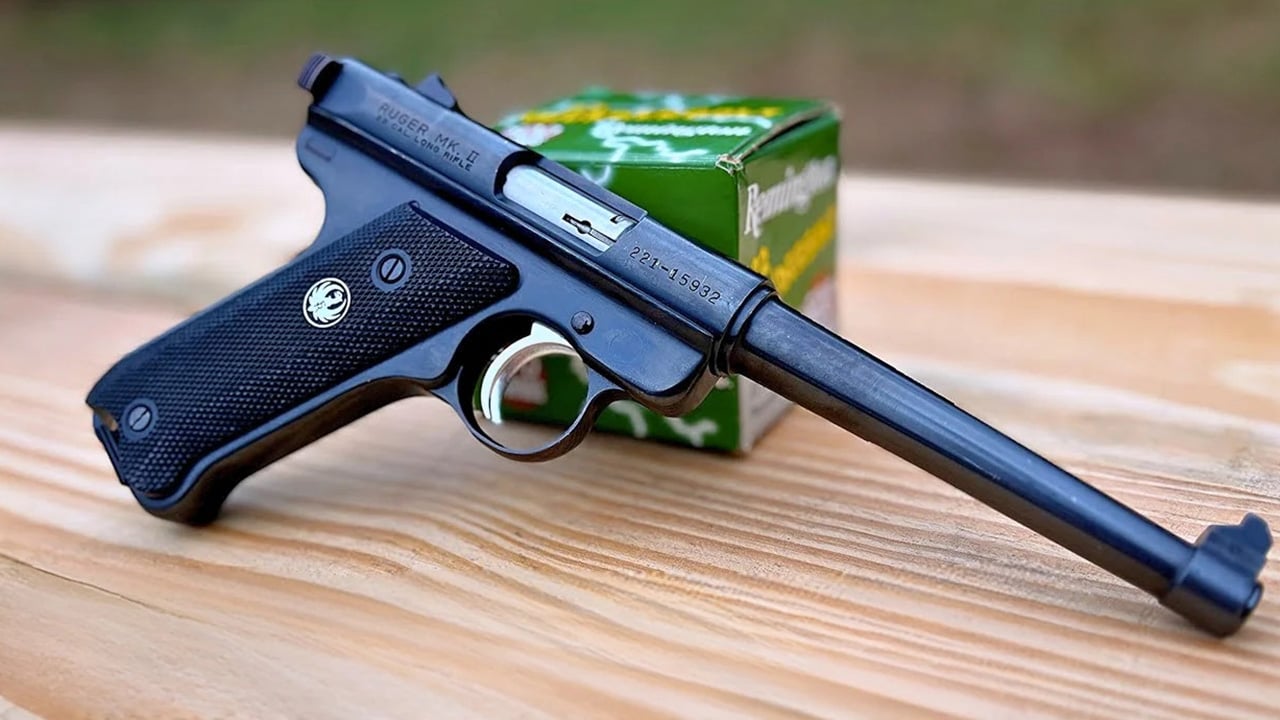
If you grew up shooting .22s, you know the Ruger Mark II is the kind of pistol that makes you practice. It’s accurate enough to humble you and reliable enough that you stop blaming the gun.
Sure, takedown can be a headache until you learn it. Ask me how I know. But as a trainer, plinker, and small-game pistol, it still beats a lot of modern rimfires that feel like they were built to a price point first.
10. Remington 870 Wingmaster
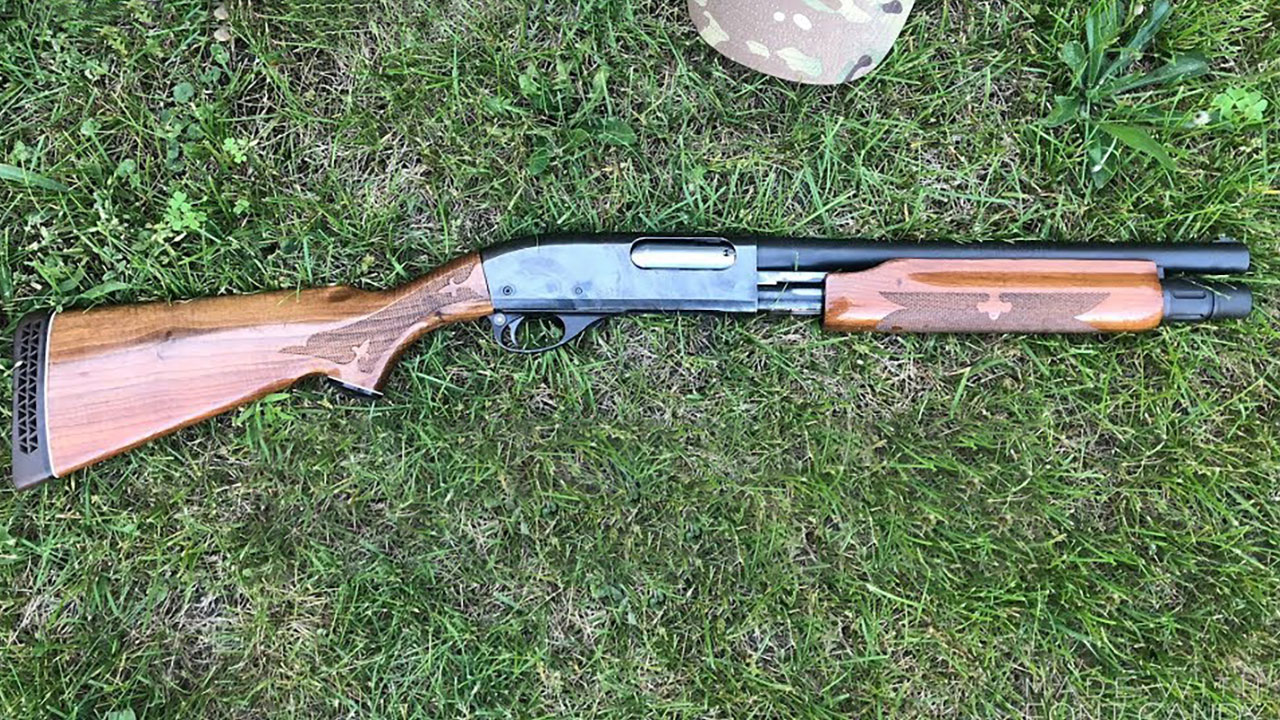
There are newer 870s that run fine, but the older Wingmasters feel different in the hands. The action is slick, the finish holds up, and the whole gun has that “this will be around when I’m gone” vibe.
For home defense, birds, deer with slugs, or just a general-purpose shotgun, a good Wingmaster is hard to top. It’s also easy to service, and parts/accessories are everywhere without needing proprietary nonsense.
11. Mossberg 500 (1980s production)

The Mossberg 500 is the opposite of fancy, and that’s why it keeps winning. The safety is in the right place for most shooters, it handles abuse, and it keeps running with minimal babying.
In the field, the 500’s real advantage is that you don’t worry about it. Mud, rain, riding behind the seat—clean it when you can and it’ll keep doing shotgun things without a tantrum.
12. Browning BPS
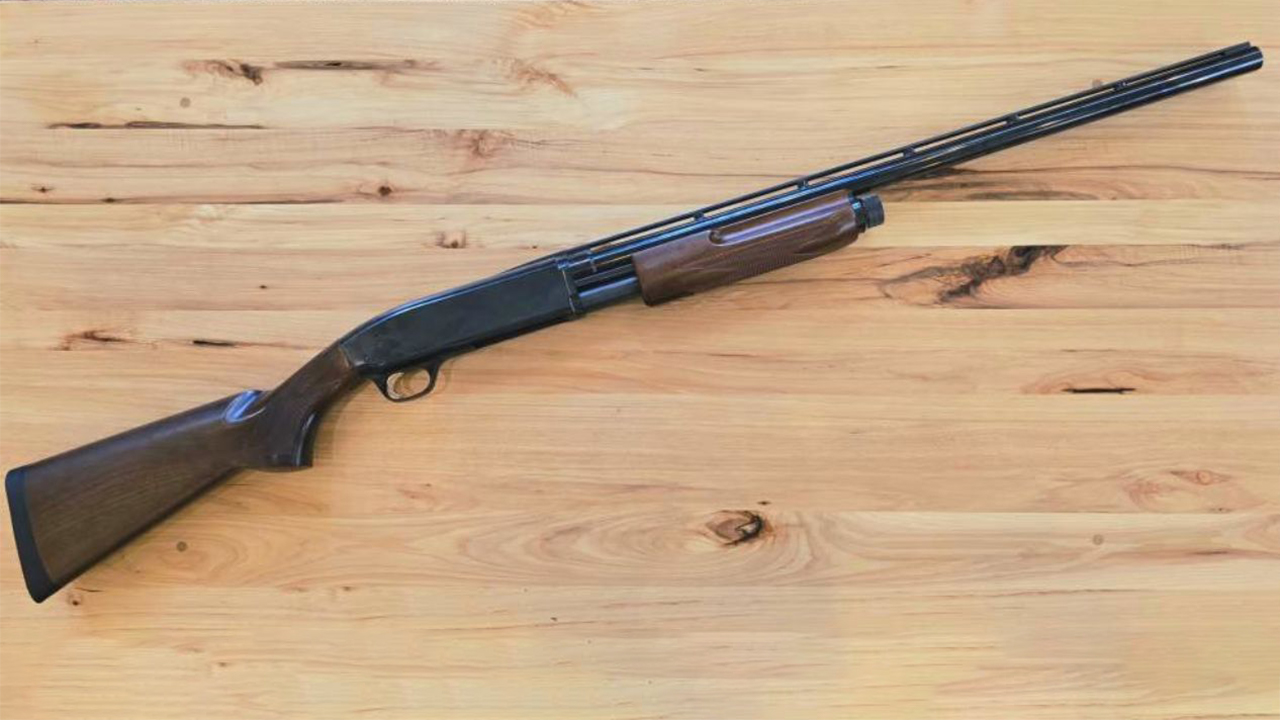
The BPS is a hunter’s shotgun. Bottom eject, solid feel, and a smooth pump that doesn’t rattle like a toolbox. Lefties love it, and righties usually end up appreciating the way it keeps hulls out of your face in a blind.
It’s heavier than some modern pumps, but that weight tames recoil and helps it swing steady on birds. If you actually shoot a lot of shells in a season, you start liking that extra steel.
13. Remington 1100

For a lot of folks, the 1100 is the first semi-auto shotgun that really felt “right.” Soft shooting, good balance, and it doesn’t beat you up on clays or late-season geese.
It does need basic maintenance—gas system parts wear, and it likes to be reasonably clean. But when it’s set up correctly, it runs smoother than plenty of newer semi-autos that cost more and feel more hollow.
14. Ruger 10/22 (older walnut/steel carbines)

A 10/22 is almost too obvious, but there’s a reason. The older ones—especially the walnut-stock guns—feel like real rifles, not disposable trainers. They’re handy, reliable, and endlessly useful.
Modern rimfires often come with plastic everything and questionable triggers. A basic 10/22 with decent ammo will still outshoot the average plinker, and it’s hard to beat for small game, pest control, and teaching new shooters safely.
15. Marlin 336 (pre-safety era and early cross-bolt safety era)

In the deer woods, the 336 is one of those rifles that just makes sense. It carries flat, comes to the shoulder fast, and hits hard inside the distances most whitetails are actually shot.
Older Marlins have a feel that’s hard to copy: smooth lever travel, solid wood-to-metal fit, and a simplicity that doesn’t age. For thick timber and quick shots, it still competes with modern bolt guns that cost more and do less.
16. Winchester Model 94 (post-64 but good 80s guns)
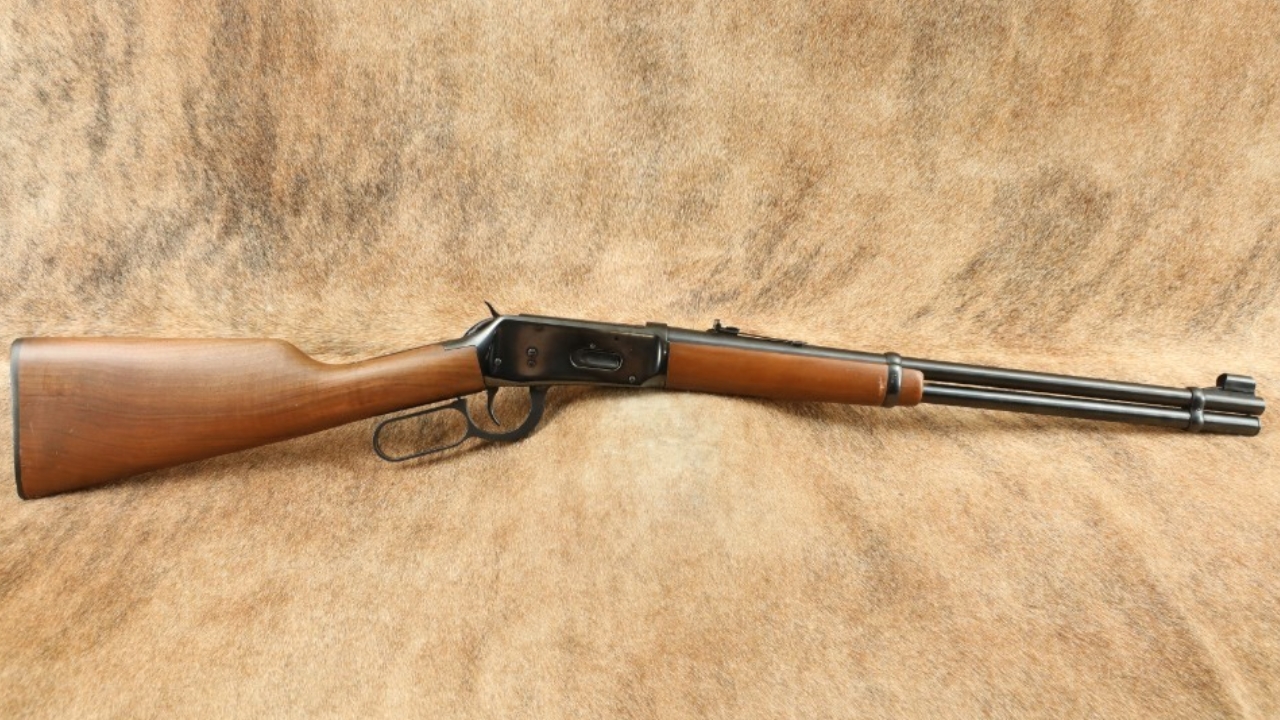
The Model 94 is not a benchrest rifle, and it never pretended to be. What it does well is carry easy and kill deer cleanly when you keep shots reasonable.
Plenty of modern rifles are more accurate on paper, but paper doesn’t drag a rifle through brush all day. A decent 80s-era 94 still feels like a real hunting tool, not a range toy with a hunting label.
17. Ruger M77 (tang safety models)

The tang-safety M77 is one of those rifles that just feels right in the hand. The safety is intuitive, the rifle balances well, and it’s the kind of bolt gun you can run with gloves on without fumbling around.
Triggers vary, and some aren’t anything to brag about. Still, these rifles have a reputation for ruggedness that matters when you’re climbing ridges or hunting in wet weather where “lightweight” sometimes means “delicate.”
18. Remington 700 BDL (1980s production)
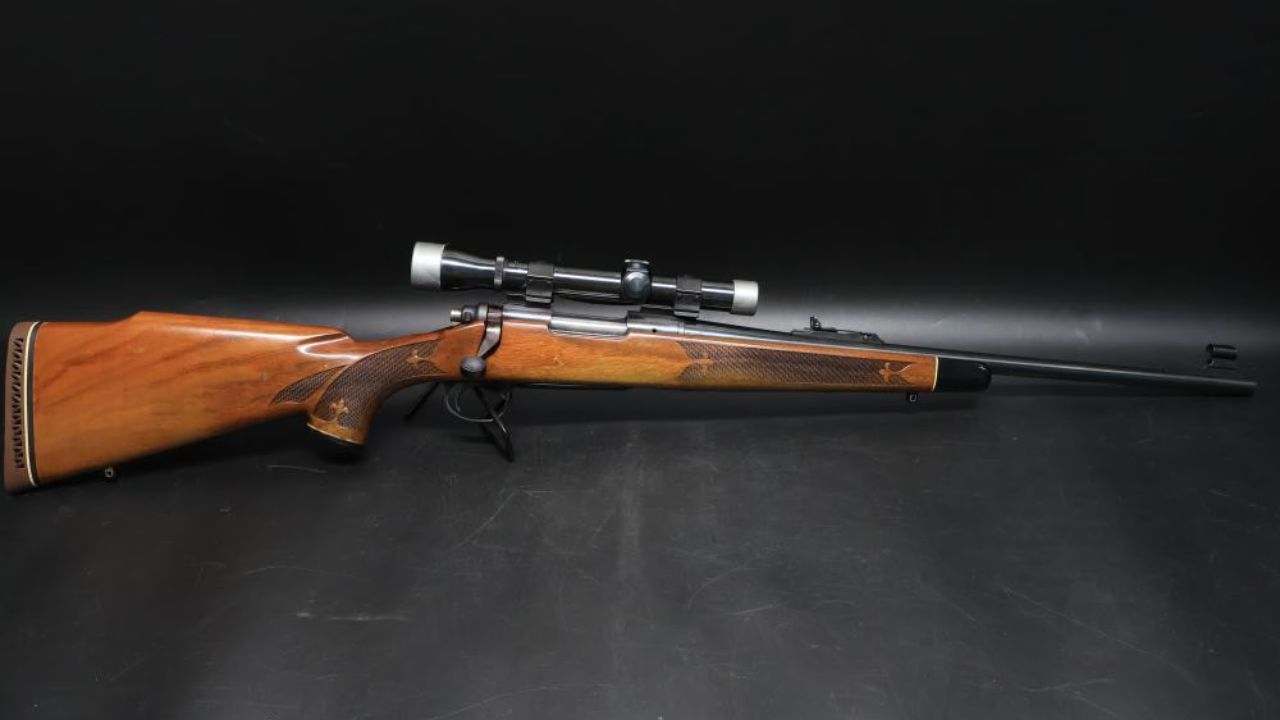
Say what you want about internet arguments, but an 80s BDL in a common hunting caliber is still a serious rifle. The action is smooth, aftermarket support is massive, and they tend to shoot well with plain old hunting ammo.
The glossy walnut and checkering aren’t for everybody now, but in the field that rifle carries like a classic and behaves like one too. If you find one that’s been cared for, it’ll likely do everything you need on deer, elk, and coyotes.
19. Browning BAR (hunting model)

The hunting BAR is heavy. It’s also one of the few semi-auto hunting rifles that has consistently earned trust over decades. When you’re shooting from awkward positions or trying to stay on target for a fast follow-up, weight can be your friend.
They aren’t as simple to maintain as a bolt gun, and they cost real money. But for a semi-auto that’s accurate enough and dependable enough for big game, the BAR still sits above a lot of newer “budget semi-autos” that feel like compromises.
20. HK91 / G3 pattern rifles (1980s imports and builds)
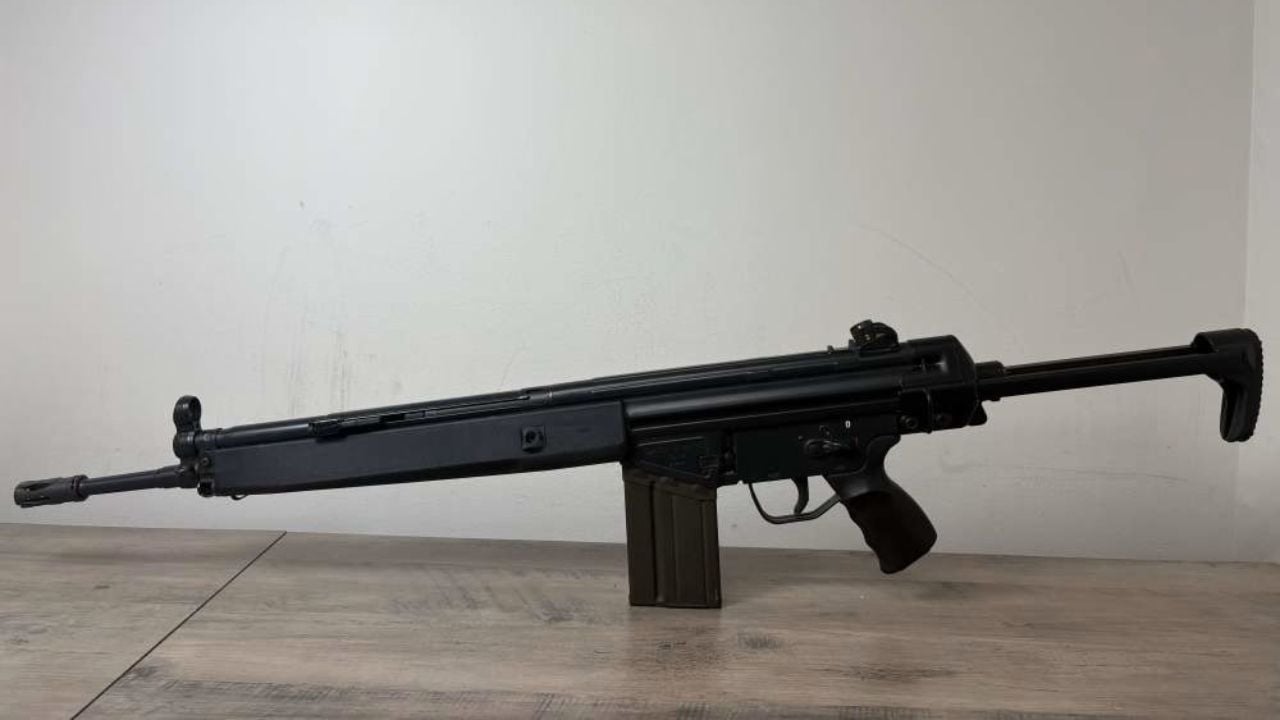
If you want a rifle that feels like it was built for hard use, the HK91/G3 pattern has that cold, confident vibe. Roller-delayed guns have a distinct recoil impulse, and they run filthy in a way that makes some modern rifles seem sensitive.
They’re not light, and the ergonomics are old-school. But when you talk about durable rifles that can take a beating and keep feeding, these are still in the conversation—especially for folks who value reliability over accessories.
The funny part is how many of these aren’t “better” because they’re old. They’re better because they were built around proven designs and real-world use, not feature lists. If you’ve got one of these in the safe, I wouldn’t be quick to trade it off just to chase whatever is trending this month. Clean it, shoot it, and let the new stuff prove itself the same way.
Like The Avid Outdoorsman’s content? Subscribe to our newsletter so you never miss an article.
Here’s more from us: