Photo credit: LifeSizePotato/YouTube
Some pistols stay popular long after the reasons for recommending them start getting shaky. That does not always happen because the gun is terrible. A lot of the time, it happens because people formed their opinion years ago and never really checked back in. They keep repeating the same praise because it became part of the script. The pistol was good once, or good enough once, and now it gets passed along like settled wisdom whether it still deserves that kind of confidence or not.
That is where habit starts replacing honesty. Instead of asking whether a pistol still makes sense against newer options, people lean on brand loyalty, old reputation, or the fact that “everybody knows” it is a solid choice. Some of these guns still work. Some are still decent. But all of them get praised more automatically than they get evaluated. Here are 15 pistols people keep praising out of habit, not honesty.
Glock 26

The Glock 26 built a reputation at a time when chunky little double-stack subcompacts made a lot more sense than they do now. It was reliable, familiar, and easy for Glock fans to recommend because it fit the old carry world very well. A lot of shooters still talk about it like it is the obvious answer for someone wanting a small pistol.
That is where habit creeps in. The market moved toward slimmer, higher-capacity micro-compacts that changed what buyers can reasonably expect from a carry gun. The 26 still works, but it no longer dominates the category the way some longtime fans talk like it does. A lot of the praise now sounds more like muscle memory than real comparison.
Smith & Wesson Shield 1.0

The original Shield earned real love because it hit the market at the right time and made slim carry feel practical for a lot of buyers. It was easy to hide, reasonably priced, and dependable enough to build a huge following. That first wave of respect stuck hard, and some people still recommend it like nothing meaningful has changed since then.
Plenty has changed. Capacity expectations moved, triggers improved, and newer carry pistols made the older single-stack formula feel less impressive. The Shield 1.0 is still usable, but it often gets praised like it remains a front-runner instead of an older design that helped move the market forward. That is not honesty. That is leftover momentum.
Springfield XD

The XD line used to feel like a serious alternative in the striker-fired market. For a while, that was a fair thing to say. They sold well, built loyal followings, and gave buyers something different from the usual Glock answer without straying too far from mainstream carry logic. A lot of owners still speak about them with that same early confidence.
The problem is that the category kept improving while the XD’s reputation stayed strangely frozen. Newer pistols brought better features, better optics readiness, and better overall packages, while the XD kept getting defended as if reliability alone should preserve its full standing forever. It still gets praise, but a lot of that praise sounds like habit more than honest ranking.
Walther P22

The P22 gets praised because people still remember it as the fun little rimfire everybody seemed to want at one point. It looked good, felt approachable, and had enough branding behind it to make buyers assume it would be a safe recommendation. That early affection still lingers in a lot of people’s minds.
What often gets left out is how conditional the praise has become. People talk about the right ammo, the right expectations, the right maintenance, and the idea that rimfires are always quirky anyway. That is not the same as clean confidence. A pistol people still praise mostly because they always have is a pistol living on habit.
Ruger LCP original

The original LCP deserves respect for how much it changed the pocket-pistol market. It made tiny carry handguns feel more realistic for a lot of everyday buyers, and that impact mattered. Because of that, many shooters still speak about it like it remains the obvious answer anytime someone mentions deep concealment.
That is where honesty starts slipping. The original LCP was important, but important and currently impressive are not the same thing. Newer pocket pistols improved the experience enough that the old LCP now feels more like a stepping stone than a standout. Yet some people still praise it as if the category never moved past the stage it helped create.
Beretta Nano

The Nano got praised heavily because people wanted Beretta to deliver a serious slim carry pistol. Brand loyalty did a lot of work, and once enough buyers got behind it, the pistol started benefiting from the sort of praise that comes from expectation as much as experience. It felt like a safe answer before it had really earned that status.
That old praise sounds much weaker now if you compare it honestly against what came later. The Nano no longer feels ahead of anything, and the enthusiasm around it aged poorly. Still, plenty of shooters talk about it with a kind of lingering respect that sounds more rooted in old faith than in what the gun actually looks like next to modern competition.
Kahr CW9

The CW9 built its reputation as a slim, practical carry gun back when “slim and practical” still felt like a bigger deal. It was easy to carry, straightforward in concept, and respected by buyers who wanted something simple without a lot of flash. That old respect still shows up every time someone wants to recommend an older-school single-stack.
The issue is that many of those recommendations sound like they came from another carry era. There are simply more refined, more capable options now, and buyers no longer have to act like thinness alone makes a pistol especially smart. The CW9 still gets praised because people remember when it stood out. That is not quite the same as it still standing out honestly.
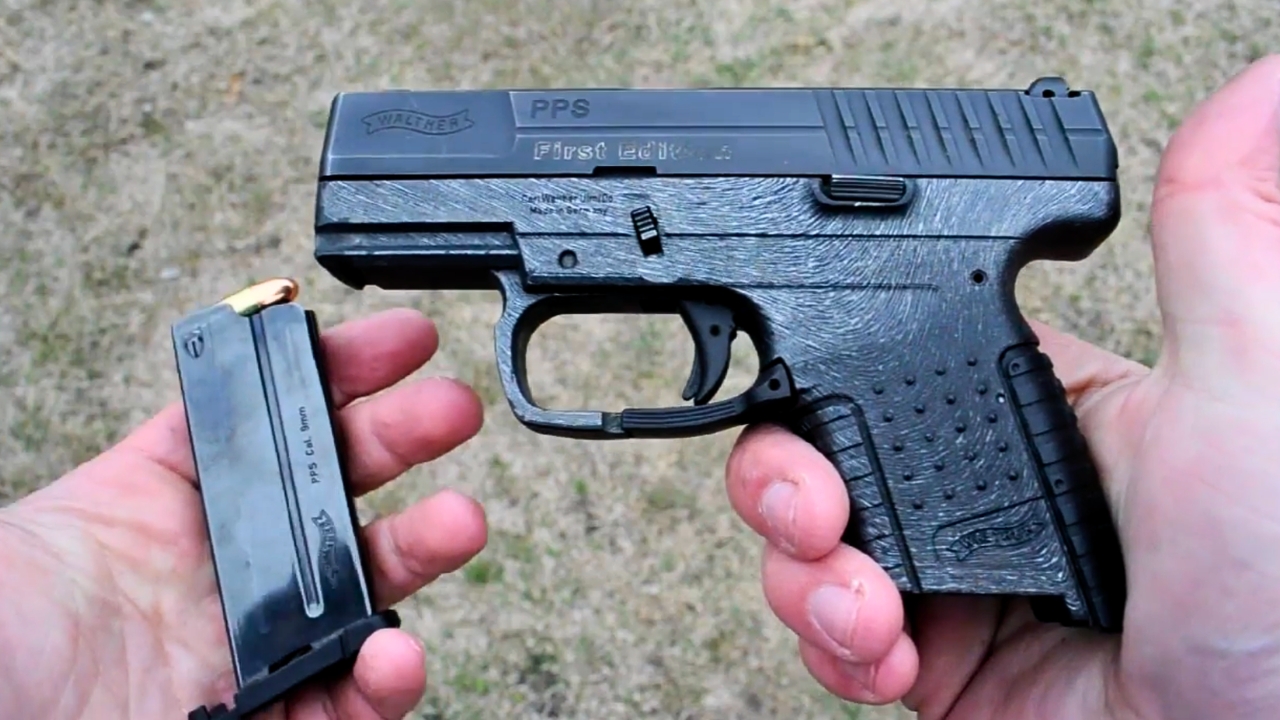
Walther PPS M1
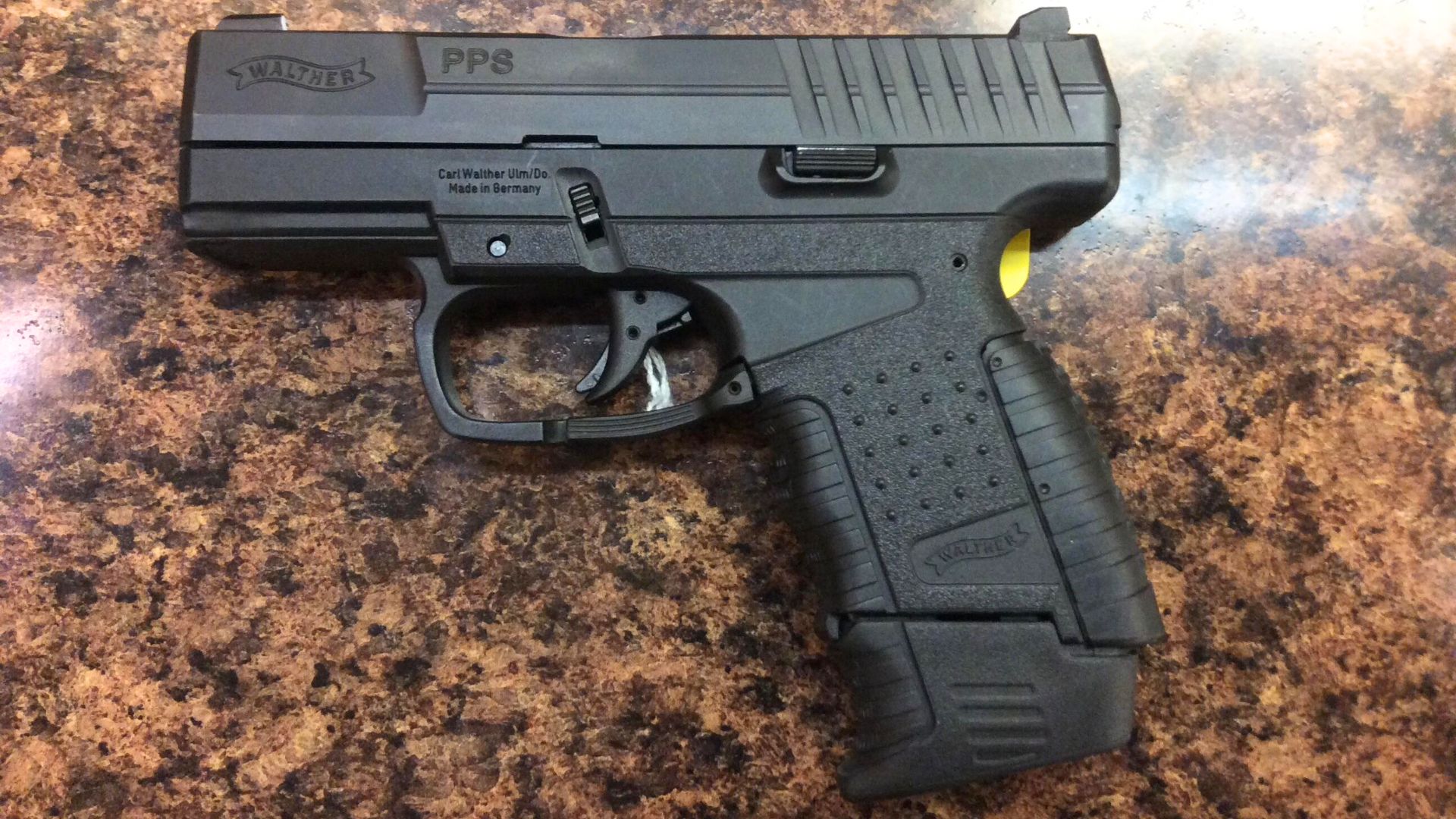
The first PPS really was a serious carry option when it arrived. It felt well thought out, slim enough to matter, and a little more refined than some of the competition at the time. That early praise made sense, and a lot of shooters still talk about it like it remains one of the cleanest carry recommendations around.
That is where old affection can start sounding more automatic than honest. The carry market did not stand still, and a lot of what made the PPS feel special became more common later. Yet people still praise it with the same certainty they had years ago, as if the category has not become much more crowded and much more capable since then.
SIG Sauer P239

The P239 gets praised because it feels solid, serious, and old-school in a way many shooters still respect. It has the sort of weight and maturity that makes longtime gun owners feel like they are recommending something proven instead of trendy. That tone gives it more life in conversation than the modern carry market probably would on its own.
The honesty problem shows up when people talk about it like those old strengths still make it a top modern recommendation. It is heavier, lower in capacity, and less aligned with what most buyers want now. That does not erase its good qualities. It just means the praise often sounds more like attachment to an era than a fair look at today’s options.
Springfield XD-S
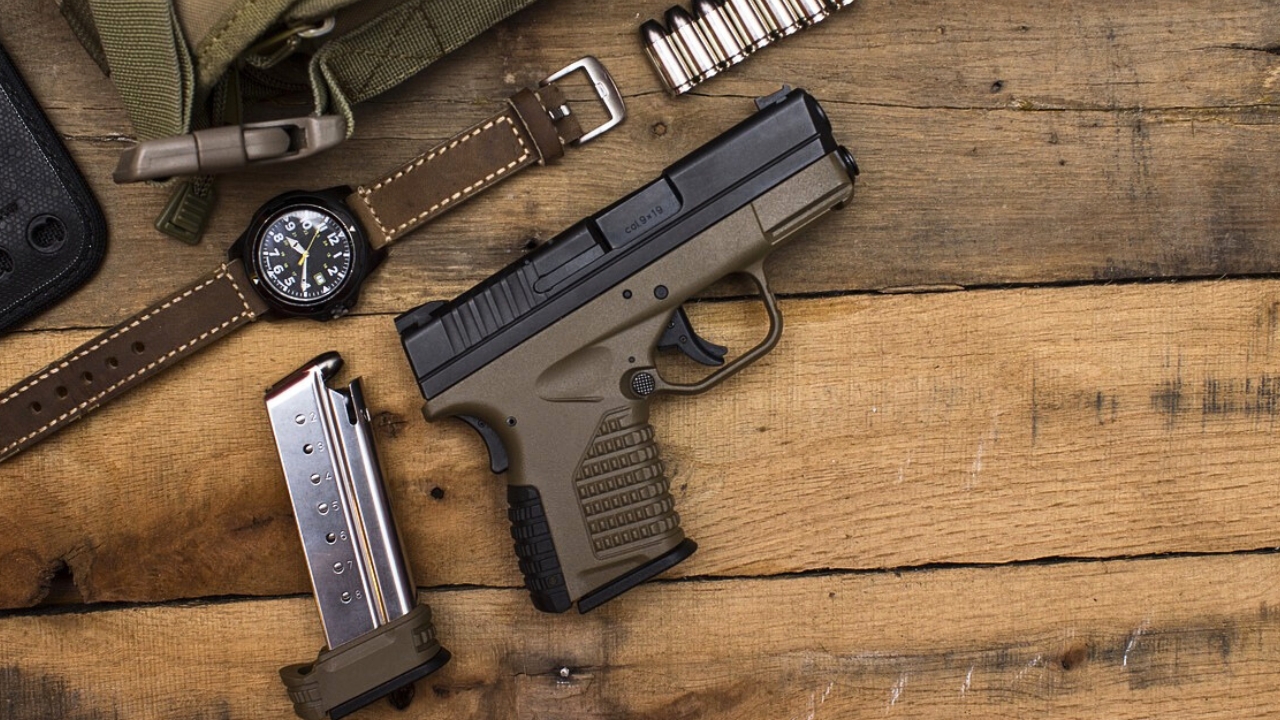
The XD-S got praised heavily because it arrived during the rush for slim carry pistols and seemed to offer a practical answer at the right moment. Buyers who liked the XD family were happy to have something smaller and more carry-focused, and that built a lot of good will around the pistol.
That good will has outlasted some of the gun’s actual standing. The category around it got better, and the XD-S stopped feeling especially fresh a while ago. Even so, people still praise it like it remains one of the default smart buys in that lane. That feels less like honest current evaluation and more like old approval still running on autopilot.
Beretta 84FS Cheetah
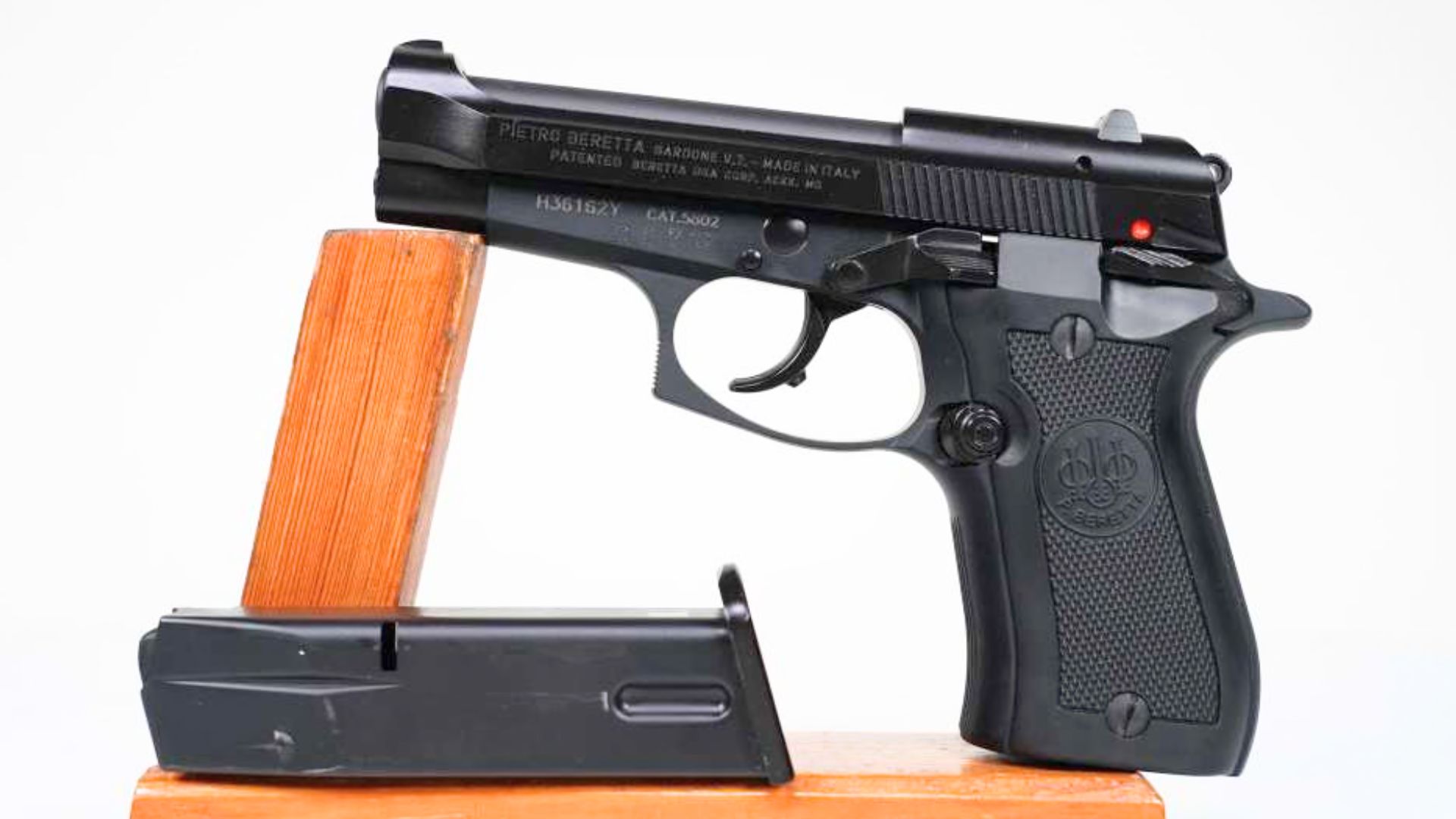
The 84FS keeps getting praised because it is classy, soft-shooting, and tied to a time when .380 pistols often felt rougher and less enjoyable than they do now. Older shooters who spent time around them still speak warmly about the platform, and that warmth easily turns into recommendation.
But a lot of that praise skips over how much the market changed. Modern .380 options now offer different tradeoffs that many buyers prefer, and the old “this is one of the nicest .380s you can own” line does not land quite the same once you step back and compare honestly. The pistol still has charm. It just gets praised more automatically than it gets judged fresh.
Ruger SR9c

The SR9c earned praise as a practical value pistol that made sense for buyers who wanted decent capacity and a carry-friendly format without spending more than they had to. It felt like one of those sensible recommendations people could throw out confidently to budget-minded shoppers. That reputation held on longer than you might expect.
Now a lot of the praise sounds inherited. The carry market changed, budget options shifted, and newer pistols made the SR9c feel more like an artifact of an earlier moment. Still, some shooters keep speaking about it as if it remains one of the smartest compact buys available. That confidence sounds a lot more habitual than current.
Glock 43

The Glock 43 still gets praised like it remains the default slim carry answer, and that tells you how strong habit can be in gun culture. It made sense when it launched. It gave Glock loyalists a truly slim option, and the brand reputation did the rest. A lot of buyers took one look and decided the decision was already made for them.
The honesty problem is simple: the category moved on. Higher-capacity micro-compacts changed expectations, and buyers no longer need to settle for what the 43 offers just because it says Glock on the slide. Yet it still gets praised with almost reflexive confidence by people who sound like they stopped updating their opinions the day it came out.
Bersa Thunder .380

The Thunder .380 has survived on being approachable, affordable, and familiar for a very long time. A lot of shooters still praise it because they remember it as the budget-friendly pistol that actually felt decent to shoot when a lot of cheap options felt rougher and less trustworthy. That history matters, but it also creates inertia.
Now the pistol often gets praised out of tradition more than honest enthusiasm. The market has more options, better options in some cases, and more specialized choices depending on what the buyer actually wants. Yet the Thunder keeps getting mentioned like an automatic safe bet. That sort of recommendation often says more about how long the speaker has been saying it than how carefully they have revisited it.
Colt Mustang

The Mustang gets praised because it helped define a certain kind of small carry appeal. It has the Colt name, the little metal-frame charm, and the sort of reputation that makes it easy for people to keep recommending it long after the market around it changes. It still sounds good in conversation.
That does not always mean it still deserves the same place in the hierarchy. A lot of the praise now feels rooted in what the Mustang represented rather than how it truly compares today. People like the idea of recommending it because it sounds tasteful and classic. That is not always the same as being the most honest recommendation.
PK380
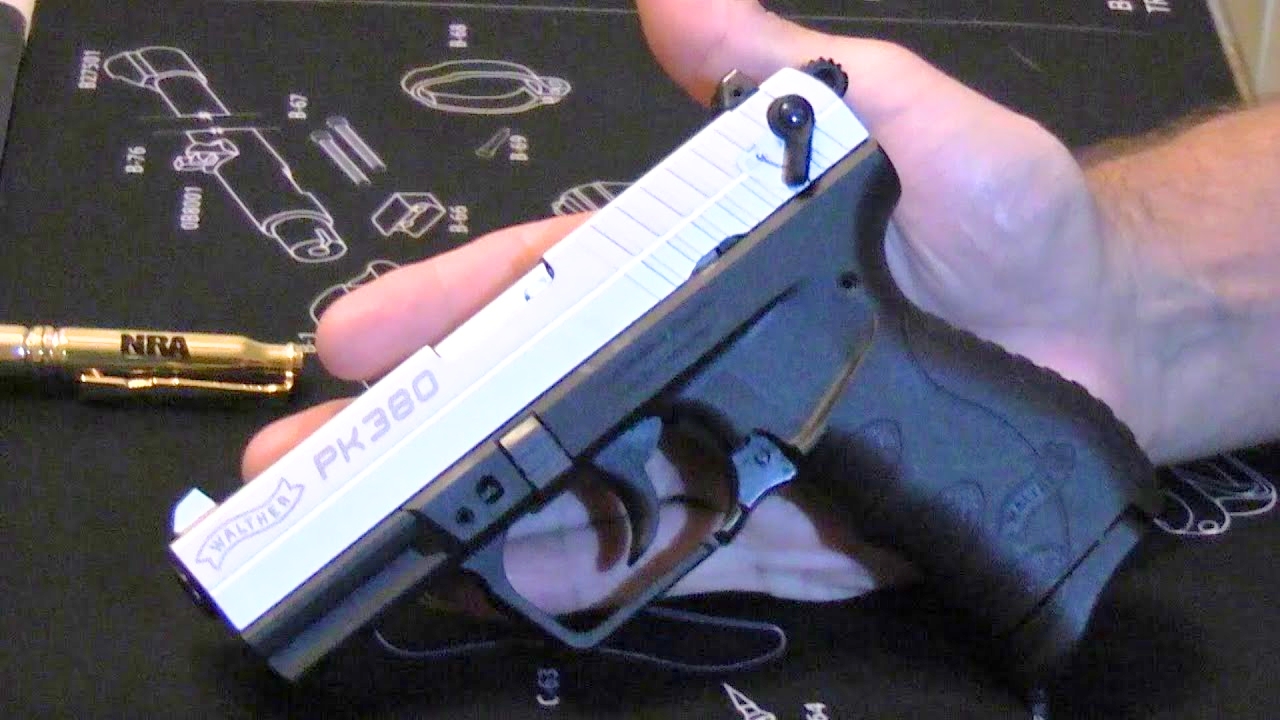
The PK380 still gets praised by people who remember it as an easy-to-rack, softer-feeling answer for shooters who wanted something approachable. That role gave it a lot of goodwill, and for some people that goodwill never really faded. It became one of those pistols that got recommended almost as a reflex when someone mentioned recoil sensitivity or hand strength.
The problem is that the recommendation often sounds frozen in time. Easier-to-handle pistols are not unique anymore, and the overall package no longer stands out the way it once did. Yet people still speak about the PK380 like it remains an obvious go-to. That kind of praise feels much more like old habit than clear-eyed honesty.
Like The Avid Outdoorsman’s content? Subscribe to our newsletter so you never miss an article.
Here’s more from us: