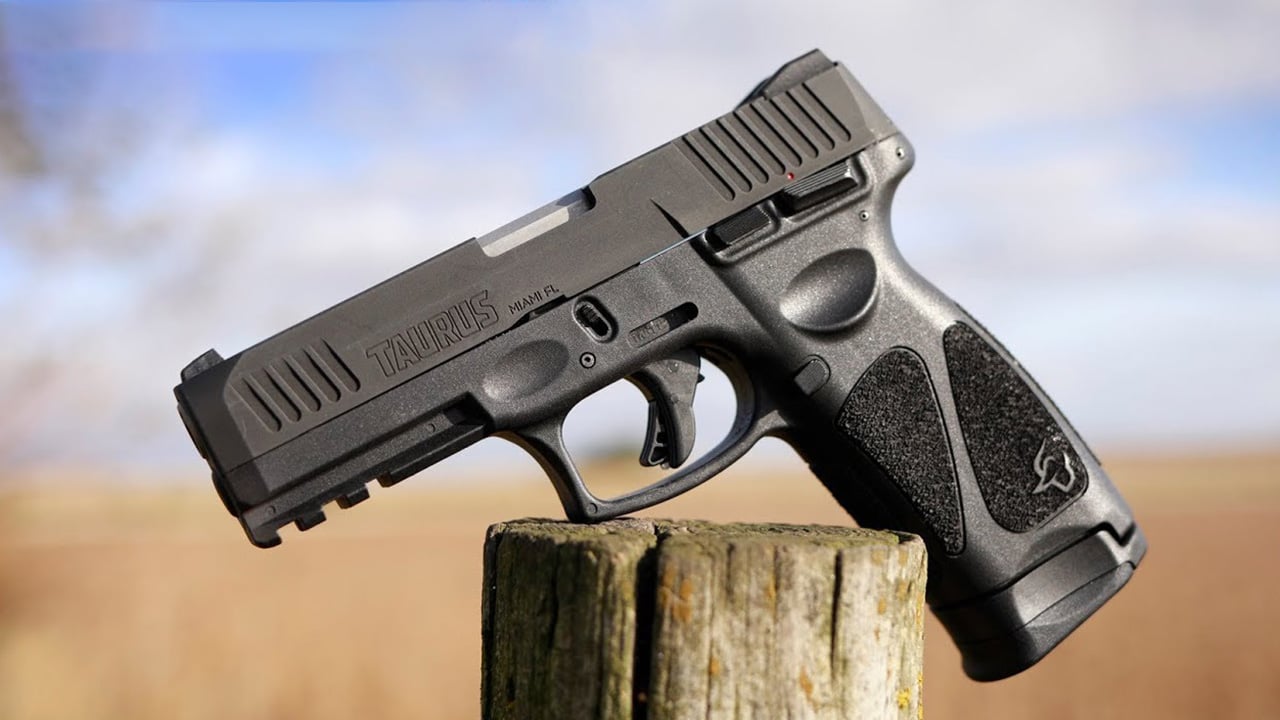
Photo credit: Honest Outlaw/Youtube
You can feel a cheap pistol before you ever fire it. The slide feels like it’s riding on sand. The trigger stacks and drags. The magazines rattle, the sights look like an afterthought, and the whole thing has that hollow “toy” vibe when you tap it on the counter. There’s nothing wrong with buying affordable gear, but there’s a difference between “budget” and “built to a price point that shows.”
Here are 20 modern handguns that tend to give that cheap impression for a reason. Some of them run better than their reputation. Some of them don’t. Either way, these are the ones I see come up again and again when folks realize the deal they got wasn’t exactly a steal.
1. SCCY CPX-2

The CPX-2 is the poster child for “it was on sale, so I grabbed it.” In the hand, it’s bulky for the capacity, the trigger is long and spongy, and the overall finish feels more like a tool-bin special than a carry gun you’d bet your life on.
Plenty of them will run with decent ammo, but the little stuff annoys you over time: gritty pull, small controls, and magazines that don’t feel as confidence-inspiring as the mainstream options. If you carry one, you’re going to want real range time with your exact mags, not a couple of “looks good” function checks.
2. Taurus G2C

This one is everywhere because it’s cheap and it usually goes bang. The “usually” is what keeps it on this list. The polymer can feel a little slick and hollow, and the trigger has that mushy wall that makes new shooters snatch shots low-left.
When they’re good, they’re fine for a glovebox or a tackle-box sidearm on private ground where you’re not worried about sweat and mud. But if it’s going to be your daily carry, I’d rather see you with something that has more consistent QC and better parts support.
3. Taurus G3
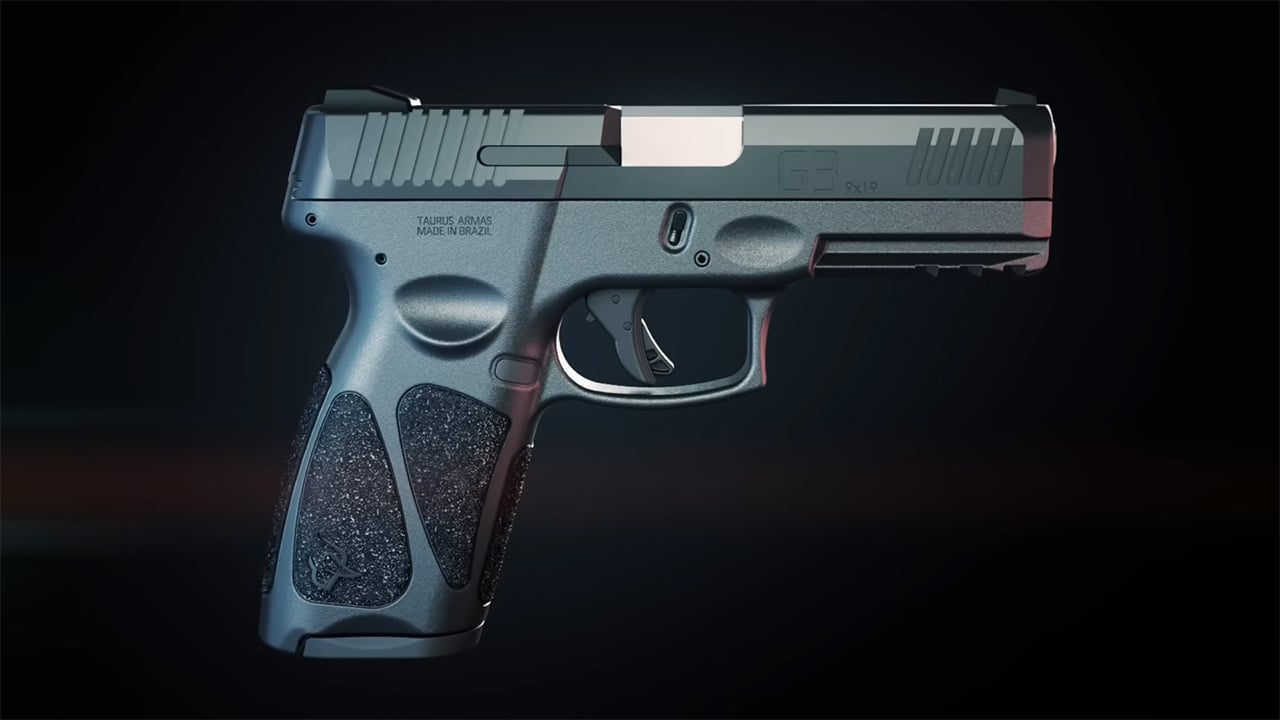
The G3 is a step in the right direction from earlier Taurus eras, but it still has that “budget duty pistol” feel. Slide finish wears quick, the sights are basic, and the trigger can be hit-or-miss from gun to gun.
It’s also a gun that makes folks overconfident because it looks like a service pistol. If you buy one, run it hard before you trust it. A couple hundred rounds and a few different magazines will tell you more than any internet argument.
4. Taurus PT111 Millennium G2
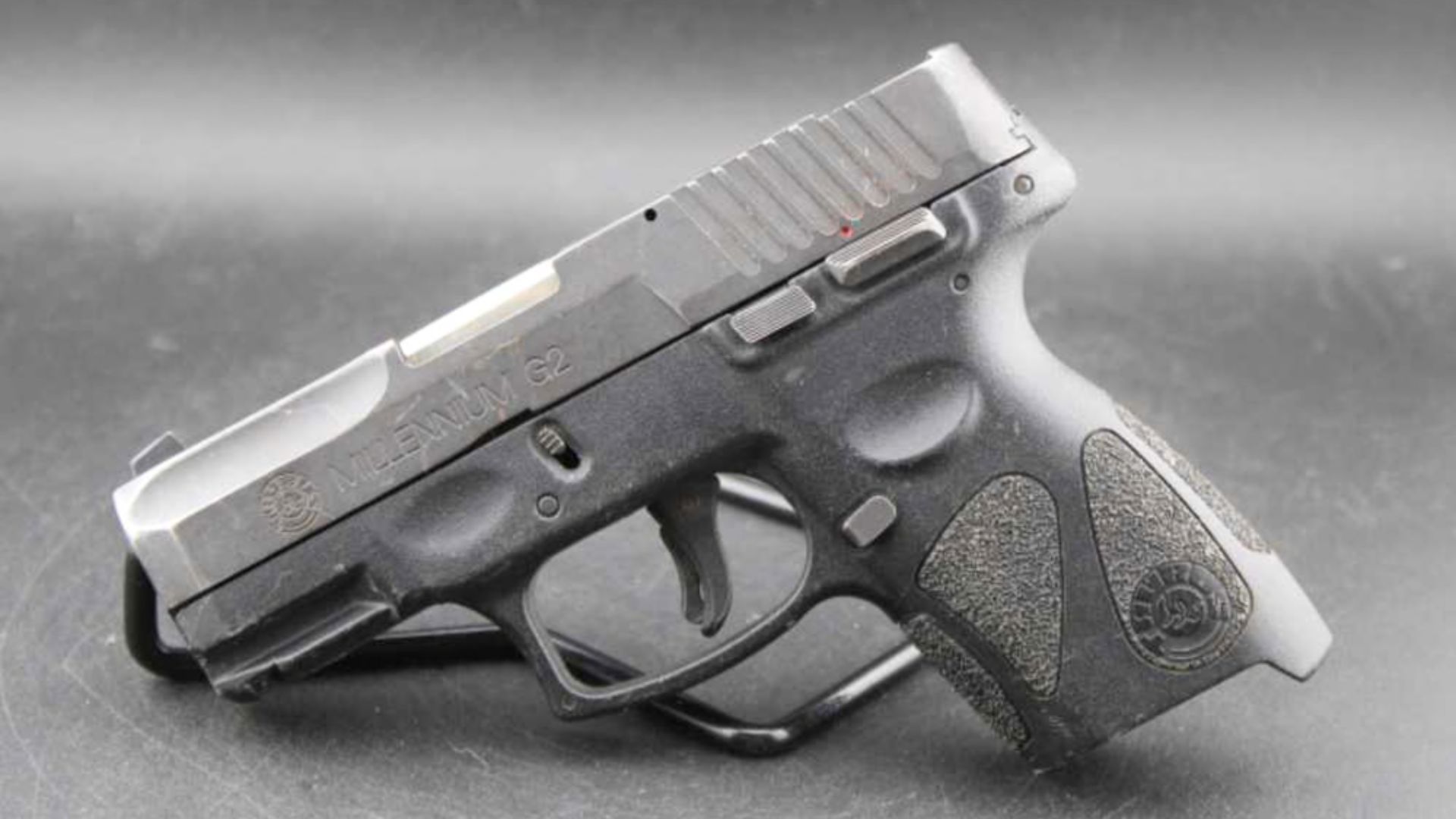
You’ll still see these floating around used cases, and they feel like it. The grip texture is odd, the trigger feel is all over the place, and the overall package screams “older budget design.”
Some owners get decent reliability, others don’t, and that spread is the issue. A defensive pistol shouldn’t be a coin flip. If you already have one that runs, I get keeping it, but I wouldn’t chase one now.
5. Taurus TX22 (standard model)
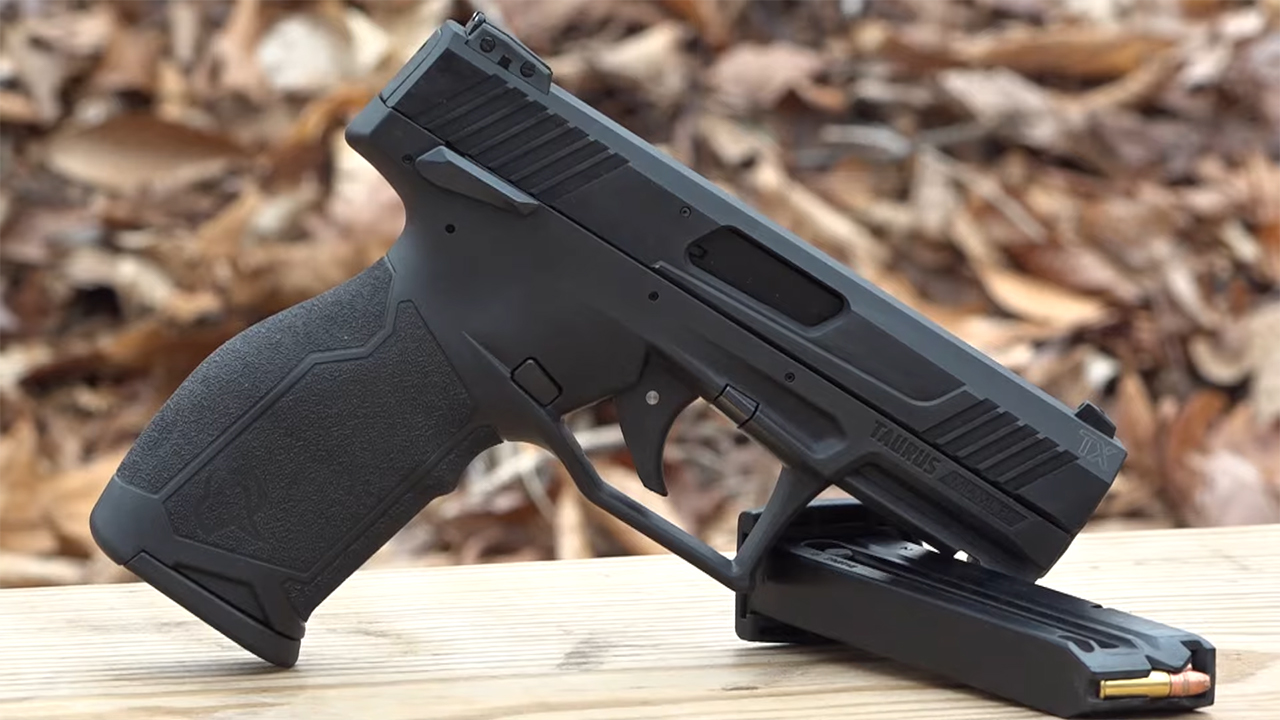
I’m going to be fair here: the TX22 can be a fun .22 pistol and it’s affordable. But it still feels cheap in the slide and controls, and the finish doesn’t feel like it wants to live in a range bag for ten years.
.22s are training guns for most of us, and training means high round counts. That’s where the “cheap” feeling shows up fast. Keep it clean, use decent ammo, and don’t be shocked when small parts and magazines become the real cost.
6. Hi-Point C9
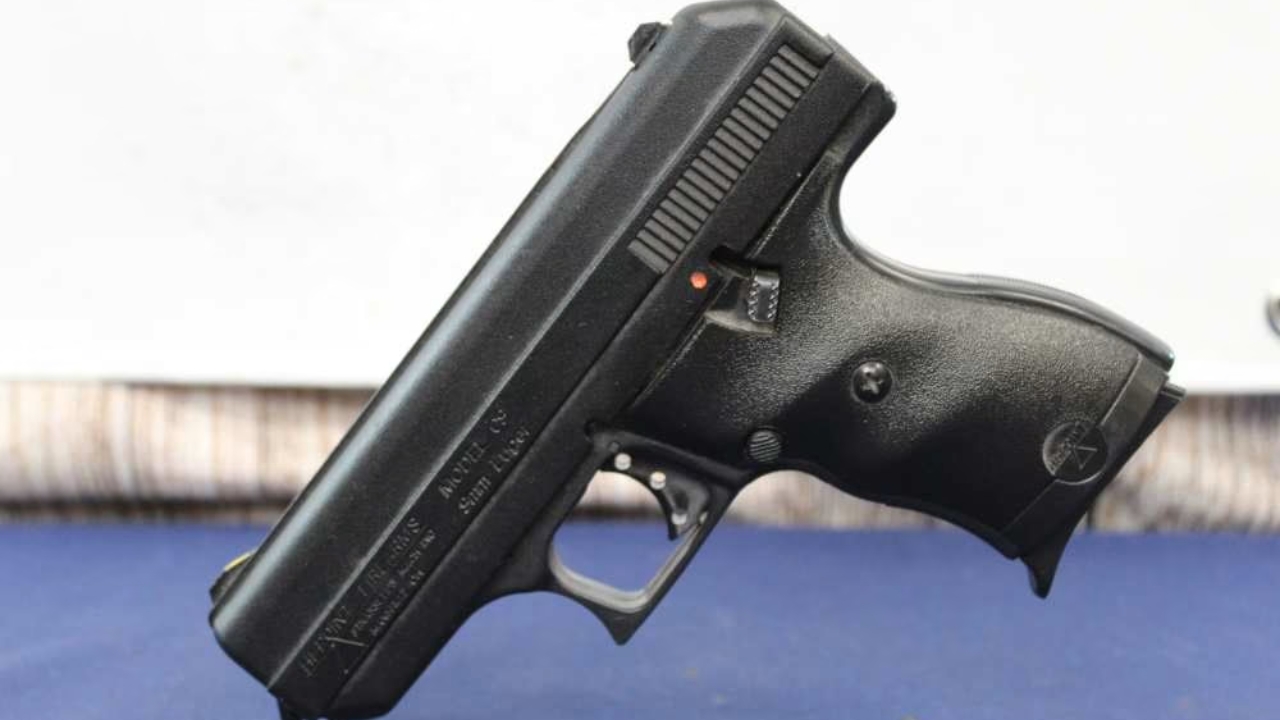
If you’ve ever held one, you know. It’s top-heavy, clunky, and the slide looks like a brick someone machined a breechface into. The grips and controls feel like an afterthought, because the whole pistol is built around being as inexpensive as possible.
And here’s the part that annoys people: a lot of them actually run. They’re ugly, heavy, and not something you enjoy carrying, but they can be surprisingly stubborn about functioning. Still, “it works” isn’t the same thing as “it feels like quality.”
7. Hi-Point CF380

The .380 version keeps the same vibe: chunky, awkward, and cheap-feeling from muzzle to backstrap. It’s also the kind of gun folks buy thinking .380 will be soft-shooting, then they realize the ergonomics matter more than the caliber label.
As a house gun for someone on a strict budget, I understand the logic. As a carry gun, it’s hard to recommend because size and weight are the whole point of .380 in the first place.
8. Heritage Manufacturing Rough Rider (22 LR)
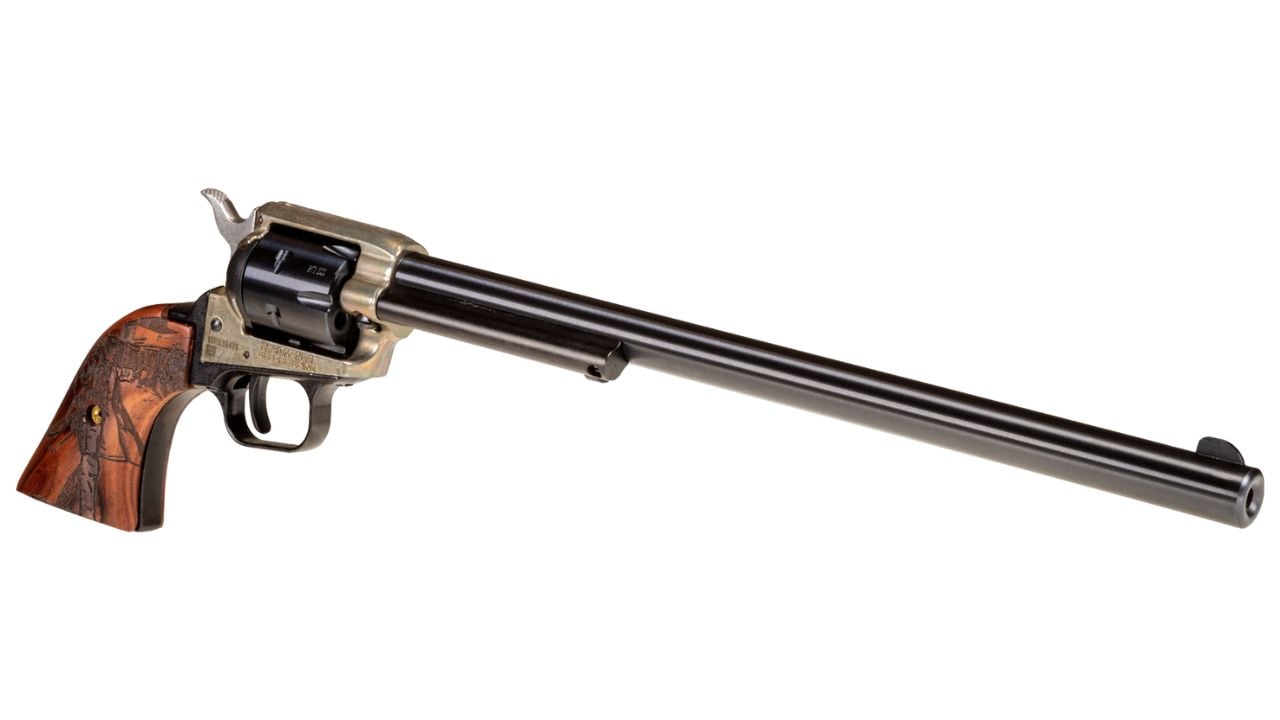
It’s a modern production single-action revolver that hits a price point, and it shows. The fit is rough, the finish can look thin, and the action can feel like it’s full of gravel compared to nicer revolvers.
But it’s also a “knock-around” kit gun for a lot of folks, and that’s where it makes sense. If it lives in the truck for dispatching pests on a farm, you can forgive a lot. Just don’t confuse “cheap fun” with “heirloom revolver.”
9. Heritage Rough Rider (22 WMR cylinder combo)
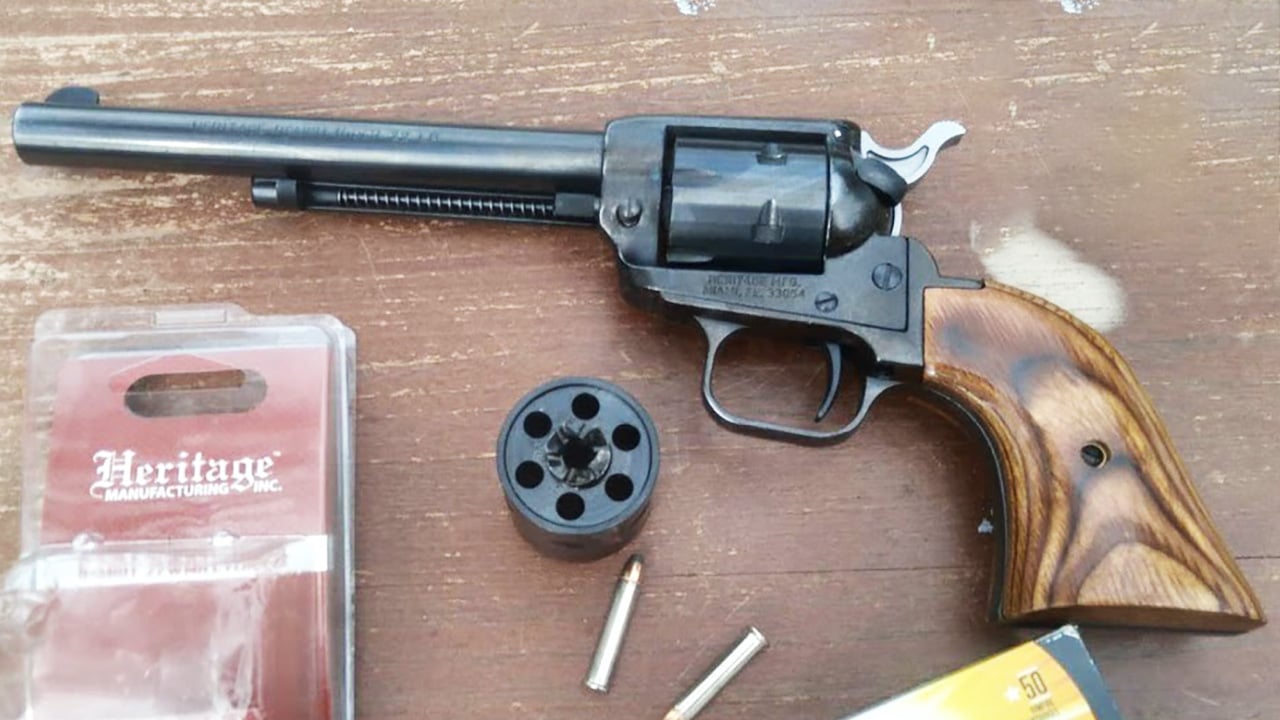
The combo-cylinder sets sell because they sound versatile, and they are, but they still feel like a budget revolver with an extra part. The cylinder swap isn’t hard, but tolerances and timing matter, and cheap guns don’t always make you feel warm and fuzzy about that.
If you do run .22 Mag in it, pay attention to extraction and consistency. A sticky case in the field is more aggravating than most folks expect, especially when you’re trying to handle varmints quickly and safely.
10. Kel-Tec P-11

The P-11 has been around forever, and it feels like an older design that never cared about being “nice.” The trigger is famously long, the grip is blocky, and the whole gun feels like a utilitarian compromise.
What it did well was capacity in a small-ish package before the current micro-9 boom. Today, it mostly serves as a reminder that we put up with a lot back then because we didn’t have better options at the same size.
11. Kel-Tec PF-9

This one is light, thin, and sharp in the hand. That lightness is why people buy it, and it’s also why it feels cheap when you rack the slide and feel the flex and clack of the whole system.
It can be snappy, too, and snappy guns make shooters limp-wrist them. Then you get malfunctions, and the gun gets blamed. Sometimes it’s the grip, sometimes it’s the pistol, and sometimes it’s both. Ask me how I know.
12. Kel-Tec P-32
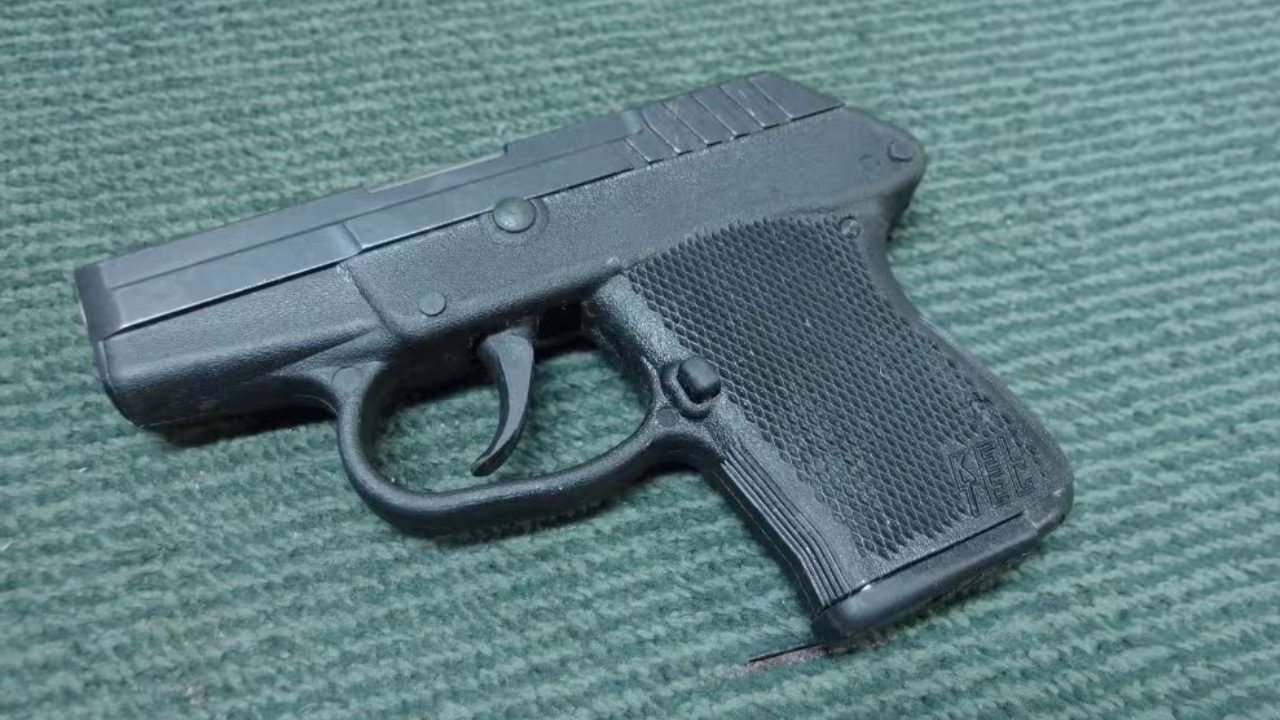
The P-32 is a specialist: ultra-light, tiny, and easy to carry when you really mean “easy.” It also feels like a featherweight pocket tool, not a robust pistol, and that can mess with confidence.
If you keep one, the big thing is testing your carry ammo and making sure your magazines are solid. Small guns are unforgiving. They can be reliable, but they don’t tolerate neglect or sloppy handling the way bigger pistols do.
13. Kel-Tec P-3AT

These sold by the truckload because they were small and cheap when small and cheap was rare. The downside is the fit and finish: rough edges, thin feel, and a trigger that feels more like a staple gun than a pistol.
Recoil isn’t “fun” in these, and folks who never actually practice with it end up carrying something they can’t shoot well. A pocket .380 only makes sense if you can put rounds where they need to go, under pressure, at realistic distances.
14. Diamondback DB9

The DB9 looks slick in pictures. In the hand, a lot of them feel like a bargain micro-9 that cut one corner too many. The grip is small, recoil is sharp, and the overall impression is “thin and twitchy.”
Some examples run fine, others have a history of being picky. When you’re buying a defensive pistol, “picky” is not the word you want attached to it, especially when better-supported micro-compacts exist now.
15. Diamondback DB380

Same story, just in .380. It can feel like a cheap pocket pistol because it is one, and the little details show: sharp edges, basic sights, and a general lack of refinement.
The trouble with tiny .380s is that they’re supposed to be comforting. When the gun feels like it might not hold up, you stop wanting to carry it, and then what did you really buy?
16. Phoenix Arms HP22A
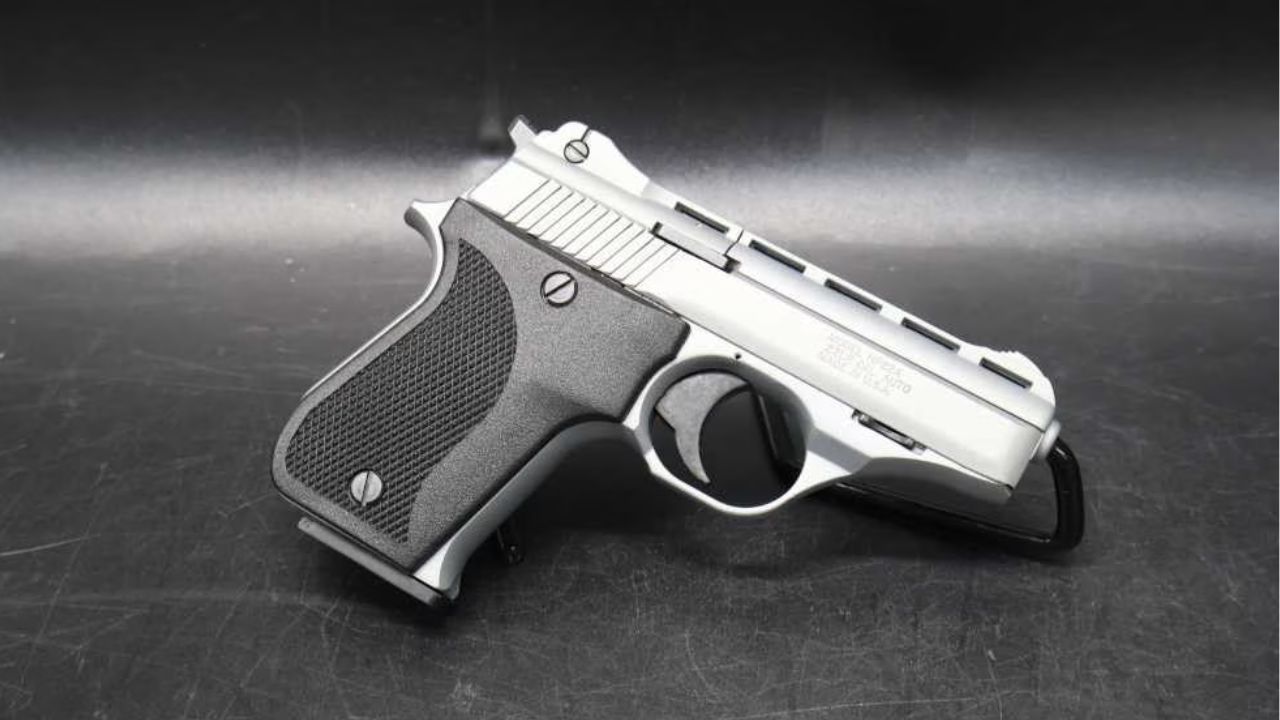
This is the kind of .22 pistol you see bought as a “range toy” and then sold a month later. The slide and controls feel small and flimsy, and the whole gun has that pot-metal reputation for a reason.
Some folks make them run, but you spend your time fighting little annoyances instead of shooting. A .22 is supposed to be your cheap practice machine. If the gun itself creates drama, it defeats the purpose.
17. Cobra Enterprises CB380
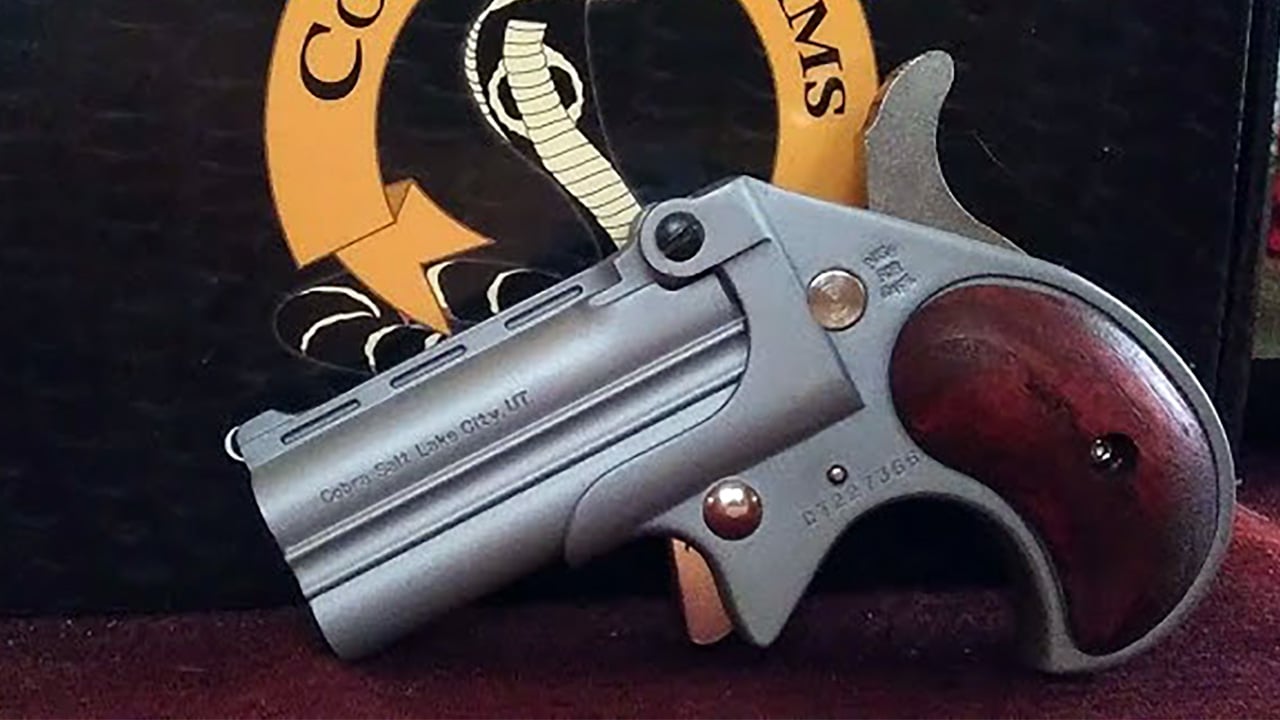
Cheap .380 pistols tend to have two problems: harsh recoil for the size and questionable long-term durability. The CB380 falls into that general category, and it feels like it was built to be inexpensive first and everything else second.
If you stumble into one used, treat it like a curiosity until it proves itself on the range. And even then, I’d keep it as a backup to the backup, not the main plan.
18. EAA Girsan MC14T (tip-up barrel)
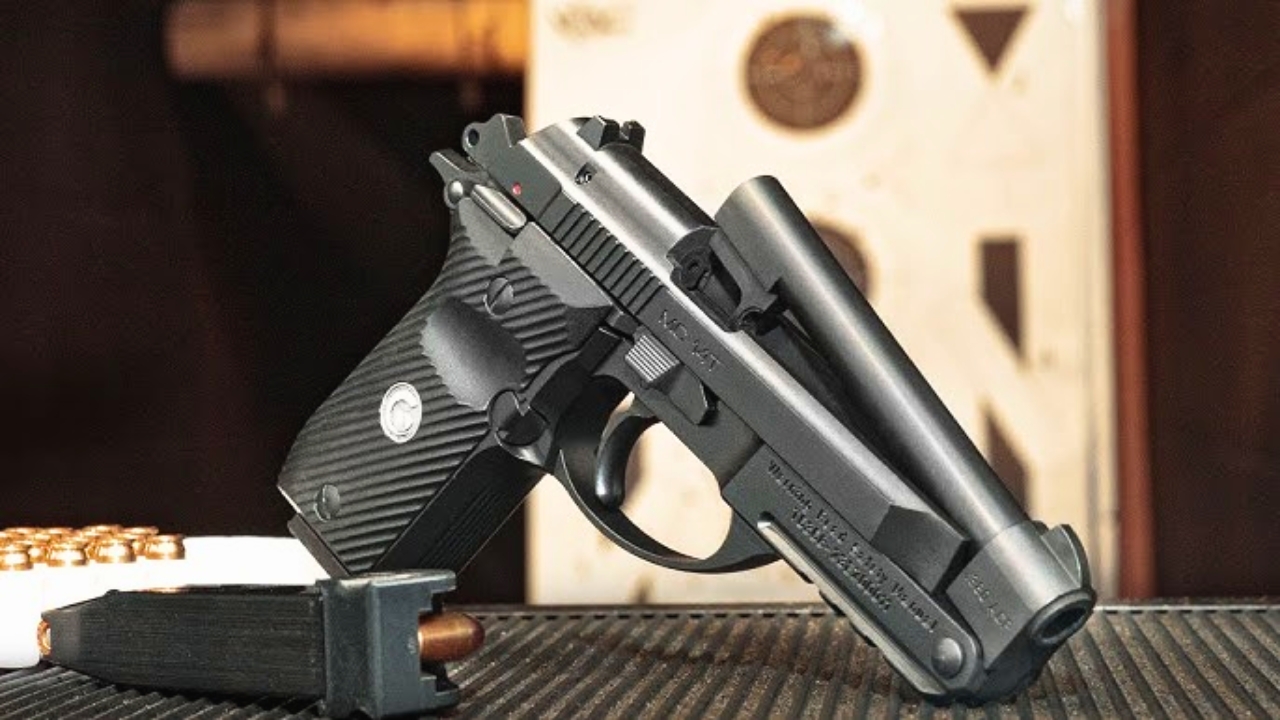
I actually understand why these appeal to folks with weak hands. The tip-up barrel is handy, and as a concept it’s great. But the overall gun can still feel “budget-Bersa/Beretta-ish” in the action and controls.
Where it can bite you is parts and magazine availability compared to big-name platforms. If you’re buying something because it solves a real problem for you, make sure you can keep it running without going on a scavenger hunt.
19. Stoeger STR-9
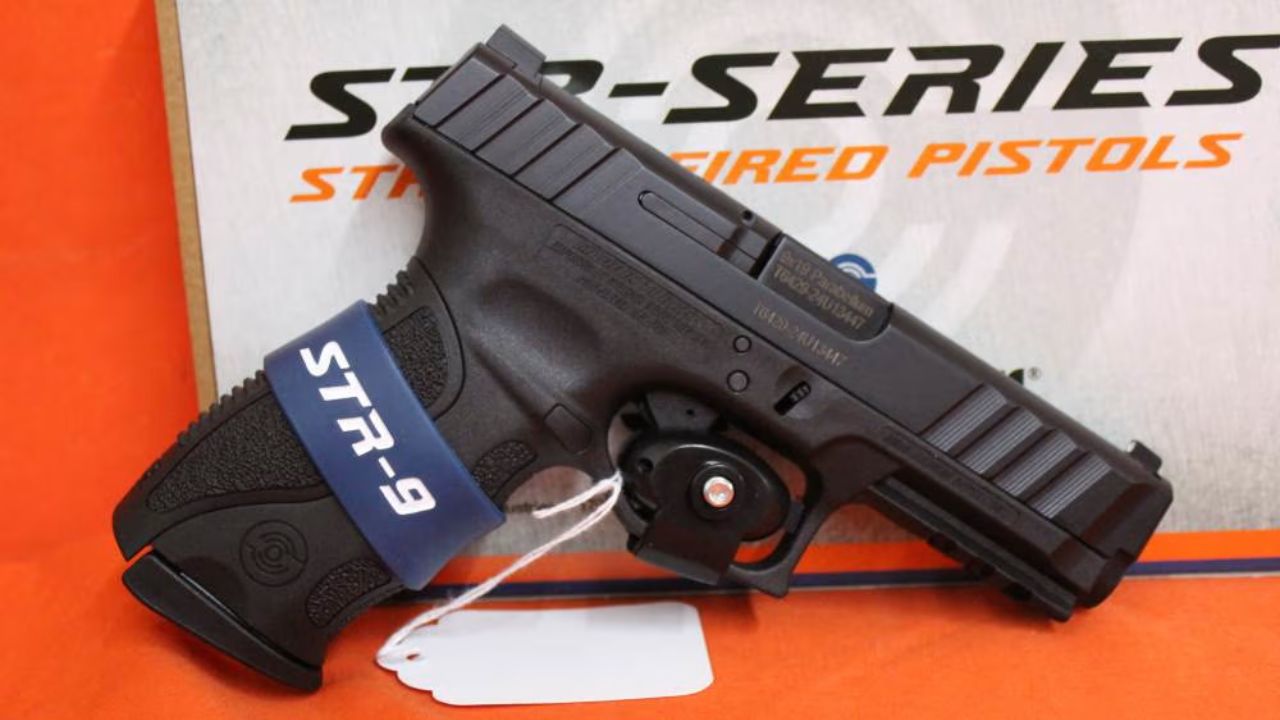
The STR-9 looks like a value-priced striker pistol, and it is. In the hand, the texture and controls can feel a little bland, and the trigger isn’t going to impress anyone who’s spoiled on nicer guns.
But I’ll say this: some of these are better shooters than folks expect. The “cheap” feel is often about refinement, not whether it works. If you get a good one, it can be a solid budget nightstand gun with affordable magazines and decent support.
20. Canik TP9 (early/entry models)
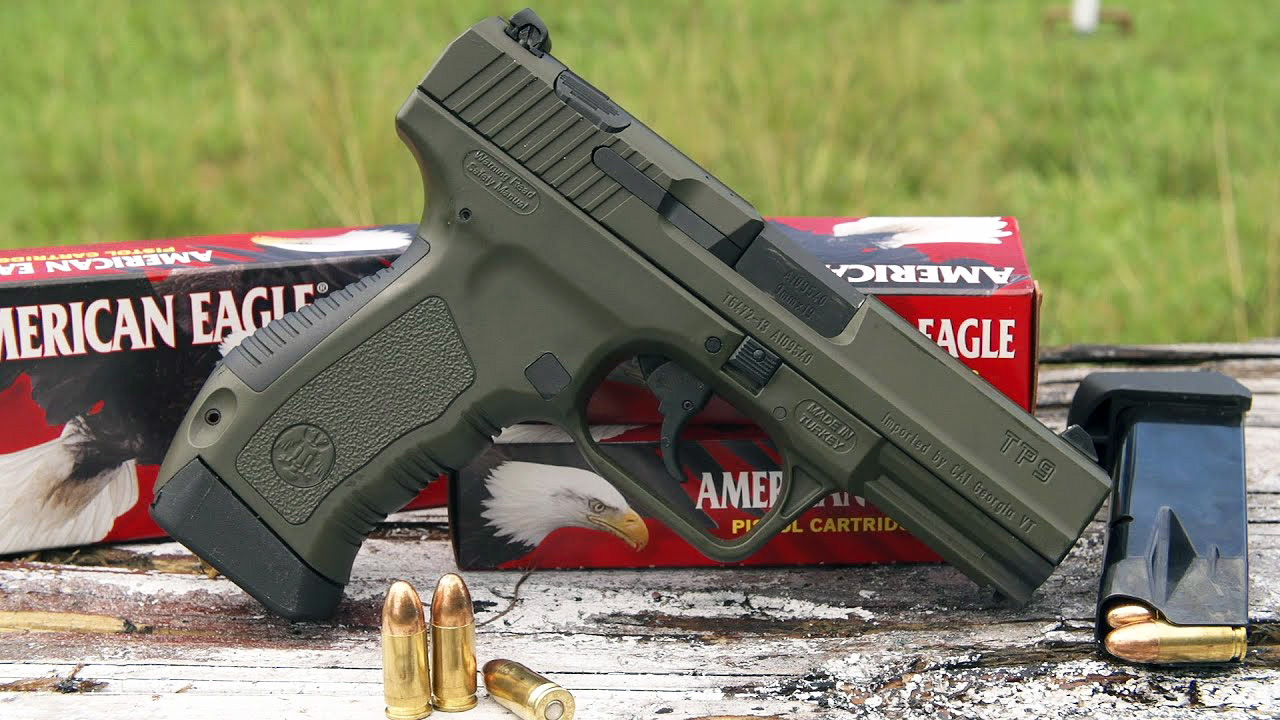
Canik has built a reputation for value, but some of the earlier or lower-end TP9 variants still give off that “budget build” feel in the finish and small parts. The frame can feel a bit plasticky, and some examples have controls that feel softer than you’d like.
That said, plenty of Caniks shoot well for the money. The cheap feeling doesn’t always match performance, and that’s why they’ve sold so many. Just don’t confuse a great price with a duty-grade build if you’re planning to run it hard, year after year.
None of this is meant to shame anybody for buying what they can afford. I’ve carried budget gear, hunted in bargain boots, and learned the hard way that “good enough” sometimes is. The point is to be honest about what you’re holding, test it like it matters, and remember that the cheapest pistol on the shelf can get real expensive if it’s the one that quits when you need it most.
Like The Avid Outdoorsman’s content? Subscribe to our newsletter so you never miss an article.
Here’s more from us: