Photo credit: Honest Outlaw/Youtube
I have owned a few pistols that made perfect sense in my head. The spec sheet read like a wish list, the marketing sounded like it was written by someone who actually carries a gun, and the price tag made me feel smart for once. Then you get to the range, or you try to live with it on a belt for two weeks, and the shine comes off fast.
Some of these handguns failed because they were rushed. Some failed because they tried to solve a problem that didn’t exist. And a few failed because they were “innovative” in ways that made them miserable to shoot, hard to maintain, or just plain unreliable. Here are 20 pistols that looked great on paper and disappointed the moment real-world use showed up.
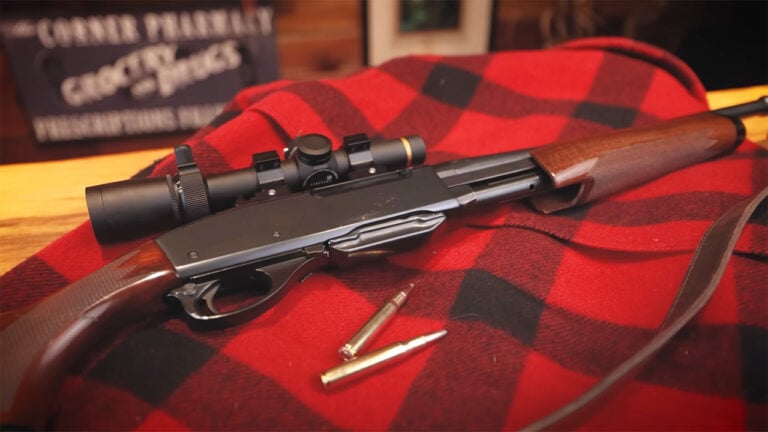
1. Remington R51 (Gen 1)
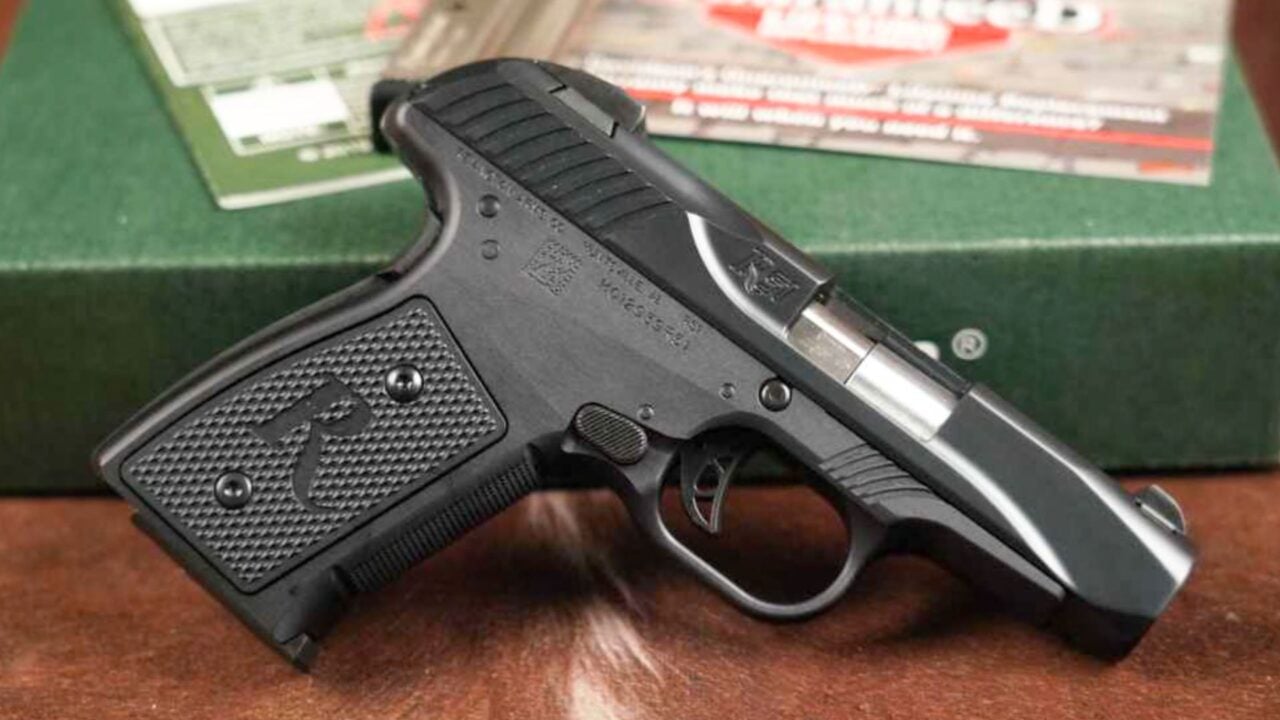
This one hurt because the concept wasn’t crazy: slim, flat, decent capacity, and a “different” action that was supposed to tame recoil. On paper it sounded like a modern carry pistol that didn’t feel like a brick.
In reality, the early guns had a reputation for being picky, rough, and inconsistent. I remember handling one where the controls felt like they were fighting you. When a carry gun makes you question it on the bench, it has already lost.
2. Taurus Curve
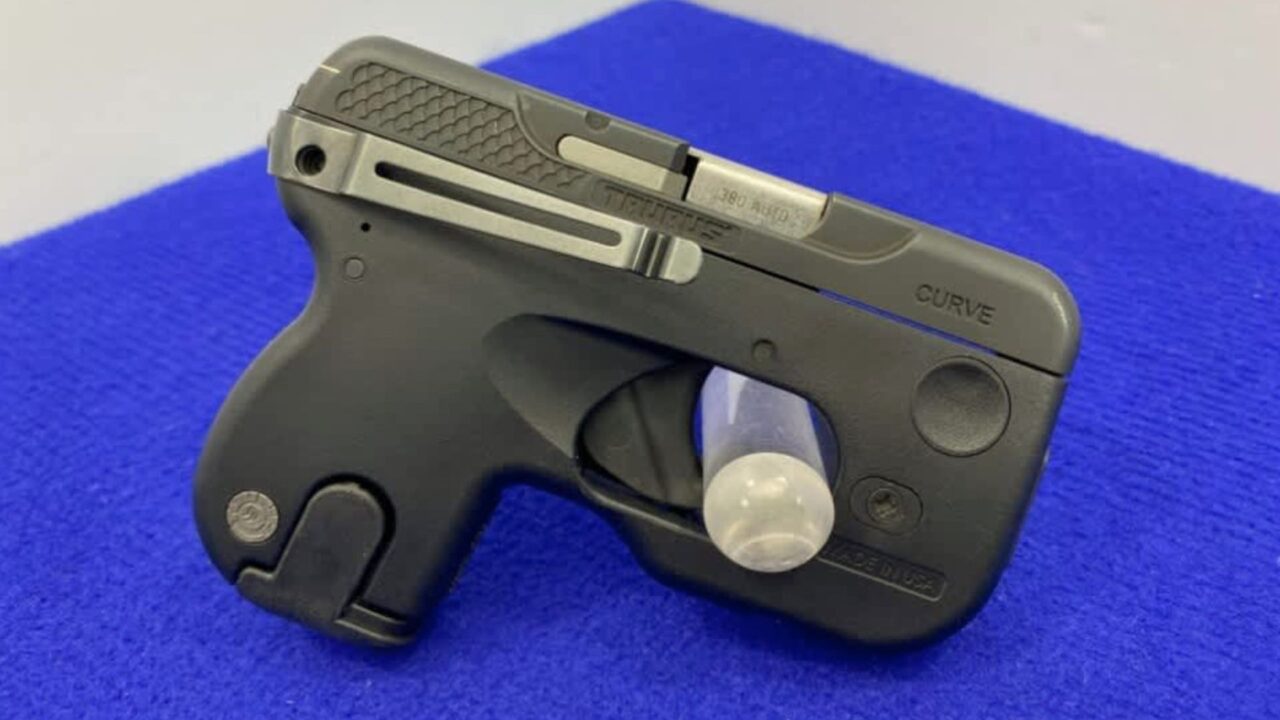
The curved frame and built-in light/laser setup looked like the future to a lot of folks who wanted effortless concealment. It also photographed well, which is not nothing in the gun world.
But the odd shape created odd compromises. The trigger feel and sighting setup weren’t doing anybody favors, and the whole “pocket-friendly” idea ran headfirst into the reality that you still have to draw and shoot the thing well. A carry pistol that’s hard to shoot is just extra weight.
3. Taurus Judge (short-barrel models)
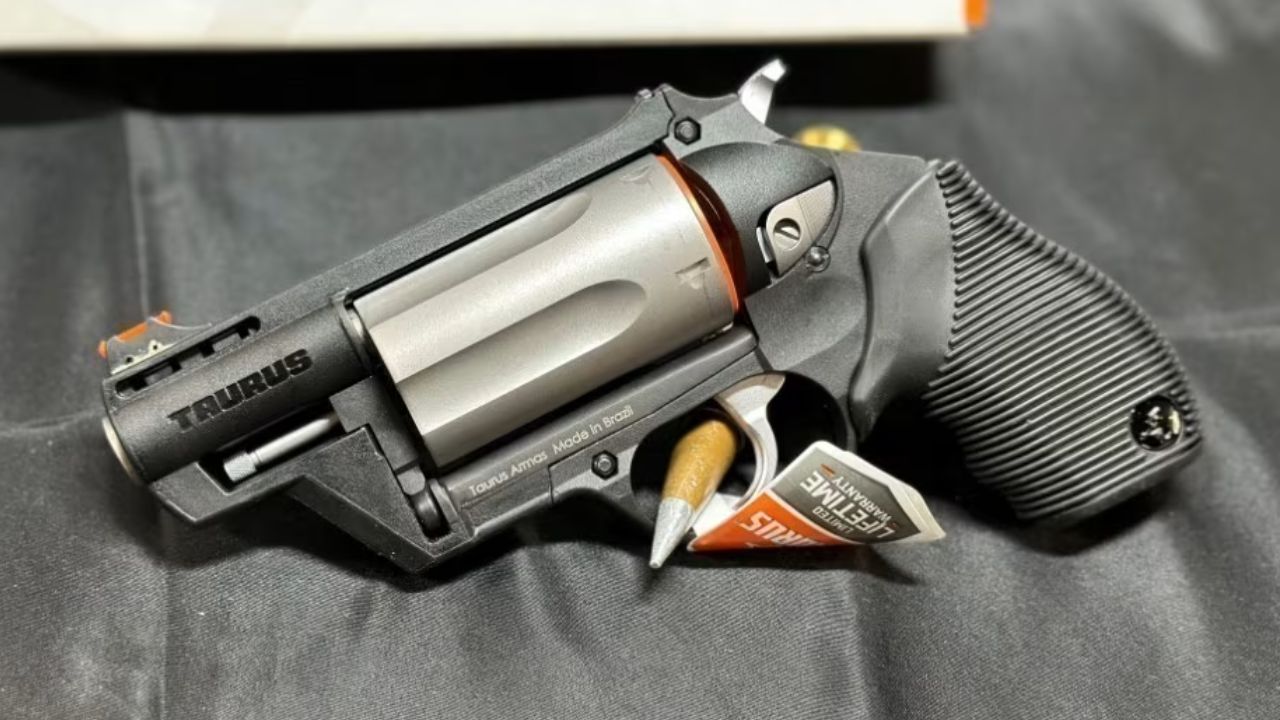
“A revolver that shoots .410 and .45 Colt” is a sentence that sells guns. It sounds like the ultimate truck or trail answer for snakes, varmints, and everything else you imagine while walking a creek line.
The problem is that short-barrel .410 performance is not magic, and the gun itself is big, heavy, and awkward to actually carry. Plenty of owners end up realizing it’s more of a conversation piece than a tool, and conversation pieces don’t help when you’re sweaty, tired, and two miles from the truck.
4. Kimber Solo
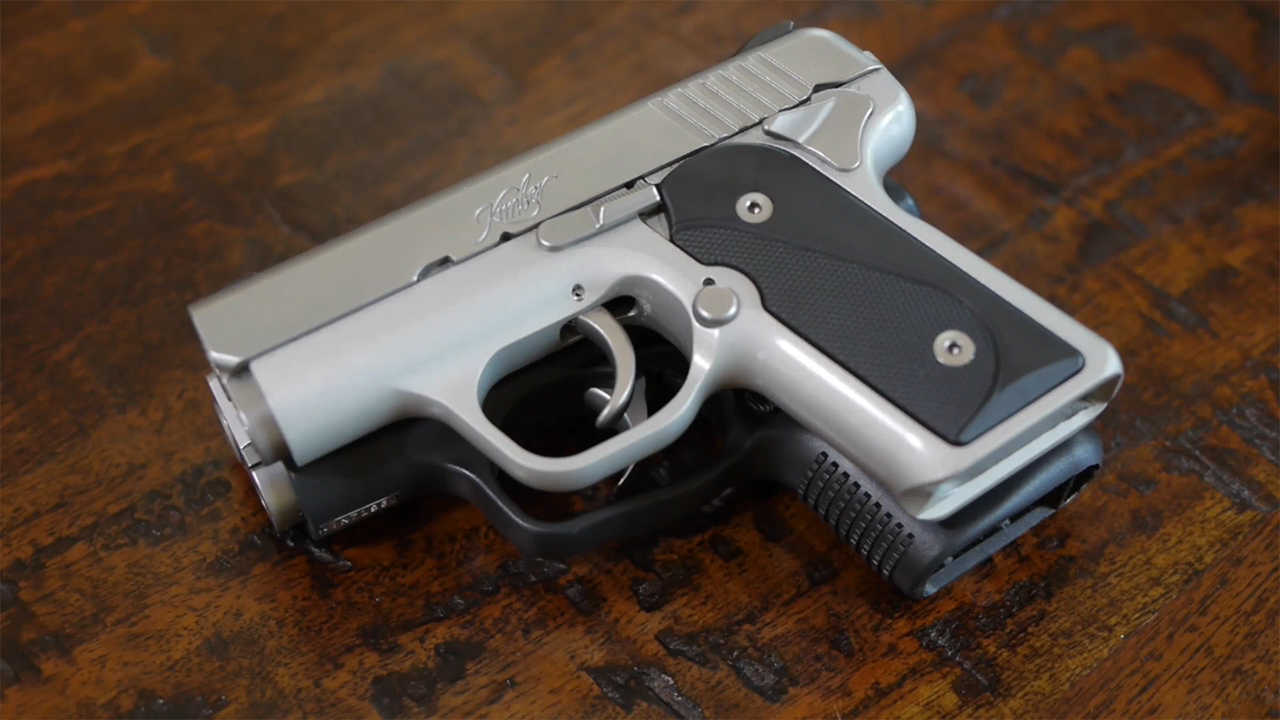
A tiny 9mm from a company known for slick-looking pistols? That’s a recipe for impulse buying. The Solo looked like a premium pocket gun that would shoot like a larger pistol.
What a lot of folks found was ammo sensitivity and finicky behavior. If a pistol requires you to baby it with specific loads just to run right, it stops being a practical carry option for normal people who buy whatever reputable 9mm they can find.
5. Sig Sauer P250

Modular grip sizes, different calibers, simple manual of arms—Sig pitched the P250 like it was the one pistol you could tailor to your life. I get why departments and individuals looked at it hard.
Then you press the trigger. The long, smooth-but-endless pull turned a lot of shooters off, especially when fast, accurate follow-up shots mattered. The gun wasn’t “bad” so much as it was out of step with what people expected from a modern defensive pistol.
6. Beretta Nano

Small 9mms are hard to get right, and the Nano looked like Beretta’s serious entry: snag-free, simple, and built for deep concealment. It seemed like an easy win.
But the early reputation was mixed, and the ergonomics didn’t click for everyone. A pistol that’s small but doesn’t point naturally tends to get left at home, and “left at home” is the ultimate failure for a carry gun.
7. Springfield Armory XD-S (early .45 versions)

A single-stack .45 you could actually conceal sounded like the best of both worlds. Slim, light, and carrying a real caliber that a lot of folks trust.
The reality is that small, light .45s are usually snappy and unpleasant for long practice sessions. Some owners discovered they didn’t want to shoot it enough to stay sharp. If you dread training with it, your skills slide, and that’s not a trade worth making.
8. Glock 42 (for people who wanted a “tiny Glock 9”)
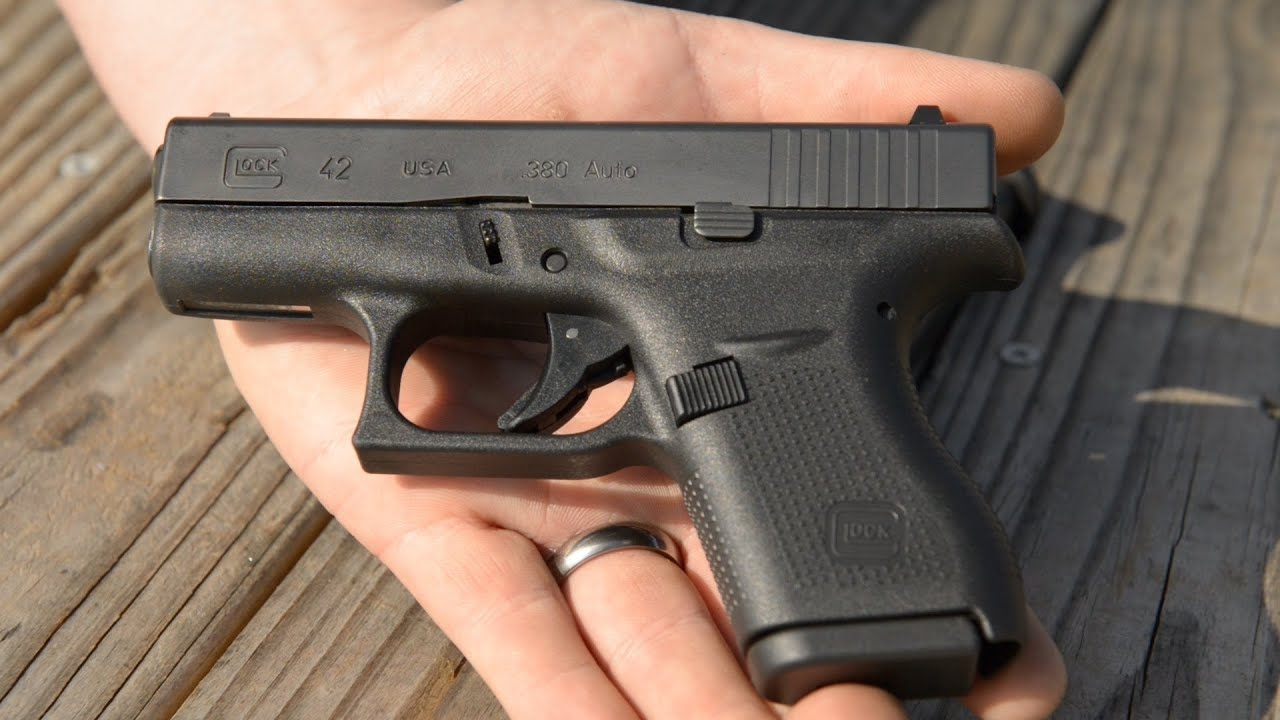
The Glock 42 is not a bad pistol. The disappointment came from expectations. Folks wanted a truly tiny 9mm Glock, and what they got was a .380 that felt great but didn’t match the dream.
Ammo cost and performance arguments aside, a lot of buyers ended up trading them off because they bought with their imagination, not their actual carry needs. If you’re already committed to 9mm logistics, adding a .380 to the mix can feel like extra hassle for not much gain.
9. Glock 44

A .22 LR Glock trainer sounded like the most sensible idea on this whole list. Cheap practice, familiar controls, and something you could run hard without feeding it premium ammo. In theory, it’s a perfect companion gun.
In practice, rimfire is rimfire. Some Glock 44s ran great and some were picky, and the idea of a dead-reliable trainer fell apart for shooters who didn’t want to sort through ammo brands and magazine quirks. When “cheap practice” turns into “diagnose malfunctions,” the fun dries up.
10. Ruger LC9 (original, long trigger)
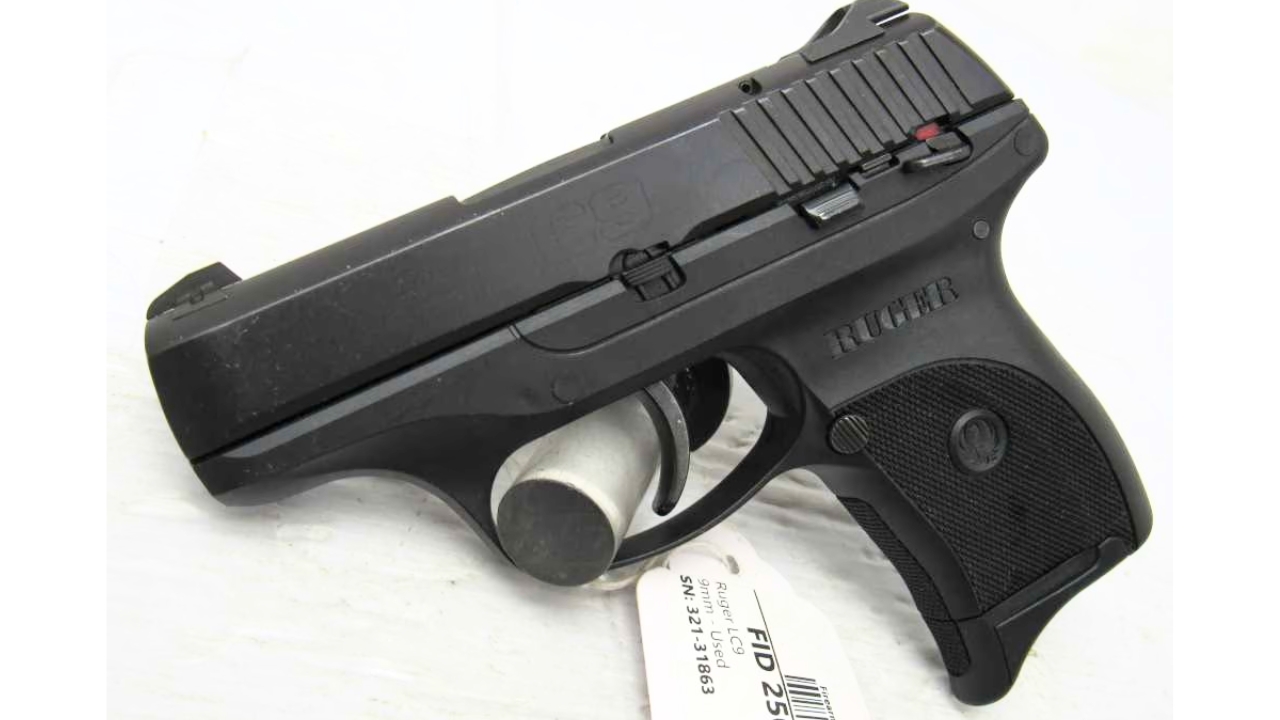
The original LC9 made sense for the time: slim, light, 9mm, and affordable. It carried easily, and Ruger has always been good at making practical guns for real budgets.
That long trigger pull, though, made a lot of good shooters feel clumsy. It was safe, but it wasn’t friendly. Plenty of folks moved on once better triggers and better micro-9 options showed up, and I don’t blame them.
11. Walther PK380
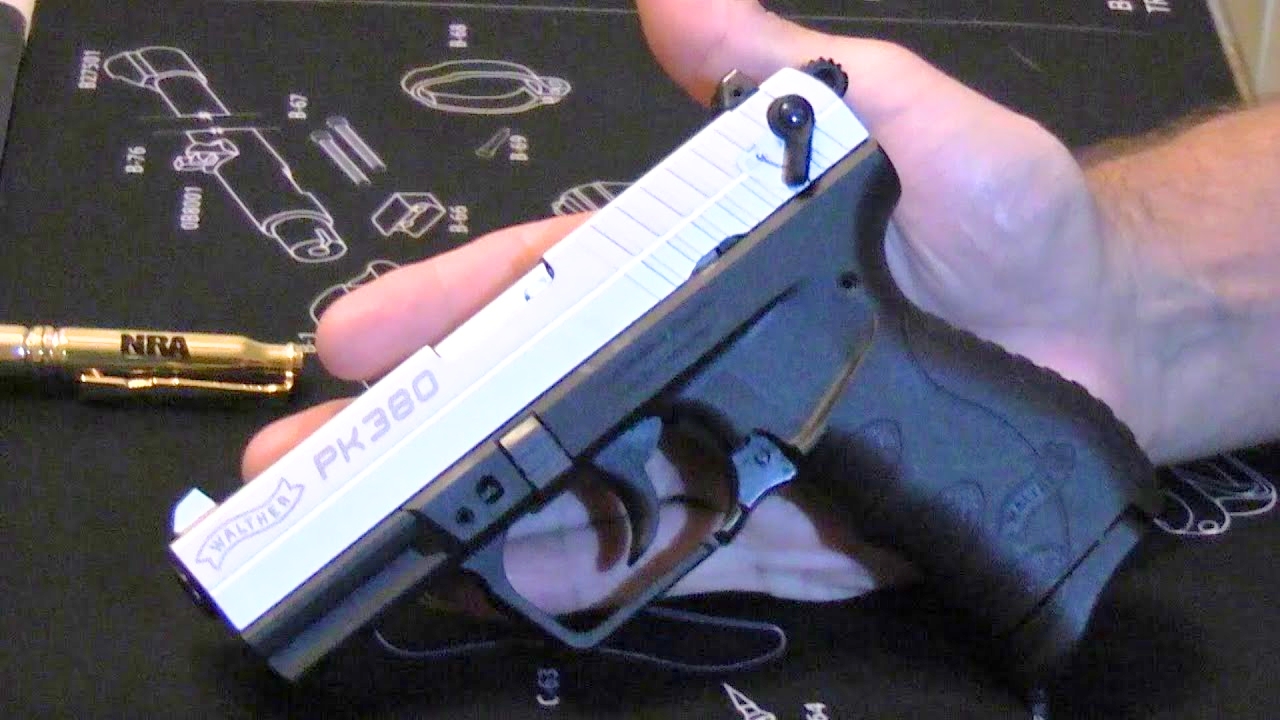
This one gets bought by people trying to avoid recoil, which is an honest goal. The PK380 looks approachable, and the controls feel familiar to anyone used to traditional hammer-fired pistols.
But the gun sits in a weird middle ground: larger than many .380s, yet not offering the shootability or confidence of a compact 9mm. If you’re going to carry something that size, you start asking why it isn’t 9mm, and the PK380 doesn’t always have a good answer.
12. SCCY CPX series (early examples)
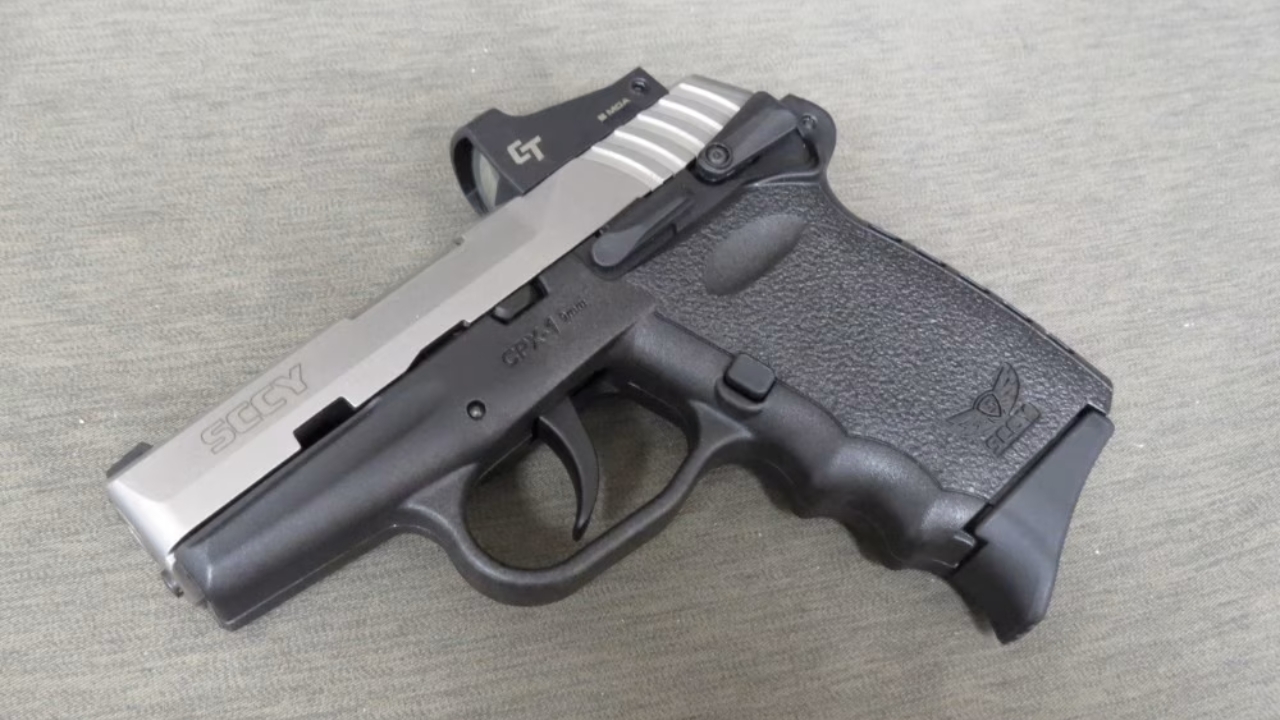
Affordable carry guns are important. Not everybody can drop premium money on a pistol, holster, spare mags, and ammo for practice. SCCY showed up with a price tag that made carrying possible for more folks.
The downside is that the early guns earned a reputation for inconsistency. When you’re on a budget, you need boring reliability more than you need features. If the gun becomes a “will it run today?” question, the low price stops feeling like a win.
13. Kel-Tec PMR-30

Thirty rounds of .22 WMR in a lightweight pistol sounds like a backwoods dream. For pests, camp carry, and plinking, the idea is flat-out fun.
But rimfire magnums can be finicky, and the PMR-30 is famous for being sensitive to loading technique and ammo choice. When a pistol demands more attention than a centerfire just to behave, most folks eventually quit fighting it and grab a boring 9mm or a revolver.
14. Kel-Tec PF-9

The PF-9 was the “thin 9” before thin 9s were everywhere. It carried easy, disappeared under a T-shirt, and was priced for working people. On paper, it checked a lot of boxes.
In the hand, it could be harsh. Light pistols tend to recoil more, and the PF-9 made some shooters flinch their way into mediocre accuracy. A carry gun you can’t shoot well is a compromise that only looks smart at the gun counter.
15. AMT Backup (various calibers)

All stainless, truly compact, and chambered in serious calibers for the size—AMT Backups looked like tough little hideout guns. They had that “built like a tank” appeal.
But plenty of them were rough, heavy-triggered, and not exactly confidence-inspiring. Small guns already demand better technique; pair that with questionable reliability and you’ve got a pistol that ends up living in a drawer instead of on your belt.
16. Colt All American 2000

If you ever want a lesson in how a big name can stumble, this is it. The All American had the kind of hype that only a legendary brand can generate, and the concept sounded modern for its era.
The execution is what people remember, and not in a good way. Clunky feel, odd trigger behavior, and a general sense that it wasn’t finished. It’s the kind of gun that makes you appreciate the plain reliability of the stuff that came after.
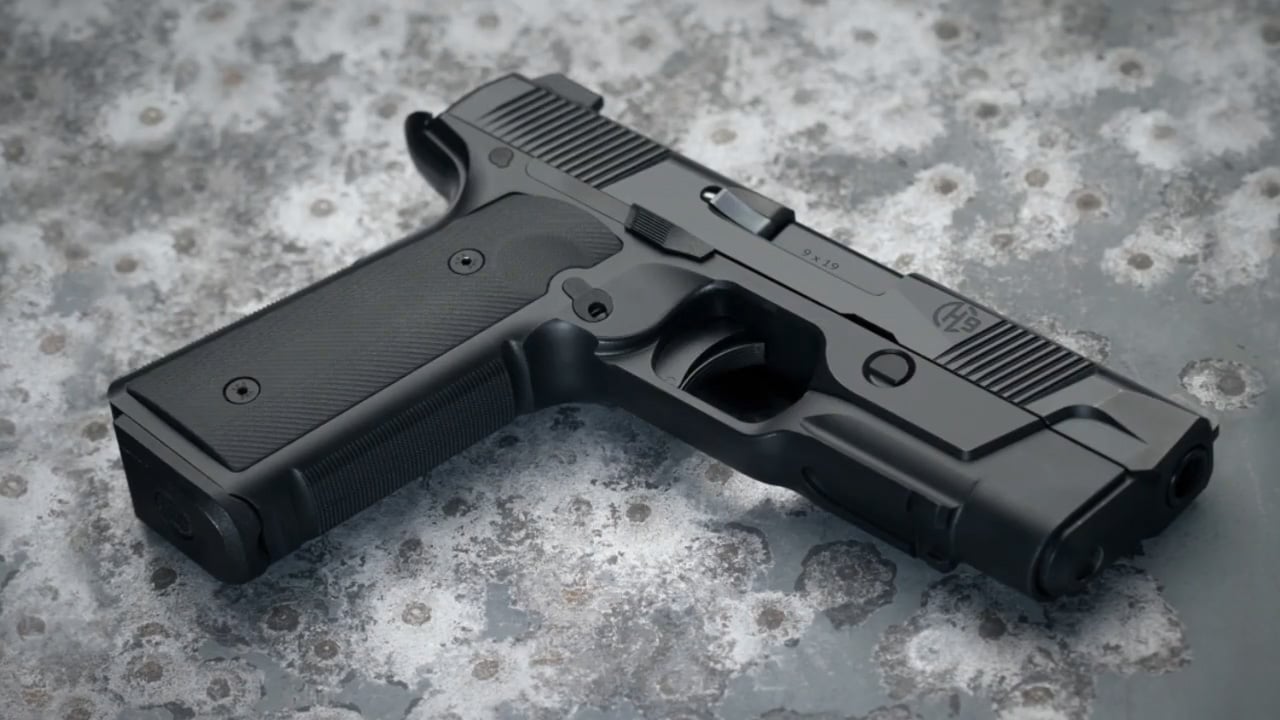
17. Hudson H9
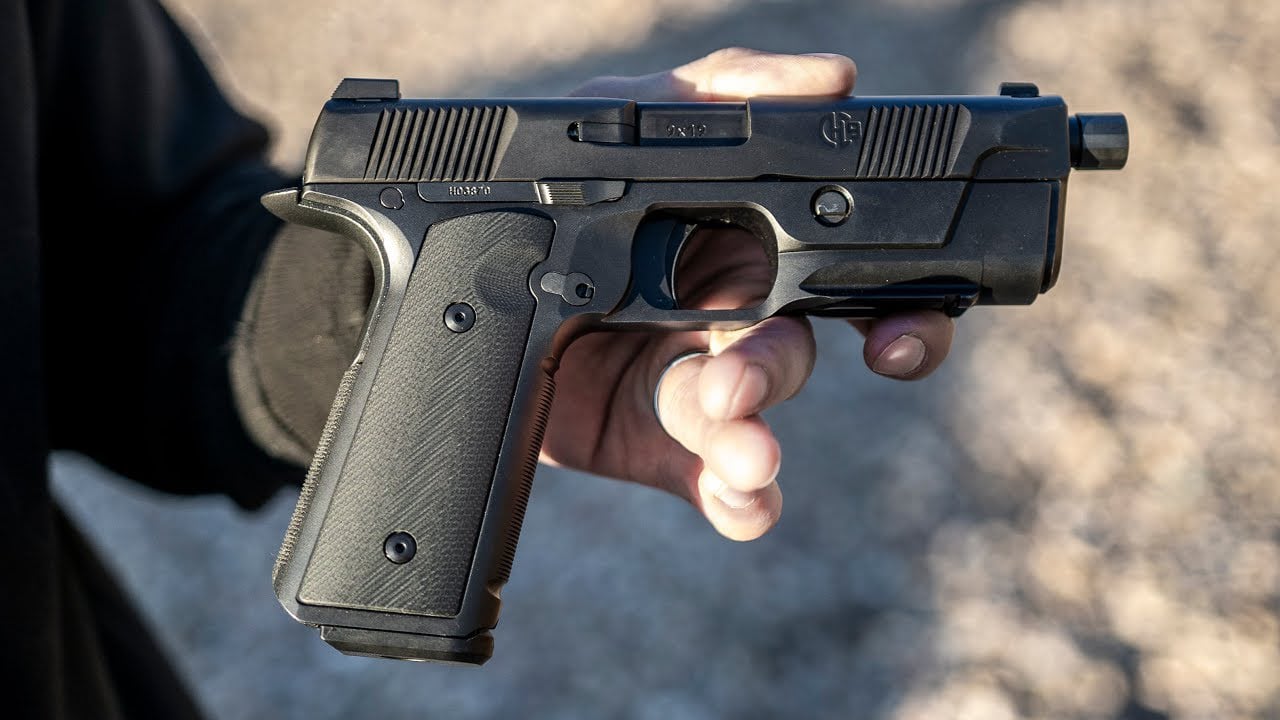
The H9 looked like a home run: low bore axis, sleek lines, and the promise of shooting flatter than the striker guns everybody already owned. It was one of those pistols you pick up and think, “Okay, somebody did something here.”
Then reality showed up in the form of limited availability, company trouble, and support concerns. Even if your individual gun ran well, magazines, parts, and long-term service became the worry. A pistol can be brilliant and still fail you if the ecosystem collapses.
18. Springfield Armory XD (early .40 S&W hype era)
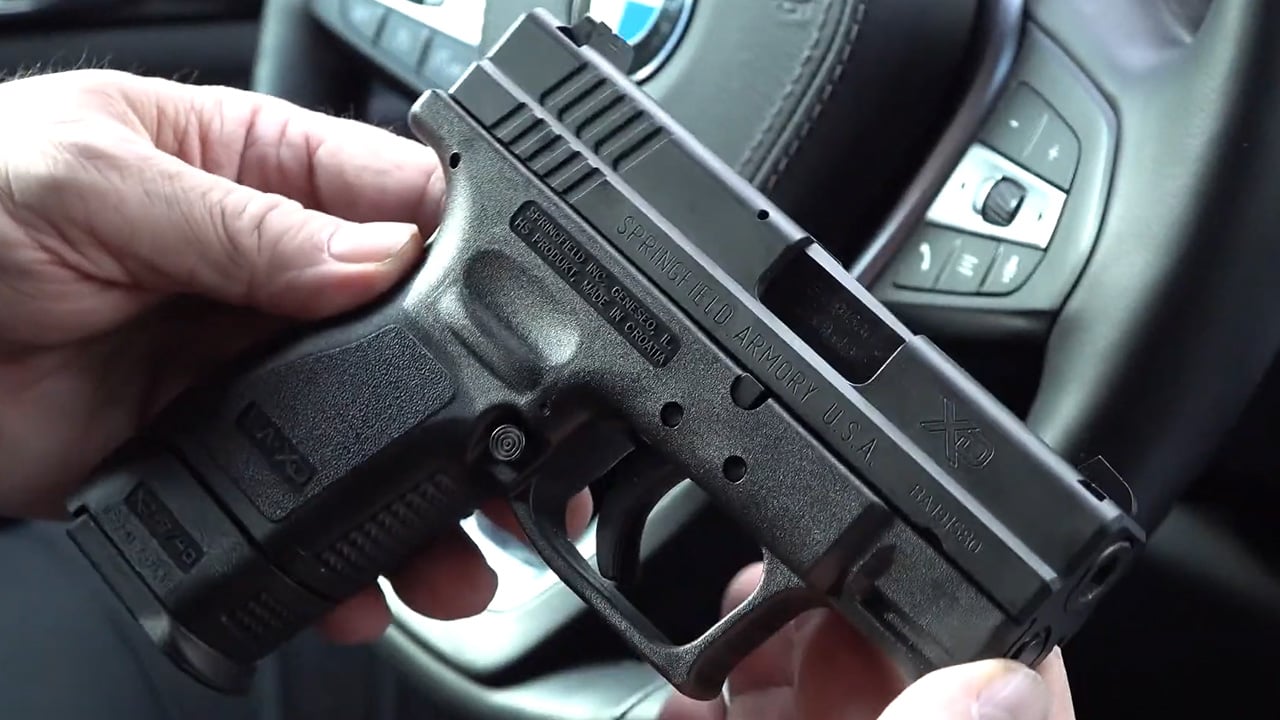
There was a time when .40 S&W was the answer to everything, and the XD rode that wave hard. Capacity, grip safety, aggressive styling, and a price that felt like a deal compared to certain competitors.
Many of them ran fine, but the .40 versions in particular turned into a “why am I doing this to myself?” moment for a lot of shooters. Snappier recoil, more wear, and no real advantage for most people once modern 9mm defensive loads became the norm. The paper advantage didn’t cash out for the average guy.
19. FN Five-seveN

Lightweight, high capacity, low recoil, flat shooting—it’s easy to see why the Five-seveN looks like a cheat code. It’s also undeniably interesting, and interesting sells.
Then you buy ammo. Cost and availability turn it into a specialist’s pistol fast, and most outdoorsmen aren’t looking to stock another caliber that’s hard to find when shelves get thin. For the money, many owners realize they’d rather have a proven 9mm plus a case of practice ammo and a good holster.
20. Magnum Research Desert Eagle

If we’re being honest, most folks don’t buy a Desert Eagle because it’s practical. They buy it because it’s a Desert Eagle, and it looks like the king of handguns sitting in the case.
But the honeymoon ends when you carry it (you won’t), feed it (expensive), and try to keep it running without drama (it likes what it likes). It’s big, heavy, and specialized. Fun? Absolutely. A useful pistol for a working outdoorsman? Not most of the time.
The hard lesson in all of this is that “great on paper” often means “great in a controlled environment with the right ammo, the right hands, and no real stakes.” Out in the real world, the pistols that earn trust are usually the ones that are boring, supported everywhere, easy to find magazines for, and easy to practice with. If you’re shopping for a handgun you’ll actually depend on, put less weight on clever features and more weight on how it runs on a long range day, how it carries after eight hours, and whether you can still get parts for it five years from now.
Like The Avid Outdoorsman’s content? Subscribe to our newsletter so you never miss an article.
Here’s more from us: