Photo credit: Bryant Ridge
Some guns are born in the hands of engineers, and others are born in the hands of marketing departments. You’ve seen them—flashy designs with buzzwords plastered across the ads, “game-changing” claims that never held up at the range. These are the firearms that hit the shelves before the bugs were worked out, the ones that looked good in photos but left shooters with buyer’s remorse. They’re the proof that a clever slogan can sell more guns than actual field testing ever could.
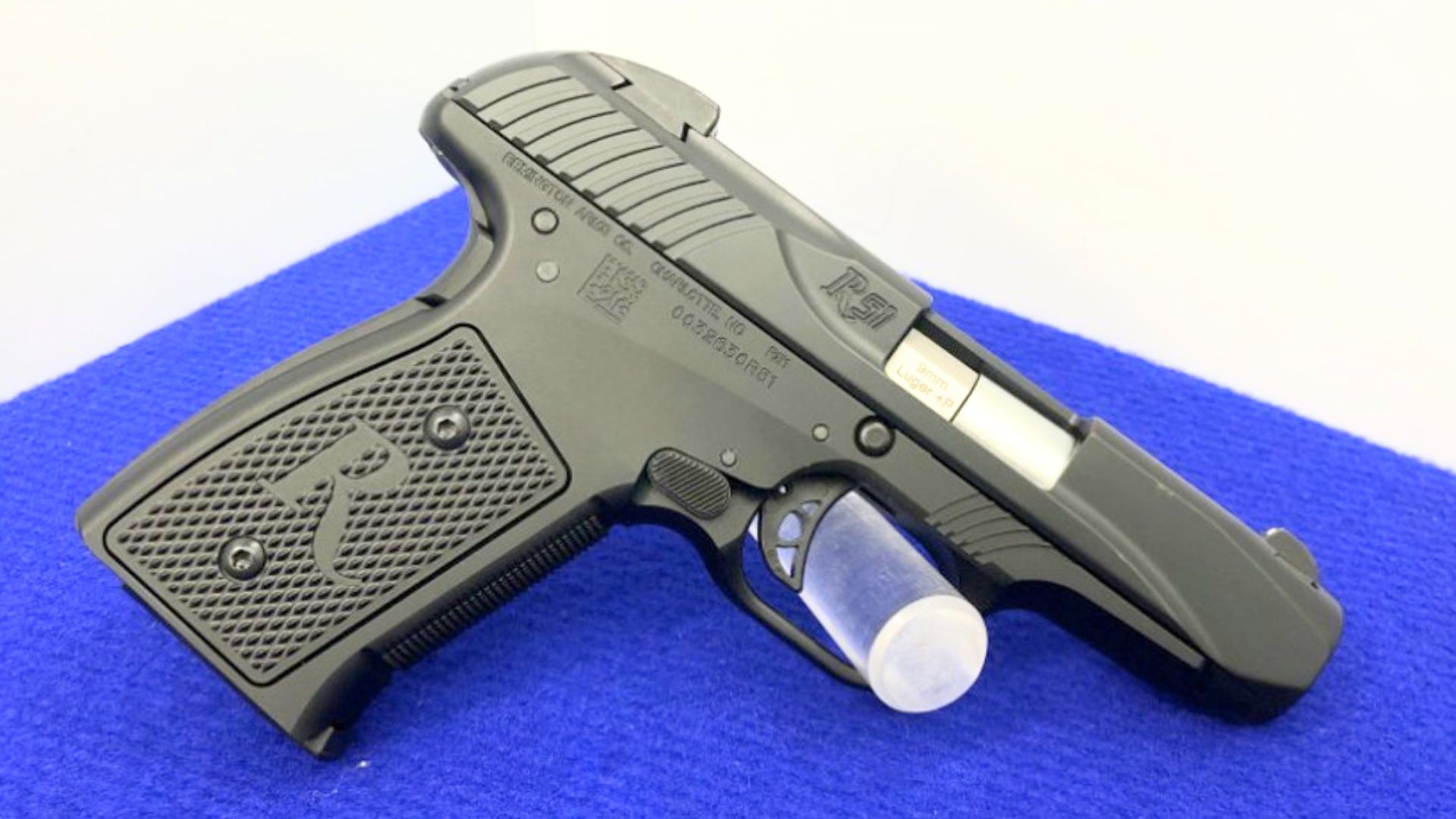
Remington R51
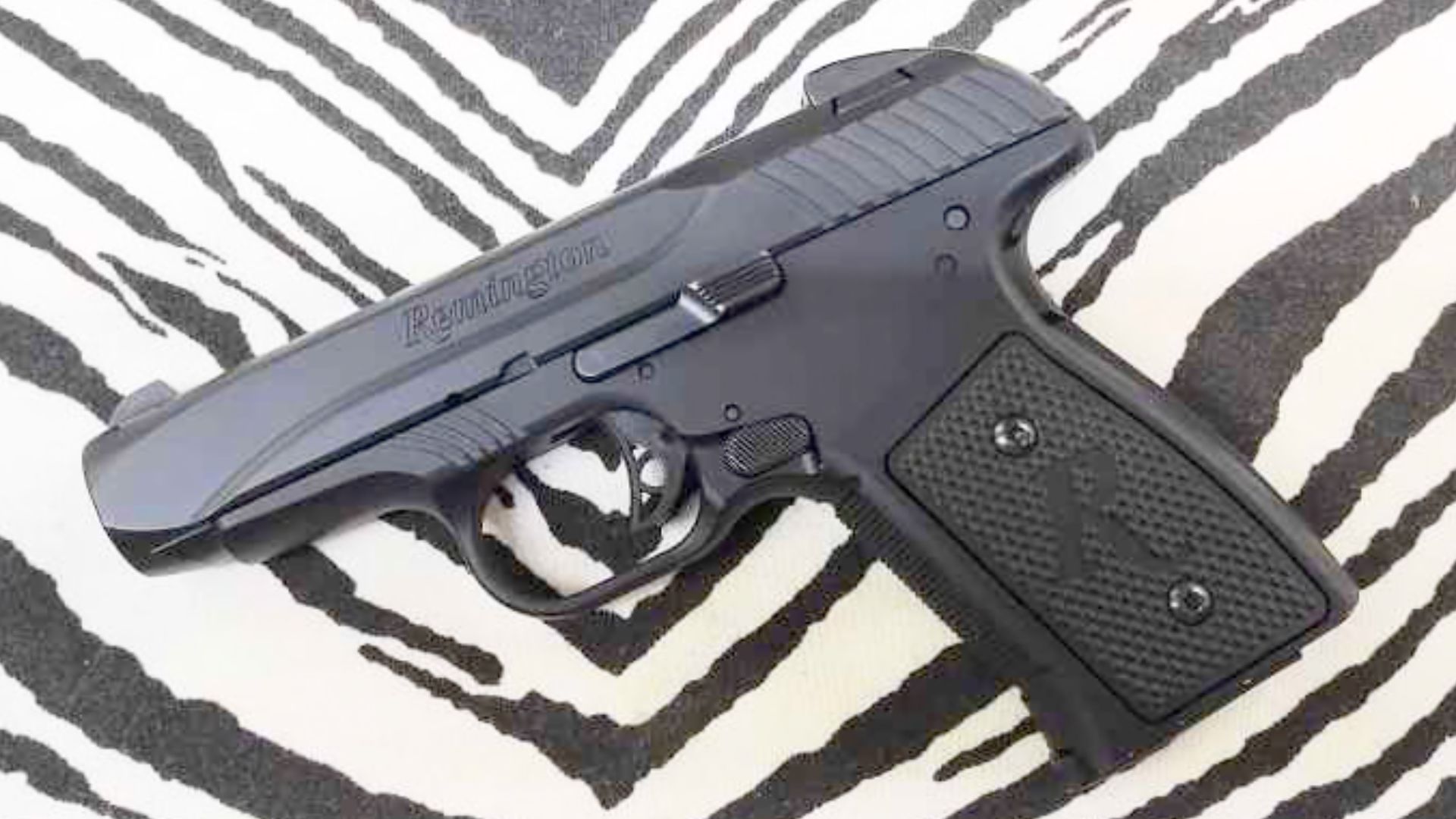
The Remington R51 was supposed to be a modern revival of a classic design, promising smooth recoil and cutting-edge ergonomics. What it delivered was one of the most infamous product launches in modern firearm history. Early models suffered from feeding failures, extraction issues, and poor machining.
Even after Remington issued a recall and tried to fix it, the damage was done. The R51 showed that the company had spent more time on glossy ads than on real-world testing. It looked sleek and futuristic, but owners quickly learned that a polished exterior can’t hide internal flaws.
Colt All American 2000

Colt’s All American 2000 was meant to be their triumphant return to the modern pistol market. Designed with a rotating barrel and polymer frame, it seemed advanced for its time. Unfortunately, it became a masterclass in poor execution. The trigger was awful—long, heavy, and inconsistent—and accuracy was nowhere near acceptable for its price point.
Shooters found reliability all over the map, and disassembly was a chore. Colt had hyped it as the next evolution of American sidearms, but most buyers felt it hadn’t even evolved past the prototype stage. It was a lesson in how fast reputation can sink when marketing outruns manufacturing.
Mossberg MC1sc

Mossberg’s MC1sc carried a big name and big expectations. After years of shotgun success, the company finally jumped into the pistol world with a sleek carry gun. The problem? It felt unfinished. The trigger was gritty, accuracy inconsistent, and feeding issues showed up early.
Mossberg pushed it hard in ads, claiming it could rival proven carry pistols. In practice, it couldn’t. The MC1sc was uncomfortable to shoot for long sessions, and its takedown process confused more than a few owners. The hype of a “new era” for Mossberg handguns faded as fast as its reputation at the range.
Kimber Solo Carry

The Kimber Solo looked like the ultimate concealed carry gun—compact, good-looking, and made by a respected brand. But its reliability issues were nearly universal. Kimber even specified high-pressure ammo to make it run properly, which defeated its purpose as a carry pistol.
When the Solo worked, it shot fine, but those moments were rare. Feeding and cycling problems plagued even new examples. The marketing sold perfection; the real-world version sold frustration. Shooters who trusted the name quickly learned that Kimber’s high polish didn’t mean high reliability in this case.
Bushmaster ACR
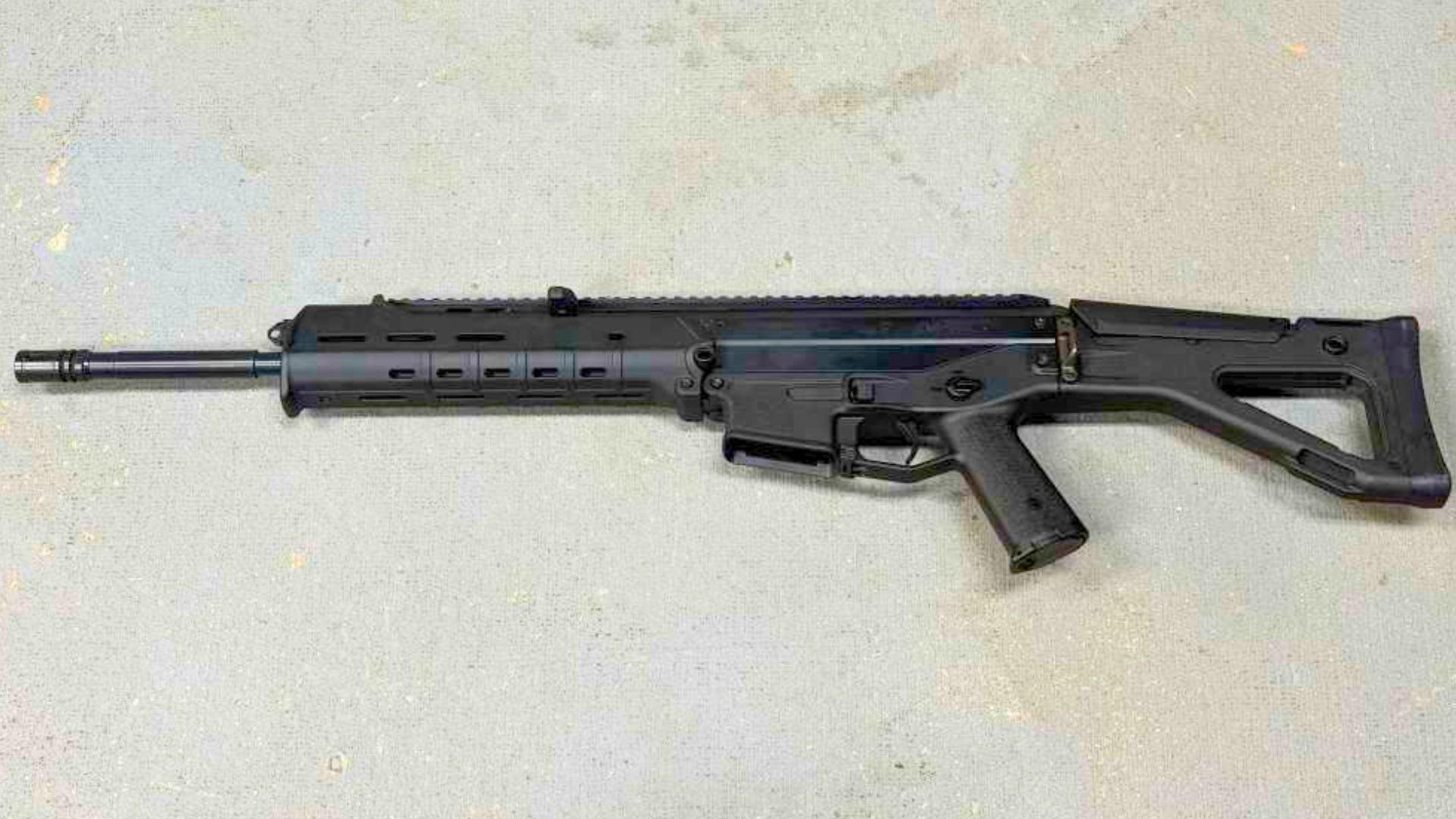
The Bushmaster ACR promised to revolutionize the modular rifle world. It had the looks, the pedigree, and the marketing to back it up—but that’s where it stopped. The ACR launched with sky-high pricing, unreliable parts availability, and spotty accuracy. The promised caliber conversions never materialized, and shooters were left with an overpriced, underperforming rifle.
It wasn’t terrible, but it certainly wasn’t the rifle the ads sold it to be. Over time, the ACR became known less for its performance and more for being an expensive experiment in overpromising.
Taurus Spectrum
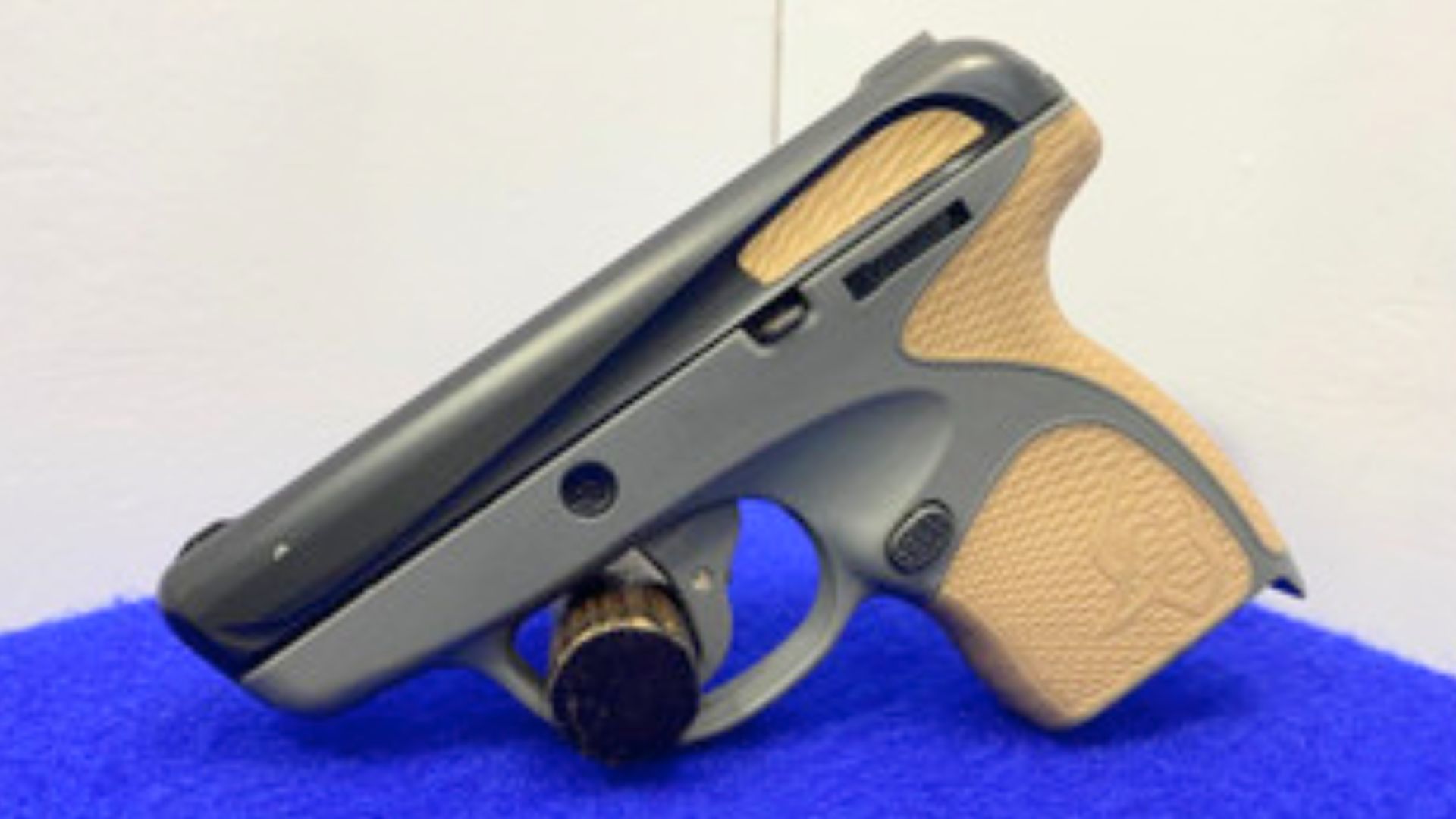
The Taurus Spectrum was designed to attract new shooters with soft styling and easy handling. Taurus sold it as a step forward in user-friendly carry pistols. In reality, it became notorious for weak primer strikes, sticky triggers, and feeding issues.
The concept was solid—an approachable pistol with soft recoil—but it never worked consistently enough to build trust. Marketing focused on colors and aesthetics instead of performance, and shooters quickly noticed. For many owners, the Spectrum became proof that comfort features mean nothing when the gun won’t fire reliably.
FNAR
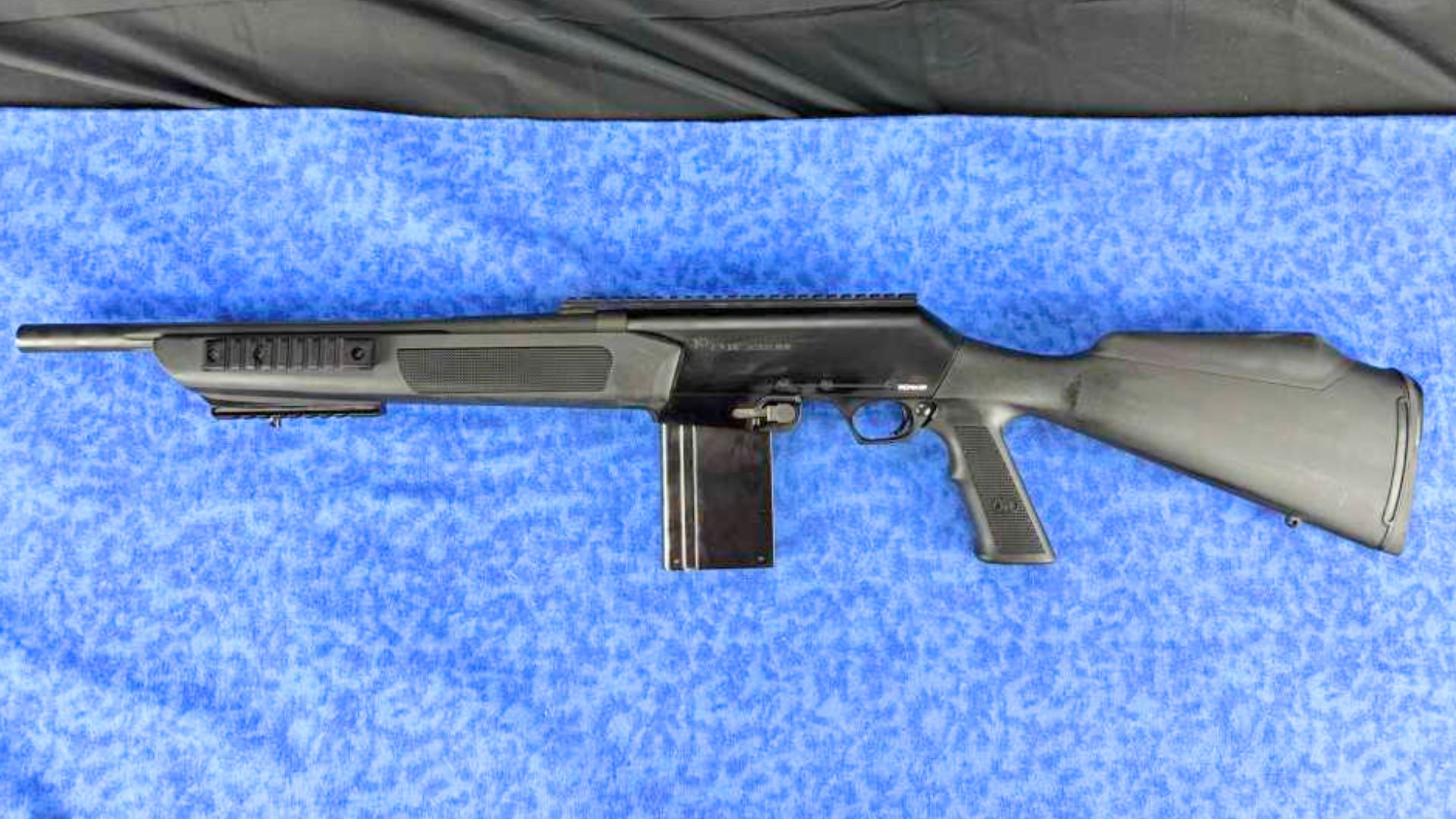
FN’s FNAR was supposed to be the perfect blend of hunting precision and tactical function. The rifle looked like something pulled straight from a special operations catalog, complete with rails and adjustability. But in use, it was overly complicated, difficult to maintain, and not nearly as accurate as advertised.
Its proprietary parts limited customization, and shooters found it frustrating to clean. FN’s marketing made it sound like a do-it-all rifle, but few owners found it excelled at anything. It was a classic example of a company selling an image rather than a purpose-built firearm.
Walther CCP (First Generation)

The first-generation Walther CCP introduced a unique gas-delayed blowback system meant to soften recoil. Ads praised it as revolutionary. On the range, though, it fouled quickly, became hard to clean, and was subject to a safety recall. The trigger felt squishy, and reliability declined rapidly when dirty.
Walther fixed much of this in later versions, but the first release showed what happens when a concept hits the market before it’s ready. The CCP’s first run was less a breakthrough and more a warning to buyers to wait until the kinks are worked out.
Remington RP9
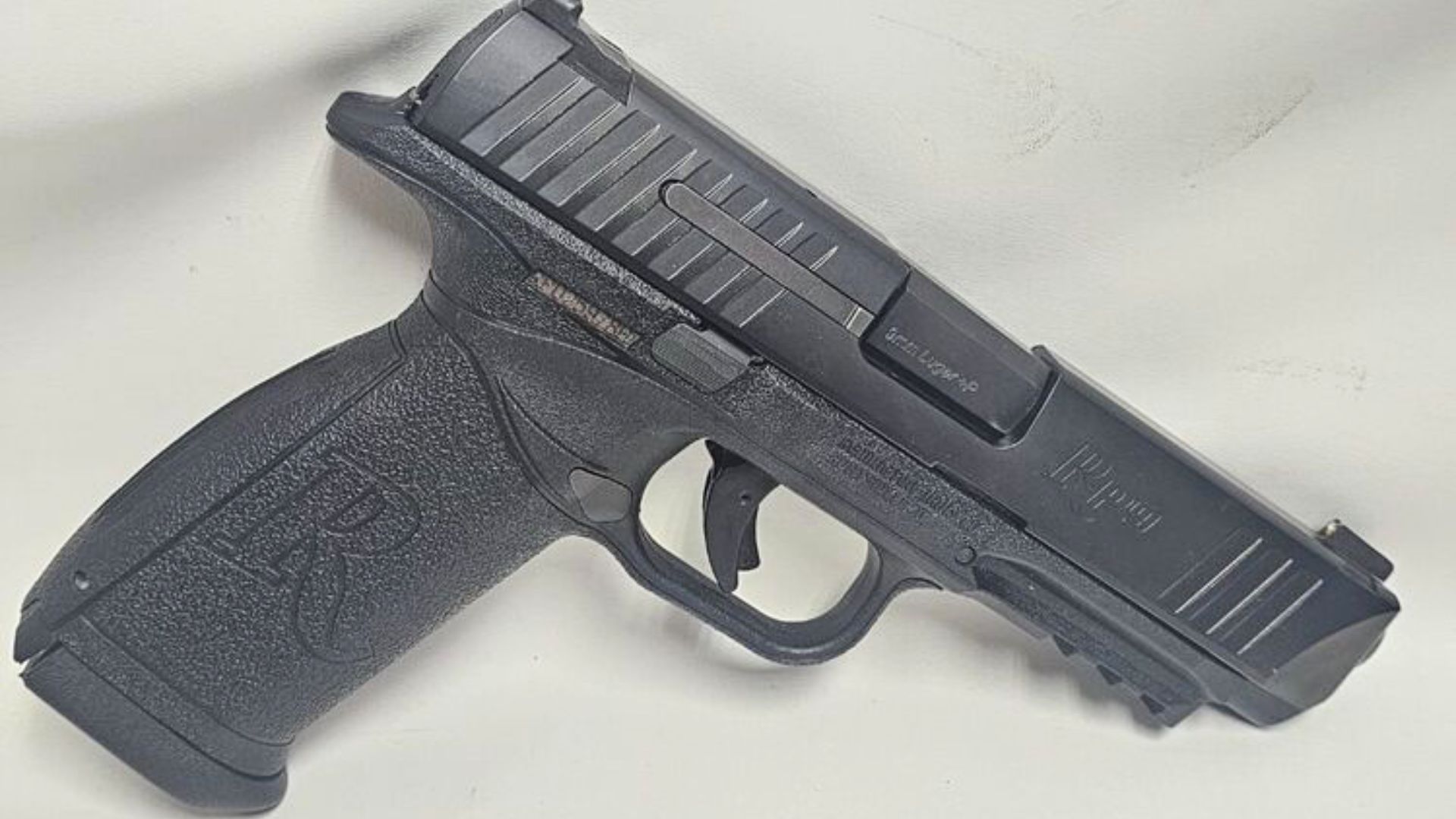
Remington’s RP9 was marketed as a return to form—a full-size, duty-ready pistol at a competitive price. Instead, it revealed how far the company had fallen. The RP9 had an awkward grip, mushy trigger, and consistent feeding issues with common loads.
It was supposed to challenge Glock and Smith & Wesson. It didn’t. Most owners described it as uninspired and inconsistent, with build quality that varied wildly from one gun to the next. In the end, the RP9 proved that no amount of advertising could save a design that never performed as promised.
SIG 556R
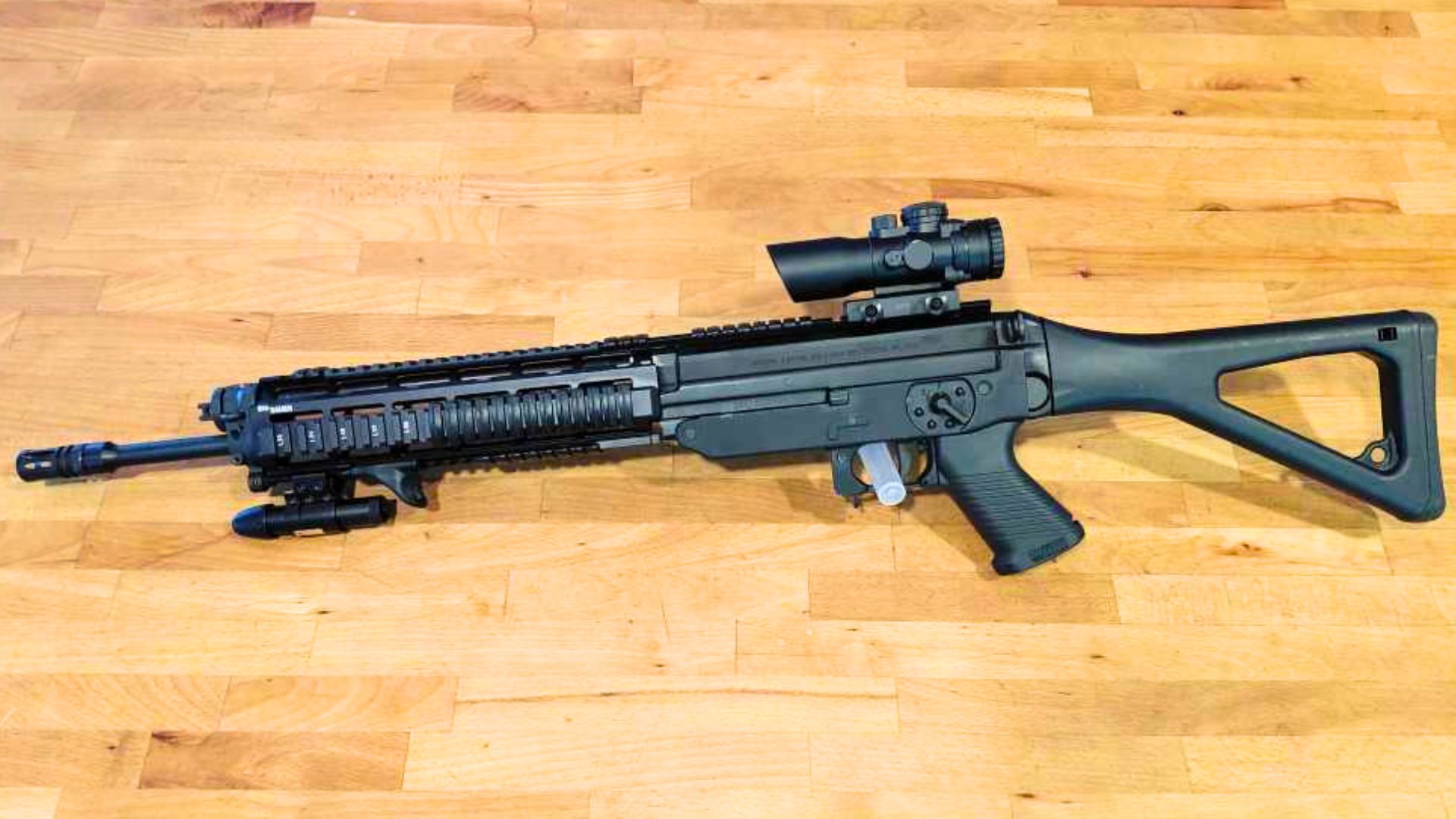
The SIG 556R combined the 556 design with 7.62×39 compatibility—a concept that drew a ton of attention. It should’ve been the perfect AK-mag-fed rifle for Western shooters. Instead, it suffered constant feeding issues, magazine fit problems, and erratic accuracy.
The rifle’s internals simply weren’t tuned for the rougher nature of the cartridge it tried to handle. SIG’s reputation carried it through the initial hype, but shooters quickly learned it wasn’t built to the same standard as the Swiss originals. It looked tactical but acted temperamental.
Colt LE901
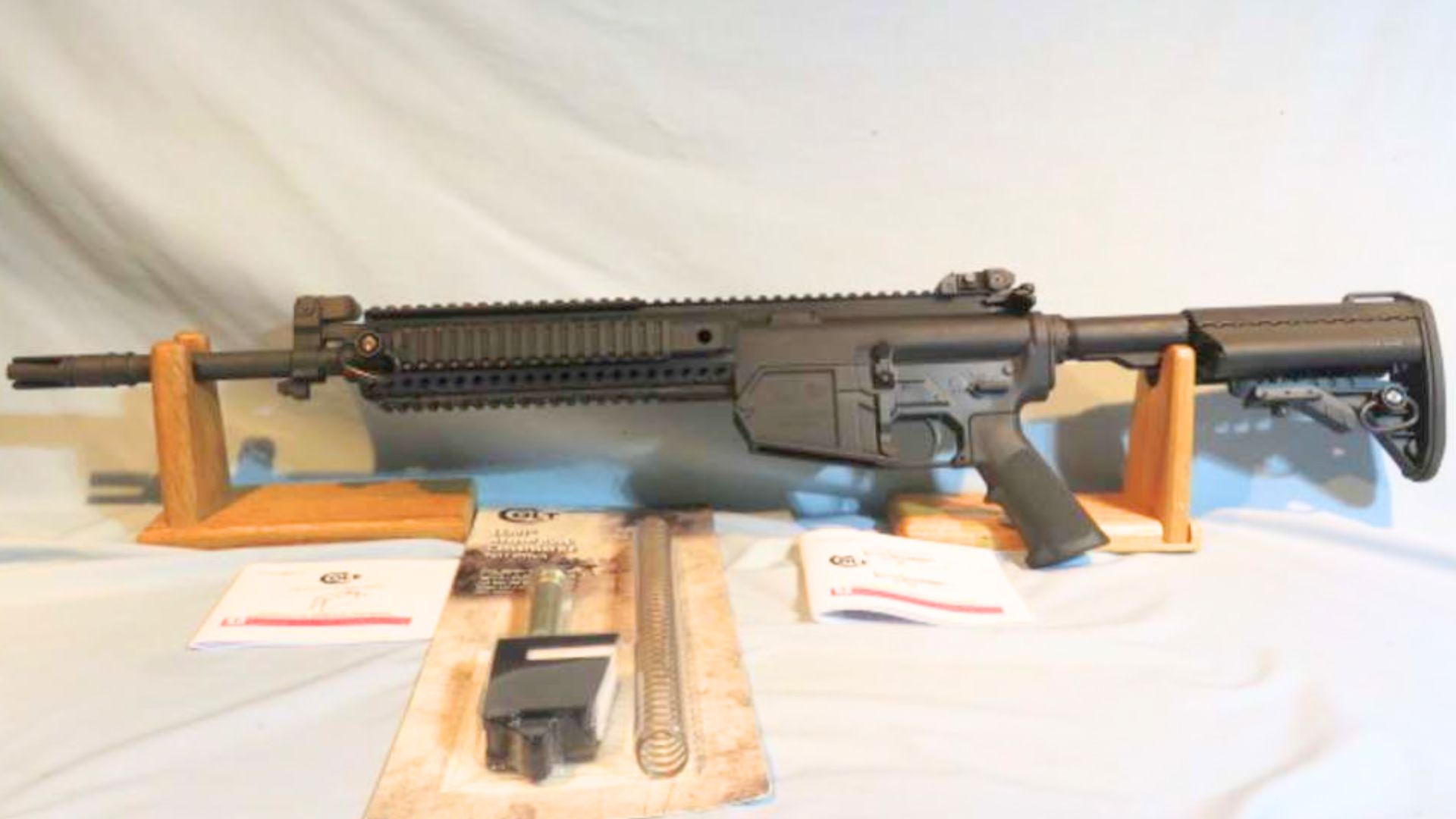
The Colt LE901 was Colt’s big swing at a modular AR system that could switch between calibers. It looked incredible in promo photos—military-tough, adaptable, and battle-ready. But in the real world, it was heavy, proprietary, and awkward to run.
Shooters found the caliber conversion process clunky, and the balance off compared to standard AR platforms. Colt’s marketing machine promised a multi-caliber revolution; the result was an overpriced rifle that never earned its reputation. It’s a reminder that even legendary companies can fall for their own slogans when the testing doesn’t back the talk.
Like The Avid Outdoorsman’s content? Be sure to follow us.
Here’s more from us:
The worst deer rifles money can buy
Sidearms That Belong in the Safe — Not Your Belt
*This article was developed with AI-powered tools and has been carefully reviewed by our editors.