Photo credit: WHO_TEE_WHO/YouTube
Not every new cartridge lives up to the buzz. Some get released with big promises—flatter shooting, harder hitting, or better for “modern needs.” But a few of these new rounds either fall short in the field or just don’t offer much over cartridges we already had. Whether it’s recoil, barrel life, or just underwhelming performance, these are the cartridges that generated more marketing than results. If you’re building a rifle setup, it might be worth skipping these and sticking to proven rounds that actually get the job done.
.277 Fury
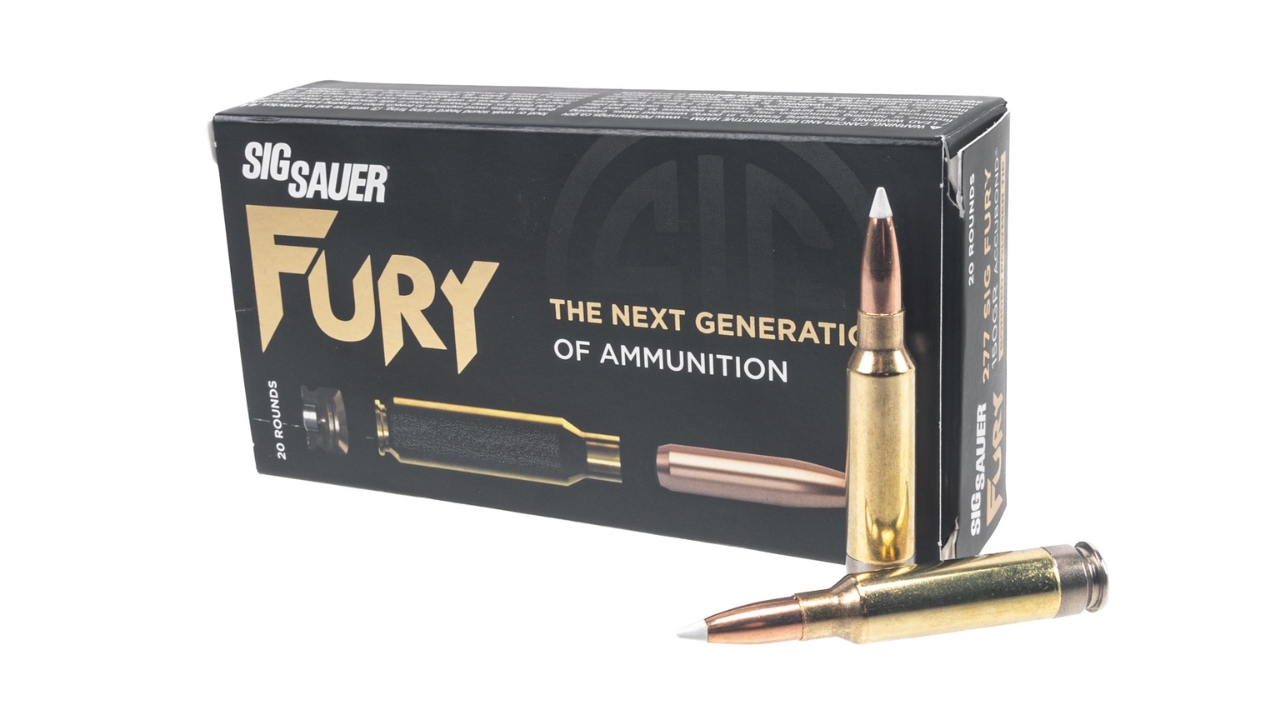
This round made headlines for its pressure ratings and military ties, but for civilian shooters, it’s not practical. The high pressure means it needs special cases and construction that drive up costs fast.
And for all that pressure, it doesn’t do anything that a well-loaded .270 or 6.8 Western can’t already handle. Barrel wear is also a concern, and ammo is still hard to find. It’s interesting, but not really necessary for most shooters.
6.5 PRC

The 6.5 PRC was supposed to be the “better 6.5 Creedmoor,” but unless you’re shooting at long range constantly, you won’t see a big improvement. It kicks harder and eats barrels faster.
For hunters and range shooters, the extra velocity doesn’t always justify the trade-offs. Ammo costs more, rifles are less common, and you’re not gaining enough to matter for most folks who aren’t shooting steel past 800 yards.
30 Super Carry
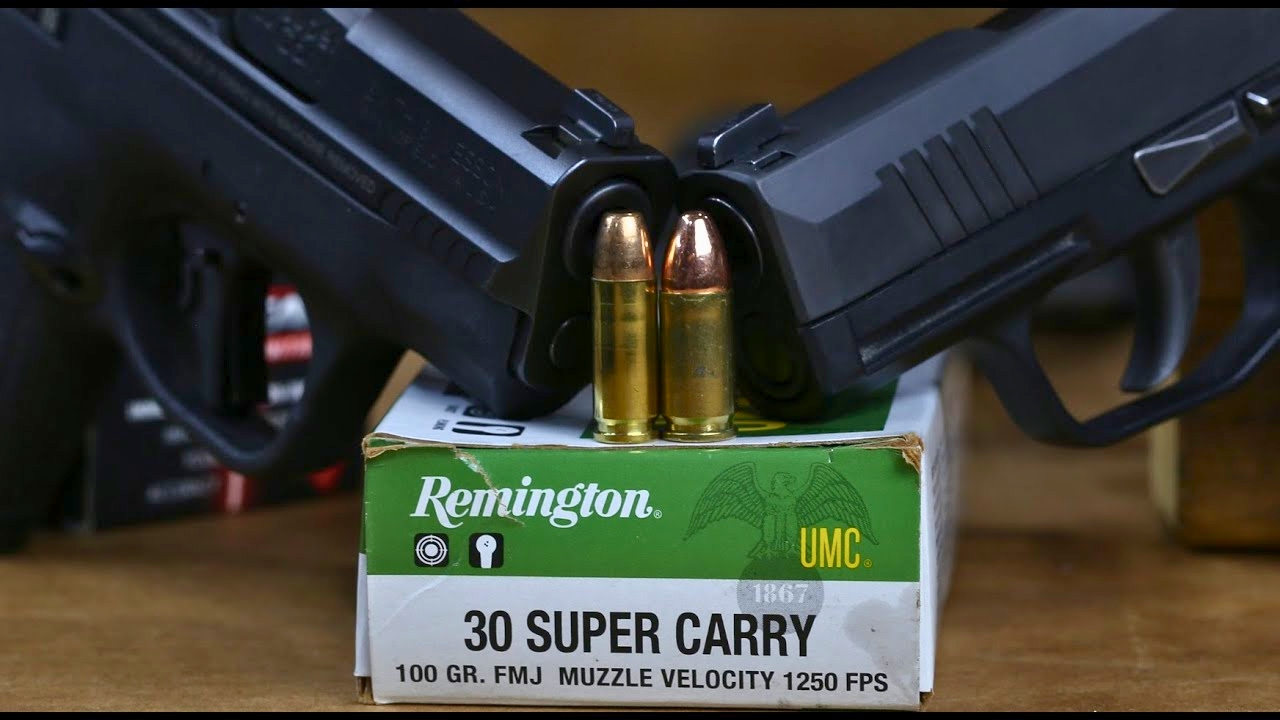
Marketed as a new self-defense option with more capacity than 9mm and more punch than .380. In reality, it doesn’t offer a real-world benefit over 9mm—and you’ll pay more for ammo with fewer gun options.
It’s a neat idea, but the performance bump is minimal and doesn’t outweigh the cost and inconvenience. Until ammo becomes widely available and cheaper, this one feels like a solution in search of a problem.
6.8 Western
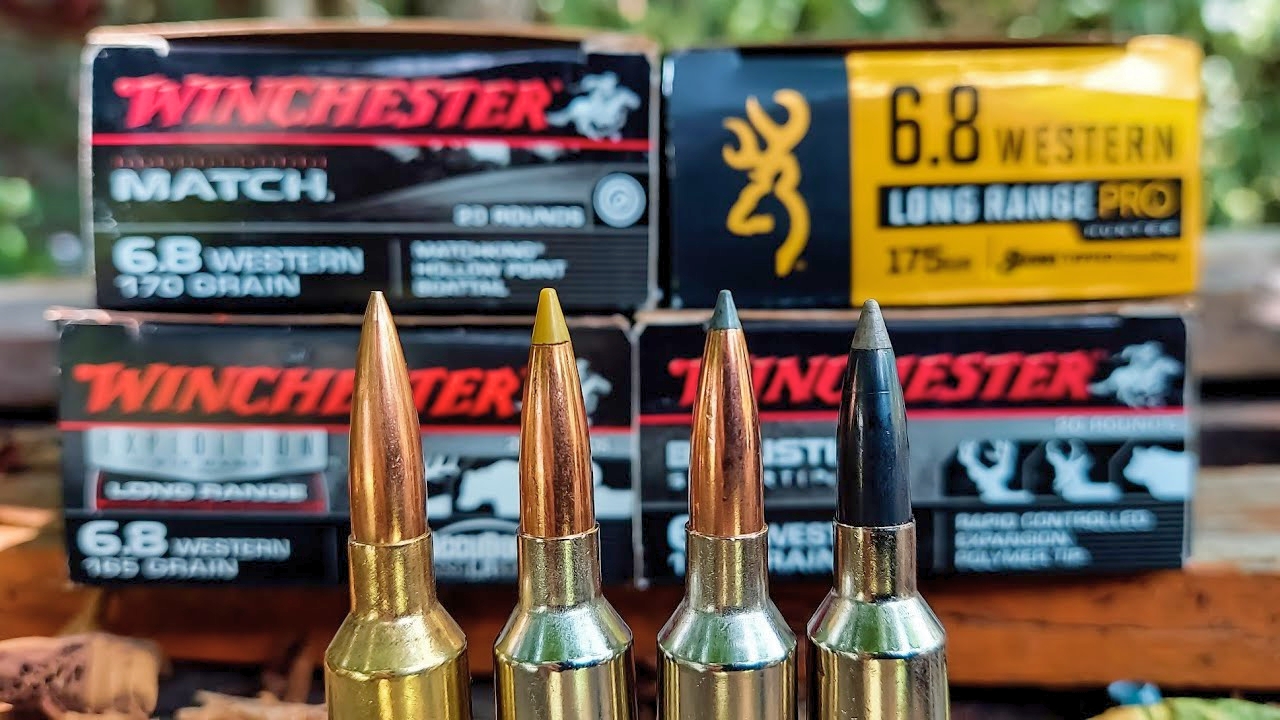
This one landed trying to fill the niche between .270 and .300 Win Mag for western hunters. It sounds nice, but the truth is it doesn’t do much a .270 WSM or .280 AI can’t already do.
Rifles are limited, ammo is expensive, and its long-range benefits only matter if you’re pushing shots past 600 yards regularly. Otherwise, it’s just more recoil and less availability for the same result.
7mm PRC

The 7mm PRC came in with a wave of praise for being the “ideal” long-range cartridge. But for most shooters, it’s overkill. It kicks harder, burns barrels faster, and doesn’t shoot that much flatter than a well-loaded .280 AI or even .308 at normal hunting ranges.
Add in limited rifle and ammo availability, and you’re left wondering why you didn’t just stick with something that’s been working fine for decades.
350 Legend
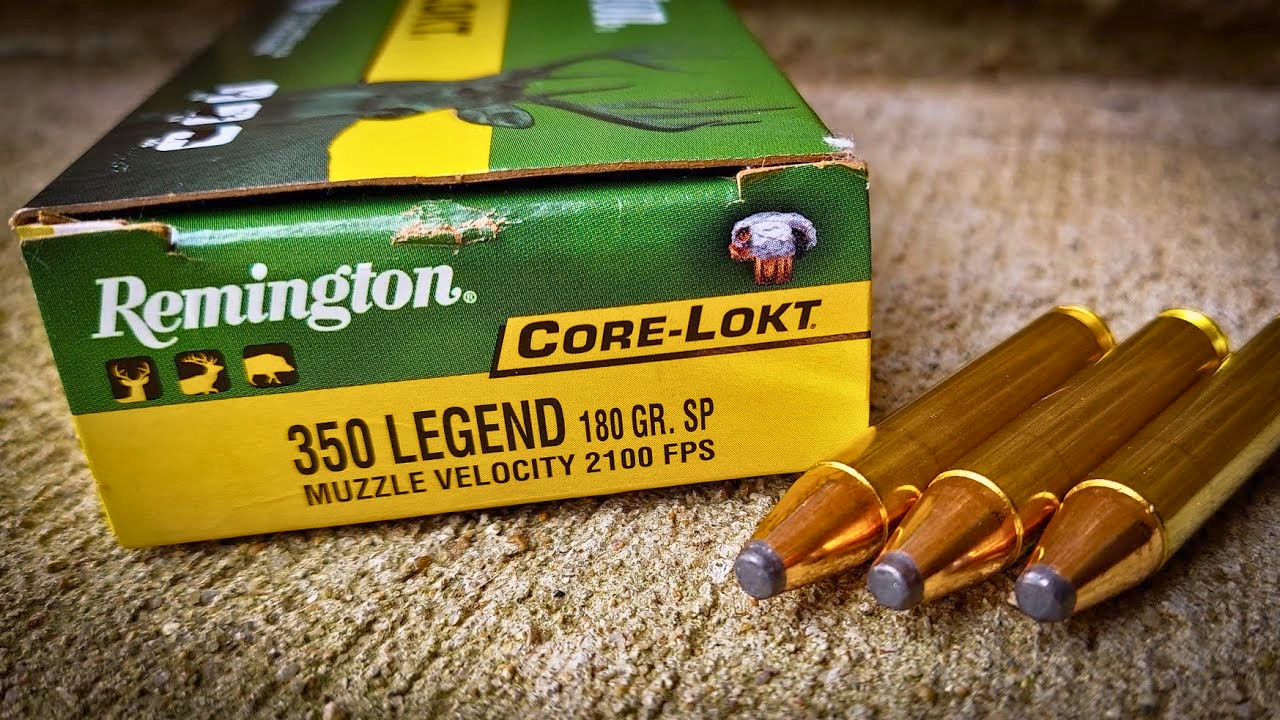
Supposed to be the ideal straight-wall hunting cartridge for restricted states. It’s okay in that narrow context, but the hype around it made it sound like a game-changer. It’s not.
Ballistically, it’s sluggish, with low energy at range. Accuracy varies by load, and ammo selection is hit or miss. Great if you’re stuck with straight-wall laws—but if you have better options, use them.
.224 Valkyrie

The .224 Valkyrie was supposed to be the flat-shooting, long-range AR-15 option that beat out 5.56 and .223. But it struggled to live up to that promise. Consistency issues and oddball ammo make it a pain.
It never quite became what people hoped. Ammo is still pricey, factory loads are inconsistent, and performance doesn’t blow the doors off compared to .22 Nosler or 6mm ARC.
6mm ARC

Speaking of the 6mm ARC—while it’s more promising than some on this list, it still hasn’t caught on like expected. Ammo is expensive and scarce, and you’ll need specialized parts to get it running smoothly.
It shoots flat, sure—but so does 6.5 Grendel, and you can actually find that stuff. ARC fans swear by it, but for most of us, it’s not worth the hassle yet.
.300 HAM’R
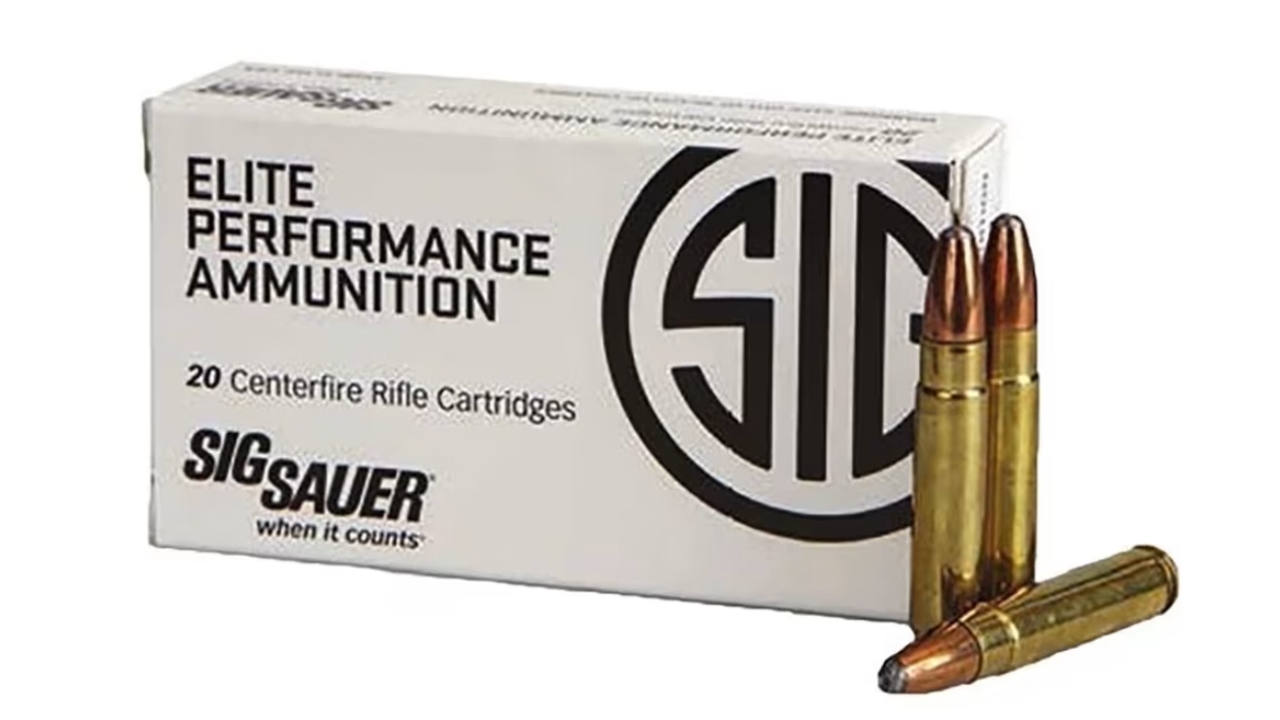
Designed to improve on .300 Blackout, the .300 HAM’R has better ballistics, but the gains don’t justify a whole new setup. It needs a different barrel, and you won’t find ammo on most store shelves.
Unless you’re handloading and building a rifle just for it, there’s no strong reason to choose it over tried-and-true options. It solves a problem that .300 Blackout fans weren’t really asking to fix.
.22 TCM
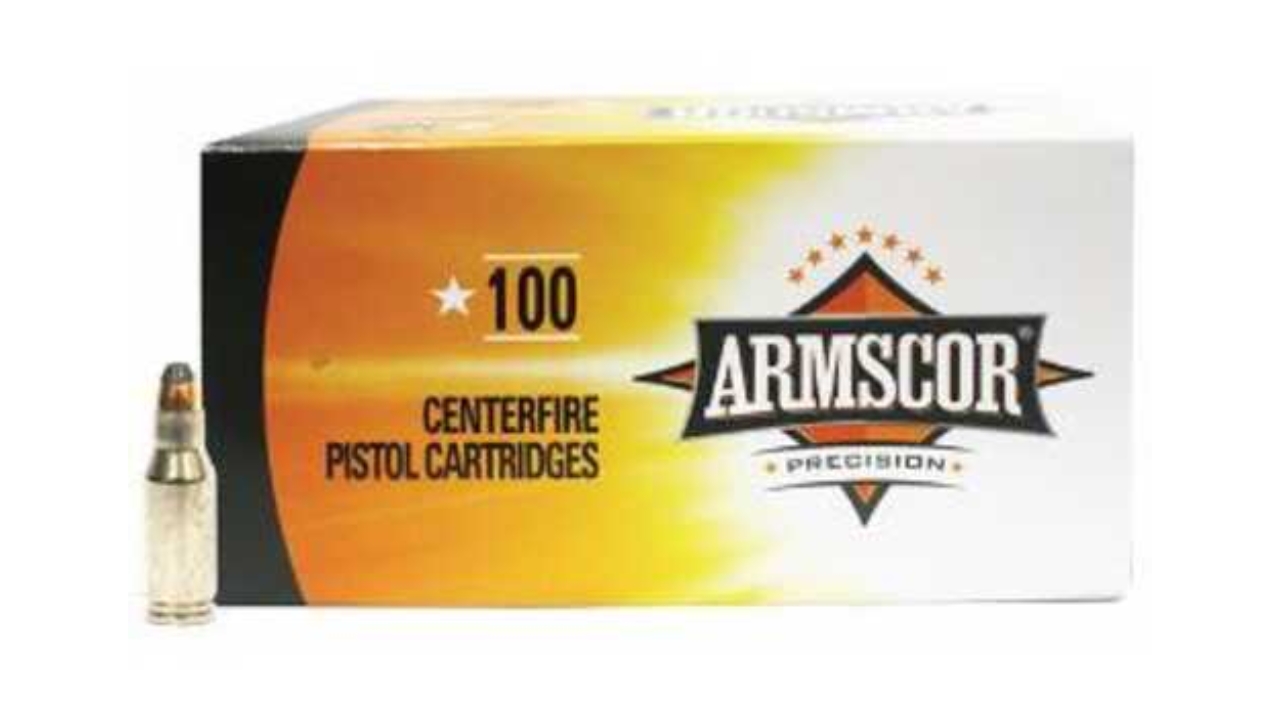
The .22 TCM is fast and flashy, especially out of a pistol, but it’s a niche novelty more than a practical caliber. Ammo is hard to come by, and outside of Rock Island Armory, no one really supports it.
It’s fun to shoot, no doubt—but it’s not something you’d trust for defense or real hunting work. And once the ammo dries up, your gun becomes a conversation piece instead of a shooter.
*This article was developed with AI-powered tools and has been carefully reviewed by our editors.