Photo credit: Academy Sports
Some guns become standards without making a lot of noise about it. They are not always the newest, most expensive, or most exciting firearms in the case. They just work so consistently that every new gun in the same category ends up getting compared to them.
That kind of reputation is hard to fake. A firearm has to prove itself with hunters, shooters, departments, competitors, and regular owners over years of use. These are the guns that quietly became measuring sticks, even when people do not always admit that is what they are.
Glock 19

The Glock 19 became the compact 9mm that nearly every other carry pistol has to answer for. It was not luxurious, and it was never trying to win over people who care about polished steel or wood grips. It simply offered a useful size, good capacity, strong reliability, and a parts ecosystem that made ownership easy.
That is why so many newer pistols get judged against it. If a compact 9mm is thicker, harder to shoot, less reliable, or has worse support than a Glock 19, people notice. The pistol became a standard because it made the practical stuff boringly dependable. Even shooters who do not love Glocks still understand the Glock 19 is the benchmark in its lane.
Remington Model 700
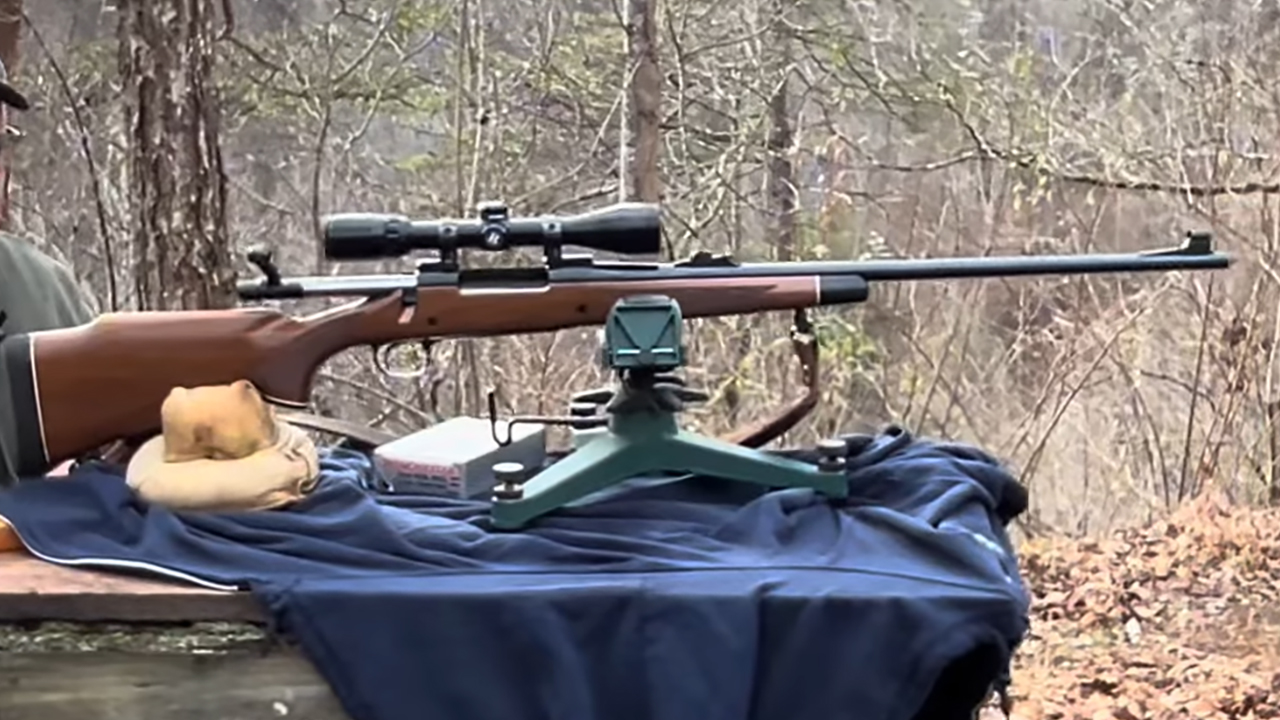
The Remington Model 700 became one of the main standards for American bolt-action rifles. Its action, accuracy potential, aftermarket support, and long hunting history made it the rifle many people picture when they think of a traditional bolt gun. For decades, hunters and gunsmiths built serious rifles around the Model 700 footprint.
Newer hunting rifles are still often compared to it, even when they are trying to move beyond it. People ask about trigger quality, accuracy, bedding, scope mounting, and upgrade options with the Model 700 in the back of their minds. It is not perfect, and it has plenty of critics, but it became the reference point because so many rifles were either chasing it or trying to improve on it.
Remington 870

The Remington 870 became the pump shotgun standard because it was everywhere and it worked. Hunters used it for birds, deer, turkey, and small game. Police departments used it. Homeowners used it. Generations of shooters learned what a pump shotgun should feel like by running an 870.
That kind of reach made it impossible to ignore. Any new pump shotgun gets compared to the 870 on smoothness, reliability, durability, barrel options, and price. Older Wingmasters especially set a high bar for action feel and finish. Even when people prefer another pump, they usually know the 870 is one of the standards that shaped the whole category.
Ruger 10/22

The Ruger 10/22 became the default semi-auto .22 rifle for a reason. It is reliable enough, accurate enough, affordable enough, and supported by one of the biggest aftermarket systems in the rimfire world. Plenty of shooters bought one as a first rifle and never really found a reason to get rid of it.
Other rimfire rifles are judged against the 10/22 because it covers so much ground. A new .22 has to be lighter, more accurate, cheaper, more refined, or more specialized to pull attention away from it. The 10/22 became the standard because it is useful for small game, plinking, training, and tinkering without asking much from the owner.
Smith & Wesson Model 686
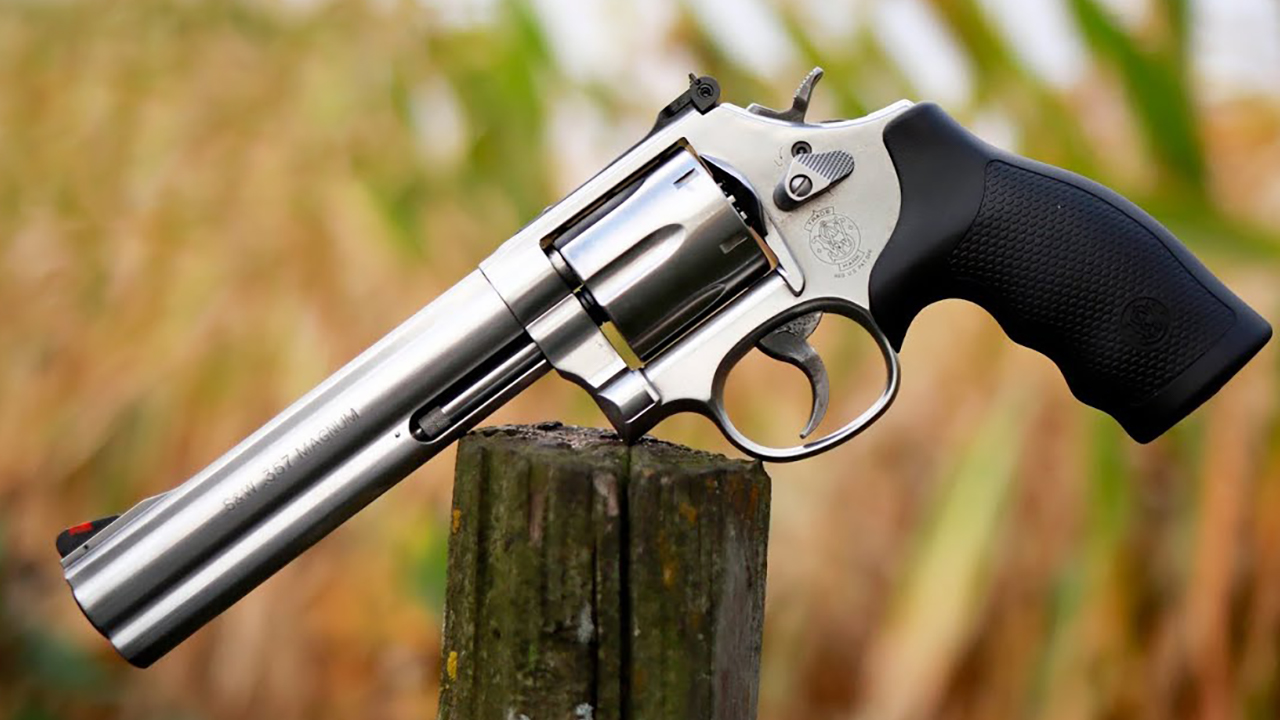
The Smith & Wesson Model 686 became a benchmark .357 Magnum revolver by balancing strength, shootability, and refinement. It is sturdy enough for real magnum use, but it still has the trigger feel and handling that made Smith & Wesson revolvers famous. For many shooters, it is the revolver they compare other medium and large-frame .357s against.
That does not mean every 686 is perfect or that every shooter prefers it over a Ruger or Colt. But the 686 sets a middle ground that matters. It is strong, accurate, widely respected, and useful for home defense, field carry, range work, and hunting in the right setup. When another .357 feels rougher, heavier, or less balanced, the 686 is usually part of the comparison.
Winchester Model 70
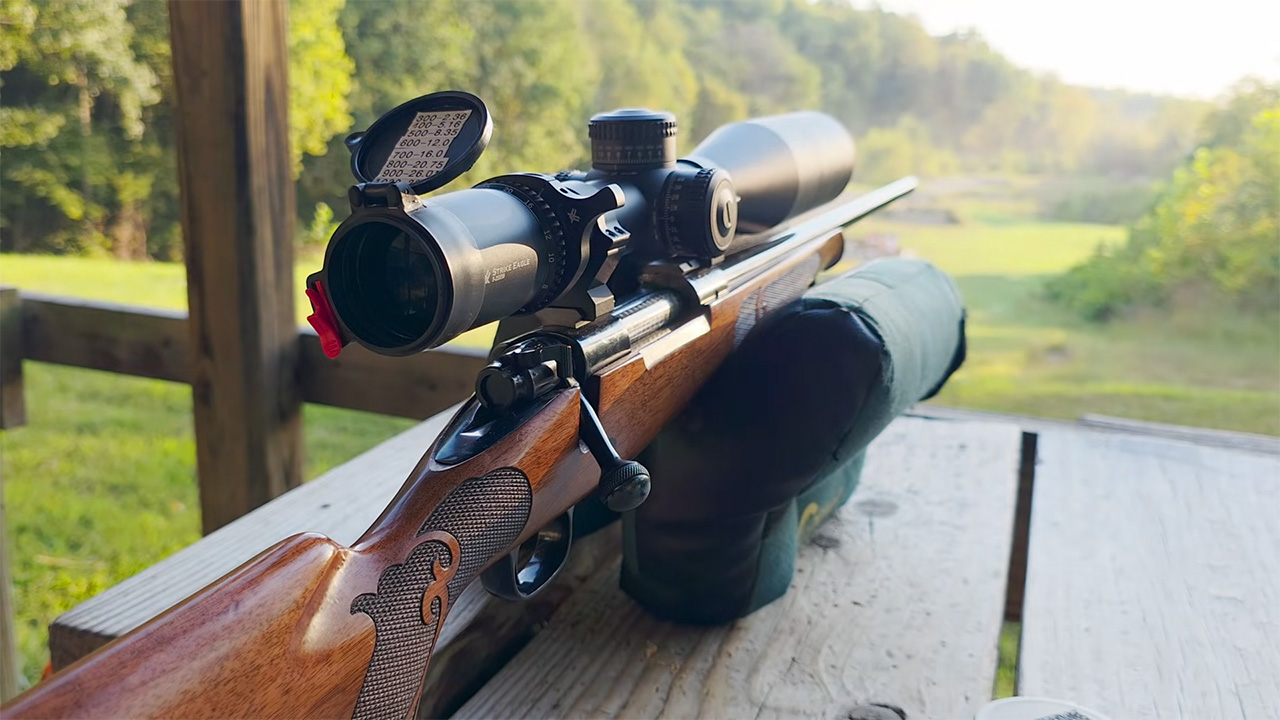
The Winchester Model 70 became known as the rifleman’s rifle for a reason. It offered a controlled, serious feel that many hunters trusted, especially in controlled-round-feed versions. It had enough accuracy, enough strength, and enough classic hunting identity to become one of the rifles others had to measure themselves against.
Modern rifles often beat it on weight, price, or features, but they do not always beat it on feel. Hunters still compare actions, safeties, feeding, and field confidence to the Model 70 because the rifle built its reputation honestly. It became a standard because it gave hunters a clear idea of what a serious bolt-action hunting rifle should feel like.
Mossberg 500

The Mossberg 500 became the other major pump shotgun standard by being practical, affordable, and durable. It never had to be fancy. It offered a tang safety, good parts support, broad configuration options, and enough reliability to earn trust in hunting, home-defense, and utility roles.
New pump shotguns often get compared to the Mossberg 500 because it represents the working-gun side of the category. If a shotgun costs more but does not handle rough use better, people notice. If it has awkward controls or limited barrel options, people notice. The 500 became a standard by being the shotgun that did a lot of jobs without acting important.
AR-15
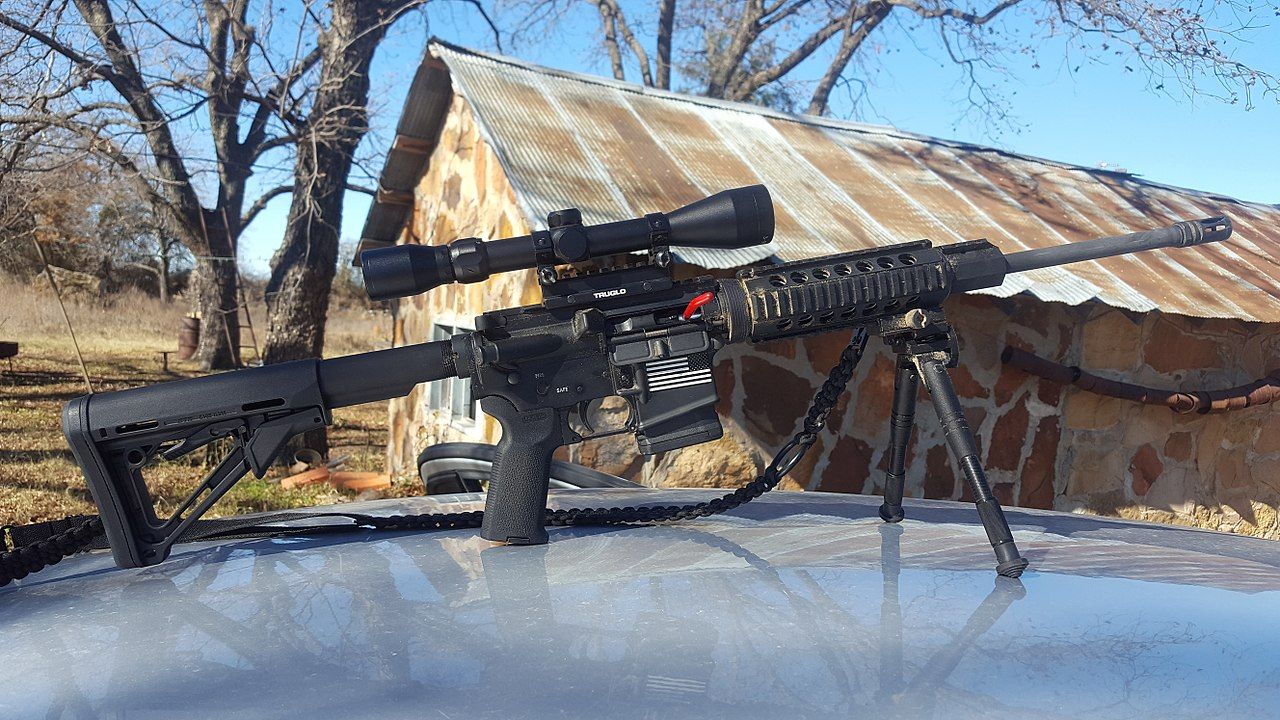
The AR-15 became the standard modern sporting rifle because its modularity changed expectations. Shooters can swap stocks, grips, triggers, barrels, optics, handguards, lights, and accessories in ways that make older rifle platforms feel limited. It became a rifle, a hobby, a tool, and a parts ecosystem all at once.
That is why so many semi-auto rifles get judged against it. People compare accuracy, recoil, controls, magazine availability, optics mounting, weight, and customization against the AR-15. Even when another rifle has real strengths, it has to explain why it is worth choosing over the standard. The AR did not just become popular. It became the measuring stick for an entire category.
Marlin 336

The Marlin 336 quietly became one of the standards for woods deer rifles. It was not the flashiest lever gun, and for a long time it was so common that people took it for granted. But in thick timber, creek bottoms, and short-range whitetail country, it did exactly what hunters needed.
Other lever-action hunting rifles are often judged against the 336 because it strikes such a useful balance. It is handy, strong enough for serious deer hunting, easy to scope compared with many top-eject designs, and familiar to generations of hunters. If a new lever gun is heavier, rougher, harder to mount optics on, or less pleasant to carry, the 336 is the rifle people remember.
SIG Sauer P226
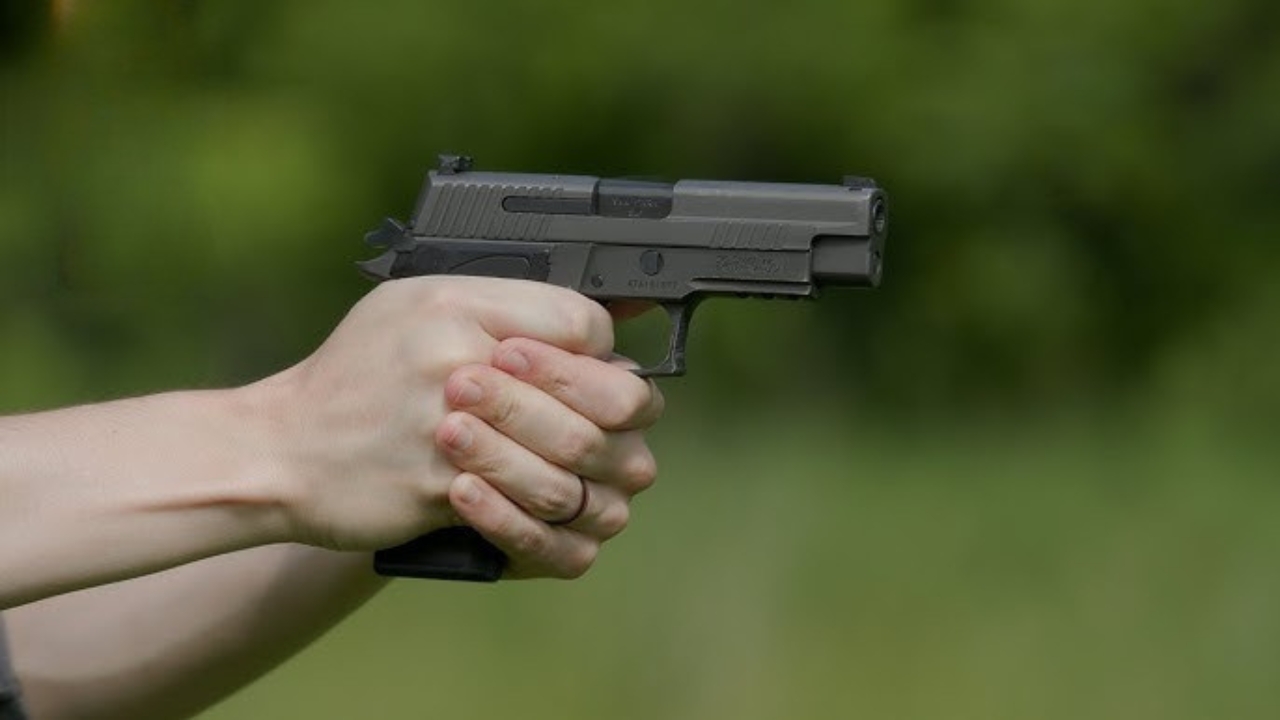
The SIG Sauer P226 became a standard for full-size metal-frame service pistols. It is not light, cheap, or especially modern by today’s standards, but it earned respect through accuracy, reliability, and serious duty use. It has the kind of smooth shooting feel that makes many polymer pistols seem less refined.
When shooters talk about traditional double-action service pistols, the P226 is almost always part of the conversation. Newer metal-frame pistols get compared to it on trigger feel, durability, accuracy, and overall confidence. The P226 became a benchmark because it performed at a high level for a long time, not because it chased trends.
Tikka T3x

The Tikka T3x quietly became the standard many hunters use for out-of-the-box accuracy and smoothness at a reasonable price. It does not always look impressive in the rack, and it lacks the nostalgia of older American rifles. But once people cycle the action and shoot groups with it, the reputation starts making sense.
Other hunting rifles in the same price range now get judged against the Tikka. Hunters ask whether the trigger is as good, whether the action is as smooth, and whether the rifle is as accurate without needing upgrades. That is how a plain-looking rifle becomes a benchmark. It proves that a practical hunting rifle can be simple, smooth, and precise without costing custom-rifle money.
Beretta 92FS

The Beretta 92FS became a standard for full-size 9mm service pistols, even among shooters who do not prefer it. Its size, open-slide design, double-action system, and long military association made it one of the most recognizable pistols in the world. It also built a reputation for soft recoil and excellent practical accuracy.
Other full-size pistols get compared to the 92FS because it set expectations for shootability. If a pistol is smaller and easier to carry, that is one thing. But if it is a full-size 9mm and still does not shoot as smoothly as the Beretta, people notice. The 92FS may be old-school now, but it remains one of the standards for how pleasant a service-size pistol can feel.
Browning Citori
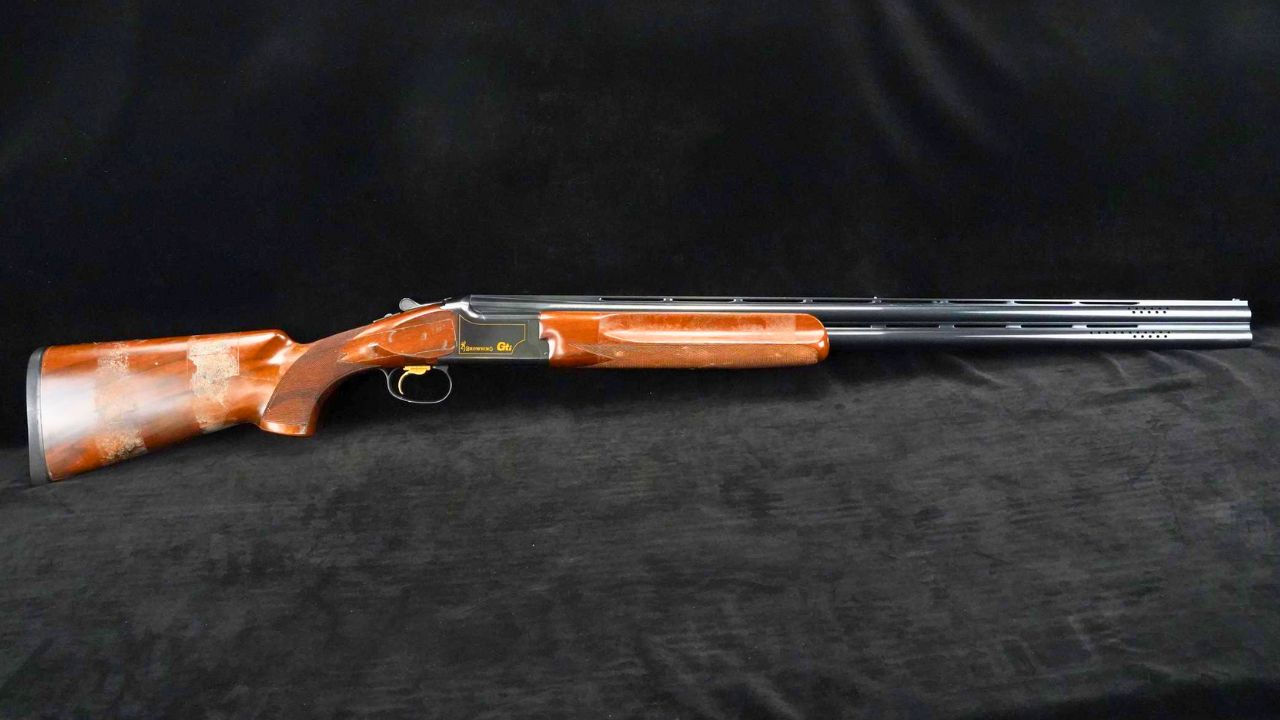
The Browning Citori became a standard for over-under shotguns because it gave shooters a durable, respected option without stepping into the very top price tiers. It has been used for hunting, sporting clays, skeet, trap, and all-around shotgun work by people who wanted something serious but not absurdly delicate.
That made the Citori a measuring stick. When hunters and clay shooters look at another over-under, they often compare fit, durability, trigger feel, barrel regulation, and long-term value against the Browning. It is not the cheapest over-under, and it is not the fanciest. It became the standard because it sits in that important middle ground where quality and real use meet.
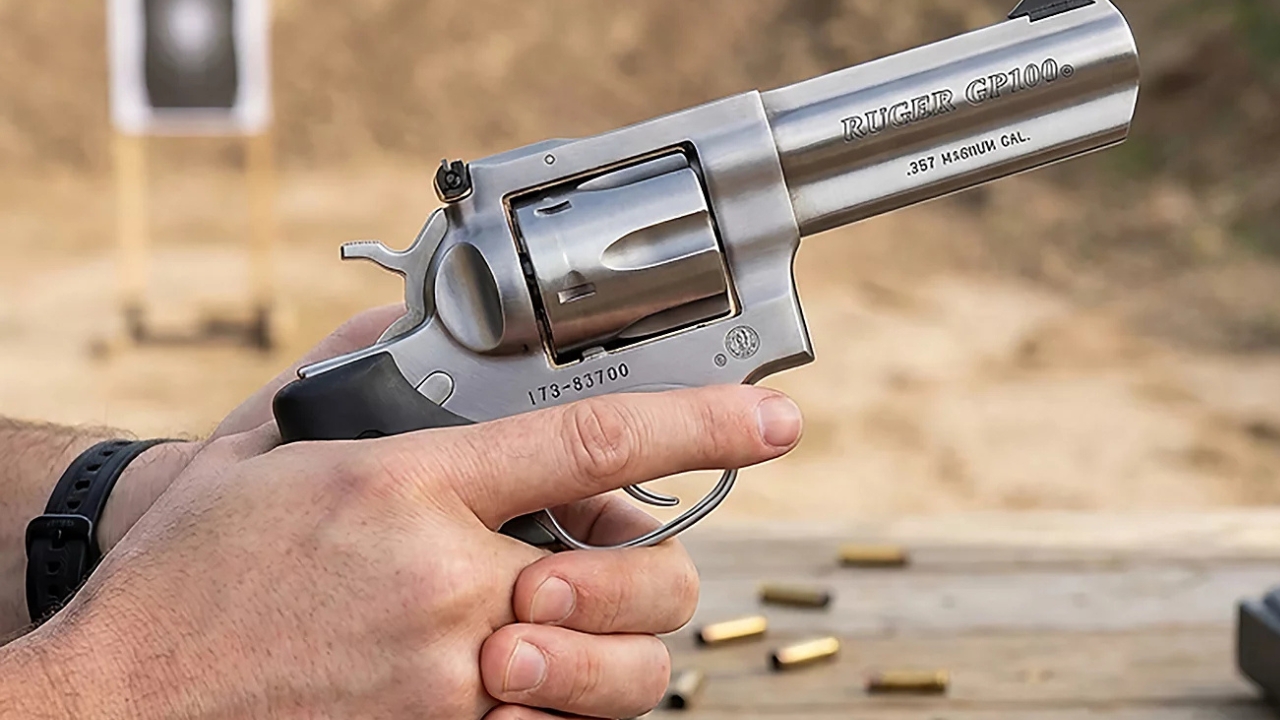
Ruger GP100
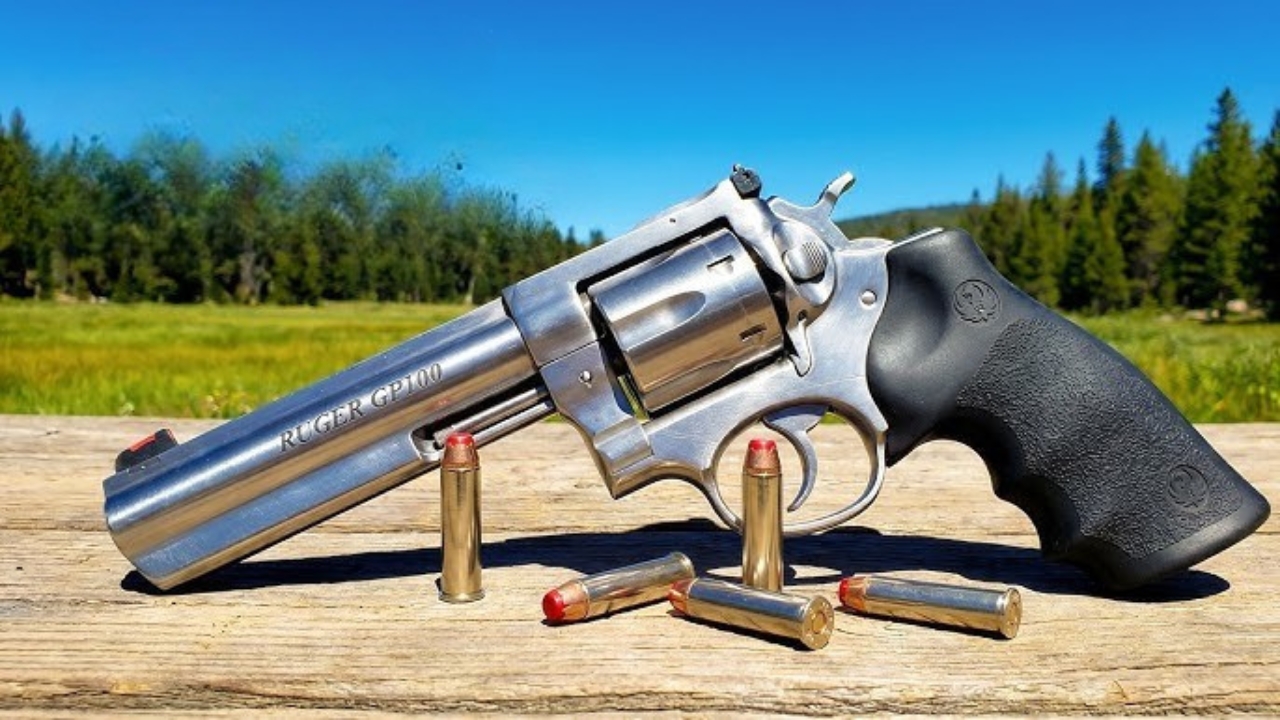
The Ruger GP100 became a standard for durable .357 Magnum revolvers. It is not as elegant as some Smith & Wesson revolvers and does not have the collector shine of older Colts, but it is strong, practical, and built for shooters who actually intend to use magnum loads.
Other revolvers get compared to the GP100 on toughness. If a .357 feels more refined, people still ask whether it is as rugged. If it is lighter, they ask whether it handles recoil as well. The GP100 became a benchmark because it made durability part of the conversation. For a working .357, that matters more than looking pretty in the case.
Benelli Super Black Eagle
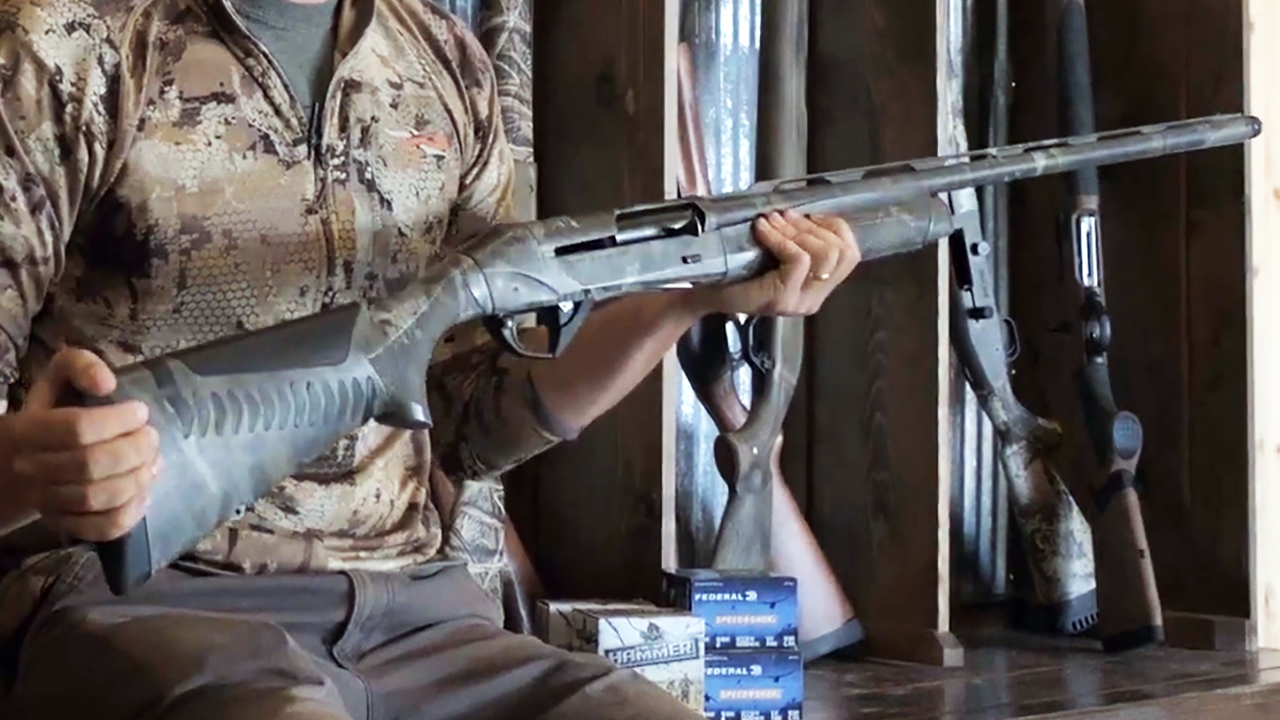
The Benelli Super Black Eagle became a standard for serious waterfowl shotguns. It was not cheap, and it was not aimed at casual buyers. It built its reputation with hunters who wanted a semi-auto that could handle hard conditions, heavy loads, cold weather, and long seasons in blinds and marshes.
That reputation turned it into a measuring stick. New waterfowl semi-autos get compared to the Super Black Eagle on reliability, recoil, weight, cycling, weather resistance, and field durability. Some guns beat it in certain areas, and not every hunter needs one. But the SBE became the shotgun other premium waterfowl guns have to explain themselves against.
Colt 1911 Government Model

The Colt 1911 Government Model became the standard for single-action .45 pistols and, in many ways, for what a fighting handgun could feel like. Plenty of modern pistols beat it on capacity, weight, maintenance ease, and price. That still does not erase the influence of the design.
Other pistols are still judged against the 1911 in trigger quality, grip angle, pointing, and shooting feel. Even shooters who do not want to carry one often admit that a good 1911 has a trigger few service pistols can match. It became a standard because it shaped expectations for generations. Newer guns may be more practical, but they are still measured against what the 1911 does well.
Like The Avid Outdoorsman’s content? Be sure to follow us.
Here’s more from us: