Photo credit: Browning
When you stretch shots past a few hundred yards, the wind becomes the ultimate test. Even the best marksman can’t overcome poor equipment when the rifle itself isn’t suited for long-range consistency. Lightweight barrels, poorly chosen calibers, or rifles with stock designs that don’t hold steady under pressure can all turn what should be a tight group into a scatter. Wind drift doesn’t care how much you paid for a rifle—it only responds to ballistics and stability.
If you’ve ever watched your shots spray sideways despite holding a good position, chances are the rifle wasn’t built to handle crosswinds. These rifles have their uses, but when it comes to precise long-range shooting, they often fall apart once the wind starts to push.
Ruger American Predator in .243 Winchester
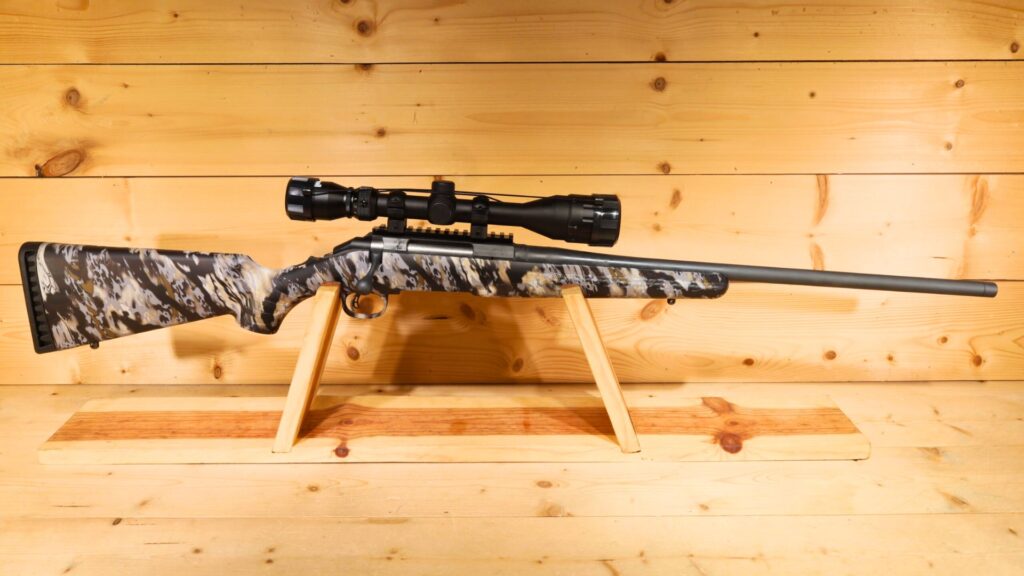
The Ruger American Predator in .243 Winchester has earned a following for its affordability and hunting practicality, but it doesn’t shine in windy long-range conditions. The .243’s light bullets, especially the common factory loads, drift heavily when pushed past 300 yards. Combined with the Predator’s lighter barrel, groups open quickly under variable wind.
For deer hunting at moderate ranges, it performs well enough. But when you try stretching it for target shooting or longer shots in open country, the wind exposes the cartridge and the platform. Even with careful doping, you’ll find that light recoil and affordability don’t overcome the laws of physics. It’s a capable budget rifle, but not one you want to trust when long-range accuracy in the wind is the priority.
Savage Axis II in 25-06 Remington

The Savage Axis II in 25-06 Remington is accurate in calm conditions, but once the wind picks up, the round’s lighter bullet weights show their limits. The Axis II is also a lightweight platform, which makes it more difficult to hold steady in gusty weather. Long-range groups quickly expand when crosswinds are unpredictable.
The 25-06 can be fast and flat, but at long range, those lighter bullets get pushed harder than shooters often expect. The Axis II’s economy build makes it less forgiving, with thinner barrels heating up and throwing shots even further off. It’s fine for whitetail at closer ranges, but if you’re aiming for precision in windy country, this setup makes it tough to keep your groups consistent.
Winchester XPR in .270 Winchester
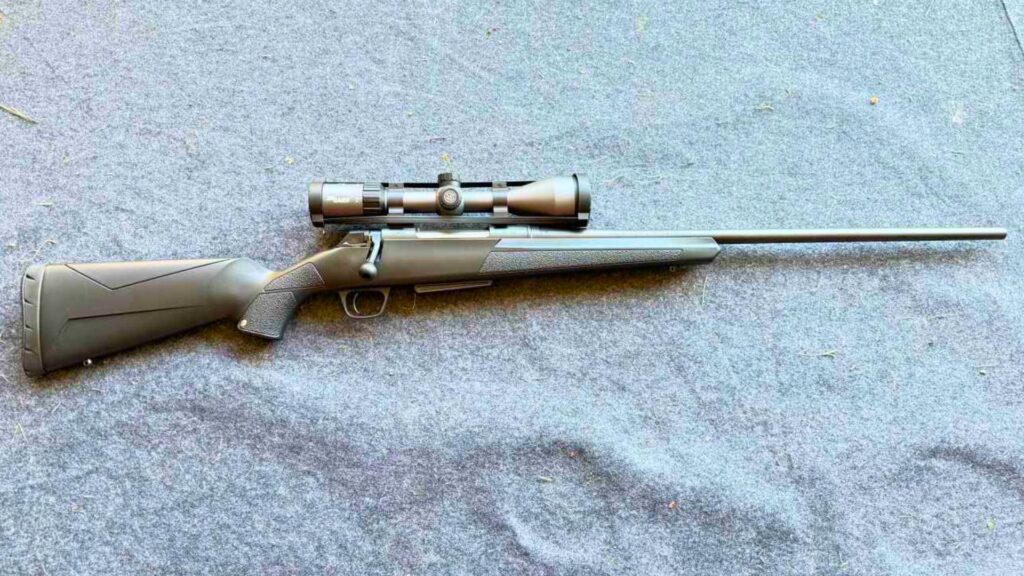
The Winchester XPR chambered in .270 Winchester is popular with hunters, but the cartridge is known for drifting more than many expect when pushed far. Factory ammo often relies on lighter, flatter bullets, which look good on paper until the wind enters the equation. The XPR, with its relatively light profile, only amplifies the problem.
You might find the .270 hits hard and shoots flat, but its long-range wind performance doesn’t compete with heavier, high-BC calibers. In the XPR, which doesn’t provide the same rigidity or barrel options as higher-end rifles, groups can spread fast under crosswind conditions. For tree-stand ranges, it’s solid. But out west where shots stretch, this rifle and caliber combo can make holding tight groups nearly impossible when conditions aren’t calm.
Browning AB3 in .308 Winchester (Lightweight Models)

The Browning AB3 in lightweight .308 configurations is easy to carry, but it struggles at long range in the wind. While the .308 is known for accuracy, its slower velocity compared to modern long-range calibers means wind drift becomes more noticeable past 600 yards. In the AB3 lightweight build, barrel whip and stability issues exaggerate the challenge.
Hunters carrying it into the field appreciate the portability, but it doesn’t translate well on the range when winds pick up. The groups you get at distance simply won’t rival those from heavier rifles chambered in higher BC cartridges. The AB3 has its place, but for long-range precision in shifting wind, it’s more of a liability than an asset.
Remington 783 in .223 Remington

The Remington 783 chambered in .223 Remington might be handy for varmints, but it’s not the rifle you want for long-range in gusty conditions. The .223 is notorious for wind drift once you push beyond 300 yards, and the 783 doesn’t offer the rigidity or heavy barrel profiles that can help offset those limitations.
While accurate enough in calm air, groups fall apart quickly when a crosswind blows. Even with heavy-for-caliber bullets, the .223 lacks the ballistic efficiency to cut through wind the way 6.5mm or .30-caliber options can. In the 783 platform, you’re working with a budget rifle not designed for long-range precision. As a result, you’re fighting both the cartridge and the rifle when wind enters the equation.
Ruger Hawkeye in .22-250 Remington
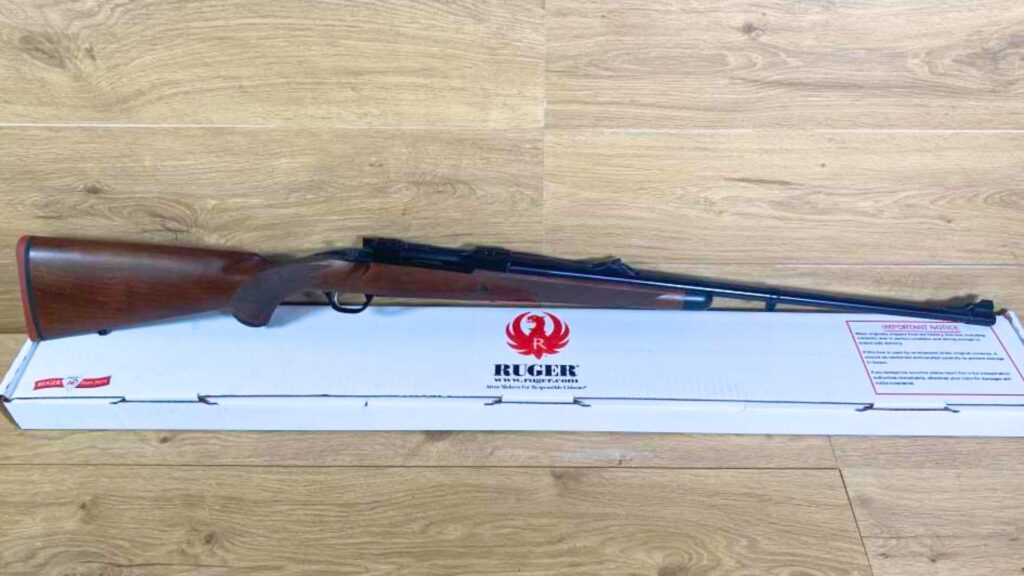
The Ruger Hawkeye chambered in .22-250 Remington is a favorite among varmint hunters, but for long-range accuracy in the wind, it’s a struggle. The high velocities make for flat trajectories, but the lighter .22-caliber bullets drift badly in even moderate breezes. That makes tight groups at distance hard to maintain.
The Hawkeye is a solid rifle with good build quality, but the caliber choice limits what you can do at long range. You’ll often find yourself chasing adjustments that still don’t bring the group together once the wind shifts. For prairie dogs at closer ranges, it’s excellent, but for consistent long-range groups in windy conditions, this rifle and caliber combo is a poor match.
Mossberg Patriot in 7mm Remington Magnum (Sporter Barrel)
The Mossberg Patriot chambered in 7mm Rem Mag offers reach and power, but in sporter barrel versions, it falls short in windy long-range shooting. The lightweight barrel heats quickly, and when combined with the recoil of the 7mm Mag, it makes it hard to keep groups tight under changing wind conditions.
While the cartridge itself is capable of long-range accuracy, the Patriot’s build doesn’t give it the stability needed for precision work. Wind drift combined with barrel heat results in groups that spread far more than shooters expect. As a hunting rifle for a couple of well-placed shots, it’s fine. But as a long-range performer in the wind, it doesn’t hold up.
Remington 700 ADL in .204 Ruger
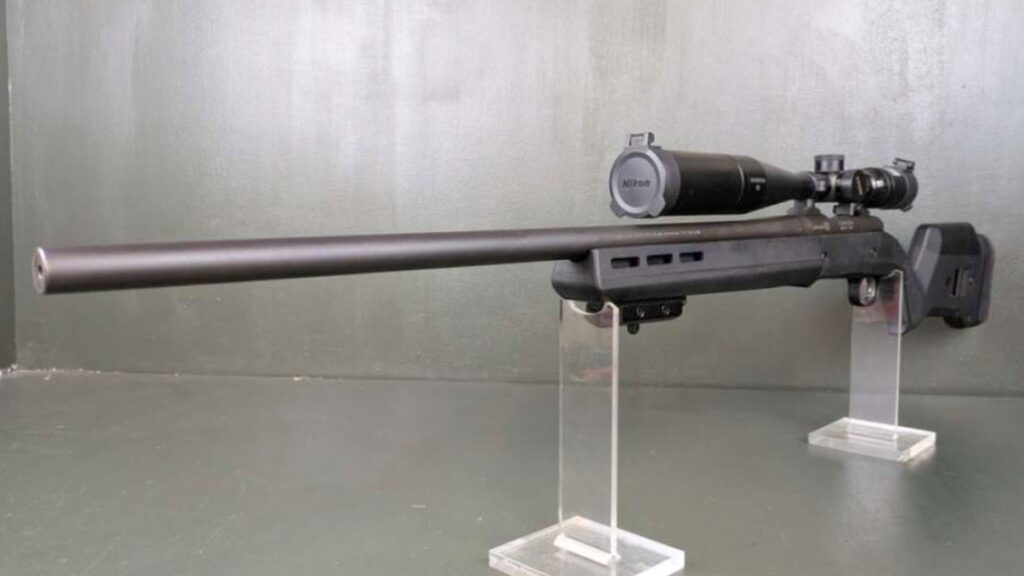
The .204 Ruger is one of the flattest-shooting cartridges out there, but it’s also one of the worst in the wind. The Remington 700 ADL chambered in .204 Ruger is accurate in calm conditions, but once a crosswind shows up, those tiny bullets get pushed everywhere.
Even with careful corrections, the groups at long range are inconsistent and frustrating. The 700 action is excellent, but no rifle can overcome the cartridge’s limitations in gusty weather. It’s a fun round for varmints at shorter ranges, but if your goal is tight groups past 400 yards in the wind, the .204 Ruger in a 700 ADL will let you down quickly.
Savage Lightweight Storm in 6.5 Creedmoor
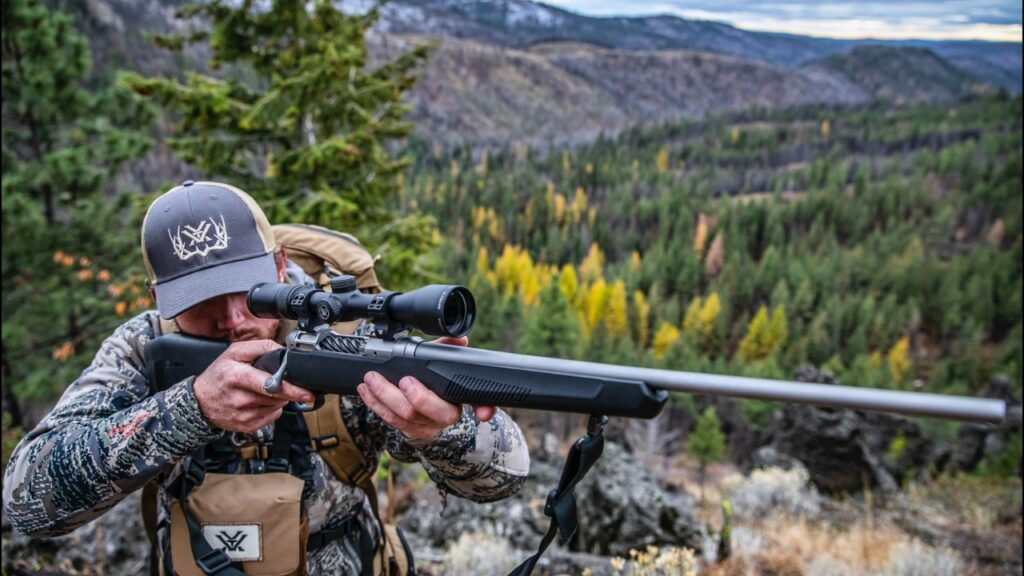
The 6.5 Creedmoor has excellent long-range credentials, but in rifles like the Savage Lightweight Storm, the platform works against it. The lighter build makes it difficult to hold steady, and even with high-BC bullets, wind drift is exaggerated when you can’t maintain stability through the shot.
In calm conditions, the rifle and caliber combination works well, but in gusty environments, groups spread more than you’d expect. The Creedmoor deserves a heavier, more stable platform for its true potential. In the Lightweight Storm, it simply doesn’t give you the consistency you need when the wind is swirling. Hunters may still like it for carrying, but for long-range targets, it falls short.
Ruger American Ranch in 7.62×39

The Ruger American Ranch in 7.62×39 is a handy, compact rifle, but it’s not suited for long-range shooting in the wind. The cartridge itself lacks the ballistic efficiency to buck crosswinds, and the short, lightweight design of the rifle makes consistency even harder.
While great as a close-range deer or hog rifle, it ruins groups if you try stretching it past moderate distances in gusty weather. The Ranch rifle is built for utility, not precision. If you expect long-range performance from it, especially in the wind, you’ll be disappointed. It’s reliable, but not the tool for that job.
Winchester XPR Hunter in .300 WSM (Lightweight Configurations)
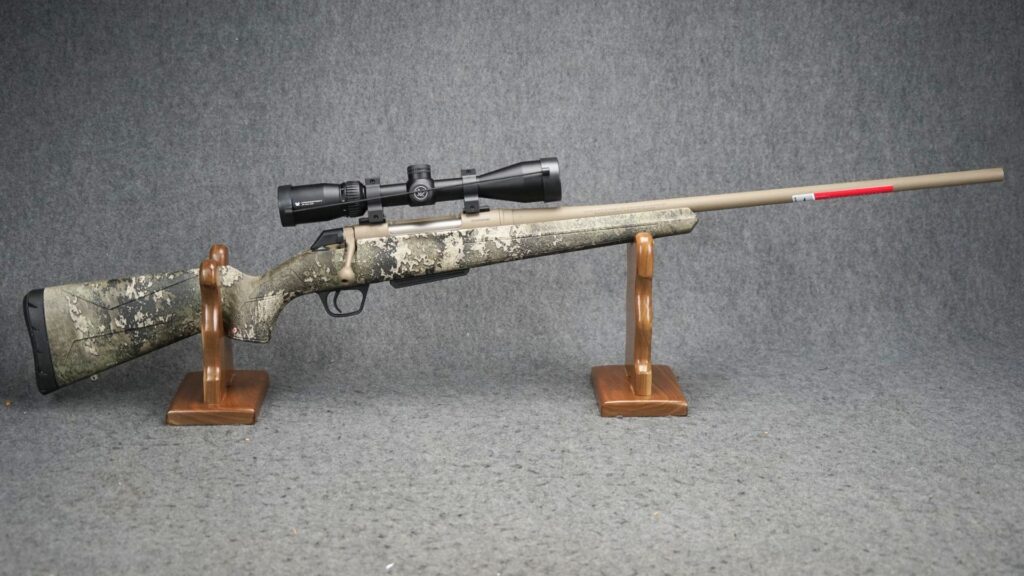
The .300 WSM is capable, but when chambered in lightweight versions of the Winchester XPR Hunter, the setup falls short in windy long-range conditions. The recoil in a light rifle makes it harder to stay on target, and groups suffer when combined with shifting air.
The cartridge itself has the horsepower, but the platform doesn’t provide the mass or barrel profile to harness it effectively. For a couple of hunting shots, it may be fine, but as soon as you try holding groups at distance under crosswinds, the weaknesses show. It’s a case where the caliber is capable, but the rifle’s design undermines its potential.
Mossberg MVP Predator in .223 Remington
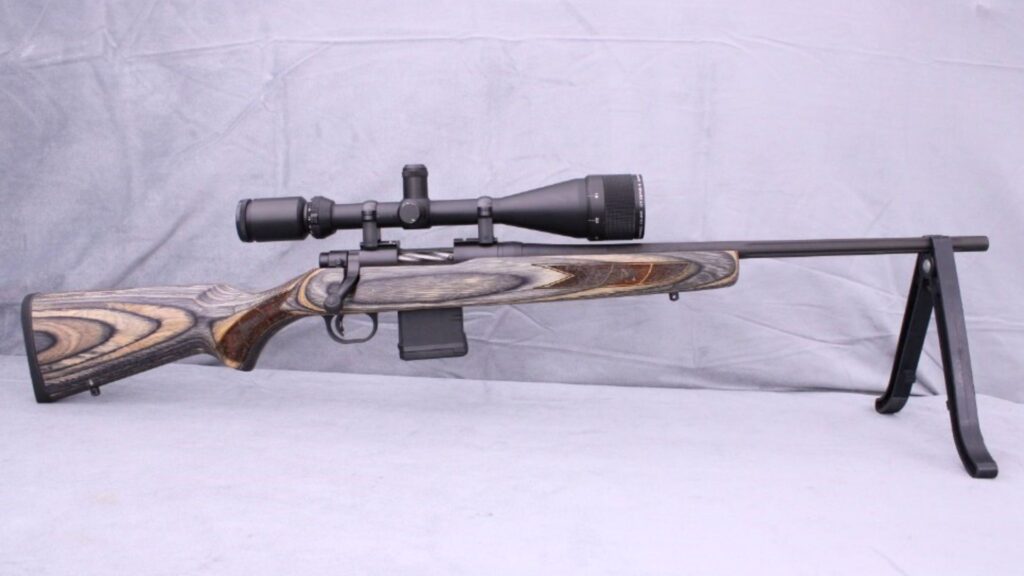
The Mossberg MVP Predator in .223 Remington is accurate enough at short ranges, but it falls apart in the wind at long distances. The .223 round simply drifts too much, and the Predator’s lighter build doesn’t help with stability. Even with heavy bullets, you’ll struggle to keep a tight group past 400 yards when the breeze is unpredictable.
The MVP Predator has its uses, especially for varmints and target shooting closer in. But long-range precision in windy conditions isn’t its strong suit. If you take it into that role, you’ll quickly learn why it’s better suited for more modest distances. It’s accurate in its lane but ruins groups when asked to stretch farther than it should.
*This article was developed with AI-powered tools and has been carefully reviewed by our editors.