Photo credit: Sootch00/YouTube
A carry pistol is a life-support tool, even if you mostly wear it for peace of mind. That means the bar is higher than “ran fine on one range trip.” Small guns, tight guns, and bargain guns can all run great—until they meet your exact ammo, your exact magazines, your grip, your holster lint, and the reality of sweat and pocket carry.
So when I say you should “test hard,” I mean proving the pistol the way you’ll carry it. Shoot it fast. Shoot it one-handed. Shoot it from awkward positions. Run your carry ammo. Swap magazines. Let it get a little dirty. The goal isn’t to punish a gun for fun—it’s to learn what it does when everything isn’t perfect. These are specific pistols that deserve that kind of shake-down before you bet your safety on them.
SIG Sauer P365

The P365 is a carry standard for a reason, but tiny 9mms ask more of their owner. Slide speed is high, springs are working hard, and small grip surfaces make grip mistakes show up fast. That can look like failures to return to battery or inconsistent ejection when you start pushing pace.
If you carry a P365, test it with your actual magazines and your actual carry ammo. Run it one-handed and from a compressed grip, because that’s where micro pistols reveal weak points. Pay attention to recoil spring life and magazine condition, since both matter more on small guns. When the P365 is sorted, it can be excellent. You still want proof from your own hands.
Springfield Hellcat
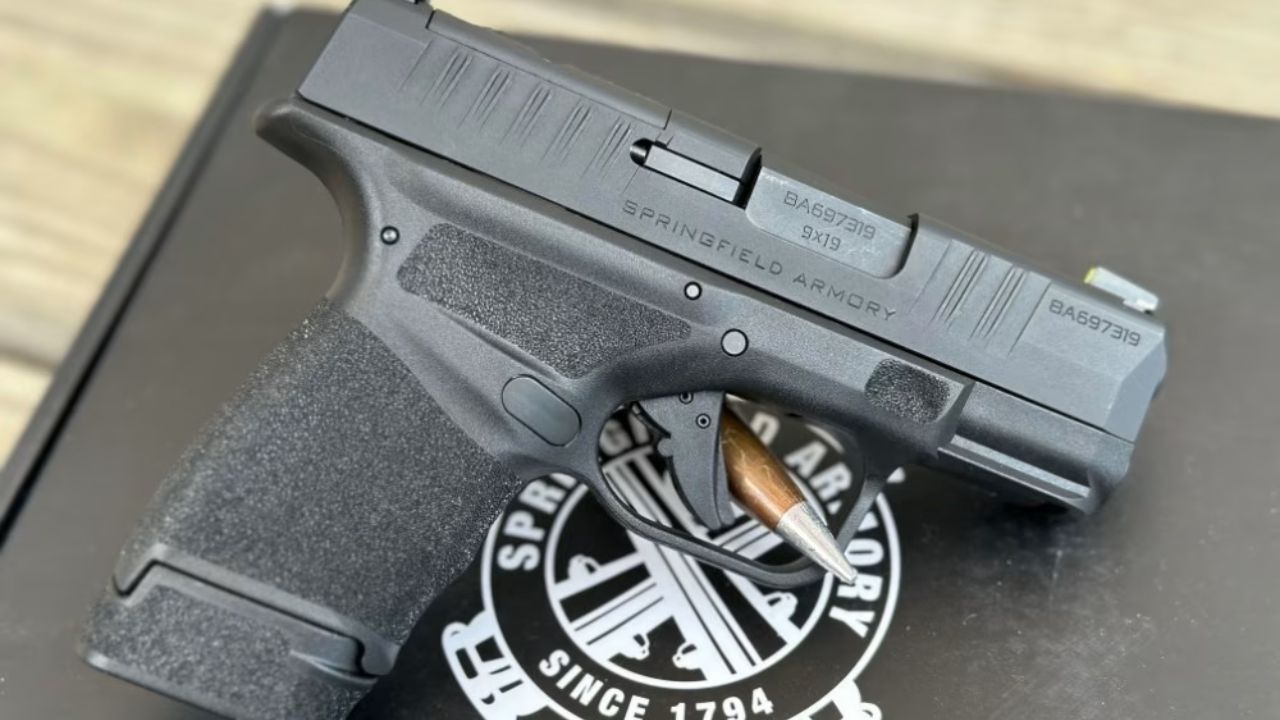
The Hellcat packs a lot into a small frame, and that’s the kind of design that rewards real validation. With micro pistols, recoil impulse, slide velocity, and grip tension live in a narrow window. If your support hand slips, or your grip pressure changes during a fast string, the gun can feel like it’s “different” from shot to shot.
Put the Hellcat through rapid-fire, reloads, and mixed ammo to see how it behaves when the gun is hot and your hands are moving. Test with the magazine configuration you’ll carry—flush mags and extended mags can feel like two different pistols. Also check how it runs after a week of carry lint and sweat. If it stays consistent through that, you’ve learned something valuable.
Smith & Wesson M&P Shield Plus

The Shield Plus is a strong carry choice, but its size means your grip, thumb placement, and magazine setup matter. The gun can run perfectly and still show you a pattern: one magazine runs clean, another causes odd feeding, or a certain bullet profile makes the nose ride high during chambering.
A hard test for a Shield Plus includes running multiple magazines, including the one you plan to carry. Shoot it fast enough to stress the cycle, then slow down and watch for subtle changes in ejection and lockback. Confirm your carry ammo feeds with a full magazine and with one in the chamber. The Shield Plus often rewards you with boring reliability, but you want that boredom earned.
Glock 43 / Glock 43X

The slim Glock lineup is dependable, but slim pistols can be more sensitive to shooter input than their double-stack cousins. The 43 and 43X also get carried hard—close to the body, in humid conditions, with sweat and grit that find their way into the gun.
Run yours with the exact magazines and baseplates you trust. If you’re using non-factory magazines or aftermarket extensions, your test needs to be more aggressive, because springs and follower geometry can change everything. Shoot it from a compromised grip, shoot it dirty, and confirm it locks back when you’re moving fast. The gun often passes with ease, but the only pass that matters is the one your pistol earns.
Ruger LCP Max
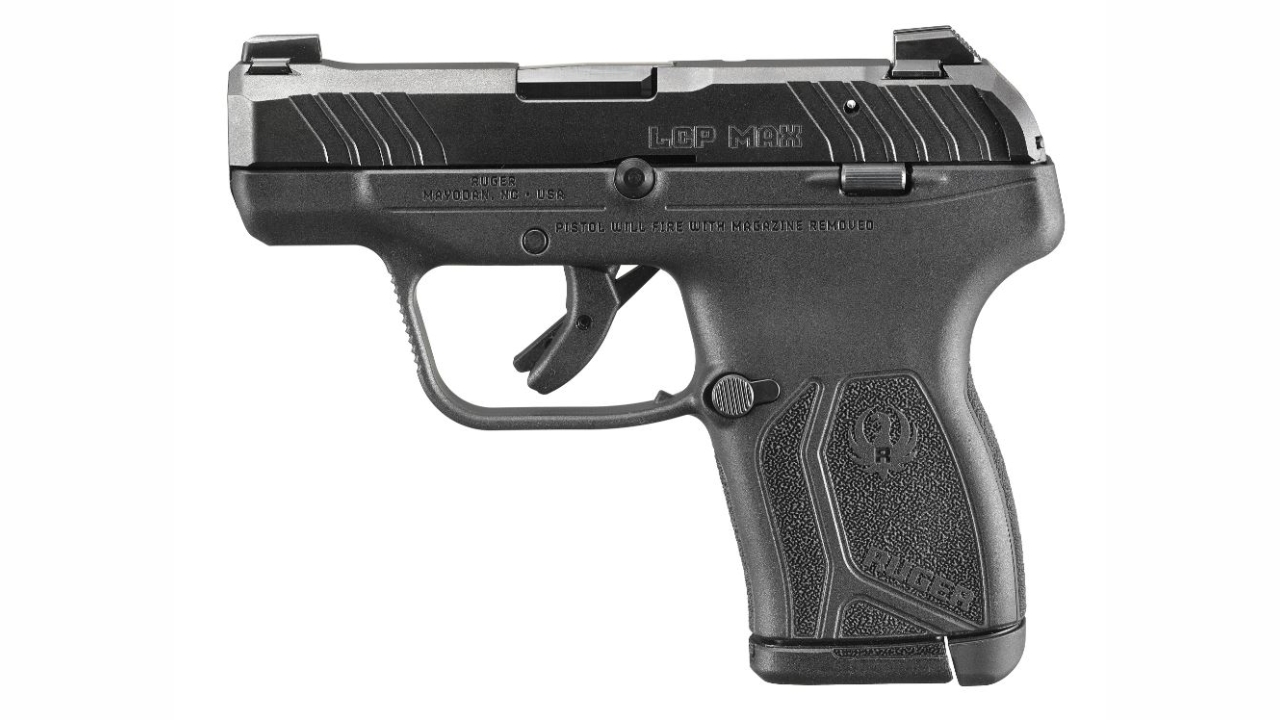
Pocket .380s live a rough life. They ride in lint, get handled with sweaty hands, and often go longer between cleanings than belt guns. The LCP Max gives you more capacity and a better sight picture than older pocket guns, but it’s still a very small pistol with very little mass to smooth out cycling.
Test it with the ammo you intend to carry, especially if you’re using modern defensive .380 loads that vary in pressure and bullet shape. Run it from a true pocket-gun grip and from a rushed draw, because that’s how it will be used if things go bad. Also test your pocket holster setup, since a bad holster can drag on the gun and foul the draw. Pocket guns can be trustworthy. They have to earn it.
SIG Sauer P238
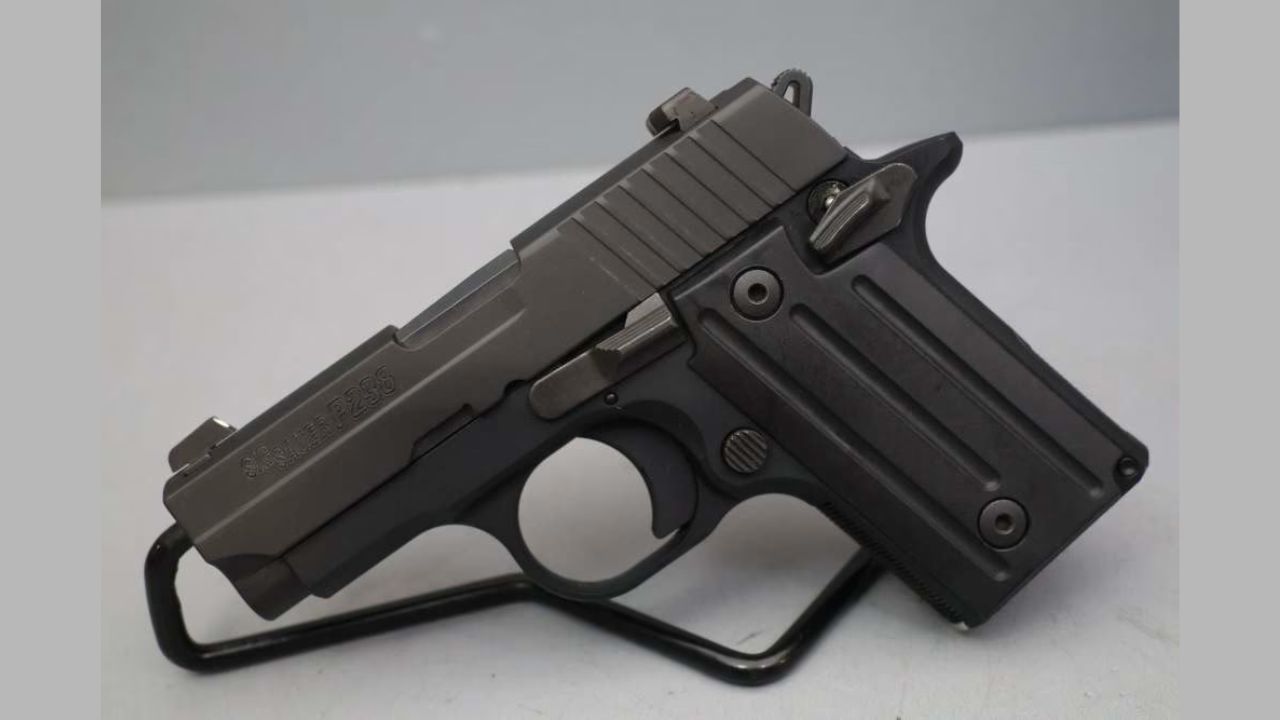
The P238 can shoot softer than you’d expect for its size, and many run extremely well. It’s also a compact, spring-driven .380 with tight geometry, and that means magazine condition, ammo choice, and maintenance have a bigger influence than on a larger pistol.
If you carry a P238, validate it with multiple magazines, because tiny mags are easy to damage and easy to load inconsistently. Run your carry load through full magazines and partial magazines to confirm feeding stays smooth. Pay attention to how it behaves when you grip it hard versus when you grip it lightly. Small .380s can mask problems until you speed up. A real test gives you confidence that the gun will stay steady when your hands aren’t.
Kimber Micro 9

The Micro 9 can be a great-handling little pistol, but small 1911-style guns are often more ammo- and magazine-dependent than polymer micro 9s. Feed ramp geometry, recoil spring rates, and extractor tension all matter more when the slide is short and moving fast.
If you’re carrying a Micro 9, you want to see it run with your chosen hollow point, not only with round-nose ball. Test it when clean, then again after a couple hundred rounds, because short-slide pistols can change behavior as they get warm and dirty. Also verify each magazine you own, since one weak spring can turn into a pattern of nose-dives or last-round issues. If your Micro 9 runs clean through that, you’ve done your homework.
Kahr PM9 / CM9

Kahr’s small pistols have a distinct feel, and many shooters carry them with confidence. They also have tight slide-to-frame fit and a recoil system that can feel stiff when new. That combination can make them less forgiving with weak ammo, short-stroking, or inconsistent grip pressure during fast shooting.
A proper test means running enough rounds to see the gun settle in and prove it isn’t sensitive to your technique. Use the magazines you’ll carry, and pay attention to slide lock and return-to-battery behavior when the gun is dry or lightly lubed. Run your carry ammo through it, because some bullet shapes behave differently in compact feed paths. When a Kahr is dialed, it can be a smooth, accurate carry pistol. You still want it verified.
Walther PPS M2

The PPS M2 is slim, accurate, and easy to carry, which makes it tempting to assume it will be flawless with minimal effort. Slim pistols, though, can be more sensitive to grip and thumb pressure, especially when you start running them fast. Controls are close to your hands, and it’s easy to induce issues without realizing it.
Test the PPS M2 with your normal grip and with a compromised grip, because real life doesn’t guarantee perfect hand placement. Verify all magazines, especially if you rotate between different capacities. Run your carry ammo and watch for any pattern in ejection, lockback, or feeding during rapid strings. The PPS M2 often runs very well, but “often” isn’t a carry standard. Proof is.
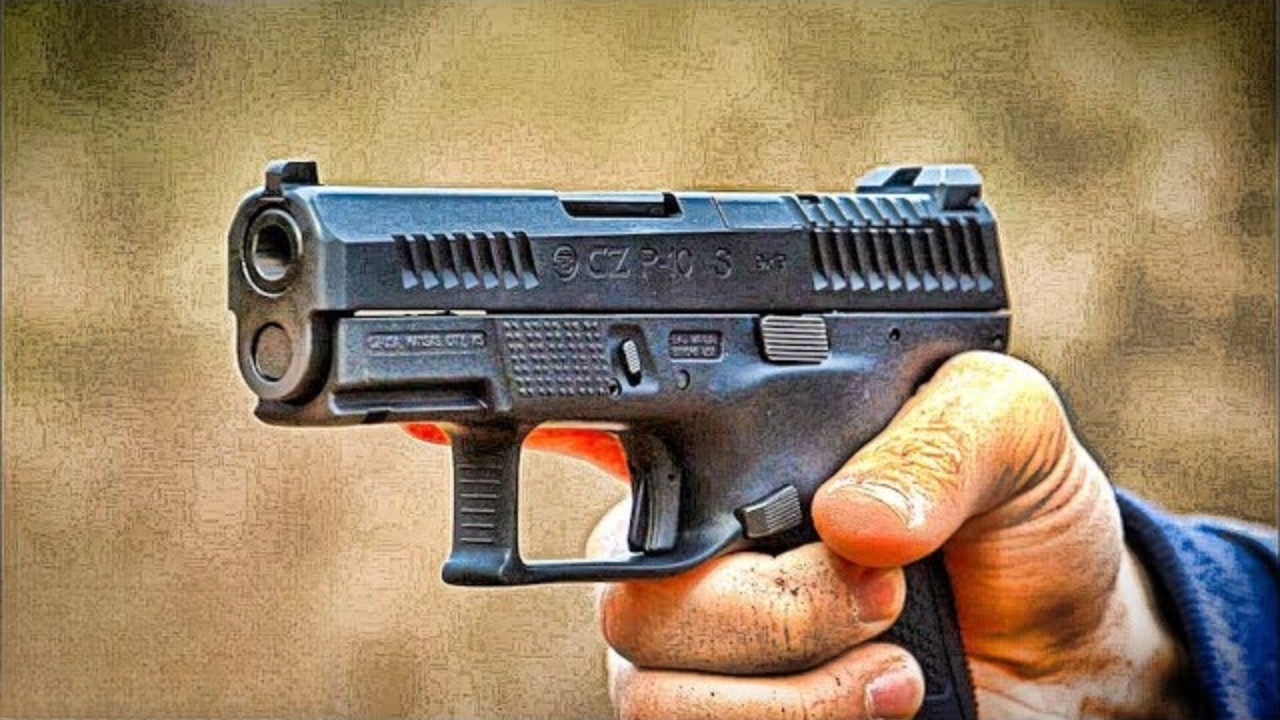
CZ P-10 S
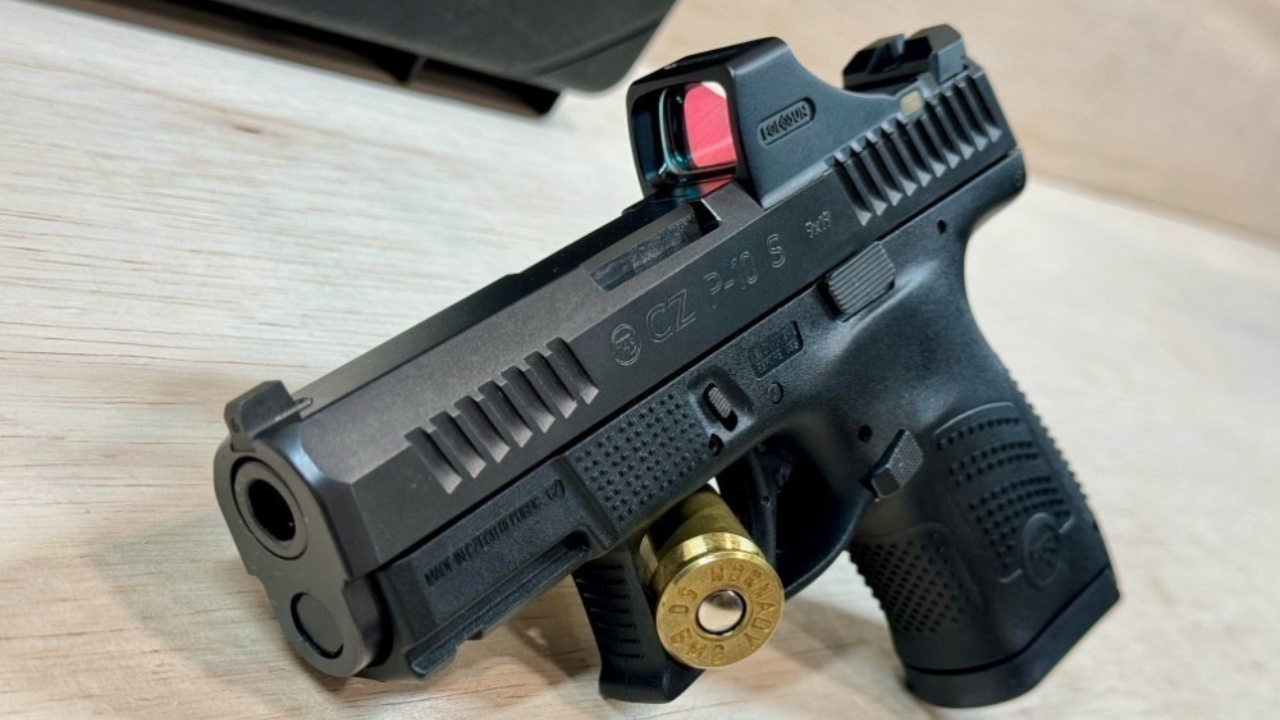
The P-10 S is a compact striker gun that can shoot above its size, but compact pistols can reveal weak links in magazine setup and recoil control. If you’re mixing magazine lengths, baseplates, or using extended mags, you’re changing how the gun behaves under recoil and during reloads.
Test it with the magazine you’ll carry, not only the one that feels best on the range. Run fast drills, reloads, and one-handed strings to confirm the gun stays consistent when your grip changes. Also confirm your carry load feeds cleanly when the magazine is fully topped off, because that’s where some compacts get picky. The P-10 S can be very reliable. Your job is to make sure your specific sample, with your specific setup, stays that way.
Taurus G3C

The G3C is popular because it’s affordable and easy to find, and plenty of people have good results with them. The reason it belongs on a “test hard” list is consistency. Budget pistols can vary more between individual samples, and small parts like magazines and springs can have a bigger effect than you’d expect.
If you carry a G3C, validate it with your exact magazines, and consider marking them so you can track performance. Run a mix of ammo, then run your carry load, because feeding and extraction can change with pressure and bullet design. Shoot it fast enough to expose weak ejection and lockback, and shoot it dirty enough to see if it keeps running when it isn’t pampered. If your G3C passes, carry it with confidence. Earned confidence.
SCCY CPX-2

The CPX-2 fills a niche for people who want an affordable carry pistol, and that’s legitimate. The tradeoff is you can’t assume it will behave the same way a higher-priced duty gun does across every ammo type and every magazine. When tolerances and parts quality vary, your testing matters more.
A real carry test means verifying reliability with your carry load, not only with inexpensive range ball. Confirm ignition with the primers in your chosen defensive ammo and confirm the gun locks back and feeds when you’re shooting quickly. SCCY pistols can also be sensitive to limp grip, so work in one-handed shooting and awkward positions. If the pistol runs when your grip is compromised and the gun is warm, you’ve learned it’s ready for carry.
Rock Island Armory GI-Style 1911

A GI-style 1911 can run very well, but the 1911 pattern is more of a system than a single design. Extractor tension, feed ramp geometry, magazine quality, and recoil spring setup all influence what the gun will digest. That means you can’t buy one, shoot a box of ammo, and assume it’s carry-ready.
If you plan to carry a Rock Island 1911, test it with the exact magazines you’ll carry and the exact hollow point load you trust. Run it from slide-lock reloads and confirm it feeds the first round cleanly from a full magazine, because that’s where many 1911s show their preferences. Also test it when slightly dry and slightly dirty, since carry guns live between cleanings. A good 1911 is comforting. A proven 1911 is safer.
Kimber Ultra Carry II

Three-inch 1911s can be excellent, but short-slide 1911s are less forgiving than full-size models. The timing window is tighter, the recoil system is working harder, and small changes in ammo pressure or magazine spring strength can show up as failures that don’t appear in a 5-inch gun.
If you’re carrying an Ultra Carry II, your test needs to include your carry load, multiple magazines, and fast strings where the gun heats up and your grip changes. Watch for return-to-battery behavior and any pattern of nose-dives on the last rounds. Also keep an eye on recoil spring life, because short guns tend to be more spring-dependent. Many people carry these successfully. The ones who do have usually proven the pistol with intent rather than trusting the name on the slide.
Springfield Armory EMP 9

The EMP is a 1911-style pistol scaled around 9mm, and that scaling can feel great in hand. It also means you’re dealing with a refined, compact system where magazines, ammo shape, and springing matter. When everything is matched, the gun can feel smooth and accurate. When something is off, compact 1911-style guns show it faster than larger pistols.
Test an EMP with the hollow points you actually plan to carry, and confirm every magazine you own performs the same. Run it from awkward grips and one-handed strings, because short, slim guns can be sensitive to grip changes under recoil. Also validate it after a normal carry week, because lint and sweat find their way into tight spaces. The EMP can be a fantastic carry pistol. Your job is to make sure yours stays fantastic when conditions aren’t perfect.
Like The Avid Outdoorsman’s content? Be sure to follow us.
Here’s more from us: