
Photo credit: Academy Sports
Some guns earn popularity the hard way. They work, they last, they shoot well, and owners slowly build their reputation through real use. Other guns get popular for reasons that do not hold up nearly as well. A movie appearance, a flashy design, a military connection, a loud fan base, or panic-driven demand can push a firearm much higher than its actual performance deserves.
That does not always mean the gun is useless. Some of these are perfectly serviceable firearms. The problem is that the attention around them often came from the wrong place. Buyers were chasing image, nostalgia, brand loyalty, or internet momentum instead of asking whether the gun actually made sense for the job.
Desert Eagle

The Desert Eagle became famous because it looks enormous, shows up well on camera, and makes people feel like they are holding something outrageous. Movies, video games, and pop culture did more for its reputation than practical shooting ever could. It is one of the few handguns that non-gun people recognize instantly.
As an actual handgun, though, it is a very specific tool. It is heavy, expensive, large, and not exactly practical for carry, defense, or normal range use. It can be fun, and it has real engineering behind it, but its popularity has always been more about spectacle than usefulness. Most people who want one are buying the idea of the Desert Eagle more than the handgun itself.
Taurus Judge
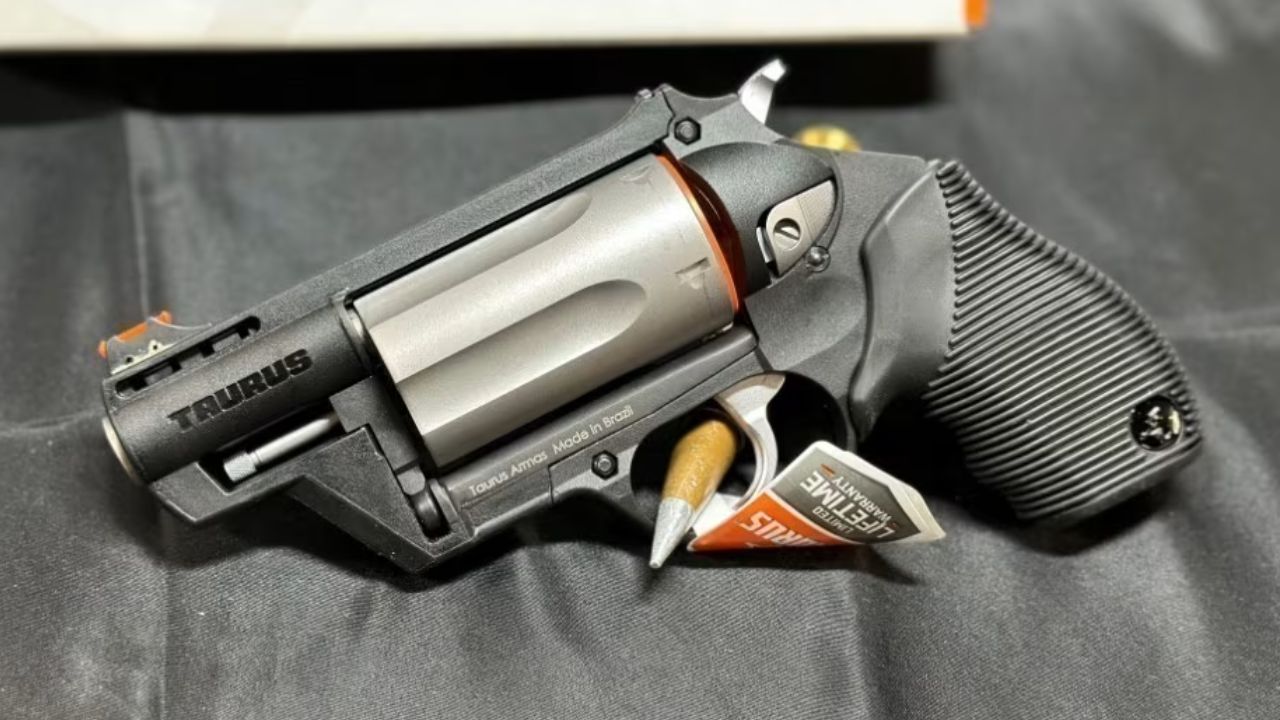
The Taurus Judge became popular because the concept sounded almost too good to ignore. A revolver that could shoot .410 shells and .45 Colt seemed like the ultimate answer for home defense, trail carry, snakes, and general-purpose protection. The marketing was easy to understand, and the novelty sold itself.
The reality is more complicated. From a handgun-length barrel, .410 loads do not behave like they do from a shotgun, and the platform is bulkier than many defensive revolvers or pistols. The Judge can be useful in certain narrow roles, but its popularity often came from people imagining shotgun performance in a revolver-sized package. That expectation did more to sell the gun than its real-world practicality.
KelTec KSG
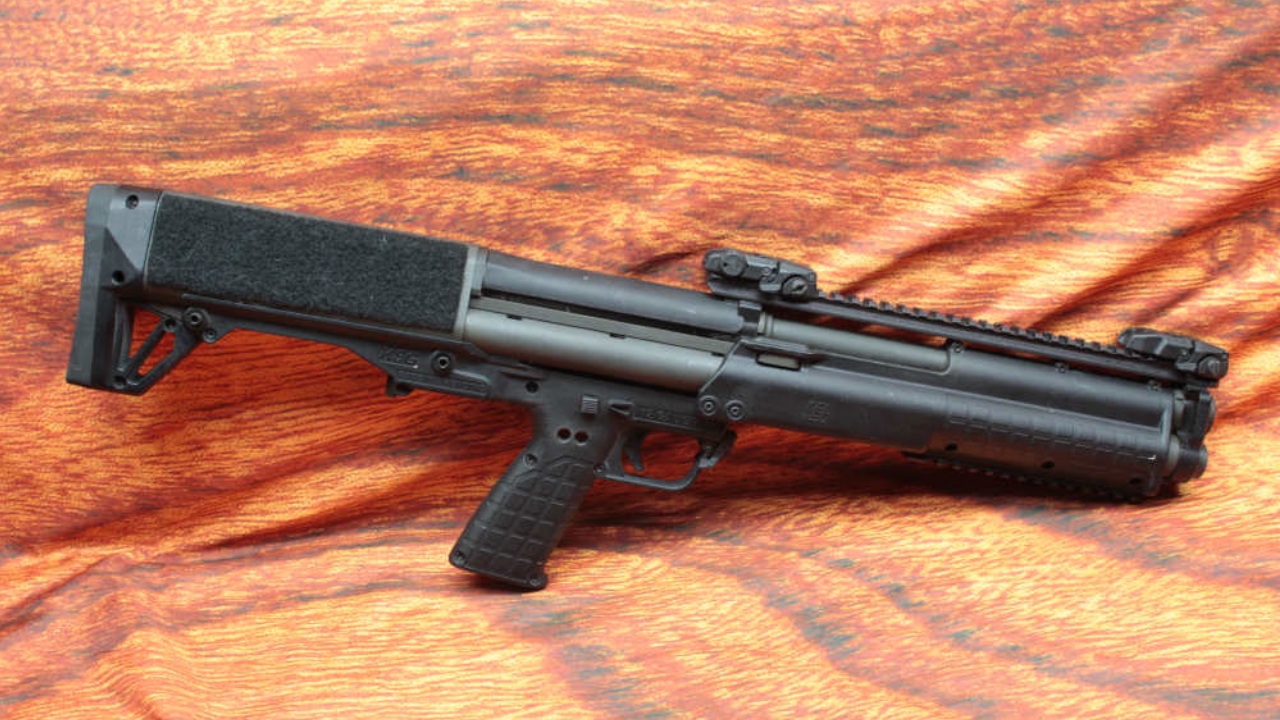
The KelTec KSG got popular because it looked futuristic and solved a problem that sounded exciting on paper. A compact bullpup pump shotgun with dual magazine tubes had instant appeal. It looked like something from a video game, and the high shell capacity made people pay attention fast.
The problem is that popularity built around cleverness does not always translate into comfort or confidence. The KSG can be useful, but it is also more complex to run than a traditional pump shotgun. Its compact design, loading system, and manual of arms require real practice. Many buyers were drawn in by the appearance and capacity before asking whether they would actually train enough to run it well.
Mossberg Shockwave
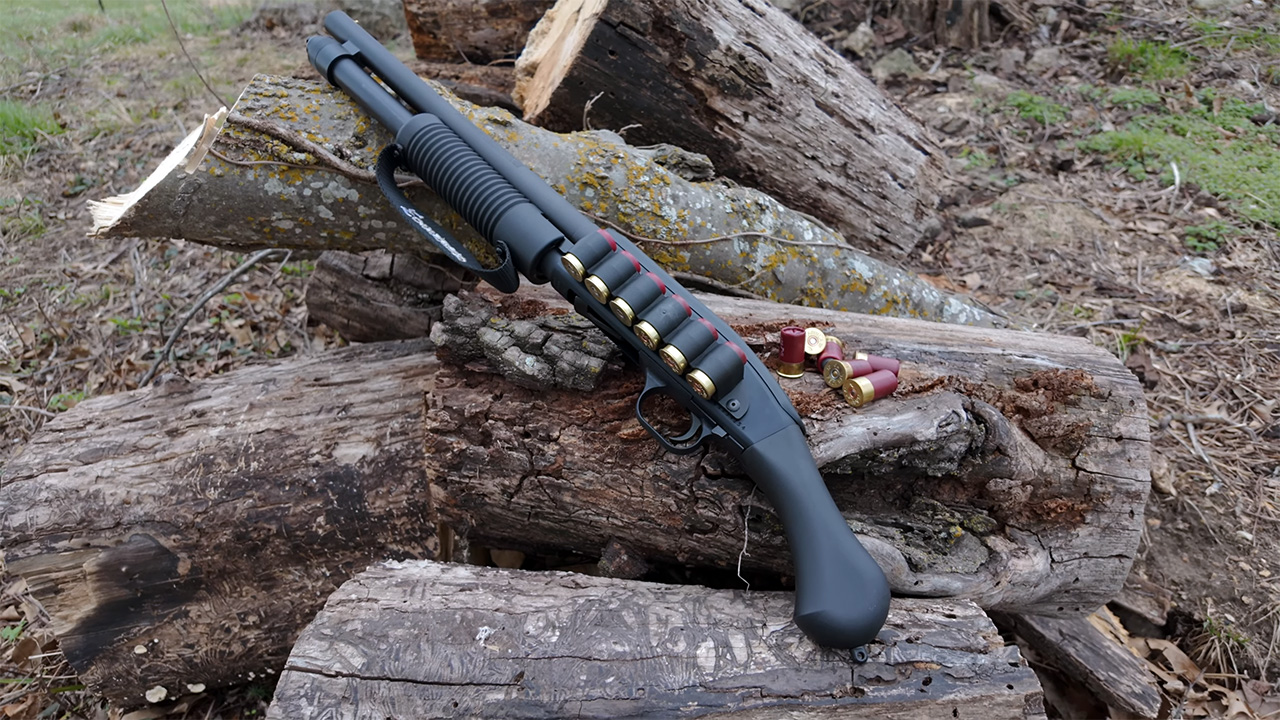
The Mossberg Shockwave became popular because it looked intimidating and landed in a legal gray-looking category that made people curious. It was short, dramatic, and easy to picture as a bedside problem-solver. The fact that it was not a normal shotgun only added to the attention.
For many owners, though, the excitement was stronger than the usefulness. A 12-gauge firearm without a shoulder stock is harder to control, harder to aim well, and less forgiving than a regular shotgun. It can be fun and has niche roles, but a lot of its popularity came from the “look what this is” factor. In practical terms, a stocked shotgun is usually easier to use well.
Glock 43
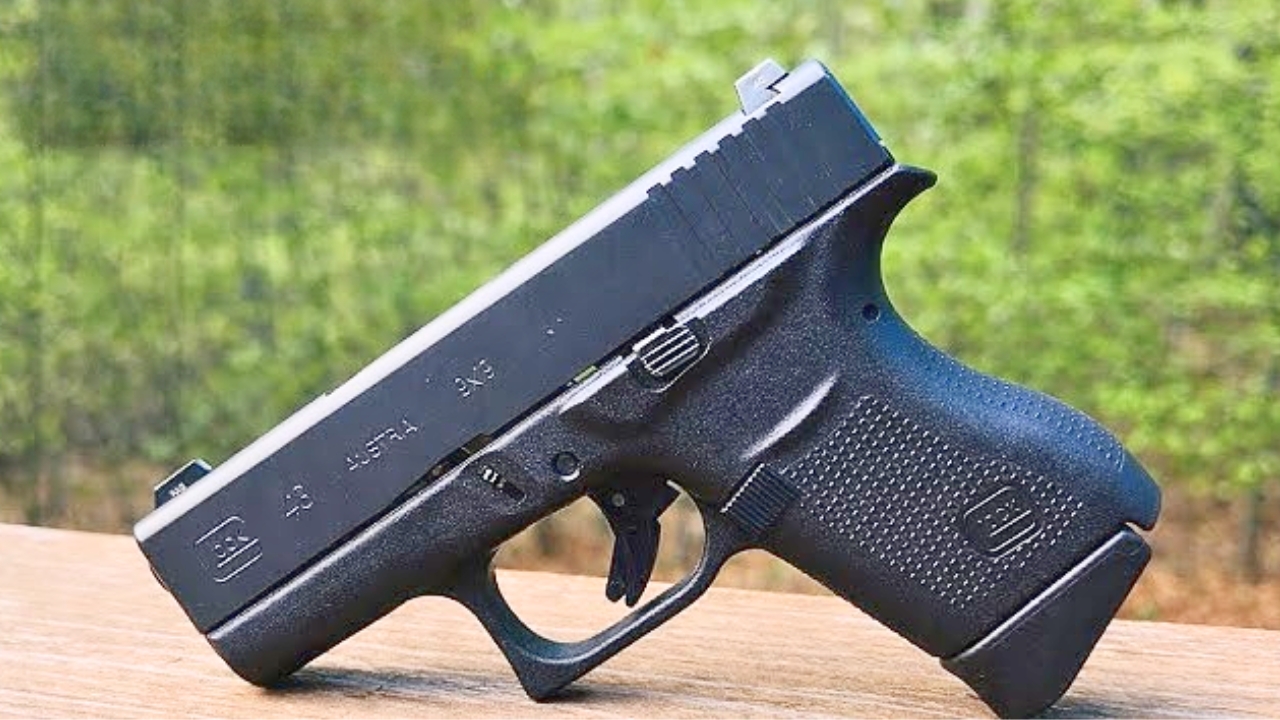
The Glock 43 got popular partly because it had the Glock name at the exact moment many people wanted a slim single-stack 9mm. It arrived with massive brand trust behind it, and buyers who had waited for Glock to make that type of carry pistol jumped quickly. In that sense, the pistol sold itself before many people even handled it.
The Glock 43 is not a bad pistol, but its popularity had more to do with timing and logo than standout performance. It was reliable and easy to carry, but capacity was limited, the grip was small, and later micro-compacts made it look less impressive. A lot of people bought it because it was the Glock they had been waiting for, not because it was clearly the best carry pistol in its class.
Remington R51

The Remington R51 got attention because people wanted to believe Remington had delivered something different. The design had history behind it, the pistol looked distinctive, and the idea of a soft-shooting compact 9mm with unusual mechanics sounded appealing. It created curiosity before buyers had enough proof.
Unfortunately, the early reputation became a warning sign. Reliability complaints and quality-control concerns damaged trust quickly. The R51 became popular because the concept was interesting, not because the execution was proven. That is the danger with buying into a comeback story too early. A clever design does not help much if the gun cannot earn confidence on the range.
Springfield Armory XD-S

The Springfield Armory XD-S became popular during the single-stack carry pistol boom. It was small, slim, and available in serious defensive chamberings, including .45 ACP. For buyers who wanted a pocketable or easy-carry pistol with more punch than a tiny .380, it looked like an obvious answer.
The problem is that some of the appeal came from chambering and size more than shootability. A very small pistol in .45 ACP is not pleasant for everyone, and capacity is limited compared with newer options. The XD-S can work, but a lot of people bought into the idea of big-bore power in a tiny carry gun before admitting that fast, accurate shooting under stress matters more.
Smith & Wesson Governor
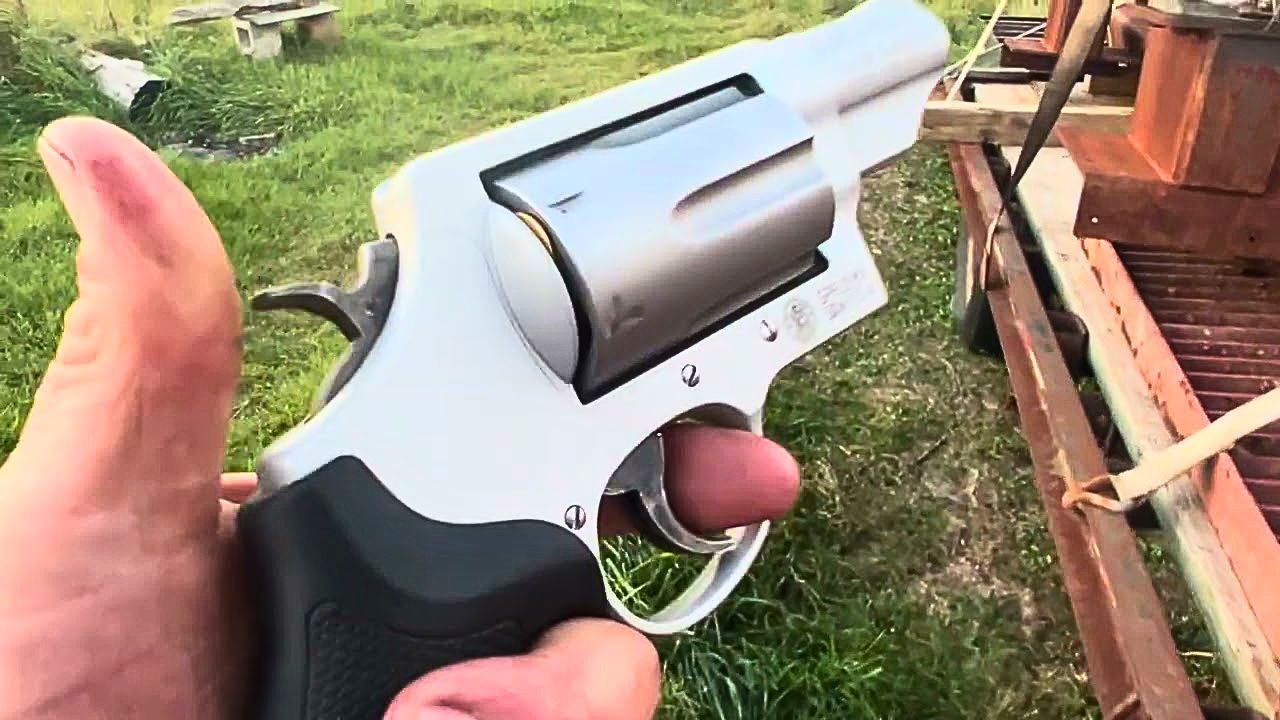
The Smith & Wesson Governor rode the same wave of interest that helped the Taurus Judge. The idea of a revolver that could fire .410 shotshells, .45 Colt, and .45 ACP with moon clips sounded extremely versatile. On paper, that kind of flexibility makes buyers feel like they are getting several guns in one.
In practice, the Governor is still a large revolver built around compromises. It is not as handy as a normal defensive handgun, not as effective as a real shotgun, and not as streamlined as a dedicated .45 revolver. Its popularity came from the promise of versatility, but versatility can become a trap when a gun does several things without being especially strong at any one of them.
FN Five-seveN

The FN Five-seveN became popular because it was different, expensive, and tied to a cartridge with a lot of mystique. The 5.7x28mm round gave it a futuristic reputation, and the pistol’s connection to FN’s broader PDW concept made it feel more exotic than ordinary defensive handguns. For many buyers, the appeal was as much about owning something unusual as anything else.
The Five-seveN is lightweight, low-recoiling, and interesting, but its popularity often outran the practical case for most owners. Ammunition cost, ammunition availability, and the realities of civilian defensive use make it less obvious than the hype suggests. It is a cool pistol, but “cool” did a lot of the heavy lifting in making it popular.
Chiappa Rhino
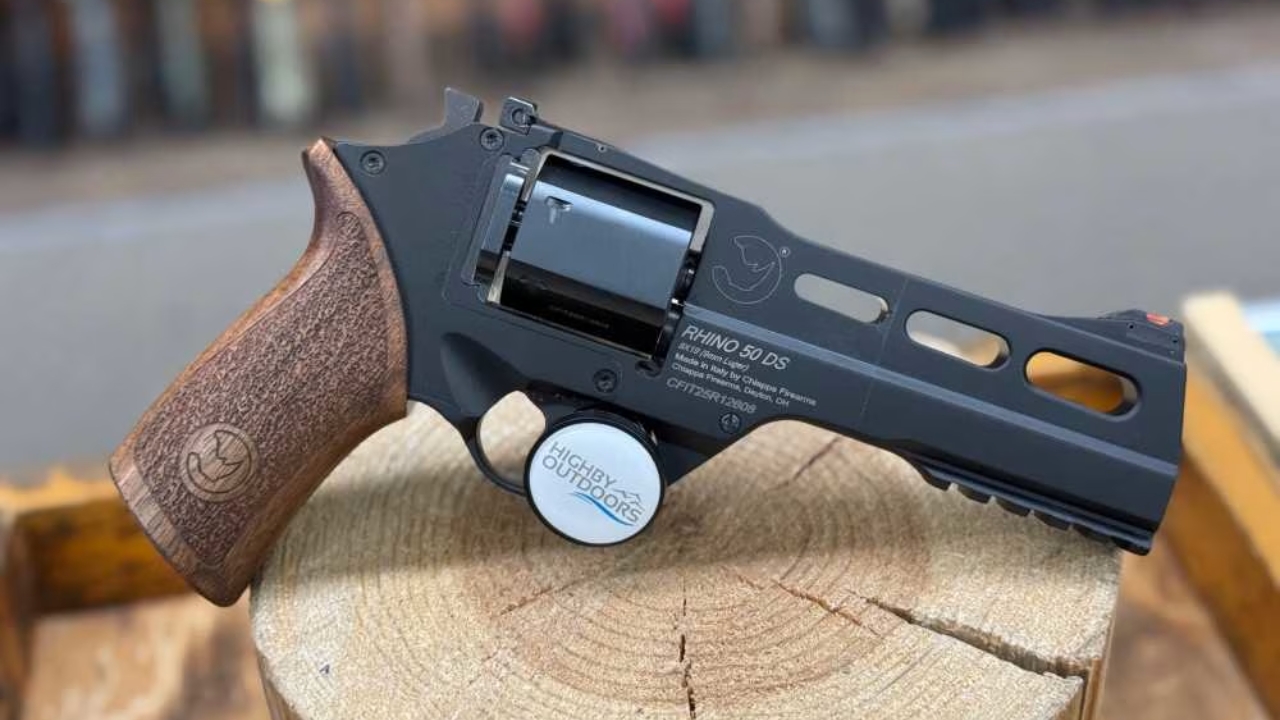
The Chiappa Rhino got popular because it looked unlike almost every other revolver on the market. The low bore-axis design was legitimately interesting, and the angular appearance made it stand out immediately. People who were tired of traditional revolvers saw something fresh.
The trouble is that unusual design can attract attention before long-term ownership catches up. The Rhino does reduce muzzle rise in noticeable ways, but the controls, grip feel, trigger, holster options, and general oddness are not for everyone. Its popularity came partly from being different, and different is not always the same as better. Some owners love it, but many buyers were drawn in by the shape before the shooting experience.
AK pistols

AK pistols became popular because they looked aggressive, compact, and fun. The idea of a short AK-pattern firearm with rifle-caliber firepower had obvious appeal. They were loud, dramatic, and perfect for range attention, especially before braces and rule changes complicated the category.
The practical side was always less clean. Short barrels reduce ballistic performance, muzzle blast is intense, and the guns are often awkward without a solid shouldering solution. They can be entertaining, but much of the popularity came from the cool factor of a compact AK rather than a well-defined use. For many buyers, the image was stronger than the actual role.
Lever-action tactical builds
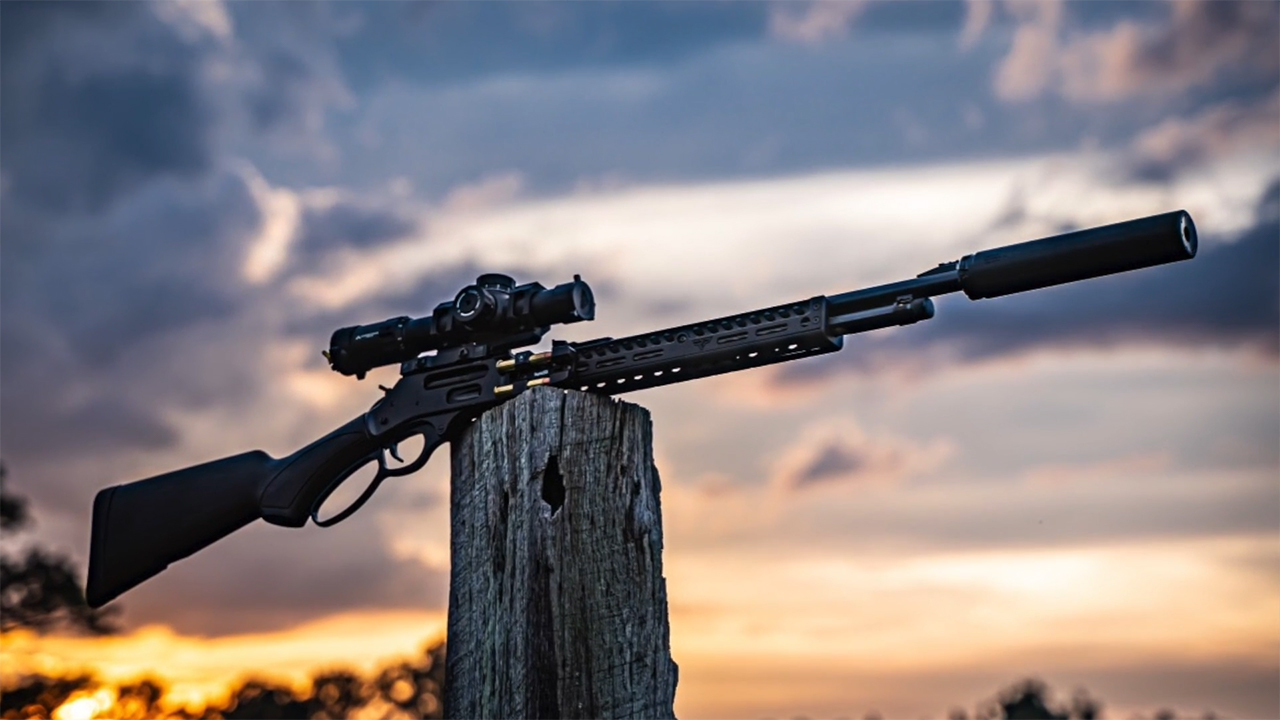
Tactical lever-action rifles became popular because they looked fresh and photographed well. A classic lever gun with rails, lights, suppressor-ready barrels, modern sights, and dark furniture creates a strong visual hook. It feels like old-school meets modern defensive rifle, and that combination caught fire online.
Some builds are genuinely useful, especially when done with a clear purpose. But the trend also pushed people toward expensive accessories on rifles that were already good at being light, handy, and simple. Not every lever gun needs to become a heavy accessory platform. The popularity often came from the aesthetic before the owner had a real need for all that hardware.
Micro .380 pocket pistols
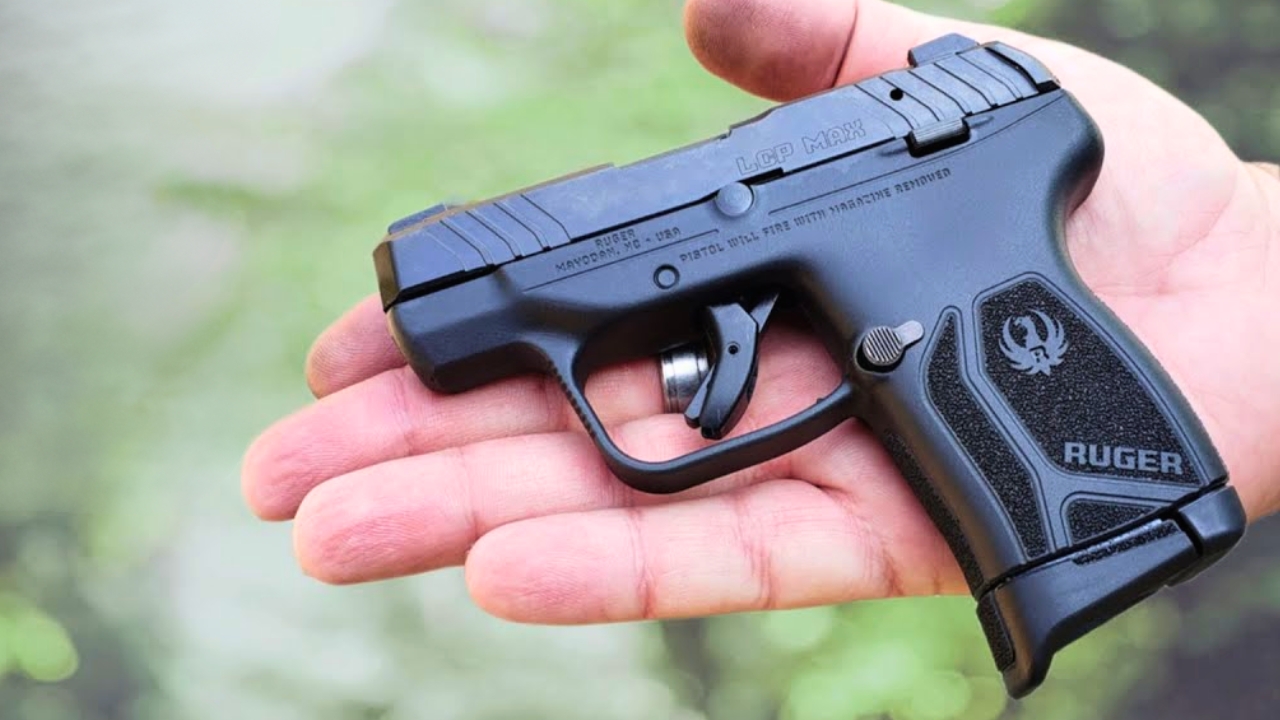
Micro .380 pistols became popular because they made concealed carry feel effortless. They were tiny, light, and easy to drop into a pocket. For people who hated belts, holsters, and larger pistols, the appeal was obvious. A gun that is easy to carry is easier to justify buying.
The downside is that many of these pistols are harder to shoot well than people expect. Tiny grips, small sights, sharp recoil, and limited capacity can make practice frustrating. They absolutely have a role, but popularity often came from convenience more than performance. A pistol that disappears in a pocket is only useful if the owner can actually run it well.
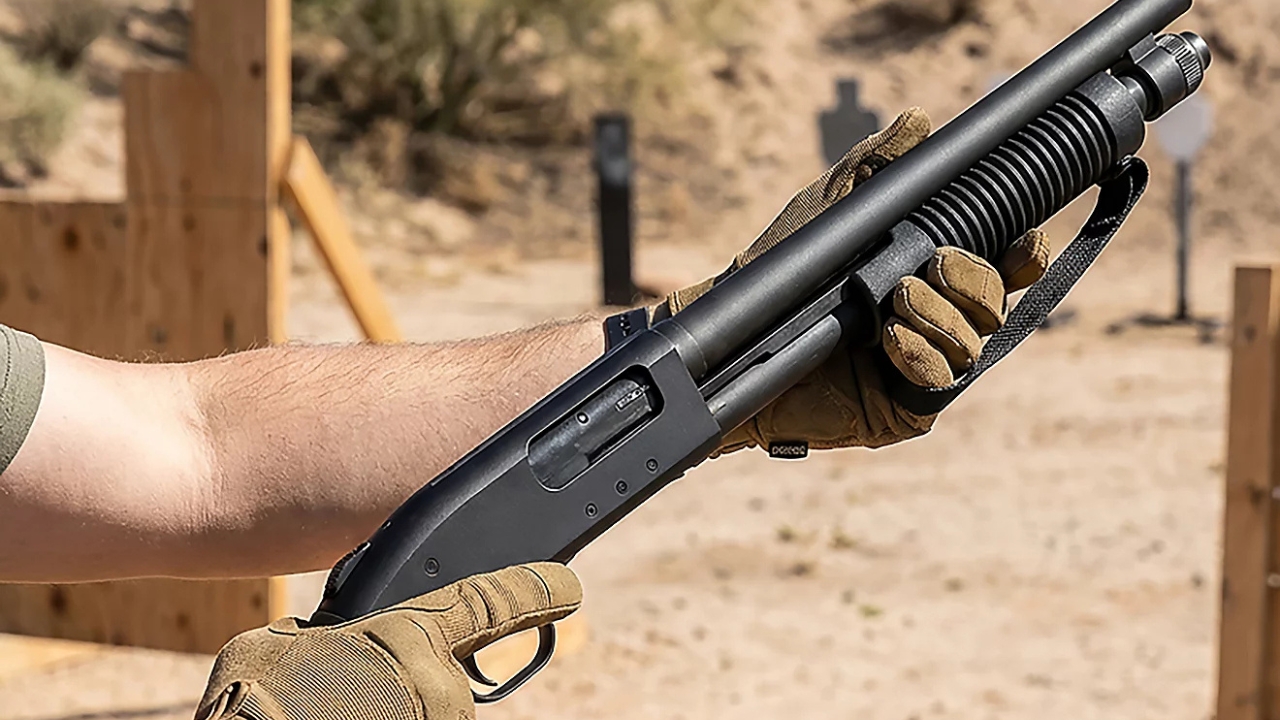
Pistol-grip-only shotguns

Pistol-grip-only shotguns got popular because they looked like the kind of thing people imagined for home defense. They were short, intimidating, and easy to sell as powerful close-range tools. Gun counters and movie scenes made the concept seem more practical than it usually is.
The reality is that removing the stock makes a shotgun harder to aim, harder to control, and harder to shoot accurately under pressure. Recoil becomes less manageable, follow-up shots suffer, and most people would be better served by a normal stocked shotgun. The popularity came from appearance and intimidation, not from helping average shooters perform better.
Kimber Solo
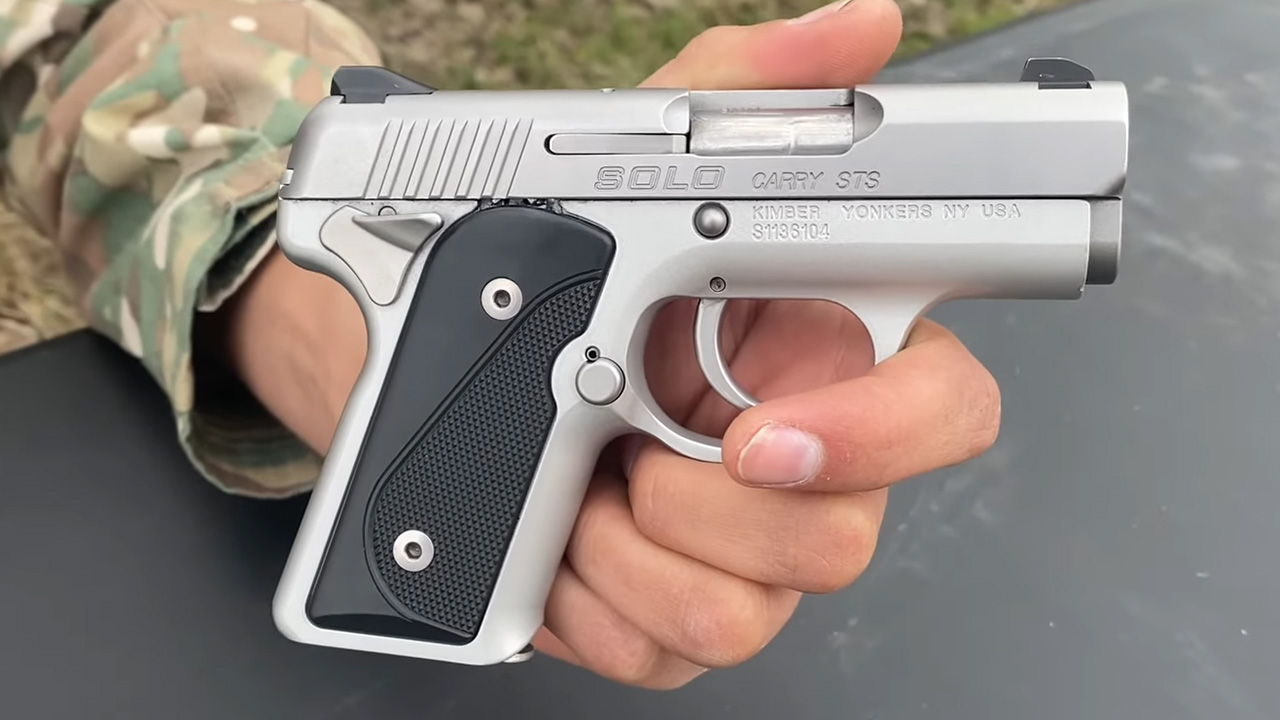
The Kimber Solo became popular because it looked like a premium answer to the small 9mm carry problem. It had sleek lines, a recognizable brand name, and a more refined appearance than many compact pistols of its era. For buyers who wanted a carry gun that felt upscale, it had immediate appeal.
The problem was that looks and brand image did not erase the complaints owners had about reliability sensitivity, ammunition preferences, and shootability. Small 9mm pistols are already demanding, and the Solo added enough concerns that many shooters moved on. It got attention because it looked like a classy carry solution, but the ownership experience did not always match the image.
Budget ARs during panic cycles

Budget AR-15s often get popular for the wrong reason when panic buying takes over. Instead of choosing a rifle based on parts quality, assembly, intended use, or long-term support, buyers grab whatever is available before prices rise again. The platform’s popularity makes that cycle even more intense.
Some budget ARs work fine, and not every buyer needs a premium rifle. The issue is that panic demand can make mediocre rifles seem more desirable than they really are. People buy because they are afraid of missing out, not because that specific rifle is a smart choice. When the market calms down, some owners realize they paid too much attention to urgency and not enough to quality.
Like The Avid Outdoorsman’s content? Be sure to follow us.
Here’s more from us:


