Photo credit: Sportsman's Outdoor Superstore
A lot of guns get missed for a very simple reason: they do not look urgent. They look practical, familiar, maybe even a little boring. They are the ones buyers tell themselves they can always come back for later because surely something that ordinary will still be there next month, next show, next season. That is usually how the regret starts.
Then they disappear. Production ends, imports stop, nice examples dry up, or the wider market finally notices what those guns quietly had going for them all along. Suddenly the plain rifle or pistol that never felt exciting enough to rush toward becomes the one people cannot stop thinking about. These are guns that seemed plain until they were gone.
Smith & Wesson 908
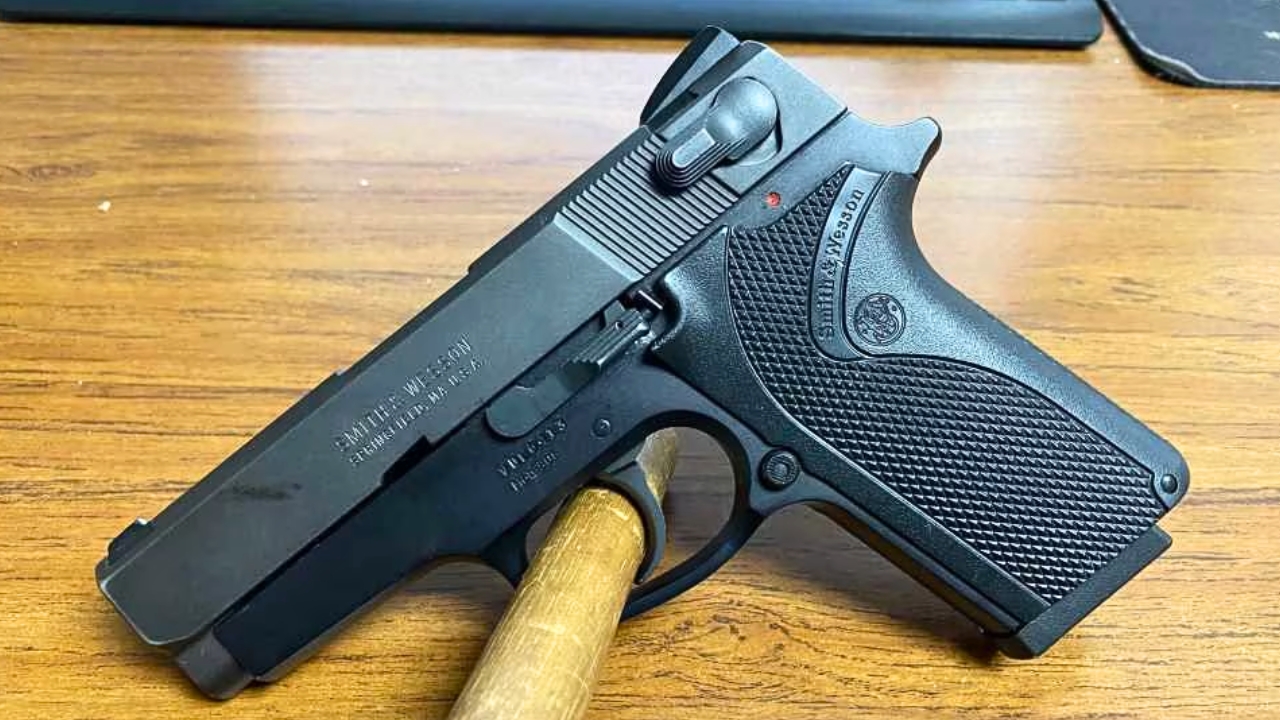
The 908 looked like a very ordinary carry pistol for a very long time. It was slim, practical, and built with much more restraint than a lot of handguns that get people excited at first sight. That kept it from feeling like a priority buy. Many shooters saw it as just another useful single-stack Smith they could circle back for whenever they felt like it.
That calm attitude did not last forever. Once older Smith autos started getting appreciated more seriously, the 908 looked a lot smarter. It had real carry value, real shootability, and exactly the kind of plain usefulness people tend to miss until the market stops giving them easy chances to buy one.
Remington 788 Carbine
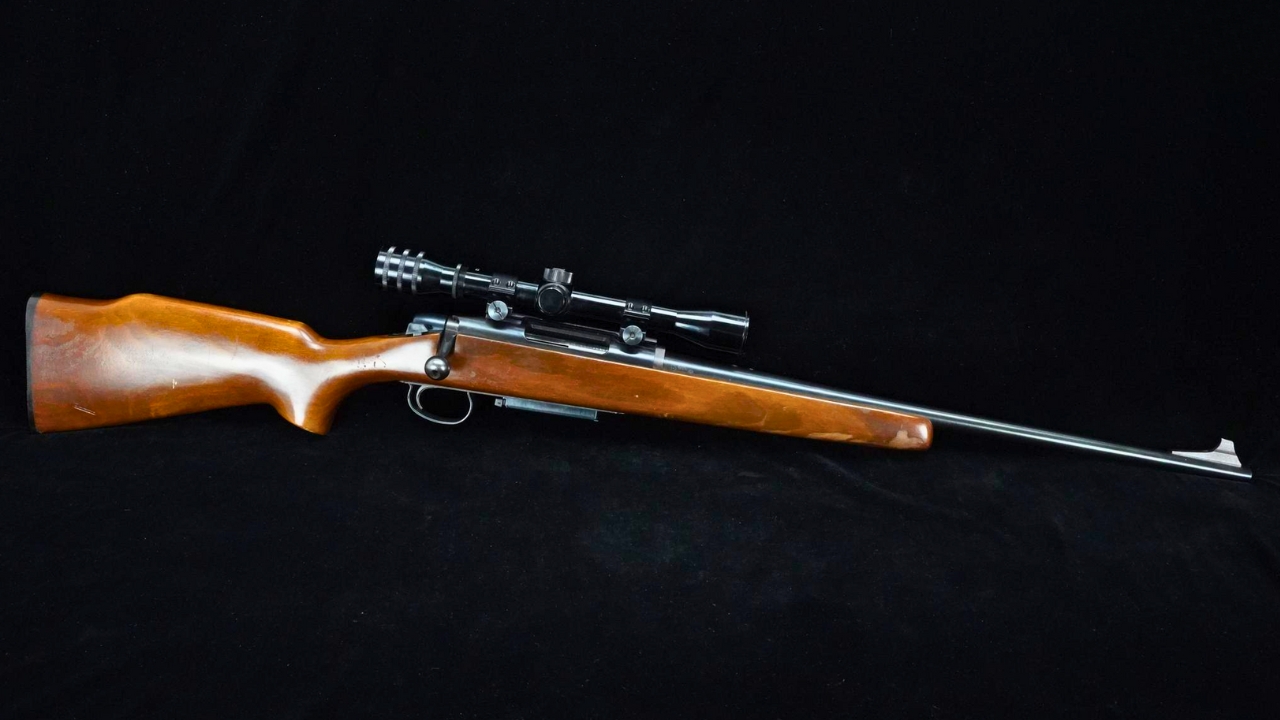
The 788 Carbine never looked glamorous. It looked like a short, practical hunting rifle from a period when plenty of practical hunting rifles were around. That made it easy to ignore. Buyers often treated it like the cheaper, less romantic Remington option instead of a rifle that might one day become hard to find in the right shape.
That changed because compact, useful rifles always age well once people stop taking them for granted. The carbine versions especially started looking much more desirable once shooters realized how handy and field-smart they really were. It turned out to be one of those rifles that suffered from looking too ordinary at exactly the wrong time.
Beretta 84BB
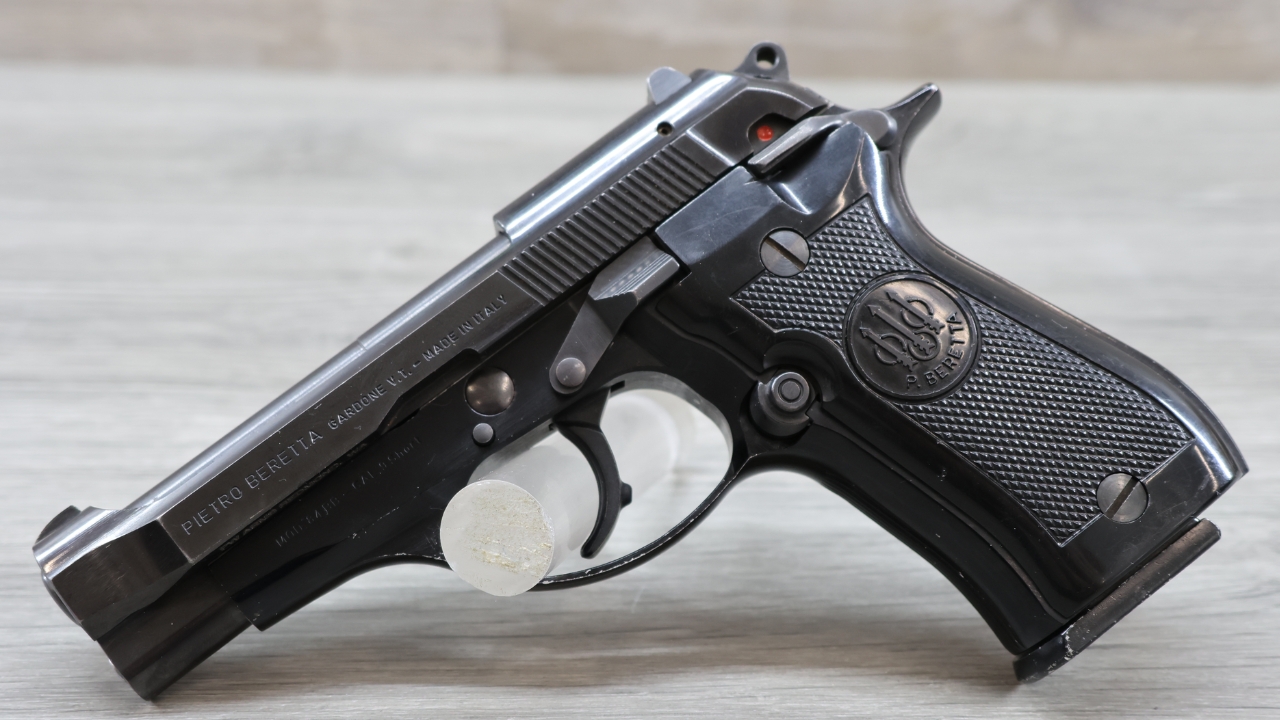
The 84BB had a long run as the sort of pistol people admired without urgency. It was clearly well made and clearly pleasant, but because it lived in the compact .380 lane, a lot of buyers treated it like a classy extra instead of a handgun worth grabbing before the window closed. It felt too easygoing to become a regret piece.
Then the market started missing compact all-metal pistols with real personality. The 84BB went from “nice old Beretta” to “why didn’t I buy one when they were everywhere?” in the minds of a lot of shooters. That is usually what happens when a gun’s plain practicality gets mistaken for permanent availability.
Winchester 670
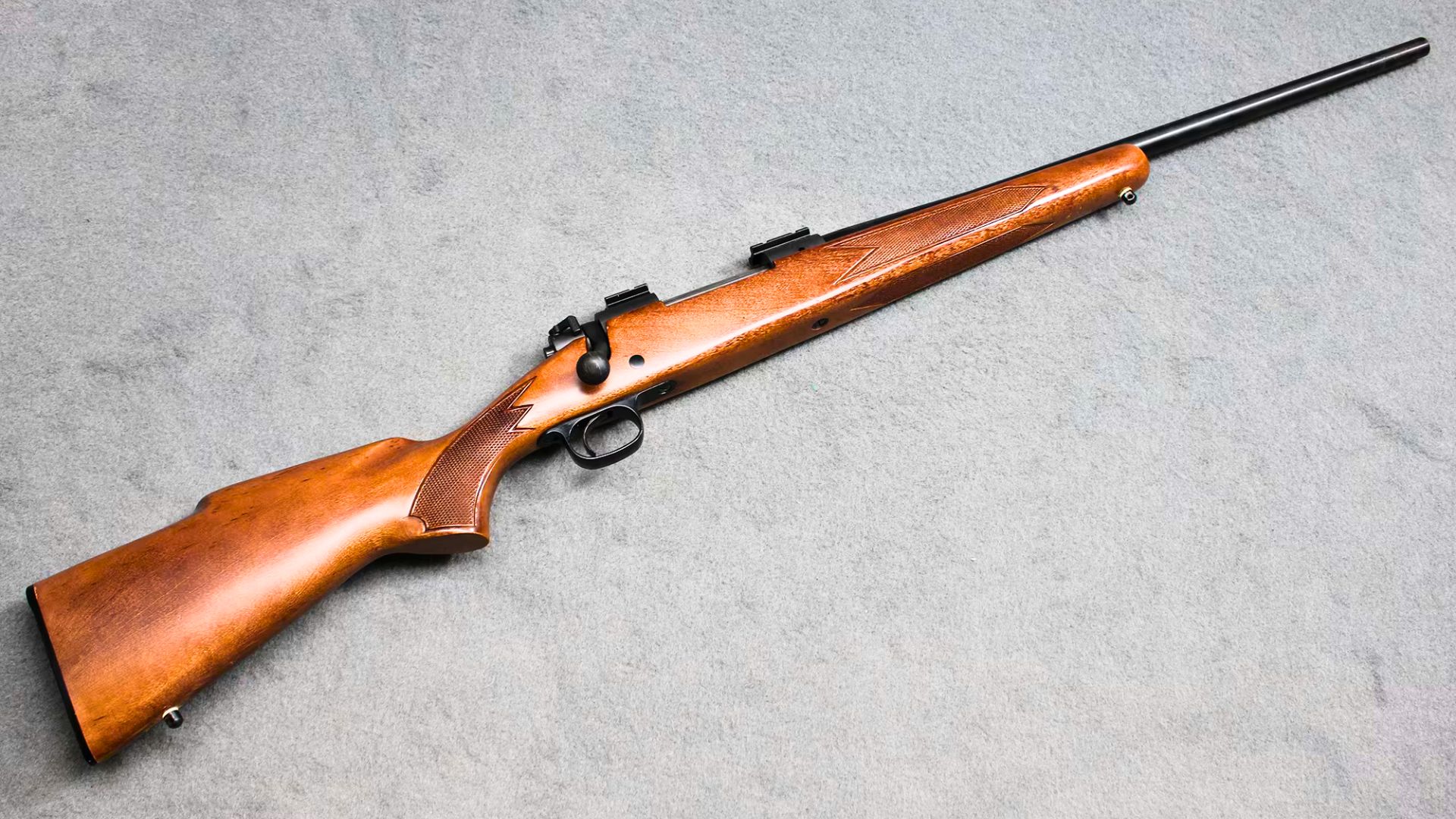
The Winchester 670 spent years being viewed as the plain working rifle in the room. It lacked the stronger prestige pull of more celebrated Winchester models, which made buyers treat it like the kind of rifle they could always find later if they wanted a serviceable old bolt gun with some honest field value.
That assumption got expensive. Once people started looking harder at older American hunting rifles that still made sense in the field, the 670 stopped feeling like the low-pressure option. It had too much real hunting usefulness and too much Winchester value to stay casually ignored forever.
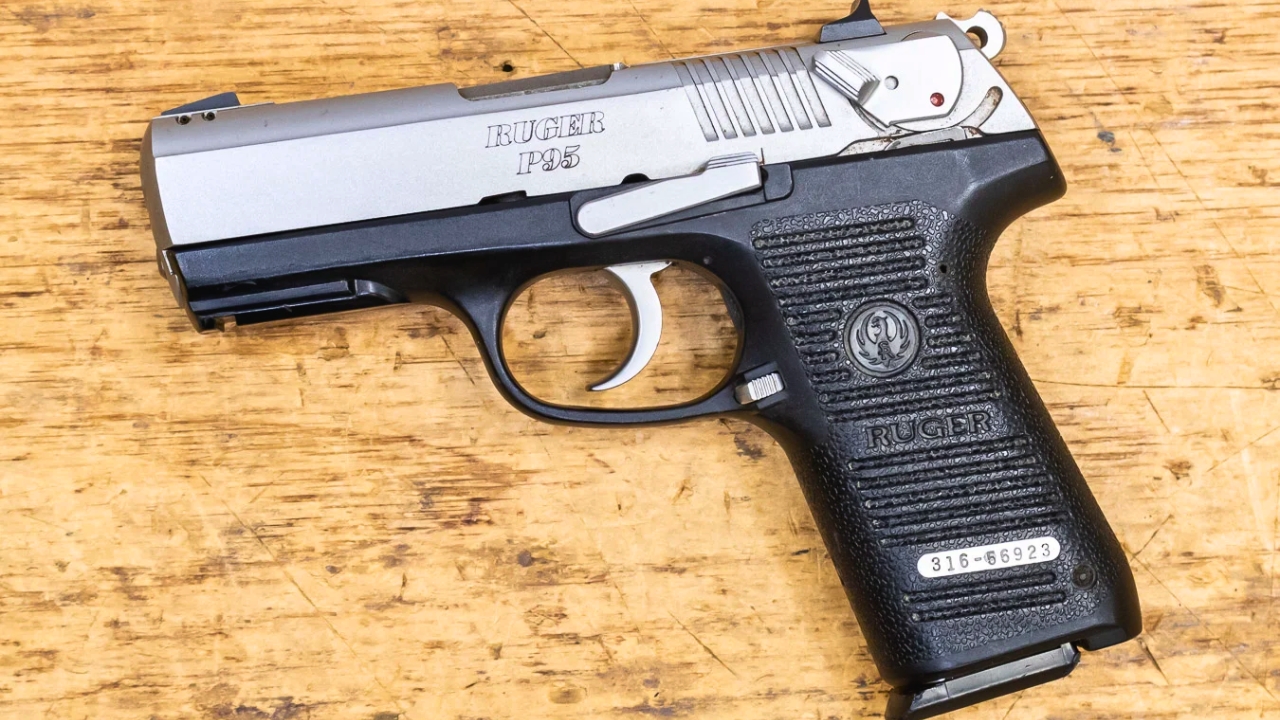
Ruger P95

The P95 looked almost aggressively ordinary. It was chunky, straightforward, and too lacking in glamour to become a counter-guy favorite. For years, that made it easy to dismiss as just a solid budget pistol instead of the kind of gun buyers would later wish they had picked up when used prices were still friendly and supply felt endless.
Then time did what it usually does to honest working guns. The P95 kept its reputation for toughness and dependability while plenty of prettier pistols faded from memory. Buyers started realizing that plain Rugers with real staying power do not stay cheap and easy forever once enough people admit what they are.
Marlin 25MN
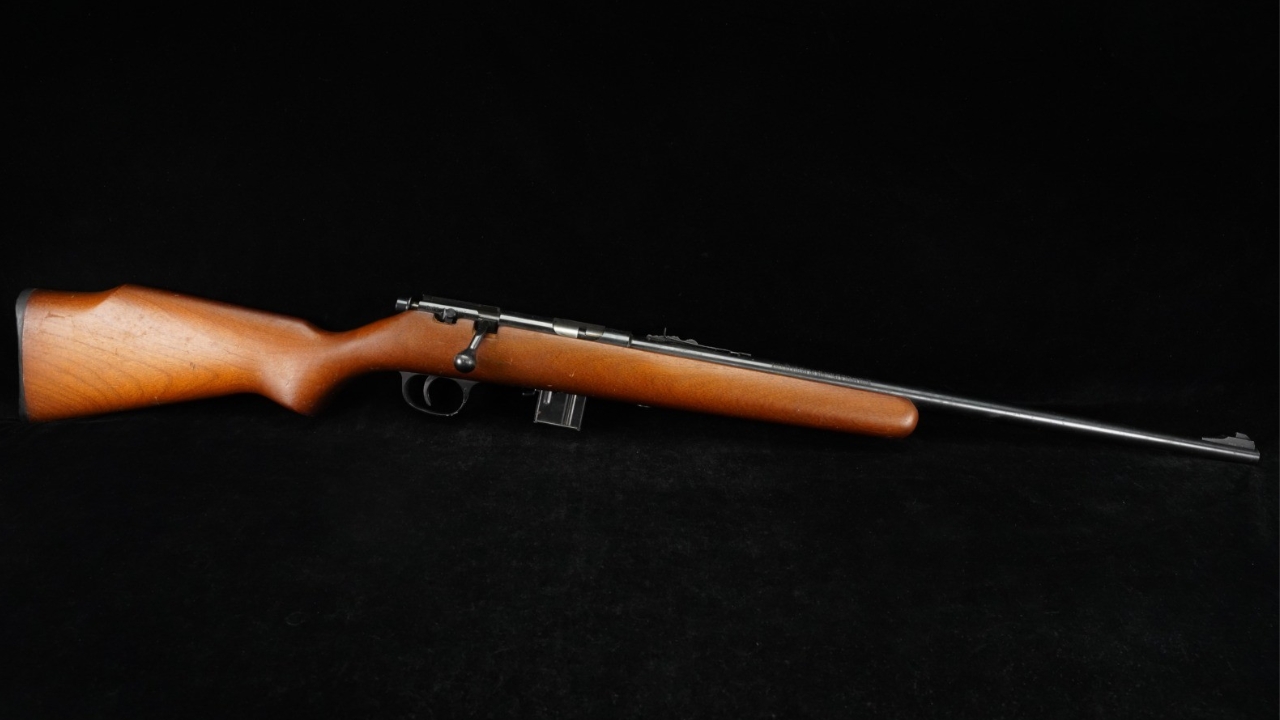
The 25MN looked like a simple little rimfire from a very crowded category. That kept a lot of people from paying much attention. It was a bolt-action .22 Magnum, which sounded useful enough, but not always urgent enough to beat whatever else a buyer thought was more exciting that day. It felt like something there would always be another one of.
That quiet image helped hide how smart a rifle it actually was. Once shooters started appreciating older practical rimfires more seriously, the 25MN gained a lot more respect. By then, finding one in the condition and price people remembered had gotten a lot less easy.
Colt Government Model Series 80 in satin nickel
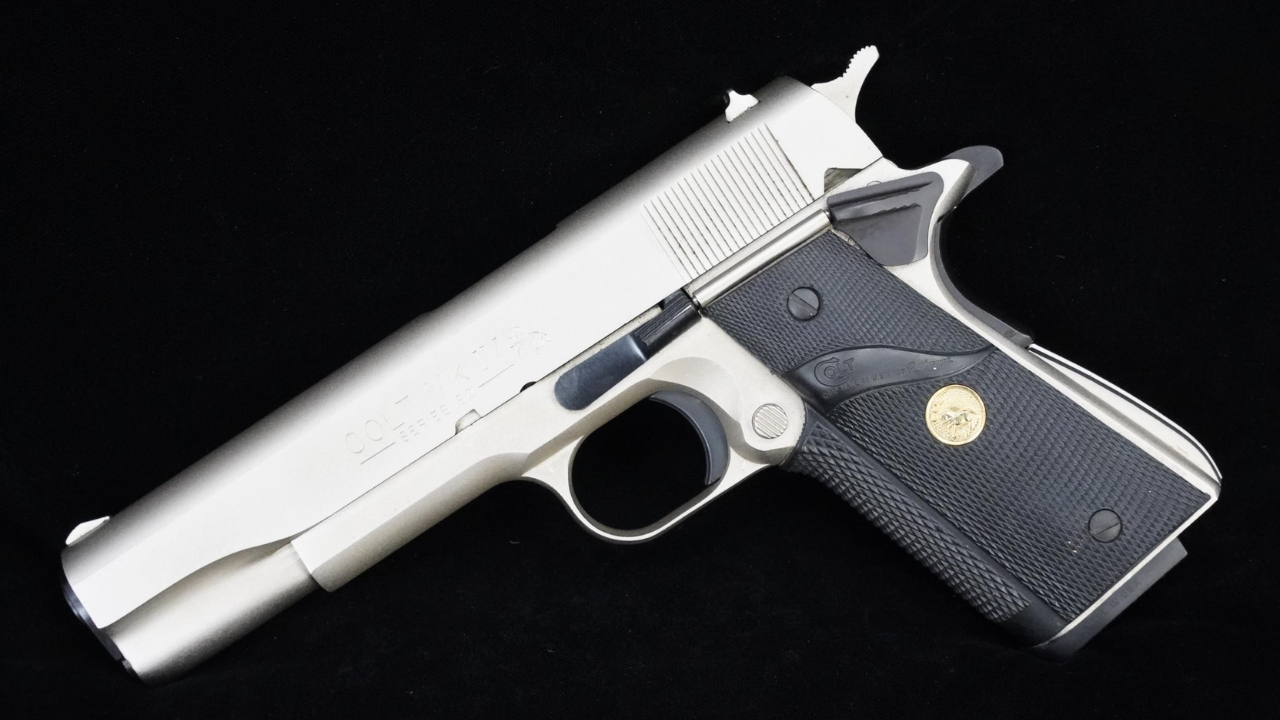
A satin nickel Series 80 Government Model could seem too plain in a very specific way. It was a Colt, yes, but not always the exact Colt people thought they were supposed to chase first. It looked like a straightforward production pistol from a period many buyers still treated as ordinary rather than especially collectible or urgent.
Then time sharpened people’s eyes. Good original Colts with real finish appeal and honest carry-shoot heritage suddenly looked much more important than they had when they were sitting quietly in cases. Buyers who passed because it seemed like a normal Colt later realized normal Colts do not stay normal forever.
Browning BBR
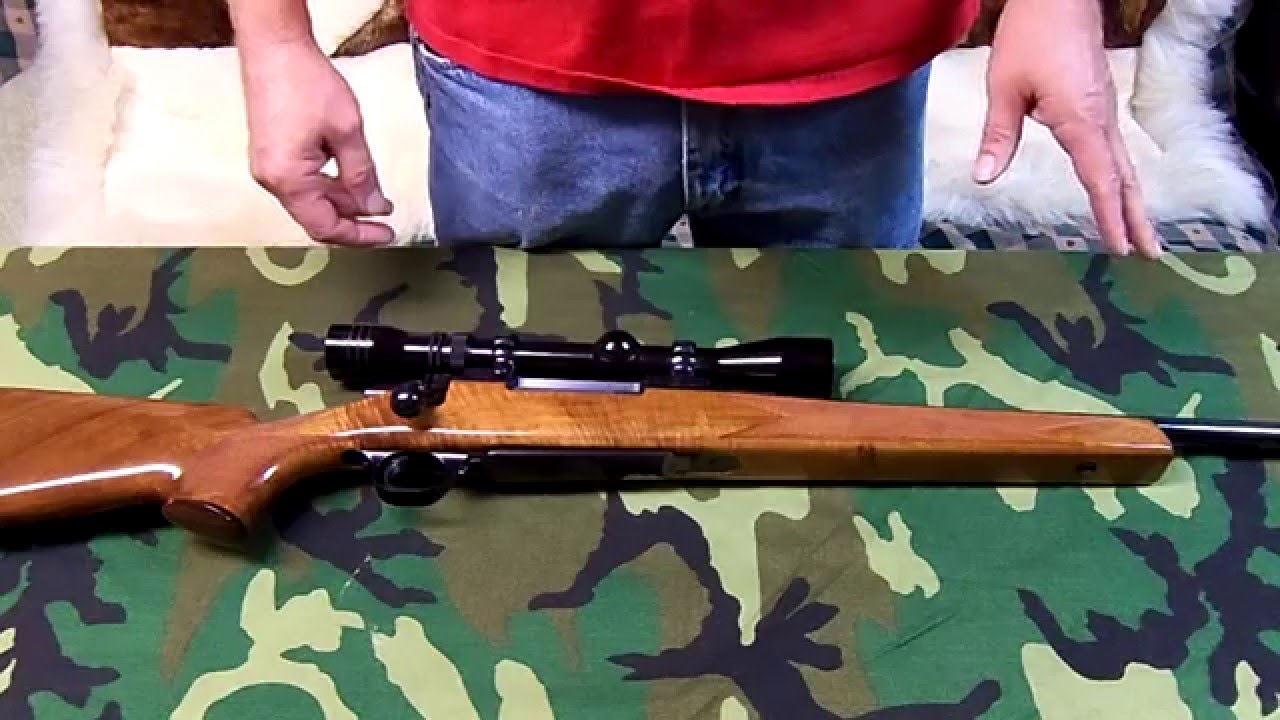
The BBR never had the kind of instant name recognition that made buyers nervous about missing one. It looked like a practical sporting rifle from Browning and that was about where a lot of buyers stopped thinking. It did not scream rarity or collector energy, which made it very easy to walk past.
That was the trap. The BBR had too much quality and too much real rifle value to stay overlooked forever. Once older Browning bolt guns started getting a harder look, people began realizing the BBR had been a much better buy than it seemed at the time. Plain rifles often become expensive lessons for exactly that reason.
Star Model 30M

WestlakeClassicFirearms/GunBroker
The 30M looked like a very workmanlike service pistol from a brand many casual buyers never put at the top of their list. That made it easy to leave behind. It was not a glamorous import, not a prestige-brand carry piece, and not a gun most people expected to regret skipping when it was sitting there at a modest price.
Then scarcity and hindsight went to work. Shooters who appreciated solid old metal service pistols started looking at these differently. The Model 30M had more substance than its quiet reputation suggested, and once supply got thinner, the people who ignored it because it looked plain realized they had left a smarter pistol behind than they knew.
Mossberg 800B
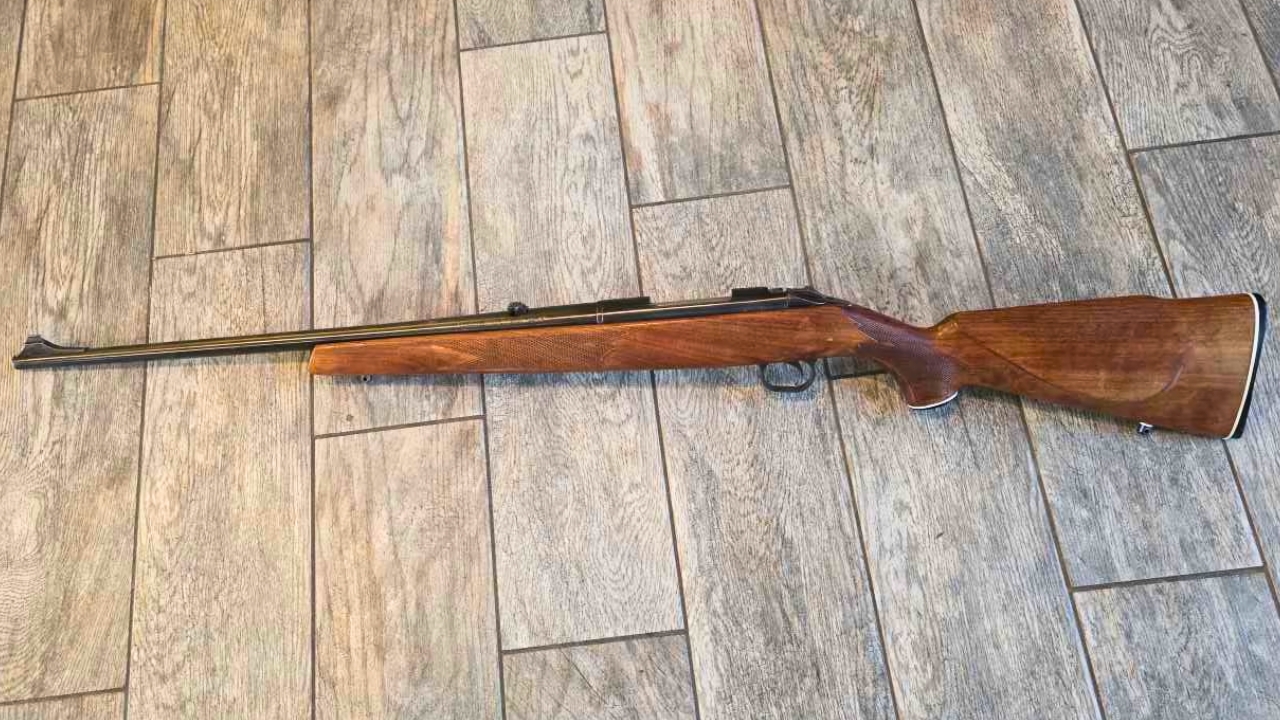
The 800B was exactly the sort of rifle buyers overlook because it looked too much like a normal hunting tool. It did not have huge brand romance behind it, and it did not present itself as anything rare or dramatic. It just looked like a straightforward bolt gun from a time when there were plenty of straightforward bolt guns.
That kind of normalcy is often temporary. Once people started wanting older practical rifles with honest field value, guns like the 800B became harder to dismiss. Buyers who once saw nothing but a basic Mossberg later found themselves wishing they had grabbed that basic Mossberg when basic still meant affordable and available.
SIG Sauer P239 SAS
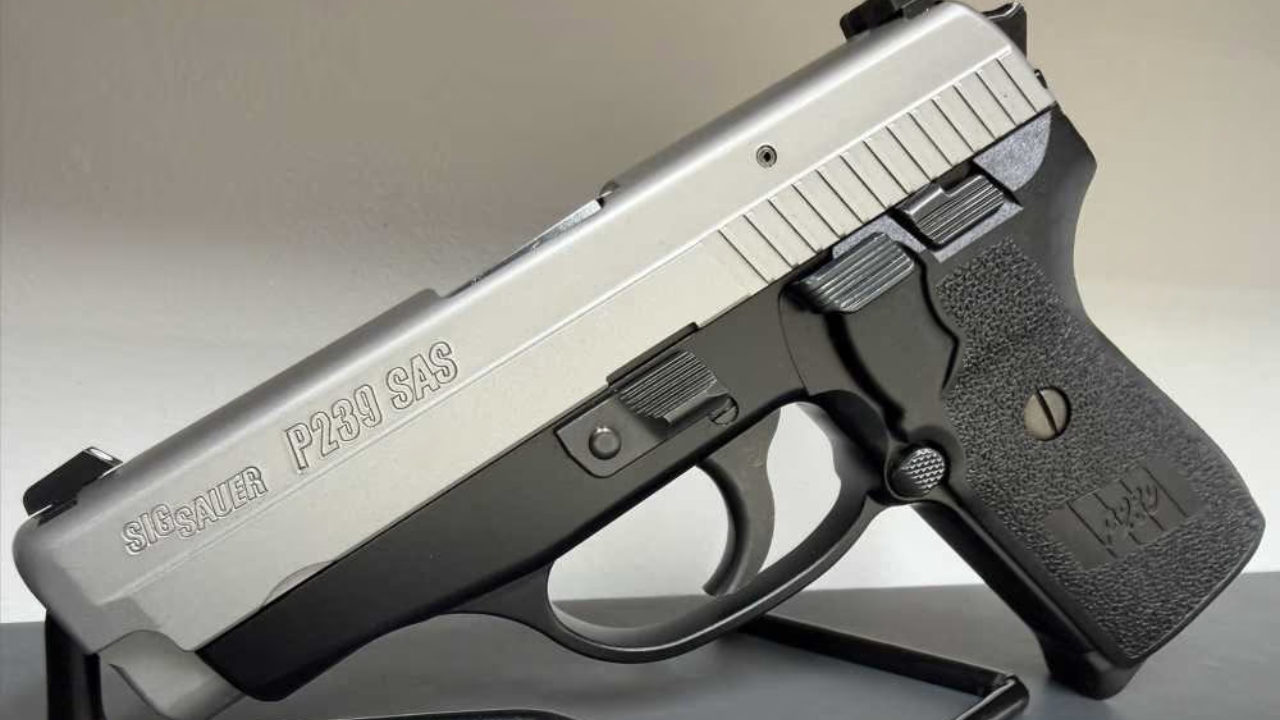
The P239 SAS often felt too restrained to trigger urgency. It was smooth, compact, and quietly refined, but it lived in a market that kept rewarding higher capacity and louder carry-gun talking points. That made it easy to tell yourself you could always come back later for one if you ever decided you wanted a classy single-stack SIG.
That decision got tougher with time. The P239 line already aged well, and the SAS variants only made that more obvious. What once felt like a low-drama carry option turned into the sort of gun buyers realized they should have taken more seriously while prices still reflected indifference instead of appreciation.
Savage 325C
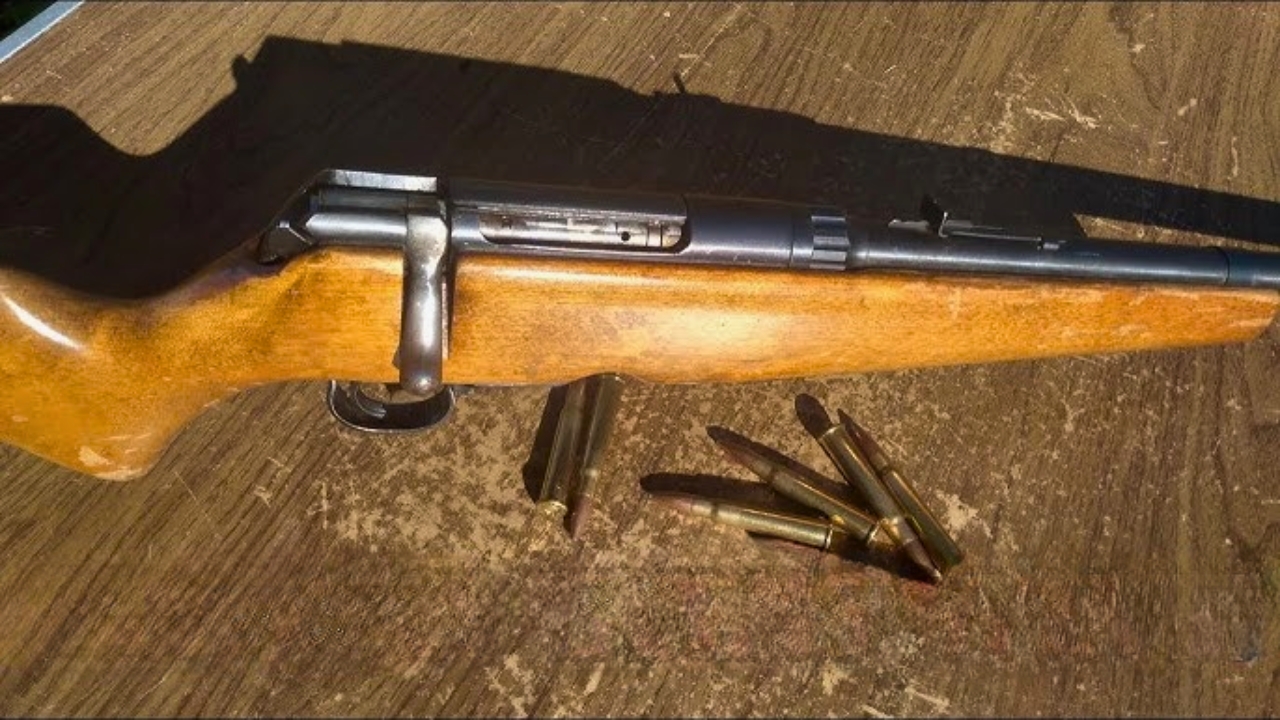
The 325C was one of those rifles that looked like pure utility. It had no flash, no big story, and not much to make a casual buyer pause and think, “I may regret leaving this here.” It was a practical bolt rifle, and practical bolt rifles are often where the market’s laziest mistakes happen.
Then enough time passed for people to notice how few clean, honest old working rifles were actually left at sane prices. The 325C became one more example of a plain gun that had more long-term sense than it first appeared to. Once those rifles are gone, buyers suddenly remember every one they passed up.
Beretta 70 Series
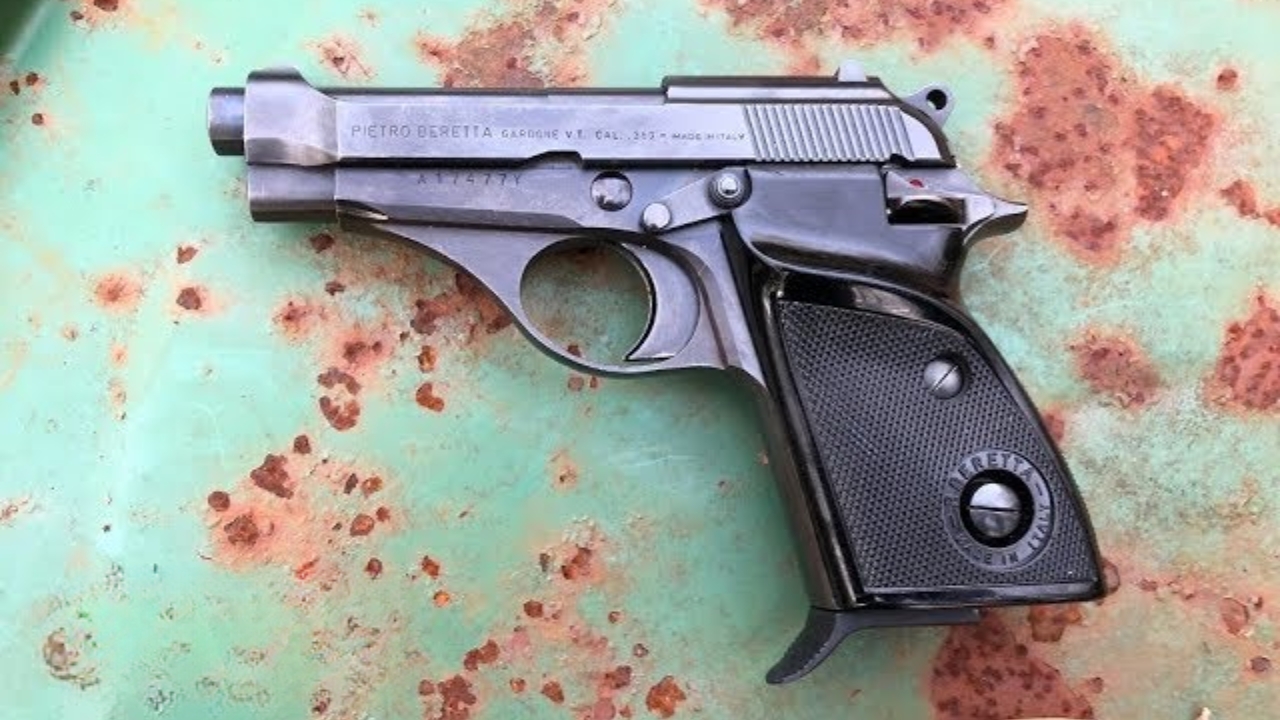
The Beretta 70 Series pistols had a long stretch where they looked like neat little old guns rather than serious opportunities. They were compact, attractive, and easy to like, but not always the guns buyers rushed toward when they had money in hand. That made them feel safe to postpone.
That safety was fake. The moment enough people started appreciating older compact Berettas for what they really were, the easy days ended. The 70 Series had quality, identity, and a style of usefulness the newer market was not really replacing. Buyers who once saw them as background pistols later realized the background had disappeared.
Remington Nylon 11
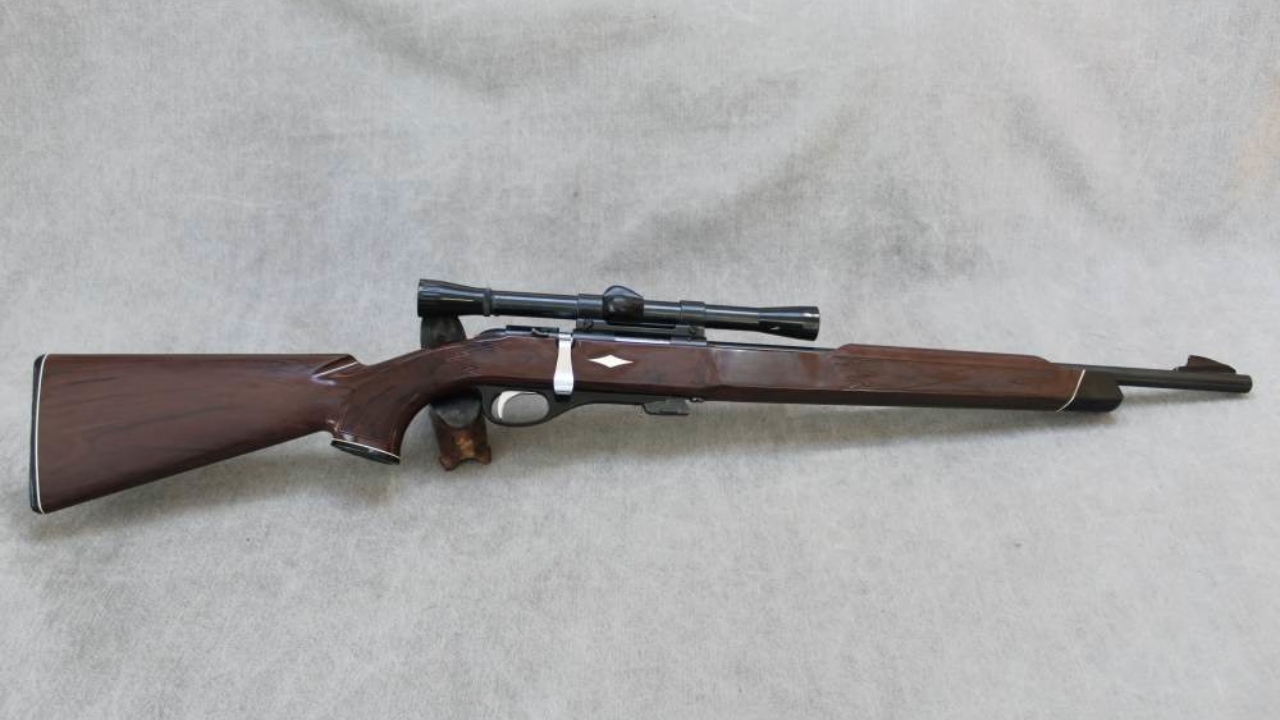
The Nylon 11 was easy to pass on because it looked too ordinary and too much like a niche little rimfire from an older era. People knew the Nylon name, but not always in a way that made them think they needed to move. A lot of buyers saw one and figured another would always turn up if the interest ever became serious.
That turned out to be wrong in the usual way. The rifle’s lightweight practicality and oddball place in Remington history started mattering more once fewer nice ones were around. It went from “kind of neat” to “that was actually a smart one to grab” after the casual supply had already thinned out.
Colt Trooper in nickel
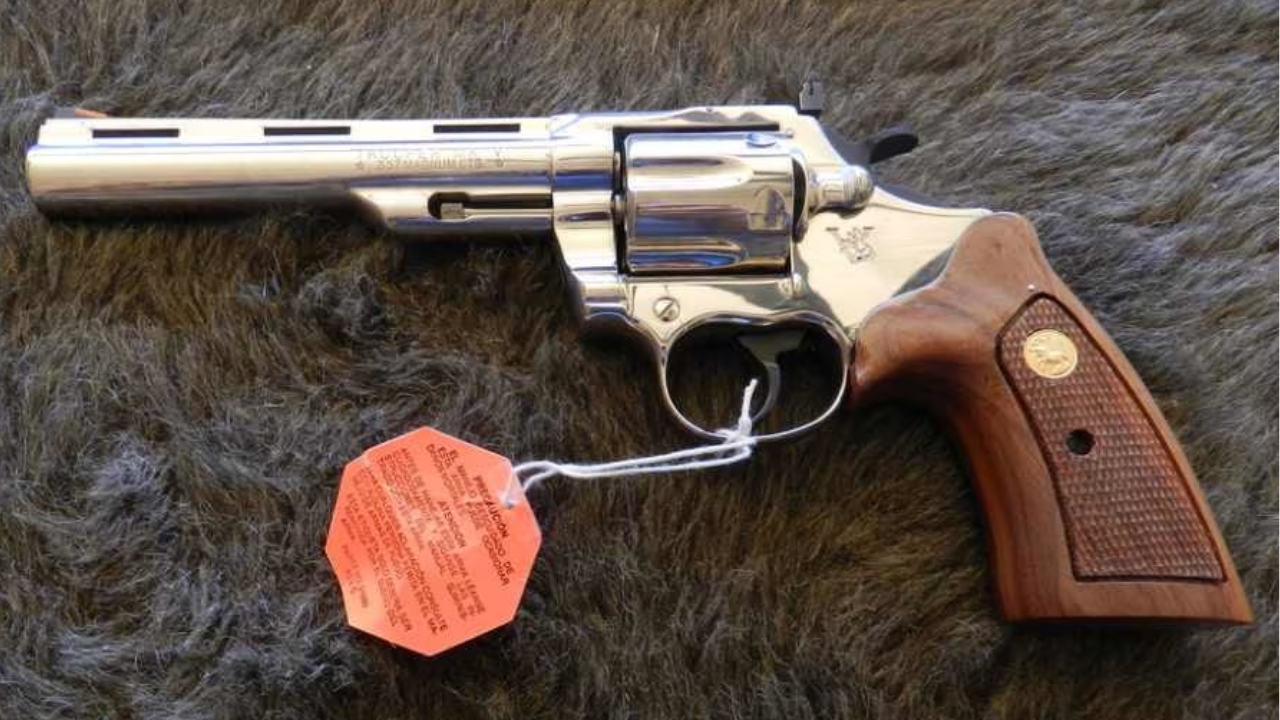
A nickel Trooper could look almost too straightforward to spark panic. It was attractive, yes, but it still lived below the Python in the mental ranking many Colt buyers carried around. That made it easier to see as a good solid revolver rather than a gun whose combination of finish, quality, and Colt identity would eventually become much more expensive to ignore.
That is what hindsight fixed. Buyers who once passed on nice Troopers because they were saving for something “bigger” often wound up regretting the decision. The revolver had too much real merit to stay in the shadow forever, and once the market got more serious, the plain old smart buy was no longer plain or cheap.
Like The Avid Outdoorsman’s content? Be sure to follow us.
Here’s more from us: