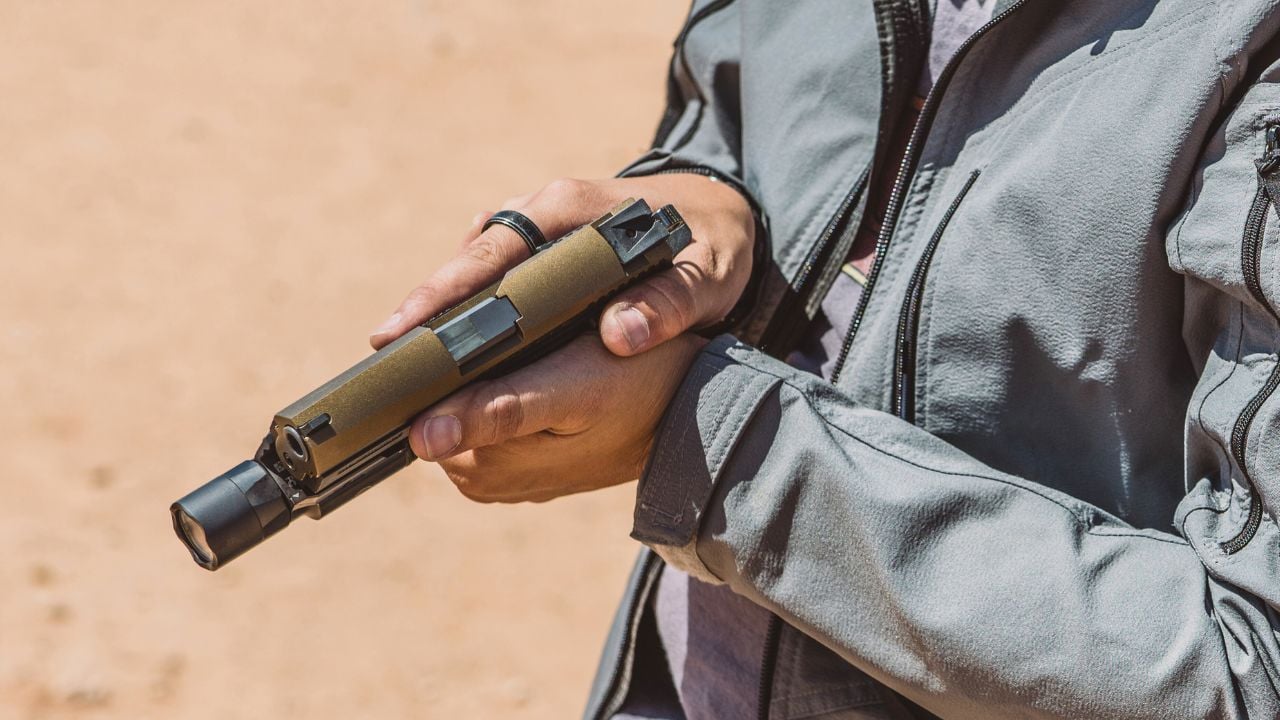
Photo credit: Ambrosia Studios/Shutterstock.com
The internet can make a carry gun feel like a sure thing. A slick review, a thousand comments, a couple “this is the one” posts—and suddenly you’re convinced a tiny pistol is going to shoot like a compact duty gun. Then you take it to the range and reality shows up fast: sharp recoil, cramped grips, picky behavior with your practice ammo, or a trigger that doesn’t match the hype.
When a pistol gets returned after one range day, it’s usually not because it’s “bad.” It’s because it’s mismatched. You bought a concealment-first tool expecting comfort, speed, and easy accuracy. The guns below are popular for good reasons, but they’re also common trade-ins because that first honest range session exposes exactly what you signed up for.
Smith & Wesson M&P Shield 9

The Shield gets recommended nonstop because it’s slim, easy to carry, and simple to live with. Online, it sounds like the perfect “one gun” answer—small enough to conceal, big enough to fight with. In the hand at the counter, it usually feels great too.
Then you shoot it fast and notice what a skinny 9mm does. The recoil comes back quicker than most people expect, and the narrow grip can feel harsh over a long practice session. If you’re used to a thicker compact, the Shield can feel like it moves more in recoil and demands more from your support hand. Plenty of shooters keep them for years, but a lot of first-time buyers trade them because they don’t enjoy practicing with it—and a carry gun you won’t practice with turns into a regret purchase.
Glock 43

The Glock 43 has “easy carry” written all over it. It’s slim, proven, and it carries like nothing. Online praise usually focuses on the fact that it’s a Glock you can actually conceal in light clothes without thinking about it.
At the range, the single-stack reality hits. The grip gives you less leverage, the gun is light, and recoil feels snappy for a 9mm. If your hands are larger, you’ll fight the short grip and your strings can get sloppy as you speed up. It’s also easy to let the gun shift in your hands and start chasing the sights. Many shooters do fine with it, but plenty decide they’d rather carry something slightly bigger that they can shoot longer without getting beat up. That’s where the returns start.
Glock 43X

The 43X gets love because it fixes some of the 43’s issues with a fuller grip while staying slim. Online, it’s sold as the sweet spot: easier to conceal than a compact, easier to shoot than a tiny single-stack. A lot of people buy one expecting it to feel like a compact Glock.
Your first range day reminds you it’s still a slim, light gun. The recoil impulse is softer than the 43 for many hands, but it’s not a “lazy grip” pistol. If your grip isn’t consistent, the gun will move, your dot-less irons will start wandering, and your speed will fall apart. Some shooters also realize the longer grip prints more than expected, so they’re not getting the concealment they pictured. It’s a great carry gun for the right person, but it’s a common trade-in when expectations are set by the internet instead of the timer.
SIG Sauer P365

The P365 became a phenomenon for a reason. It’s compact, it carries easily, and it offers capacity that used to require a bigger gun. Online hype makes it sound like the end of the carry-gun search. A lot of buyers expect it to shoot like a compact duty pistol.
Then you run a few boxes through it and feel the truth: it’s a small 9mm. The recoil is quick, the grip is short, and fast follow-up shots take real technique. The gun can be extremely shootable, but you have to clamp down and stay disciplined. If you come in with a casual grip, you’ll get sloppy hits and you’ll blame the gun. That’s why some get returned quickly—people love the idea of tiny capacity-packed guns, then realize they don’t love training with them.
SIG Sauer P365 XL
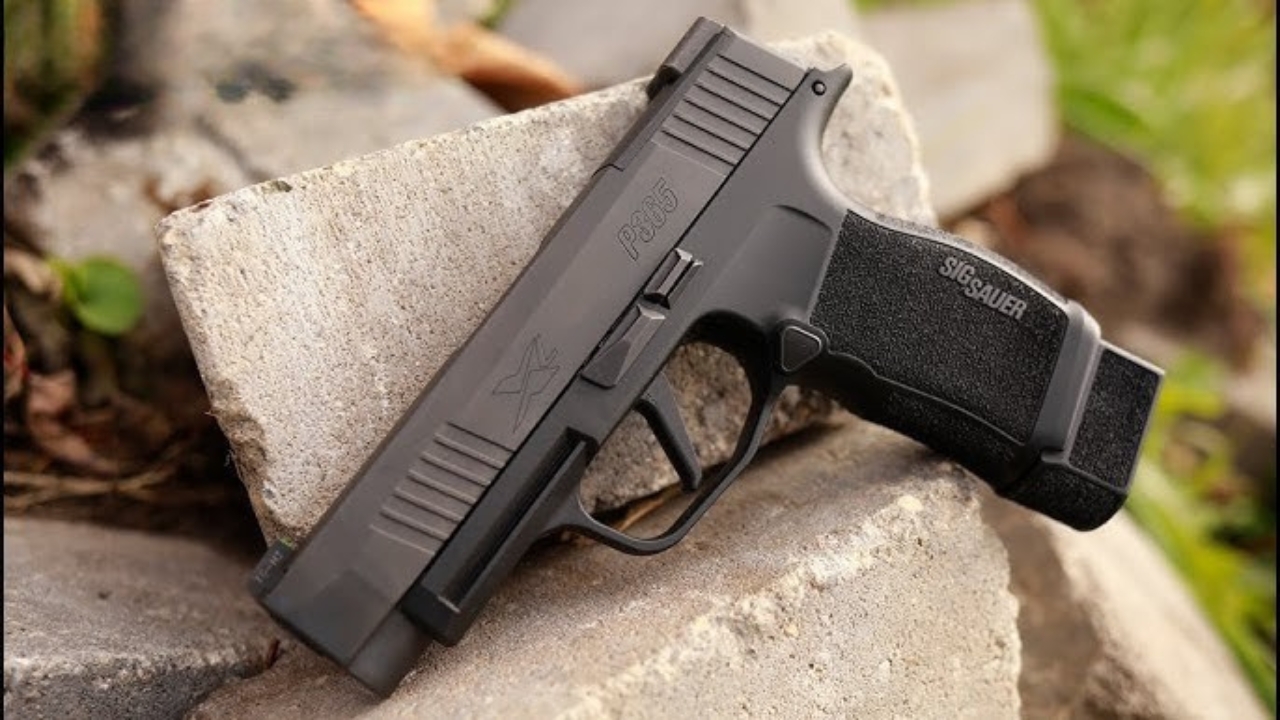
The P365 XL gets pitched as the “fix” for shooters who want the P365 concept but with a longer grip and more control. Online, it’s treated like a do-everything carry gun that still hides easily. In the store, it feels like the smarter choice.
A first range day can still surprise you. The XL shoots better than the smallest version for many people, but it remains a lightweight pistol with a compact slide and a grip that’s still shorter than a true compact. If you’re expecting it to shoot like a larger gun, you may be disappointed by how much it moves when you push speed. Some also realize the XL’s grip length prints more than they expected, so they’re not gaining concealment over a compact. It’s a solid pistol, but it gets returned when buyers realize they wanted “compact comfort,” not “micro-compact with training required.”
Springfield Armory Hellcat

The Hellcat gets recommended hard because it offers serious capacity in a small, carry-friendly size. Online reviews praise it as a tiny pistol that can do big work. A lot of people buy it thinking it will feel mild because it’s modern and popular.
Then you shoot it and the snappiness shows up. The Hellcat is light and compact, and recoil can feel sharp if your grip isn’t locked in. If you’re coming from a larger pistol, it can feel like it wants to climb and slap your hand during fast strings. That first range day can be a rude surprise, especially if you bought it because you thought it would be “easy.” Many shooters do great with the Hellcat, but it’s a common trade-in for folks who realize they don’t enjoy practicing with a small, high-energy 9mm.
Ruger LCP Max
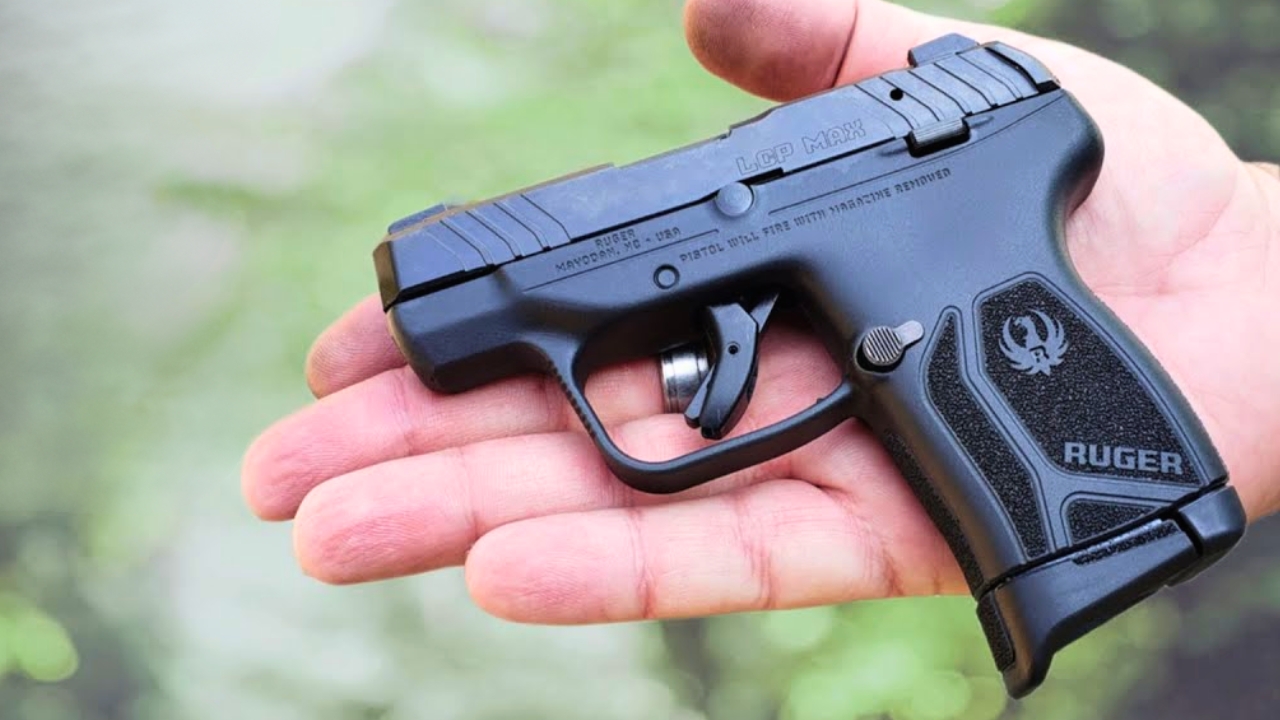
The LCP Max is wildly popular because it’s a true pocket-friendly gun that gives you more capacity than older .380s. Online, it’s treated like the ultimate “always gun”—the one you actually carry when you’re tempted to leave everything at home.
On the range, it’s still a tiny .380. The grip is small, the recoil is quick, and it can wear on your hands if you try to train like it’s a compact. The trigger feel is also more utilitarian than most people want to admit, and that shows up when you try to shoot fast and stay accurate. Plenty of owners keep them for what they are, but some return them after one session because they realize they bought a carry tool, not a practice-friendly pistol. If you don’t enjoy shooting it, you’ll start rationalizing a different choice fast.
Smith & Wesson Bodyguard 380

The Bodyguard 380 has been a go-to recommendation for years because it’s small, light, and easy to hide. Online talk often frames it as a painless solution: drop it in a pocket holster and you’re covered. That pitch sells a lot of pistols.
Then you shoot it and discover why so many end up back in the case. The trigger is long, the grip is tiny, and it can be hard to shoot well at speed. Even though it’s “only” .380, the light weight and small grip can make the recoil feel snappy and unpleasant. Some shooters also struggle to get consistent hits because the trigger encourages jerking or rushing. It’s not that the gun can’t work—it can. It’s that many buyers don’t expect how much effort it takes to shoot a small pistol well, and they bail early.
Kahr PM9
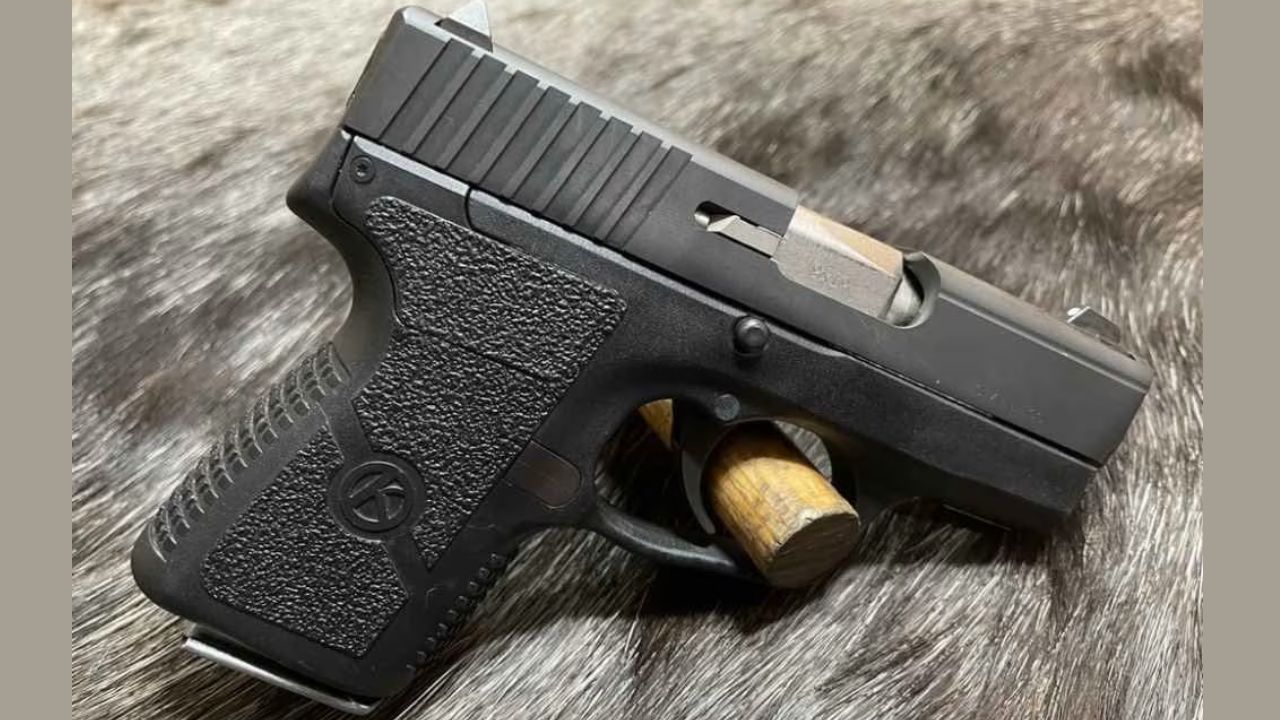
The Kahr PM9 gets recommended online because it’s slim, it conceals easily, and it has a smooth trigger stroke that some people really like. In theory, it sounds like the perfect answer for someone who wants a thin 9mm that still feels “serious.”
A first range day can flip that feeling. The trigger is long, and while it’s smooth, it demands patience when you’re trying to shoot fast. The gun is also small enough that recoil is snappy compared to thicker, heavier pistols. If you’re used to short, crisp triggers, the Kahr can feel slow and unforgiving. Some shooters do great with it, but plenty decide they don’t want to put in the reps needed to run it fast and clean. That’s when you see them traded for something with a different trigger feel and a more forgiving grip.
Walther PPS

The PPS gets a lot of online love because it’s slim, accurate, and has that “quality feel” Walther is known for. In the store, it often feels like a more refined option than other thin carry guns. People buy it expecting it to shoot like a compact, only slimmer.
At the range, the slimness still has a price. The grip can feel narrow during extended shooting, and recoil can feel sharper than people expect for a gun that feels so solid in the hand. If you try to shoot it fast, you may notice how much your grip has to do to keep the sights tracking flat. Some also end up disliking the way the gun fits their hands under recoil, even if it feels great dry. That mismatch—perfect at the counter, less comfortable on the timer—is exactly why some PPS pistols get returned quickly.
Kimber Micro 9

The Kimber Micro 9 gets hyped online because it looks great, feels great in the hand, and scratches that “mini 1911” itch in a carryable size. A lot of buyers expect it to be a classy, easy-shooting carry pistol with familiar controls.
The first range day can be a reality check. Small, lightweight 9mms can be snappy, and the Micro 9’s compact grip doesn’t give you much leverage for fast strings. Some shooters also find the gun less forgiving than they expected when it comes to running it hard. Even when everything is functioning, the recoil feel and the small controls can make it harder to shoot quickly and comfortably than the internet makes it sound. Many people keep them because they love the style and the carry profile. Others decide they want something more forgiving and less fussy under speed.
Kimber Micro .380

The Micro .380 gets recommended as the softer-shooting version of the Micro line, and online chatter often makes it sound like the perfect compromise: tiny carry size with recoil you can live with. It’s also a gun that sells on looks and feel, because it tends to feel “nice” in the hand.
Then you shoot it and realize tiny is still tiny. The recoil is usually more manageable than the 9mm version, but the grip is still short and the gun still moves around more than you expect. The trigger feel and small sights can also make fast shooting harder than buyers planned. People return these when they realize they wanted a pocket .380 that shoots like a compact .380, and that’s not how physics works. If you buy it for deep concealment and accept the tradeoffs, it can make sense. If you buy it expecting comfort and speed, you might be back at the gun counter fast.
Taurus G3c

The Taurus G3c gets a ton of online love because it’s affordable, compact, and it gives you a lot of gun for the money. It’s one of those pistols that gets recommended to new carriers constantly, and many buyers grab it expecting it to run like anything else in its category.
One range day can change that opinion if the trigger feel and recoil behavior don’t match what you had in your head. Some shooters find the trigger harder to run quickly than they expected, and that shows up in low-left hits and uneven groups when they speed up. The gun can also feel a bit “busy” in the hand compared to more refined compacts, which matters when you’re trying to shoot fast and stay controlled. Plenty of folks keep them and do fine. But they also get returned when buyers decide they’d rather spend more for a pistol that feels smoother and more predictable under speed.
FN Reflex

The FN Reflex is newer and gets a lot of online attention because it’s a modern micro-9 with a great carry profile. People see the size, the brand name, and the concept and assume it’s going to be an easy upgrade over older micro guns. It’s a very tempting “this solves everything” purchase.
Your first range day is where you find out if it matches your hands and your expectations. With any lightweight micro-9, recoil can feel quick, and the smaller grip area can punish sloppy technique. Some shooters also discover they don’t like how the gun returns to target under speed, even if it feels great in the store. That doesn’t mean it’s a bad pistol—it means it’s a small pistol that demands a real grip and real practice. The returns happen when buyers wanted “tiny but effortless,” and what they got was “tiny but honest.”
CZ P-10 S

The CZ P-10 S gets praised online because it has a reputation for good shooting manners in a compact package. It often feels like a “shooter’s compact,” and people buy it expecting a soft, controllable pistol that carries easily and runs fast.
Then you shoot it and realize the S model is still a short-grip pistol. With a shorter grip, you lose leverage, and recoil control can be more work than you expected if you’re trying to run drills at speed. Some also find that what felt perfect in the hand at the counter shifts under recoil, especially during longer sessions. It’s a pistol that can perform, but it’s not automatically easy for every shooter. A lot of returns come from that exact gap: the gun is well-liked online because it’s capable, but the individual buyer discovers it doesn’t fit their grip style or their expectations once the timer comes out.
Remington RM380

The RM380 gets recommended online because it’s compact, it has a good carry shape, and it often shows up as a “sleeper” .380 people claim is underrated. It’s the kind of gun that seems like a smart choice when you want something small that still feels like a real pistol.
That first range day can be the deal-breaker. Small .380s tend to be snappy, and if the grip doesn’t match your hands, the gun can feel awkward fast. The trigger and sights are also more carry-focused than range-friendly, which surprises people who expected easy accuracy. Some buyers return it because they realize they don’t want to train with it, and others return it because it doesn’t feel as confidence-inspiring under recoil as it did in the store. It’s not a useless pistol. It’s a reminder that deep concealment comes with tradeoffs, and the internet doesn’t always mention the painful parts.
Like The Avid Outdoorsman’s content? Subscribe to our newsletter so you never miss an article.
Here’s more from us: