Photo credit: Joseph SohmShutterStock.com
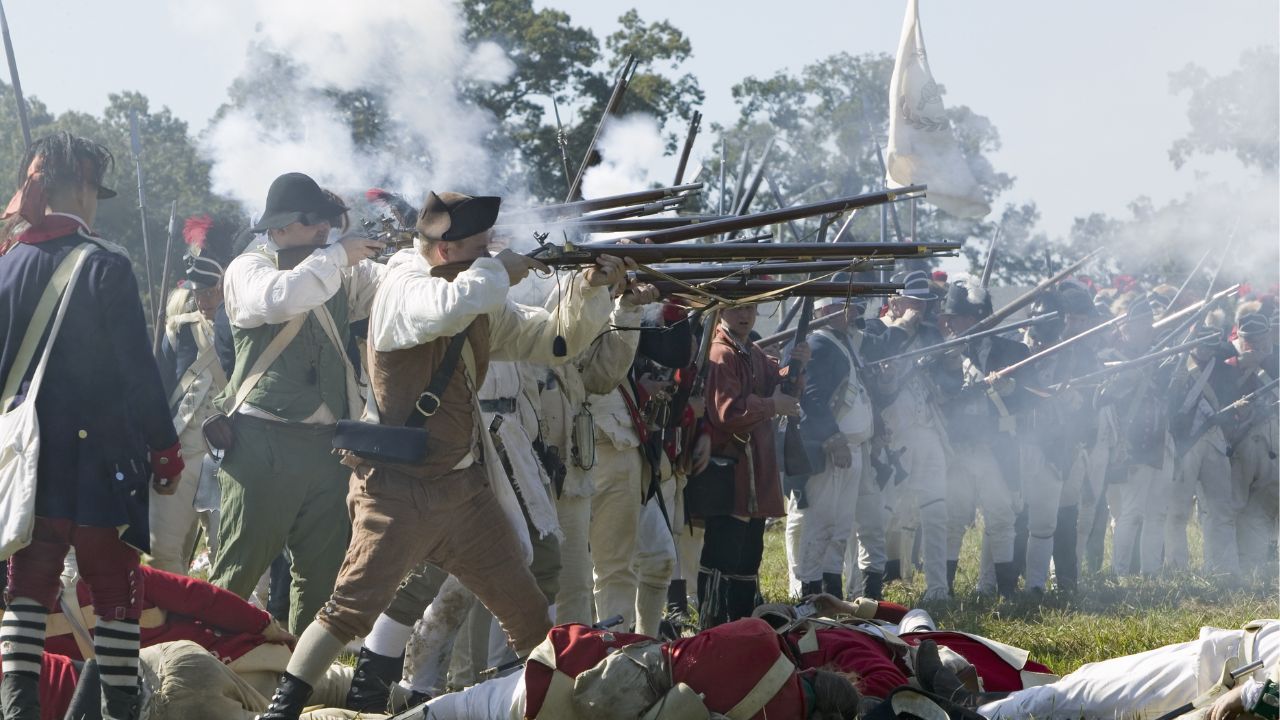
The American Civil War marked a turning point in small arms technology, and rifles played a major role in changing battlefield tactics. Before the war, smoothbore muskets dominated, but advancements in rifled barrels, breech-loading systems, and repeaters transformed how soldiers fought. Accuracy increased, reload times dropped, and engagements stretched well beyond what earlier armies were prepared for. Commanders were forced to rethink formations, movement, and defensive strategies because of these rifles. These are the firearms that reshaped how battles were fought and set the stage for modern warfare.
Springfield Model 1861
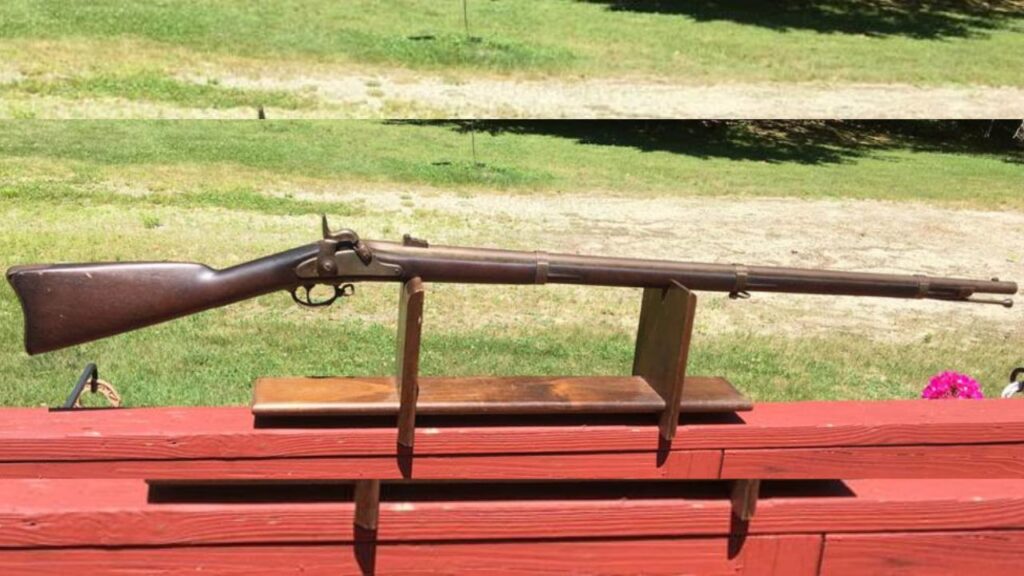
The Springfield Model 1861 became the most widely used rifle of the Civil War and helped shift combat tactics away from massed musket volleys. Its rifled barrel and use of the .58-caliber Minié ball improved accuracy and extended effective range to about 500 yards.
Union forces relied heavily on it, giving their infantry greater precision than ever before. The increased accuracy forced both sides to abandon traditional line formations and develop new tactics focused on cover, entrenchments, and staggered engagements.
Enfield Pattern 1853
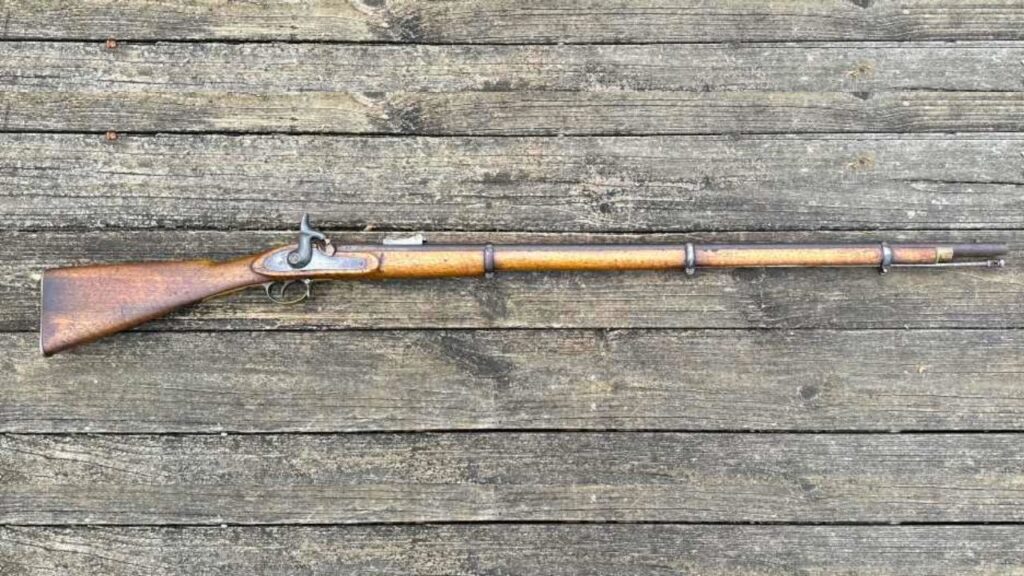
The British-made Enfield Pattern 1853 was the second-most common rifle in the Civil War, used by both Union and Confederate forces. Chambered in .577 caliber, it offered excellent accuracy and range, matching the Springfield Model 1861 in many respects.
Its popularity among Confederate troops gave them a technological edge in some engagements, especially early in the war. The Enfield’s consistent performance made it a key factor in forcing armies to spread out, utilize terrain, and rethink traditional frontal assaults.
Sharps Model 1859

The Sharps Model 1859 brought breech-loading technology to the battlefield, significantly improving reload times compared to muzzleloaders. Chambered in .52 caliber, it allowed soldiers to fire prone or from cover without standing up to reload.
This rifle became especially valuable to Union sharpshooters and cavalry units, who used its speed to maintain suppressive fire and outmaneuver enemy formations. Its introduction showed how improved rate of fire could disrupt traditional tactics and shift battlefield dynamics quickly.
Spencer Repeating Rifle
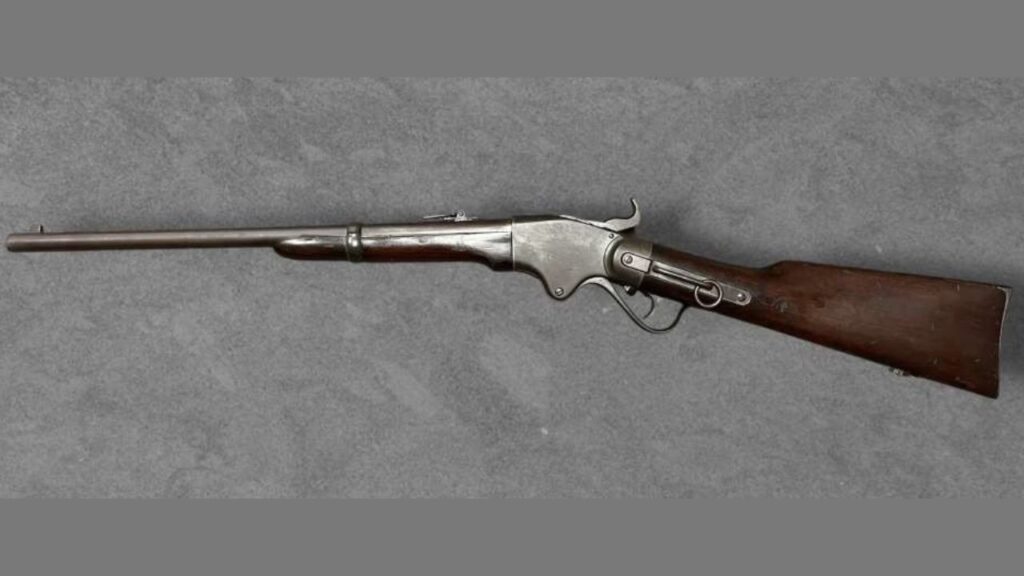
The Spencer Repeating Rifle changed everything about sustained firepower during the Civil War. Chambered in .56-56 Spencer rimfire, it used a seven-round magazine, giving Union soldiers the ability to fire multiple shots before reloading.
Cavalry and infantry equipped with Spencers could put out more firepower than entire companies armed with single-shot rifles. Confederate commanders were often caught off guard, and traditional frontal assaults became far riskier against these faster-shooting units. It was one of the first repeaters to show the future of modern combat.
Henry Repeating Rifle
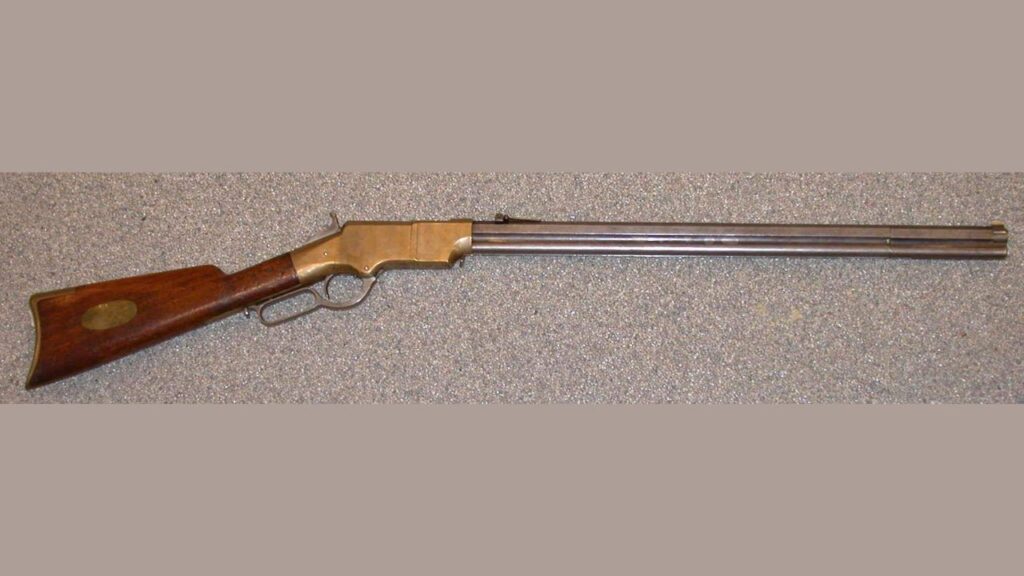
The Henry Repeating Rifle, chambered in .44 Henry rimfire, was a technological leap forward during the war. With its 16-round capacity, Union soldiers could maintain a steady rate of fire far beyond what opponents armed with single-shot rifles could match.
Its lever-action design gave soldiers an edge in close engagements, forcing enemy troops to change tactics or risk devastating losses. Though expensive and less widely issued, the Henry set the stage for repeating rifles becoming a mainstay in post-war military doctrine.
Lorenz Rifle
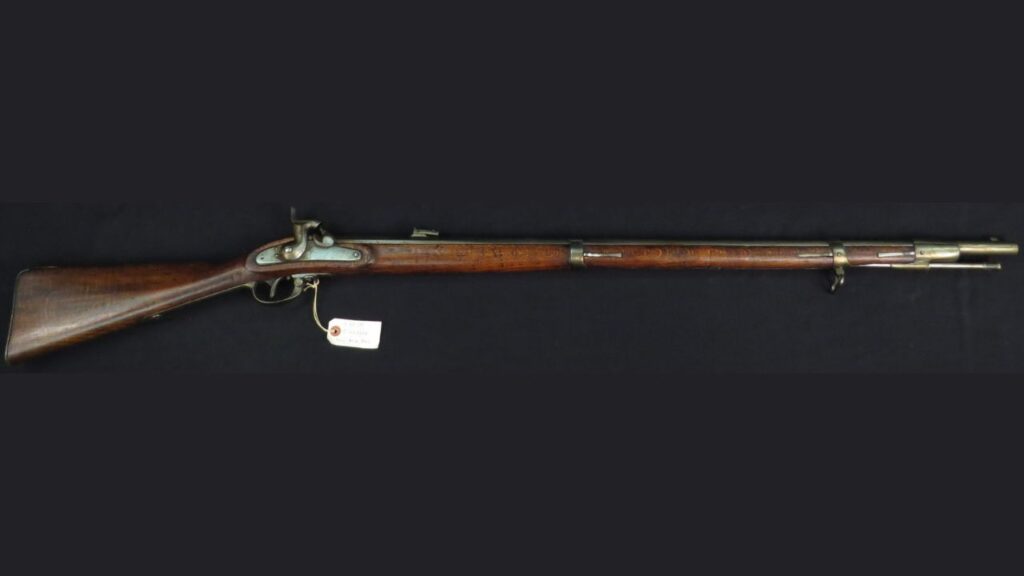
The Austrian-made Lorenz Rifle, chambered in .54 caliber, was one of the most imported rifles of the Civil War, used by both sides. While quality varied, higher-grade examples performed well, offering solid accuracy and range comparable to the Springfield.
Confederate forces, in particular, relied heavily on Lorenz rifles due to shortages of domestically produced arms. Its widespread use shaped tactics on both sides, as commanders had to adapt to mixed rifle capabilities within their units, impacting effective engagement distances.
Burnside Carbine

The Burnside Carbine gave Union cavalry a significant advantage in mobility and firepower. Chambered in .54 caliber, it used a unique brass cartridge that sealed the breech better than most rifles of the era, improving reliability under heavy use.
Cavalry units armed with Burnsides could reload faster and deliver more accurate fire on the move. Its success demonstrated how mounted forces could shift from traditional saber charges to ranged engagements, changing how cavalry tactics were used in modern warfare.
Whitworth Rifle
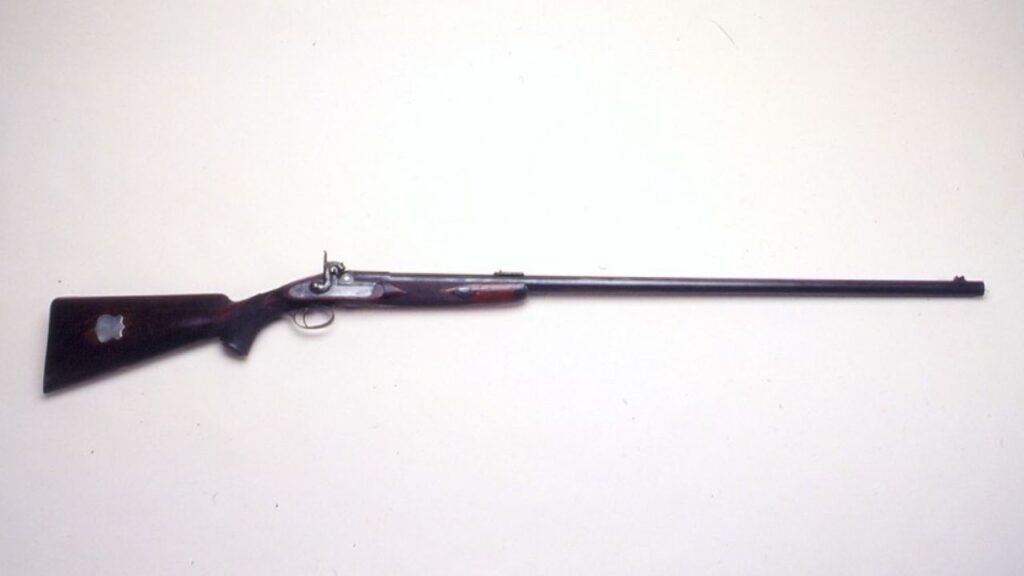
The Whitworth Rifle introduced true long-range precision to Civil War battlefields. Manufactured in England and chambered in .451 caliber, it used a hexagonal rifling system that gave it unmatched accuracy beyond 800 yards.
Confederate sharpshooters equipped with Whitworths targeted officers and artillery crews at ranges previously thought impractical. This forced Union forces to rethink battlefield leadership exposure and adopt better protective measures. It was one of the earliest rifles to show the devastating potential of precision fire at extended distances.
Joslyn Rifle
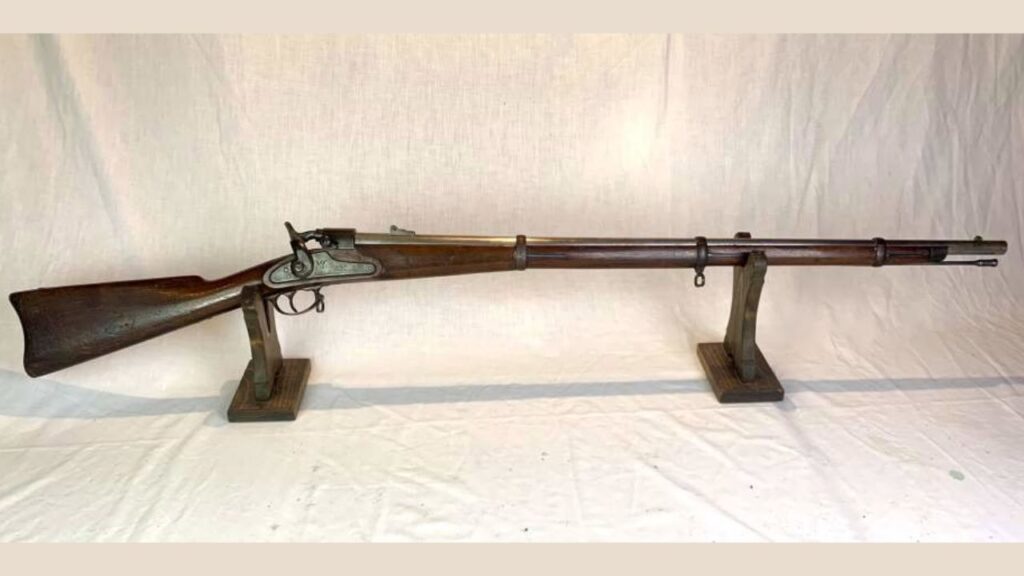
The Joslyn Rifle, chambered in .52 caliber, was one of the earliest successful breechloaders widely adopted by Union forces. Its hinged breechblock made reloading faster than traditional muzzleloaders, especially under fire.
Cavalry and mounted infantry units found the Joslyn invaluable when mobility and sustained shooting were critical. While less famous than the Spencer, it contributed to the tactical shift toward rapid-fire capabilities and influenced the eventual adoption of breech-loading systems as a military standard.
Gallagher Carbine

The Gallagher Carbine was widely issued to Union cavalry and chambered in .50 caliber. While its ammunition had quirks that limited widespread enthusiasm, its breech-loading design gave mounted soldiers a quicker rate of fire than muzzleloaders.
It allowed cavalry to engage from horseback or dismount quickly to return fire while staying mobile. Though overshadowed by more famous designs, the Gallagher helped prove the effectiveness of faster-loading carbines in mounted engagements, forcing changes in how commanders deployed light cavalry in the field.
*This article was developed with AI-powered tools and has been carefully reviewed by our editors.