Photo credit: Savage Arms
A rifle can look “tactical” without being pleasant to shoot. A lot of that pain comes from common, predictable stuff: short barrels that turn blast into a pressure wave, big brakes that punish everyone on the line, lightweight .308s that cycle hard, and platforms that look modern but weren’t built around modern ergonomics. You end up with a rifle that feels cool in the shop and looks sharp in photos, then gives you a throbbing forehead after two magazines.
None of these rifles are automatically bad. Most of them can be made better with the right setup and the right expectations. The point is that people often buy the vibe, then learn the hard way that “tactical” isn’t the same thing as “easy to shoot.” These are basic models that commonly get bought for the look, then end up being more annoying than enjoyable when you actually run them.
Palmetto State Armory PA-15
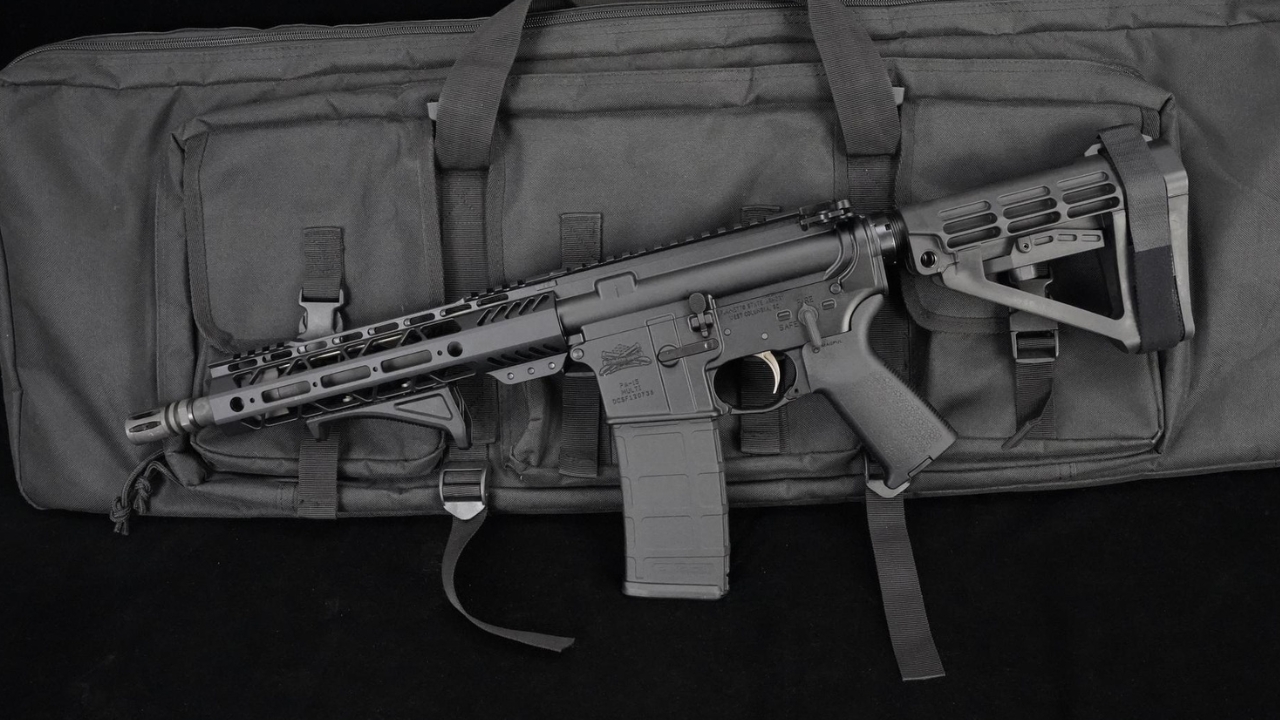
The PA-15 is a common entry point into the AR world, and it’s easy to see why. It looks the part, handles well in the store, and feels like a serious rifle without a serious price tag. At the range, a lot of these rifles end up feeling louder and sharper than people expect, especially when they’re set up with aggressive muzzle devices.
You can shoot them accurately, but the overall feel can be “busy,” with more movement than you want when you start shooting faster. If your goal is smooth, comfortable training time, the PA-15 often needs thoughtful setup choices. Left as-is, it can feel like a rifle that looks tougher than it shoots.
Springfield Armory Saint

The Saint line has a clean look and a good reputation as a ready-to-go AR. It’s comfortable in the hands, points naturally, and makes a strong first impression. Once you start running drills, some shooters notice it doesn’t always feel as soft or as settled as they expected for a 5.56 carbine.
The rifle can still perform, but if it’s set up to run hard across ammo types, it can feel a little aggressive in cycling, which shows up as extra dot bounce and fatigue over longer sessions. It’s not a dealbreaker, but it’s a good example of a rifle that looks polished and “professional,” while the shooting experience can be more abrupt than the look suggests.
Diamondback DB10

The DB10 scratches the tactical .308 itch in a hurry. It looks like a modern battle rifle, and it feels substantial on the rack. On the line, many shooters learn that budget .308 semi-autos can be a different world than AR-15s—harsher recoil impulse, more sensitivity to mags and ammo, and an overall feel that can be more work than fun.
Even when it runs fine, it can feel sharp and jumpy when you’re trying to shoot fast and keep the reticle steady. That makes it tiring quicker than you expected. The DB10 isn’t the only rifle in this category, but it’s a good example of “looks like a DMR” and “shoots like a project” unless you’re willing to tune and test.
Ruger Precision Rifle
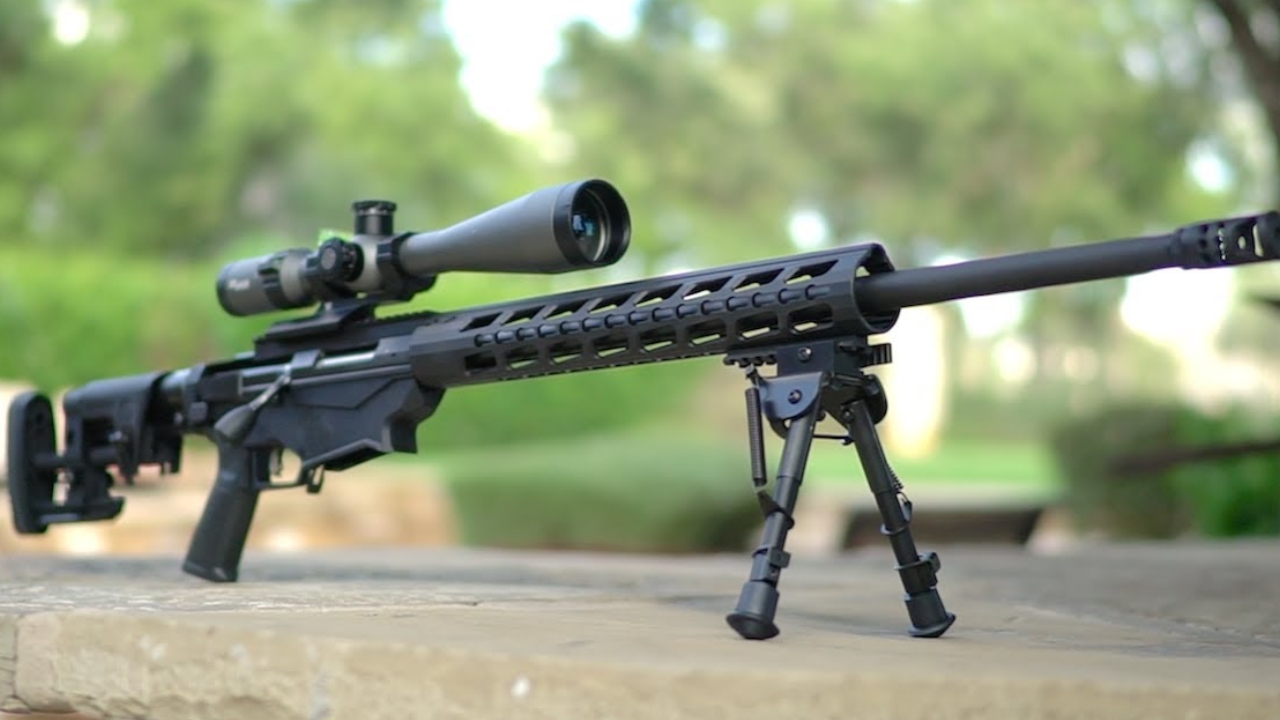
The Ruger Precision Rifle looks like it should make long-range shooting easy. It’s heavy, adjustable, and built around a modern chassis concept that screams “serious.” The headache is that a lot of shooters buy it expecting comfort and effortless accuracy, then find the rifle is loud, bulky, and not particularly fun when you’re shooting a lot in one sitting.
It can shoot well, but it’s not a casual rifle. The weight and layout are great for a specific role, yet they can feel clumsy if you’re trying to move, shoot off improvised positions, or run any kind of practical pace. It’s a rifle that looks like it solves everything, then reminds you that precision rigs still demand good fundamentals and patience.
Christensen Arms CA-10

The CA-10 looks like a refined, modern .308 that should feel smooth and high-end. In practice, lighter .308 gas guns often feel sharper than people expect, because you don’t get free recoil reduction when you remove weight. The rifle can still be accurate and reliable, but it can be tiring to run fast.
What catches people is the mismatch between expectation and physics. You pick it up and think it’ll shoot like a soft, steady precision semi-auto. Then you shoot it and realize the impulse is lively, and keeping the reticle stable takes real effort. It’s a capable rifle, but it’s a classic example of “tactical and premium-looking” not automatically meaning “pleasant to train with.”
Springfield Armory M1A

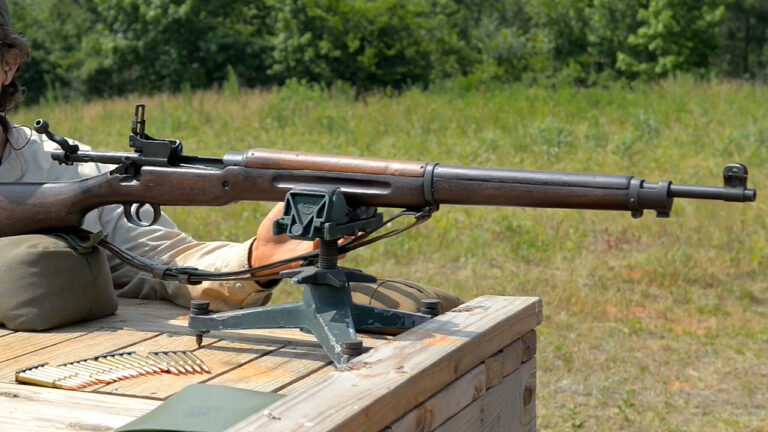
The M1A looks like a battle rifle icon, and it photographs like a modern classic. The headache for many shooters is that it can feel clunky and stubborn compared to more modern .308 platforms. Slow fire is often fine. Once you try to shoot faster or run real drills, the recoil feels pushy and the rifle doesn’t settle as naturally as you want.
You also deal with ergonomics that aren’t as intuitive for modern optics-and-sling training. Even if you love the rifle, it’s not hard to admit it often takes more effort to run well than the look suggests. People buy it because it looks tough and historic, then learn it’s a rifle that rewards patience more than speed.
FN SCAR 17S

The SCAR 17S looks like the ultimate modern battle rifle, and it’s absolutely capable. The part that surprises some shooters is how “busy” it can feel. It’s loud, it has a unique recoil character, and it can feel springy compared to heavier .308 rifles that soak up more movement.
Slow fire can be impressive. When you start shooting fast, you may find yourself working harder to keep the gun flat and consistent. The SCAR isn’t a problem rifle—it’s a rifle with a personality. If you bought it expecting it to feel like an easy, smooth .308 that you can run all day without fatigue, it can turn into a headache in a hurry, especially for shooters who aren’t already comfortable with hard-running .308s.
IWI Tavor

The Tavor looks compact and purpose-built, and that’s exactly why people buy it. On the range, the trigger feel and balance can make it harder to shoot fast and clean than a conventional AR. Slow fire is manageable. Speed exposes the reality that many bullpups demand more discipline to keep hits tight under time.
The other factor is how the rifle feels over a long session. The blast and action are closer to your head, and the rifle’s handling rhythm is different. None of that makes it bad, but it can make it tiring. The Tavor is a great example of a rifle that looks like the perfect “tactical” answer, then asks you to adapt more than you planned.
Kel-Tec RDB

The RDB has a futuristic look that sells itself. It’s compact, it stands out, and it feels like you’re getting something different. When you shoot it, the difference can be less fun. The trigger and overall feel often don’t encourage fast, confident shooting the way more mainstream platforms do.
Slow fire can be fine, especially when you’re being careful. When you speed up, you may find it harder to keep a consistent cadence and a clean sight picture. The rifle can also feel less refined in the way it returns and settles. It’s not that you can’t shoot it well. It’s that the rifle tends to demand more patience and more adaptation than the “tactical” look implies.
Ruger Mini-14

The Mini-14 looks like a rugged little carbine, especially when it’s dressed up with modern accessories. The headache shows up when you start shooting longer strings. Many shooters notice accuracy can be less consistent once the barrel heats, and the rifle can feel less smooth to run than an AR when you’re trying to go fast.
It’s also easy to turn the Mini into a front-heavy, awkward rig by adding rails and gear that don’t actually help it shoot better. Slow fire can be respectable, which is why people get confident with it early. Faster shooting exposes the platform’s quirks, especially if you’re trying to keep tight groups at pace. It’s a reliable rifle for a lot of folks, but it can be frustrating if you expected “tactical look” to mean “easy modern performance.”
Century C308

The C308 looks like an old-school tactical rifle that should run forever. The shooting experience is where it earns the headache reputation. The recoil impulse can feel sharp and abrupt, and the controls and ergonomics are dated compared to modern rifles.
Slow fire is manageable. The moment you try to run it fast, you feel how much the platform asks of you. Manipulations aren’t intuitive for many shooters, and the rifle can feel harsh over longer sessions. People buy it for the look and the history, then discover it doesn’t feel like a smooth modern .308. It can be reliable, but it’s rarely comfortable if your idea of training includes speed and volume.
PSA AK-P

The AK-P looks like a compact, aggressive rifle that should be a blast to shoot. Sometimes it is—for a few magazines. The headache often comes from how loud and concussive these compact AK-style guns can feel, even when recoil itself isn’t extreme.
Slow fire is fine. When you try to shoot fast, sight recovery can be slower than you expect, and the whole experience can feel more chaotic than productive. Add the fact that many shooters don’t have deep reps on AK controls and reloads, and speed becomes harder to build. It’s a good example of a rifle that looks like a slick tactical package, then turns range time into a loud, tiring session unless you keep expectations realistic.
Mossberg MVP

The MVP looks like the practical “tactical bolt gun” answer, especially because of its magazine compatibility. At the range, the headache can be the feel of the action and the feeding behavior when you cycle it quickly. Slow fire tends to be fine. When you start trying to run it at a faster pace, it can feel less smooth and less forgiving than you want.
It also tempts people into building it like a semi-auto replacement—big optic, lots of add-ons—then wondering why it doesn’t handle well. The MVP can do useful work, but it’s not always the slick, fast bolt gun people imagine when they see the tactical styling. If you buy it for the look more than the function, it can become a rifle you don’t enjoy shooting.
Ruger American Ranch

The American Ranch looks like the perfect “compact tactical bolt rifle” when people start accessorizing it. The headache is that it’s still an affordable, lightweight bolt gun at heart. Slow fire can be impressive, and that’s why people get excited. When you shoot faster or shoot longer strings, you can run into heat and consistency realities that don’t match the tactical vibe.
It’s also easy to bolt on so much gear that the rifle becomes awkward and unbalanced. Then you’ve got a rifle that carries worse, handles worse, and doesn’t actually shoot better. The American Ranch is a useful rifle in its lane. It starts feeling like a headache when you expect it to behave like a heavier precision rifle because you dressed it up that way.
Remington 700

A Remington 700 can look extremely tactical with the right stock and accessories, which is why it ends up on this list. The rifle itself can shoot well, but a lot of “tactical” 700 builds are thrown together without a real plan. Slow fire off a bench is often fine. When you try to run it in practical positions, you can end up with a setup that has a poor cheek weld, awkward balance, and an optic height that fights consistent shooting.
The headache isn’t the action—it’s the way people configure it. A heavy stock and big optic can make the rifle feel clumsy, and a thin barrel can heat and shift when you shoot strings. The 700 can be excellent, but it’s also one of the most common “looks tactical, shoots annoying” outcomes when the build is chosen for appearance instead of function.
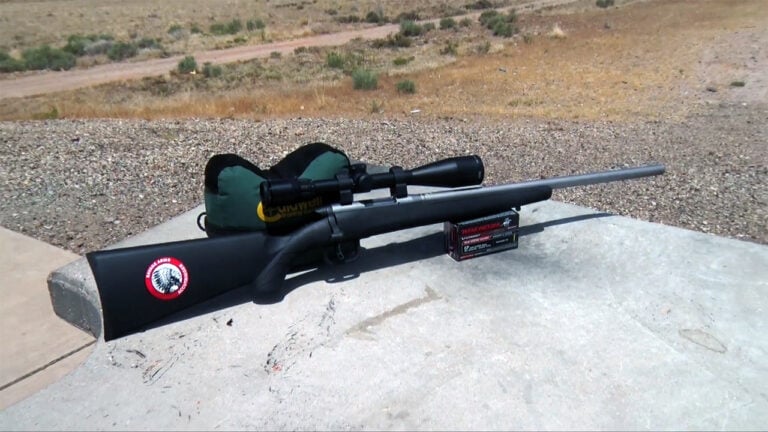
Savage Axis

The Axis is often picked because it’s affordable and easy to find, and it can look “tactical” quickly with a stock swap and accessories. The headache comes when you expect it to behave like a true precision rifle because you gave it precision-rifle clothes. Slow fire is often fine. Faster shooting and longer strings expose the limitations—lighter feel, more movement, and a general lack of refinement in how the rifle cycles and settles.
It can absolutely take game and it can shoot acceptable groups, but the rifle isn’t designed to feel like a high-end chassis gun. When you dress it up that way, you can end up with a bulky, awkward rifle that still shoots like a budget bolt gun. The look is convincing. The shooting experience often reminds you what it really is.
Like The Avid Outdoorsman’s content? Subscribe to our newsletter so you never miss an article.
Here’s more from us: