Photo credit: Kit Badger/YouTube
A rifle that shoots well for the first magazine can fool you into thinking you’re set for the season. The first few shots look great, the action feels smooth, and the groups tell you the rifle is “good enough.” But once that barrel heats up, flaws you never noticed start showing.
Accuracy drifts, cycling changes, and the gun you trusted suddenly feels unpredictable. If you’ve hunted long enough, you know a rifle that quits after the first magazine is more trouble than it’s worth.
Remington 742 Woodsmaster

The Remington 742 earns quick confidence because the first few rounds usually group well. As soon as the rifle heats, though, the old issues show up fast. The bolt rails tend to wear, carbon builds up, and the action loses the smoothness it had when cold. Accuracy drifts, and follow-up shots become tougher to place with any certainty.
Plenty of hunters still bring them to camp because they look sharp and feel familiar. But run a full magazine and keep going, and you’ll see how unreliable they become when the barrel and action start warming up. It’s a cold-barrel shooter, not a sustained performer.
Ruger Mini-14 Ranch Rifle

Older Mini-14s can be fun rifles, and their first magazine often prints better than people expect. Once that barrel gets hot, the groups widen dramatically. The thin-profile barrels on earlier guns aren’t designed to manage heat, especially when running inexpensive .223 ammo through fast strings.
It’s a rifle that cycles well and points naturally, but it doesn’t hold a zero under heat. If you run more than a magazine or two in quick order, impacts shift enough to make consistency a challenge. For casual use it’s fine, but don’t expect stable accuracy across warm strings.
Mossberg MVP Patrol

The MVP Patrol is appealing because it’s light, handy, and accepts AR magazines. That combination makes it feel great on the first magazine, where it often groups surprisingly well. Once the barrel heats, the thin profile shows its limits and groups stretch quickly.
You can slow the pace and give it time to cool, but if you’re shooting multiple magazines in a row, accuracy changes from one string to the next. It’s a rifle that rewards slow, measured use rather than sustained fire, and that limitation becomes obvious early in a range session.
Browning BAR Mark II
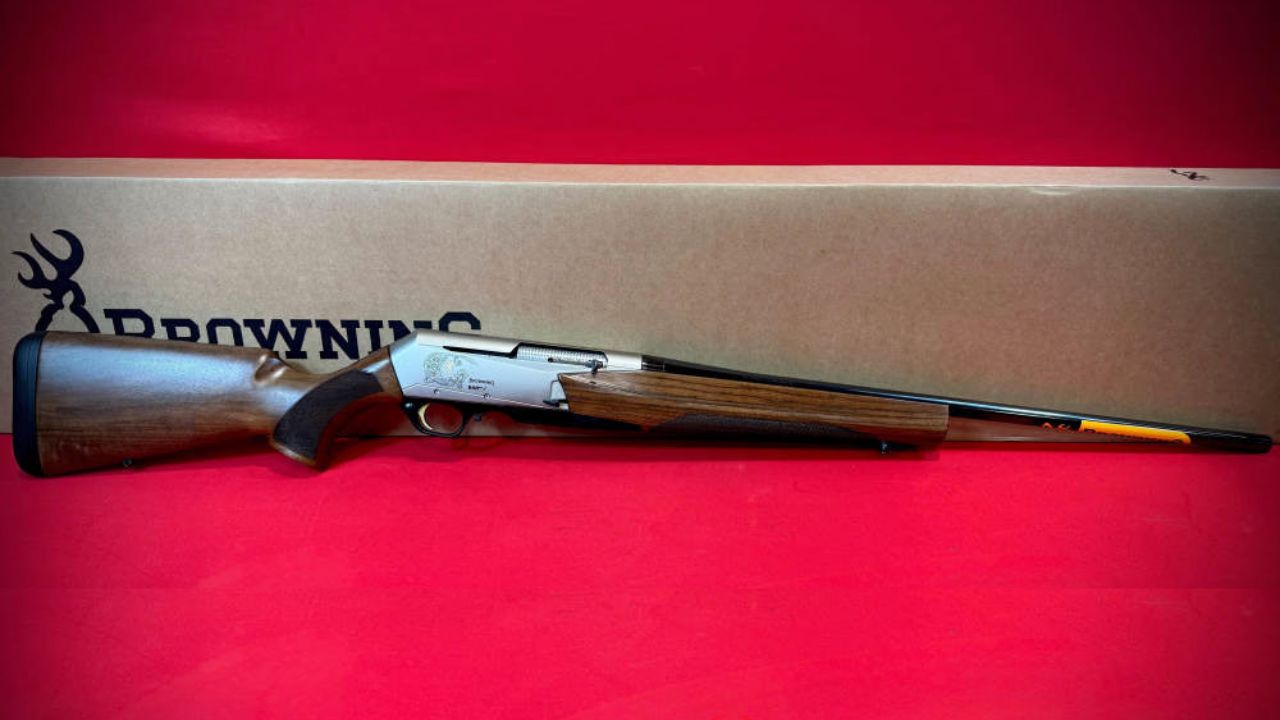
Many hunters cherish their BARs because they balance well and shoot cold groups consistently. Older Mark II rifles, however, can struggle once they warm up. The action builds heat quickly and the barrels aren’t as thermally stable as modern options, causing subtle but noticeable point-of-impact shifts.
While this rarely affects single-shot hunting scenarios, you’ll see the problem when sighting in or shooting repeated strings. The rifle that felt dialed during the first magazine won’t necessarily hold that accuracy when the temperature climbs inside the action and barrel.
Savage 110 Lightweight Storm

Savage built the Lightweight Storm to be carried, not hammered through long shooting sessions. That thin barrel heats up fast, and once it does, group sizes grow. The first magazine can be promising, often producing impressive cold-barrel groups that make you think the rifle will be a tack driver.
After a short run of shots, though, the heat changes everything. Especially in magnum chamberings, you’ll see the point of impact move and consistency drop. For hunters who fire a single, deliberate shot, it’s manageable. For extended practice, the shift becomes frustrating.
DPMS Oracle

Early DPMS Oracle rifles gained traction because they were cheap, simple, and shot decent first groups. But many of those early barrels weren’t stress-relieved to the level you see today. As a result, heat exposes inconsistencies quickly. After the first magazine, groups start wandering.
The rifle usually continues to cycle, so it feels reliable mechanically, but maintaining accuracy beyond a few warm strings becomes difficult. If you’re only plinking or shooting casually, it works. If you care about repeatable accuracy across multiple magazines, it falls short.
Winchester Model 100

The Model 100 can surprise shooters with solid first-group performance. But as soon as the rifle warms, it starts showing the design limitations of its era. The action heats unevenly and barrel harmonics change enough to push shots off-center, particularly with modern hunting loads.
It’s a sentimental rifle for many hunters, which is why it still shows up in the field. But run more than a magazine and you’ll see accuracy issues that weren’t present during the first few shots. It’s a classic rifle with classic heat problems.
Howa 1500 Alpine

The Alpine is built as a mountain rifle, which means lightweight components and a barrel that heats fast. Your first magazine might give you a clean cluster. After that, you’ll notice the point of impact beginning to wander, especially if you’re shooting quickly or using hotter loads.
With adequate cooldown time, the rifle returns to its earlier accuracy. But if you push it through sustained strings, the thin barrel makes it nearly impossible to keep groups tight. It’s a rifle designed for one precise shot, not a steady run of them.
Remington 770

The Remington 770 delivers a surprisingly tight first group for such an entry-level rifle, which explains why many new hunters bought them. After a magazine or two, though, the barrel heats and accuracy begins to fall apart. The synthetic stock and loose tolerances simply don’t maintain alignment under temperature changes.
You’ll also feel the bolt become less consistent as the rifle warms. For occasional, slow-paced shots it performs acceptably. But if you’re practicing with sustained fire, the drop in accuracy is impossible to ignore.
Ruger American Ranch
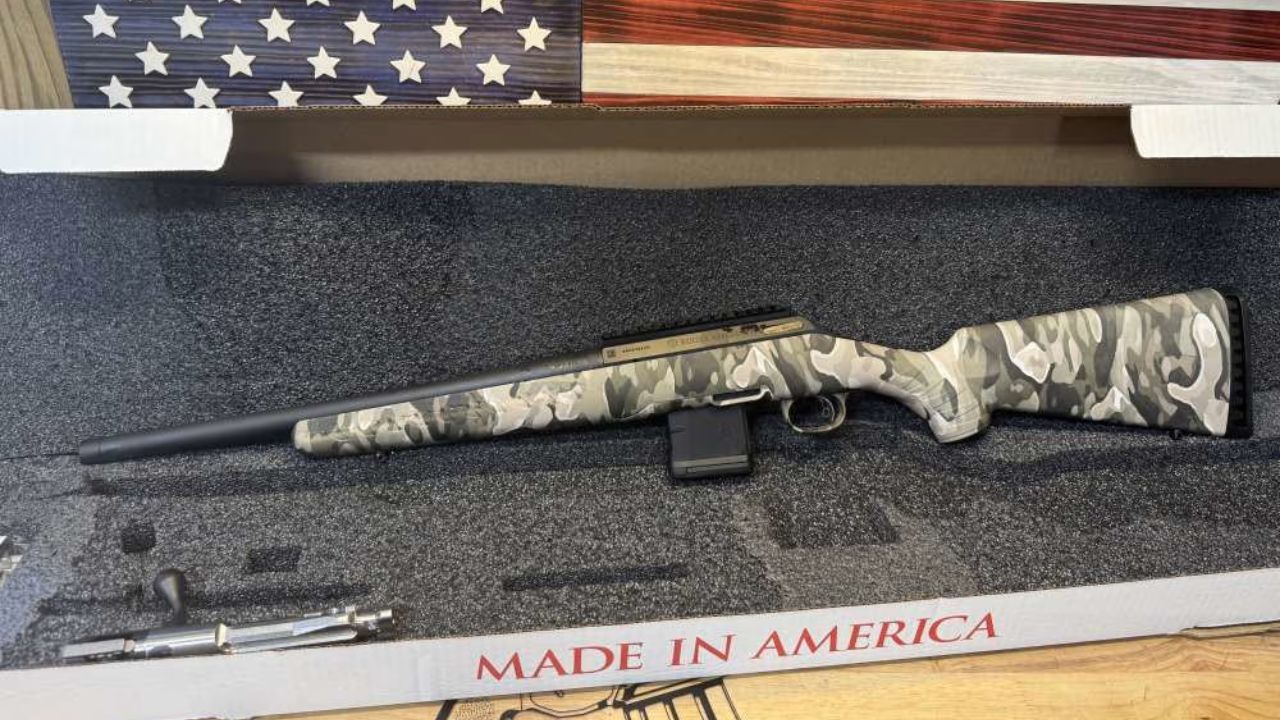
Earlier Ranch rifles had barrels light enough to make them heat quickly. The first magazine usually performs well, especially with good ammo. But shooters who push past that see groups open as the barrel warms and the harmonics shift.
It’s still a practical rifle, and Ruger has improved later runs, but early models struggle with extended strings. If you’re running multiple magazines in a session, you’ll eventually see the shift even at moderate distances.
Weatherby Vanguard Backcountry

The Backcountry is built for weight savings, not sustained shooting. It delivers excellent cold-barrel accuracy, which is what most mountain hunters need. After the first magazine, though, the slim contour barrel heats quickly and groups widen sooner than expected.
If you slow down and let the rifle settle between shots, it performs exceptionally well. But if you shoot it like a range rifle without giving it time to cool, accuracy drops fast. It’s a purpose-built rifle with clear thermal limitations.
Marlin X7
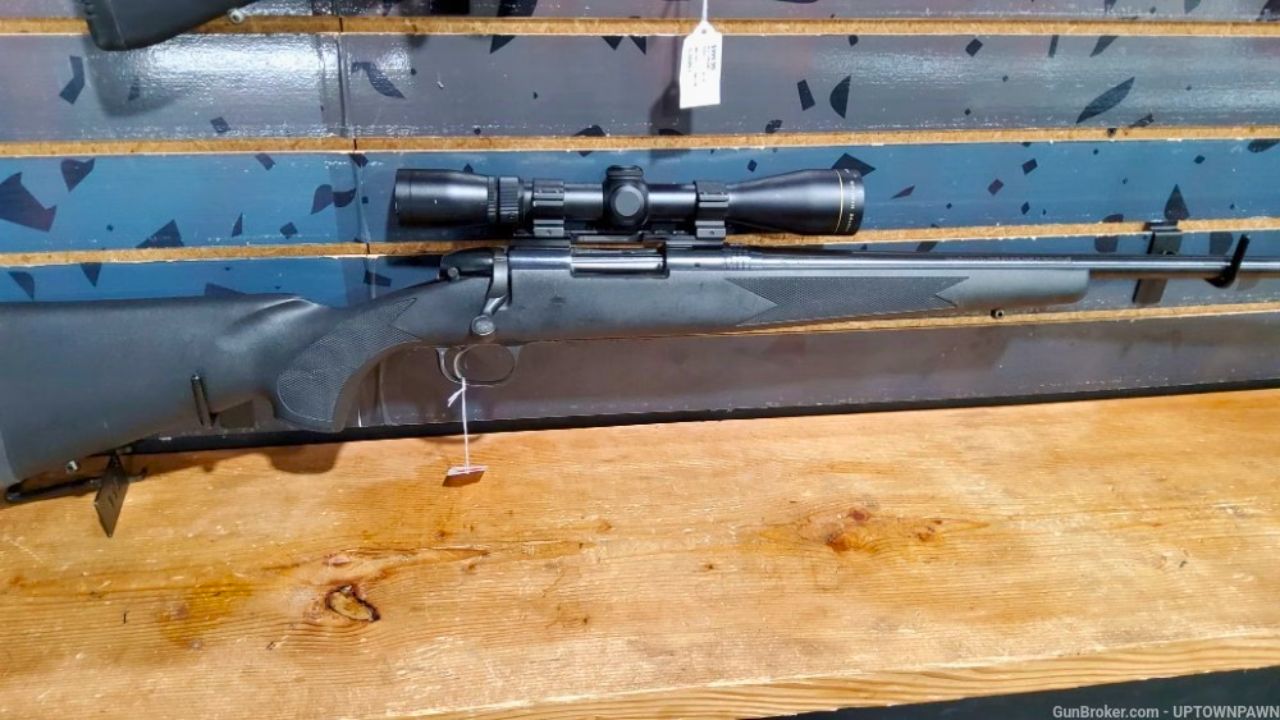
The Marlin X7 earned praise for accuracy on that first group thanks to its Pro-Fire trigger and stiff action. But sustained shooting exposes its limitations. The lightweight barrel heats quickly, and harmonic changes show up within a magazine’s worth of shots.
It’s a rifle that feels far better than its price suggests — until the temperature rises. Shooters expecting stable accuracy across extended sessions usually wind up frustrated with the heat shift.
Thompson/Center Venture

The Venture starts strong with impressive cold-barrel consistency. Early models, however, were known for heat sensitivity. Push past that first magazine and you start seeing fliers and wandering point of impact, especially with heavier bullet weights.
T/C improved later runs, but the original models still show up in camps and used racks. They’re fine for single-shot hunting scenarios, yet they don’t hold accuracy well during sustained firing.
CZ 527 Carbine

The 527 Carbine is lively, light, and extremely enjoyable to shoot. But its thin barrel heats quickly, especially with fast .223 or 7.62×39 strings. The first magazine often groups beautifully, showcasing the quality you expect from CZ.
Once the barrel warms, you’ll notice the point of impact shift and groups widen. For hunting, the rifle is excellent. For long range sessions or repeated magazines, it loses the consistency it shows early on.
Remington Model Seven (older runs)

The Model Seven is fast-handling and accurate at the start. But older runs with lightweight barrels struggle under heat. Shoot a quick magazine and you’ll see the impact drift, especially with magnum cartridges or handloads.
It’s a compact hunting rifle first and foremost, not a trainer meant for sustained shooting. Treat it like a cold-barrel tool and it performs well. Push it through steady fire and the heat exposes its limits.
Like The Avid Outdoorsman’s content? Subscribe to our newsletter so you never miss an article.
Here’s more from us: