

Photo credit: Backfire/YouTube
Few things drive shooters crazier than a rifle that won’t hold zero. You line it up, dial it in, and think you’ve got it perfect—until your next trip to the range when it’s suddenly printing six inches away. Some rifles are famous for that kind of inconsistency, but others slip under the radar. These lesser-known models had promise on paper but failed to stay dialed in once they hit the field. Whether it’s bad bedding, flimsy stocks, or barrel harmonics gone wrong, these are the guns that always seem to drift no matter how careful you are.
J. Stevens Model 87 and 200

The old Stevens semi-auto rimfires were built to be affordable plinkers, but they didn’t always deliver repeatable accuracy. Many of them suffer from loose barrel-to-receiver fit and poor scope mounting surfaces. You could zero one perfectly and still find your groups drifting after the next box of ammo.
The thin barrels heat up quickly, changing harmonics and shifting the point of impact. Add in soft wood stocks that swell with humidity, and you’ve got a recipe for constant re-zeroing. They’re fun rifles for casual shooting, but if you need consistency, they’ll test your patience.
Anschütz Sporter Conversions
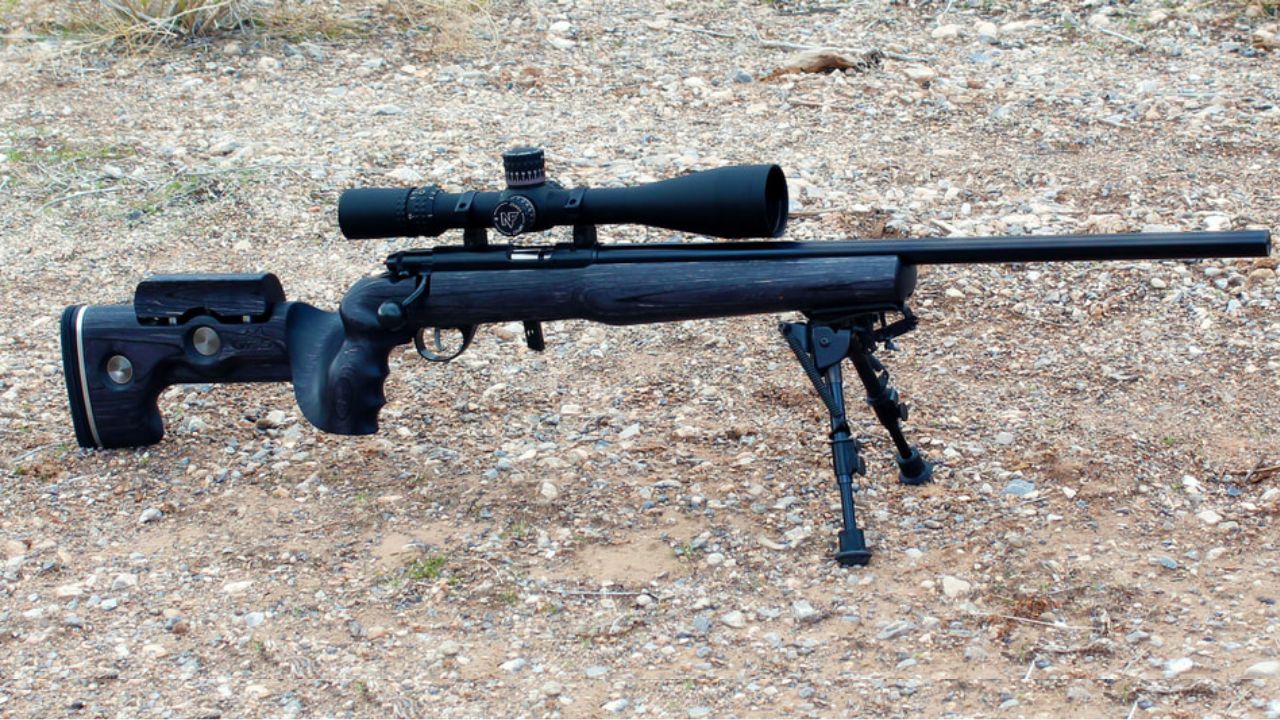
Anschütz rifles are usually precision masterpieces, but some older target rifles were converted into hunting sporters with mixed results. When these rifles were cut down or re-stocked, the precision that made them famous often disappeared.
Poor bedding and mismatched stocks made many of them unpredictable. You could shoot a tight group one day and watch your zero wander the next. Even temperature changes could shift the point of impact. The craftsmanship was there, but once modified, those rifles became high-maintenance projects rather than dependable tools.
Howa Mini Action

The Howa Mini Action was designed to be light, handy, and accurate, but early production runs had their share of accuracy issues. The synthetic stocks were flexible enough to alter the barrel’s harmonics, especially with light pressure from a sling or rest.
A cold barrel might print a respectable group, but once it warmed up, shots started to wander. Howa improved later versions with better bedding and stiffer stocks, but those early rifles earned a reputation for drifting zeros that no amount of torque adjustments seemed to cure.
Post-War Mauser Sporters
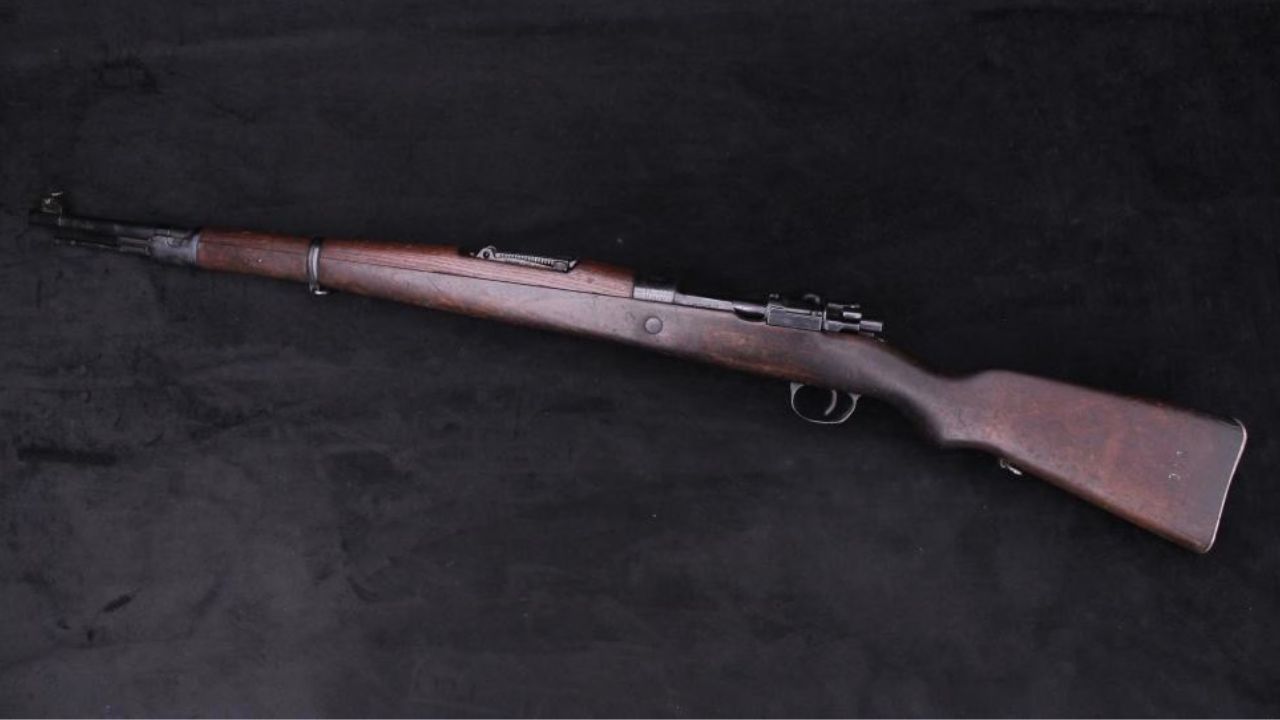
After World War II, thousands of surplus Mausers were chopped down into sporter rifles. Many were beautiful to look at, but few shot consistently. The combination of mismatched barrels, uneven bedding, and poor stock fitting meant the rifles often shifted point of impact between range sessions.
Some were assembled by professional gunsmiths and performed well, but the majority were garage conversions. The results were rifles that grouped fine at 100 yards one day and scattered the next. Collectors love them, but shooters know better than to trust those conversions with precision work.
Imported Lightweight Sporting Rifles
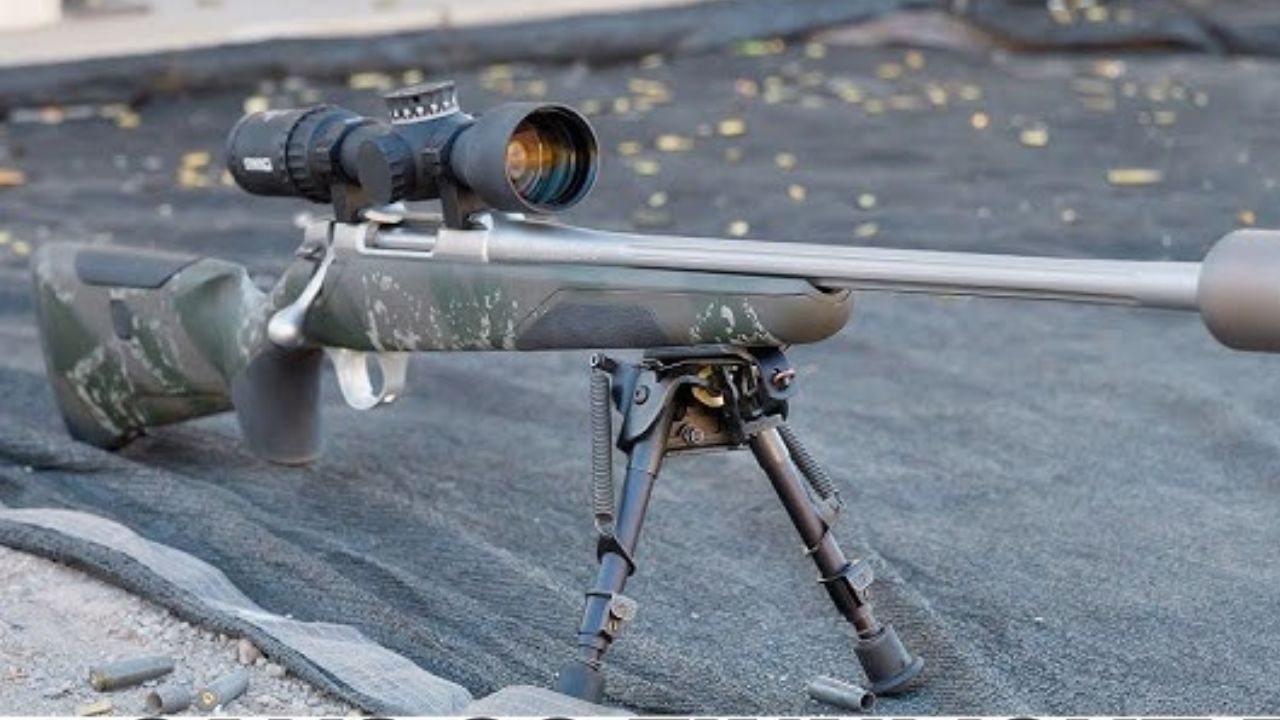
During the 1970s and 1980s, a wave of imported hunting rifles from small European and Asian manufacturers promised modern styling and accuracy at a low price. Most of them never lived up to the claims. The barrels were often too thin to handle heat, and poor bedding made consistency impossible.
Even when new, you could sight one in perfectly only to have your zero drift after a few rounds. Their light weight made them easy to carry, but that same lightness came at the cost of stability. They were fine for short-range hunting but never earned a reputation for true accuracy.
CZ 452 Sporter Modifications
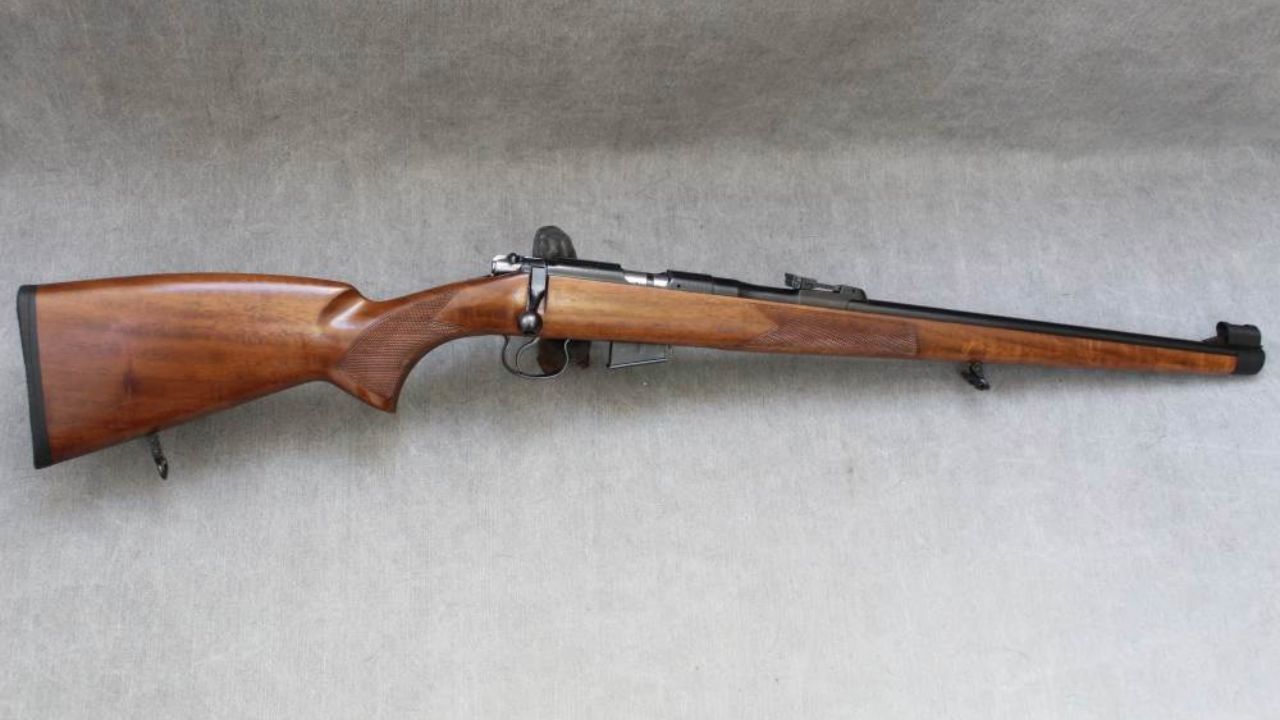
The factory CZ 452 is a dependable rimfire, but many owners tried to improve them with aftermarket stocks and heavy bedding jobs. Unfortunately, those modifications often hurt more than they helped. Over-torqued screws or uneven barrel channels caused inconsistent harmonics.
Once the precision fit of the factory stock was altered, the point of impact started to drift. A modified CZ might shoot beautifully one day and throw fliers the next. The factory rifles were fine as they were, but once tinkered with, holding zero became a constant chore.
Remington Nylon Sporters
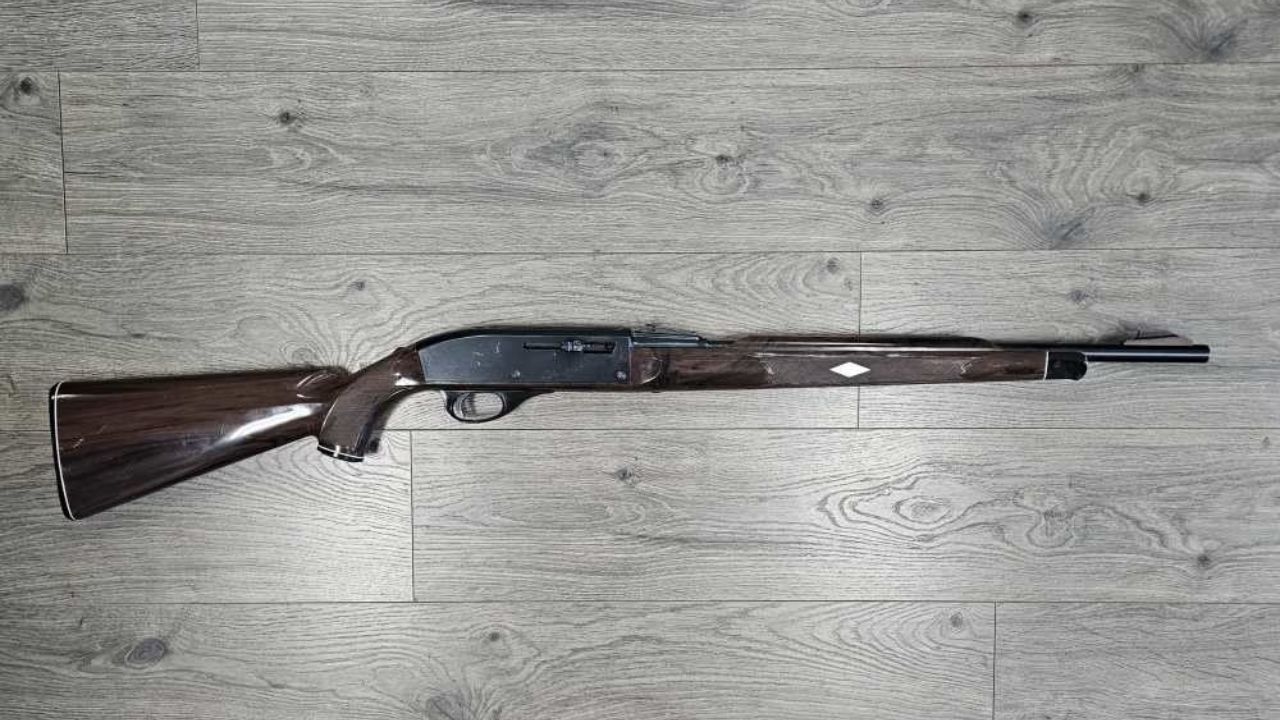
Remington’s Nylon rifles were revolutionary for their lightweight synthetic construction, but some of the early sporter versions had real accuracy issues. The flexible nylon stocks didn’t provide solid bedding, and small changes in grip or sling tension could shift the point of impact.
They were reliable and corrosion-resistant, but not precise. A Nylon sporter might hold zero for a few sessions, then suddenly drift without warning. Stiffer bedding or a solid rest could help, but most owners eventually accepted that these rifles were better for casual plinking than tight groups.
Savage Discount Custom Runs
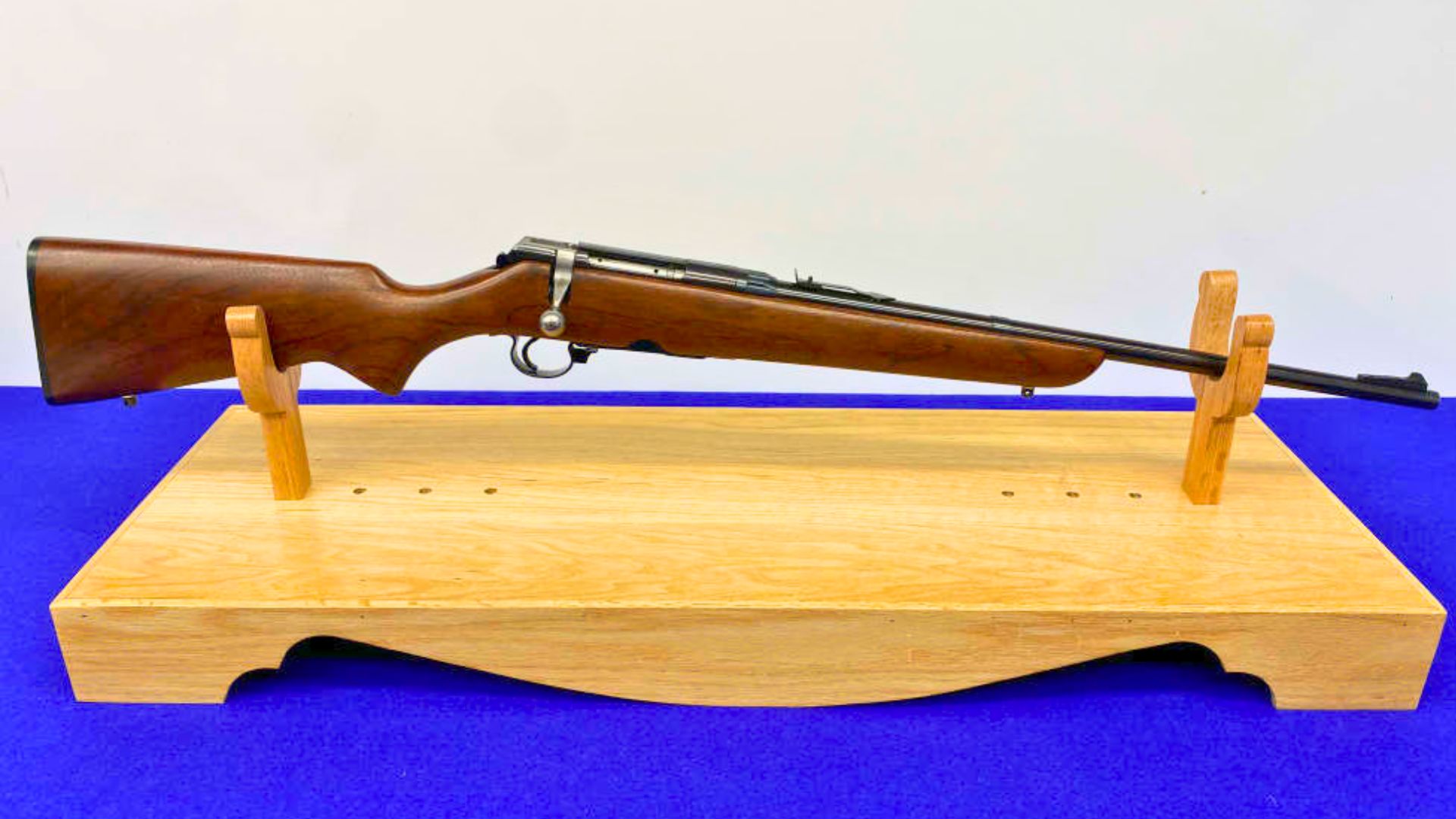
Every now and then, Savage released limited production runs for large retailers that looked identical to their regular models but cut corners on bedding or barrel quality. These rifles often arrived with inconsistent headspace or unevenly torqued actions.
Shooters would sight them in, only to find their groups shifting after a few dozen rounds. While the standard Savage rifles maintained the company’s accuracy reputation, these off-brand runs were unpredictable. Fixing them usually meant glass bedding the action or replacing the stock entirely.
FN Mauser Hunting Specials
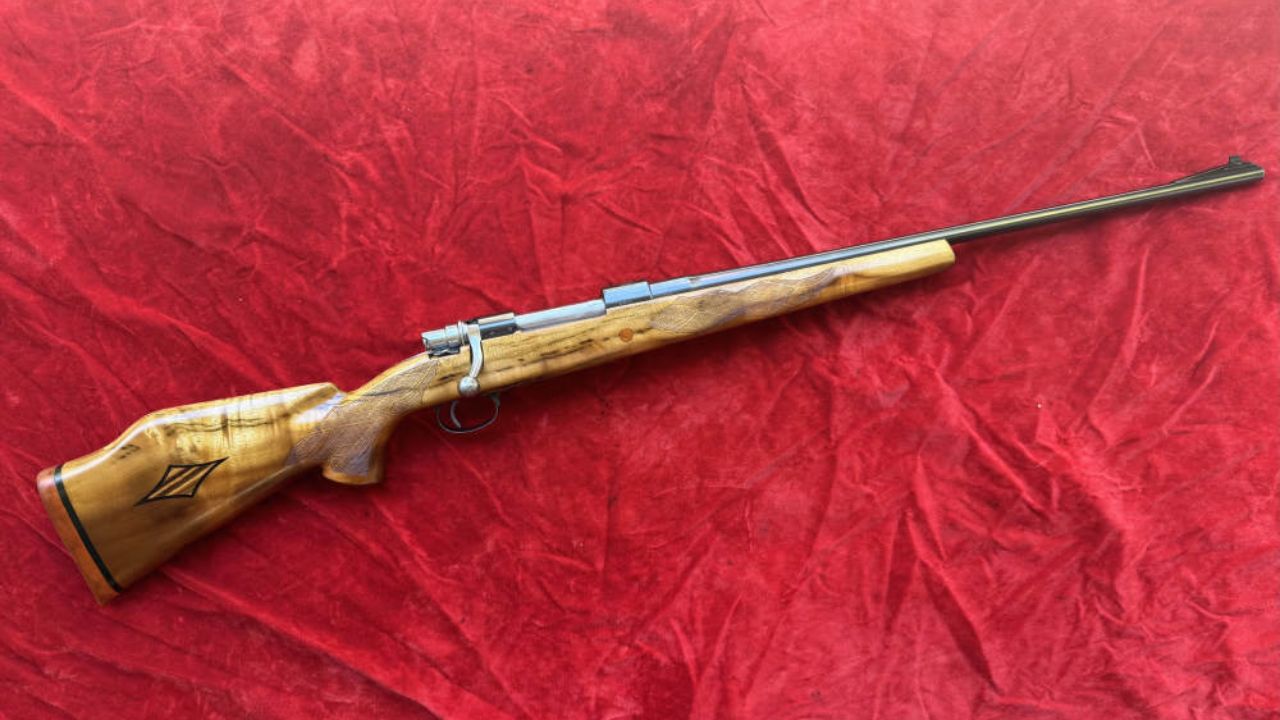
FN produced a few short-run hunting rifles based on their Mauser action that were beautifully made but not always consistent. Lightweight sporter barrels and basic bedding systems caused the rifles to lose zero when the barrel warmed up.
They handled well and looked refined, but repeatable accuracy wasn’t their strong suit. A careful shooter could coax good groups from them, but it took constant torque checks and controlled shooting pace to keep the zero steady. Most hunters learned to sight them in before the season and hope nothing shifted by opening day.
Like The Avid Outdoorsman’s content? Be sure to follow us.
Here’s more from us:
The worst deer rifles money can buy
Sidearms That Belong in the Safe — Not Your Belt
*This article was developed with AI-powered tools and has been carefully reviewed by our editors.


