Photo credit: 1791 Gunleather/Youtube
I’ve watched “production pistol” go from meaning “serviceable, affordable, good enough” to meaning “ready to run hard, shoot tight, and keep going when it’s dirty and you’re tired.” That shift didn’t happen because of one brand or one gimmick. It happened because a handful of handguns forced everybody else to step up—better triggers, better sights, better capacity, better durability, better support, and fewer excuses.
This isn’t a museum list. It’s the short roster of pistols that changed what regular shooters expect when they walk into a gun shop with a working-man budget and real-world needs—carry, home defense, range time, maybe a competition or two, and the occasional “I’m not going back to the truck” moment.
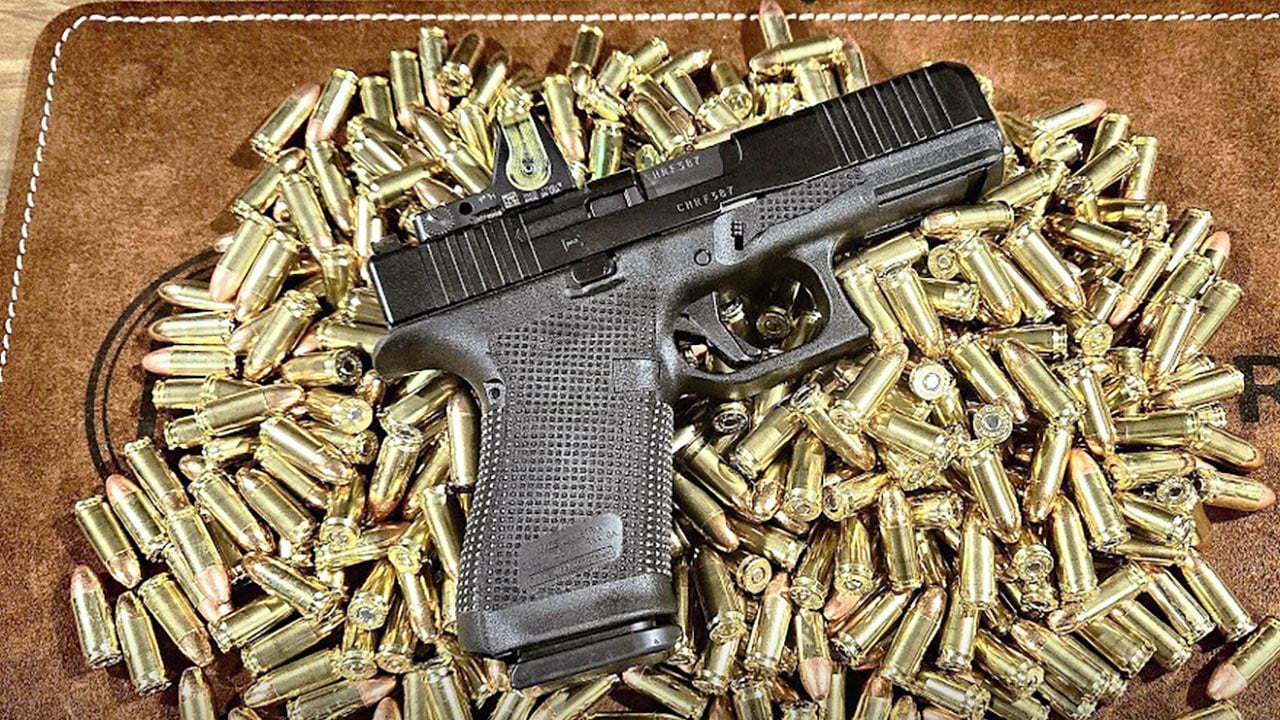
1. Glock 17 (Gen 2–Gen 5)
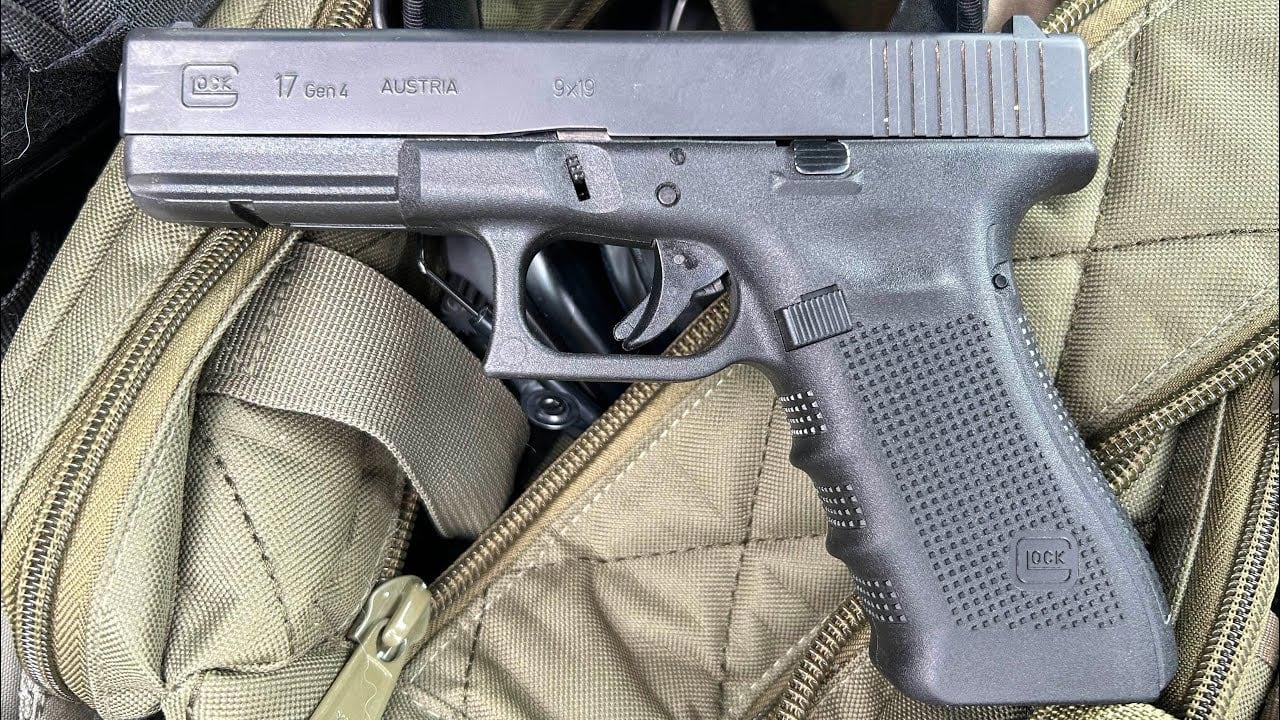
The Glock 17 didn’t win hearts by being pretty. It won by being simple, light for its size, and boringly reliable. When departments and regular folks realized polymer wasn’t fragile, the whole market tilted.
It also set a new baseline for parts availability. Springs, mags, sights, holsters—everywhere. If a production pistol can’t be supported like a Glock, it feels like a dead end now.
2. Glock 19
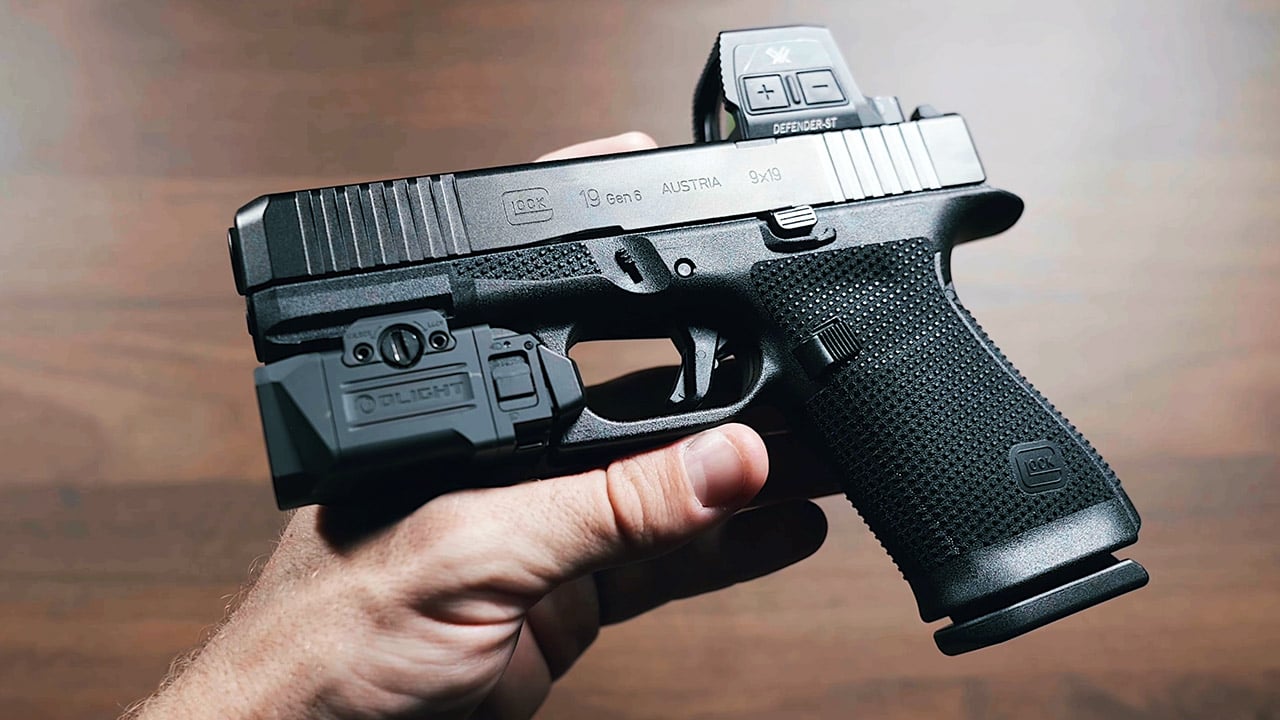
If you’ve carried long enough, you’ve probably circled back to the Glock 19 or something trying hard to be it. It balanced shootability with concealment in a way that made “compact” stop feeling like “compromise.”
The G19 also normalized the idea that one pistol can do most jobs. That expectation—one gun that carries well and still runs a class—became the standard.
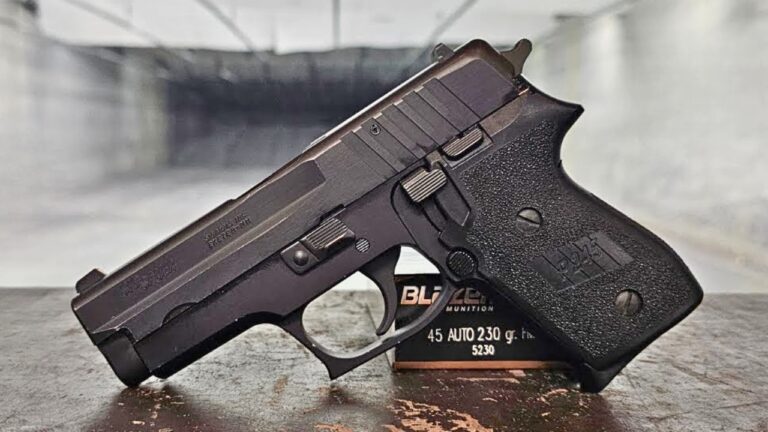
3. SIG Sauer P226

The P226 showed what a duty-grade DA/SA could be: accurate, smooth cycling, and built like it was meant to survive a career. It made people care about lockup and consistency in an era when “combat accurate” was the main pitch.
It’s not light, and it’s not cheap. But it forced a conversation: if you’re paying for a serious pistol, it should feel serious in the hand and on the line.
4. Beretta 92FS / M9

Say what you want about big grips and slide-mounted safeties, the 92 set a durability bar for mass-issued 9mms. It runs smooth, and the open-top slide design earned its reputation for feeding well.
It also proved production pistols could be genuinely pleasant to shoot. A soft recoil impulse matters when you’re shooting a case of ammo instead of a box.
5. CZ 75B
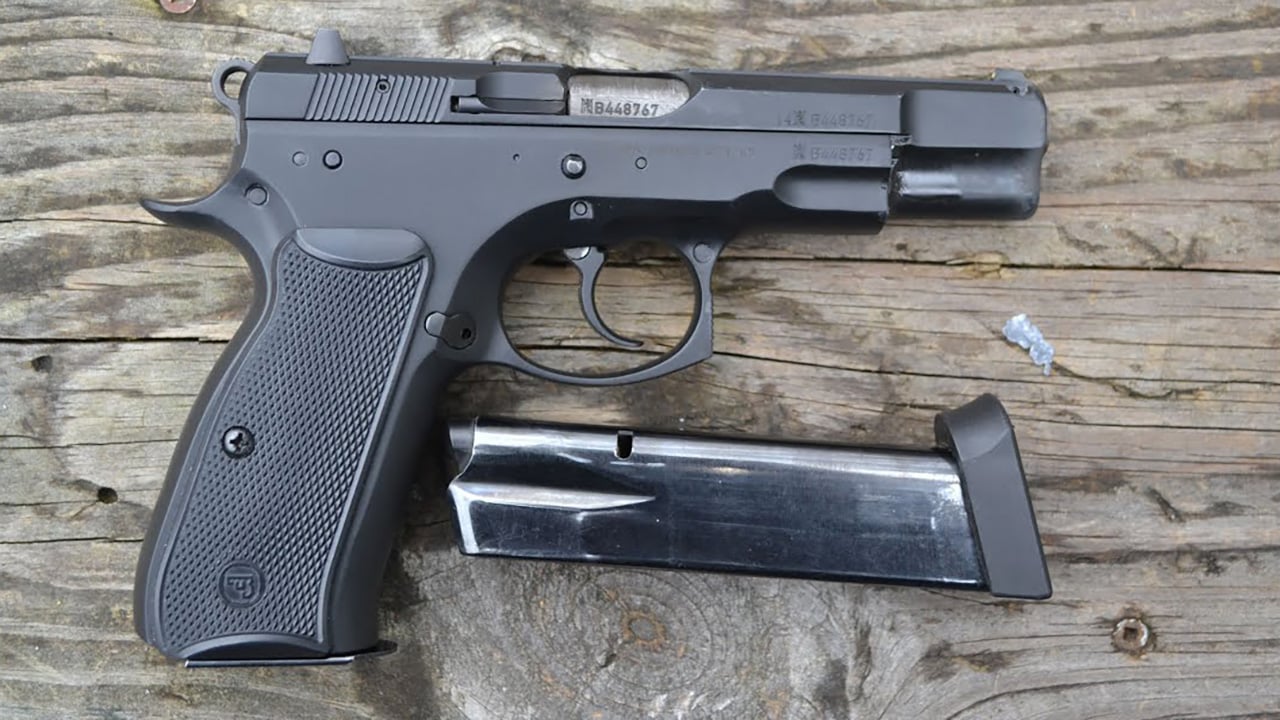
The CZ 75 was one of those pistols that made shooters go, “Wait, why doesn’t everything point like this?” That low slide ride and the grip shape just work for a lot of hands.
It helped drag the idea of “ergonomics” into the mainstream. Not just looks—how it indexes, tracks, and returns when you’re shooting fast.
6. CZ P-10 C

When CZ dropped the P-10 C, it told the striker-fired world, “We can do this too—and we can do it with a better trigger feel out of the box.” It wasn’t hype. A lot of them came from the factory ready to work.
It pushed other companies to quit shipping mushy triggers and calling it “duty safe.” Shooters started demanding crisp and predictable without a pile of aftermarket parts.
7. Heckler & Koch VP9
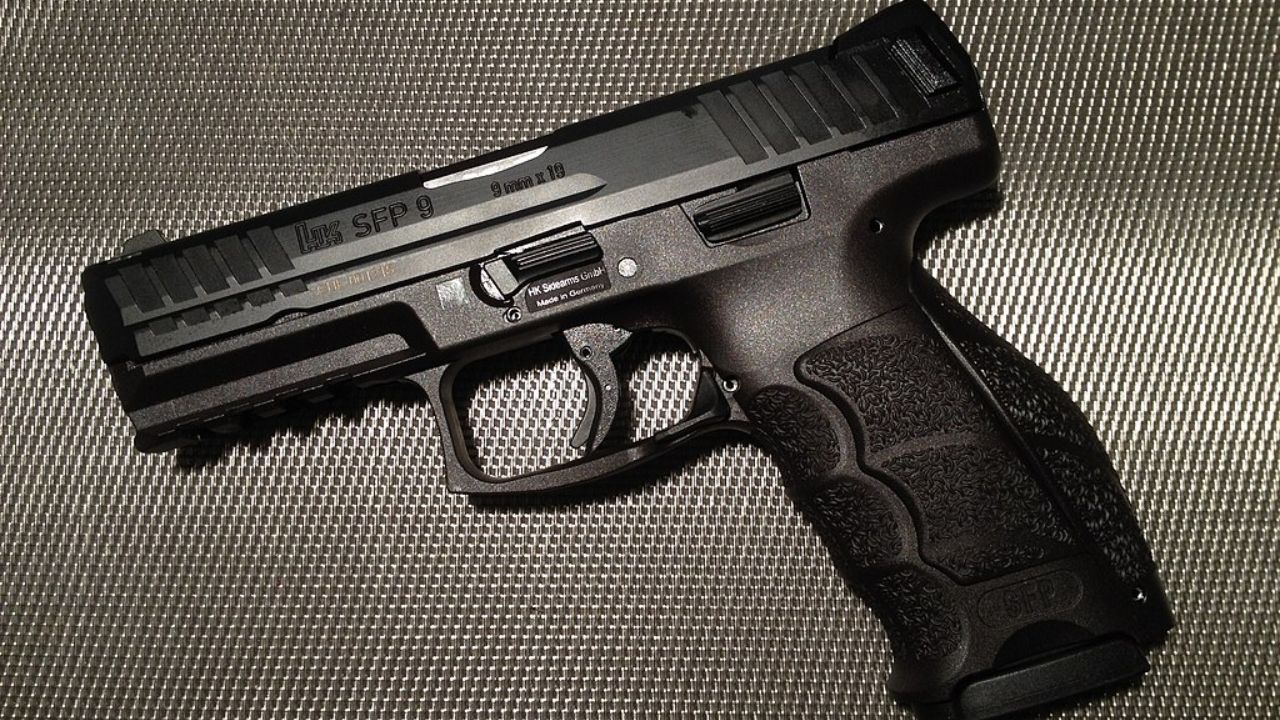
The VP9 made it normal to expect a striker gun to have excellent ergonomics and a decent trigger without paying custom-shop money. It fit a wide range of hands, and that matters more than folks admit.
HK also reminded everyone that “production” doesn’t have to mean “rough.” The finish, the machining, the overall feel—more brands had to clean up their act.
8. Heckler & Koch USP
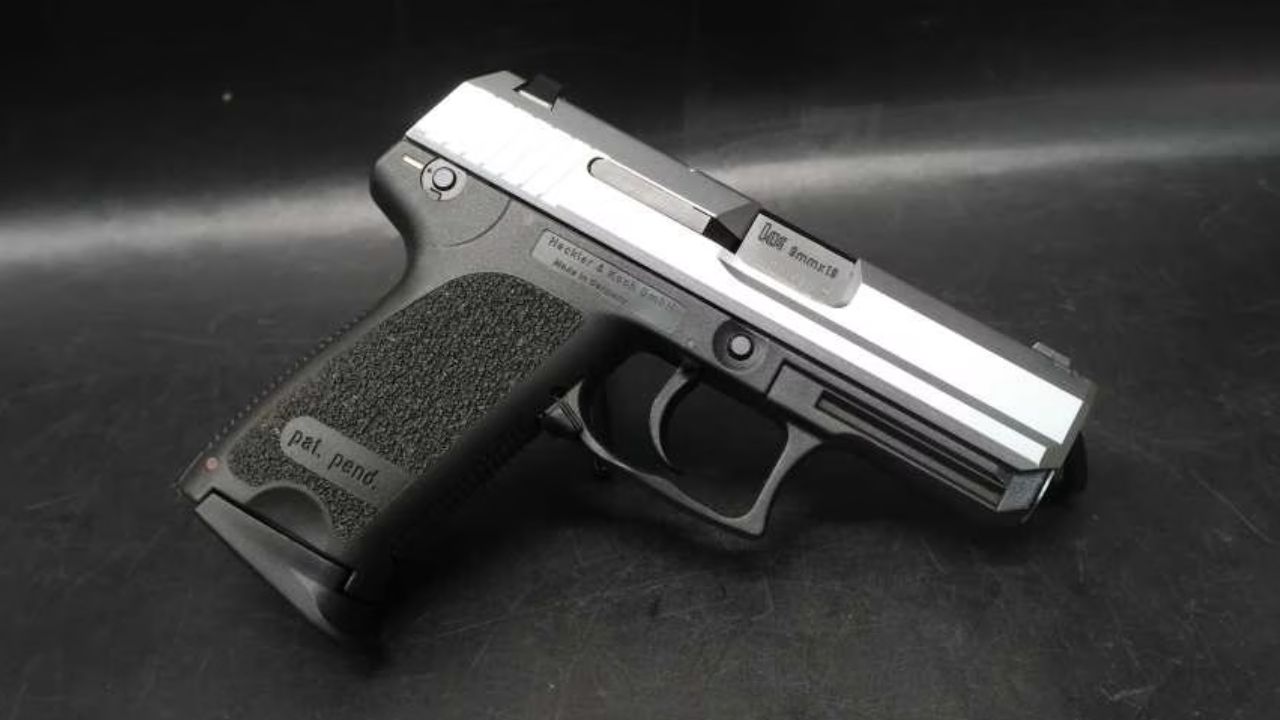
Long before “overbuilt” was a marketing buzzword, the USP was showing up with tank-like durability. Big, chunky, and not trying to be sleek. It was trying to last.
It raised expectations about recoil systems and longevity. Even if you never owned one, you felt its influence in how later pistols advertised endurance.
9. Smith & Wesson M&P9 (especially 2.0)
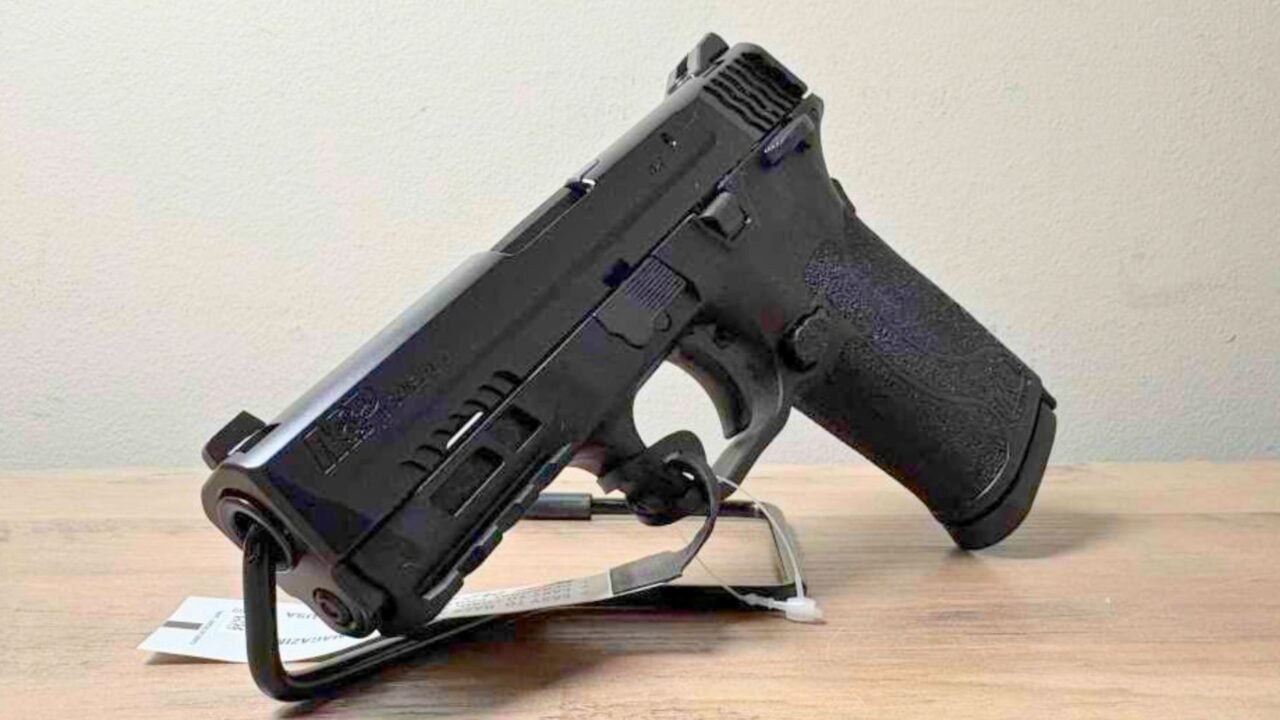
The original M&P made Glock-level practicality look like it needed better grip texture and better ergonomics. Then the 2.0 showed up and tightened the whole package—grippier frame, improved feel, generally a more confident shooter.
It also proved big companies could listen and iterate. Production pistols stopped being “take it or leave it.” Shooters started expecting meaningful updates.
10. Walther PPQ

The PPQ changed what people thought a factory striker trigger could be. Clean break, short reset, and it didn’t feel like you were dragging a cinder block through gravel.
That one hurt some other brands, because once you’ve shot a PPQ, you stop accepting a bad trigger as “normal.” It raised the baseline for shootability.
11. Walther PDP
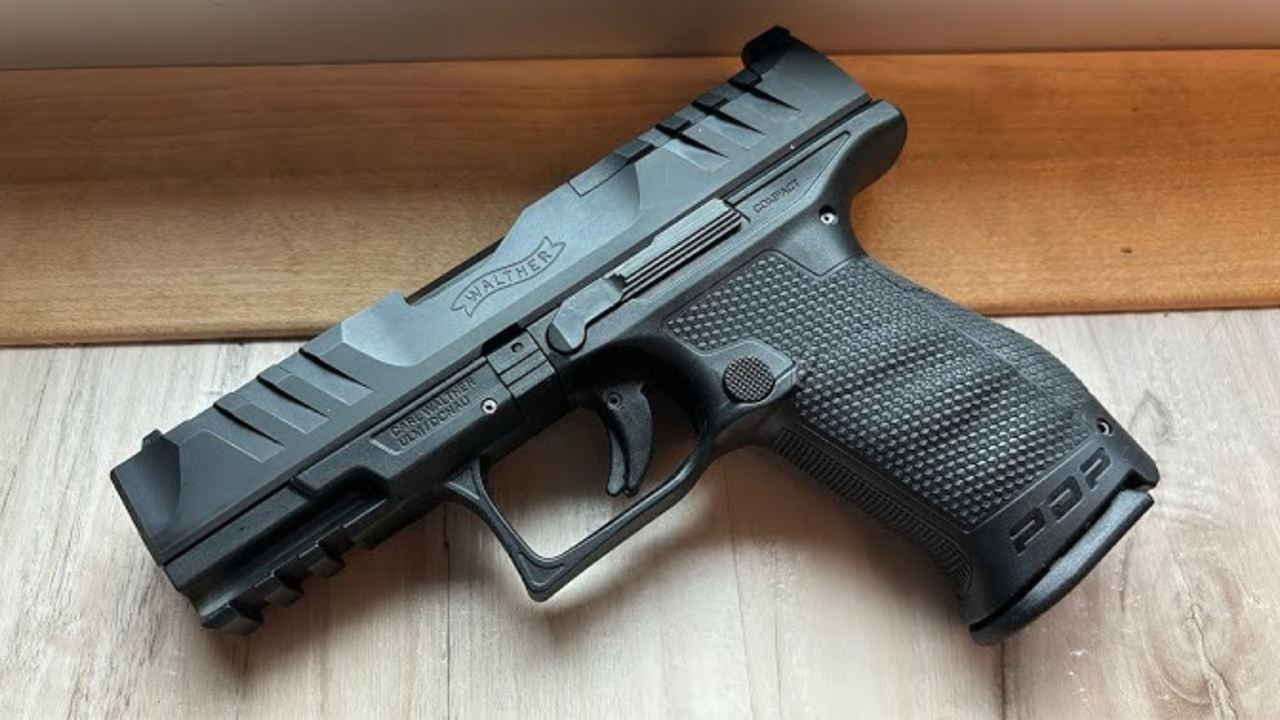
The PDP took the PPQ’s DNA and made it more modern: better optics support, aggressive slide serrations that actually work with wet or cold hands, and a general “ready for 2020s shooting” vibe.
It helped normalize optics-ready slides as a factory expectation, not a custom job. Now, if a pistol is “duty/defense” and can’t mount an optic cleanly, folks notice.
12. Ruger Mark II
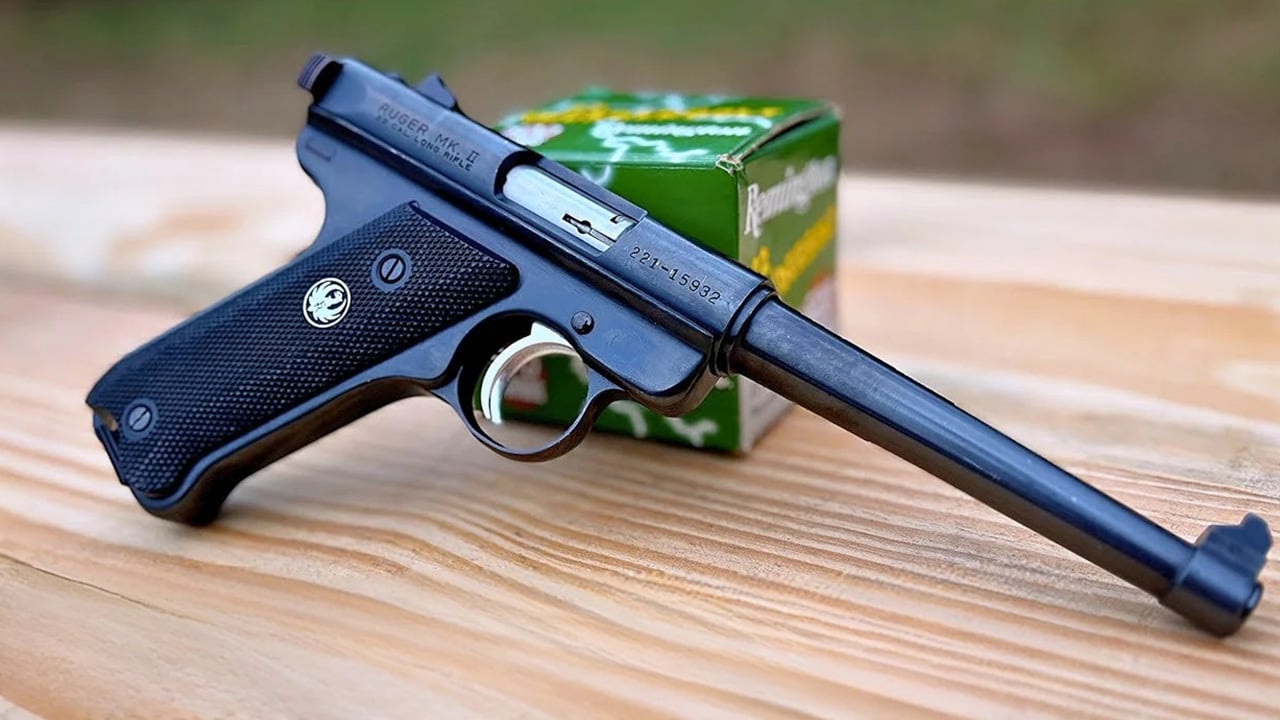
A .22 might not be what you think of when talking standards, but the Mark II made “production” mean you could actually practice. Cheap ammo, excellent accuracy, and enough durability to live at the range.
It also trained generations of shooters on trigger control and calling shots. A lot of good handgun habits started behind a Ruger .22.
13. Browning Hi-Power
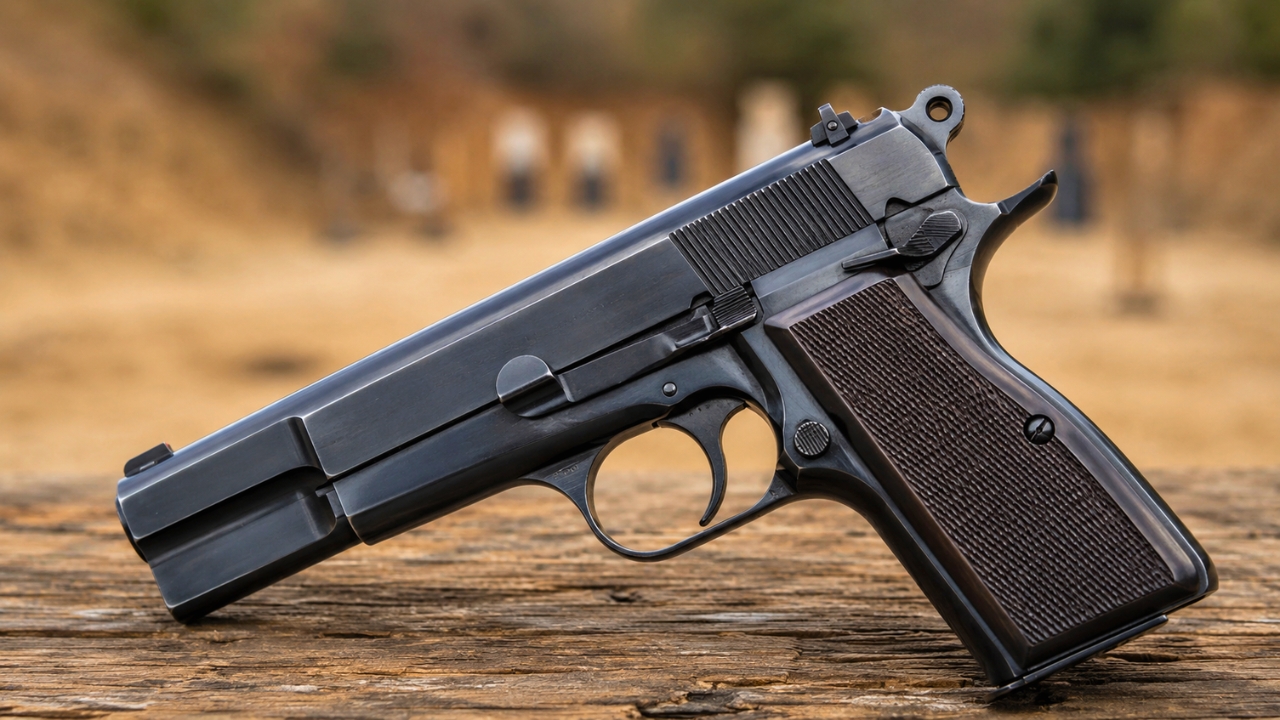
The Hi-Power made high-capacity 9mm feel normal before “double-stack” was a common phrase at the counter. It pointed well, shot well, and carried flatter than a lot of guns that held similar rounds.
Even now, it’s a reminder: a production pistol can have soul and still be useful. Not everything has to feel like a polymer stapler to earn respect.
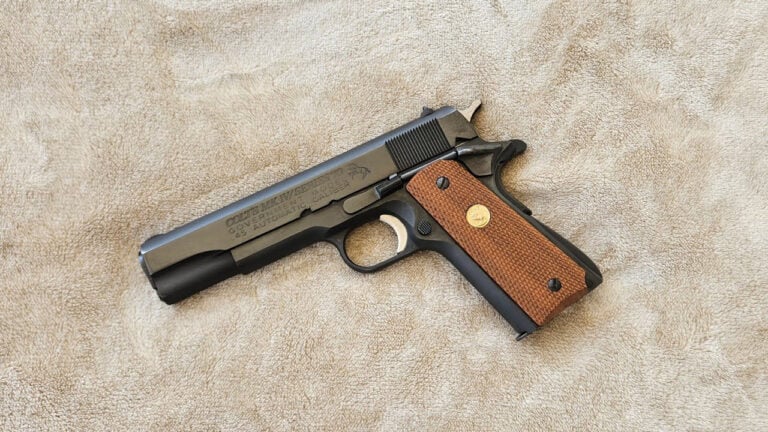
14. Colt 1911 Government Model (Series 70-era pattern)
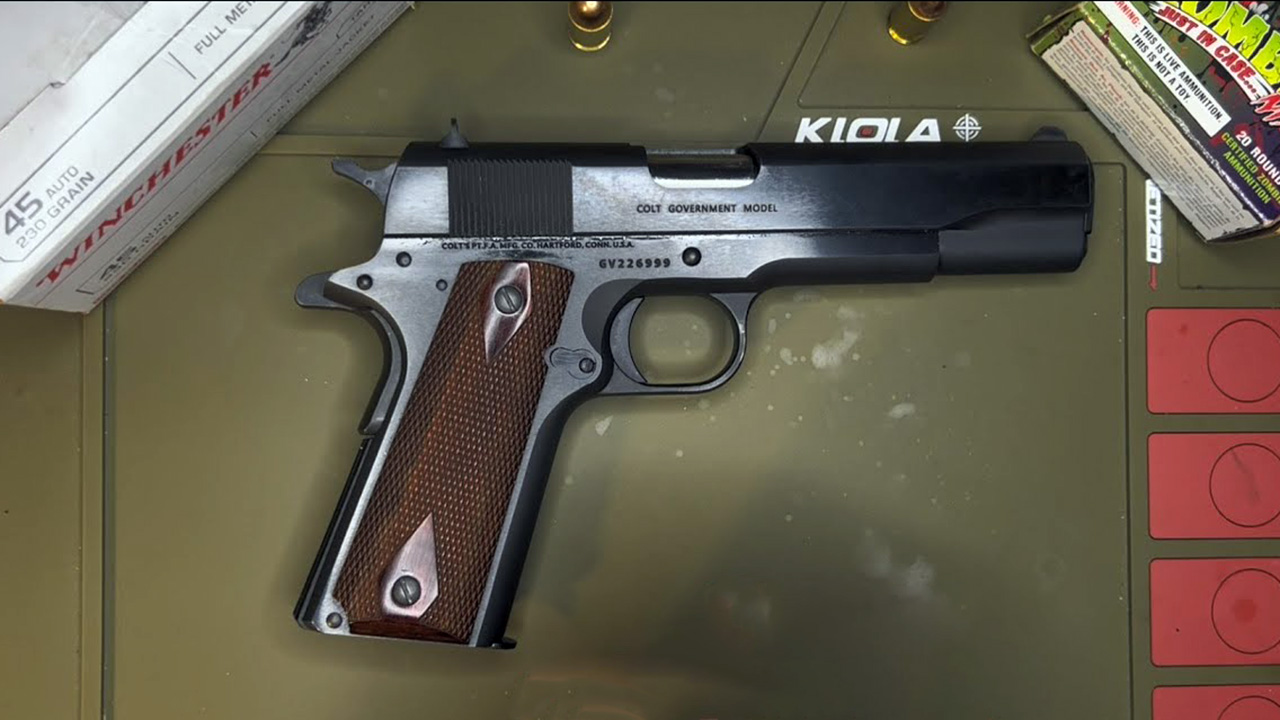
The 1911 is old, yes, but it reset expectations for triggers and practical accuracy. A good production 1911 trigger still embarrasses plenty of modern designs. And when you can hit what you’re aiming at, you start expecting that from everything else.
It also created the “aftermarket culture” before we called it that. Sights, safeties, grips, magazines—production pistols started being judged by how well they could be supported and tuned.
15. Springfield Armory XD (original XD9)

Love it or hate it, the XD line forced the market to compete harder in the polymer striker space when Glock was still the default answer to everything. It brought features people wanted at the time—grip safety, solid capacity, and a different feel in the hand.
It also proved there’s room for “not a Glock” that still runs. That competition benefited everybody, even if the XD isn’t everyone’s cup of coffee today.
16. Ruger LCP

The LCP made pocket carry truly mainstream for regular folks who weren’t going to tote a thick subcompact all summer. It wasn’t fun to shoot. It wasn’t supposed to be. It was supposed to be there.
It raised the expectation that a tiny pistol could still be reliable enough to trust. And it forced the industry to take deep concealment seriously instead of treating it like a novelty.
17. Smith & Wesson Shield (original)
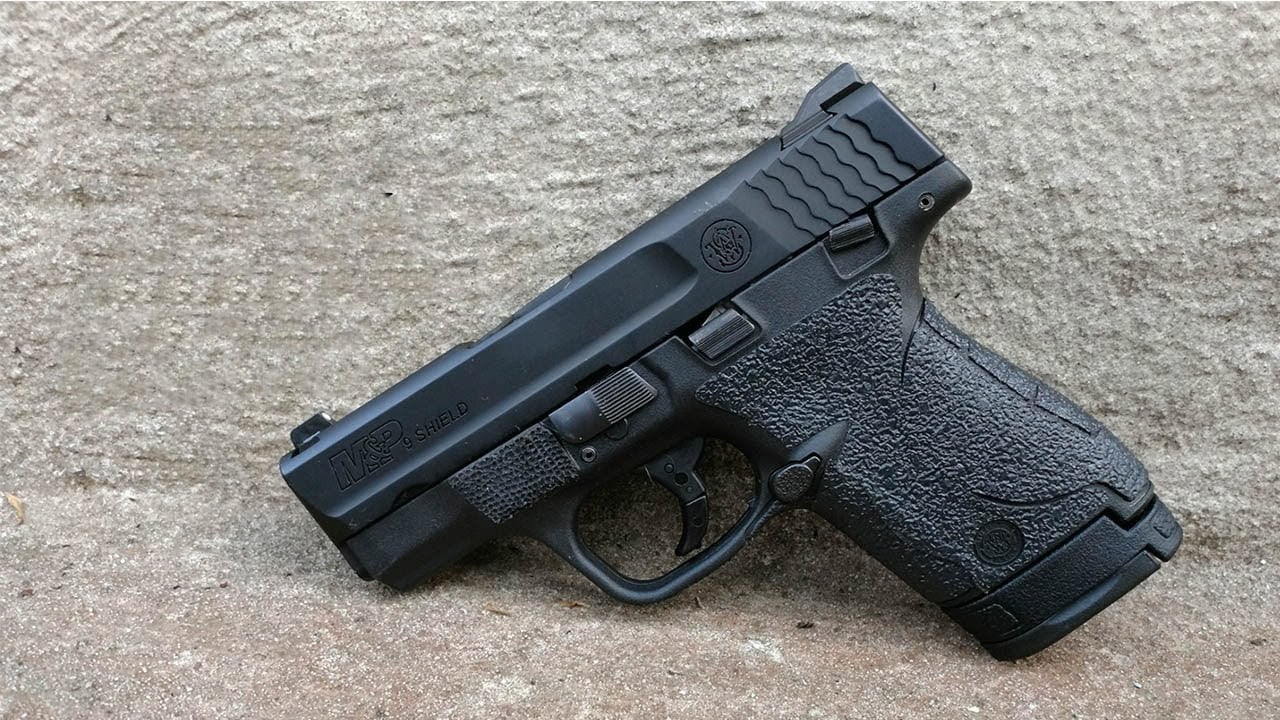
The Shield helped define the “slim 9mm” era. It carried flat, didn’t print much, and didn’t feel like you were holding a toy. For a lot of folks, it was the first pistol they actually carried every day.
It also made “single stack but shootable” the new normal. Production carry guns started being judged on comfort over 12-hour days, not just spec sheets.
18. SIG Sauer P365
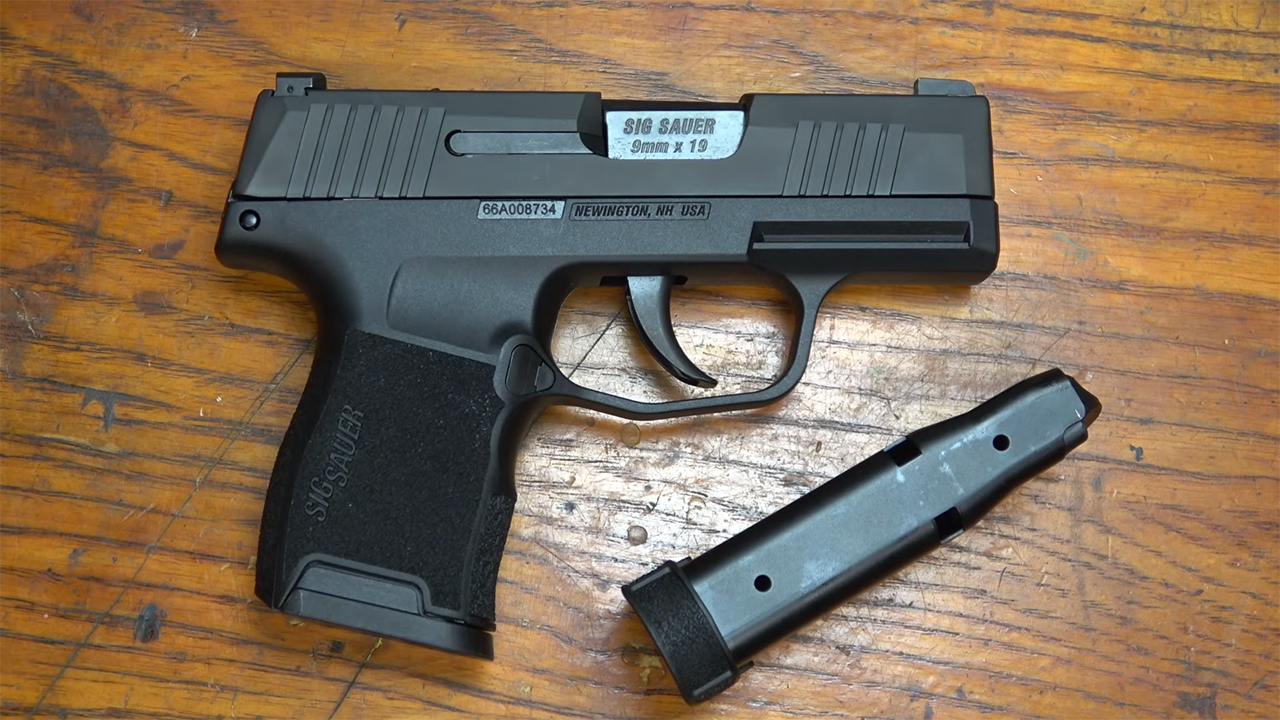
When the P365 hit, it rewired what people thought a micro-compact could do. Real capacity in a truly small footprint, and it shot like it had no business shooting. Every other maker had to respond, fast.
It also normalized high-capacity micro mags being easy to find and affordable. If your carry gun design can’t keep mags on shelves, it’s going to lose ground.
19. Springfield Armory Hellcat

The Hellcat didn’t just chase the P365 trend—it helped cement it. It showed up with aggressive texture, useful sights, and capacity that made older pocket guns feel outdated overnight.
What it changed was the buyer’s attitude. Now folks walk in expecting a small gun to come ready, with good sights and serious capacity, not a compromise package you have to “fix.”
20. Staccato P (2011-style, duty-ready production)

There was a time when a double-stack 1911-style gun was either a finicky race gun or a custom money pit. The Staccato P helped bring the 2011 concept into a production space where regular shooters and working professionals could buy one, run it hard, and not treat it like a Fabergé egg.
It pushed the standard on shootability—fast, flat, accurate—and forced a hard question: if a production pistol can shoot this well and still be dependable, why are we accepting mediocre triggers and vague sights elsewhere?
None of these pistols are perfect, and a few are downright polarizing. But each one moved the goalposts in a real way—capacity, reliability, ergonomics, optics readiness, or just making a handgun that regular people could actually afford to practice with. That’s the real standard now: not “will it work,” but “will it work well, for a long time, with no excuses.”
Like The Avid Outdoorsman’s content? Subscribe to our newsletter so you never miss an article.
Here’s more from us: